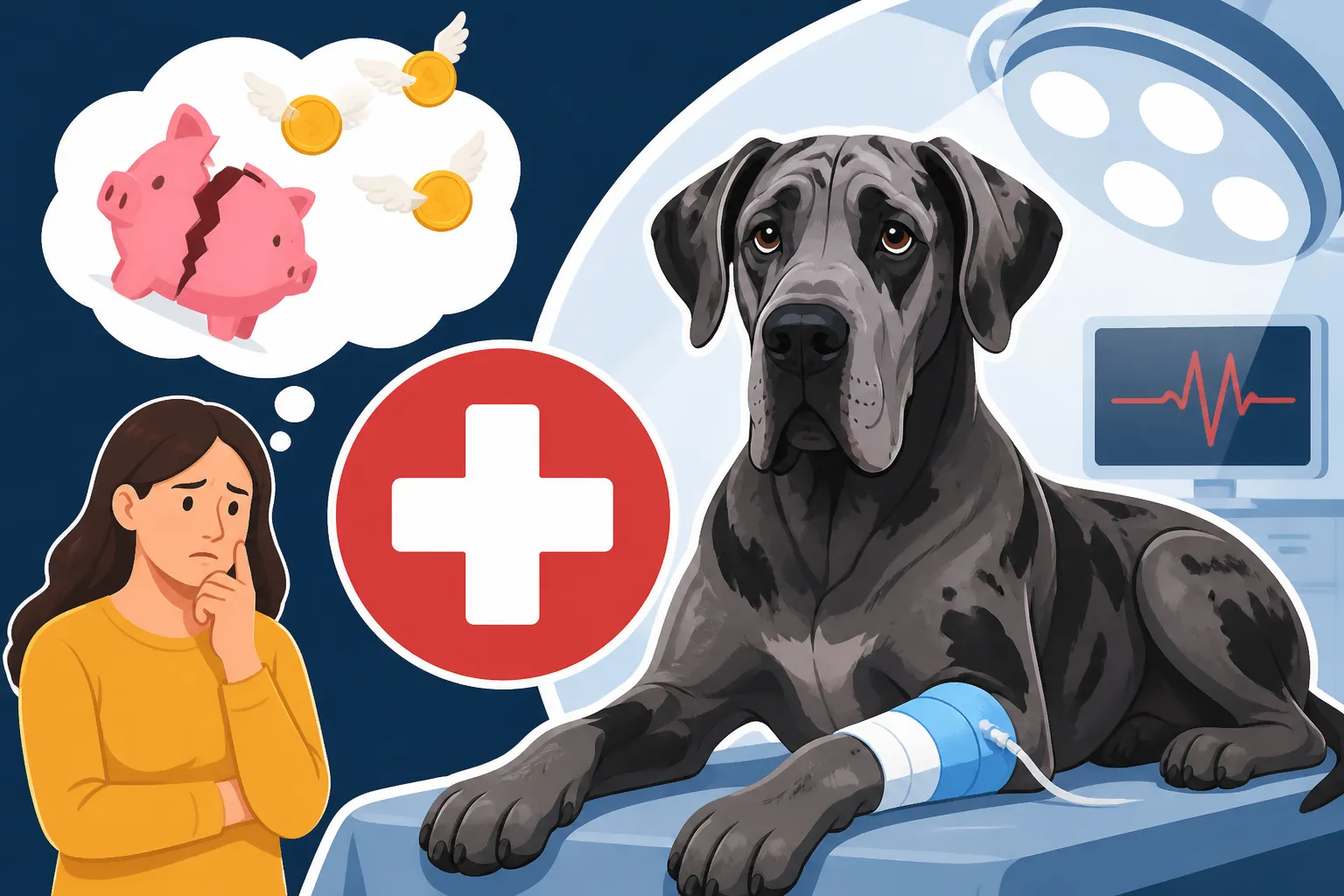
Financing a Great Dane Emergency
It's a terrifying scenario no Great Dane owner ever wants to face: your gentle giant, usually so full of life, is suddenly in distress. Your heart pounds, adrenaline surges, and as you rush them to the emergency vet, a sickening thought creeps in – how much is this going to cost? Great Dane emergencies aren't just emotionally draining; they can be financially catastrophic. This guide is here to walk you through the harsh realities of those staggering vet bills and, more importantly, to equip you with strategies to prepare for and navigate the financial challenges when your big dog needs urgent care.
The Harsh Reality of Great Dane Emergency Costs
Let's be brutally honest: owning a Great Dane means owning a whole lot of dog, and unfortunately, that means a whole lot of vet bill. When an emergency strikes, the costs aren't just proportional to their size; they're often exponential. It’s a gut-wrenching truth that the very things we love about their magnificent stature often translate into higher expenses for life-saving care.
Why Great Dane Emergencies Cost More
Every single aspect of veterinary care for a Great Dane scales up because of their sheer size and unique physiology. Think about it: a medication dose for a 15-pound terrier is vastly different from one for a 150-pound Dane. This isn't just a slight increase; it's a monumental one that impacts everything from antibiotics to anesthesia. More medication means more cost, plain and simple.
Beyond medication, there's the practical side of things. Anesthesia for a giant breed takes longer to administer, requires more monitoring, and necessitates more anesthetic agent. Imagine the specialized equipment needed to lift, move, and even house a critically ill Great Dane in an intensive care unit; it’s not the standard kennel fare. Surgeries, especially complex ones, demand more surgical supplies, more time from the veterinary team, and longer recovery periods in specialized facilities.
Even basic supplies like IV fluids, bandages, and pain management injections are needed in larger quantities. Furthermore, the specialized training and experience required for vets and technicians to handle and treat such large animals can also contribute to the overall fee structure. It's a comprehensive cost escalation across the board that can leave any owner feeling overwhelmed.
Common Emergencies and Their Price Tags
When we talk about Great Dane emergencies, we're not usually discussing a simple ear infection. We're talking about conditions that often require immediate, intensive, and complex interventions. Bloat, medically known as Gastric Dilatation-Volvulus (GDV), is perhaps the most notorious and terrifying. It strikes suddenly, and without immediate surgery, it's almost always fatal. The procedure to untwist the stomach and potentially tack it into place (a gastropexy) is a major undertaking, and the subsequent critical care often involves extended hospital stays, IV fluids, pain management, and vigilant monitoring for complications. For those unfamiliar with this risk, it's wise to learn about Bloat in a Great Dane and the One in Three Odds and what steps you can take.
Beyond bloat, Great Danes are sadly prone to a host of other serious health issues. The Heart Muscle Disease Great Danes Are Prone To can lead to sudden collapse or heart failure, requiring extensive diagnostics like echocardiograms and lifelong medication. Bone Cancer in a Great Dane (osteosarcoma) often presents as a sudden lameness and can necessitate amputation and chemotherapy. Then there's The Neck Condition That Trips a Great Dane Up, commonly known as Wobbler Syndrome, which might require advanced imaging and potentially surgery to decompress the spinal cord. Each of these conditions, and many others, represents not just a medical crisis, but a financial one, often running into figures that most families don't have readily available.
The Emotional Toll of Financial Strain During a Crisis
Let's acknowledge the elephant in the room, or rather, the giant Dane in distress. The emotional burden of watching your beloved dog suffer is immense. Add to that the crushing weight of a veterinary estimate that runs into the multiple thousands, and you're in an impossible situation. No owner ever wants to make a decision about their pet's life based solely on their bank account, yet for many, this is the heartbreaking reality.
The stress isn't just about the money itself; it's about the guilt, the fear, and the desperate hope that you can find a way to pay for the care your dog so desperately needs. It can lead to sleepless nights, strained relationships, and a profound sense of helplessness. Understanding that this emotional component is a real and valid part of the emergency experience can help you feel less alone, and more prepared to seek out all possible options, both medical and financial.
Proactive Financial Planning for Your Giant Pal
The best way to tackle a Great Dane emergency bill is to be prepared long before one ever happens. This breed's specific health vulnerabilities mean that proactive financial planning isn't just a good idea; it's an absolute necessity. Thinking ahead can alleviate so much of the panic and impossible choices later on.
The Absolute Necessity of Pet Insurance for Great Danes
If there's one piece of advice I can shout from the rooftops to every Great Dane owner, it's this: get pet insurance, and get it early. For a breed so predisposed to serious, costly conditions like bloat, heart disease, and orthopedic issues, pet insurance isn't a luxury – it's a foundational pillar of responsible ownership. Without it, you are essentially self-insuring against medical events that frequently cost many thousands of dollars. Consider that The Lifetime Bloat Risk in a Great Dane is significant, and that single emergency can quickly deplete savings.
When shopping for a policy, look for comprehensive coverage that includes hereditary and congenital conditions. Pay close attention to the annual limits, the deductible you'll need to meet, and the reimbursement percentage (e.g., 80% or 90% of eligible costs). Some policies might exclude conditions that are considered breed-specific, so read the fine print carefully. Companies like Healthy Paws are often highly rated for their comprehensive coverage, particularly for accident and illness policies that are exactly what you need for those big, unexpected Great Dane emergencies. Enrolling your puppy as young as possible means pre-existing conditions won't be an issue down the line, safeguarding you against the most expensive eventualities. To delve deeper into this, you might find our guide on Insuring a Great Dane Against Bloat and Heart Bills very helpful.
Building an Emergency Fund: The "Dane Savings Account"
Even with pet insurance, an emergency fund specifically for your Great Dane is a smart financial move. Think of it as your "Dane Savings Account." This fund can cover your deductible, the portion of the vet bill that insurance doesn't cover (your co-insurance), or even entirely cover certain routine expenses or conditions that your policy might not deem an "emergency." Sometimes, a particular diagnostic test or new treatment might not be fully covered, and having readily accessible cash can make all the difference.
Start small, if you have to. Even setting aside $25 or $50 a month into a dedicated savings account will build up over time. Aim for a target amount that could comfortably cover your insurance deductible or a significant portion of an unexpected bill. This fund offers a crucial safety net, reducing reliance on credit in a crisis and giving you peace of mind that you have immediate resources when time is of the essence. It also gives you more flexibility if your Dane needs care that doesn't quite meet your insurance's criteria.
Preventive Care as a Cost-Saving Measure
While it might seem counterintuitive to spend money to save money, consistent preventive care is one of the most effective long-term financial strategies for Great Dane owners. Regular veterinary check-ups allow for early detection of potential issues, which are almost always less expensive and easier to treat than advanced conditions. Think about the difference between managing early signs of heart disease versus treating full-blown heart failure.
This also extends to proper nutrition and appropriate exercise. Feeding a high-quality, breed-appropriate diet helps support overall health and proper growth, potentially reducing the incidence of diet-related health issues or growth disorders. Brands like Ollie focus on fresh, customized meal plans which, while an investment, can contribute to superior health and potentially fewer vet visits down the line. Similarly, carefully managing exercise, especially during the crucial puppy and adolescent growth phases, can help protect their developing joints and prevent costly orthopedic problems later on. Understanding the best practices for Monthly Food Spending on a Great Dane and proper growth can be a proactive step.
Navigating Emergency Financing When Disaster Strikes
Even with the best intentions and proactive planning, emergencies can still catch us off guard, or the costs can simply exceed what we've saved or what insurance covers. When you're in the thick of it, trying to figure out how to pay for life-saving care, it's vital to know all your options.
Veterinary Payment Plans and In-House Options
The very first place to inquire about financial assistance is often directly with your veterinary hospital or emergency clinic. Many practices understand the immense financial strain that major procedures place on pet owners and have options available. Some clinics offer their own in-house payment plans, allowing you to spread the cost over several weeks or months. These often require an initial deposit, but can be a lifeline for managing large bills.
Beyond their own plans, many vets partner with third-party medical credit services. These aren't like regular credit cards; they're specifically designed for healthcare expenses, often offering deferred interest periods if the balance is paid within a certain timeframe. Always ask your vet's front office staff about these possibilities right away. They're often the first line of defense for navigating these tough financial conversations, especially when facing something as urgent as The Night a Great Dane Bloats and What It Costs.
Medical Credit Cards and Lines of Credit
For those who need immediate access to funds and whose vet doesn't offer direct payment plans, medical credit cards like CareCredit or similar health-focused lines of credit can be a viable option. These cards are specifically designed to cover veterinary and human healthcare costs. The primary benefit is often the promotional financing options, which can include interest-free periods if the balance is paid in full within a set number of months (e.g., 6, 12, 18, or 24 months).
However, it's crucial to understand the terms. If you don't pay off the entire balance within the promotional period, interest can be retroactively applied from the original purchase date, which can quickly add up. This option requires a responsible approach to ensure you can meet the payment deadlines. Before applying, research interest rates, terms, and ensure you can realistically pay it off to avoid significant debt.
Exploring Fundraising and Assistance Programs
When all other avenues seem exhausted, don't give up hope. There are numerous organizations and communities dedicated to helping pet owners in need. Online crowdfunding platforms (like GoFundMe or Waggle) have become popular ways to raise funds by sharing your Great Dane's story with a wider audience. Many people are incredibly generous when they hear about a beloved pet in crisis, and these platforms can sometimes generate significant support very quickly.
Additionally, breed-specific rescues and national pet welfare organizations often have financial assistance programs for emergencies. For example, some Great Dane rescues might have emergency funds, or know of specific grants for owners. Organizations like the Pet Fund, RedRover, or IMOM offer aid for various veterinary procedures, often with income or circumstance requirements. It takes time and effort to research and apply for these, but the potential relief can be enormous. Even major pet suppliers like Chewy sometimes support pet welfare initiatives or offer their own pharmacy services, which can help reduce ongoing medication costs after an initial emergency.
Making Tough Decisions with a Clear Head
Facing an emergency with your Great Dane is one of the hardest parts of being a pet parent. When finances are a major factor, the decisions become even more complex and emotionally charged. It’s important to try and approach these moments with as much clarity as possible, advocating for your dog while being realistic about your resources.
The Importance of Communication with Your Vet
In the midst of an emergency, clear and open communication with your veterinary team is paramount. Don't be afraid to ask questions, no matter how basic they seem. Request detailed estimates for all proposed treatments, procedures, and potential hospital stays. Ask about different treatment options and their associated costs – sometimes there are variations in approach that can affect the bill while still providing excellent care. For instance, sometimes a less invasive diagnostic test might be available before committing to a costly surgery.
Discuss your financial constraints openly. Your vet isn't just there to provide medical care; they are often deeply empathetic to the financial struggles owners face. They might be able to suggest alternative treatments, less expensive medications, or ways to stage care that fit your budget while still prioritizing your dog's well-being. Knowing exactly what each step entails, both medically and financially, empowers you to make informed decisions for your Great Dane.
Balancing Quality of Life with Financial Feasibility
This is perhaps the most gut-wrenching aspect of financing a Great Dane emergency. We all want to do everything we can for our pets, but there comes a point where we must consider not just what can be done, but what should be done, and what is financially sustainable. A multi-thousand dollar surgery might save a life, but if it leads to a lifetime of expensive, painful, and diminishing quality of life for your dog, is it truly the best path? This is a tough question and one that often leads to deep soul-searching. For cases like Caring for a Great Dane Past Six, these considerations become even more critical as age-related issues arise.
Have an honest conversation with your vet about your Great Dane's prognosis, expected quality of life after treatment, and the potential for recurrence or ongoing care needs. Factor in your financial ability to provide that potential long-term care. It's an incredibly difficult balance, and there's no right or wrong answer, only the one that feels right for you and your beloved dog. Sometimes, deciding to limit aggressive treatment and focus on comfort care, while painful, is the most compassionate choice, both for your dog and for your family's resources. Learning when to make these difficult choices is part of Knowing When a Great Dane Is Done.
Understanding the Long-Term Financial Commitment
A sudden emergency is often just the beginning of a longer financial journey. For many serious Great Dane conditions, successful emergency treatment often means ongoing medication, follow-up appointments, specialized diets, or even physical therapy. For instance, a Dane recovering from bloat surgery will need careful monitoring and a specific feeding regimen moving forward. A dog diagnosed with heart disease will likely be on lifelong medication.
Before committing to an expensive emergency procedure, try to get a clear picture from your vet about what the post-emergency care will look like, and its estimated costs. Factor this into your overall financial plan. It's not just about paying the initial emergency bill; it's about being able to sustain their health and comfort for the months or years that follow. This holistic view helps prevent a cycle of financial stress and ensures you can continue to provide the loving care your Great Dane deserves.
Financing Options for Great Dane Emergencies
| Financing Option | Pros | Cons | Best For |
|---|---|---|---|
| Pet Insurance | Spreads risk, covers major unexpected costs, peace of mind | Monthly premiums, deductibles, co-insurance, potential exclusions for pre-existing conditions, reimbursement-based | Proactive owners, covering high-cost unexpected illnesses/accidents over a dog's lifespan |
| Emergency Fund | Immediate access to cash, no interest, covers deductibles/co-pays | Requires disciplined saving, may not cover full cost of extreme emergencies | Covering deductibles, smaller emergencies, or supplementing insurance |
| Veterinary Payment Plans | Direct arrangement with trusted provider, familiarity with your situation | Not all clinics offer them, may require significant down payment, shorter repayment terms | Owners who have some funds but need to spread remaining balance over a short period |
| Medical Credit Cards | Immediate access to funds, potential interest-free promotional periods | High-interest rates if not paid on time, can add to debt, credit check required | Urgent situations where immediate funds are needed and you can pay off quickly |
| Crowdfunding/Aid Programs | Taps into community generosity, can provide significant relief | Requires time/effort to set up, not guaranteed, may have eligibility criteria | When all other options are exhausted, for truly dire financial circumstances |
Disclaimer
This article is for general informational purposes only and does not constitute professional advice. Laws, prices and regulations vary by location and change over time. Consult a qualified professional for guidance on your specific situation.