Whether Stress at Mealtime Matters for a Great Dane
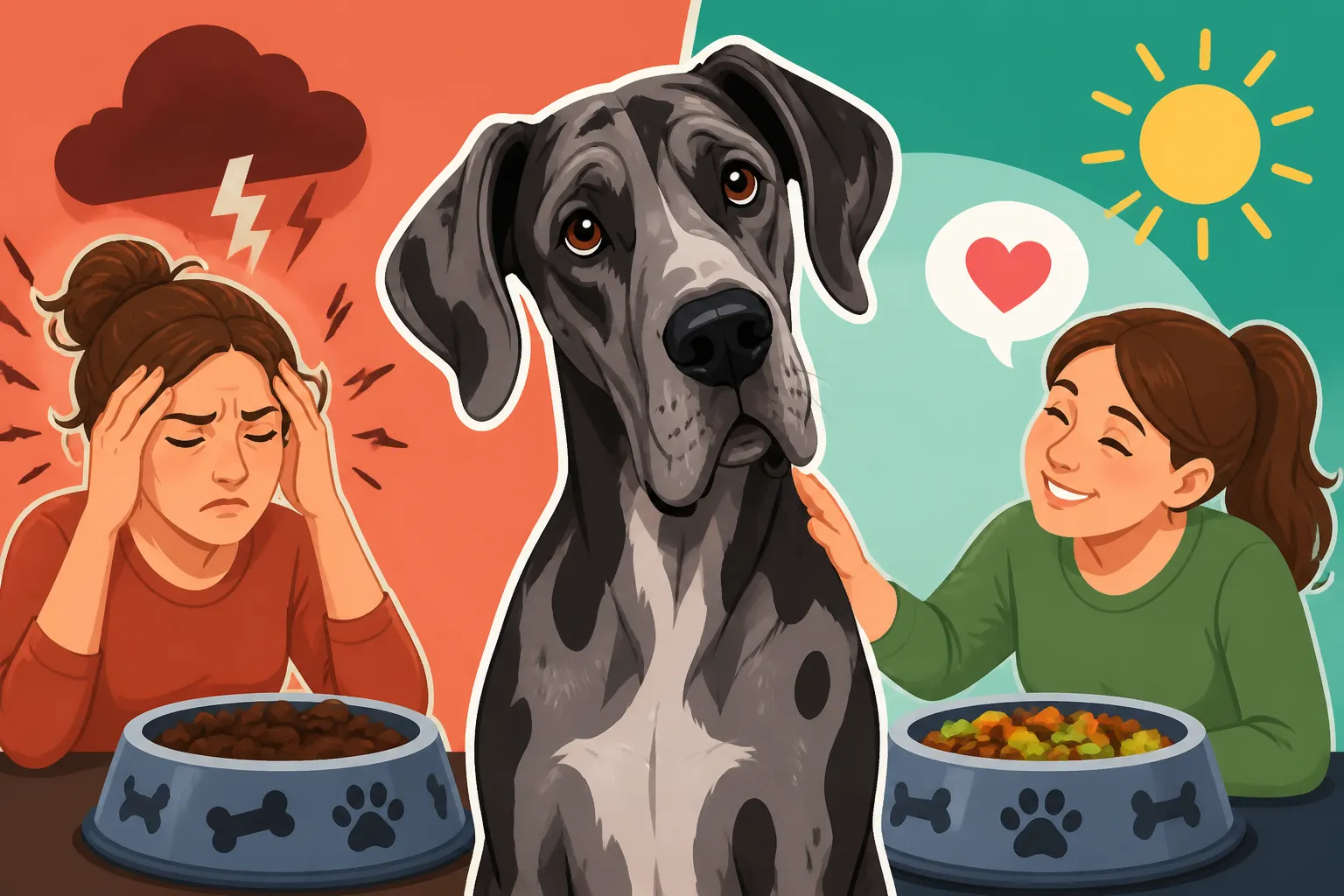
For any Great Dane owner, mealtime can sometimes feel less like a joyful event and more like a carefully orchestrated performance, especially if your gentle giant is prone to anxiety or tummy troubles. It’s natural to wonder if the hushed tones and careful movements you adopt around the food bowl actually make a difference, or if you’re just overthinking it. This guide delves into why the environment and emotions surrounding your Great Dane's meals are incredibly important for their health and well-being, exploring the subtle signals they might be sending and practical steps you can take to foster a truly peaceful eating experience.
Why Mealtime Stress Is a Big Deal for Great Danes
It might sound a little dramatic to talk about "mealtime stress" for a dog, but for a breed as sensitive and physically predisposed to certain health issues as the Great Dane, it's a very real concern. Their immense size and unique physiology mean that seemingly minor stressors can have a more profound impact than they might on a smaller, hardier breed. We're not just talking about good manners here; we're talking about fundamental health.
The Link Between Stress and Digestion
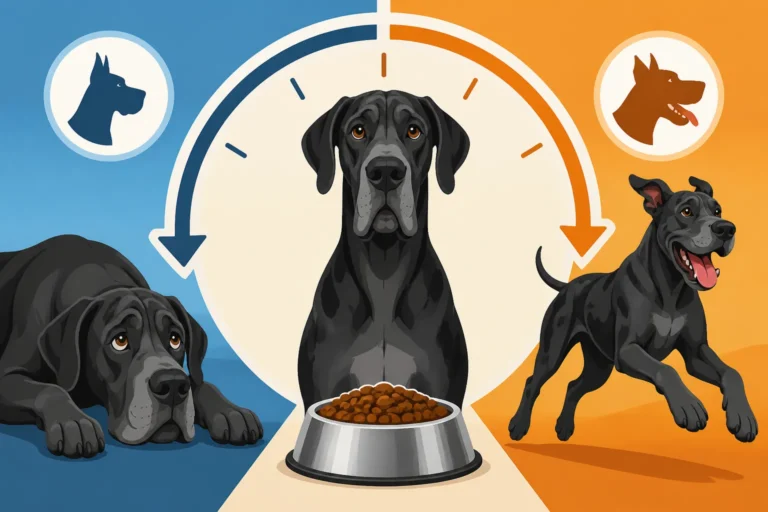
When a dog experiences stress, their body shifts into a "fight or flight" response. This physiological change prioritizes immediate survival functions and diverts resources away from non-essential processes like digestion. Think about how your own stomach might clench when you're anxious; dogs experience something similar. Blood flow is redirected to muscles, heart rate increases, and the digestive system essentially slows down or even temporarily shuts off.
For a Great Dane, who already has a massive volume of food to process, any disruption to this system can be problematic. If their body isn't in a relaxed, "rest and digest" state, their ability to efficiently break down food and absorb nutrients is compromised. This can lead to a host of issues, from general indigestion and nutrient malabsorption to more severe gastrointestinal upset. Imagine eating a huge Thanksgiving dinner while someone is yelling at you – it's just not going to sit well, is it?
Great Danes and Bloat Risk
This is where the conversation becomes particularly critical for Great Dane owners. Gastric Dilatation-Volvulus (GDV), more commonly known as bloat, is a life-threatening condition that Great Danes are tragically prone to. It involves the stomach filling with gas and often twisting, cutting off blood supply and leading to rapid organ failure. Bloat in a Great Dane and the One in Three Odds is a grim reality for our breed. While the exact causes are complex and multifactorial, stress is often cited as a significant contributing factor.
Eating too quickly, excessive gulping of air, and high-stress environments are all believed to increase the risk. When a Great Dane eats under duress, they might consume their food more rapidly, take in more air, and their stressed digestive system might not handle the food volume as effectively. This creates a perfect storm where gas can build up, and the stomach, already unstable due to its deep chest placement, is more susceptible to twisting. A calm, unhurried mealtime is not just a nice-to-have; it's a vital preventative measure. We also recommend knowing What to Do the Minute a Great Dane Bloats.
Long-Term Behavioral Impacts
Beyond immediate physical effects, consistent mealtime stress can have lasting behavioral consequences for your Great Dane. A dog that continually associates eating with anxiety might develop food aversion, becoming reluctant to eat, or conversely, might become frantically protective of their food bowl, leading to resource guarding. This can escalate into growling, snapping, or other aggressive behaviors around food, even towards their beloved family members.
These learned behaviors can be incredibly challenging to undo and can impact the bond you share with your dog. A dog that is always on edge during meals might also show generalized anxiety in other situations, making them less confident and harder to train. Building a positive association with food through calm and predictable routines helps foster a more secure and happy dog overall. Building Confidence in a Nervous Great Dane is crucial for their overall well-being.
Common Sources of Mealtime Stress for Great Danes
Understanding that stress impacts our big dogs differently is half the battle. The other half is recognizing what might be causing that stress in the first place. Sometimes, the sources are obvious, but often, they are subtle cues that we, as humans, might inadvertently be overlooking or even contributing to. Great Danes, for all their impressive size, can be surprisingly sensitive creatures.
Environmental Distractions
Imagine trying to enjoy a nice meal in a bustling airport terminal. That's a bit what it can feel like for a Great Dane trying to eat in a chaotic household. Loud noises like blaring televisions, children yelling, doors slamming, or even the persistent dinging of notifications can pull your Dane out of their relaxed eating state. Similarly, a high-traffic area in the home, like a hallway or an entryway, means constant interruptions as people or other pets pass by, making them feel exposed and vulnerable.
Think about where you place their food bowl. Is it tucked away in a quiet corner of the kitchen, or is it right in the middle of the family's main thoroughfare? Even something as simple as a reflection in a window or a shadow moving can be enough to distract a sensitive Dane and make them feel less secure, disrupting the peaceful focus needed for healthy digestion.
Competition from Other Pets
If you have a multi-pet household, mealtime can be a minefield of potential stress, even if your animals typically get along. While explicit fights over food are easy to spot, often the competition is much more subtle. A younger, pushier dog might hover near the Dane's bowl, even if they don't try to steal food directly. A cat might casually stroll by, eliciting a subtle tension from the Dane. These small interactions, perceived as threats or challenges, can create underlying anxiety.
Even if they don't immediately react, a Great Dane might feel pressured to eat faster to "protect" their food, increasing the risk of gulping air and contributing to bloat. This is particularly true if one dog finishes quickly and then stares at the other. Over time, this can erode a dog's sense of security at mealtime, making them always feel like they need to guard their resources. This is why Whether a Great Dane Should Eat Alone is often a discussion point for owners.
Human Pressure and Hovering
We, as owners, often mean well, but sometimes our behavior can unintentionally add to a Great Dane's mealtime stress. Picture this: your Dane is eating, and you're standing over them, watching intently, maybe even talking to them, "Good boy, eat your dinner!" While you think you're being encouraging, your presence might be interpreted as pressure or even a potential threat by a sensitive dog. They might feel observed, rushed, or that you're about to take their food away.
Similarly, if you're constantly refilling their bowl because they're being picky, or trying to coax them to eat, you could be increasing their anxiety. This makes mealtime a performance rather than a peaceful routine. For some Danes, even bending down to pet them while they eat can be startling. It's about giving them space and allowing them to eat undisturbed, establishing trust and predictability rather than interference.
Inconsistent Routines
Dogs thrive on routine and predictability, and Great Danes are no exception. An inconsistent feeding schedule – sometimes eating at 6 AM, sometimes at 9 AM, sometimes later – can throw their internal clock off balance and create anticipation anxiety. They might start pacing, whining, or barking in the lead-up to mealtime because they don't know when it's coming.
Similarly, changing their feeding location frequently, or suddenly introducing a new bowl or feeder, can be unsettling. Dogs rely on these familiar patterns to feel secure. A lack of routine can make mealtime a source of uncertainty rather than a comforting, reliable part of their day. Establishing a The Feeding Routine That Lowers Great Dane Bloat Risk is beneficial not only for physical health but mental well-being too.
Creating a Calm and Predictable Mealtime Environment
Now that we understand why mealtime stress is such a concern for Great Danes and what some common triggers are, let’s talk about solutions. Creating a serene and predictable environment isn't just about good manners; it's a fundamental part of responsible Great Dane ownership, directly impacting their health and happiness. It takes a little planning, but the payoff in a calmer, healthier dog is immense.
Establishing a Consistent Schedule
This is perhaps the most fundamental step. Dogs are creatures of habit, and their bodies, particularly their digestive systems, appreciate a regular schedule. Aim to feed your Great Dane at the same times every day, give or take 15-30 minutes. This helps regulate their internal clock, signaling to their body when it's time to prepare for digestion. How Many Meals a Great Dane Puppy Eats a Day often transitions to two large meals for adults. Sticking to a consistent morning and evening feeding time reduces anticipatory anxiety.
A predictable schedule also means your dog knows when to expect food, reducing begging behaviors and frantic excitement. When they learn that food will always appear at a certain time, they can relax and trust the routine. This consistency also applies to how long the bowl is down – typically 15-20 minutes is plenty of time for a Dane to eat, and then the bowl should be picked up, even if food remains.
Choosing a Quiet, Safe Feeding Spot
The location of your Great Dane's food bowl is paramount. It needs to be a designated "safe zone" where they can eat undisturbed. This means finding an area away from heavy foot traffic, loud appliances, and other potential distractions. A quiet corner of the kitchen, a spare room, or even a utility room can work well, as long as it's not a place where they feel isolated or confined.
Ensure the space is easily accessible but also allows them some privacy. If you have children, teach them that when the dog is eating, they should leave them alone. This isn't just about managing stress; it's also a safety measure, preventing potential resource guarding incidents. Providing a comfortable, non-slip mat under their bowls can also help them feel more stable, especially if they are enthusiastic eaters, and prevents bowls from sliding around.
Managing Multi-Pet Households
If you live with multiple pets, separate feeding is often the best strategy to eliminate competition and stress. This doesn't necessarily mean separate rooms, though that's ideal if possible. It could mean feeding dogs in different parts of a large room, with a visual barrier (like a baby gate) if necessary, or simply ensuring enough distance between bowls that no dog feels threatened by another's presence. Baby Gates a Great Dane Cannot Step Over are crucial for creating these boundaries.
Consider feeding high-value dogs (those prone to resource guarding or who eat slowly) in a completely separate, quiet space. The goal is for each animal to feel secure and unpressured while they eat. Monitor their body language during meals; if you see any signs of tension, even subtle ones like lip-licking or stiff posture, increase the distance or separation.
Your Role as the Calm Provider
Your own demeanor during mealtime significantly influences your Great Dane's experience. Approach mealtime calmly and purposefully. Avoid rushing, sudden movements, or loud chatter. Place the food down, and then simply walk away, allowing your dog to eat in peace. Resist the urge to hover, talk to them, or pet them while they're eating.
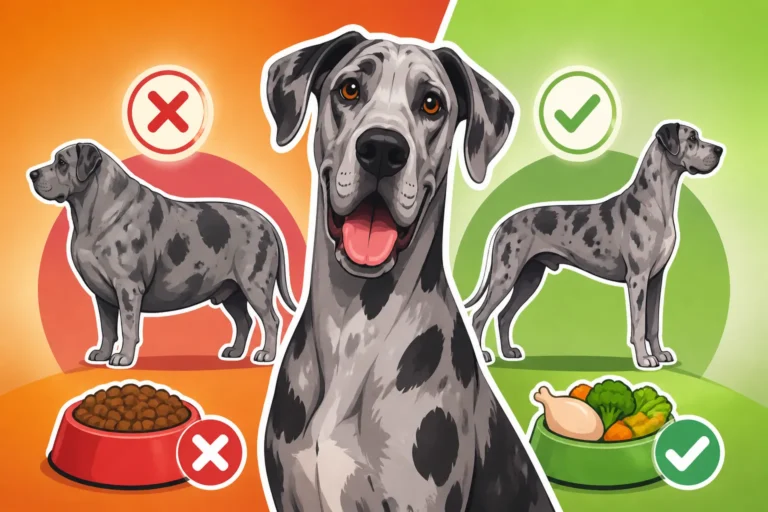
If your Dane is a fast eater, consider using a slow feeder bowl. These can be purchased from pet retailers like Chewy or Amazon and are designed with ridges or obstacles that force your dog to eat around them, effectively slowing down their consumption. This not only reduces the amount of air they gulp but also extends the meal, making it a more mentally engaging and less frantic experience. Slowing Down a Great Dane That Bolts Food is a great strategy to prevent bloat.
Enrichment to Slow Eating
Beyond basic slow feeder bowls, there are other enrichment tools that can transform mealtime from a quick gulp-and-go into a thoughtful, engaging activity. Snuffle mats, for example, encourage dogs to sniff and search for kibble hidden within fabric strips, extending the meal duration and stimulating their brains. Puzzle feeders, which require your Great Dane to manipulate parts to release food, also provide mental exercise and slow down eating.
For wet food or raw diets, LickiMats or Kongs can be excellent. Spreading their food on a LickiMat or stuffing it into a Kong makes them work to extract every bite, significantly extending the time they spend eating in a relaxed, focused manner. You can find a wide variety of these products through online retailers like Amazon or pet specialty stores. The mental engagement these tools provide can help channel any mealtime anxiety into a productive, satisfying activity. Remember, The Feeding Routine That Lowers Great Dane Bloat Risk is about creating positive associations and a healthy pace.
Recognizing the Signs of Stress in Your Dane During Meals
Our Great Danes communicate with us constantly, even if they aren't using words. Learning to read their body language, especially around food, is a vital skill for any owner. Catching subtle signs of stress early can help you intervene before it escalates into a bigger problem, ensuring their mealtime is a positive, health-promoting experience.
Subtle Body Language Cues
Dogs often give very subtle signals when they are feeling anxious or uncomfortable. During meals, these might include:
- Lip Licking and Yawning: These are common appeasement gestures, often seen when a dog is feeling stressed or trying to de-escalate a situation. If your Dane is doing this repeatedly before or during eating, it's a sign they're not entirely comfortable.
- Averted Gaze or Whale Eye: If your dog avoids eye contact, or you can see the whites of their eyes (known as "whale eye"), it often indicates discomfort or anxiety. They might be trying to appear non-threatening.
- Stiff Posture or Low Tail Carriage: A relaxed dog will have a loose, fluid posture. If your Dane looks stiff, hunched, or their tail is tucked low or clamped between their legs, they're likely feeling stressed.
- Panting (without exertion): If your Dane is panting heavily but hasn't just exercised, it can be a sign of stress or anxiety.
- Excessive Sniffing of the Ground: While sniffing is normal, prolonged or intense sniffing of the ground around the bowl, rather than eating, can be a displacement behavior indicating stress.
- Trembling or Shaking: This is a more obvious sign, but even slight tremors can indicate nervousness.
Paying attention to these small details can give you a lot of insight into your Dane's emotional state during meals.
Changes in Eating Habits
Beyond body language, how your Great Dane eats can be a clear indicator of stress.
- Eating Too Fast (Gulping): As mentioned, this is a huge red flag for Great Danes due to bloat risk. If your dog inhales their food in seconds, barely chewing, it's a sign they feel pressured, rushed, or are trying to "get it over with." This isn't just about appetite; it's often linked to anxiety. A Great Dane That Cannot Keep Kibble Down could be related to eating too fast.
- Eating Too Slow or Leaving Food: Conversely, a Great Dane that slowly picks at their food, walks away from the bowl, or leaves a significant portion uneaten (especially if they typically have a good appetite) might be stressed. They may not feel safe enough to relax and enjoy their meal, or the environment is too distracting. This is different from simple pickiness; it's a reluctance to engage with the food.
- Pacing or Whining Before Eating: If your dog paces anxiously, whines, or barks excessively leading up to mealtime, they might be experiencing anticipatory anxiety, especially if their routine is inconsistent. A Great Dane Pacing With a Swollen Belly is a bloat sign, but pacing before eating is a sign of general anxiety.
Avoidance or Guarding Behaviors
These behaviors are more overt and require immediate attention to prevent escalation.
- Reluctance to Approach the Bowl: A dog that hesitates, backs away, or seems fearful of their food bowl might have negative associations with mealtime or the feeding area. This could stem from past negative experiences, environmental stressors, or perceived threats.
- Resource Guarding: This is when a dog shows aggressive behaviors (growling, snapping, baring teeth, stiffening) when someone (human or animal) approaches their food bowl. While it can stem from insecurity or a fear of having their food taken, stress and perceived competition often exacerbate it. It’s a serious behavior that needs professional guidance to address, but starting with a calm, isolated feeding environment can help reduce the triggers.
- Snatching Food and Running Away: If your Dane grabs a mouthful of food and retreats to another, "safer" location to eat it, this is a clear sign they don't feel secure enough to eat at the bowl's location. They might be trying to protect their meal from perceived threats.
Observing these behaviors helps you tailor your approach to create a truly stress-free and beneficial mealtime for your beloved Great Dane.
| Stress Signal (Possible Meaning) | Calming Strategy (Intervention) |
|---|---|
| Lip Licking, Yawning (Anxiety, Appeasement) | Provide quiet space; owner steps away during meal |
| Fast Eating, Gulping (Pressure, Bloat risk) | Use slow feeder bowl; feed multiple small meals |
| Pacing, Whining (Anticipation, Anxiety) | Establish strict feeding schedule; consistent routine |
| Stiff Posture, Tail Tucked (Fear, Discomfort) | Ensure privacy; remove distractions; positive reinforcement |
| Eating Slowly, Leaving Food (Aversion, Distraction) | Check food quality; ensure quiet environment; rule out illness |
| Growling, Snapping (Resource Guarding) | Separate feeding from other pets/people; professional training |
| Reluctance to Approach Bowl (Fear, Negative association) | Rebuild positive association with treats away from bowl, gradually closer |
| Snatching Food & Running (Insecurity, Guarding) | Feed in a truly safe, isolated spot; consistent meal delivery |
Disclaimer
This article is for general informational purposes only and does not constitute professional advice. Laws, prices and regulations vary by location and change over time. Consult a qualified professional for guidance on your specific situation.