Slow Bowls Big Enough for a Great Dane
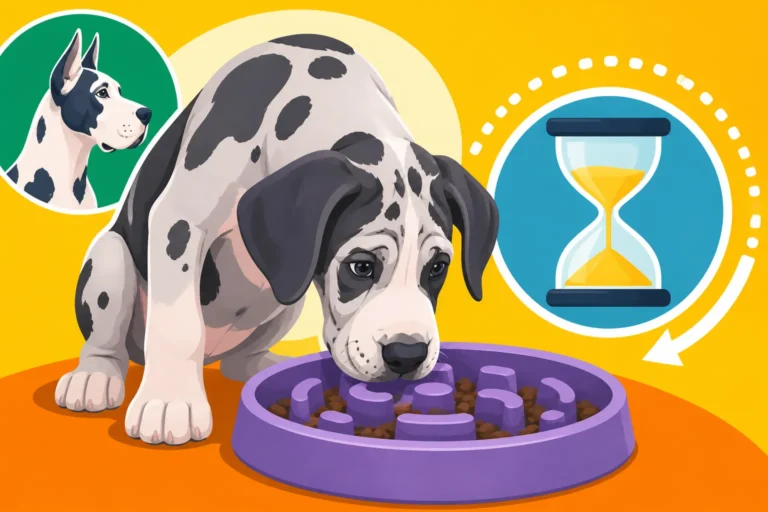
One of the biggest anxieties for any Great Dane owner is the thought of bloat, that terrifying, often fatal condition where their stomach twists. A major contributing factor to this nightmare is how quickly our big dogs can inhale their meals. If you've ever watched your Dane gulp down a bowl of kibble in mere seconds, you know that frantic feeling of wanting to slow them down. This guide is all about finding and using slow bowls that are actually big enough and effective enough to make a real difference for your gentle giant.
Why a Great Dane Needs a Slow Bowl in the First Place
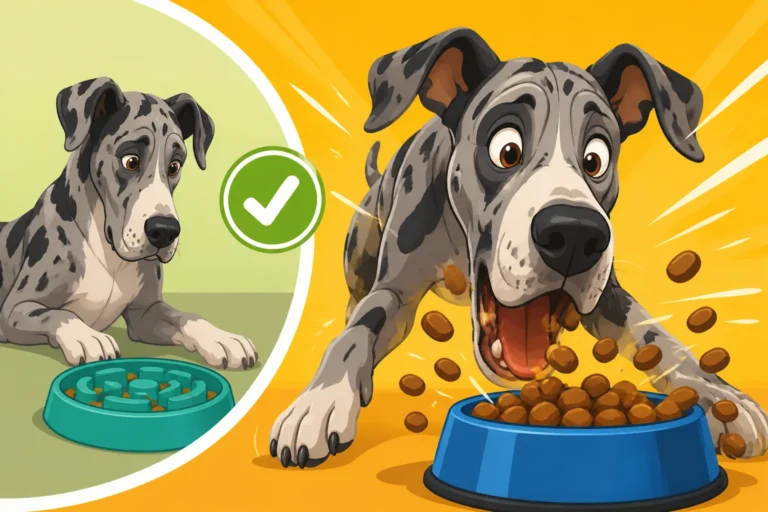
Let's be honest, watching a Great Dane eat can be a spectacle. They don't just eat; they vacuum. A typical meal can vanish faster than you can pour your morning coffee, and while it might seem endearing or even impressive, it's actually incredibly risky for their health. Our big dogs aren't built to be speed eaters, and their unique physiology makes fast ingestion a serious concern.
The Dangers of Eating Too Fast for Giant Breeds
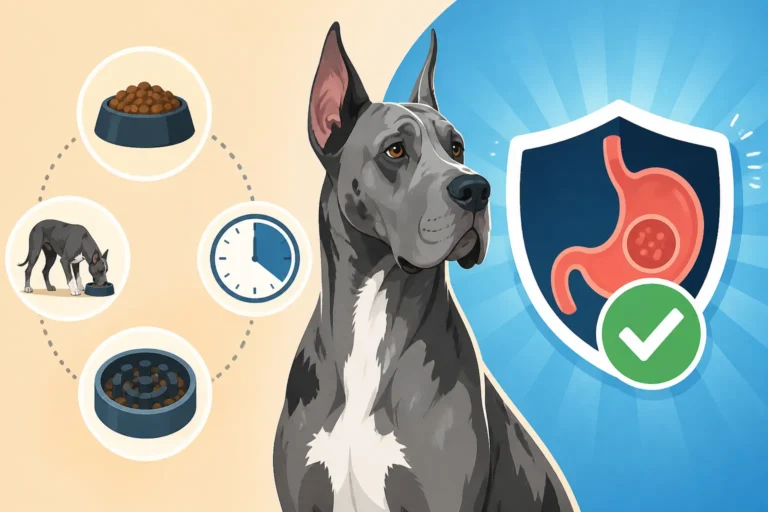
When a Great Dane eats at warp speed, they don't just consume food; they swallow a lot of air right along with it. Think about how quickly they gulp, gulp, gulp – each gulp can bring in more air than they intend. This excess air accumulates in their stomach, expanding it rapidly. For any dog, this can cause discomfort, but for a Great Dane, it's a precursor to something far more sinister. Their deep chests and large stomachs are predisposed to gastric dilatation-volvulus (GDV), or bloat, a condition where the stomach fills with gas and then twists on itself, cutting off blood supply and trapping the gas. It's an emergency, every single time. The Lifetime Bloat Risk in a Great Dane is something we all live with, and trying to mitigate factors like fast eating is paramount.
Beyond the immediate danger of bloat, rapid eating can also lead to less efficient digestion. When food isn't properly chewed (or barely chewed, as is often the case with Danes), larger pieces enter the digestive tract. This means the stomach has to work harder to break it down, and nutrients might not be absorbed as effectively. It can also cause choking hazards, though less common with kibble, it's still a risk.
The Link Between Fast Eating and Bloat
We can't say that eating fast causes bloat definitively, because bloat is a multi-factorial issue. However, there's a strong correlation between rapid ingestion of food and water and an increased risk of GDV, particularly in deep-chested breeds like Great Danes. The swallowed air is a major culprit. Imagine a balloon rapidly inflating inside their belly; that pressure, combined with activity after eating, or even just the natural movement of organs, can provide the perfect storm for the stomach to flip.
Many of us try to split meals into two smaller portions a day, which helps, but even then, if those two smaller portions are still inhaled, the risk remains. It's not just how much they eat, but how they eat it. Reducing that speed means less air intake and a more gradual filling of the stomach, giving it less opportunity to become a gas-filled, twisting hazard. This isn't just about making them comfortable; it's about potentially saving their life.
Beyond Bloat: Other Digestive Issues
Even if your Great Dane is one of the lucky ones who never experiences bloat, fast eating can still wreak havoc on their digestive system. Ever noticed your Dane regurgitate their food shortly after eating? That's often a sign they ate too quickly and their esophagus didn't have time to properly process the food down to the stomach. It's messy, and it means they're not getting the full nutritional benefit of their meal. A Great Dane That Cannot Keep Kibble Down is a common complaint, and slow feeding can be a significant part of the solution.
Fast eating can also lead to excessive gas, discomfort, and even vomiting. The digestive system prefers a steady, rhythmic process, not a sudden onslaught. Slowing down mealtime allows digestive enzymes to kick in more effectively, the stomach to expand gradually, and the entire system to work as it's designed to. It can lead to better nutrient absorption, firmer stools, and a much more comfortable dog post-meal.
What Makes a Slow Bowl "Great Dane Sized"?
When you walk into a pet store or browse online, you'll see dozens of slow feeder bowls. The problem is, most of them are designed for medium-sized dogs at best. A standard slow feeder for a Labrador might look enormous to a Beagle owner, but it's often comically small for a Great Dane. We need to think big – truly big – when it comes to selecting the right slow bowl.
Capacity and Diameter: It's More Than Just a Cute Design
The most crucial aspect of a slow bowl for a Great Dane is its sheer size. Remember, an adult Great Dane can easily eat Feeding an Adult Great Dane Six to Ten Cups of food a day, often split into two meals. This means each meal can be 3-5 cups. Many "large" slow feeders max out at 2-3 cups. If your slow bowl can't comfortably hold their entire meal without piling up above the maze, it's not going to be effective. The kibble will just sit on top of the obstacles, making it easy to scoop out.
Look for bowls with a diameter of at least 12-14 inches, and a capacity of 5-8 cups. Some brands specifically market "Giant Breed" or "X-Large" slow feeders, and those are the ones you need to hone in on. A wide base is also critical to prevent tipping, especially when your Dane gets enthusiastic about getting those last few kibbles out.
Here's a quick comparison of what to look for:
| Feature | Standard "Large" Slow Bowl (for Labs/Retrievers) | Great Dane Sized Slow Bowl |
|---|---|---|
| Capacity | 2-3 cups | 5-8 cups (or more for very large Danes) |
| Diameter | 8-10 inches | 12-14+ inches |
| Maze Depth | Shallow to moderate | Deeper, more complex patterns |
| Material | Often lighter plastics | Heavy-duty plastic, ceramic, or stainless steel |
| Stability | Standard base, can be nudged | Wide, non-slip base, weighted construction |
Material Matters for Durability and Safety
Great Danes aren't delicate eaters. They can be powerful and persistent when it comes to getting their food. This means the material of the slow bowl needs to be robust.
- Heavy-Duty Plastic: Many good slow bowls are made from durable, food-grade plastic. Look for BPA-free options. These are often lighter than ceramic but still sturdy enough to withstand a Dane's snout. They're also less likely to break if dropped, which is a consideration with giant dogs who might knock things over.
- Ceramic: Ceramic bowls are heavy, which is a huge plus for stability. They're also easy to clean and look nice. The downside is that they can chip or break if dropped, and a broken ceramic piece can be sharp and dangerous. If you go this route, ensure it's a very thick, sturdy design.
- Stainless Steel: While less common for maze-style slow feeders, some brands offer stainless steel inserts or designs. Stainless steel is incredibly durable, hygienic, and easy to clean. If you find a large, maze-like stainless steel option, it's often a great choice for longevity.
Whatever material you choose, make sure it has a non-slip base. Rubber feet or a silicone ring around the bottom are essential to keep the bowl from sliding across the kitchen floor as your Dane works their way through the meal. Replacing What a Great Dane Knocks Over is something we'd all rather avoid, especially at mealtime!
Design Features That Actually Slow Them Down
It's not just about capacity; it's about the internal design of the bowl. A truly effective slow feeder for a Great Dane will have:
- Complex Mazes and Obstacles: Simple bumps won't cut it. Look for intricate patterns, deep grooves, and varying heights in the obstacles. These force your dog to use their tongue and nose to navigate, pushing individual kibbles out rather than scooping large mouthfuls. The more challenging the maze, the longer it will take.
- Irregular Shapes: Bowls with organic, non-uniform shapes often work better than perfectly symmetrical designs. These unpredictable patterns prevent your Dane from finding a "sweet spot" to clear large sections quickly.
- Raised Sections, Not Just Flat Bumps: The obstacles should be significant enough that the food falls between them, rather than just resting on top. This is where many smaller slow bowls fail for Danes – the kibble simply covers the design.
Some slow feeders resemble puzzles, with swirling patterns, bone shapes, or even flower designs. The key is that these patterns create barriers that your Dane must work around, making them pick up smaller amounts of food at a time. Brands like Outward Hound and Neater Feeder often have larger options with good maze designs.
Choosing the Right Slow Bowl for Your Gentle Giant
Alright, you know why you need one and what to look for. Now, how do you actually pick the best one and integrate it into your Dane's routine? It can feel a bit overwhelming with all the options, but with a few pointers, you'll be set.
Different Styles of Slow Feeders and Their Effectiveness
Slow feeders aren't a one-size-fits-all product. You'll find a few main types, each with pros and cons for a Great Dane:
- Traditional Maze Bowls: These are the most common, featuring raised patterns and dividers. They vary widely in complexity and size. For a Great Dane, you absolutely need one with deep, intricate patterns and a large capacity. These are generally very effective if sized correctly.
- Puzzle Feeders: Some slow feeders are more interactive puzzles, requiring your dog to manipulate levers, slide compartments, or push objects to release food. While great for mental stimulation, many aren't designed for an entire Great Dane meal. They might be better for treats or a small portion of kibble as an enrichment activity rather than their primary meal delivery system.
- Lick Mats/Spreadable Food Bowls: These typically have nubs or grooves and are designed for wet food, yogurt, or peanut butter. They're excellent for calming anxious dogs or providing a long-lasting treat, but not suitable for a large kibble meal.
- Insert Bowls: These are inserts you place into your existing dog bowl. They often have suction cups to keep them in place. The effectiveness depends entirely on the size of your existing bowl and the design of the insert. Make sure the insert's obstacles are substantial enough to make a difference in a large bowl.
For most Great Danes, a well-designed, large-capacity traditional maze bowl will be the most practical and effective solution for daily meals.
Where to Find Large-Breed Specific Slow Bowls
You're probably not going to find the perfect Great Dane slow bowl at your local grocery store. You'll need to seek out retailers that cater to giant breeds or have a wider selection of pet products.
- Online Retailers: This is often your best bet for selection and size variety. Websites like Chewy and Amazon carry numerous brands and often allow you to filter by "extra-large" or "giant breed" sizes. You can read reviews from other large dog owners, which is invaluable. Pay close attention to the listed dimensions and capacity.
- Specialty Pet Stores: Larger, independent pet stores or chains might have a dedicated section for large dog supplies. Don't be afraid to ask staff for recommendations; they often know which products genuinely stand up to giant breeds.
- Direct from Manufacturers: Some pet product brands specialize in durable or large-sized items. A quick online search for "giant breed slow feeder" can lead you directly to their websites.
Remember that Bowls and Stands Sized for a Great Dane are generally harder to find, so you might need to combine a standalone slow bowl with a separate, sturdy elevated stand, if you prefer your Dane eats from a raised position.
Integrating the Slow Bowl into Your Dane's Feeding Routine
Introducing a slow bowl is usually pretty straightforward, but a few tips can help make the transition smooth:
- Start with Familiar Food: Don't change their food and introduce a slow bowl at the same time. Keep their regular kibble.
- Initial Observation: The first few times, supervise your Dane. Some dogs are initially confused or frustrated by the new challenge. Most quickly figure it out, but some might need a little encouragement.
- No More "Free Feeding": If you've been free-feeding, a slow bowl encourages scheduled meals. Meal Habits That Cut a Great Dane's Twist Risk are often about consistency and controlled portions.
- Consider Elevated Bowls: If your Great Dane uses a raised feeder, ensure the slow bowl fits securely within the stand. There's some debate around raised bowls and bloat risk, but many Dane owners find them more comfortable for their dogs.
- Clean Regularly: Food can get stuck in the nooks and crannies. Wash the slow bowl thoroughly after each use to prevent bacteria buildup.
Most Great Danes adapt quickly, realizing that the only way to get their delicious meal is to engage with the puzzle. The extra few minutes they spend eating are worth it for your peace of mind and their health.
Troubleshooting and Maximizing the Benefits of Slow Feeding
Even with the perfect slow bowl, sometimes our clever Great Danes find ways to outsmart them, or we encounter other challenges. Don't worry, there are always strategies to enhance the effectiveness of your slow feeder.
When One Slow Bowl Isn't Enough: Advanced Strategies
You bought the biggest, most complex slow bowl you could find, and your Great Dane is still inhaling their food faster than you'd like. What now?
- Divide and Conquer: Instead of putting the entire meal into one slow bowl, try splitting it between two different slow bowls. This forces them to move between bowls, adding an extra layer of "work" and slowing them down further. You could even use bowls with different maze patterns to keep things interesting.
- Spread it Out: If you have hard floors that are easy to clean (think tile or laminate), consider scattering a portion of their kibble directly on the floor. This turns mealtime into a scavenger hunt, naturally slowing down ingestion as they sniff out and pick up individual pieces. This is often referred to as "scatter feeding" and is excellent for mental enrichment.
- Combine with Other Enrichment: For especially enthusiastic eaters, you can put a portion of their meal into a durable puzzle toy, like a Kong Wobbler or a similar product designed for kibble dispensing. They'll have to knock it around to get the food out, adding physical and mental effort before they even get to the slow bowl. Puzzle Feeders a Great Dane Cannot Crush are essential here!
- Add Water (Carefully): For some dogs, adding a small amount of water to their kibble in the slow bowl can make it harder to scoop, as the kibble softens and clumps slightly. However, this should be done with extreme caution for Great Danes due to bloat risk. The consensus is usually to avoid large amounts of water immediately around mealtime. If you do add water, make it a minimal amount, just enough to moisten the kibble slightly, and observe your dog closely.
Remember, the goal is to make eating a slightly more challenging and extended activity, not a frustrating one. You want to engage their brain and mouth, not just their stomach.
Keeping the Bowl Clean and Hygienic
With all those nooks and crannies designed to slow down eating, slow bowls can also be prime real estate for bacteria if not cleaned properly. Food particles can easily get lodged in the maze, and if left, can become a breeding ground for germs.
- Daily Washing: It's essential to wash the slow bowl after every meal, or at least once a day if your Dane eats multiple meals from it. Use hot, soapy water and a bottle brush or a sponge that can get into all the crevices.
- Dishwasher Safe: Many plastic and stainless steel slow bowls are dishwasher safe, which makes cleaning a breeze. Always check the manufacturer's instructions to be sure. This ensures a thorough sanitization that hand washing might not achieve.
- Regular Deep Clean: Even with daily washing, it's a good idea to periodically soak the slow bowl in a diluted vinegar solution or a pet-safe disinfectant to ensure any lingering bacteria or odors are eliminated.
- Inspect for Wear: Especially with plastic bowls, inspect the surface regularly for scratches or gouges. These can harbor bacteria and become harder to clean. If a bowl becomes heavily scratched or damaged, it's time to replace it.
A clean bowl isn't just about hygiene; it also makes the food taste better, which can encourage your Dane to continue using it.
Patience and Consistency Are Key
Introducing a slow bowl is a long-term commitment to your Great Dane's health. It's not a magic bullet, but it's a vital tool in your arsenal against bloat and other digestive issues.
- Don't Give Up: If your Dane seems frustrated at first, or if they initially manage to defeat the bowl quicker than expected, don't throw in the towel. It might take a few meals, or even a few different bowls, to find the one that truly works for them.
- Consistency is Crucial: Make the slow bowl their only option for kibble meals. If you switch back and forth between a slow bowl and a regular bowl, you're not reinforcing the desired slower eating habit.
- Observe and Adjust: Pay attention to how your Dane interacts with the bowl. Are they getting frustrated to the point of giving up? Or are they still eating too quickly? Adjust your strategy as needed, whether that means trying a different bowl, splitting meals, or adding other enrichment.
- Celebrate Small Victories: If a meal that used to take 30 seconds now takes 3 minutes, that's a huge win! Every minute gained is less air swallowed and a happier digestive system.
Investing in a proper Great Dane-sized slow bowl is a small step that can make a monumental difference in the health and longevity of your beloved companion. It's one of those proactive care measures that truly pays off in the long run.
Disclaimer
This article is for general informational purposes only and does not constitute professional advice. Laws, prices and regulations vary by location and change over time. Consult a qualified professional for guidance on your specific situation.