Why Great Dane Puppy Food Is Different
Bringing a Great Dane puppy home is an incredible joy, but it also comes with a unique set of responsibilities, and one of the biggest surprises for many new owners is realizing that not all puppy food is created equal, especially for these majestic giants. You can't just pick up any bag labeled "puppy food" and expect it to meet the specific, critical needs of a rapidly growing Great Dane, whose skeletal system is developing at an astonishing, yet vulnerable, pace. This guide will walk you through precisely why Great Dane puppy food needs a specialized approach and how to ensure your pup gets the very best start for a long, healthy life.
The Specialized Growth Demands of a Great Dane Puppy
Great Danes are not just big dogs; they are giant dogs, and their growth trajectory is unlike almost any other breed. From the moment they arrive, tiny and wobbly, to the time they reach their towering adult size, their bodies undergo incredible, swift changes. This rapid development, particularly in their bones and joints, is where their nutritional needs diverge significantly from smaller or even standard large breeds.
Understanding the Great Dane Growth Curve
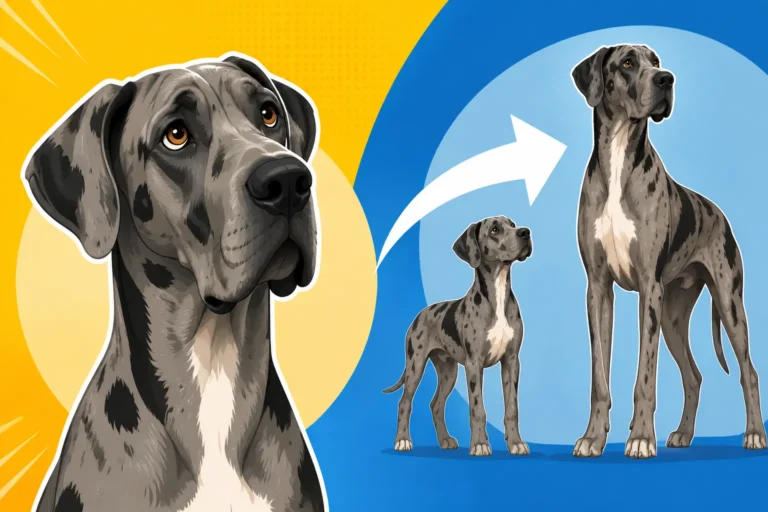
Imagine a tiny, fluffy puppy, maybe weighing just a few pounds, transforming into a magnificent creature that can easily top 150 pounds or more in just a year or two. That’s the Great Dane growth curve in a nutshell. They don't just grow outward; they stretch upwards at an alarming rate, often reaching half their adult weight by six months old and most of their height by a year. This intense period of growth means their bodies are working overtime, laying down bone, cartilage, and muscle at an astounding pace. This isn't a race to see how big they can get, though; it's a delicate balance. The Great Dane Growth Curve Month by Month delves deeper into these specific milestones.
It’s easy to look at a growing Great Dane and think, "More food, more growth!" But in reality, it's about controlled growth, not maximized growth. Overfeeding, or feeding a diet too rich in certain nutrients, can push their bodies to grow even faster than nature intended. While a fast-growing Labrador might thrive on a high-calorie diet, a Great Dane puppy forced into excessively rapid growth can experience profound and painful skeletal problems. Their bones and joints, especially the long bones in their legs, are simply not designed to handle accelerated development without consequence.
This delicate phase is why understanding their unique needs is paramount. We're not just trying to make them big; we're trying to make them grow soundly. It's about supporting the complex process of bone mineralization and cartilage formation in a way that minimizes stress on their still-soft structures. This thoughtful approach to nutrition in their early months can genuinely set the stage for fewer orthopedic issues down the road, sparing both your pup and your wallet from potential heartache and hefty vet bills. Why a Great Dane Puppy Should Grow Slowly really highlights the importance of this measured approach.
The Dangers of Uncontrolled Growth
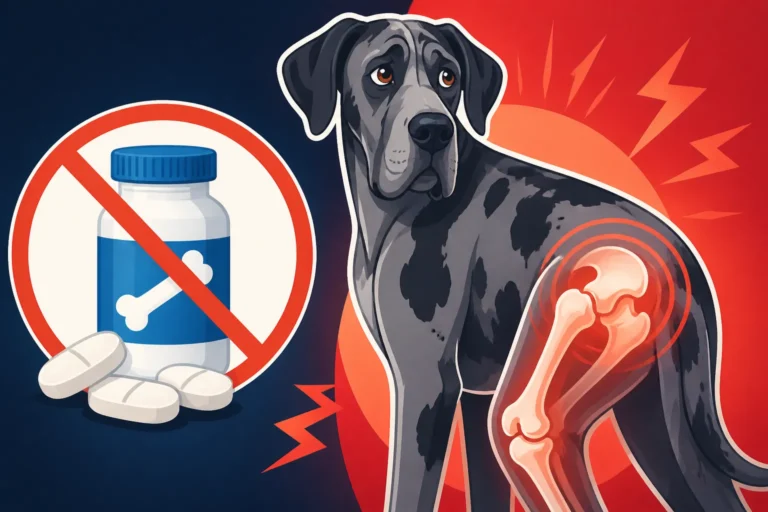
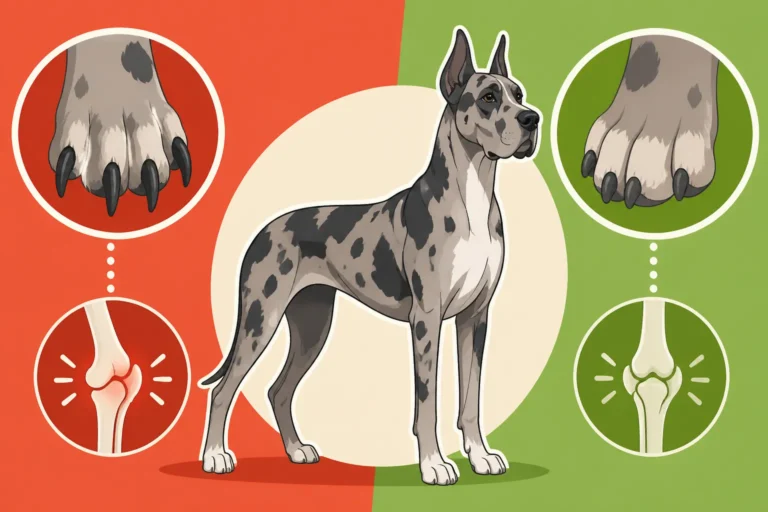
The primary concern with feeding an inappropriate diet to a Great Dane puppy is the risk of developmental orthopedic diseases (DODs). These aren't just minor aches and pains; they can be debilitating conditions that impact their mobility and quality of life. Conditions like osteochondritis dissecans (OCD), hypertrophic osteodystrophy (HOD), and panosteitis are much more prevalent in giant breeds, and their severity can be exacerbated by unchecked, rapid growth.
Think of it like building a skyscraper too fast. If the foundations and lower floors aren't given adequate time to solidify and strengthen before more weight is added above, the entire structure becomes unstable. Similarly, a Great Dane puppy's bones need time to mature and harden properly. When they grow too quickly, their cartilage, which is a precursor to bone, doesn't get enough time to mineralize effectively, leading to weak spots, inflammation, and potential deformities. This can result in painful lameness, a stiff gait, and long-term arthritis.
Beyond the immediate pain and discomfort for your puppy, these growth disorders often require extensive veterinary intervention, including specialized diets, pain management, and sometimes even complex surgeries. Preventing them through proper nutrition is not just about physical health; it's about financial foresight and emotional well-being for both you and your beloved Dane. Making informed choices about their food now can mean the difference between a dog who runs and plays freely and one who struggles with chronic pain.
Why Generic Puppy Food Falls Short for Giant Breeds
When you walk down the pet food aisle, you'll see a myriad of bags boasting "complete and balanced" nutrition for puppies. However, these formulations are typically created with the "average" puppy in mind – a puppy whose genetic blueprint dictates a much different growth pattern than a Great Dane. This is where the term "generic" becomes a red flag for giant breed owners.
Calorie Density and Overfeeding Risks
Most standard puppy foods are packed with calories. They're designed to fuel the energetic bursts and rapid growth spurts of smaller to medium-sized breeds, who mature much faster but don't carry the sheer mass of a Great Dane. For a Great Dane puppy, this high-calorie density can be a serious problem, making it incredibly easy to inadvertently overfeed them.
Even if you meticulously follow the feeding guidelines on a generic puppy food bag, those guidelines might be calibrated for a breed that will top out at 50 or 70 pounds, not one destined to reach 150 pounds or more. This means your Great Dane pup could be consuming far more calories than their delicate skeletal system can safely handle, leading to an overly rapid weight gain. This excess weight then puts additional strain on their developing joints, increasing the likelihood of issues like Bone Development Problems in a Great Dane Puppy or Growth Disorders in a Great Dane Puppy.
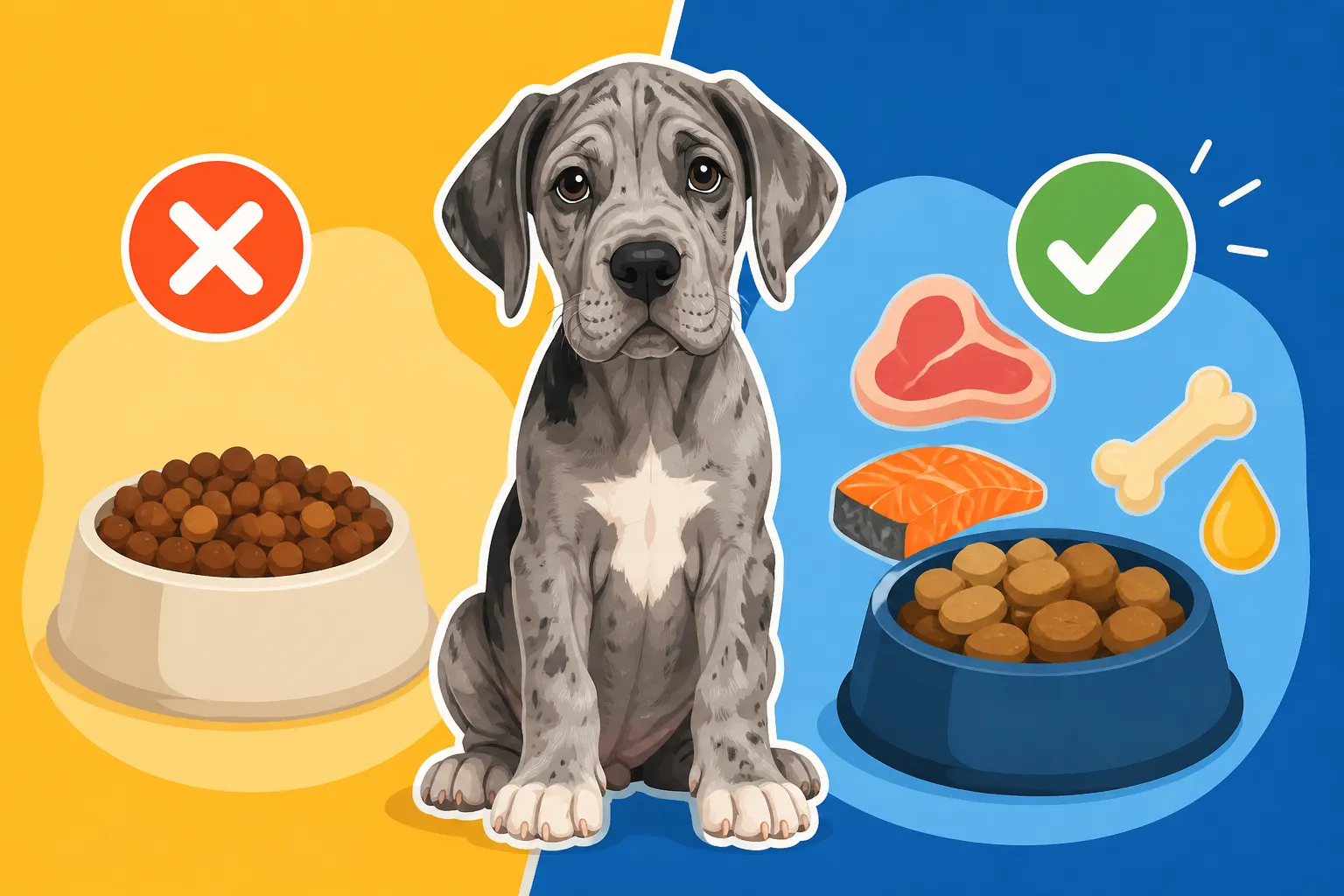
The goal for a Great Dane puppy isn't to be chubby; it's to be lean. You should be able to easily feel their ribs without seeing them overtly, and they should have a discernible waist. Generic puppy foods make it challenging to maintain this lean body condition without significantly reducing portion sizes, which can then lead to an imbalance in other essential nutrients. This is why a specifically formulated giant breed puppy food is designed with a slightly lower calorie density, allowing you to feed a larger volume for satiety while maintaining a healthy growth rate.
Imbalanced Nutrient Ratios for Giant Breeds
Beyond just calories, the specific ratios of macro and micronutrients in generic puppy foods are often not appropriate for Great Danes. The primary culprits here are calcium and phosphorus, but protein and fat levels also play a significant role. These nutrients are critical for growth, but their balance is everything when it comes to preventing skeletal problems in giant breeds.
A standard puppy food might have calcium and phosphorus levels that are perfectly fine for a Cocker Spaniel, but for a Great Dane, these levels could be too high or simply not in the correct proportion. Excess calcium, for instance, can interfere with normal bone development, leading to conditions like HOD. It's a counterintuitive problem: too much of a good thing, when it comes to calcium, can actually harm a growing giant breed puppy's bones.
This is why giant breed specific formulas are meticulously crafted to provide nutrient profiles that support slow, steady growth rather than explosive, unchecked development. They aim to avoid the extremes that can trigger growth-related diseases. When selecting food, always look for specific labeling indicating suitability for "large and giant breeds" or "large breed puppies." You won't typically find this precise balance in foods marketed simply as "puppy food."
Calcium and Phosphorus: The Critical Balance
For Great Dane puppies, the balance of calcium and phosphorus in their diet isn't just important; it's absolutely critical. These two minerals work hand-in-hand in bone development, but getting the ratio or the absolute amounts wrong can have severe, lifelong consequences. It’s one of the most significant differences between generic puppy foods and those formulated specifically for giant breeds.
The Dangers of Excess Calcium
It might seem logical that bigger bones need more calcium, but for a Great Dane puppy, that logic can lead to serious trouble. While calcium is undeniably essential for strong bones, too much of it can actually disrupt the intricate process of bone mineralization and skeletal development. This is because high levels of dietary calcium can interfere with the activity of hormones that regulate calcium absorption and bone turnover.
When calcium intake is excessive, particularly during the rapid growth phase, it can lead to conditions like osteochondritis dissecans (OCD). This occurs when cartilage, which is meant to turn into bone, fails to mature properly. Instead, it forms thick, unhealthy layers that can crack and detach, creating painful flaps within the joints. Imagine walking around with a loose piece of cartilage floating in your knee – that's what your puppy might experience. Great Dane Hips, Elbows and Growing Joints are particularly vulnerable during this time.
Another concern is hypertrophic osteodystrophy (HOD), a painful inflammatory condition of the growth plates, often linked to diets high in calcium or calories. Symptoms can range from lameness and swelling in the long bones to fever and lethargy. The key takeaway here is that "more is better" does not apply to calcium for a growing Great Dane. Their systems are designed to absorb sufficient calcium from a balanced, appropriately formulated diet, without needing an overload.
Ideal Calcium to Phosphorus Ratios
So, what exactly is the right balance? For Great Dane puppies, reputable giant breed puppy foods aim for a calcium content generally between 1.0% and 1.5% on a dry matter basis, with a calcium-to-phosphorus ratio typically between 1.1:1 and 1.3:1. These specific ranges are far narrower and often lower than what you might find in a standard puppy kibble, which might range up to 2.5% calcium.
This careful calibration ensures that the puppy receives enough calcium for proper bone formation without overwhelming their system or disrupting the delicate hormonal balance that governs bone growth. The phosphorus level also needs to be adequate, as it's the second most abundant mineral in the body and crucial for bone structure, energy metabolism, and cell function. Maintaining this tight ratio prevents one mineral from interfering with the absorption or utilization of the other.
It's absolutely vital to check the guaranteed analysis on any dog food bag to ensure these values align with giant breed recommendations. If the bag doesn't specify, or if the numbers are outside these ranges, it's best to steer clear. Remember, even adding calcium supplements to an already balanced giant breed puppy food can tip the scales into dangerous territory. Calcium and Phosphorus in a Great Dane Puppy Bowl further explains these ratios in detail.
Protein and Fat: Fueling Growth Without Overdoing It
Just like with calcium, the protein and fat content in a Great Dane puppy's food requires a careful approach. While these macronutrients are essential for building muscle, providing energy, and supporting overall development, too much of a good thing, especially at the wrong stage, can contribute to the very problems we're trying to avoid.
Optimal Protein Levels for Lean Muscle Development
Protein is the building block of life, crucial for muscle development, tissue repair, enzyme production, and a healthy immune system. Great Dane puppies need a significant amount of high-quality protein to support their incredible muscle mass and overall growth. However, this doesn't mean "the more, the better." The common misconception that high protein causes rapid growth or orthopedic issues in giant breeds has largely been debunked. The real issue is quality of protein and the overall calorie load it contributes to.
Reputable giant breed puppy foods generally contain protein levels ranging from 23% to 28% on a dry matter basis. This level provides ample amino acids for lean muscle development without contributing to excessive calorie intake that can drive rapid bone growth. A high-quality protein source means the amino acids are highly digestible and bioavailable to your puppy. Look for named meat meals (e.g., "chicken meal," "lamb meal") as primary ingredients, indicating a concentrated protein source after water has been removed.
Focusing on appropriate protein levels helps your Great Dane build strong, healthy muscle mass at a rate that allows their skeletal system to keep pace. It’s about cultivating lean muscle that supports their frame, rather than packing on excess weight that strains nascent joints. Whether a Great Dane Puppy Should Be Kept Lean really emphasizes the importance of this balanced body condition.
Balanced Fat Content for Energy and Health
Fat is an incredibly important component of a Great Dane puppy's diet, providing a concentrated source of energy, aiding in the absorption of fat-soluble vitamins (A, D, E, K), and supporting healthy skin and coat. However, just like protein, the amount needs to be carefully balanced. Generic puppy foods often have higher fat content to provide the energy needed for smaller, more active puppies, but this can lead to too many calories for a Great Dane.
For giant breed puppies, fat content typically falls within the range of 12% to 18% on a dry matter basis. This level provides sufficient energy for their growth and daily activities without leading to excessive calorie intake and the associated risks of overly rapid weight gain. Excess fat can easily push a puppy past that ideal lean body condition, adding unnecessary stress to their growing bones and joints.
Furthermore, the type of fat matters. Look for foods that include sources of Omega-3 fatty acids, such as fish oil (DHA and EPA), which are beneficial for brain and eye development, as well as supporting overall joint health and reducing inflammation. A good balance of fat ensures your Great Dane puppy has the energy they need to play and grow, without overshooting their optimal growth trajectory.
Sourcing and Choosing the Right Food for Your Dane
Finding the perfect food for your Great Dane puppy can feel like a quest, especially with so many options on the market. It's not just about reading labels; it's about understanding what those labels mean for a giant breed and knowing where to reliably find high-quality, appropriate formulas.
Deciphering Dog Food Labels
The dog food label is your most important tool, but it's often full of jargon that can be confusing. When looking for a giant breed puppy formula, here’s what to prioritize:
- "Large Breed Puppy" or "Giant Breed Puppy" Designation: This is non-negotiable. These foods are specifically formulated with the correct calorie density, calcium-to-phosphorus ratio, and protein/fat levels for breeds like Great Danes. Avoid anything simply labeled "puppy food" or "all life stages" unless the "all life stages" food has explicitly been tested and proven suitable for large breed puppy growth according to AAFCO (Association of American Feed Control Officials) statements.
- Guaranteed Analysis: Pay close attention to the minimum and maximum percentages listed for crude protein, crude fat, crude fiber, and moisture. More importantly, look for calcium and phosphorus percentages, often found further down the label or on the manufacturer's website. Aim for calcium between 1.0-1.5% and a Ca:P ratio of 1.1:1 to 1.3:1 (dry matter basis).
- Ingredient List: Ingredients are listed by weight. Look for whole, named meat sources (e.g., "chicken," "lamb," "salmon") as the first one or two ingredients, followed by named meat meals (e.g., "chicken meal"). Avoid generic terms like "meat by-products" or "animal fat." Whole grains (like rice, barley, oats) or specific vegetables are generally good carbohydrate sources.
Remember, a higher price doesn't always guarantee a better product, but extremely cheap foods often cut corners on ingredient quality or precise nutritional balance, which is something you absolutely cannot afford to do with a Great Dane puppy. Your veterinarian, particularly one experienced with giant breeds, can also be an invaluable resource in guiding your food selection.
Where to Find Specialized Giant Breed Formulas
While you might find a few "large breed puppy" options at your local grocery store, dedicated giant breed formulas are often found in specific retailers or online. Pet supply superstores like Petco or PetSmart usually carry a broader selection of specialized foods. Many owners find specialized giant breed formulas on Chewy, which offers a vast inventory and home delivery, making it convenient for ordering heavy bags of kibble.
Online retailers like Amazon also offer a wide range of brands specifically formulated for large and giant breed puppies, often with detailed nutritional information readily available. This allows you to compare different brands and formulas from the comfort of your home. If you're considering fresh-delivered food, subscription services like Ollie might offer custom plans, but it's crucial to thoroughly check if their specific formulations are optimized for giant breed puppy growth parameters, especially regarding calcium and phosphorus. Always ask detailed questions about their nutrient analysis for growing giant breeds.
It's a good idea to research brands known for their commitment to large and giant breed nutrition. Brands like Purina Pro Plan Large Breed Puppy, Royal Canin Giant Puppy, and Eukanuba Large Breed Puppy are often recommended by breeders and veterinarians due to their scientific formulations and consistent quality. Don't be afraid to ask your breeder what they feed and why; they often have generations of experience with these specialized nutritional needs.
Transitioning to Adult Food: When and How
The transition from puppy food to adult food for a Great Dane is another critical stage that differs from smaller breeds. Because of their extended growth period, they remain on a puppy formula for much longer, and the switch needs to be handled carefully to avoid digestive upset or nutritional imbalances.
The Extended Puppy Phase for Great Danes
Unlike smaller dogs who might switch to adult food around 9-12 months, Great Danes generally continue to grow and mature until they are 18-24 months old. This means they need to stay on their specialized large or giant breed puppy food for an extended period, sometimes up to two years. It's not just about height anymore; they are still "filling out," strengthening bones, and developing musculature.
Switching too early to an adult formula, especially if it's a generic one, can mean missing out on the precise nutrient balance designed for their continued skeletal development. Adult foods typically have lower calorie and fat content, and sometimes different mineral balances, which might not adequately support a still-growing giant breed. You want to ensure they've truly reached skeletal maturity before making this change.
Your veterinarian is your best resource for determining the optimal time for this transition. They can assess your Great Dane's individual growth, body condition, and overall health to recommend the perfect window. Generally, you'll be looking for signs that their growth plates have closed and that they are no longer experiencing rapid growth spurts. Being patient and allowing them this extended puppy phase with the right nutrition is a gift you give your Dane, contributing to their long-term health. Whether a Great Dane Stays on Puppy Food to Two is a common question, and the answer is often yes!
A Gradual and Thoughtful Transition
Once your veterinarian gives the green light for the switch, the transition itself should be a slow and gradual process. Abrupt changes in diet can lead to gastrointestinal upset, including vomiting, diarrhea, or a refusal to eat. A common method is to slowly introduce the new adult food over a period of 7-10 days, gradually increasing the proportion of adult food while decreasing the puppy food.
Here’s a typical transition schedule:
- Days 1-2: 75% puppy food, 25% adult food
- Days 3-4: 50% puppy food, 50% adult food
- Days 5-6: 25% puppy food, 75% adult food
- Days 7-10: 100% adult food (or longer if your pup has a sensitive stomach)
| Day Range | Puppy Food Ratio | Adult Food Ratio |
|---|---|---|
| Days 1-2 | 75% | 25% |
| Days 3-4 | 50% | 50% |
| Days 5-6 | 25% | 75% |
| Days 7-10+ | 0% | 100% |
Monitor your Great Dane closely during this period for any signs of digestive distress or changes in appetite. If you notice any issues, slow down the transition and maintain the current ratio for an extra day or two until their system adjusts. This gentle approach minimizes stress on their digestive system and helps ensure a smooth dietary change, paving the way for continued healthy eating habits into adulthood. After all, their growth journey doesn't end when they stop getting taller; their bodies are still maturing for quite some time. Monthly Costs for an Adult Great Dane will show you that while the food type changes, the quantity still demands a budget.
Disclaimer
This article is for general informational purposes only and does not constitute professional advice. Laws, prices and regulations vary by location and change over time. Consult a qualified professional for guidance on your specific situation.