What a Great Dane’s Final Year Costs
Watching your beloved Great Dane enter their final year is an incredibly bittersweet time. The joy of their companionship is tinged with the looming sadness of their departure, and often, the financial anxieties that come with their declining health can feel overwhelming. This guide aims to gently walk you through the various costs you might encounter during a Great Dane's final year, helping you prepare financially and emotionally for this tender chapter.
Understanding the Great Dane's Final Chapter
It’s a tough truth that our gentle giants have shorter lifespans than many other breeds. When a Great Dane reaches the age of six or seven, they are often considered senior, and with that comes a different set of needs and, inevitably, expenses. It's not just about one big illness, but often a compounding of smaller issues that demand more attention and resources. The expectation that our Danes will live for many years longer, only to face the reality of their seven to ten year lifespan, can be a harsh blow, and understanding this timeline helps frame the care decisions ahead.
The Reality of Their Shorter Lifespan
Great Danes, unfortunately, burn through their years faster than smaller dogs. This accelerated aging means that the health challenges typically seen in much older dogs appear earlier in a Dane's life. Around six years old, you might start noticing subtle changes – a bit more stiffness getting up, a slight decrease in enthusiasm for walks, or perhaps a greying muzzle that seems to deepen overnight. These aren't just cosmetic changes; they are often indicators that their bodies are working harder, and that their systems are beginning to show wear and tear. Accepting this reality helps you pivot to proactive senior care, which can make a profound difference in their comfort.
Many owners feel a deep sadness as their once-spry giant slows down, and there's a natural tendency to want to reverse time. While we can't do that, we can absolutely focus on maximizing their quality of life in these precious final months or years. This often means being more vigilant for subtle signs of discomfort or illness, understanding that the robust puppy you once knew is now a wise, aging soul who needs extra TLC. The financial aspect can feel daunting because it's tied so closely to these emotional shifts, but budgeting for their golden years can alleviate some of that stress.
Common Health Changes in Senior Danes
As Great Danes age, certain health issues become more prevalent. Joint pain from arthritis is almost a given, making those grand leaps onto the sofa a thing of the past. Heart conditions, particularly dilated cardiomyopathy (DCM), which Great Danes are prone to, may progress, requiring daily medication and regular cardiology check-ups. The Heart Muscle Disease Great Danes Are Prone To is a devastating reality for many Dane owners. We also need to be on the lookout for cognitive decline, changes in vision or hearing, and a general weakening of their immune system. They might not be able to tolerate extreme temperatures as well, and their digestion can become more sensitive.
Each of these changes, whether it’s a developing limp or a sudden aversion to certain foods, necessitates veterinary assessment and potentially ongoing treatment. This isn't just about managing pain; it's about maintaining dignity and comfort. For example, a Dane struggling with mobility might benefit from physical therapy or specific joint supplements, which become new line items in your budget. It's a journey of adapting and responding to their evolving needs, always with their comfort at the forefront.
Increased Veterinary Care: The Medical Bills Add Up
The truth is, a Great Dane's final year often means significantly more visits to the vet. These aren't just routine check-ups; they encompass diagnostic tests, managing chronic conditions, and unfortunately, responding to urgent situations. It’s a sad reality that The Short Expensive Life of a Great Dane often culminates in a costly final chapter, but the care we provide is invaluable.
Routine Senior Vet Visits and Diagnostics
Even if your Great Dane seems relatively healthy, senior Danes typically require more frequent veterinary check-ups, often twice a year instead of annually. These visits focus on early detection of age-related diseases. Your vet might recommend comprehensive blood panels to check organ function, particularly Kidney and Liver Values in an Old Great Dane, along with urine analysis. They'll pay close attention to heart sounds, look for lumps and bumps, and assess their overall mobility. X-rays might be taken to evaluate arthritis progression or other orthopedic issues.
Each of these tests, while crucial for monitoring your Dane's health, comes with its own cost. It’s not uncommon for a routine senior check-up, including bloodwork and perhaps some imaging, to run higher than what you paid for your Dane's annual adult vaccinations and exam. Planning for these regular, more thorough health assessments is a necessary part of senior Dane ownership. Some pet insurance providers like Healthy Paws offer various plans, and while it might be too late to enroll a senior Dane for pre-existing conditions, it's worth exploring if they have options for accident or new illness coverage even in their later years. Understanding Whether Pet Insurance Is Essential for a Great Dane becomes even more critical as they age.
Managing Chronic Conditions
Many senior Great Danes will develop one or more chronic conditions that require ongoing medication and management. This could be anything from daily pain medication for arthritis, to cardiac drugs for a failing heart, or thyroid supplements. For a giant breed, medication dosages are significantly higher than for a smaller dog, which directly translates to higher recurring costs. Imagine needing daily doses of a particular drug for a dog weighing over 100 pounds – that bottle empties fast!
Beyond medication, chronic conditions might necessitate specialized diets, regular follow-up appointments with specialists (like a cardiologist or orthopedic vet), or even specific therapies like acupuncture or hydrotherapy for joint pain. These are not one-time expenses but continuous outlays that become part of your monthly budget. The cost of Monthly Medications Dosed at Great Dane Weight can truly add up, and it's something many owners don't fully anticipate until they're faced with prescription after prescription.
Emergency Care and Unexpected Illnesses
Even with the best preventative care, emergencies can and do happen in a Great Dane's final year. A sudden bloat episode (GDV), which is a lifelong risk for Danes, becomes even more precarious in an older dog. Other acute issues, like a sudden collapse, severe gastrointestinal upset, or a rapid decline in breathing, can send you rushing to the emergency vet. Emergency care is almost always more expensive than routine veterinary visits, with after-hours fees, specialized diagnostics, and potential overnight stays or surgeries adding quickly.
When you're faced with a sudden emergency, the emotional toll is immense, and having to worry about the financial impact on top of it all is incredibly stressful. While we hope for a peaceful decline, preparing for the possibility of an unexpected, costly emergency is a realistic step for any Great Dane owner nearing this stage. It highlights the importance of having an emergency fund or robust pet insurance coverage, if available, to ease the burden during these critical times.
Comfort and Quality of Life Enhancements
Beyond direct medical care, ensuring your Great Dane's comfort and maintaining their quality of life as they age becomes paramount. These expenses might seem less critical than life-saving medication, but they are absolutely essential for their happiness and dignity. Think of it as creating a senior-friendly environment.
Specialized Bedding and Mobility Aids
As arthritis sets in, hard floors become unforgiving, and even traditional dog beds might not provide enough support for a Great Dane's massive frame. Investing in high-quality, orthopedic bedding is not a luxury, but a necessity to protect their joints and prevent pressure sores. These specialized beds, designed with dense memory foam or other supportive materials, are often significantly more expensive than standard beds, especially in the gargantuan sizes Danes require. You might even need multiple throughout the house so they always have a soft place to rest. Orthopedic Beds a Great Dane Needs are a core part of their comfort plan.
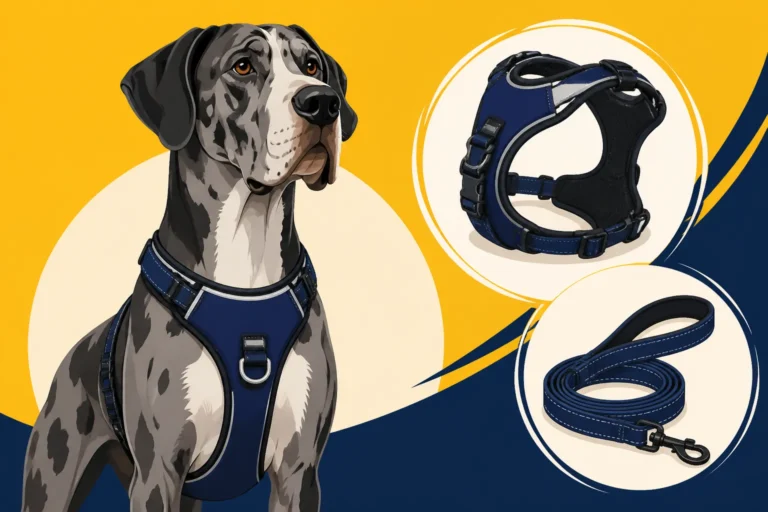
Furthermore, mobility aids can make a huge difference. Ramps can help them get into cars or up a few steps, preventing painful jumps. Harnesses with handles can assist you in lifting their hindquarters or steadying them on slippery floors. Some Danes might even benefit from full-body slings or specialized carts if their back legs significantly weaken. These items, designed for large breeds, are durable and often costly but invaluable for Mobility Aids for a Failing Great Dane and preserving their independence and preventing injury. Online retailers like Chewy offer a wide array of these specialized products, making it easier to find what you need.
Dietary Adjustments and Supplements
An aging Great Dane's nutritional needs can change considerably. They might require a senior-specific food formula that's lower in calories to prevent weight gain (which exacerbates joint pain) but higher in joint-supporting nutrients like glucosamine and chondroitin. Some older Danes develop sensitive stomachs or dental issues, necessitating softer, more digestible foods, or even prescription diets. The sheer volume of food a Great Dane consumes means that even a slight price increase per bag can translate to a significant monthly expense.
Many owners also opt for additional supplements beyond what's in their food, such as fish oil for anti-inflammatory benefits, specialized gut health supplements, or even CBD products designed for pets to help with pain and anxiety. While these can greatly improve their comfort, they represent ongoing costs. Companies like Ollie, known for fresh, human-grade dog food, might offer custom meal plans that cater to senior dietary needs, though the cost for Great Dane portions will naturally be higher than for smaller breeds. Feeding and Grooming an Old Great Dane often involves a careful balance of nutrition and cost.
Professional Grooming and In-Home Support
Even with a short coat, grooming an older, less mobile Great Dane can become a challenge. Bending over to brush them or lift them into a bath can be physically taxing for you and uncomfortable for them. Professional groomers equipped to handle giant breeds or mobile groomers who come to your home can be a godsend, but their services come at a premium due to the dog's size and special handling requirements.
For Danes with significant mobility issues or those who develop incontinence, regular bathing, cleaning, and potentially even diaper changes become necessary. This requires extra supplies and your time, or the cost of a professional pet sitter or veterinary technician to help with in-home care. The thought of Nursing a Great Dane Through Its Last Weeks can bring tears to your eyes, but having support systems in place can make the process smoother for both of you.
End-of-Life Decisions and Final Arrangements
This is, without a doubt, the hardest section to write about, and the most painful to consider. When the time comes, making end-of-life decisions for your beloved Great Dane is an act of immense love, but it also comes with its own set of financial considerations.
Euthanasia Services
The ultimate act of kindness for a suffering pet is often euthanasia. This can be done at your veterinary clinic or, increasingly, in your own home. In-home euthanasia services, while often more costly than clinic appointments, offer a peaceful, familiar environment for your Dane's final moments, surrounded by their loved ones. Many owners find the extra expense well worth it for the comfort it provides both their pet and themselves. The procedure itself, while relatively quick, involves medication and professional veterinary time.
The decision of Knowing When a Great Dane Is Done is heartbreaking, but having the financial piece considered beforehand can help you focus entirely on your beloved companion without added stress. Discussing these options and their associated fees with your vet or a specialized home euthanasia service in advance, even if you’re not ready to make the decision, can be helpful for future planning.
Cremation or Burial Costs
After euthanasia, you'll need to decide on your Great Dane's final resting place. The two main options are cremation or burial. Given a Great Dane's immense size, cremation costs are significantly higher than for smaller animals, simply due to the increased body weight and size requiring more resources and specialized equipment. You'll often have options for communal cremation (where ashes are not returned) or private cremation (where you receive your Dane's ashes back in an urn). Urns themselves come in a wide range of styles and prices.
If you opt for burial, whether in a pet cemetery or on your own property (where local ordinances permit), there are costs associated with that too. Pet cemetery plots and services can be quite expensive, while at-home burial might involve the cost of digging equipment or a specialized large pet burial container. These final arrangements, while deeply personal, are a significant part of the overall cost of a Great Dane's final year. Cremation Costs for a Great Dane are one of those bills nobody likes to talk about, but it's important to be aware.
| Expense Category | Description | Frequency | Examples |
|---|---|---|---|
| Veterinary Care | Increased check-ups, diagnostics, management of chronic conditions, emergencies. | Bi-annual/Monthly | Senior blood panels, X-rays, cardiac exams, medications (e.g., pain relief, heart meds), emergency vet visits for bloat or sudden illness. |
| Medications & Supplements | Prescription drugs for chronic conditions, joint supplements, etc. | Daily/Monthly | NSAIDs, heart medications, thyroid meds, glucosamine, fish oil, probiotics. |
| Comfort & Mobility Aids | Items to support physical comfort and movement. | One-time/As needed | Orthopedic memory foam bed, dog ramps, lifting harnesses, non-slip rugs. |
| Dietary Needs | Specialized food formulas or additions for senior health. | Monthly | Senior kibble, prescription diets, fresh food subscriptions (e.g., Ollie), dietary supplements. |
| Grooming & In-Home Support | Professional grooming, assistance with care tasks. | As needed/Weekly | Mobile groomer visits, specialized shampoos, pet sitter/vet tech for in-home care. |
| End-of-Life Services | Euthanasia and post-euthanasia arrangements. | One-time | In-home euthanasia, private cremation, urn, pet cemetery plot/service. |
Disclaimer
This article is for general informational purposes only and does not constitute professional advice. Laws, prices and regulations vary by location and change over time. Consult a qualified professional for guidance on your specific situation.