How High a Great Dane’s Bowl Should Sit
It's a common sight: a majestic Great Dane leaning down, almost folding itself in half, to eat from a bowl on the floor. For years, conventional wisdom dictated that these giant breeds needed elevated food bowls to prevent bloat and aid digestion. But what if that long-held belief was not only misguided but potentially harmful? This guide will dive deep into the science and practicalities surrounding Great Dane feeding bowl height, helping you make the most informed choices for your gentle giant's health.
The Great Dane's Unique Anatomy and Feeding Challenges
Living with a Great Dane means living with extremes. Their sheer size, particularly their deep chests and long necks, presents a unique set of challenges when it comes to something as fundamental as eating. It's not just about looking elegant; their physical structure directly impacts how they digest food and, critically, their susceptibility to certain life-threatening conditions.
The Deep Chest and Bloat Risk
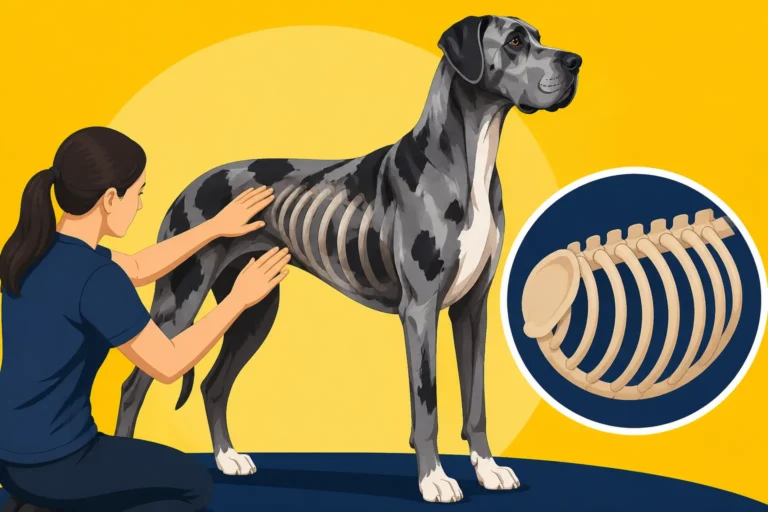
One of the most striking features of a Great Dane is their deep, narrow chest. It’s magnificent to behold, but it also creates a peculiar internal environment. This conformation is directly linked to their notoriously high risk for Gastric Dilatation-Volvulus (GDV), more commonly known as bloat. Imagine a stomach that's like a pendulous sack, hanging in a large cavity. There's a lot of room for it to swing, twist, and fill with gas. When a dog like a Great Dane eats quickly, gulps air, or engages in activity too soon after a meal, this deep chest can become a hazard. The stomach can distend with gas (dilatation) and then, terrifyingly, rotate on its axis (volvulus), cutting off blood flow and trapping both gas and food. This condition is a sudden, excruciating emergency, and you'll want to understand Bloat in a Great Dane and the One in Three Odds as it's a stark reality for many owners.
For years, the thought was that making them reach less for their food would reduce the amount of air they swallowed, thereby mitigating bloat risk. It seemed logical: if they didn't have to bend so far, they'd be more comfortable and less prone to gulping. However, as we'll explore, the reality proved to be more complex, and sometimes, our best intentions can inadvertently steer us in the wrong direction.
Esophageal Structure and Swallowing Dynamics
Beyond the deep chest, a Great Dane's exceptionally long neck also plays a role in how they eat and how food travels down to their stomach. Their esophagus, the tube connecting the mouth to the stomach, is naturally long. When a dog eats, peristaltic waves, rhythmic muscle contractions, move the food down this tube. The angle at which they eat, whether from the floor or from an elevated position, theoretically influences the efficiency of this process. Some believed that eating from an elevated position would create a straighter path for food, making swallowing easier and potentially reducing air intake.
However, dogs are designed to eat from the ground. Their digestive system, including the esophagus, is built to function effectively in this natural posture. Changing this angle might seem helpful, but it doesn't necessarily improve the mechanics. In fact, some veterinarians suggest that an elevated position might actually increase the speed at which food is consumed, potentially leading to more swallowed air rather than less, which is exactly what we're trying to avoid when considering The Lifetime Bloat Risk in a Great Dane.
The Raised Bowl Controversy: Early Beliefs vs. Modern Research
For a long time, if you walked into the home of a Great Dane owner, you'd almost certainly see their dog's food and water bowls perched high on a stand. It was practically dogma in the giant breed community. The logic seemed sound, the advice ubiquitous, but sometimes, what sounds good on paper doesn't hold up under scrutiny.
The Original Rationale for Elevated Feeding
The initial push for raised bowls stemmed from a few key assumptions. The primary one, as mentioned, was the belief that it would reduce the amount of air a deep-chested dog like a Great Dane would gulp down while eating. Less air meant less gas, and less gas was thought to mean less bloat. Owners watched their large dogs practically perform yoga poses to reach their bowls, bending their powerful necks and front legs, and thought, "Surely this can't be good for them." They reasoned that providing a comfortable, standing height eating position would make mealtime less strenuous, improve posture, and perhaps even alleviate potential stress on their joints, especially for older or arthritic Danes.
Another aspect was the perceived aid to digestion. The idea was that gravity would assist the food in its journey down the long esophagus to the stomach, preventing regurgitation or discomfort. Many people genuinely believed they were doing their very best for their beloved giants by investing in these often expensive, purpose-built stands. And for some Great Danes, particularly those with conditions like megaesophagus, a raised bowl is genuinely beneficial under veterinary guidance, but that's a specific medical scenario, not a general preventative measure. This led to widespread adoption, and it became an ingrained practice, passed down from one Great Dane owner to the next.
The Shift in Scientific Understanding
However, the world of canine health is always evolving, and what once seemed like common sense sometimes gets overturned by rigorous scientific inquiry. Over the past couple of decades, several large-scale studies, most notably one conducted by Purdue University, dramatically shifted the understanding of raised bowls and bloat. This research, which examined hundreds of Great Danes and other deep-chested breeds, actually found the opposite of what was expected.
The results indicated that feeding from an elevated bowl was, in fact, associated with an increased risk of bloat, not a decreased one. While the exact physiological mechanisms aren't fully understood, theories suggest that elevated feeding might encourage faster eating, leading to more air intake. It could also be that the altered posture somehow affects stomach motility or the position of the stomach, making it more prone to twisting. This was a bombshell for many Great Dane owners who had been diligently using raised bowls for years, believing they were preventing the very thing the bowls might have been contributing to. It truly brought into question The Raised Bowl Argument for Great Danes and forced a re-evaluation of feeding practices.
Understanding Bloat (GDV) in Great Danes
Given that the discussion around bowl height is so heavily influenced by the risk of bloat, it's crucial to truly understand this terrifying condition. Gastric Dilatation-Volvulus (GDV) isn't just an upset stomach; it's a rapidly progressing, life-threatening emergency that every Great Dane owner needs to be acutely aware of.
The Mechanics of Gastric Dilatation-Volvulus
Bloat typically starts with the stomach filling rapidly with gas (dilatation). This can happen for various reasons, including eating too quickly, gulping air, or fermentation of food. As the stomach expands, it puts pressure on surrounding organs and blood vessels. The real danger, and what makes it GDV, is when this gas-filled stomach then twists or rotates on its axis, a process called volvulus. Imagine trying to wring out a wet towel; that's essentially what happens to the stomach. This twisting pinches off both the entrance and exit of the stomach, trapping all the gas, food, and fluid inside. It also cuts off blood supply to the stomach wall, leading to tissue death, and can compress major veins, impairing blood flow back to the heart. This leads to shock, organ damage, and if not treated immediately, death.
The signs of a Great Dane stomach twisting are unmistakable and alarming: restlessness, pacing, an inability to get comfortable, attempts to vomit without producing anything (dry heaving), excessive drooling, and critically, a visibly distended or swollen abdomen that feels hard to the touch. The clock starts ticking the moment you notice these symptoms. Every minute counts. If you see A Great Dane Pacing With a Swollen Belly or A Great Dane Trying to Vomit and Failing, it’s an immediate emergency vet visit. Do not wait to see if it improves.
Factors Beyond Bowl Height That Influence Risk
While bowl height became a focal point, it's vital to remember that GDV is a complex condition with multiple contributing factors. Genetics play a significant role; Great Danes are predisposed, and if a dog's parents or siblings have bloated, their risk increases. Temperament can also be a factor; anxious or highly stressed dogs may be more prone to bloat. Eating habits are huge: gulping food quickly and swallowing a lot of air is a major risk. This is why many owners opt for slow feeder bowls to prolong mealtime.
Furthermore, exercise immediately before or after meals is a known risk factor. Owners are often advised to avoid strenuous activity an hour before and at least an hour or two after their Great Dane eats. Stress, large meals, and even certain types of food (though this is debated) can also be implicated. Age is another factor; the risk generally increases as Great Danes get older. All of these elements form a complex tapestry of risk, and while we're focusing on bowls, it’s important to adopt a holistic approach to prevent The Lifetime Bloat Risk in a Great Dane. Surgical options like a gastropexy, where the stomach is tacked to the abdominal wall, can significantly reduce the risk of volvulus, even if dilatation can still occur. Stomach Tacking Surgery for a Great Dane is a decision many owners face.
| Bloat Risk Factor | High Risk Behavior / Situation | Lower Risk Practice |
|---|---|---|
| Feeding Speed | Gulping down large meals quickly | Using slow feeder bowls, feeding multiple small meals |
| Bowl Height | Elevated bowls (for predisposed breeds like Great Danes) | Bowls on the floor |
| Exercise After Eating | Strenuous activity immediately after a meal | Rest period of 1-2 hours before/after meals |
| Stress | High-stress environment, anxiety during meals | Calm, quiet meal times |
| Genetics | Family history of bloat | Choosing a breeder who screens for longevity/bloat in lines |
| Meal Frequency | One large meal per day | Two or three smaller meals per day |
| Water Intake | Gulping large amounts of water immediately after eating or exercise | Offering smaller, frequent water breaks; avoiding excessive water post-exercise |
Practical Considerations for Great Dane Feeding Setups
So, if elevated bowls are out, what's the best approach for feeding a Great Dane? It comes down to understanding their natural physiology, prioritizing comfort without increasing risk, and being mindful of their sheer size when it comes to practical logistics.
Ground-Level Feeding: Benefits and Practicalities
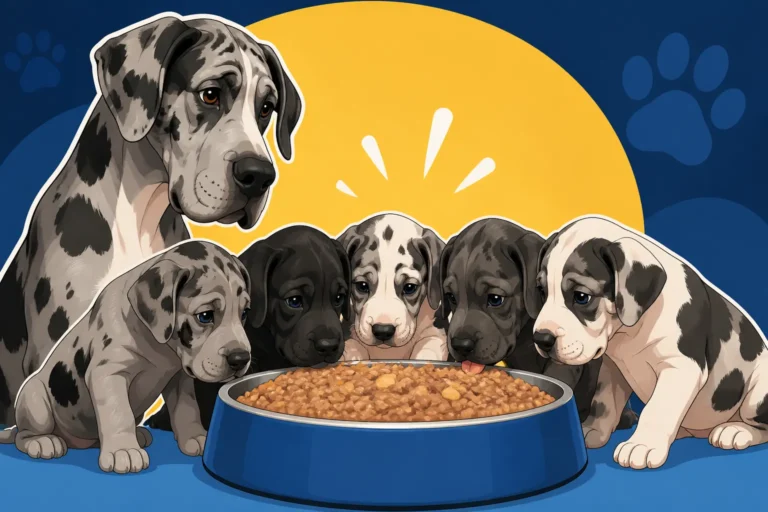
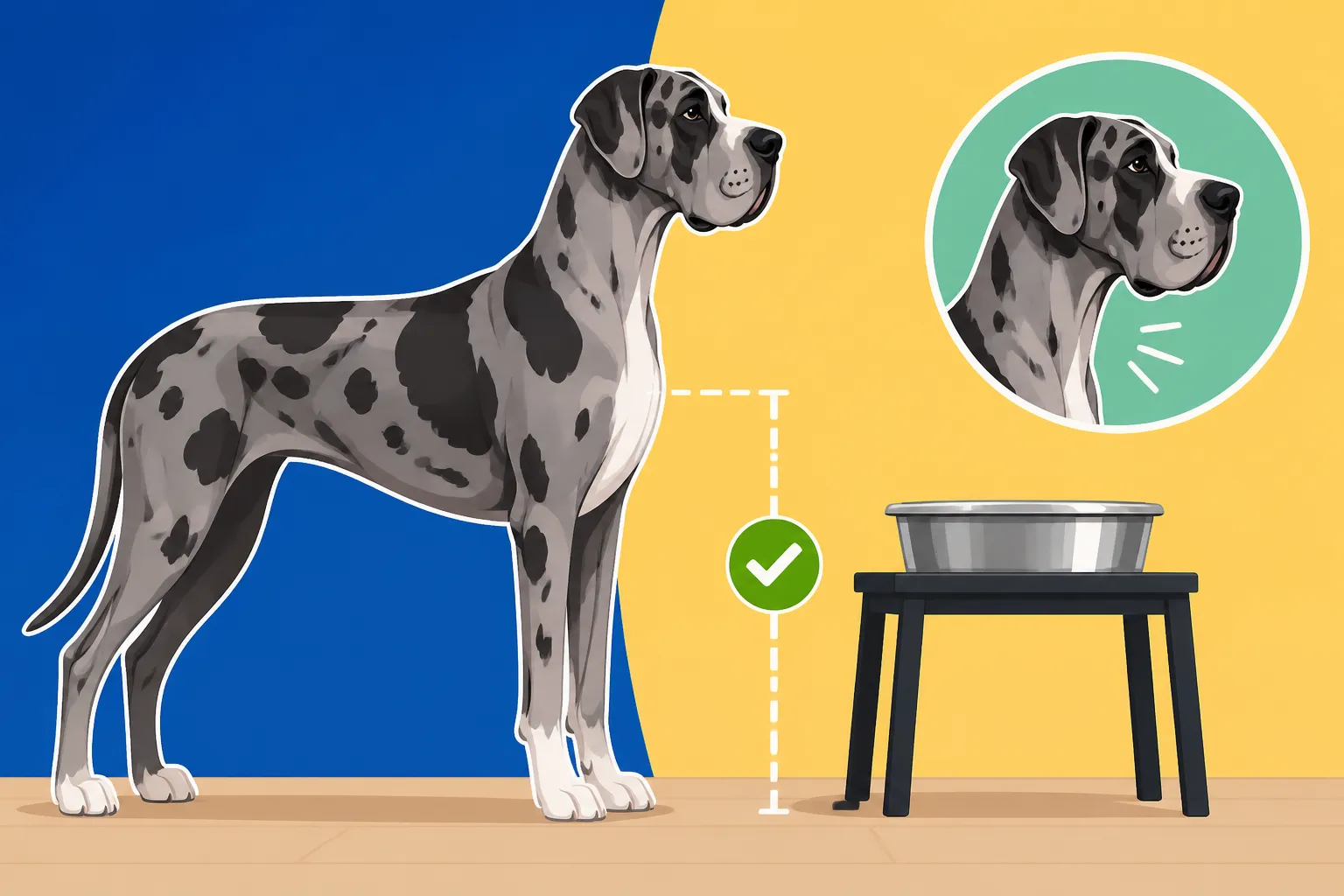
Based on the current scientific understanding, feeding your Great Dane from a bowl placed directly on the floor is generally recommended. This allows them to eat in a natural, head-down posture, which is how dogs have evolved to consume food. While it might look a little awkward for their long necks, their bodies are designed for it. This position may encourage slower eating and potentially reduce the amount of air swallowed, contributing to a lower bloat risk.
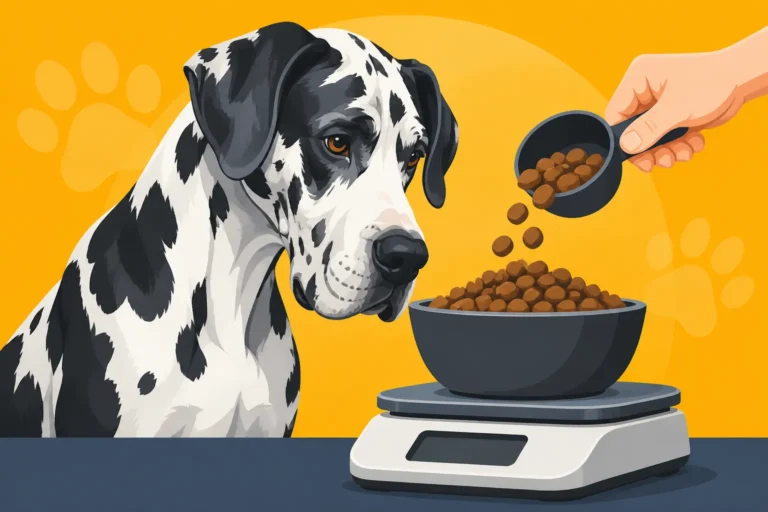
Practically, floor feeding is simple and cost-effective. You don't need special stands, just sturdy bowls that won't slide around. Stainless steel bowls are excellent for hygiene and durability. Since Great Danes are, well, great, you'll need large capacity bowls. Look for options on platforms like Chewy or Amazon that are specifically designed for giant breeds. Just be prepared for a bit more drool on the floor around the bowl, especially with water. Having a mat underneath can make cleanup easier. Remember, the goal is to make mealtime as calm and uneventful as possible.
Customizable Bowl Stands and Ergonomics
While the general recommendation leans towards ground-level feeding to mitigate bloat risk, there are specific situations where a slightly raised or adjustable bowl stand might be considered, always in consultation with your veterinarian. For instance, an elderly Great Dane with severe arthritis in its neck or front legs might genuinely struggle to bend down. In such cases, the comfort and quality of life for the dog might outweigh the perceived, general bloat risk (especially if they've had a gastropexy or their vet specifically advises it). For these dogs, an adjustable stand that allows you to find a height that minimizes strain but isn't overly elevated could be useful.
The key here is "customizable" and "ergonomics," not "high." You're looking for a height that allows your Dane to eat comfortably without undue bending or stretching, but without forcing their neck upwards into an unnatural position. This might be just a few inches off the ground, rather than chest height. Always prioritize your individual dog's needs and discuss any adjustments with your vet, particularly if your dog has mobility issues. For healthy, younger Danes, the floor remains the safest bet.
Choosing the Right Bowl Material and Size
Beyond height, the type of bowl you use also matters for your Great Dane's health and comfort.
-
Material:
- Stainless Steel: This is hands-down the best choice. It's durable, easy to clean, non-porous (so it doesn't harbor bacteria), and chew-proof. Many quality dog bowls found on Chewy are stainless steel.
- Ceramic: Can be heavy and sturdy, but prone to chipping and breaking. Chips can create sharp edges, and porous glazes can harbor bacteria.
- Plastic: Generally discouraged, especially for water. Plastic can scratch easily, creating nooks for bacteria to grow. Some dogs can also develop an allergic reaction (contact dermatitis) to plastic, leading to chin acne. Plus, a strong Great Dane can quickly chew through a plastic bowl.
- Glass: Not recommended due to breakage risk.
-
Size: You need big bowls. A Great Dane eats Feeding a Great Dane That Eats Ten Cups a Day or more, so a standard medium dog bowl simply won't cut it. For food, look for bowls with at least an 8-10 cup capacity. For water, even larger is better, think 12-16 cups or more, especially if you have multiple Danes or a dog that drinks a lot. Remember, Great Danes are prone to splashing and drooling, so a wide, stable base is also important to prevent tipping.
-
Slow Feeder Bowls: If your Great Dane is a speed eater, a slow feeder bowl is a game-changer. These bowls have mazes or obstacles built into them that force the dog to eat around them, significantly extending mealtime. This reduces air intake and helps prevent gulping, which is a major factor in bloat risk. You can find many effective options for large breeds on Amazon. This is a far more effective strategy for reducing eating speed and associated bloat risk than an elevated bowl. When considering Meal Habits That Cut a Great Dane's Twist Risk, a slow feeder bowl is often top of the list.
Creating a Safe and Comfortable Mealtime Routine
Feeding your Great Dane isn't just about putting food in a bowl; it's about establishing a routine that supports their health, especially concerning the risk of bloat. Every meal is an opportunity to minimize risks and ensure their comfort.
Slowing Down a Ravenous Eater
Many Great Danes are enthusiastic eaters, to say the least. They can inhale a large meal in mere minutes, often gulping down air along with their kibble. This rapid ingestion is a significant risk factor for bloat. So, how do you slow down a canine vacuum cleaner?
The most effective tool is a slow feeder bowl. As mentioned, these bowls are designed with ridges, mazes, or pillars that make it physically harder for your dog to scoop up large mouthfuls of food. This forces them to pick at individual kibble pieces, prolonging mealtime considerably. You can find models specifically sized for giant breeds, available from retailers like Chewy. Another strategy is to divide their meal into smaller portions and offer them in separate bowls or stages, though this can be time-consuming. Some owners even scatter a portion of their dog's food on a clean, flat surface (like a lick mat or snuffle mat) to make them work for it, or use puzzle toys that dispense food gradually. For Great Danes who eat fresh or raw food from services like Ollie, you might need to spread it thinly on a lick mat or use specific slow-feeding inserts if their bowl allows. Remember, Slowing Down a Great Dane That Bolts Food is a critical step in bloat prevention.
Post-Meal Activity and Rest
What happens after the meal is almost as important as the meal itself. For Great Danes, strenuous activity immediately after eating is a significant bloat trigger. Imagine their stomach, full of food and potentially some trapped air, sloshing around while they run, jump, or play. This movement can easily contribute to the stomach twisting.
Therefore, establishing a mandatory "rest period" after meals is crucial. Aim for at least 60-90 minutes, ideally two hours, of calm, quiet time. This means no running, no roughhousing, no training sessions, and no long walks. A gentle stroll to the yard for a potty break is fine, but intense play should be strictly off-limits. This allows the food to settle and begin its journey through the digestive tract without excessive internal jostling. A great way to enforce this is to have them settle on their orthopedic bed or in their crate with a gentle chew or puzzle toy that doesn't encourage vigorous movement. This rest period is a non-negotiable part of The Feeding Routine That Lowers Great Dane Bloat Risk.
Monitoring for Signs of Distress
Even with the best preventative measures, Great Danes remain at risk for bloat. Therefore, constant vigilance and knowing the early warning signs are paramount. After every meal, and throughout the day, keep a close eye on your dog.
Look for subtle changes in behavior:
- Restlessness or anxiety: Are they pacing, unable to lie down comfortably?
- Attempting to vomit without success (dry heaving): This is a classic, urgent sign. They might strain and gag, but nothing comes up.
- Excessive drooling: More than their usual Great Dane slobber.
- Whining or groaning: Signs of discomfort or pain.
- Swollen abdomen: While it might not always be visibly distended in the very early stages, feel their belly. Is it hard and tight, particularly on the left side (their right)?
- Panting or rapid breathing: Even when not exercising.
- Weakness or collapse: A very late and critical sign.
If you observe any of these symptoms, especially dry heaving or a hard, swollen belly, do not hesitate. Contact your emergency veterinarian immediately. This is not a "wait and see" situation. Knowing How Many Minutes a Bloating Great Dane Has is vital, and swift action can be the difference between life and death.
Disclaimer
This article is for general informational purposes only and does not constitute professional advice. Laws, prices and regulations vary by location and change over time. Consult a qualified professional for guidance on your specific situation.