Why Regular Puppy Food Hurts a Great Dane
It's a common, heartbreaking mistake many new Great Dane owners make: thinking that all puppy food is created equal. You just picked up this adorable, gangly giant puppy, and your instinct might be to feed it the same "puppy formula" that worked for your neighbor's Labrador or even your childhood Beagle. However, what's good for a medium or small breed puppy can actually be detrimental, even dangerous, for a Great Dane, setting them up for serious orthopedic and developmental issues down the line. This guide will walk you through exactly why regular puppy food can harm your growing giant and what you should be feeding instead to support their unique, rapid development.
The Giant Difference: Why Great Dane Puppies Aren't "Regular"
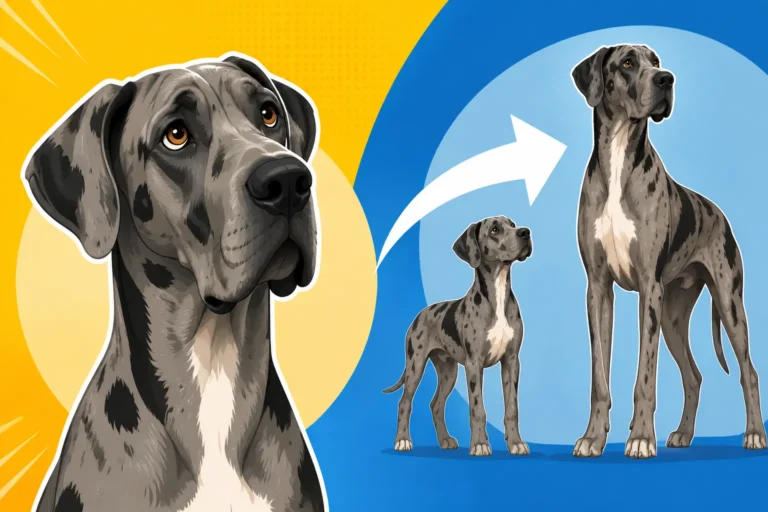
When you look at a Great Dane puppy, you're not just looking at a big puppy; you're looking at a marvel of rapid, immense growth. They go from tiny, clumsy bundles to towering adults in a blink, often reaching half their adult weight by six months old. This incredible growth spurt demands a very specific nutritional profile, one that differs significantly from what smaller or even average-sized breeds require.
Unpacking the Growth Spurt of a Great Dane
Think about it: a Chihuahua puppy might reach its adult size in under a year, growing a few pounds total. A Great Dane puppy, on the other hand, can gain several pounds a week during its most intense growth phases. This isn't just about getting bigger; it's about bones lengthening, muscles developing, and joints maturing at an astonishing rate. If this growth happens too quickly, or without the proper balance of nutrients, the delicate dance of bone formation can be thrown completely off. It’s like trying to build a skyscraper with the materials meant for a single-story home – the foundation simply won't hold up. You can track this rapid development by understanding The Great Dane Growth Curve Month by Month.
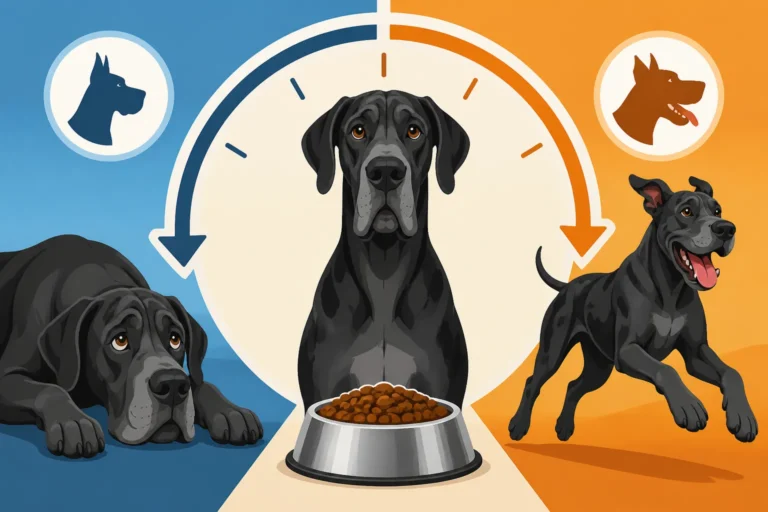
The challenge isn't just the sheer scale but the speed. Their bodies are literally racing against the clock, laying down new bone and cartilage at an accelerated pace. This makes them particularly vulnerable to nutritional imbalances that might not even register as a blip on a smaller breed's radar. Owners often mistakenly believe that more calories and more protein will fuel this growth better, but for a Great Dane, it's often the opposite of what they need for healthy development.
The Critical Role of Bone and Joint Development
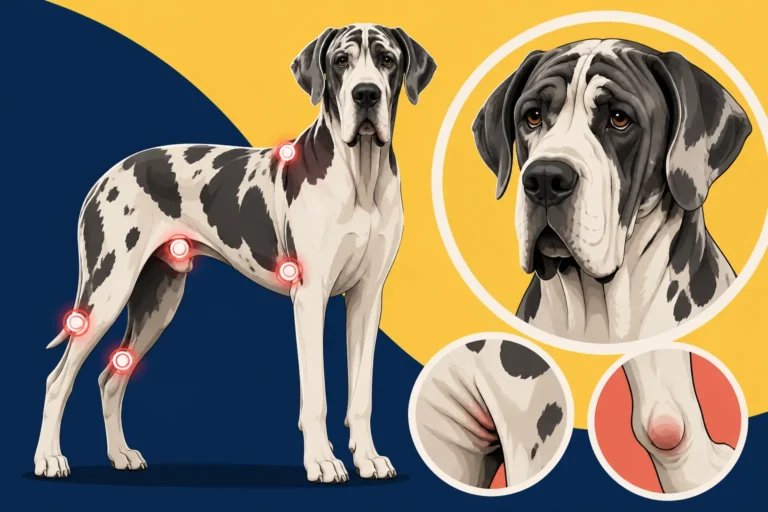
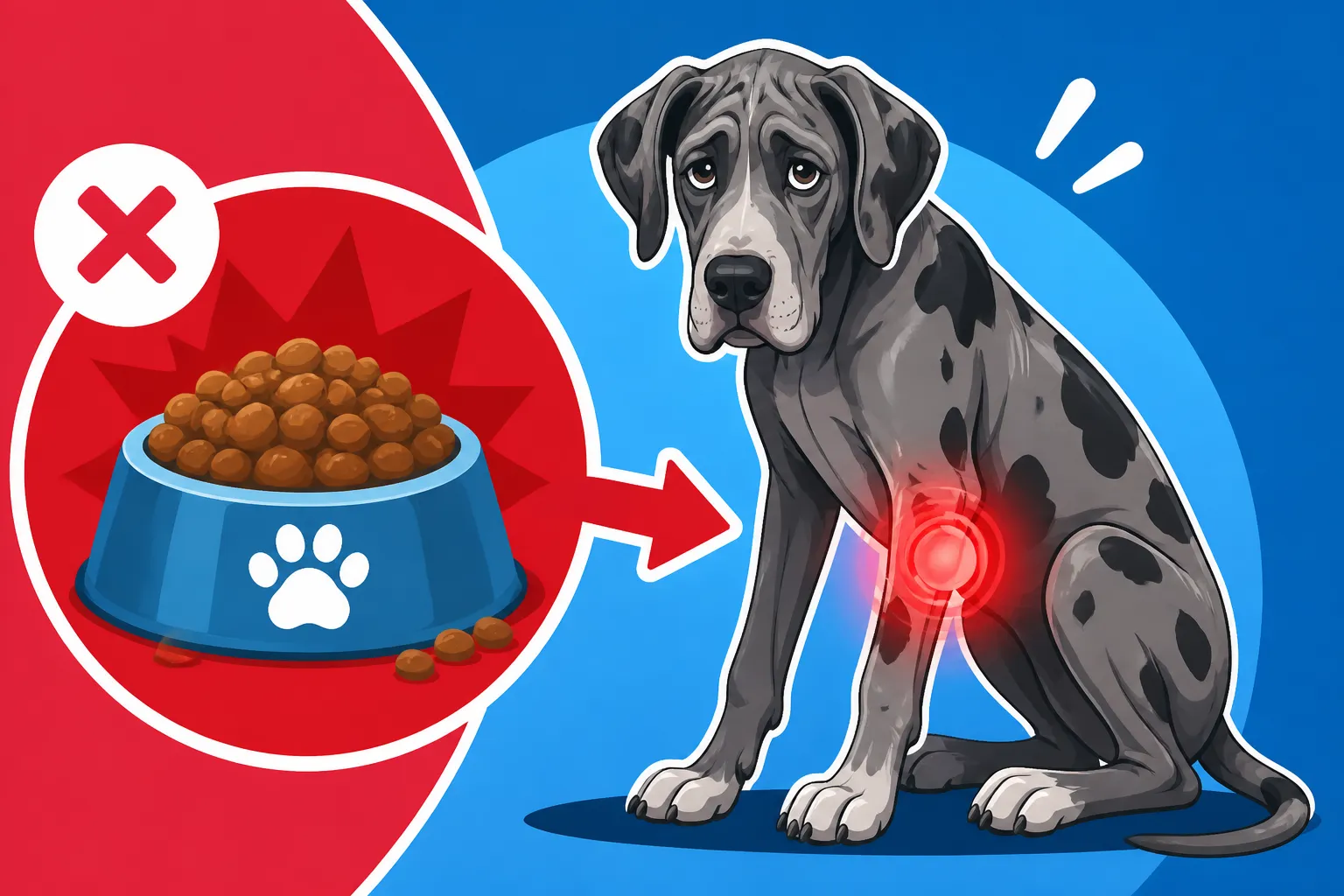
For a Great Dane, healthy bone and joint development is paramount, yet it's also where they are most susceptible to issues. Their long limbs and heavy frames put immense stress on developing cartilage and growth plates. Conditions like hypertrophic osteodystrophy (HOD) and osteochondritis dissecans (OCD) are tragically common in Great Danes and are often exacerbated by improper nutrition during puppyhood. These aren't just minor aches; they can lead to debilitating pain, lameness, and require expensive surgeries.
Imagine your puppy's growth plates – the soft areas at the ends of their long bones – as the construction sites for their adult skeleton. These sites are open and vulnerable until the dog is well into their adolescent phase, sometimes up to 18-24 months of age for giant breeds. If these sites are overstimulated by inappropriate levels of certain nutrients, they can grow too fast, leading to weak or malformed bone structures. This is directly linked to Bone Development Problems in a Great Dane Puppy. It’s a delicate balance; too little nutrition is bad, but too much, or the wrong kind, is often far worse.
Why Small Breed Nutrition Fails a Giant
The nutritional needs of a toy poodle and a Great Dane couldn't be more different, yet many "all-breed puppy formulas" are essentially designed for the average-sized dog, which means they are completely unsuitable for a giant breed. Small breed puppies need a dense, calorie-rich diet to support their incredibly fast metabolism and tiny stomachs, allowing them to get enough energy in small portions. They burn through calories at an alarming rate, and their bones are finished growing much faster.
Conversely, a Great Dane puppy, while growing quickly, needs a controlled growth rate. Their metabolism isn't as fast as a toy breed's, and their huge stomachs can easily accommodate larger, less calorie-dense meals. Giving a Great Dane puppy a food formulated for a small or medium breed can lead to an overload of calories, protein, and crucial minerals like calcium, driving their growth too fast and disrupting delicate orthopedic development. It's a fundamental mismatch that can have severe long-term health implications, greatly impacting their overall Why a Great Dane Only Lives Seven to Ten Years.
The Hidden Risks of Standard Puppy Formulas
The biggest danger of "regular" puppy food isn't just that it's inadequate; it's that it actively harms your Great Dane by promoting overly rapid growth and throwing key nutrient ratios out of whack. This can lead to a cascade of developmental orthopedic diseases that are painful, difficult to treat, and costly.
Calcium and Phosphorus Imbalance: A Silent Threat
One of the most critical aspects of large breed puppy nutrition is the precise balance of calcium and phosphorus. Standard puppy foods, designed for faster-maturing breeds, often contain higher levels of calcium and phosphorus than a Great Dane puppy needs. While calcium is essential for strong bones, too much calcium, especially when unbalanced with phosphorus, is incredibly detrimental to a giant breed puppy. It interferes with bone mineralization and can lead to skeletal deformities.
When a Great Dane puppy consumes excess calcium, their body doesn't just excrete the extra; it can actually lead to disturbances in cartilage and bone formation. This can manifest as conditions like pano (panosteitis), HOD, and OCD, all painful conditions that affect their rapidly growing bones and joints. It's a common misconception that because they're building such big bones, they need extra calcium. In reality, Whether Extra Calcium Damages a Great Dane is a huge concern, and over-supplementation can be far worse than a slight deficiency. The goal is steady, controlled bone growth, not accelerated development.
Excessive Protein and Calorie Content
Another pitfall of regular puppy food is its often higher protein and calorie content. Again, while protein is vital for muscle development, an excessive amount for a Great Dane puppy can contribute to overly rapid growth, which, as we've discussed, is a primary driver of orthopedic problems. The body converts excess protein into energy, which adds to the calorie load, and unused calories are stored as fat, adding unnecessary weight to already stressed joints.
High caloric density fuels faster weight gain, and that extra weight puts immense pressure on still-forming bones and growth plates. Imagine a small child trying to carry a heavy backpack every day – it would put strain on their developing spine and joints. It’s the same principle for a Great Dane puppy. This rapid weight gain and growth are a significant factor in Why Fast Growth Wrecks Great Dane Joints. The ideal is a lean, steady growth, not a sprint to adult size.
Over-Supplementation and Its Consequences
Beyond what's in the kibble itself, well-meaning owners sometimes add supplements, like extra calcium or vitamins, believing it will help their giant breed puppy grow stronger. This is almost always a mistake. Unless specifically prescribed by a veterinarian who understands large breed development, adding supplements to an already complete and balanced diet can create dangerous imbalances. Many quality large breed puppy foods are already carefully formulated with the correct ratios.
For instance, additional Vitamin D or A can also be toxic in excess, and joint supplements, while potentially beneficial for older, arthritic dogs, are often unnecessary and sometimes even counterproductive for a growing puppy receiving appropriate food. The interaction of these added nutrients with the levels already present in the food can be complex and harmful. Always remember that with giant breeds, moderation and balance are key, not more of a good thing.
Choosing the Right Fuel: What to Look for in a Great Dane Puppy Food
Now that you understand the "why," let's talk about the "what." Selecting the right food is one of the most critical decisions you'll make for your Great Dane puppy's long-term health. It can feel overwhelming with so many brands out there, but knowing what to look for will empower you to make an informed choice.
The "Large Breed Puppy" or "Giant Breed Puppy" Designation
The absolute first thing you should look for on any bag of puppy food for your Great Dane is a label specifically stating it's formulated for "large breed puppies" or, even better, "giant breed puppies." This isn't just marketing jargon; it signifies that the food has been formulated with the specific growth rate and developmental needs of large and giant breeds in mind. These formulas are designed to support a slower, more controlled growth curve, which is essential for healthy bone and joint development.
These specialized diets typically have lower calorie density, carefully adjusted calcium and phosphorus levels, and moderate protein content. They aim to prevent the rapid growth associated with orthopedic issues while still providing all the necessary nutrients for a healthy, robust puppy. Companies like Purina Pro Plan, Royal Canin, and Eukanuba often offer excellent large or giant breed specific formulas. You can find a wide selection of these specialized foods on online retailers like Chewy or Amazon, making it easier to compare options and read reviews.
Key Nutritional Ratios to Prioritize
Beyond the "large breed" label, it's wise to understand the key nutritional ratios to look for on the ingredient panel. When examining the guaranteed analysis, pay close attention to:
- Calcium: Aim for a calcium content between 1.0% and 1.5% on a dry matter basis. More importantly, look for a calcium-to-phosphorus ratio between 1.1:1 and 1.3:1. This narrow window is crucial for proper bone mineralization in giant breeds.
- Protein: A moderate protein level, typically around 23-26% (dry matter basis), is often recommended. This provides ample building blocks for muscle growth without contributing to excessive overall growth rate.
- Fat: Look for fat content around 12-16% (dry matter basis). This provides necessary energy without being overly calorie-dense, helping to keep your puppy lean.
Remember to always consider the "dry matter basis" when comparing foods, as moisture content can skew percentages. If you're unsure how to calculate this, many reputable pet food sites offer calculators or simply list the dry matter analysis. For a comprehensive guide on deciphering labels, refer to What to Look For on a Great Dane Puppy Food Bag.
| Nutrient | Target Range (Dry Matter Basis) | Why it Matters for Great Danes |
|---|---|---|
| Calcium | 1.0% – 1.5% | Crucial for bone development, but too much leads to issues. |
| Phophorus | Proportionate to Calcium | Work with Calcium; ratio should be 1.1:1 to 1.3:1 (Ca:P). |
| Protein | 23% – 26% | Supports muscle growth without over-accelerating overall growth. |
| Fat | 12% – 16% | Provides energy without excessive caloric density or weight gain. |
| Calories | Lower than standard puppy food | Prevents rapid growth and associated orthopedic diseases. |
Consulting Your Veterinarian or Breeder
The best resource for personalized nutritional advice is your veterinarian, particularly one experienced with giant breeds. They can assess your puppy's individual growth rate, body condition, and any specific health concerns, and then recommend a food that's appropriate. Don't hesitate to bring the food bag with you for them to review the guaranteed analysis. Your breeder is also an invaluable resource. Reputable Great Dane breeders will have extensive experience with feeding protocols for their lines and can often provide specific recommendations for the food they use. They know the genetics of your puppy's parents and what has worked well historically.
It's also essential to be wary of trendy diets or advice from unverified sources. While fresh food services like Ollie can be fantastic for some dogs, a Great Dane puppy's needs are so specific that any such diet should be formulated and approved by a board-certified veterinary nutritionist to ensure proper nutrient balance. Blindly following a generic raw or home-cooked diet can be even more dangerous than feeding the wrong kibble, leading to severe deficiencies or excesses that can permanently damage a growing Dane.
Setting a Lifelong Foundation: Feeding Practices Beyond the Bag
Choosing the right food is a monumental first step, but how you feed your Great Dane puppy is just as important. The best giant breed puppy food can still cause problems if fed incorrectly. Establishing good feeding practices early on will contribute to a healthier, happier life for your gentle giant.
The Importance of Measured Meals and Lean Body Condition
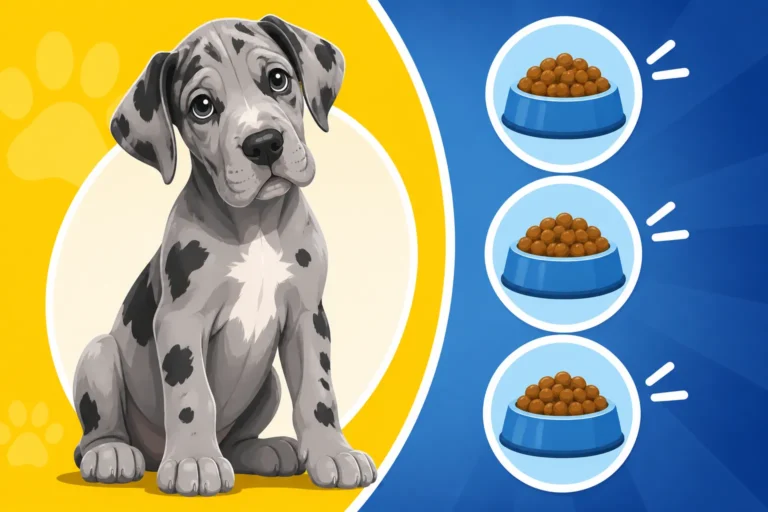
Free-feeding, where food is left out all day for your puppy to graze, is a definite no-go for Great Danes. It's too easy for them to overeat, leading to excessive calorie intake and accelerated growth. Instead, measure out your puppy's daily ration precisely and divide it into two or three meals throughout the day. This also helps with digestion and can reduce the risk of bloat later in life. Consistent, measured portions ensure your puppy gets exactly what they need without going overboard.
Perhaps the most crucial piece of advice for any giant breed owner is to keep your puppy lean. You should be able to easily feel, but not necessarily see, their ribs. When viewed from above, there should be a visible waist, and when viewed from the side, a slight tuck-up in the abdomen. A "chubby" Great Dane puppy might look cute, but that extra weight puts incredible strain on their developing joints and significantly increases their risk of orthopedic issues. Your vet can help you assess their body condition score regularly. For more on this, check out Whether a Great Dane Puppy Should Be Kept Lean and Keeping a Great Dane Lean for Its Joints.
Avoiding Free-Feeding and High-Calorie Treats
Beyond free-feeding, be mindful of high-calorie treats and table scraps. While an occasional small treat is fine for training, relying on them too heavily can quickly add unnecessary calories to your puppy's diet. Many commercial treats are also very calorie-dense and may not have the balanced nutrient profile suitable for a growing Great Dane. Choose low-calorie, healthy options, or use a portion of their daily kibble ration as treats.
Table scraps are another common culprit. Many human foods are too rich, too salty, or contain ingredients that are toxic to dogs. Even seemingly innocuous foods can throw off the carefully balanced nutrition your Great Dane puppy needs. Sticking to their specially formulated food and appropriate treats will provide the best foundation for their health. Remember, consistency in diet is key, especially during their critical growth phases.
When to Transition to Adult or Senior Formulas
The transition from large breed puppy food to adult food typically occurs later for Great Danes than for smaller breeds, often between 18 to 24 months of age. Your veterinarian or breeder can advise you on the best timing for your individual dog, as growth rates can vary. Some large breed puppy formulas are even designed to be fed until the dog reaches two years of age. The key is that their growth plates are fully closed, and they have reached their mature skeletal size.
Once they transition to adult food, it’s important to select a high-quality large breed adult formula, which will continue to support their joint health and moderate their calorie intake. As your Great Dane ages, typically around 5-6 years old, you might then consider moving to a large breed senior formula, which often contains even more joint support and fewer calories to account for a less active lifestyle. Proper nutrition is a lifelong commitment for a Great Dane, evolving as they move through each stage of their magnificent, albeit often too brief, life.
Disclaimer
This article is for general informational purposes only and does not constitute professional advice. Laws, prices and regulations vary by location and change over time. Consult a qualified professional for guidance on your specific situation.