The Hour Either Side of a Great Dane’s Meal
It’s a situation many Great Dane owners dread: the calm before, or the frantic moments right after, a meal, knowing that bloat is a constant, terrifying shadow. The truth is, the hour surrounding your Great Dane's mealtime is one of the most critical periods for their health, directly impacting their risk of developing gastric dilatation-volvulus (GDV), more commonly known as bloat. This guide will walk you through exactly why these hours are so vital and how to manage them effectively to keep your gentle giant safe.
Understanding the Danger Zone: Why Mealtime is Critical for Great Danes
For Great Dane owners, mealtime isn't just about nutrition; it's a high-stakes balancing act. These magnificent dogs are, unfortunately, disproportionately susceptible to one of the most frightening and rapidly fatal conditions: bloat. This isn't just a tummy ache; it's a true emergency where every minute counts.
The Silent Threat of Bloat and Gastric Torsion
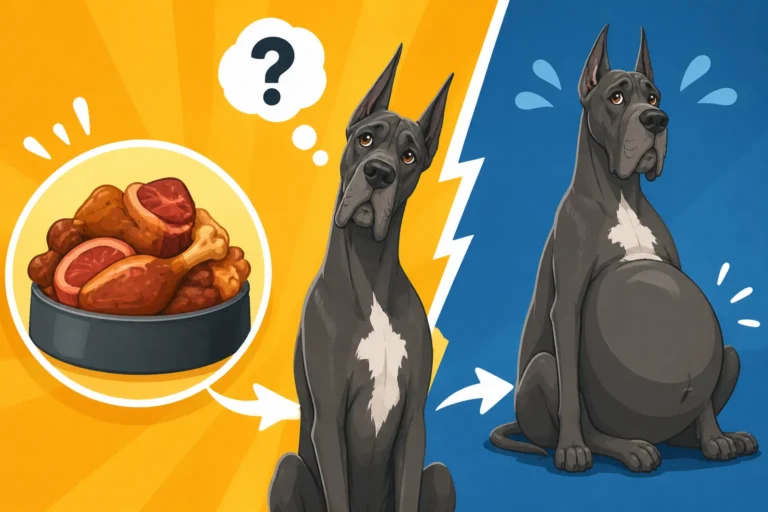
Bloat, or gastric dilatation-volvulus (GDV), is what happens when your Great Dane's stomach fills with gas, food, or fluid, then twists on itself. Imagine a balloon filling up, then getting knotted at the top – that's essentially what happens inside your dog. This twisting, or volvulus, traps the contents and gas, cuts off blood supply to the stomach, and can quickly lead to shock, organ damage, and death if not treated immediately. It's a condition that can escalate from seemingly normal to critical in a matter of minutes, leaving owners feeling helpless and panicked. The signs can be subtle at first, like pacing, drooling, or attempting to vomit without anything coming up, but they progress rapidly. You can learn more about The Signs of a Great Dane Stomach Twisting in detail.
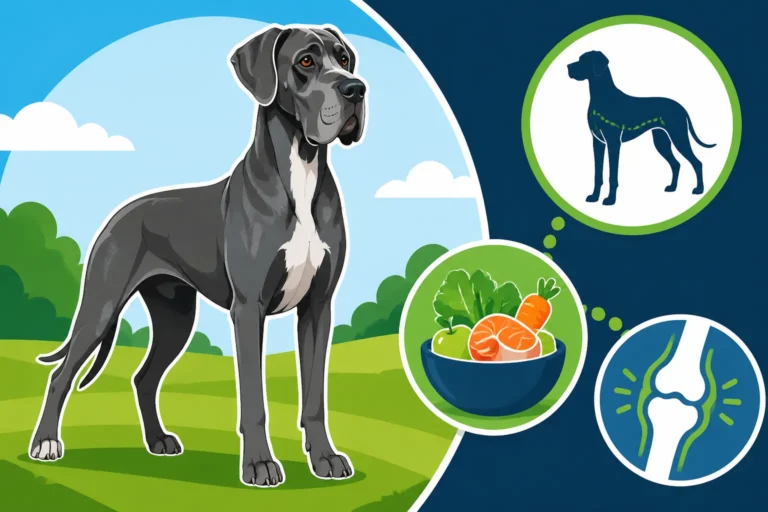
The exact cause isn't fully understood, but certain factors are known to increase the risk. Deep-chested breeds like Great Danes are anatomically predisposed because their chests provide ample space for the stomach to shift and twist. Rapid eating, excessive drinking, stress, and strenuous activity around meal times are all believed to be significant contributors. This is why managing the environment and your dog's activity levels during the hour leading up to and immediately following a meal is absolutely non-negotiable for Great Dane owners. Ignoring these crucial periods is like playing Russian roulette with your dog's life.
How Food and Activity Intertwine to Create Risk
Think about it: a full stomach, especially one rapidly filled, is a heavy, distended organ. When your Great Dane then jumps, runs, rolls, or even just gets overly excited, that heavy, full stomach can swing and, in the worst-case scenario, twist. It’s like shaking a bottle of soda before opening it – the pressure builds, and if that bottle were free to rotate, it might just find the perfect angle to get stuck.
The process isn't always linear, but the combination of a stomach full of food and/or water, coupled with physical exertion or extreme emotional states, creates a perfect storm. During digestion, gases are naturally produced. If the stomach then twists, these gases become trapped, causing painful and rapid distension. This distension further impairs blood flow, putting immense pressure on other organs and leading to potentially fatal shock. It's a devastating chain reaction that starts with seemingly innocuous actions around mealtime. Understanding The Lifetime Bloat Risk in a Great Dane is crucial for all owners.
The "Before Meal" Hour: Setting the Stage for Safe Digestion
The anticipation of food can be a powerful motivator for any dog, but for Great Danes, that excitement needs careful management. The hour before your Great Dane's meal should be a period of calm and preparation, not a time for high-energy antics.
Calming the Pre-Meal Excitement
Many Great Danes, bless their big hearts, get incredibly hyped up when they know food is coming. They might pace, bark, jump, or spin with joy. While endearing, this heightened state of arousal can be detrimental. Stress and excitement can lead to gulping air, which is a significant factor in bloat. Furthermore, the physical exertion of jumping or running can jostle a stomach that's about to be filled.
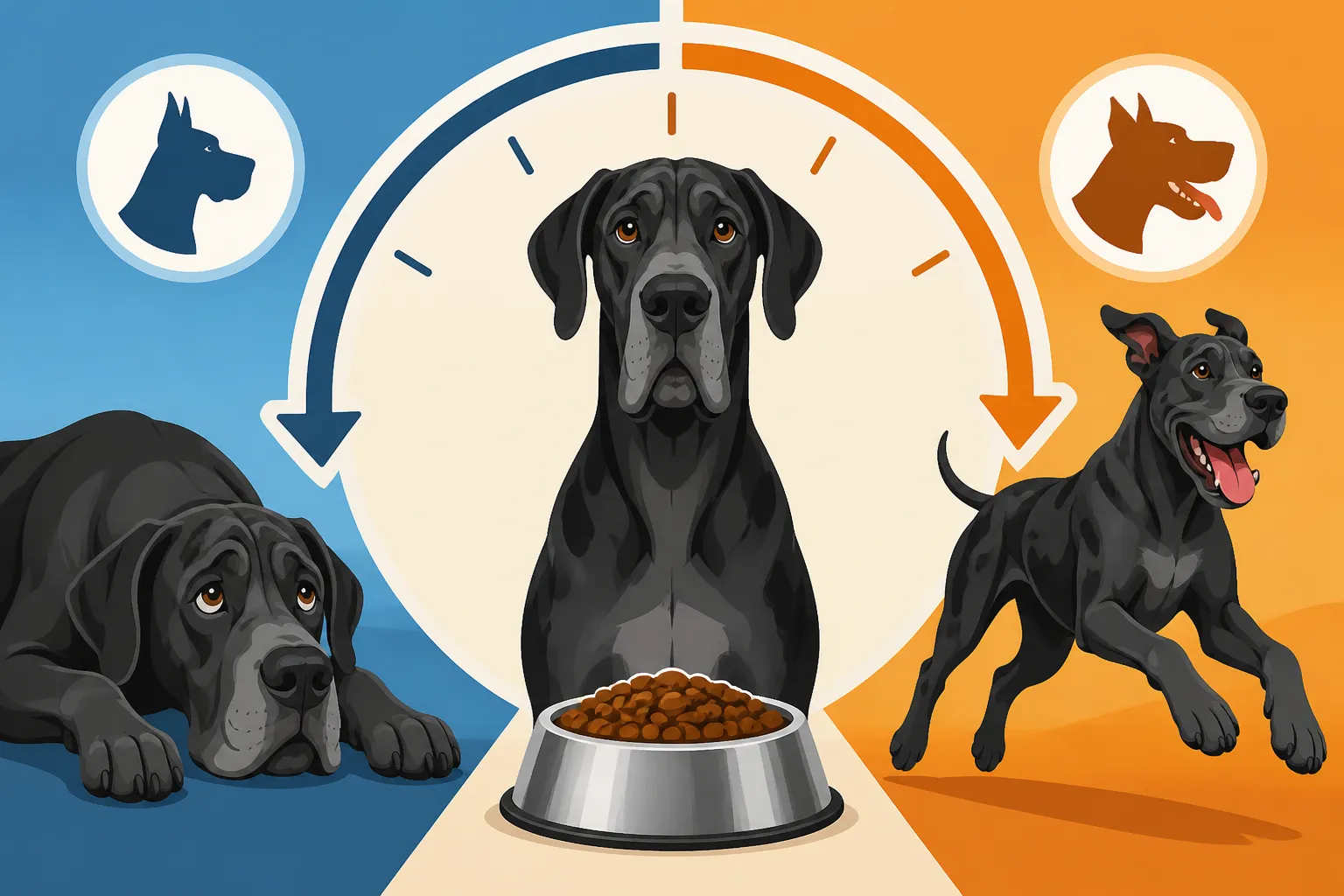
To combat this, aim for a "calm before the storm." Implement a pre-meal routine that signals that food is coming, but in a quiet, orderly way. This could involve a short, gentle walk, followed by a quiet sit-stay exercise, or simply having them lie down calmly in their designated eating spot before you even prepare their food. Some owners find that having their Great Dane go to a specific "place" or bed for a few minutes before food is served helps them settle. The goal is to lower their heart rate and mental arousal, reducing the likelihood of frantic eating and air gulping.
When to Offer Water Before Eating
Hydration is important, but the timing of water intake around meals can also play a role in bloat risk. Offering a large volume of water immediately before a meal, or allowing unrestricted guzzling right as food is presented, can lead to the stomach filling with a mix of water and food. This adds weight and volume, potentially making it easier for the stomach to shift.
It's generally recommended to allow free access to water throughout the day, but to restrict large amounts of water immediately before eating. If your Great Dane is usually quite thirsty before meals, try offering a smaller amount of water 30-60 minutes before you feed them, then remove the bowl until after the meal and the subsequent rest period. This allows them to hydrate without overfilling their stomach right before it receives a large volume of kibble. This small adjustment can make a big difference in reducing the overall stomach volume during the critical period.
Avoiding Strenuous Play and Stress
This might seem obvious, but it's often overlooked. That last-minute romp in the yard, a vigorous game of fetch, or a high-energy training session right before dinner is a definite no-no for a Great Dane. Even a stressful event, like an unexpected visitor, a loud storm, or an argument in the house, can contribute to pre-meal anxiety and increased bloat risk.
The ideal "pre-meal hour" should be quiet. If exercise is needed, schedule it well in advance, at least two hours before mealtime, allowing ample time for your dog's heart rate to normalize, their breathing to settle, and any ingested air to pass. For dogs prone to anxiety, consider calming activities like gentle petting, a puzzle toy with a small, unexciting treat far in advance of the meal, or simply a quiet cuddle on the couch. Anything that encourages a relaxed state is beneficial. You can gain more insight into Whether Stress Sets Off a Great Dane Bloat.
The Meal Itself: Pacing and Environment
The actual act of eating is where many Great Danes unknowingly increase their risk. Their enthusiasm for food, combined with their sheer size, means they can consume a large volume very quickly, which is a major factor in bloat.
Slowing Down a Ravenous Eater
Many Great Danes are, shall we say, enthusiastic eaters. They can vacuum down their entire meal in mere seconds, barely chewing, and often gulping down a significant amount of air along with their food. This rapid ingestion is a well-documented risk factor for bloat. The faster they eat, the more air they tend to swallow, and the less time their digestive system has to prepare for the onslaught of food.
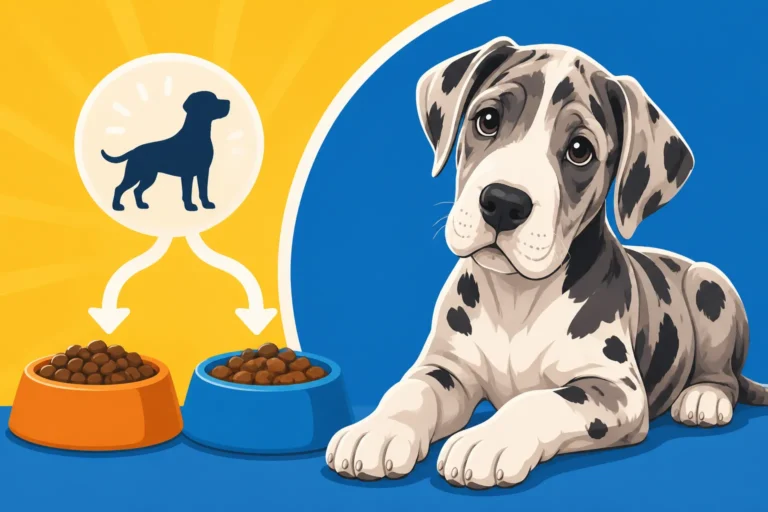
To combat this, slow feeder bowls are an absolute game-changer. These aren't just for entertainment; they are a critical safety device for Great Danes. Available from retailers like Chewy or Amazon, slow feeders come with ridges, mazes, or pillars that force your dog to eat around obstacles, significantly extending mealtime. Instead of a minute, it might take them 10-15 minutes to finish, drastically reducing air intake and allowing better digestion. If a slow feeder isn't enough, or if your Dane is exceptionally clever at defeating them, you can also scatter their kibble across a large, clean surface or a snuffle mat, making them "hunt" for each piece. This natural foraging behavior slows them down and engages their mind, too. Some owners even use multiple small bowls spread out, though this can be cumbersome.
The Raised Bowl Debate: What We Know Now
For years, many Great Dane owners, myself included, were advised to use raised feeding bowls, believing it would help prevent bloat by promoting better posture and digestion. The theory was that less bending would mean less air swallowed. However, scientific studies have challenged this long-held belief. In fact, some research has indicated that raised bowls might actually increase the risk of bloat in large, deep-chested breeds like Great Danes.
The current understanding suggests that raised bowls might allow a dog to eat more rapidly and gulp more air, as they don't have to put their head down as much. It's a complex issue, and not all studies agree entirely, but the trend has moved away from a blanket recommendation for raised bowls. It’s a point of contention and discussion in the Great Dane community. My advice? Discuss it with your vet, but if your dog tends to gulp or eats very quickly from a raised bowl, consider moving the bowl to floor level or using a slow feeder, regardless of height. Prioritizing slow eating over bowl height seems to be the safer bet based on newer findings. This topic is explored further in The Raised Bowl Argument for Great Danes.
Creating a Peaceful Eating Space
The environment where your Great Dane eats is just as important as how they eat. Mealtime should be a calm, quiet, and consistent experience, free from competition, noise, or distractions. Imagine trying to eat your dinner while someone constantly jostles your elbow, or another person stares at your plate – it's stressful. The same goes for your dog.
Designate a specific, quiet spot for your Great Dane to eat where they won't be disturbed by other pets, children, or household activity. This might be a corner of the kitchen, a quiet utility room, or a spacious crate. Ensure consistency: the same place, the same time (as much as possible), and the same routine every day. This predictability reduces stress and anxiety, which, as we've discussed, can contribute to bloat. If you have multiple dogs, feed them separately to prevent resource guarding or competitive eating, which can lead to faster consumption and increased air gulping.
| Activity/Factor | Before Meal (1 hr) | During Meal | After Meal (1 hr) | Risk Level (Bloat) | Recommendation |
|---|---|---|---|---|---|
| Strenuous Exercise | HIGH | N/A | EXTREME | High to Extreme | Avoid completely. Calm, leashed potty break only. |
| Excited Play | HIGH | N/A | HIGH | High | Keep calm, no roughhousing. |
| Rapid Eating | N/A | EXTREME | N/A | Extreme | Use a slow feeder bowl or scatter food. |
| Gulping Water | HIGH | HIGH | HIGH | High | Limit large volumes of water right before/after. Provide smaller amounts. |
| High Stress/Anxiety | MODERATE | MODERATE | MODERATE | Moderate | Create a peaceful, consistent mealtime routine. |
| Disturbed Eating | N/A | MODERATE | N/A | Moderate | Designate a quiet, undisturbed eating spot. |
| Rest | MODERATE (calm) | N/A | ESSENTIAL | Low (if followed) | Enforce strict rest, ideally lying down. |
The "After Meal" Hour: Crucial Resting Period
The hour after your Great Dane has finished eating is arguably the most critical for bloat prevention. What they do, and don't do, during this time can make all the difference.
Why Rest is Non-Negotiable
A Great Dane's stomach, especially after a substantial meal, is a heavy, mobile organ within a deep chest cavity. Vigorous activity, such as running, jumping, or even sustained playful wrestling, can cause the stomach to swing or rotate, increasing the chances of it twisting into a GDV. This is why imposing a strict rest period immediately following a meal is paramount.
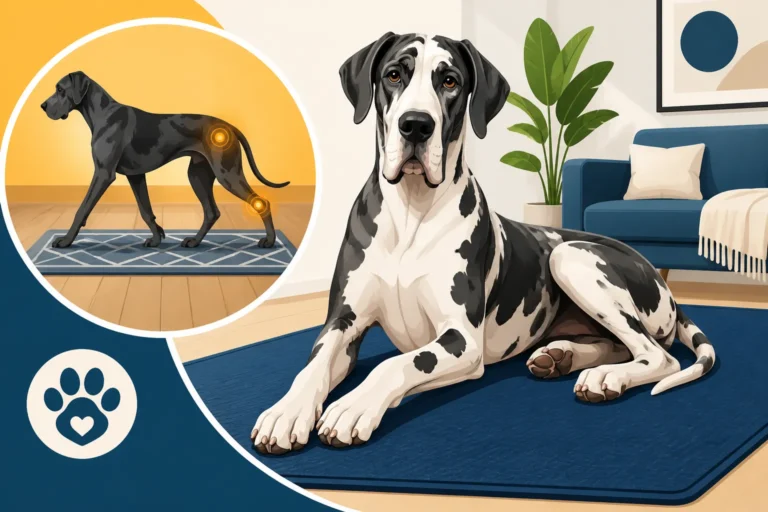
For at least one hour, and ideally two, after eating, your Great Dane should be encouraged to lie down quietly. This isn't just about preventing high-impact movements; it's about minimizing any activity that could jostle the stomach. No fetch, no zoomies, no wrestling with housemates. A short, calm potty break on a leash is usually acceptable, but it should be brief and without any opportunity for a sudden burst of energy. Consider having a comfortable, large bed available in their eating area, perhaps a memory foam option you might find on Amazon or a durable, oversized bed from Chewy, that encourages them to settle down and relax.
Managing Post-Meal Thirst
Just as with pre-meal water, how and when your Great Dane drinks after eating is important. After finishing a meal, many dogs feel thirsty. Allowing them to guzzle a large amount of water immediately can add significant volume and weight to an already full stomach, potentially increasing bloat risk. The combination of ingested food, swallowed air, and a rapid influx of water creates a very distended, volatile environment in the stomach.
To manage post-meal thirst safely, it's best to remove the water bowl for about 30 minutes to an hour after your Great Dane has eaten. After this initial rest period, offer smaller amounts of water gradually. Instead of a full, open bowl they can drain, consider giving them a few sips at a time, or even offering ice cubes as a way to slowly rehydrate without overwhelming their system. Some owners find that having multiple water stations around the house encourages more frequent, smaller sips throughout the day, rather than desperate guzzling at mealtime.
Recognizing Early Warning Signs
Even with the most diligent preventative measures, bloat can still happen. This is why knowing the early warning signs and acting immediately is literally a matter of life or death. The "hour either side" of a meal is a prime time for these symptoms to manifest, so your vigilance is heightened during this period.
Key signs to watch for include:
- Pacing or restlessness: Your dog can't get comfortable.
- Attempting to vomit, but nothing comes up (non-productive retching): This is one of the most critical indicators. It looks like they're trying to throw up, but only white foam or nothing at all is produced.
- Distended or hard belly: Their abdomen may appear swollen, especially on the left side, and feel tight to the touch.
- Drooling excessively: More than their usual Great Dane slobber.
- Pain or tenderness in the abdomen: They may whine or flinch if you touch their belly.
- Rapid, shallow breathing or panting.
- Weakness or collapse.
If you observe any of these signs, particularly the non-productive retching, do not wait. This is an immediate veterinary emergency. Every minute counts. Get your Great Dane to the emergency vet as fast as humanly possible. Learning How Many Minutes a Bloating Great Dane Has underscores the urgency.
Building a Sustainable Mealtime Routine for Your Great Dane
Preventing bloat isn't about one-off actions; it's about establishing a consistent, mindful routine that becomes second nature for both you and your Great Dane. This daily rhythm drastically reduces risk and brings peace of mind.
Consistency is Key
Dogs thrive on routine, and for Great Danes, consistency around mealtime is a lifesaver. Feeding them at roughly the same times each day helps regulate their digestive system and minimizes anxiety around food. Irregular feeding schedules can lead to excessive hunger, which in turn can cause faster eating and more air gulping.
Establish a firm schedule and stick to it. This includes not just the timing of meals, but also the pre- and post-meal activities. If you typically feed at 7 AM and 5 PM, ensure those times are consistent. If you split meals, which is highly recommended for Great Danes, ensure you adhere to that too. For instance, feeding two or three smaller meals throughout the day instead of one large one reduces the volume in the stomach at any given time. Products like Ollie, which often come in pre-portioned amounts, can help ensure consistent meal sizes. Meal Habits That Cut a Great Dane's Twist Risk is an important read to reinforce this.
Incorporating Preventative Measures
While managing the hour either side of a meal is crucial, it's also important to consider other preventative measures, especially for a breed as susceptible as the Great Dane. One of the most significant advancements in bloat prevention is a surgical procedure called a gastropexy.
A gastropexy is a procedure where the stomach is surgically attached to the abdominal wall. This prevents the stomach from twisting, though it does not prevent it from distending with gas (bloat). For many Great Dane owners, this elective surgery provides immense peace of mind. It's often performed laparoscopically, making it less invasive, and can even be combined with other procedures like spaying or neutering when your dog is young. While it comes with a cost, it's often viewed as a worthwhile investment in a Great Dane's health, considering the emergency costs and fatal risks associated with bloat. This is a conversation you absolutely should have with your veterinarian, preferably when your Great Dane is still young. You can find more information on When to Book a Great Dane Gastropexy.
Equipping Your Home for Safety
Creating a safe home environment for your Great Dane extends beyond just the meal bowl. Having the right tools and setup can reinforce your routine and enhance safety.
Consider a dedicated, quiet feeding area that can be easily managed. This might mean installing a baby gate (tall enough for a Dane!) to keep other pets or children out during meal and rest times. Ensure your chosen slow feeder is durable and appropriately sized for your Great Dane's massive muzzle – something they can't easily flip or destroy. Have a water source available at all times outside of the immediate pre/post-meal windows, and ensure their resting space is genuinely comfortable, encouraging them to settle down without encouragement to play. A large, orthopedic bed can make a big difference in encouraging rest. Even the presence of special "mealtime only" toys can help distract and settle them without causing over-excitement, creating a positive association with the calm required during these critical hours.
By understanding the risks, implementing calm routines, and considering preventative measures, you can dramatically improve your Great Dane's chances of living a long, healthy life, free from the terror of bloat.
Disclaimer
This article is for general informational purposes only and does not constitute professional advice. Laws, prices and regulations vary by location and change over time. Consult a qualified professional for guidance on your specific situation.