Whether Six Cups Is Enough for a Great Dane
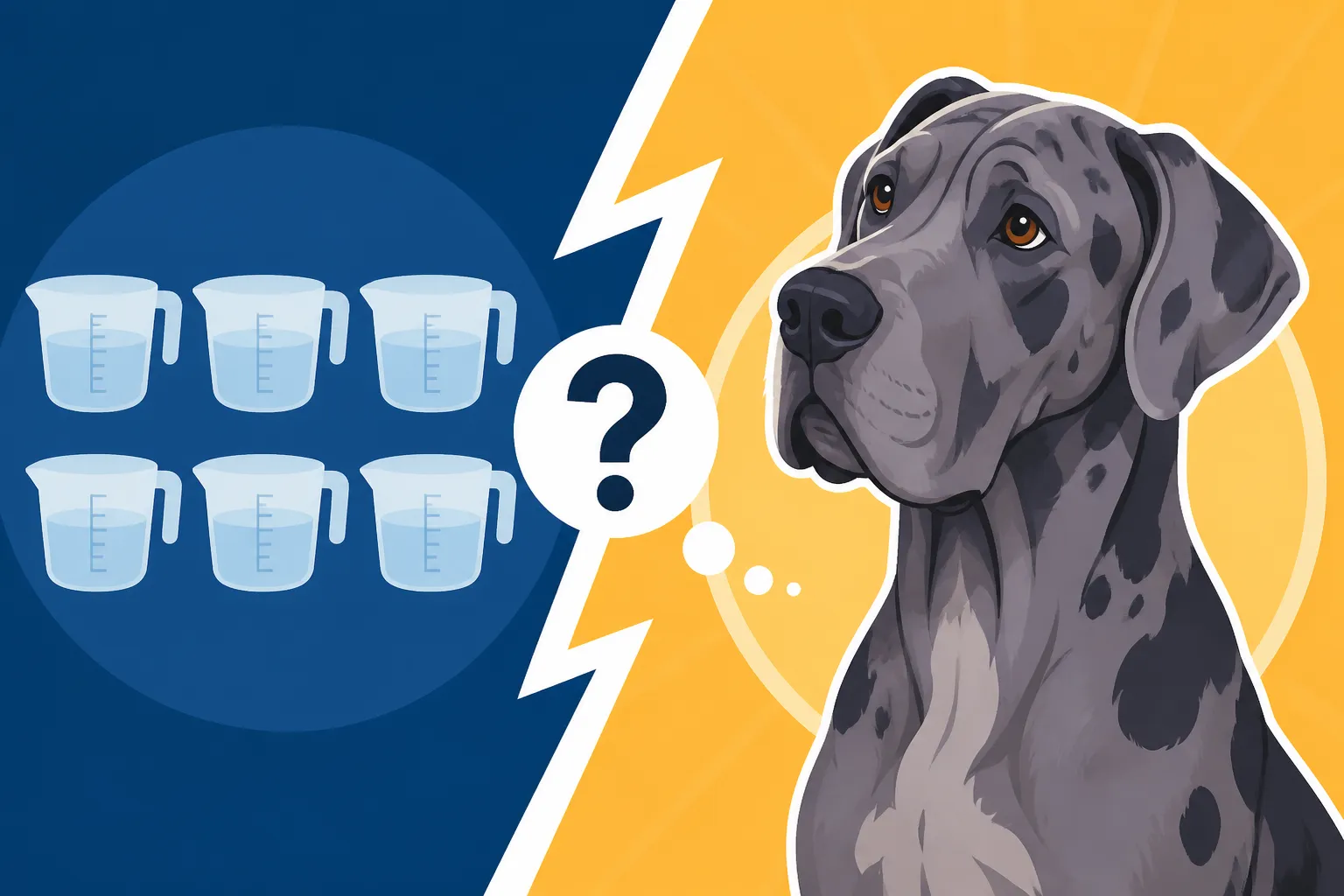
Many Great Dane owners grapple with the daily dilemma of how much to feed their colossal companions. It's a common frustration to look at a bag of food, see a generic guideline, and then look at your growing giant, wondering, "Is six cups really enough?" This isn't just about satisfying a hungry belly; it's about providing the right nutrition to support their rapid growth, massive frame, and long-term health. This guide will dive deep into why a blanket statement like "six cups" rarely fits every Great Dane, how to accurately assess your dog's individual needs, and what factors truly influence their dietary requirements to ensure they thrive.
The Great Dane's Unique Nutritional Demands
Great Danes aren't just big dogs; they're a breed with specific, often misunderstood, nutritional requirements. Their immense size and rapid growth trajectory mean their diet isn't interchangeable with that of a Labrador or even a standard large breed. Getting it wrong, especially in their formative months, can have lasting health consequences.
Rapid Growth and Joint Health
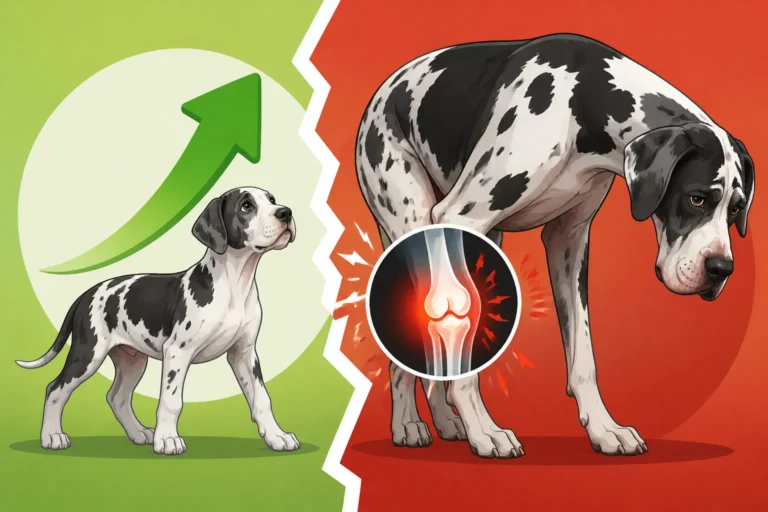
From the moment they're born, Great Dane puppies are on an accelerated growth path, often reaching half their adult weight by six months and continuing to fill out until they're two years old. This incredible rate of development places immense stress on their bones and joints. Unlike smaller breeds, Great Danes don't benefit from high-calorie, high-protein puppy foods designed for fast growth. In fact, such diets can be detrimental, leading to growth disorders and orthopedic issues. The goal for a Great Dane puppy is slow and steady growth, minimizing the strain on their developing skeletal system. This is why you'll often hear veterinarians and experienced breeders emphasize specialized large breed or giant breed puppy foods, which are carefully formulated with lower calcium and phosphorus ratios, and moderate protein and fat. It's counter-intuitive for many new owners, who might assume a rapidly growing puppy needs more of everything. But for a Dane, too much of a good thing, particularly calcium, can lead to Bone Development Problems in a Great Dane Puppy. Understanding this crucial phase is the first step in appreciating why arbitrary cup measurements can be dangerous.
The sheer volume of food a Great Dane puppy consumes might seem like a lot, but the composition of that food is paramount. We're not just pouring kibble; we're building a foundation for a healthy adult. Overfeeding a Great Dane puppy can exacerbate genetic predispositions to conditions like osteochondritis dissecans (OCD) or hypertrophic osteodystrophy (HOD), where bones and cartilage develop abnormally. This is why the advice to feed a Feeding a Great Dane Puppy Slowly on Purpose is so vital. It's not about making them skinny; it's about controlling the pace of their growth to allow their massive skeletal structure to mature properly without undue stress. Owners often feel a natural urge to plump up their growing giants, but for Danes, "chunky" can mean "trouble" down the line. It really comes down to feeding specifically for their unique growth curve, which is quite different from what you'd see in smaller or even many other large breeds. You should always be mindful of Why a Great Dane Puppy Should Grow Slowly.
Adult Metabolism and Energy Needs
Once your Great Dane reaches adulthood, usually around 18-24 months, their nutritional needs shift but remain significant. While the rapid growth phase is over, they still require a substantial amount of energy to maintain their colossal physique and support their daily activities. An adult Great Dane can easily weigh 120-180 pounds or more, and every pound of that muscle and bone requires fuel. However, their metabolism isn't necessarily faster than a smaller dog's per pound of body weight; it's the sheer volume that requires more total calories. A common misconception is that all big dogs need huge amounts of exercise and, by extension, massive calorie intake. While Danes do need regular activity, they aren't typically high-energy endurance athletes like some working breeds. Many are content with a good walk or two and then lounging around the house.
Their actual calorie needs will vary based on their individual metabolism, activity level, and whether they are spayed or neutered. A highly active Dane that enjoys long hikes or plays vigorously at the dog park will naturally need more fuel than a couch potato who prefers short strolls around the block. Therefore, simply saying "six cups is enough" for an adult Great Dane ignores the vast individual differences within the breed. Some might thrive on six cups, while others, particularly very large males or exceptionally active individuals, might need closer to ten cups a day or even more to maintain an ideal body weight. The Calorie Load a Great Dane Actually Needs is a nuanced figure, not a fixed number you can pluck from a generic chart. It’s a journey of observation and adjustment.
Why "Six Cups" Isn't a Universal Answer for Your Great Dane
The idea of a fixed measurement like "six cups" for any dog, let alone a Great Dane, is almost always an oversimplification. While it might be a starting point on a food bag, it rarely accounts for the multifaceted nature of canine physiology and lifestyle.
Factors Influencing Food Intake
Imagine a 120-pound, spayed female Great Dane who spends her days napping on the sofa versus a 170-pound intact male Great Dane who goes hiking with you daily. Their caloric needs are going to be dramatically different, rendering a "six cups" rule-of-thumb completely useless for one or both. Several key factors play into how much food your individual Great Dane truly needs:
- Age: As discussed, puppies have different needs than adults, and senior Danes have their own set of requirements, often needing fewer calories as their metabolism slows and activity decreases. An old Dane might struggle with appetite or chewing, making calorie intake a different challenge altogether, as explored in An Old Great Dane That Struggles to Chew.
- Activity Level: This is perhaps the biggest variable. A Dane that lives a quiet life indoors will burn far fewer calories than one that enjoys regular vigorous exercise. Even within a household, one Dane might be a perpetual motion machine while another is a champion napper.
- Metabolism: Just like people, dogs have individual metabolic rates. Some Danes are "easy keepers" who can maintain weight on less food, while others seem to burn through calories incredibly quickly and need more to stay lean but not gaunt.
- Spay/Neuter Status: Intact dogs, particularly males, often have higher caloric needs than their spayed or neutered counterparts, as hormonal changes can affect metabolism.
- Health Status: Underlying health conditions can drastically alter a dog's appetite and metabolic needs. A Dane recovering from surgery, dealing with chronic illness, or on certain medications might need a modified diet. Always discuss this with your vet.
- Environmental Temperature: Dogs living in colder climates might burn more calories to maintain body heat, especially if they spend time outdoors, though most Danes are primarily indoor companions.
Considering these variables, six cups of food could be perfectly adequate for a smaller, less active, spayed female Great Dane, but woefully insufficient for a large, active, intact male. It's not about the number, but about what that number means for your specific dog.
The Problem with Generic Guidelines
Most commercial dog food bags include feeding guidelines based on the dog's weight. For a Great Dane, these charts often fall short for a few critical reasons. First, they rarely distinguish between giant breed puppies, adolescents, adults, and seniors with specific needs. Second, they can't account for the quality and caloric density of the food itself. Six cups of a lower-calorie, filler-heavy kibble is vastly different from six cups of a high-quality, nutrient-dense formula. The caloric content per cup can vary wildly between brands and even different formulas within the same brand.
For example, a bag might recommend 4-6 cups for a dog over 100 pounds. This is a massive range, and a Great Dane is at the very top end of that weight spectrum, often exceeding it. Following the lower end of that recommendation could leave your Dane constantly hungry and losing weight, while following the upper end might still not be enough. Furthermore, these guidelines are usually just starting points, assuming an "average" dog with an "average" activity level – a unicorn that rarely exists, especially in a breed as unique as the Great Dane. This is why relying solely on the bag's instructions without observing your dog's body condition can lead to either an underweight or overweight Dane, both of which come with their own set of health risks. It's particularly frustrating when you're diligently following the instructions, but your Dane still seems too thin or too heavy, leaving you wondering if you're doing something wrong.
How to Accurately Assess Your Great Dane's Food Needs
Since a simple "six cups" answer is inadequate, how do you figure out the right amount for your Great Dane? It comes down to observation, professional guidance, and consistent adjustment. This isn't a one-time calculation; it's an ongoing process as your Dane ages and their lifestyle changes.
Body Condition Scoring
The most reliable way to assess if your Great Dane is getting enough food isn't by measuring cups, but by regularly checking their body condition. This is a hands-on approach that requires you to feel your dog, not just look at them. Vets use a Body Condition Score (BCS) chart, typically on a scale of 1 to 9, where 4-5 is ideal. You can learn to do a simplified version at home.
Here’s what to look for, as often discussed in guides like Reading Ribs on a Great Dane:
- Ribs: You should be able to easily feel your Great Dane's ribs with minimal fat covering them, similar to feeling the back of your hand. You shouldn't see them prominently sticking out, but you also shouldn't have to press hard to feel them.
- Waist: When looking down at your Dane from above, you should see a distinct "waist" narrowing behind their rib cage, before widening again over the hips. If they're a straight line or bulging, they're likely overweight.
- Abdominal Tuck: When looking at your Dane from the side, their belly should tuck up slightly from their chest to their hind legs, not hang low or be a straight line.
- Spine: You should be able to feel the tops of their vertebrae along their spine, but they shouldn't protrude sharply.
It's a balance. A Great Dane should be lean and athletic, not bony, but definitely not chunky. A leaner body condition, particularly while they are growing, is associated with better joint health and longevity. Overweight Danes put undue stress on their already massive joints and are at higher risk for conditions like arthritis and heart issues. Keeping a Great Dane Lean for Its Joints is paramount for their long-term well-being. If you find your Great Dane is too thin, gradually increase their food by a quarter or half cup per meal and monitor for a week or two. If they're too heavy, reduce it by the same amount. Consistency is key.
| Body Condition Score (BCS) | Description | What to Feel/See | Action |
|---|---|---|---|
| 1-3 (Underweight) | Ribs, spine, pelvic bones easily visible from a distance. No fat. Severe abdominal tuck. | Ribs feel like knuckles. Hip bones jutting out. | Increase food gradually. Consult vet. |
| 4-5 (Ideal) | Ribs easily felt with slight fat cover. Waist visible from above. Abdominal tuck present. | Ribs feel like back of hand. Distinct waist. | Maintain current feeding. |
| 6-7 (Overweight) | Ribs palpable but with difficulty, moderate fat cover. Waist barely visible or absent. Slight abdominal tuck. | Ribs feel padded. Waist straight or barely there. | Decrease food gradually. Increase exercise. |
| 8-9 (Obese) | Ribs not palpable under heavy fat. No waist. Abdomen distended. | Cannot feel ribs. No waist, bulging stomach. | Significant diet change and vet guidance needed. |
Consulting Your Veterinarian
While home assessment is crucial, there's no substitute for professional veterinary advice. Your vet is your best partner in determining the correct diet and portion sizes for your Great Dane. During annual check-ups, they will perform a professional body condition score and can discuss your dog's specific needs, especially as they age or if any health issues arise. The Yearly Checkup a Great Dane Needs is far more than just vaccinations; it's a vital opportunity to discuss diet and health with someone who understands giant breeds.
Don't hesitate to bring up concerns about your Dane's weight or diet with your vet. They can help you calculate a starting caloric intake based on your dog's ideal weight and activity, and even recommend specific food formulations. If your Great Dane is struggling to maintain weight or gaining too much despite appropriate feeding, your vet can investigate underlying medical conditions, such as thyroid issues or malabsorption, which might require a different dietary approach. They can also offer guidance on Whether a Great Dane Puppy Should Be Kept Lean and how to achieve that through proper feeding strategies.
Adjusting Portions and Monitoring Results
Feeding a Great Dane isn't a set-it-and-forget-it task. It requires ongoing attention and flexibility. Once you have an initial feeding amount, perhaps from your vet or based on a careful assessment, you'll need to monitor your dog closely.
- Weekly Check-ins: At least once a week, perform a quick body condition check. Feel for their ribs, look for their waist and tuck. Take notes if you're making adjustments.
- Observe Energy Levels: Is your Dane lethargic or overly restless? These can sometimes be signs of inadequate or excessive caloric intake, though many other factors can contribute.
- Stool Quality: Healthy, consistent stools are a good indicator that their digestive system is coping well with the food amount and type. Loose stools or constipation can signal an issue.
- Gradual Changes: Never make drastic changes to your Great Dane's diet overnight. Small, incremental adjustments (e.g., adding or subtracting 1/4 cup per meal) are best, giving their digestive system time to adapt and allowing you to see the impact on their body condition accurately.
- Consistency: Try to feed at the same times each day. Many Great Dane owners find that Splitting a Great Dane's Meals in Two or even three smaller meals a day is beneficial, not just for digestion but also as a preventative measure against bloat.
Remember that what works at one stage of your Dane's life might not work at another. A growing adolescent's needs will far exceed a sedentary senior's. Be prepared to adapt as your dog changes.
Beyond the Cup: Quality and Type of Food Matters
The conversation about "six cups" often overlooks a crucial point: six cups of what? The quality, ingredients, and nutritional balance of the food you're offering are just as, if not more, important than the sheer volume. A highly palatable, nutrient-dense food will deliver more essential building blocks than a cheap kibble loaded with fillers, even if the "cup" measurement is the same.
Choosing the Right Kibble for a Giant Breed
When selecting kibble for your Great Dane, it's essential to look beyond marketing claims and focus on the ingredient list and guaranteed analysis. For puppies, as we've noted, a formula specifically designed for large or giant breed puppies is critical. These diets aim for slower, controlled growth. For adult Danes, look for formulas that provide a balanced profile of protein, fat, and carbohydrates, along with essential vitamins and minerals.
Consider these points:
- Protein Sources: High-quality animal protein (chicken, beef, lamb, fish) should be among the first ingredients. While Danes need adequate protein for muscle maintenance, excessively high protein levels (especially coupled with high fat) in puppyhood can contribute to rapid growth issues. For adults, Protein and Fat Levels for a Great Dane should support their muscle mass without leading to excessive weight gain.
- Fat Content: Fat is a concentrated source of energy. A moderate fat content is usually appropriate for most adult Danes. Too little and they may struggle to maintain weight or have dull coats; too much and they're at risk for obesity.
- Carbohydrates: Healthy carbohydrates like whole grains (brown rice, barley, oats) or complex vegetables (sweet potatoes, peas) provide sustained energy. The debate around Whether Grain-Free Kibble Belongs in a Dane Bowl is complex, but generally, a grain-inclusive diet from a reputable brand is perfectly fine and often recommended unless there's a diagnosed sensitivity. The key is balance and digestibility.
- Reputable Brands: Look for brands that invest in research, perform feeding trials, and have veterinary nutritionists on staff. Companies like Purina, Hill's Science Diet, Royal Canin, and Eukanuba often have specific large or giant breed formulas. When shopping from online retailers like Chewy or Amazon, you'll find a wide selection, but it's important to sift through the options with your vet's recommendations in mind. Even fresh food companies like Ollie offer custom plans, but ensuring they meet the specific needs of a giant breed is paramount.
- Digestibility: A highly digestible food means your Great Dane's body can absorb more nutrients, leading to less waste and often smaller, firmer stools. This is a quiet indicator of a good diet.
The cost of premium food for a Great Dane is considerable due to the sheer volume, but it's an investment in their health. Cutting corners on quality often means spending more on vet bills down the road.
Exploring Other Diet Options
While commercial kibble is the most common choice, some Great Dane owners explore other dietary paths, such as fresh-cooked or raw diets.
- Fresh-Cooked Diets: These diets involve preparing meals at home using human-grade ingredients. While this offers control over ingredients, it's incredibly challenging to formulate a nutritionally complete and balanced diet for a Great Dane, especially given their specific giant breed needs. Without expert veterinary nutritionist guidance, deficiencies or excesses can easily occur. The sheer volume required also makes it a time-consuming and expensive endeavor.
- Raw (BARF) Diets: Raw feeding involves feeding uncooked meat, bones, and organs, often with some fruits and vegetables. Proponents believe it mimics ancestral diets. However, raw diets carry risks of nutritional imbalances and bacterial contamination (Salmonella, E. coli) for both dog and human. The bone content and calcium/phosphorus balance are particularly critical for giant breeds and require meticulous formulation. Again, professional veterinary nutritionist consultation is non-negotiable if considering this path for a Great Dane.
Regardless of the diet type, the foundational principle remains: it must be nutritionally complete and balanced for a giant breed at their specific life stage. Always discuss any significant dietary changes with your veterinarian to ensure your Great Dane is receiving all the nutrients they need to thrive.
Disclaimer
This article is for general informational purposes only and does not constitute professional advice. Laws, prices and regulations vary by location and change over time. Consult a qualified professional for guidance on your specific situation.