Whether One Big Meal Bloats a Great Dane
It’s a common worry among Great Dane owners, and one that keeps many of us up at night: the dreaded bloat. We know our gentle giants are prone to it, but often the specifics of what triggers it feel murky. You might have heard that feeding one massive meal could cause your Dane's stomach to twist, and honestly, that fear is absolutely valid. It’s a terrifying prospect, and understanding why certain feeding habits, like that single big meal, might contribute to this life-threatening condition is crucial for every Great Dane parent. This guide aims to clear up the confusion and empower you with solid, practical advice to help keep your beloved Dane safe.
Understanding Gastric Dilatation-Volvulus (GDV) in Great Danes
Let's start with the basics of what we're up against. Gastric Dilatation-Volvulus, or GDV, is more commonly known as bloat with torsion or stomach twist. It's a condition where a dog's stomach fills with gas and fluid (dilatation) and then twists on its axis (volvulus). This twisting cuts off blood supply to the stomach and often the spleen, trapping gas and food, and rapidly sending the dog into shock. For a Great Dane, with its deep, narrow chest, this anatomical predisposition makes them one of the highest-risk breeds. It’s not just an upset tummy; it’s a race against time, where every minute counts. The Lifetime Bloat Risk in a Great Dane is a statistic that weighs heavily on all of us.
The "One Big Meal" Theory and Its Flaws
The idea that feeding your Great Dane one large meal might directly cause bloat isn't entirely wrong, but it's also not the whole picture. It's more nuanced than simply "big meal equals bloat." The flaw in thinking it's just the size of the meal is that it ignores the complex interplay of factors that contribute to GDV. A huge meal certainly can contribute, particularly if it's eaten rapidly or followed by vigorous exercise, but it's rarely the sole culprit.
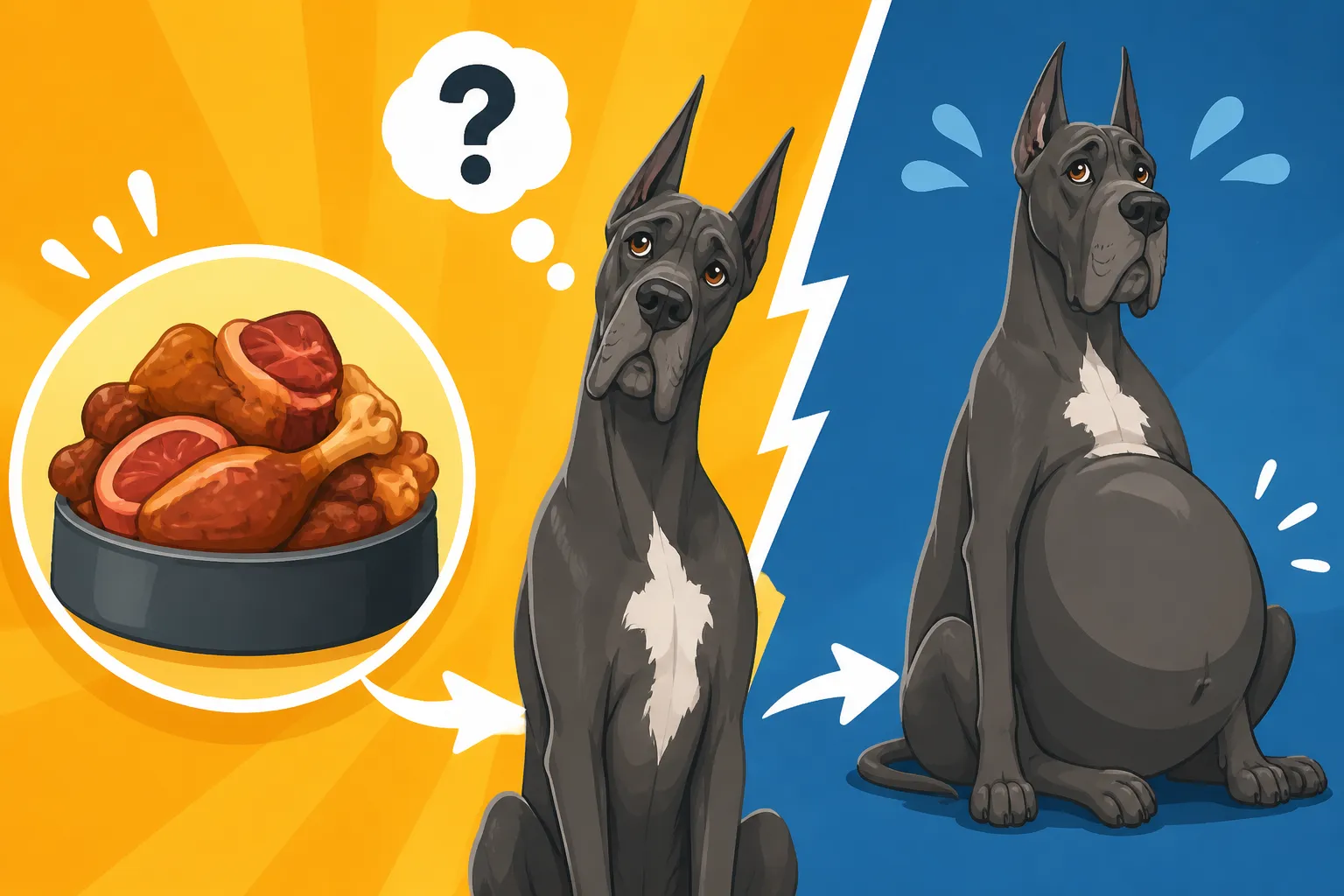
Imagine your Dane's stomach after a massive feast. It's distended, heavy, and full. If that stomach then begins to move excessively – perhaps your Dane decides to do zoomies, rolls around playfully, or even just bounces off the sofa – that large, heavy organ has more momentum and a greater chance of literally flipping over. The gas accumulation often associated with a big meal, especially if eaten quickly, further exacerbates the situation by making the stomach even more buoyant and prone to twisting. So, while not a direct cause-and-effect for every dog, it significantly increases the likelihood of the physical conditions leading to a twist.
Why Meal Frequency Matters for Danes
This is where the recommendation for smaller, more frequent meals comes in. By dividing your Great Dane's daily food allowance into two or three smaller meals, you reduce the sheer volume of food and gas in their stomach at any one time. This lessens the distension and weight, making the stomach less likely to twist if jostled.
Think of it like this: a half-full balloon is harder to spin and knot than a fully inflated one. Smaller meals mean less gas production at one go, and the digestive system can process the food more efficiently without being overloaded. This gentle approach to feeding helps maintain a more stable gastric environment, reducing the physical strain and risk of torsion. It’s about minimizing the opportunity for the stomach to become dangerously distended and mobile, which is why The Feeding Routine That Lowers Great Dane Bloat Risk is so important.
Beyond Just Meal Size: Other Bloat Risk Factors
While meal size and frequency are big players, they're part of a larger team of risk factors for GDV. It’s a cruel irony that our beloved Great Danes are predisposed to this, and it’s important to understand that no single factor causes bloat in every case. Often, it's a combination of these elements coming together at the wrong time that creates a perfect storm. We do everything we can, but some factors, like genetics, are simply out of our control.
Eating Habits and Behavior
How your Great Dane eats can be just as important as what and how much they eat. A dog that inhales their food in thirty seconds flat is gulping down air right along with their kibble. This rapid ingestion leads to excessive gas in the stomach, which, as we discussed, contributes to dilatation. This distension is a precursor to the deadly twist.
To combat this, slow feeder bowls are an absolute game-changer. These bowls, often available from retailers like Chewy or Amazon, have ridges or mazes that force your Dane to eat around obstacles, significantly slowing down their mealtime. If your Dane is a speedy eater, investing in one of these is a no-brainer. Also, consider the environment. A stressful mealtime, perhaps with other dogs vying for attention or a chaotic household, can lead to hurried eating and increased anxiety, which itself can be a minor risk factor for gastrointestinal upset.
Exercise and Activity Around Meals
This is perhaps one of the most critical, yet sometimes overlooked, pieces of the bloat puzzle. We've all seen our Danes get a sudden burst of energy after eating, wanting to play or run. However, allowing vigorous exercise, jumping, or even excessive rolling around within an hour before or after a meal is strongly linked to bloat.
A stomach full of food and gas is heavy and mobile. When your Dane runs, jumps, or rolls, that heavy stomach swings and bounces inside their abdomen. This physical agitation provides the perfect conditions for the stomach to twist. The general rule of thumb is to enforce a calm, quiet period – at least an hour before and two hours after eating. This gives the stomach time to settle and begin processing food without the added risk of being thrown around. It’s why Whether Exercise After Meals Bloats a Great Dane is a question with a very clear, and often life-saving, answer.
Crafting a Safe Feeding Routine for Your Great Dane
Building a feeding routine that prioritizes your Great Dane's health and minimizes bloat risk is one of the most impactful things you can do as an owner. It's about consistency, careful consideration, and sometimes, a little bit of creative problem-solving to make sure they're eating safely and comfortably. It might feel like a lot of steps, but once it becomes habit, it’s second nature.
Choosing the Right Food and Portions
First, let's talk about the food itself. While there's ongoing debate about specific ingredients and their link to bloat, general consensus points to feeding a high-quality, large-breed formula. These foods are typically formulated to support slower growth in puppies and provide balanced nutrition for adults without excessive calories or ingredients that might cause undue gas. If you're considering fresh food options, brands like Ollie offer pre-portioned, customized meals that can be a great way to control exactly what your Dane is eating, and often come with feeding guides. Always measure your Dane's food accurately. Don't eyeball it. Feeding an Adult Great Dane Six to Ten Cups means a lot of food, and consistency is key.
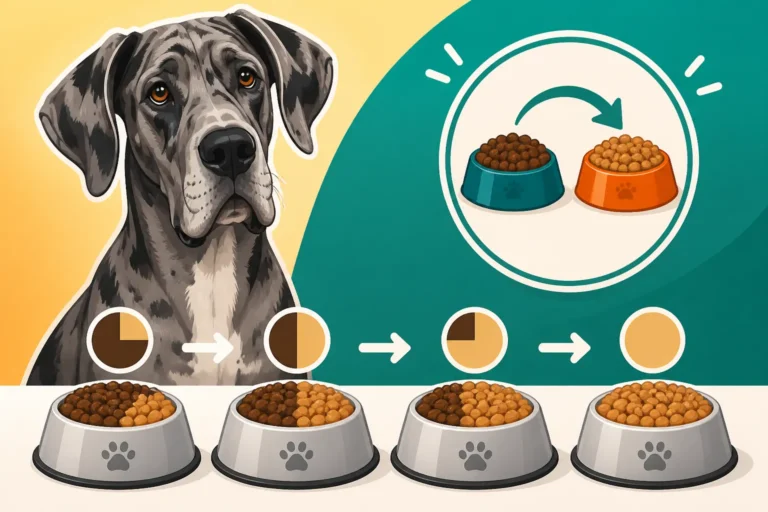
As mentioned, breaking that daily ration into two or even three meals is paramount. For example, if your Dane eats 8 cups a day, aim for 4 cups in the morning and 4 in the evening, or 3 cups in the morning, 2-3 at midday, and 3 in the evening. This not only helps with bloat prevention but also aids digestion and nutrient absorption.
Incorporating Bloat-Reducing Strategies
Beyond meal frequency and food choice, several tools and practices can further reduce bloat risk:
- Slow Feeder Bowls: As discussed, these are fantastic for fast eaters. You can find a variety of styles and sizes suitable for a Great Dane on Chewy or Amazon. Look for Slow Bowls Big Enough for a Great Dane to ensure they can actually use it comfortably.
- Raised Bowls: The topic of raised bowls is controversial. Historically, they were recommended to prevent bloat, but some studies have suggested they might actually increase risk in large breeds. My advice? Discuss this with your vet. Many Danes find eating from a raised bowl more comfortable, especially as they age or if they have neck or joint issues, but it's crucial to understand the potential risks. The Raised Bowl Argument for Great Danes is complex, and individual circumstances can vary.
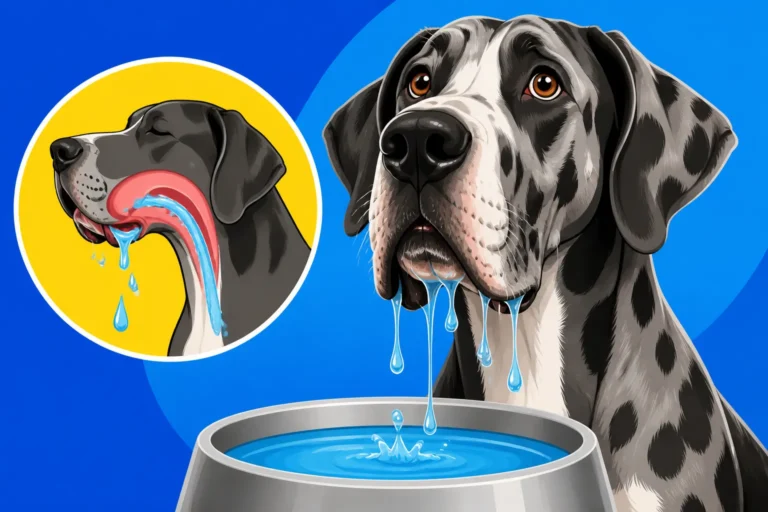
- Controlled Water Intake: While your Dane needs constant access to fresh water, avoid allowing them to gulp large quantities immediately before or after a meal, especially after exercise. This can rapidly fill the stomach with fluid and gas. Instead, offer smaller amounts more frequently.
- Prophylactic Gastropexy: This surgical procedure, often done during spaying or neutering, tacks the stomach to the abdominal wall, preventing it from twisting. It doesn't prevent dilatation (the gassy, distended stomach) but does prevent the deadly volvulus (the twist). It's a significant preventative measure that many Great Dane owners choose. Whether Tacking Ends Great Dane Bloat Risk is a crucial question to explore with your veterinarian.
| Feature | Single Large Meal | Multiple Smaller Meals |
|---|---|---|
| Stomach Distension | High, especially with rapid eating | Lower, more manageable volume |
| Gas Accumulation | Potentially higher due to rapid eating/digestion | More moderate, less rapid gas buildup |
| Risk of Volvulus | Increased due to heavy, distended stomach | Decreased as stomach is less heavy and mobile |
| Digestive Comfort | Can lead to indigestion, lethargy, discomfort | Improves digestion, reduces post-meal sluggishness |
| Nutrient Absorption | Can be less efficient due to overload | More efficient, steady nutrient uptake |
| Post-Meal Activity | High risk if vigorous activity occurs | Lower risk, but still requires calm period |
Recognizing the Signs of Bloat: Time is of the Essence
No matter how meticulous your feeding routine, it's vital to know the signs of bloat. This condition can progress incredibly rapidly, and immediate veterinary attention is literally the difference between life and death. You need to be vigilant, especially during those hours after your Dane has eaten, but bloat can happen at any time. Don't second-guess yourself if you notice something is off; your gut feeling could save your dog.
Immediate Steps and Emergency Care
The moment you suspect bloat, you need to act. There is no time to wait and see if symptoms improve. How Many Minutes a Bloating Great Dane Has is a stark reminder of the urgency. Look for these critical signs:
- Restlessness and Pacing: Your Dane can't get comfortable, constantly shifting, standing, and lying down.
- Non-Productive Retching: They try to vomit but nothing comes up, or only a small amount of foamy saliva. This is a huge red flag. A Great Dane Trying to Vomit and Failing is a classic sign.
- Distended Abdomen: Their belly looks swollen, especially on the left side, and might feel tight like a drum.
- Pain and Discomfort: They might whine, groan, or look at their side.
- Drooling and Heavy Panting: Signs of extreme distress.
- Weakness and Collapse: In later stages, they may become weak and unable to stand.
If you observe any combination of these symptoms, call your emergency veterinarian immediately. Don't drive to the vet without calling first, as they need to prepare for a GDV emergency. Tell them you suspect bloat and are on your way. Speed is everything. What to Do the Minute a Great Dane Bloats is to get to the vet. This is one of those times where it's always better to be overly cautious than to delay.
Disclaimer
This article is for general informational purposes only and does not constitute professional advice. Laws, prices and regulations vary by location and change over time. Consult a qualified professional for guidance on your specific situation.