Why a Great Dane Drools Most After Drinking
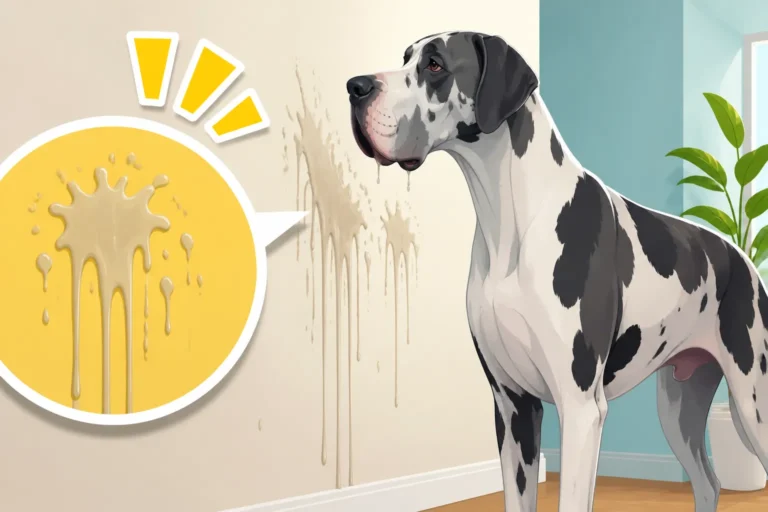
Oh, the infamous Great Dane post-drink slobber shower! If you're a Great Dane owner, you know this scene all too well: your majestic giant finishes a refreshing drink, lifts their noble head, and suddenly, it's raining slobber. Walls get spotted, floors become slick, and sometimes, you even get a surprise dousing yourself. It's frustrating, often hilarious, but mostly, it leaves you wondering why your beautiful dog seems to turn into a leaky faucet after every sip. This guide will dive deep into the fascinating reasons behind this watery phenomenon and arm you with practical strategies to manage the deluge, so you can spend less time wiping and more time enjoying your beloved Dane.
The Anatomy of a Great Dane's Mouth and Drool
To truly understand why your Great Dane creates such a splash after drinking, we need to take a closer look at what makes their mouth so unique. It’s not just about size; it's about specific anatomical features that are perfectly designed for certain things – but unfortunately, not for neat drinking!
The Great Dane's Unique Mouth Structure
Think about your own lips. They fit snugly around your teeth, creating a pretty good seal. Now, look at your Great Dane. See those beautiful, often floppy jowls? Those are called flews, and on a Great Dane, they are particularly loose and pendulous. While they contribute to that classic, regal Great Dane look, they also act as magnificent catch-basins and funnels for liquid.
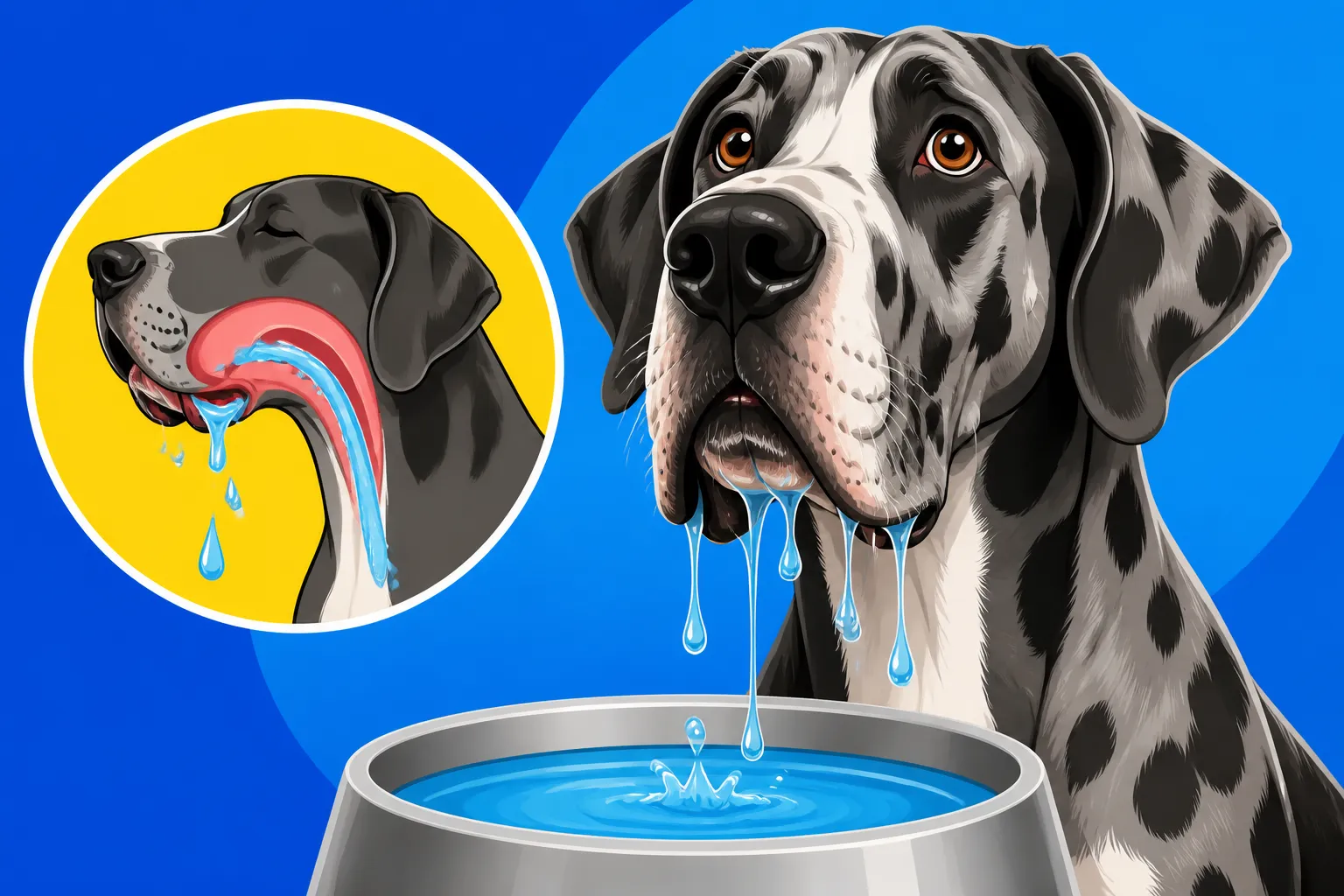
When your Dane plunges their impressive muzzle into the water bowl, these loose flews don't create a tight seal against their teeth or the bowl's edge. Instead, they scoop up water, and a good portion of it gets trapped in the folds and pouches formed by these loose lips. It’s like trying to drink from a leaky cup that has extra pockets inside. Their sheer mouth size also plays a huge role; there's just so much more surface area and volume inside a Great Dane's mouth compared to, say, a Beagle. This larger oral cavity means there's more space for water to slosh around and be held by those flews, waiting for its grand exit. This structural reality is the primary reason why Great Danes are prone to Sore Skin Under a Great Dane's Lip if not kept clean and dry.
How Drinking Amplifies Drooling
The act of drinking itself is a finely tuned process for dogs, but for a Great Dane, it becomes an exaggerated spectacle. They don't just sip politely; they truly engage with the water. Their large, powerful tongues act like scoops, creating a vacuum to draw water up into their mouths. They slurp with gusto, often taking in a surprising volume of water with each lap.
Imagine the physics at play: a massive amount of water is being rapidly moved and churned within those already loose, spacious flews. When your Dane finally finishes hydrating, their natural instinct is to lift their head. At this point, all that trapped, excess water, no longer actively being drawn in, is suddenly at the mercy of gravity. It simply tumbles out of those open, unsealed jowls. It's not necessarily drool being actively produced, but rather the leftover water that their mouth couldn't contain and swallow, now escaping its temporary holding tank.
The Mechanics of the "Post-Drink Slobber Shower"
It’s one thing to understand the anatomy, but another to grasp the full, glorious mechanics of how a simple drink escalates into a full-blown slobber shower. It's a combination of physiological need, instinct, and undeniable physics that culminates in the familiar wet mess.
The Sheer Volume of Water Intake
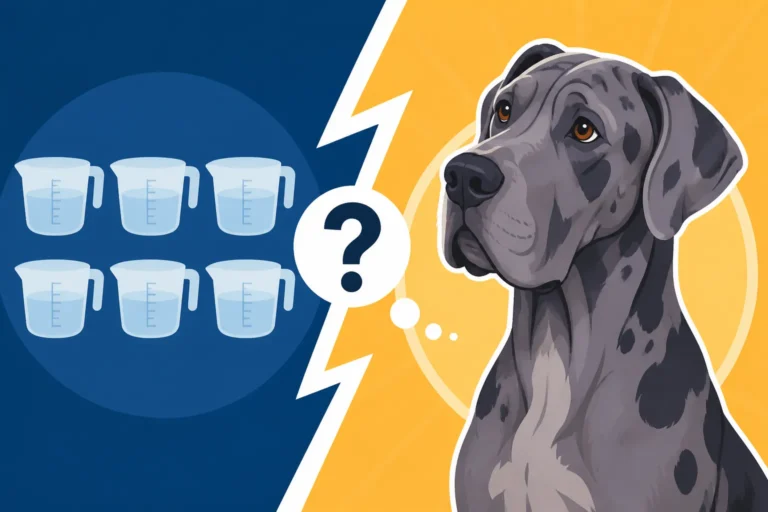
Let's be real: Great Danes aren't built for dainty sips. They're built for volume. An adult Great Dane can easily weigh well over 100 pounds, and sometimes upwards of 150 or more. A dog needs roughly one ounce of water per pound of body weight per day, sometimes more depending on activity, weather, and diet. For a Great Dane, this means they're consuming gallons of water daily. When they come in from a walk, or after playing in the yard, they're often thirsty. They'll approach the water bowl with purpose, ready to rehydrate quickly.
This large volume of water taken in at once means there's simply more liquid to manage inside their mouths. While their body is efficient at processing and absorbing what they swallow, a significant portion of that initial gulp isn't immediately swallowed. It's held, sloshed, and collected by those loose flews. Compared to smaller dogs, whose smaller mouths and tighter lips mean less "spillage" potential, the Great Dane is working with a much larger and less sealed system. Ensuring your Dane always has access to fresh, clean water is crucial for their health, so don't try to restrict it just to minimize mess; instead, focus on management. You can learn more about this by reading Water Intake for a Great Dane.
Gravity, Momentum, and the "Shake Off"
The "post-drink slobber shower" isn't a random event; it's a predictable sequence of events driven by physics and instinct. Once your Great Dane has finished drinking, they inevitably lift their heads. As we touched upon earlier, this is where gravity takes over. All that residual water sitting in their loose jowls, no longer supported by the bowl or their tongue actively drawing it in, begins its downward journey. It streams out from the sides of their mouths, creating those characteristic wet streaks on their chest, the floor, and anything else in the immediate vicinity. It's less about active drooling and more about passive drainage.
To add insult to injury (or rather, more water to the floor), many dogs, including Great Danes, have a natural instinct to "shake off" any moisture from their heads and bodies. It's a common behavior after a bath or a swim. For a Great Dane, with their impressive head size and those water-laden jowls, this shake-off becomes a potent sprinkler system. The centrifugal force sends droplets, strings of slobber, and residual water flying in a wide radius. This isn't a deliberate attempt to make a mess; it's just your dog doing what dogs do, but on a grand, Great Dane scale.
Practical Strategies for Managing the Mess
Okay, so we understand why it happens. Now, what can we do about it? While you'll never completely eliminate post-drink drool (it's part of Great Dane life!), there are plenty of strategies to significantly reduce the mess and make living with a giant slobbery friend a little cleaner.
Choosing the Right Water Bowl
The type of water bowl you use can make a surprising difference. It's not a magic bullet, but it can certainly mitigate the issue.
- Deep vs. Wide Bowls: Many owners instinctively go for wide, shallow bowls, thinking it gives their Dane more room. However, a deeper, narrower bowl might actually help. It can encourage your Dane to dip their muzzle more deeply and potentially create a better seal, reducing the amount of water scooped into their flews. Experimentation is key here.
- "No-Splash" or "Anti-Spill" Bowls: These bowls are specifically designed with features like floating discs or constricted openings that limit how much water is exposed at one time. This means less surface area for your Dane to slosh around in, and less opportunity for large gulps to escape. Brands sold on Chewy or Amazon often carry a variety of these, sometimes marketed towards cars or travel, but they can be effective for home use too. They don't stop the drool, but they can significantly reduce the volume of water tracked out of the bowl itself.
- Material Matters: Stainless steel is hygienic and durable. Ceramic can be heavy and sturdy, less likely to be nudged around. Plastic might be lighter, but some Danes can chew it, and it can harbor bacteria more easily.
- Raised Bowls: The debate around raised bowls for Great Danes often centers on bloat risk. Some theories suggest they could increase bloat risk, while others argue the opposite or find no correlation. While not directly related to drooling, many owners use them for comfort, especially for large, older Danes. If you do use a raised bowl, ensure your Dane isn't still dipping their entire jowls into the water; the goal is to make it easier for them to drink without bending too far, but not to create a higher splash zone. Dive deeper into this topic with The Raised Bowl Argument for Great Danes.
Strategic Placement and Environmental Control
Where you put the water bowl and what's around it can save you a lot of clean-up time.
- The "Slobber Zone": Designate a specific "slobber zone" for your water bowl. This should be an area with easy-to-clean flooring, like tile, linoleum, or sealed concrete. Avoid placing it near carpet, upholstered furniture, or anything valuable that could be damaged by moisture. A dedicated space with washable mats is a lifesaver. You can find large, absorbent mats online, for example, on Amazon, designed for under pet bowls.
- Slobber Rags and Towels: This is a low-tech but highly effective solution. Keep a stack of old towels or dedicated "slobber rags" (often found in multi-packs on Chewy or from local discount stores) near the water bowl. As soon as your Dane finishes drinking, grab a towel and quickly wipe their jowls. It takes a little extra effort on your part, but it can prevent a significant amount of flung water. Regularly washing these towels is essential to keep things fresh. This practice is so common that many Great Dane owners have a secret stash of What Great Dane Owners Keep by the Door.
- Dog Fountains: While some dogs enjoy them, water fountains can be a mixed bag for Great Danes. The constant movement of water might intrigue them, but it also creates more splashing opportunities. If you're considering one, look for designs that minimize exposed water surfaces and test it out carefully. You might find a good selection of specialized Water Fountains for a Great Dane online.
Post-Drink Rituals and Training
Believe it or not, you can actually train your Great Dane to be a little less messy after drinking. It won't turn them into a pristine sipper, but it can certainly help.
- The "Wait" Command: After your Dane takes a drink, you can try teaching a "wait" or "stay" command for a few seconds before they walk away or shake their head. This gives you a brief window to wipe their jowls before the full force of the shake-off is unleashed. It requires consistency and positive reinforcement (a small, clean treat works wonders!).
- Gentle Jowl Wiping: Get into the habit of gently wiping your Dane's jowls immediately after they drink. Start this as a puppy so they get used to it. Use a soft, absorbent cloth and make it a pleasant experience. This simple act of Wiping a Great Dane's Jowls can catch a lot of the excess water before it flies.
- Monitor and Respond: Pay attention to when your Dane is most likely to drink a lot (e.g., after exercise, upon waking). Be ready with your towel. This proactive approach is far more effective than reacting to the mess after it's already happened. Remember, patience is key – they aren't trying to be messy, it's just how they're built!
Beyond Drinking: Other Reasons for Great Dane Drool
While post-drinking slobber is a mechanical issue for Great Danes, it's also important to recognize that drooling can occur for other reasons. Understanding the nuances can help you differentiate normal slobber from something that might warrant a closer look.
Excitement, Anticipation, and Stress
Great Danes are incredibly expressive dogs, and sometimes that expression comes in the form of drool. It’s not just water falling out of their mouths; it’s an active secretion of saliva.
- Anticipation and Food: This is a classic example across all dog breeds, but amplified in a Great Dane. The sight, smell, or even sound of food being prepared can trigger a flood of saliva. Their bodies are gearing up for digestion. The same goes for treats – if you pull out a special treat, don't be surprised if your Dane starts to "pre-drool" in excitement. Using appropriate Treats Sized for a Great Dane can help manage the mess of treats, but not the drool.
- Excitement and Play: Some Danes will drool when they get overly excited, especially during intense play or when greeting beloved family members. Their nervous system kicks into high gear, and salivation can be a byproduct.
- Stress and Anxiety: This is a more serious concern. If your Great Dane is stressed or anxious, excessive drooling can be a symptom. This might happen during car rides if they're not used to them, at the vet's office, or during thunderstorms. A Great Dane that exhibits general anxiety, often seen in behaviors like hiding behind you or excessive panting, might also show increased drooling. It's important to differentiate this from normal post-drink slobber. If you notice your Dane is usually calm but suddenly drools excessively in a specific situation, it could be a sign of discomfort or fear. Understanding signs of anxiety can be helpful, for instance, by reading A Great Dane That Is Anxious Rather Than Gentle.
Health Concerns and When to Seek Vet Advice
While most Great Dane drooling is harmless, sometimes it can be a red flag for an underlying health issue. It's crucial for owners of such a magnificent breed to be vigilant.
- Dental Issues: Pain in the mouth can lead to excessive salivation. This includes broken teeth, severe gum disease, abscesses, or foreign objects lodged between teeth or in the gums. If your Dane suddenly starts drooling more, especially if accompanied by pawing at their mouth, reluctance to eat, or bad breath, a dental check-up is in order. Routine dental care, even if it involves sedation for cleaning, is vital. You can explore topics like Whether a Great Dane's Teeth Need Annual Sedation for more insight.
- Nausea and Upset Stomach: Dogs drool excessively when they feel nauseous. This is particularly concerning for Great Danes due to their predisposition to bloat (Gastric Dilatation-Volvulus or GDV). If your Dane is drooling heavily, pacing, looking at their side, retching unproductive, or has a distended abdomen, it could be a sign of this life-threatening condition. This is an emergency and requires immediate veterinary attention. Every minute counts in cases of bloat. Knowing the signs is crucial; reading A Great Dane Trying to Vomit and Failing and How Many Minutes a Bloating Great Dane Has could save your dog's life.
- Heatstroke: In hot weather, excessive drooling can be a sign of overheating, especially if accompanied by heavy panting, lethargy, or bright red gums. Great Danes, despite their short coats, can be susceptible to heatstroke.
- Other Medical Conditions: Less commonly, certain neurological issues, toxins, or even tumors in the mouth or throat can cause increased salivation. If the drooling is persistent, unusual in volume or consistency, or accompanied by other worrying symptoms, always consult your veterinarian. They can rule out serious conditions and provide peace of mind.
By understanding the unique physiology of your Great Dane and knowing when to seek professional advice, you can manage the delightful mess and ensure your giant companion stays happy and healthy.
| Water Bowl Type | Pros | Cons | Best For |
|---|---|---|---|
| Deep, Narrow Bowl | Encourages deeper muzzle immersion, potentially less immediate spillage. | Might require more neck bending for some Danes; still won't stop jowl retention. | Danes who slurp widely; owners wanting to reduce initial splash. |
| Wide, Shallow Bowl | Easy for Danes to access water; less head dipping required. | More surface area for splashing; more water scooped into flews; easier for water to be tracked out. | Older Danes with neck issues; casual drinkers. |
| No-Splash/Anti-Spill | Reduces water exposure and tracking; often designed for travel. | Can be expensive; some Danes dislike the floating disc; still doesn't eliminate jowl drool. | Messy drinkers; active households; travel. |
| Raised Bowl | Can be more comfortable for tall or older Danes; may aid digestion for some (controversial for bloat). | Does not directly impact drooling; some theories suggest it could increase bloat risk for some dogs. | Large, older Danes with joint issues; comfort. |
| Heavy Ceramic/Steel | Durable, easy to clean, difficult for Danes to push around. | Can chip (ceramic); more expensive upfront. | All Danes, especially those who like to "play" with their bowls. |
Disclaimer
This article is for general informational purposes only and does not constitute professional advice. Laws, prices and regulations vary by location and change over time. Consult a qualified professional for guidance on your specific situation.