The Month a Great Dane Stops Getting Taller
Watching a Great Dane puppy grow is like witnessing a time-lapse film; they transform from clumsy bundles of paws into imposing gentle giants at an astonishing rate. This rapid development often leaves new owners wondering when, exactly, their colossal companion will finally stop getting taller. It's a common question, and understanding the nuances of Great Dane growth is crucial for their long-term health, which is precisely what this comprehensive guide will help you navigate.
The Unique Trajectory of Great Dane Growth
Great Danes are truly in a league of their own when it comes to growth. Unlike smaller breeds that might hit their adult height around 6-8 months, these magnificent dogs operate on an extended timeline. Their sheer size means their bones, muscles, and organs need more time to develop correctly, and rushing this process can lead to serious health issues down the line. It's not just about getting big quickly; it's about developing healthily.
Why Great Danes Grow So Fast (and for So Long)
It’s an incredible biological feat. Great Danes, by their very nature, are designed for rapid early growth. Think about it: they go from a tiny pup fitting in one hand to an animal that can stand taller than many adults on its hind legs, all within a year or two. This accelerated development is driven by a complex interplay of genetics and hormones. Their bones lengthen at an alarming rate, and their muscles begin to lay down, giving them that characteristic gangly look during adolescence. This rapid initial phase is why specific feeding protocols and exercise limits are absolutely vital during their first year. Why Fast Growth Wrecks Great Dane Joints is a topic worth exploring further if you're curious about the pitfalls of improper care during this time.
The Difference Between Height and Weight Development
This is where many new Great Dane owners get tripped up. Reaching adult height is often a different milestone than reaching adult weight and muscular maturity. Your Dane will typically achieve most of its adult height much earlier than it finishes filling out its frame. Imagine a teenager who suddenly shoots up in height but still looks quite slender; that’s often what you see in a Great Dane around their first birthday. They'll have their full stature but might still be a bit lanky, needing another year, sometimes even more, to truly broaden their chest, deepen their body, and pack on muscle.
Growth Plate Closure and What It Means
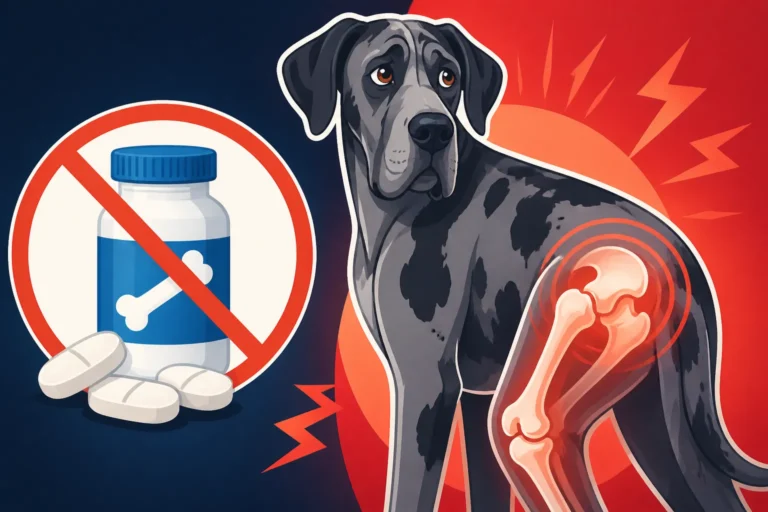
Growth plates are areas of cartilage at the ends of long bones in puppies and young dogs. They are responsible for producing new bone cells, which contribute to the lengthening of the bone. As a dog matures, these growth plates gradually close, solidifying into bone. For a giant breed like the Great Dane, these plates remain open for a longer period than in smaller dogs. Premature or excessive stress on open growth plates can cause irreversible damage, leading to lifelong lameness or abnormal bone development. This is a primary reason why we stress controlled exercise and a careful diet for growing Great Danes. Once these plates are closed, the dog can no longer grow taller, though their bones will continue to remodel and strengthen.
The Initial Explosive Growth Spurt
The first year of a Great Dane's life is nothing short of a spectacle. You'll blink, and they'll seem to have grown another inch. This period is a whirlwind of changes, both in size and in their gangly, sometimes awkward, movements. It’s also the time when proper care can make the most significant difference in their long-term health and structural integrity.
Puppyhood: Weeks to Months
From the moment you bring home a tiny Great Dane puppy, often around 8-10 weeks old, the growth clock is ticking. In these early months, they are like sponges, absorbing nutrients and growing at an incredible pace. Their legs seem to sprout overnight, and their paws look comically large, hinting at the massive size they are destined to become. It’s during this crucial phase that their bones are rapidly lengthening. Feeding them a specialized large-breed puppy food is essential, one specifically formulated to promote slow, steady growth rather than rapid, unhealthy acceleration. You might find yourself replenishing their food supply from places like Chewy more often than you expect! Why Great Dane Puppy Food Is Different is a great resource to learn more about the specific dietary needs during this period.
Adolescence: The Gangly Teenager Phase
Around 6 months to a year, your Great Dane will enter its adolescent phase. This is often characterized by extreme 'gangliness.' They might look like a collection of limbs that haven't quite figured out how to coordinate. Their height will be impressive, but they'll often lack the depth and breadth of an adult Dane. They might be prone to tripping over their own feet or bumping into furniture, not out of malice, but simply because their body is changing so fast. This phase can be frustrating for owners, as their dog might seem clumsy or a bit out of sync, but it's a completely normal part of their development as they approach their mature height.
Typical Heights at Key Milestones
While every Great Dane is an individual, there are some general milestones for their vertical growth. These are averages, so don't be alarmed if your pup is a little ahead or behind.
| Age (Months) | Approximate Male Height (Inches at shoulder) | Approximate Female Height (Inches at shoulder) | Notes |
|---|---|---|---|
| 3 | 20-24 | 18-22 | Rapid growth, still very puppy-like. |
| 6 | 26-30 | 24-28 | Entering adolescence, gaining significant height. |
| 9 | 28-32 | 26-30 | Approaching adult height, still lanky. |
| 12 | 29-34 | 27-31 | Most vertical growth completed, may still fill out significantly. |
| 18 | 30-34 | 28-32 | Fully adult height, continued filling out in weight and muscle. |
| 24 | 30-34 | 28-32 | Mature height and often fully filled out, though some may mature slower. |
Remember, these are guidelines. The Great Dane Growth Curve Month by Month provides even more detailed insights into what to expect during each stage. The official breed standard calls for males to be at least 30 inches at the shoulder and females at least 28 inches, but many individuals exceed these minimums.
The Height Plateau: When Vertical Growth Halts
This is the question on every Great Dane owner's mind: when do they actually stop getting taller? While the exact month can vary slightly from one Dane to another, there's a general window when you can expect their vertical growth to conclude. This doesn't mean they stop growing entirely, but the upward trajectory largely ceases.
The Magic Window: When Vertical Growth Halts
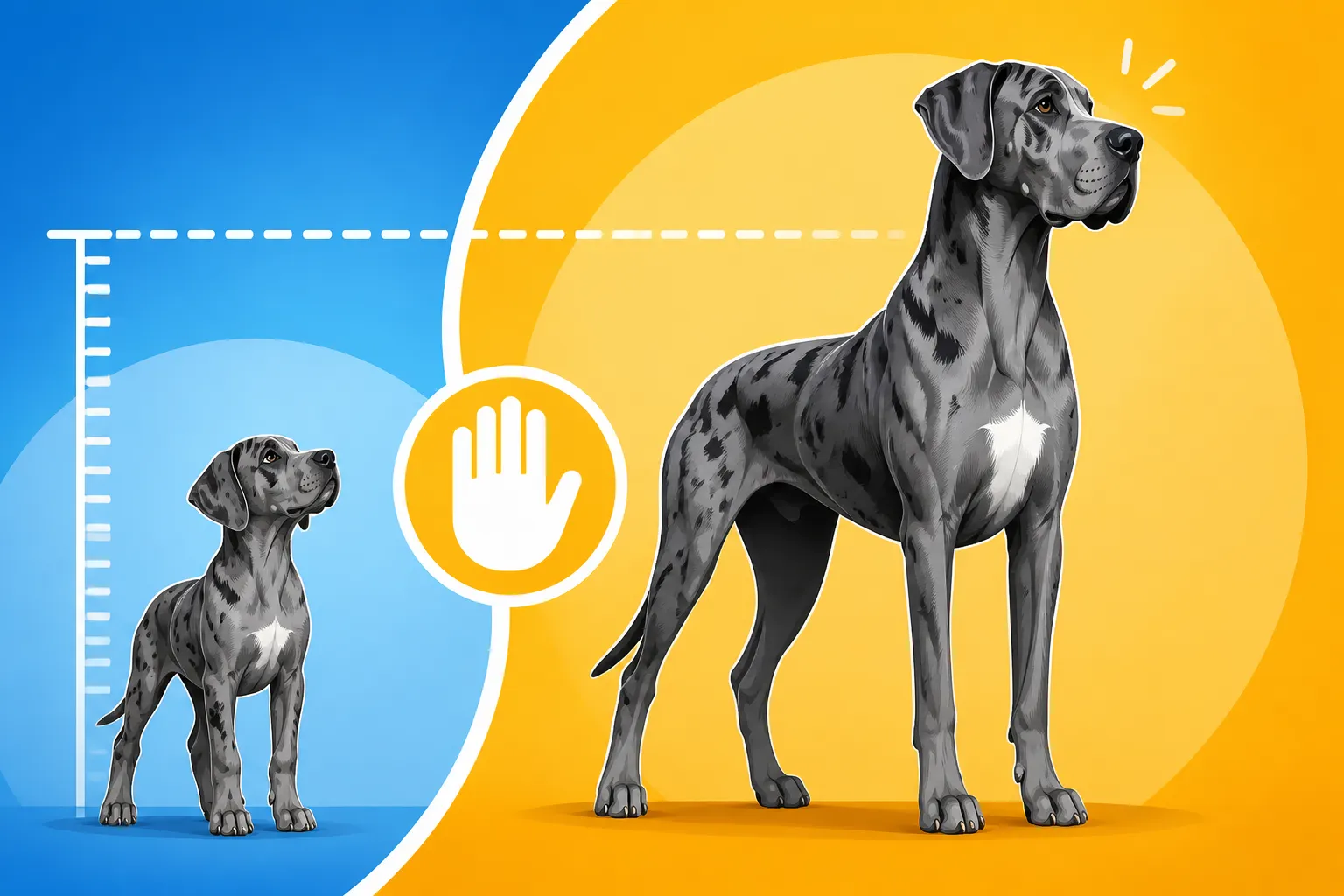
For most Great Danes, their vertical growth, meaning how tall they stand at the shoulder, largely plateaus between 12 to 18 months of age. Many males will hit their full height around 14-16 months, while females might reach theirs a little earlier, sometimes around 12-14 months. This is when their growth plates, those crucial cartilage areas, finally close and calcify. Once those plates are fused, no more lengthening of the bones can occur. You might still see very minor adjustments up to two years old, but the significant upward growth will have stopped. It's truly a landmark moment when you realize they won't be getting any taller. How Tall a Great Dane Is at a Year will give you a good benchmark for what to expect at that age.
Genetic Predisposition to Final Height
Just like humans, a Great Dane's final adult height is heavily influenced by genetics. If both parents are on the larger end of the spectrum for the breed, there's a good chance their offspring will follow suit. Conversely, if the parents are closer to the minimum height requirements, their puppies are likely to mature within that range. This is why looking at the parents, if possible, can give you a fairly accurate idea of your puppy's eventual size. A reputable breeder will be able to discuss the size of their breeding stock and give you some realistic expectations for your puppy's adult height. They understand that while nutrition and exercise play a role, genetics lay the foundational blueprint.
Comparing Male and Female Growth Patterns
While both male and female Great Danes share a similar growth trajectory, there are some noticeable differences. Males tend to grow taller and are often the ones pushing the upper limits of the breed standard for height. They also typically take a little longer to reach their full height, often extending towards the 16-18 month mark before their vertical growth completely stops. Females, while still very large dogs, tend to be slightly shorter and may finish their vertical growth earlier, often around 12-14 months. However, the most significant difference you'll see is in their eventual build. Males generally have a more substantial bone structure, a broader head, and a more muscular physique once fully mature. Whether a Female Great Dane Is Much Smaller discusses these differences in more detail.
Filling Out: Beyond Vertical Growth
Even after your Great Dane stops getting taller, their journey of growth isn't over. This next phase is often overlooked but is equally crucial for their overall development, focusing on building muscle, broadening their frame, and deepening their chest. It’s when they truly embody the "Apollo of Dogs" physique.
Broadening and Muscling Up
Once the upward growth ceases, usually around 12-18 months, your Great Dane will enter a prolonged period of "filling out." This means they'll start to put on muscle, their chest will deepen, and their overall frame will broaden. This can continue well into their second, sometimes even third, year of life. That gangly teenager will slowly transform into a powerful, majestic adult. You'll notice their rib cage expanding, their shoulders becoming more substantial, and their hindquarters developing powerful musculature. This phase requires consistent, moderate exercise to build strength without putting undue stress on their maturing joints. Ensuring they receive proper nutrition, with adequate protein and healthy fats, is key to supporting this muscle development. You might even consider specialized food options, perhaps from brands like Ollie, tailored to their large breed nutritional needs, always checking with your vet first.
The "Late Bloomer" Phenomenon
While many Danes settle into their final height and begin filling out around 18 months, some can be what we affectionately call "late bloomers." These individuals might take a little longer to achieve their full muscular development, sometimes not looking truly mature until 2.5 or even 3 years of age. This isn't necessarily a cause for concern, but rather a reflection of individual genetic programming. If your Dane seems a bit slow to fill out but is otherwise healthy, eating well, and energetic, it's usually just their unique timeline. Patience is a virtue when raising a giant breed; they simply don't conform to the growth charts of smaller dogs. Whether a Great Dane Keeps Filling Out to Two delves deeper into this extended maturation period.
When They Are Truly Done Growing
So, when is a Great Dane truly done growing, in every sense of the word? While vertical growth largely stops by 18 months, and significant filling out continues until two years, some very subtle changes, like minor muscle refinement or bone density increases, can extend even to three years of age. For practical purposes, most owners consider their Great Dane to be fully mature, both in height and build, by their second birthday. At this point, they've generally reached their adult weight, their frame is solid, and their puppy-like clumsiness has given way to adult coordination. This is when their metabolic needs also shift, often requiring a transition to an adult large-breed dog food.
Factors Influencing Great Dane Growth
While genetics provide the blueprint, external factors significantly impact how well and how healthily a Great Dane grows. Understanding these influences can empower you to provide the best possible environment for your giant companion, ensuring they reach their full potential without undue stress or developmental issues.
The Critical Role of Nutrition
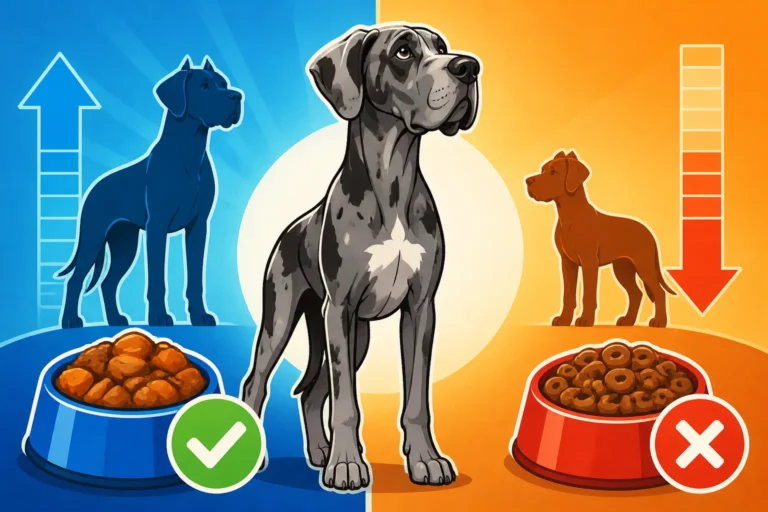
Nutrition is arguably the single most important controllable factor in a Great Dane's growth. Feeding them the wrong diet, especially during their critical puppy and adolescent phases, can have devastating consequences. The primary concern is over-nutrition, particularly diets too high in calcium and phosphorus or excessive calories, which can promote dangerously rapid growth and put immense strain on their developing bones and joints. This can lead to conditions like osteochondritis dissecans (OCD) or hypertrophic osteodystrophy (HOD). Always choose a large breed puppy formula, ideally one specifically designed for giant breeds, that is lower in calories and carefully balanced for calcium and phosphorus. Brands found on platforms like Amazon or Chewy often offer these specialized formulas. Why Regular Puppy Food Hurts a Great Dane explains the science behind this crucial distinction. Monitor their body condition constantly; you should be able to feel their ribs easily, but not see them sharply defined. Keeping a Great Dane Lean for Its Joints is absolutely vital for their long-term health.
Impact of Exercise and Rest
Just as crucial as nutrition is a carefully managed exercise routine. Great Dane puppies and adolescents need exercise, but it must be controlled and appropriate for their age. Over-exercising a young Great Dane, especially high-impact activities like jumping, long runs, or intense agility training, can put excessive strain on their still-developing growth plates and joints, leading to injury or abnormal development. Think short, frequent walks, gentle play sessions, and plenty of supervised free play in a safe, soft environment. They also need a lot of rest! Puppies, especially, sleep a huge amount, and this rest is essential for their bodies to recover and grow. Providing a comfortable, orthopedic bed, perhaps from a selection found on Amazon, can help cushion their joints during these crucial rest periods.
Genetic Lines and Breeder Influence
While you can control nutrition and exercise, the genetic foundation of your Great Dane is set from birth. A responsible breeder will prioritize health in their breeding program, screening their dogs for common Great Dane ailments such as hip and elbow dysplasia, cardiac issues, and thyroid problems. They should be able to provide health clearances for the parents and often for previous generations. Genetics influence not only potential size but also the likelihood of certain growth-related health issues. Discussing growth rates and the general size of the parent dogs with your breeder can give you valuable insight into your puppy's potential development and what to expect. Asking about The Health Testing a Great Dane Breeder Owes You is a non-negotiable step when choosing a puppy.
Monitoring Your Dane's Growth for Health
Keeping a close eye on your Great Dane's growth isn't just about curiosity; it's a vital part of proactive health care. Regular monitoring can help you identify potential issues early, allowing for timely veterinary intervention and adjustments to their care routine.
Tools for Tracking Growth
Tracking your Great Dane's growth can be done through a combination of simple methods:
- Weight Scale: Regular weigh-ins, especially during puppyhood, are essential. Your vet will have a large animal scale, but you can also use a bathroom scale by weighing yourself, then weighing yourself holding your dog, and subtracting the difference. Keeping a growth chart in a notebook or on your phone can help visualize their progress.
- Measuring Tape: Measure their height at the shoulder (withers) from the ground. This gives you a clear indication of their vertical growth. Do this periodically, perhaps once a month, during their rapid growth phase.
- Photographs: Take monthly photos of your Dane standing next to a fixed object (like a door frame with markings) or with a person of consistent height. This provides a wonderful visual record of their growth and can sometimes highlight changes you might otherwise miss.
Consistent tracking helps ensure your Dane is growing at a healthy, steady pace.
Recognizing Growth-Related Concerns
While some variation in growth is normal, there are specific signs that warrant a call to your veterinarian:
- Lameness or Limping: Any persistent limping, favoring of a limb, or refusal to bear weight is a red flag. This could indicate growth plate injuries, bone infections, or early signs of joint disease. A Great Dane That Limps Without an Injury often needs immediate veterinary attention.
- Pain or Swelling in Joints: If your Great Dane shows pain when a joint is touched, or if a joint appears swollen and warm, it could be a sign of conditions like HOD (Hypertrophic Osteodystrophy) or OCD (Osteochondritis Dissecans), which are common in fast-growing large breeds.
- Abnormal Gaits or Stumbling: Excessive clumsiness beyond typical puppy antics, or a noticeable change in how they walk, could indicate neurological issues or severe joint discomfort. A Great Dane That Stumbles on Its Back Legs is a particularly worrying sign.
- Sudden Changes in Appetite or Energy: While not directly growth-related, these can be general indicators of underlying health issues that might impact their development.
- Being Severely Under or Overweight: Constantly feeling ribs too sharply or not being able to feel them at all suggests their diet might need adjustment. Being overweight puts undue stress on developing joints.
Don't hesitate to contact your vet if you notice any of these signs. Early diagnosis and intervention are critical for managing potential growth disorders in Great Danes.
Veterinary Oversight and Growth Assessments
Regular veterinary check-ups are paramount throughout your Great Dane's growth period. Your veterinarian will monitor their weight, assess their body condition score, and perform physical examinations to check joint health and overall development. They can provide tailored advice on nutrition, exercise, and preventative care based on your individual dog's needs and growth trajectory. These check-ups are also the perfect opportunity to discuss any concerns you might have about their growth, behavior, or general well-being. Your vet is your most valuable partner in ensuring your Great Dane grows into a healthy, robust adult.
Disclaimer
This article is for general informational purposes only and does not constitute professional advice. Laws, prices and regulations vary by location and change over time. Consult a qualified professional for guidance on your specific situation.