Sunburn on a Harlequin Great Dane
It’s a truly disheartening moment when you notice your beautiful Harlequin Great Dane, with their stunning patchwork coat, has red, irritated skin, seemingly out of nowhere. Many owners are surprised to learn that these magnificent dogs, especially those with significant white patching, are highly susceptible to sunburn, which can lead to discomfort, pain, and long-term health issues. This guide is here to shed light on why your Harlequin Dane is at risk, how to spot the signs of sunburn, and most importantly, how to protect their delicate skin so they can enjoy their time outdoors safely.
Why Harlequin Great Danes Are Prone to Sunburn
The majestic Harlequin Great Dane is renowned for its striking white coat with irregular black patches, a pattern that is both beautiful and unfortunately, a sign of increased sun sensitivity. Unlike dogs with darker, more uniformly pigmented coats, Harlequins often lack the natural protection that melanin provides, leaving their skin vulnerable to the sun's harsh rays.
The Genetics Behind Their Unique Coat
The Harlequin pattern isn't just a pretty facade; it's a direct result of specific genetics that dictate coat color and pigment distribution. Harlequins carry the merle gene, which dilutes pigment and often results in large areas of pure white fur. This white fur might look thick, but underneath, the skin itself is often pink and devoid of melanin. Melanin is the natural pigment that acts as a protective barrier against ultraviolet (UV) radiation, much like nature's own sunscreen. When these white areas are present, especially on parts of the body that aren't densely furred, the skin beneath is left exposed and defenseless. It's a key reason why understanding Harlequin and Merle Great Dane Genetics is so important for their overall care. This genetic predisposition means that their skin lacks the natural resilience darker-coated dogs possess, making them prime candidates for sunburn, even on days that don't feel particularly sunny. Owners sometimes assume a thick white coat means protection, but it’s the skin underneath that truly matters.
The Most Vulnerable Areas on a Harlequin
While any exposed skin can burn, certain areas on a Harlequin Great Dane are particularly susceptible due to thinner fur or direct exposure. Think about the tips of their ears, the bridge of their nose, their eyelids, and any pink skin around their mouth. Their bellies, especially if they enjoy lounging on their backs, and the inner thighs are also common spots. These areas typically have very fine hair, or none at all, and often reveal the underlying pink skin that offers zero natural UV protection. A dog's lifestyle also plays a role; a Dane that loves to sunbathe in a patch of sunlight in the yard, or one that spends hours playing fetch at the park, will have these delicate areas constantly exposed. It’s not uncommon to see a Dane's nose become dry and flaky, or the tips of their ears turn red and hot, after a seemingly innocent day out.
Understanding UV Exposure and Its Risks
The sun emits ultraviolet (UV) radiation, specifically UVA and UVB rays, which can damage skin cells. For Harlequin Great Danes, with their low melanin protection in white areas, this damage is more immediate and severe. A single sunburn can be painful, causing redness, tenderness, and even blistering. However, the risks extend far beyond immediate discomfort. Repeated exposure to UV radiation can lead to cumulative damage, significantly increasing the risk of skin cancers, such as squamous cell carcinoma or malignant melanoma. These conditions are serious and can be aggressive, potentially shortening an already limited Why a Great Dane Only Lives Seven to Ten Years. Even on seemingly overcast days, up to 80% of the sun's UV rays can penetrate clouds, meaning your Dane isn't truly safe unless actively protected. It's a common misconception that if you can't feel the heat, there's no danger, but UV radiation is invisible and constantly present during daylight hours. This long-term risk makes diligent sun protection not just about comfort, but about extending your beloved companion's healthy years. We all want to keep our giants with us for as long as possible, and managing sun exposure is a vital part of that commitment.
Recognizing and Treating Sunburn on Your Harlequin
Spotting sunburn early and knowing how to respond is key to minimizing discomfort and preventing complications for your Great Dane. Their stoic nature might make them less vocal about their pain, so it's up to us to be vigilant.
Signs Your Great Dane Has Sunburn
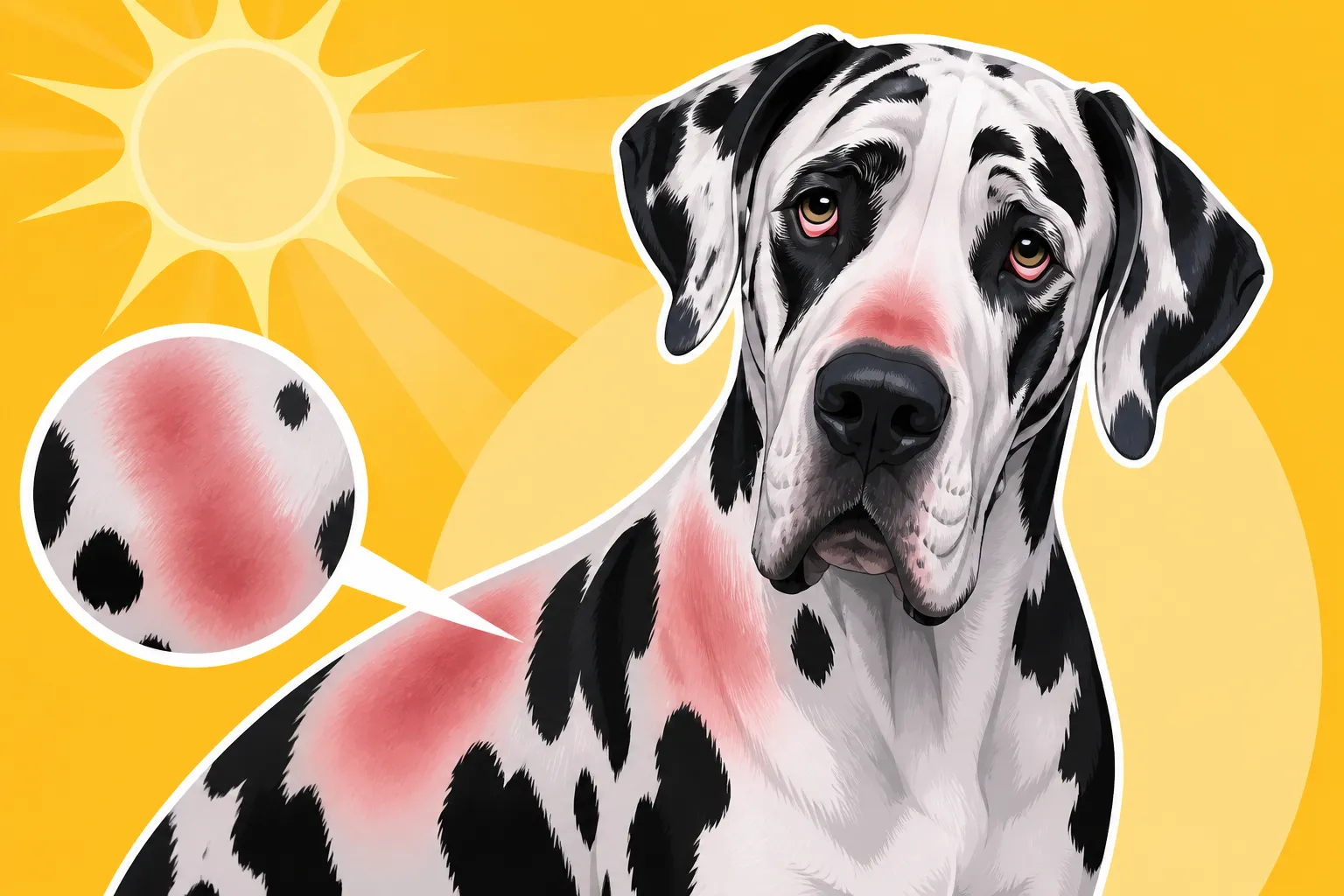
Detecting sunburn on your Harlequin Dane often comes down to observation and touch. The most obvious visual cue is redness, particularly on those exposed, lightly pigmented areas like the bridge of the nose, ear tips, or belly. The skin might also appear visibly inflamed, or even slightly swollen. As the burn progresses, you might notice peeling skin, similar to how human skin peels after a bad burn. Beyond the visual, behavioral signs are critical indicators. Your Dane might become unusually sensitive to touch, flinching when you try to pet their head or ears. They might excessively scratch, lick, or chew at the affected areas, leading to further irritation and potential secondary infections. They could also become more lethargic, or simply seem generally uncomfortable and restless, pacing more than usual. In more severe cases, you might even see blisters forming, which indicates a deeper burn and requires immediate veterinary attention. Don't mistake a mild red flush for just a bit of heat; when it comes to areas lacking pigment, that redness is a clear warning sign.
First Aid for Mild Sunburn at Home
If you suspect your Harlequin has a mild sunburn, there are a few things you can do at home to ease their discomfort before escalating to a vet visit. First, gently apply cool, not cold or icy, compresses to the affected areas. A damp, cool cloth held against the skin can provide immediate relief from the burning sensation. Next, consider applying pure aloe vera gel – ensure it's 100% pure aloe and contains no added alcohol, fragrances, or other ingredients that might be toxic to dogs if licked. Many human aloe products contain lidocaine or other topical anesthetics, which can be dangerous for pets. Look for a pet-safe product, or consult your vet on a specific brand. You can also use a gentle, pet-safe, scent-free moisturizer, again, checking with your veterinarian for recommendations. The goal is to soothe the skin and prevent it from drying out further. The biggest challenge after application is preventing your Dane from licking off the soothing agents. This might require a soft E-collar (cone of shame) for a short period to allow the treatment to absorb and the skin to start healing. Remember, if your Great Dane is licking at specific Great Dane Skin Folds and Pressure Points, it could exacerbate the irritation rather than help it.
When to See the Vet for Sunburn
While mild sunburns can often be managed at home, there are definitive signs that warrant a trip to the veterinarian. If your Dane's skin shows severe redness, blistering, or open sores, or if they appear to be in significant pain, it's time for professional help. Any signs of infection, such as pus, increased swelling, or a foul odor coming from the affected area, are also red flags. Furthermore, if your dog seems lethargic, has a fever, or is experiencing persistent discomfort despite your home care efforts, a vet visit is crucial. A veterinarian can assess the severity of the burn, prescribe pain relief, anti-inflammatory medications, or antibiotics if an infection has set in. They can also advise on proper wound care to prevent scarring and further complications. Given that a Great Dane's size often means higher dosages for medication and longer times under sedation, understanding Anesthesia Risk in a Great Dane is always prudent when any veterinary procedure is on the horizon. Don't hesitate or try to tough it out; a severe sunburn can be incredibly painful and lead to serious health issues for your giant friend.
Effective Sun Protection Strategies for Your Great Dane
Preventing sunburn is always easier and safer than treating it, especially for sun-sensitive Harlequin Great Danes. Integrating effective sun protection into your daily routine is a proactive step that can save your dog from discomfort and potential long-term health problems.
Timing Walks and Outdoor Play
One of the simplest yet most effective ways to protect your Harlequin Dane from sunburn is to adjust the timing of their outdoor activities. The sun's UV rays are strongest between approximately 10:00 AM and 4:00 PM. During these hours, it's best to keep your Great Dane indoors or ensure they are in a heavily shaded area. Plan walks and rigorous outdoor play for early morning or late evening when the sun is lower in the sky and its rays are less intense. This not only reduces the risk of sunburn but also helps prevent overheating, a common concern for many large breeds. Whether a Great Dane Overheats Easily is a critical consideration during warm weather, and direct sun exposure exacerbates this risk. Even when outside during safer hours, always seek out natural shade from trees or buildings. If your yard lacks natural shade, consider providing an umbrella or a shade cloth over their favorite lounging spot. Making these small adjustments to your routine can have a huge positive impact on your Dane's skin health and overall comfort.
Canine-Specific Sunscreen Application
Just like humans, dogs can benefit from sunscreen, but it's absolutely crucial to use canine-specific products. Never, under any circumstances, use human sunscreen on your Great Dane. Many human sunscreens contain ingredients like zinc oxide or para-aminobenzoic acid (PABA), which are toxic if ingested by dogs – and let's face it, most dogs will try to lick off anything you put on them. Look for sunscreens formulated for pets, usually available at pet supply stores or online retailers like Chewy or Amazon. These products are typically free of harmful chemicals and are safer if licked. To apply, focus on those high-risk, sparsely haired areas: the nose, ear tips, around the eyes (being careful not to get it in the eyes), and the belly/inner thighs if your Dane enjoys sunbathing. Apply liberally about 15-20 minutes before going outside to allow it to absorb, and reapply every 2-4 hours, especially if your Dane has been swimming or is particularly active. Distracting them with a treat or a quick game immediately after application can help prevent them from licking it off before it has a chance to work.
Protective Gear and Environmental Management
Beyond sunscreen, there are several practical tools and environmental adjustments that can significantly boost your Harlequin's sun protection. For Danes with particularly sparse fur on their bellies or backs, UV-protective dog shirts or vests can be a fantastic solution. These garments are designed to block harmful UV rays and are often made of breathable fabric to prevent overheating. Brands like Ruffwear or Hurtta offer options that might fit a Great Dane's considerable size. Investing in good quality, thick Bedding That Prevents Great Dane Hygromas can also offer some protection if they like to lay outside.
In your outdoor spaces, creating designated shaded areas is paramount. This could be as simple as strategically placed shade sails, pop-up gazebos, or even large patio umbrellas. For Danes who spend time in cars, consider installing window tints or sun shades on car windows, as UV rays can penetrate glass. Ensuring your Dane has plenty of indoor enrichment, like puzzle toys or training sessions, can also reduce their desire to spend prolonged periods outside during peak sun hours. Remember, even though Great Danes have relatively short coats, How Much Hair a Great Dane Drops can be surprising, but this doesn't offer enough protection for their sensitive skin. Think of this approach as creating a multi-layered defense system against the sun's damaging effects, giving your Harlequin the freedom to enjoy life without the burn.
Long-Term Skin Health and Monitoring
Taking care of a Great Dane, particularly one with specific genetic predispositions like the Harlequin, involves a commitment to ongoing vigilance and care. Sun protection isn't just about preventing immediate burns; it's about safeguarding their skin health throughout their entire life to prevent more serious conditions down the road.
Regular Skin Checks and Early Detection
Making a habit of regularly checking your Harlequin Great Dane's skin is one of the most important things you can do to ensure their long-term health. At least once a month, perform a thorough head-to-tail inspection, paying close attention to those sun-exposed areas like the nose, ears, belly, and inner thighs. Look for any new lumps, bumps, discolorations, scaly patches, or sores that don't seem to heal. Note any changes in existing moles or pigmented areas, such as an increase in size, a change in color or shape, or the development of irregular borders. These could be early indicators of sun-induced skin cancers. Photographing any suspicious spots can help you monitor them over time and provide your vet with a visual history. Early detection is absolutely critical when it comes to skin cancers in dogs. While it's easy to dismiss a small scab or an odd-looking spot, for a Harlequin Dane, it's always better to be cautious and have your vet examine anything unusual. Given that The Age a Great Dane Is Considered Old can start surprisingly young, these regular checks become even more important as they mature.
Nutrition and Coat Health
A well-balanced diet plays a significant role in maintaining overall skin health and bolstering your Great Dane's natural defenses, even against environmental factors like the sun. Ensure your Harlequin is receiving a high-quality dog food appropriate for large breeds, which often contains essential fatty acids like omega-3s and omega-6s. These fatty acids contribute to a healthy skin barrier, which is crucial for reducing inflammation and improving the skin's resilience. Some owners explore fresh food options, with services like Ollie offering tailored meal plans; if considering such a change, always consult your veterinarian to ensure the diet meets all your Great Dane's nutritional needs, particularly given their unique growth requirements and potential health concerns. A diet rich in antioxidants can also support immune function and help the body combat cellular damage from UV exposure. While nutrition won't replace physical sun protection, it provides a foundational layer of health that helps the skin recover and function optimally. Think of it as supporting their skin from the inside out, complementing the external barriers you provide. This comprehensive approach to care, including thoughtful dietary choices, is vital for managing Whether Great Dane Color Affects Health beyond just sun sensitivity.
Managing Outdoor Environments for Sun-Sensitive Dogs
For Great Danes with sun-sensitive skin, proactively managing their outdoor environment can make a world of difference. If you have a yard, consider strategically planting trees or installing permanent shade structures like awnings or pergolas in areas where your Dane likes to relax. This provides consistent, reliable shade during peak sun hours. A shallow kiddie pool filled with cool water can offer a safe place for them to cool off and stay out of direct sunlight on hot days, which helps with Whether a Great Dane Overheats Easily. For concrete or paved areas, consider outdoor rugs or mats that reflect heat rather than absorbing it, making these surfaces more comfortable for sensitive paw pads and bellies. Indoors, ensure there are plenty of comfortable, shaded spots where your Dane can nap, especially near windows where sunlight streams in. For those who frequently travel, having a dedicated travel crate with sun shields or blankets to drape over it can keep your Dane protected while on the go. Taking these steps to control their immediate surroundings minimizes accidental exposure and reinforces a lifestyle of sun safety. Remember, our goal is to let these gentle giants live their lives to the fullest, and for Harlequin Danes, that means being extra thoughtful about their interaction with the sun.
| Vulnerable Body Part | Why It's Vulnerable | Protection Strategy |
|---|---|---|
| Nose & Muzzle | Sparse hair, pink skin, constant exposure | Canine sunscreen, shade, timing outdoor activities |
| Ear Tips | Thin skin, sparse hair, easily overlooked | Canine sunscreen, UV-protective snoods/hats, shade |
| Eyelids | Very delicate skin, minimal hair | Canine sunscreen (apply carefully!), shade |
| Belly & Inner Thighs | Often pink skin, low fur density, exposed when lying | Canine sunscreen, UV-protective vests, shaded rest |
| Back & Topline | White patches, direct overhead sun exposure | UV-protective shirts/vests, shade |
Disclaimer
This article is for general informational purposes only and does not constitute professional advice. Laws, prices and regulations vary by location and change over time. Consult a qualified professional for guidance on your specific situation.