Dewclaws on a Great Dane
It’s a common scenario for Great Dane owners: you’re enjoying a quiet evening, perhaps with your giant companion draped across the sofa, when suddenly you hear a frantic yelp, followed by the dreaded sight of blood. Often, the culprit is a dewclaw that’s snagged, torn, or broken. These seemingly insignificant extra nails on your Great Dane’s legs can cause a surprising amount of pain and trouble if not properly managed. This guide aims to demystify Great Dane dewclaws, helping you understand their role, prevent common injuries, and provide the best care for your big dog’s paws.
Understanding Great Dane Dewclaws: More Than Just an Extra Nail
For many dog owners, especially those new to giant breeds, dewclaws can seem like a mysterious and often problematic appendage. They're not always present on all four legs, and their function isn't immediately obvious. However, understanding what they are and why they exist is the first step toward proper care.
Front vs. Rear Dewclaws: A Key Difference
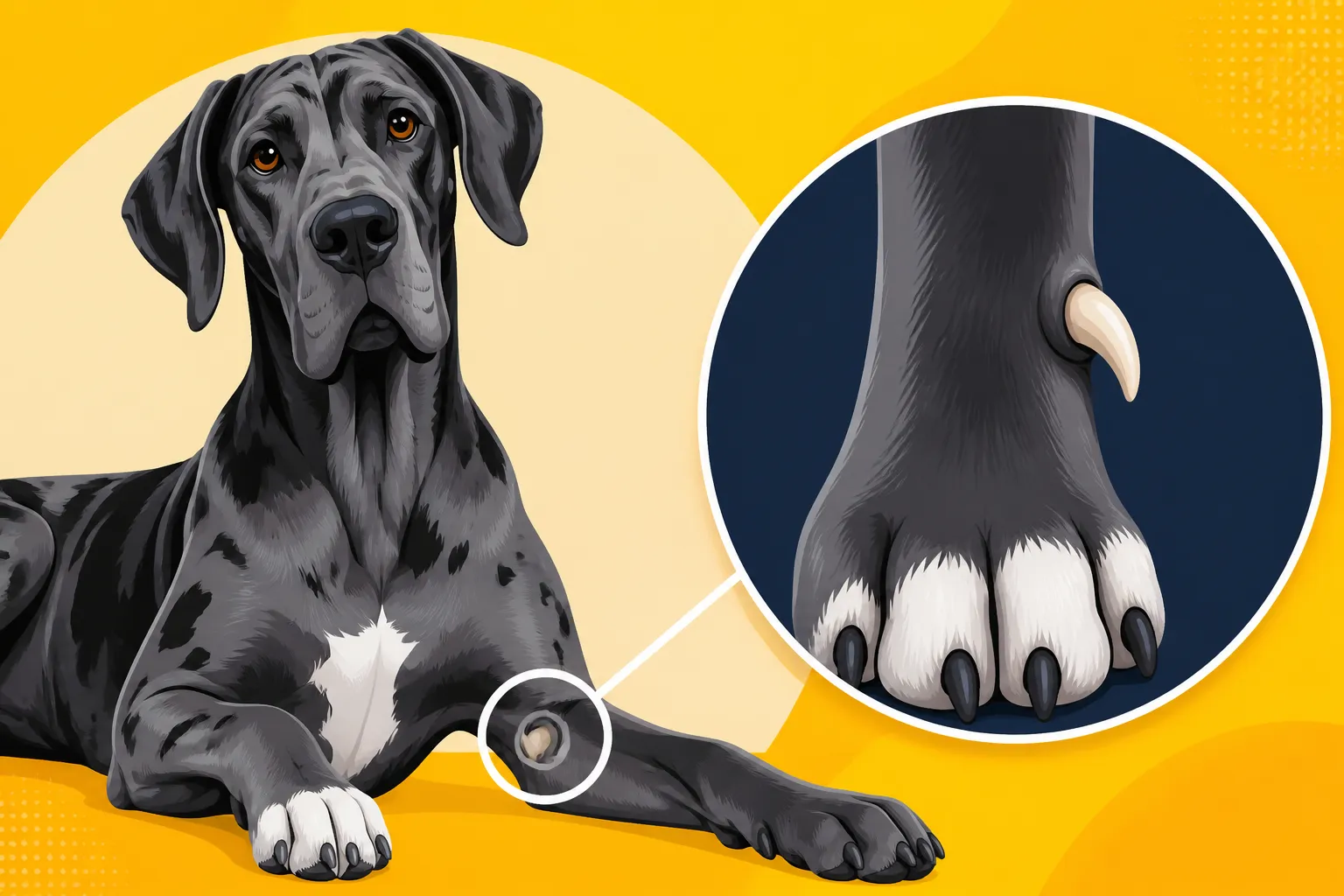
You might notice that your Great Dane has dewclaws on its front legs, but potentially not on its rear legs, or perhaps only a single dewclaw where some breeds have double. Front dewclaws are essentially the canine equivalent of our thumbs, located on the inside of the leg, a little higher up than the main paw pads. They consist of bone and muscle and are actually connected to the leg structure. This connection means they can offer some stability and grip, particularly when turning sharply or navigating uneven terrain. Think of them as a rudimentary extra digit that might come into play during intense activity.
Rear dewclaws, on the other hand, are often quite different. Many Great Danes don't even have them, and if they do, they are frequently loose or vestigial. This means they might only be attached by skin and not by bone, making them much more prone to getting caught or torn because they flop around more freely. It’s worth a quick check on your own Dane to see if those rear dewclaws are firmly attached or just hanging by a thread. This distinction is crucial because a loose dewclaw is inherently at a higher risk of injury than a well-attached one, regardless of whether it's on the front or back.
Do Great Danes Use Their Dewclaws?
While it might not be as obvious as a cat using its claws to climb, front dewclaws do play a subtle role in a Great Dane's movement and grip. When a Great Dane runs at high speeds, turns sharply, or even lands from a jump, the front dewclaws can make contact with the ground. This contact provides extra traction, acting almost like a "brake" or a stabilizing digit, especially on loose soil or uneven surfaces. Some experts even suggest they help prevent torque on the lower leg and wrist, potentially reducing strain on joints over time. Imagine your Great Dane galloping across a field; those dewclaws can provide a little extra purchase as they dig in for control.
Rear dewclaws, especially the loosely attached ones, offer little to no functional benefit. They are largely considered remnants from evolutionary ancestors and don't contribute to balance, grip, or stability for modern Great Danes. In fact, many breeders will have them removed from puppies shortly after birth, precisely because they serve no purpose and are highly susceptible to injury. This common practice highlights their lack of utility and their potential to become a significant liability if left intact.
The Common Problems Associated with Great Dane Dewclaws
Dewclaws, particularly the easily overlooked ones, are notorious for causing painful problems in Great Danes. Their placement and, in the case of rear dewclaws, their flimsy attachment, make them highly vulnerable. These aren't minor inconveniences; they can lead to significant pain, infection, and emergency vet visits if not addressed.
Nail Snags and Tears: The Weekend Emergency
This is perhaps the most common and distressing dewclaw issue. Because dewclaws are positioned on the inside of the leg and can sometimes be quite long or loosely attached, they are prime candidates for getting caught on things. We're talking about anything from carpeting, blankets, thorny bushes, uneven ground during a walk, or even just another dog’s paw during playful wrestling. When a Great Dane's dewclaw snags, the force of their body weight or momentum can cause the nail to tear, split, or even rip off completely.
The immediate aftermath is usually quite dramatic. A torn dewclaw is often incredibly painful, bleeding profusely, and can be quite alarming to witness. Your Great Dane might yelp, limp, lick the paw incessantly, and become withdrawn. I've had friends describe rushing their Dane to the emergency vet on a Saturday night because a dewclaw was dangling or bleeding uncontrollably. It's not just the pain; the nail bed itself is sensitive and exposed, making it prone to infection if not treated promptly. The Vet Spending a Great Dane Needs Anyway can skyrocket with an emergency vet visit, making prevention even more vital.
Overgrown and Ingrown Dewclaws: Silent Pain
Unlike the other nails on your Great Dane's paws, which naturally wear down somewhat from walking on hard surfaces, dewclaws often don't touch the ground at all. This means they can grow unchecked, curling into a tight spiral. An overgrown dewclaw can eventually curve around and grow directly into the paw pad itself, creating an incredibly painful ingrown nail. Imagine having a sharp nail constantly digging into your skin with every step – that's what your Dane could be experiencing.
This problem can be insidious because it's not always immediately obvious. A Great Dane might show subtle signs of discomfort, like a slight limp, reluctance to walk, or excessive licking of the area. By the time you notice the nail has pierced the pad, it's already an open wound, ripe for infection. It’s particularly common in older or less active Great Danes whose nails might not get trimmed as frequently, or even in puppies if their owners aren't aware of this specific risk. The importance of keeping all nails, especially dewclaws, at a proper length cannot be overstated. You can read more about Nail Length and How a Great Dane Stands for general paw health.
Infections: When a Small Problem Escalates
Whether from a tear, a split, or an ingrown nail, any break in the skin around the dewclaw opens the door for bacterial infection. Great Danes are large dogs that spend a lot of time exploring, and their paws come into contact with all sorts of things, from damp grass to dusty trails. Bacteria from the environment can easily enter an open wound, leading to redness, swelling, pus, and even fever. An infected dewclaw area will be extremely tender, and your Great Dane might resist you touching its paw.
A friend of mine once had a Great Dane develop a nasty infection in an ingrown dewclaw. She thought he was just being fussy about his paws until the swelling became noticeable and he started refusing walks. The vet had to sedate him to properly clean and trim the nail, and then he needed a course of antibiotics. It turned into a much bigger ordeal than it needed to be, all starting from a dewclaw that had just been allowed to grow too long. Prompt attention to any injury, no matter how small it seems, is crucial to prevent these kinds of escalating issues.
How to Care for Your Great Dane's Dewclaws
Proactive care is the absolute best way to prevent dewclaw problems. Given the potential for serious injury and infection, making dewclaw maintenance a regular part of your Great Dane's grooming routine is non-negotiable.
Regular Trimming: The Most Important Step
Because dewclaws don't wear down naturally, they require consistent trimming, often more frequently than the other nails on the paw. For most Great Danes, this means trimming every 2-4 weeks, depending on how fast their nails grow. The goal is to keep the nail short enough so it doesn't curl or get caught on anything. If you let it get too long, the quick (the sensitive part of the nail with blood vessels and nerves) will also grow longer, making it harder to trim back without causing pain or bleeding.
Establishing a routine from puppyhood is ideal. Even if your Great Dane puppy is still small enough to pick up, getting them used to having their paws handled and nails trimmed will save you a world of struggle later when they weigh well over 100 pounds. Make it a positive experience with plenty of treats and praise. For general growth and development, you might find Bone Development Problems in a Great Dane Puppy helpful as well.
Tools and Techniques for Giant Paws
Trimming a Great Dane's dewclaws requires the right tools and a bit of technique. Large, sharp clippers designed for strong nails are essential. Pincer-style or guillotine-style clippers can work, but make sure they are heavy-duty enough for a Dane's thick nails. Many owners, however, find a Dremel-style rotary tool (nail grinder) to be a safer and more effective option, especially for dewclaws. Grinders allow for gradual shortening and smoothing, reducing the risk of cutting into the quick and making a painful experience for your dog. You can find excellent quality clippers and grinders on sites like Chewy or Amazon, often with reviews from other large dog owners.
When trimming, always be cautious. Identify the quick if you can (it's often visible as a pink area in lighter nails, but harder to see in black nails). Only trim a small amount at a time. If using clippers, take small snips off the tip. If using a grinder, just touch the nail for a few seconds, letting it cool, then repeat. For those tricky dewclaws, it helps to have your Great Dane lie down, or if they're comfortable, sit and offer a paw. A second person can be invaluable, offering treats and distraction while you focus on the trim. If your Great Dane truly resists, even with positive reinforcement, consider professional help from a groomer or vet. Trimming Nails a Great Dane Will Not Give You is a real problem, so don't be afraid to seek assistance.
Here’s a quick comparison of common tools for Great Dane dewclaw care:
| Feature | Nail Clippers (Scissor/Guillotine) | Rotary Tool (Dremel-style Grinder) |
|---|---|---|
| Speed | Faster initial trim | Slower, more gradual removal |
| Precision | Requires careful hand for quick avoidance | Allows for precise shaping and smoothing |
| Risk of Quick | Higher if not careful; can cause bleeding | Lower if done gradually; less chance of bleeding |
| Noise | Quiet "snip" | Vibrates and makes a grinding noise (can scare some dogs) |
| Effectiveness | Excellent for regular maintenance | Ideal for overgrown nails or maintaining short length |
| Cost | Generally lower | Higher initial investment |
| Training Needed | Familiarity with quick location | Desensitization to sound and vibration |
Preventative Measures: Bedding and Activity
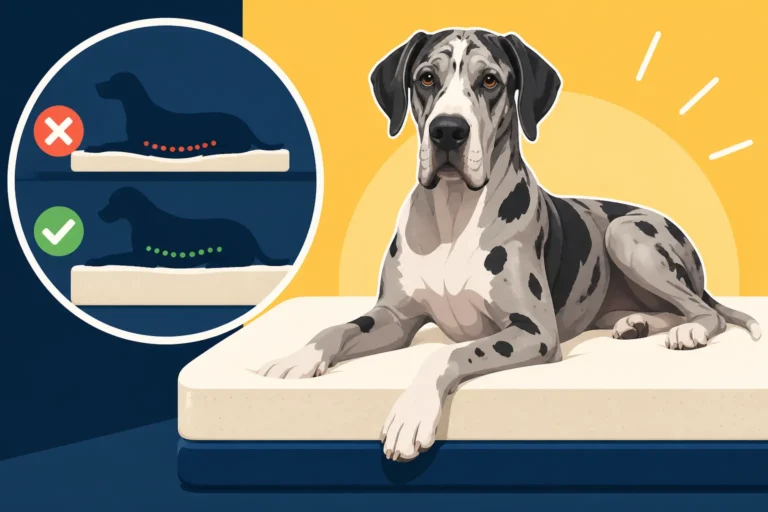
Beyond trimming, there are other preventative measures you can take. Providing proper bedding is crucial, not just for their joints but also for protecting their paws. Soft, supportive beds help cushion their bodies and keep their dewclaws from snagging on rough surfaces like hard floors or worn carpets. Consider orthopedic beds, available from retailers like Chewy, which offer dense foam support for your giant breed.
Regular, appropriate exercise on varied surfaces can help keep the other nails worn down, but always be mindful of where your Great Dane is running. Avoid areas with dense undergrowth, sharp rocks, or debris that could catch a dewclaw. If you're out hiking or exploring, consider protective paw boots, especially if your Great Dane has loose rear dewclaws or a history of snags. While they might look a bit silly, they can be a game-changer for prevention. Remember that activity levels change as your dog ages, so adjusting care as you are Caring for a Great Dane Past Six is important.
When to Consult a Vet About Dewclaw Issues
Sometimes, despite your best efforts, a dewclaw emergency happens, or a problem develops that's beyond home care. Knowing when to call the vet is crucial for your Great Dane's health and comfort.
Signs That Demand Immediate Attention
If you notice any of the following, don't hesitate to contact your veterinarian:
- Excessive Bleeding: If a dewclaw is torn or broken and bleeding profusely, and you can't stop it with direct pressure within a few minutes, it's time for an emergency vet visit. Significant blood loss is rare, but the persistent bleeding needs professional attention to prevent infection and address the pain.
- Dangling or Partially Torn Nail: A dewclaw that's partially ripped off and dangling is excruciatingly painful and needs to be professionally removed and the wound treated. Trying to remove it yourself could cause more damage and pain.
- Signs of Infection: Redness, swelling, pus, a foul odor, heat to the touch, or your Great Dane repeatedly licking or limping indicate an infection. This requires veterinary assessment and likely antibiotics.
- Severe Lameness or Pain: If your Great Dane is suddenly refusing to put weight on a paw, yelping when you try to touch it, or showing other signs of severe pain, a vet needs to examine the paw to rule out serious injury.
- Deep Ingrown Nail: If a dewclaw has already grown deeply into the paw pad, it's an open wound that needs professional cleaning, trimming, and possibly antibiotics. Don't attempt to dig it out yourself, as this can cause more trauma and pain.
Remember, Great Danes are big, and what might be a minor issue for a small dog can be a significant challenge for a giant breed. They have a high pain tolerance sometimes, so if they are showing clear signs of discomfort, it's usually serious.
Dewclaw Removal: Is It Necessary?
Dewclaw removal is a decision often debated among Great Dane owners and veterinarians. For front dewclaws, which are typically well-attached and serve some minor functional purpose, removal is generally only considered if there are recurring, severe injuries that can't be managed with regular care. It's a surgical procedure and comes with its own risks and recovery period.
For rear dewclaws, especially those that are loosely attached (vestigial), removal is a much more common and often recommended procedure. Many breeders choose to have these removed when puppies are just a few days old, as it's a quick procedure with minimal discomfort for the newborn pup. If your Great Dane has loose rear dewclaws that were not removed at birth and they are constantly getting injured, your vet might recommend surgical removal. This is usually done under general anesthesia, often at the same time as a spay or neuter to minimize the number of times your dog needs to go under. While it might seem drastic, removing a problematic, non-functional dewclaw can significantly improve your Great Dane's quality of life and prevent future pain and veterinary bills. Always discuss the pros and cons with your veterinarian, considering your Great Dane's individual activity level and history of injury.
Disclaimer
This article is for general informational purposes only and does not constitute professional advice. Laws, prices and regulations vary by location and change over time. Consult a qualified professional for guidance on your specific situation.