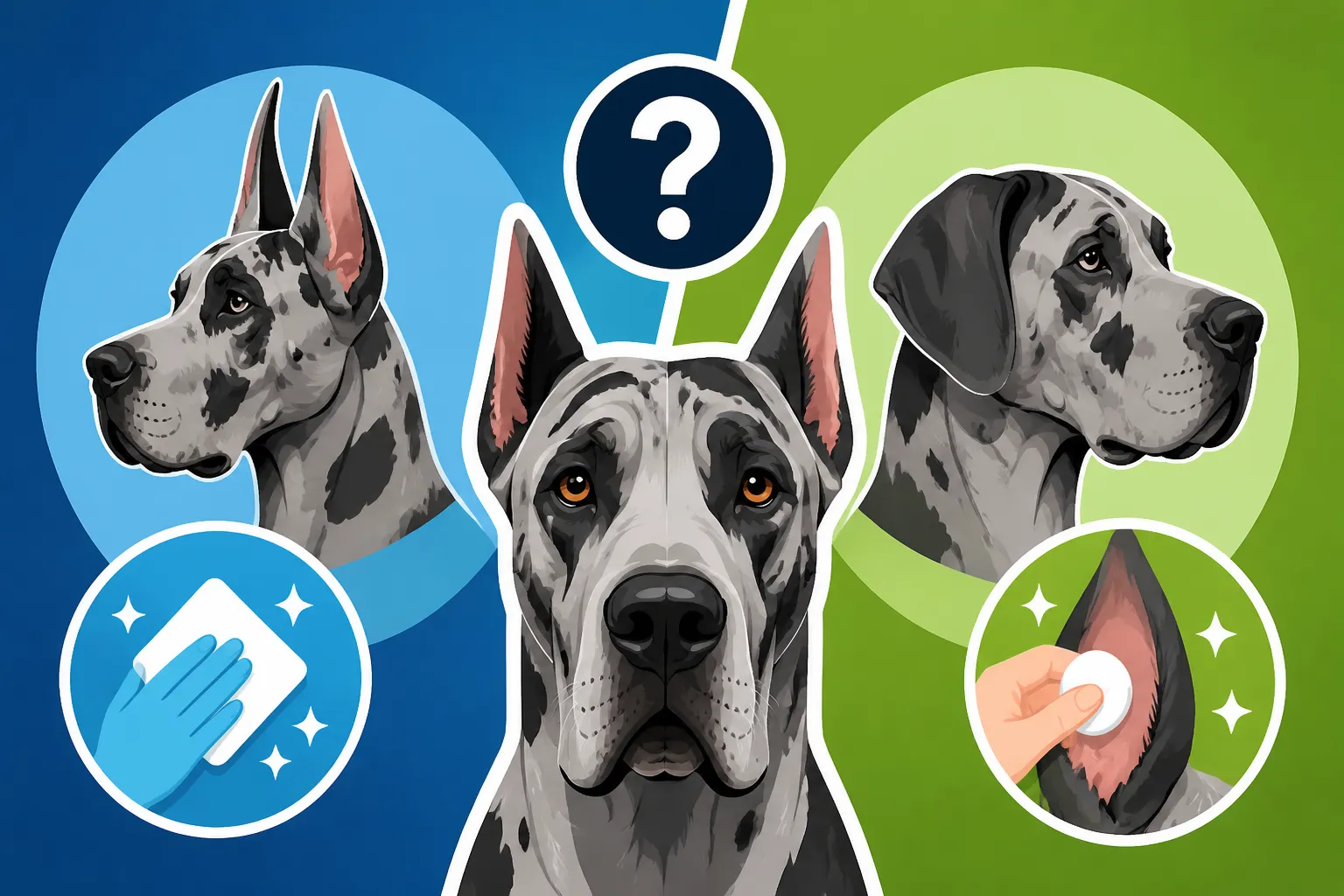
Whether Cropped Great Dane Ears Need Different Care
Bringing home a Great Dane puppy with freshly cropped ears, or even considering the process, often brings a wave of questions for new owners. Beyond the initial surgery, many wonder if these elegantly shaped ears demand a completely different routine compared to their natural, floppy counterparts. It's a valid concern, as the commitment to cropped ears extends far beyond the vet's office, requiring dedication to aftercare that is indeed distinct and crucial for proper healing and appearance. This guide will walk you through the specific care requirements for cropped Great Dane ears, from the immediate post-surgical phase to long-term maintenance, and highlight how this differs from caring for natural ears.
The Initial Aftermath: Caring for Freshly Cropped Great Dane Ears
When you first welcome a Great Dane with cropped ears, whether you had the procedure done yourself or adopted a puppy that already had it, you're stepping into a period of intensive aftercare. This isn't just about aesthetics; it's about ensuring proper healing and preventing complications that can lead to pain, infection, or even permanent disfigurement. The first few weeks and months are critical.
The Immediate Post-Surgery Phase
The very first days after ear cropping surgery are all about managing pain and preventing infection. Your Great Dane puppy will have stitches and likely a head wrap or a "halo" device to protect the ears from being scratched or bumped. They will also almost certainly be sporting the infamous "cone of shame." As a responsible owner, your job is to keep that cone on, no matter how much they try to rub it off or how pitiful they look. This cone is their best friend in preventing self-trauma, which can easily tear stitches or introduce bacteria.
During this time, your vet will likely prescribe pain medication to keep your puppy comfortable. Administering this on schedule is vital, as a comfortable puppy is less likely to fuss with their ears. You'll also need to keep the incision sites clean and dry, usually with a gentle wipe recommended by your vet. Any signs of excessive redness, swelling, or discharge, or a foul odor, demand an immediate call to your veterinarian. This initial period is tough, as your puppy might be a bit subdued or even grumpy, and managing their activity to prevent jostling their healing ears can feel like a full-time job. It’s a huge relief when those first stitches finally come out, but that’s just the beginning of the journey.
The Posting and Taping Process
Once the initial stitches are removed and the edges of the ears have begun to heal, the real work of posting and taping begins. This is perhaps the most defining and time-consuming aspect of cropped ear care. The goal of posting is to encourage the ear cartilage to stand erect, which can take weeks or even months, depending on the individual dog and the crop style. You might be asked to bring your puppy to the vet weekly or bi-weekly for professional posting, or your vet may teach you how to do it at home.
The process involves carefully cleaning the ear, then taping it to a support structure (like a backer rod, cotton roll, or Ziploc bag rolled tight) to hold it upright. The tape is applied in a specific way to prevent constriction and allow for air circulation while providing support. This taping usually extends over the top of the head to connect the two ears, creating a "bridge" for stability. Learning to post correctly can feel intimidating at first. You’ll become intimately familiar with various tapes, adhesives, and cleaning solutions. Many owners find instructional videos or work closely with their vet or an experienced breeder for guidance. Patience is key, as is consistency. Skipped postings or improper application can prolong the process or even compromise the outcome. This is where Posting a Great Dane's Ears After Cropping delves into the nitty-gritty of the actual technique.
Monitoring for Infection and Complications
Throughout the entire healing and posting period, vigilance against infection and other complications is paramount. The skin around the crop edges is vulnerable, and moisture or dirt trapped under tape can quickly lead to problems. Always inspect your Dane's ears carefully during each tape change. Look for any signs of irritation: redness, bumps, excessive scratching, or a persistent bad smell.
A slight odor might be normal if the ears have been taped for a few days, but anything strong or unpleasant warrants concern. Swelling, warmth to the touch, or any discharge (yellow, green, or thick) are red flags that could indicate a bacterial or yeast infection. Should you notice any of these, don't try to self-treat; contact your vet immediately. They can assess the situation, culture any discharge if necessary, and prescribe appropriate medication, which might include antibiotics or antifungal agents. It's a continuous balancing act of keeping the ears supported yet allowing them to breathe, and ensuring they remain impeccably clean. This intense monitoring ensures that your Great Dane’s ears heal correctly and beautifully.
Long-Term Maintenance for Fully Healed Cropped Ears
Once your Great Dane’s ears are standing proud and fully healed – a milestone that can take anywhere from three months to over a year – the intensive posting routine can finally stop. But "healed" doesn't mean "forgotten." There's still a specific long-term care regimen that helps keep cropped ears healthy and prevents potential issues. This phase is considerably less demanding than the initial aftercare, but it's still different from the care a Great Dane with natural ears requires.
Routine Cleaning and Inspection
With cropped ears, the focus of cleaning shifts from the external incision sites to the internal ear canal, much like with natural ears, but often with less frequency required for the former. The upright position of a cropped ear allows for better air circulation within the ear canal, which naturally helps to keep it drier and less hospitable to yeast and bacteria. This can be a huge relief compared to the floppy ears.
For routine cleaning, you'll want to use a dog-specific ear cleaner, recommended by your vet. A simple wipe with a soft cotton ball or gauze pad around the visible parts of the ear canal, gently removing any wax or debris, is usually sufficient. Avoid using cotton swabs deep inside the ear, as this can push debris further in or damage the delicate structures. A quick visual inspection during each cleaning helps you spot any unusual redness or odor early on. Brands like Chewy and Amazon offer a wide selection of effective, vet-approved ear cleaning solutions designed for dogs. This routine is generally much simpler than that required for dogs with floppy ears, which are more prone to trapping moisture and developing infections. For more on this, you might find Ear Cleaning on a Cropped or Natural Great Dane to be very helpful.
Protecting the Ears from Injury
While cropped ears are no longer vulnerable to the trauma of being stepped on or caught in doors like floppy ears might be, their upright position does expose them to different types of minor injury. These ears can be surprisingly delicate, especially the tips. During rough play with other dogs, or when running through dense bushes or brush, the ear tips can get scratched, torn, or otherwise damaged.
Imagine your Dane bounding through tall weeds or playfully nipping at a friend's ear; a quick snag on a branch or a playful tug could cause a minor tear. While not life-threatening, these can be painful and may require a vet visit to clean and treat, sometimes even needing stitches for deeper wounds. Owners of cropped Danes often learn to be more mindful of their dog’s environment during play, ensuring ample space and keeping an eye on interactions. Just like any other part of their body, protecting their ears means being aware of potential hazards.
Sun Protection for Exposed Ear Tips
One often overlooked aspect of long-term care for cropped Great Dane ears is sun protection. The ear leather, especially at the tips, is thinner and more exposed to the sun's rays than a natural, fur-covered ear flap. This is particularly true for Great Danes with lighter coats, like Harlequins or Merles, or those with less pigmentation on their ear tips. Just like human skin, these exposed areas can get sunburned.
A sunburned ear tip can be painful, red, flaky, and in severe cases, even blister. Repeated sunburns can also increase the risk of skin cancer over time. If your Great Dane spends a lot of time outdoors, especially during peak sun hours or in sunny climates, consider applying a dog-safe sunscreen to their ear tips. There are pet-specific sunscreens available on platforms like Chewy and Amazon that are formulated without harmful ingredients. A small dab rubbed in before a long day at the park or beach can make a big difference in keeping those delicate ear tips healthy and comfortable.
Contrasting Care with Natural, Floppy Great Dane Ears
It’s easy to focus solely on the intricacies of cropped ear care, but understanding the differences from natural ears really highlights why the commitment is so significant. Many Great Danes today live happy, healthy lives with their natural, floppy ears, and their care routine, while different, is often less intensive in the early stages.
The Simplicity of Natural Ear Care
For Great Danes with natural ears, there's no surgical recovery, no posting, and no prolonged period of meticulous aftercare. The initial phase is, by comparison, much simpler. When you bring home a puppy with natural ears, your primary concern is generally routine health and socialization, not ear structure. The care mostly involves regular cleaning and monitoring for general health issues.
Routine care for natural ears typically means a weekly or bi-weekly check and wipe-down with a vet-approved ear cleaner. The ear canal is still susceptible to wax buildup and dirt, just like cropped ears, but the primary difference lies in the environmental factors the floppy ear creates. This straightforward approach allows owners to focus more on what a Great Dane puppy needs first in terms of overall health, training, and bonding, without the added stress of a lengthy cosmetic recovery process.
Increased Risk of Ear Infections in Natural Ears
While the initial care for natural ears is less intensive, they do come with their own specific challenges, most notably an increased predisposition to ear infections. The long, floppy ear flap covers the ear canal, creating a warm, dark, and often moist environment. This trapped moisture and reduced airflow are ideal breeding grounds for yeast and bacteria, leading to a higher incidence of otitis externa (ear infections).
Signs of an ear infection in a natural-eared Dane include head shaking, scratching at the ears, redness or swelling inside the ear flap, a strong unpleasant odor, or discharge. If left untreated, these infections can become chronic, painful, and in severe cases, lead to more serious inner ear problems. Owners of natural-eared Danes often become adept at recognizing early signs and may use preventive ear cleaners, particularly if their dog loves to swim. It's a continuous management effort to keep the ears dry and clean inside, especially after baths or water play. This is a common reason why some owners opt for cropping, hoping to reduce this long-term risk. Whether a Great Dane's Ears Trap Infection is a post that expands on this very issue.
Grooming Needs for Both Types
When it comes to general grooming, both cropped and natural-eared Great Danes require regular attention, but the specifics around the ears differ. For natural ears, regular lifting of the ear flap to allow air to circulate during grooming sessions, along with a thorough check and clean of the visible ear canal, is essential. During baths, extra care must be taken to prevent water from entering the ear canal, which can exacerbate moisture issues.
With cropped ears, the external ear is typically much easier to keep clean and dry during a bath. There's no large flap to contend with, and drying time for the outer ear is minimal. However, as mentioned before, the exposed ear tips might need sun protection. Otherwise, brushing and general coat care remain the same for both. Whether your Great Dane has cropped or natural ears, understanding the subtle differences in ear care ensures they remain healthy and comfortable throughout their lives. You might find that products like specific grooming wipes or drying solutions from platforms like Chewy or Amazon can be beneficial for both types of ears, catering to different needs.
Common Concerns and Misconceptions
The decision to crop a Great Dane's ears, or to adopt one with them, is often met with strong opinions and, sometimes, misinformation. It's important to address common concerns and clear up misconceptions to ensure owners are fully informed and prepared for the reality of caring for cropped ears. This isn't a decision to take lightly, and the care involved is a significant part of the commitment.
Addressing Pain and Discomfort
One of the most frequent concerns surrounding ear cropping is the perceived pain and discomfort for the dog. It's crucial to understand that the cropping procedure itself is performed by a veterinarian under general anesthesia. This means the dog feels no pain during the surgery. Post-operatively, pain management is a top priority. Vets prescribe appropriate pain medications to ensure the puppy remains as comfortable as possible during the initial healing phase.
While the posting process can be annoying and sometimes itchy for the puppy, especially when they're learning to tolerate the tape, it should not be overtly painful if done correctly. Any signs of extreme discomfort, crying, or persistent pain during posting are red flags that warrant immediate veterinary attention. A properly executed crop and diligent aftercare aim to minimize suffering, but it does require constant vigilance from the owner to ensure the puppy's comfort and health throughout the entire process. This is why discussions around Anesthesia Risk in a Great Dane are important, as any surgical procedure carries inherent considerations.
The Commitment Beyond Aesthetics
It's a common misconception that ear cropping is purely an aesthetic choice with no further implications. In reality, it represents a substantial commitment of time, effort, and financial resources. The cost of the initial surgery, while significant, is only the beginning. Factor in multiple vet visits for tape changes, the cost of specialized posting supplies (tape, backer rods, ear cleaning solutions, protective cones), and potentially additional vet fees if complications arise. Ear Cropping Costs on a Great Dane provides a detailed look at the financial side of this decision.
Beyond the monetary aspect, there's the significant time commitment. Posting ears correctly takes practice and patience, and it needs to be done regularly for months. This isn't a "set it and forget it" procedure; it's an ongoing project that demands dedication. For owners who choose to crop, it's about seeing the process through responsibly, ensuring the best possible outcome for their dog's health and comfort, not just their appearance. It truly becomes a part of the dog's early life and requires a conscientious owner. For overall preparation, you might want to review What to Buy Before a Great Dane Arrives to ensure you're stocked with necessary supplies, not just for the ears but for your new companion generally.
Finding Veterinary Support for Cropped Ears
Finding a veterinarian who is skilled in ear cropping and supportive of its aftercare is absolutely essential. Not all veterinarians perform ear cropping, and some may have ethical objections to the procedure. If you acquire a Great Dane puppy with cropped ears, or if you are considering the procedure, it's vital to discuss this openly with your chosen vet. They should be experienced in the proper surgical technique, pain management, and, crucially, the extensive posting process.
You want a vet who can teach you how to post effectively or who provides excellent re-taping services. It’s also important that your vet is readily available for consultations and interventions if any infections or complications arise during the healing period. Don't be afraid to ask questions about their experience, their recommended aftercare protocol, and their philosophy on ear cropping. A good vet will prioritize your Great Dane's health and well-being throughout the entire process, providing the guidance and support you need. Platforms like Chewy and Amazon can be good resources for general vet-approved supplies, but for the procedure itself and specific aftercare advice, your local vet is your most important partner.
Here’s a comparison of care aspects for cropped versus natural Great Dane ears:
| Aspect | Cropped Great Dane Ears | Natural Great Dane Ears |
|---|---|---|
| Initial Aftercare | Intensive post-surgery care, pain management, wound cleaning, protective cone. | Minimal immediate aftercare, focus on general puppy health. |
| Ongoing Posting | Required for weeks to months (3-12+ months) involving taping and regular changes. | Not applicable. |
| Ear Cleaning Focus | Primarily internal ear canal once healed; external cleaning during posting. Better airflow reduces frequency. | Internal ear canal cleaning is critical due to trapped moisture; often needs more frequent attention. |
| Infection Risk | Higher risk during initial healing/posting (if not meticulously cared for). Lower risk in healed, upright ears. | Higher risk of bacterial/yeast infections due to trapped moisture and lack of airflow. |
| Injury Risk | Exposed tips can be susceptible to nicks/tears from play or environment. | Floppy ears can be stepped on, caught, or injured during rough play. |
| Sun Protection | Often necessary for exposed ear tips, especially on lighter-colored Danes. | Generally not needed as ear leather is covered by hair/flap. |
| Grooming During Bath | Easier to keep dry externally. | Requires care to prevent water entering the ear canal. |
| Time Commitment | Very high during initial healing and posting phase. | Low for routine care, but potentially higher for managing frequent infections. |
| Financial Cost | Significant for surgery, follow-up vet visits, and specialized supplies. | Generally lower, only for routine cleaning supplies and potential infection treatments. |
Disclaimer
This article is for general informational purposes only and does not constitute professional advice. Laws, prices and regulations vary by location and change over time. Consult a qualified professional for guidance on your specific situation.