Whether a Great Dane Overheats Easily
It's truly heartbreaking and often terrifying to see your beloved Great Dane struggling in the heat. Their sheer size, while majestic, unfortunately also makes them incredibly susceptible to overheating, a condition that can escalate from uncomfortable to life-threatening in what feels like mere minutes. This guide is here to walk you through why Great Danes face this challenge, how to spot the early warning signs, and most importantly, how to proactively protect your gentle giant and respond effectively if they do get too hot.
The Great Dane's Physiology and Heat Tolerance: Why Size Matters
When you look at a Great Dane, their large, lean, muscular frame is immediately striking. What many people don't realize is that this very build, combined with other physiological factors, makes them inherently less efficient at regulating their body temperature compared to smaller breeds, or even some other large dogs. It’s not just about their short coat; it’s a whole system at play.
The Double-Edged Sword of Being a Giant Breed
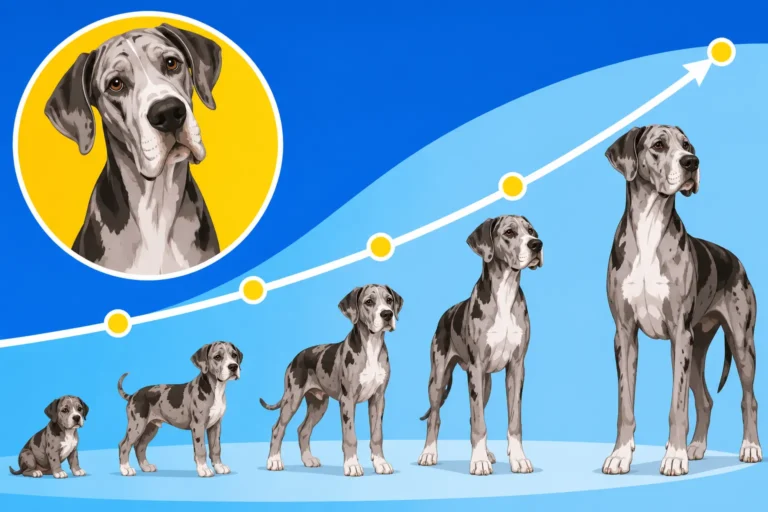
Think about it: a Great Dane can weigh well over a hundred pounds, sometimes pushing past 150 or even 170 pounds for a large male. All that mass generates a significant amount of metabolic heat just from normal bodily functions and movement. Unlike smaller dogs, who have a larger surface area relative to their body volume, Great Danes have a relatively smaller surface area, meaning there's less skin through which to dissipate that internal heat into the environment. It's like trying to cool a giant pot of soup versus a tiny teacup; the large pot holds heat much longer.
This physical reality means that on a warm day, a Great Dane's core temperature can rise much faster and fall much slower than a small terrier's. Their massive muscle groups, while powerful, also contribute to this internal furnace effect. When they move, those muscles work, generating even more heat, and there's nowhere for it to go quickly. It’s a constant battle for their bodies to maintain a safe temperature, especially when external factors like high ambient temperatures and humidity come into play. This is part of Why a Great Dane Ages Faster Than Smaller Dogs; their systems are simply under more strain.
Coat Type, Activity Level, and Breathing Challenges
While a Great Dane's short, smooth coat might seem like a blessing in hot weather, offering less insulation than, say, a Newfoundland's thick double coat, it's not a complete shield against overheating. The short coat does very little to cool them; it mainly prevents excessive insulation. The real cooling for dogs comes primarily through panting, which allows for evaporative cooling from the respiratory tract.
Great Danes, despite their "gentle giant" reputation, can also be surprisingly energetic and playful, especially when they are younger. A quick burst of zoomies in the yard, a vigorous game of fetch, or even just an excited greeting at the door can elevate their body temperature rapidly. If this happens on a warm, humid day, their natural cooling mechanisms can quickly become overwhelmed. While they are typically dolichocephalic (long-nosed), which is generally better for cooling than brachycephalic (short-nosed) breeds, the sheer volume of air they need to move can still be a challenge. Any existing respiratory issues, even mild ones, can further complicate their ability to cool down effectively. Their large airways, while generally efficient, still require effort to move enough air for adequate evaporative cooling when they're truly hot.
Recognizing the Red Flags: Signs Your Great Dane is Overheating
Understanding why Great Danes overheat is one thing, but knowing how to recognize it in real-time is absolutely critical. The signs can be subtle at first, easily dismissed as normal dog behavior, but they can quickly escalate. You need to be vigilant, especially during warmer months or after any exertion.
Early Warning Signs You Might Overlook
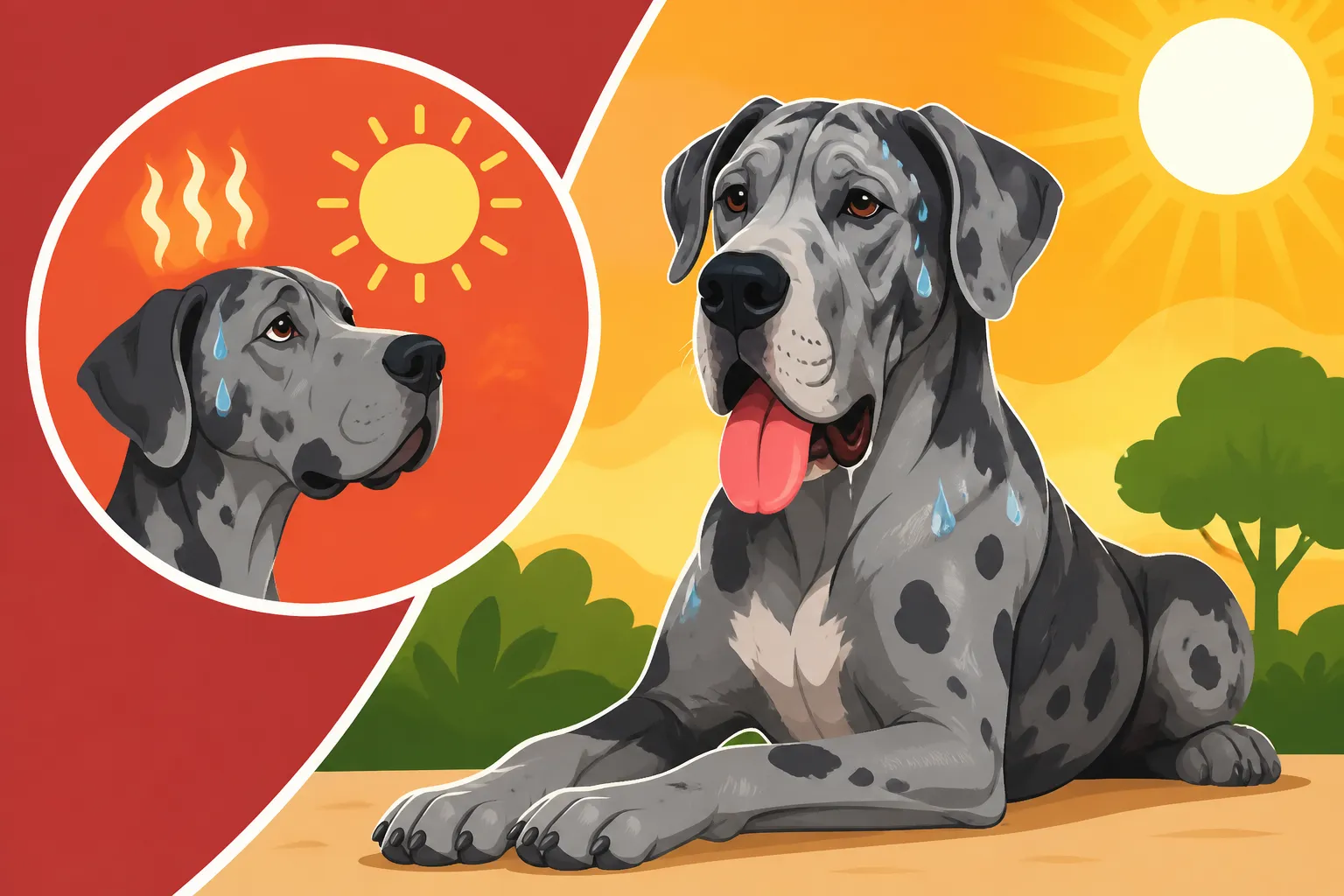
The very first sign of overheating in a Great Dane is almost always excessive panting. Now, all dogs pant, especially after some activity or in warm weather. But for a Great Dane, "excessive" means panting that seems more rapid, more labored, or prolonged even after they've stopped exercising. Their chest might heave visibly, and you might hear them making louder panting noises than usual. Accompanying this might be an increase in drooling, which, let's be honest, Great Danes are already champions at! But if the drool is thicker, more copious, and stringy, it's a definite red flag.
You might also notice their gums appear a darker red than normal. This indicates increased blood flow to the surface to try and dissipate heat. They might also become visibly restless, trying to find the coolest spot on the floor, pacing, or seemingly unable to settle. A rapid heart rate, even when resting, is another key indicator. Pay close attention to their behavior: are they usually up for a walk but suddenly dragging their feet? Are they seeking shade more aggressively than usual? These are their subtle ways of telling you they’re struggling. Knowing A Great Dane That Cannot Finish a Walk is crucial, as it could be an early sign.
Advanced and Dangerous Symptoms
If the early signs are missed or ignored, the situation can quickly become an emergency. Advanced symptoms of overheating are truly alarming and require immediate intervention. These include staggering or stumbling, disorientation, and a loss of coordination. Your Dane might look confused or struggle to respond to commands. Their gums might start to look pale or even bluish, indicating poor circulation. They may vomit, perhaps even with blood, or experience diarrhea, which further dehydrates them and exacerbates the problem.
In severe cases, a Great Dane might collapse completely, suffer seizures, or lose consciousness. Their body temperature can soar past 106°F (41°C), leading to organ damage, kidney failure, and ultimately, death if not treated immediately. This isn't just "being a little too warm"; it's a medical crisis. The speed at which these giant dogs can deteriorate is frightening, making early recognition and swift action paramount. It’s why understanding What to Do the Minute a Great Dane Bloats is critical for stomach issues, but equally important for heatstroke, as time is of the essence in both emergencies.
| Symptom Category | Early Warning Signs | Advanced/Critical Symptoms |
|---|---|---|
| Breathing | Excessive, rapid, or labored panting | Extreme panting, gasping, noisy breathing |
| Mouth/Gums | Increased, thicker drooling; bright red gums | Pale or bluish gums; dry nose; thick, foamy drool |
| Behavior | Restlessness, pacing, seeking shade; decreased energy | Staggering, disorientation, collapse, weakness, seizures |
| Body Temp | Feeling warm to the touch | Very high body temperature (e.g., above 104°F/40°C) |
| Other | Rapid heart rate | Vomiting, diarrhea (possibly bloody); unconsciousness |
Proactive Steps: Keeping Your Great Dane Cool and Safe
Preventing overheating is always better than reacting to it. With a Great Dane, being proactive and mindful of their unique needs regarding heat is a year-round commitment, not just a summer concern. Thoughtful planning can make all the difference in keeping your big buddy comfortable and healthy.
Strategic Timing and Activity Modifications
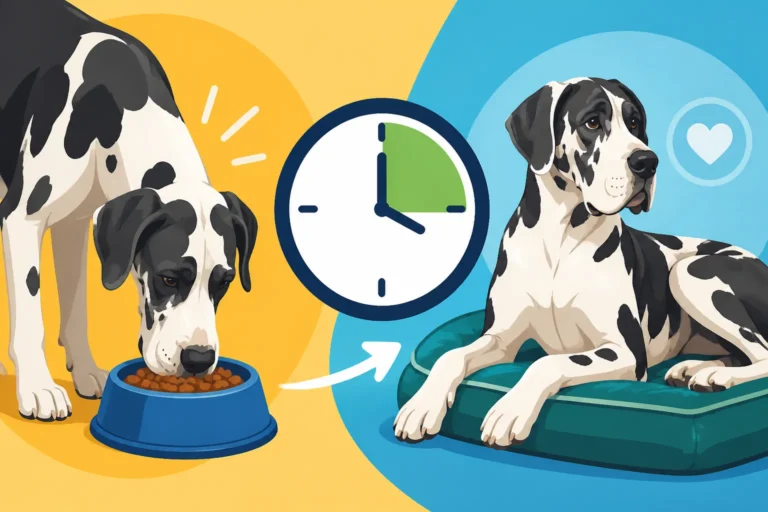
One of the simplest yet most effective ways to prevent overheating is by adjusting your Great Dane's schedule. During the hotter months, avoid walks, strenuous play, or any prolonged outdoor activity during the peak heat of the day, which is typically between 10 AM and 4 PM. Instead, aim for early morning excursions when the air is still cool and the pavement hasn't absorbed the day's heat. Evening walks, once the sun has begun to set and temperatures drop, are also a great option. Remember, asphalt and concrete can get incredibly hot, easily burning sensitive paw pads and radiating heat back up to your Dane's body.
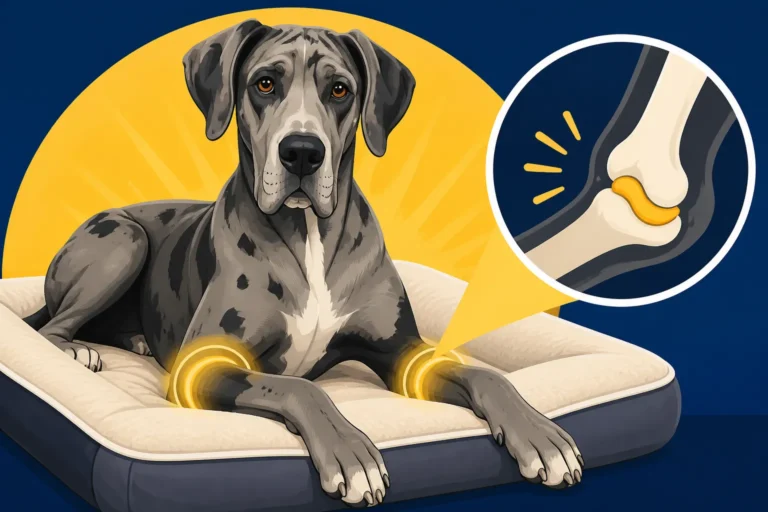
If outdoor activity isn't feasible during cooler hours, consider indoor alternatives. Puzzle feeders are fantastic for mental stimulation and can keep your Dane engaged without significant physical exertion. You can find a wide variety of these on Chewy or Amazon, ensuring you pick one durable enough for a giant breed. Indoor games, like hide-and-seek with treats, can also provide fun without pushing their limits in the heat. It’s about being smart with their energy expenditure. This directly ties into advice on Wearing Out a Great Dane Without Wrecking Its Joints because excessive heat can exacerbate joint strain.
Hydration, Cooling Aids, and Environmental Control
Constant access to fresh, cool water is non-negotiable for a Great Dane, especially when it's warm. Their large bodies require significant hydration. Always have multiple water bowls available, both indoors and outdoors, and consider adding ice cubes to their water to keep it cool. When you're out and about, carry a portable water bottle and a collapsible bowl; never rely on finding water when your Dane needs it most. You might be surprised by How Much Water a Great Dane Drinks a Day, so be prepared.
Investing in cooling aids can also be a game-changer. Cooling mats, often filled with a pressure-activated gel, can provide a wonderfully cool spot for your Dane to lie down. Cooling vests or bandanas, which you soak in water and then put on your dog, use evaporative cooling to help lower their body temperature. You can find these readily available on sites like Amazon. For their resting areas, ensure their bedding is breathable and doesn't trap heat. Orthopedic beds made with cooling gel memory foam or elevated cots can improve airflow and prevent hot spots. Speaking of beds, ensuring they have appropriate Bedding That Prevents Great Dane Hygromas can also contribute to overall comfort and well-being.
Indoors, use air conditioning or fans to keep your home comfortable. If you don't have AC, consider drawing curtains or blinds to block out direct sunlight and using fans to circulate air. If traveling in the car, make sure your vehicle's AC is working well, and never leave your Great Dane unattended, even for a few minutes, as car interiors can heat up dangerously fast.
Nutritional Support and Weight Management
A healthy, appropriate diet plays an indirect but important role in heat tolerance. Dogs generate internal heat through the digestion of their food. While a high-quality diet won't prevent heatstroke, an optimized diet can contribute to overall health, which in turn helps their body cope better with environmental stressors. Some owners find that feeding a fresh, whole-food diet, perhaps from services like Ollie (which offers customized meal plans), can contribute to a leaner physique and potentially a more efficient metabolism, though always consult your vet about dietary changes for a giant breed.
Maintaining a lean body condition is paramount for Great Danes. Keeping a Great Dane Lean for Its Joints is critical, but it also directly impacts their ability to cope with heat. Excess weight acts as insulation, making it even harder for their bodies to cool down. It also puts more strain on their cardiovascular and respiratory systems, which are already working harder in hot conditions. Talk to your veterinarian about your Great Dane's ideal weight and how to achieve or maintain it through proper portion control and appropriate exercise.
Emergency Protocol: What to Do When Your Dane Overheats
Despite all your best efforts, sometimes overheating can still occur. When it does, your immediate actions can dramatically influence the outcome. Knowing exactly what to do can be the difference between a swift recovery and a serious emergency. Don't panic, but act quickly and decisively.
Immediate Actions to Take
The very first thing you need to do is get your Great Dane out of the heat source. This means moving them indoors to an air-conditioned space, or at the very least, into deep shade. Next, you need to start actively cooling them down. However, it's crucial not to use ice-cold water, as this can cause blood vessels to constrict, which traps heat in their core and can lead to shock. Instead, use cool (not freezing) water.
Saturate towels with cool water and place them over their neck, armpits, and groin – areas where major blood vessels are close to the surface. You can also wet their paws and the underside of their belly. If you have access to a hose, gently wet their entire body with cool water, focusing on their back and sides. A fan directed at them can also help with evaporative cooling. Offer them small amounts of cool (not cold) water to drink, but don't force it, especially if they are disoriented or struggling to swallow, as it could lead to aspiration. Continue these cooling efforts for about 10-15 minutes, or until you see some improvement in their panting and demeanor.
When to Seek Veterinary Intervention
Even if your Great Dane seems to be recovering, it is always advisable to contact your veterinarian immediately after an overheating incident. Heatstroke can cause internal damage to organs that isn't immediately visible, and a vet can assess the extent of any potential damage and provide necessary supportive care. They might recommend blood work or other diagnostics to check kidney function, liver enzymes, and electrolyte balance.
If your Dane shows any of the advanced symptoms discussed earlier – collapse, seizures, severe disorientation, or vomiting/diarrhea – do not hesitate. Get them to an emergency veterinary clinic immediately. While en route, continue your cooling efforts in the car as much as safely possible, perhaps by wrapping them in cool, wet towels. The window for effective treatment for severe heatstroke is very narrow, often measured in minutes. Prompt professional medical attention is critical to prevent irreversible organ damage or death. Never assume your Great Dane is "fine" just because they seem to cool down a bit; internal damage might still be progressing. This is similar to the urgency required in Driving a Bloating Great Dane to the Emergency Vet, where time is truly of the essence.
Disclaimer
This article is for general informational purposes only and does not constitute professional advice. Laws, prices and regulations vary by location and change over time. Consult a qualified professional for guidance on your specific situation.