The Club That Keeps the Great Dane Standard
It can feel a little overwhelming when you start looking into bringing a magnificent Great Dane into your life. You hear terms like "breed standard" and "parent club," and it's easy to wonder if this is just a fancy set of rules for dog show enthusiasts, or if it actually matters for you and your future gentle giant. This guide will demystify the organization behind the Great Dane breed standard and explain why their work is absolutely crucial for the health, temperament, and overall well-being of the dogs we love.
The Importance of a Breed Standard and Who Sets It
When you picture a Great Dane, a certain image likely comes to mind: a towering, elegant dog with a proud head and a calm, friendly demeanor. That consistent image isn't accidental; it's the result of generations of dedicated breeders striving to meet a very specific blueprint known as the breed standard. Without such a standard, breeds can lose their defining characteristics, and more importantly, they can lose the health and temperament traits that make them suitable companions.
For every recognized purebred dog, there's a national parent club – a group of passionate individuals and breeders who are deeply committed to their chosen breed. These clubs work closely with larger kennel organizations, like the American Kennel Club (AKC) in the United States, to define and uphold these standards. They are the guardians of the breed's future, ensuring that the essence of what makes a Great Dane a Great Dane is preserved for generations to come. Their work isn't just about winning ribbons; it's about safeguarding the very qualities that draw us to these dogs in the first place.
What Even Is a Breed Standard for a Great Dane?
A breed standard is essentially the definitive written description of the ideal Great Dane. Think of it like the architectural plans for a magnificent building – it details every aspect, from the foundation to the roof, ensuring consistency and structural integrity. For a Great Dane, this means it covers everything from their imposing height and weight to the specific shape of their head, the set of their ears, the color of their coat, and even the way they move. It’s incredibly detailed, down to the angle of their shoulders and the arch of their toes.
But here's the crucial part: it's not solely about aesthetics. The standard also describes the desired temperament, which for a Great Dane, is perhaps one of its most defining characteristics. It outlines the desired personality traits – confidence without aggression, friendliness without shyness. Imagine if breeders weren't guided by this. You could end up with Great Danes that are either too small to be majestic, or worse, have unpredictable temperaments that make them unsuitable for family life. The standard aims for consistency, ensuring that when you get a Great Dane, you're getting a dog that embodies the noble traits the breed is known for. It ensures breeders are always striving for The Great Dane the Show Ring Is Looking For, not just any big dog.
Why We Need a Standard: More Than Just Looks
It's easy to dismiss a breed standard as just a guide for show dogs, something only relevant to those who participate in conformation events. But that couldn't be further from the truth. The standard serves a far greater purpose, influencing everything from a dog's physical health to its ability to be a loving family member. A well-constructed standard, upheld by responsible breeders, focuses on functional soundness. This means promoting a structure that allows a Great Dane to move efficiently and gracefully, reducing strain on their massive joints, which are already prone to issues given their immense size. It considers bone structure, angulation, and overall balance, all of which contribute to a longer, more comfortable life.
Beyond the physical, the standard is a powerful tool for maintaining the breed's famous "gentle giant" temperament. It sets clear expectations that a Great Dane should be friendly, confident, and never timid or aggressive. This is paramount for a dog that can easily outweigh an adult human. Breeding consistently to this temperament guideline helps ensure that the Great Danes entering our homes are dependable and safe companions, living up to The Great Dane's Reputation as the Apollo of Dogs. It's about protecting the breed's integrity, ensuring that future generations embody the best qualities of the Great Dane, both inside and out.
The Great Dane Club of America: Custodians of the Breed
In the United States, the ultimate authority dedicated solely to the Great Dane is the Great Dane Club of America, or GDCA. This isn't just a casual club; it's the official AKC Parent Club for the breed, which gives it significant weight and responsibility. Imagine a dedicated group of enthusiasts, breeders, and owners who live and breathe Great Danes, working tirelessly to promote and protect them. That's the GDCA. They've been around for a long time, evolving with the breed and adapting to new challenges, all while holding steadfast to the core principles that define the Great Dane.
The GDCA acts as the central hub for all things Great Dane in America. They host national specialties, support regional clubs, and serve as an invaluable resource for anyone interested in the breed, from seasoned owners to prospective puppy parents. Their history is rich, reflecting the dedication of countless individuals who have contributed to the breed's journey. Knowing that such an organization exists, with a deep understanding of the breed's nuances, is a huge comfort for anyone looking to responsibly welcome a Great Dane into their home. Their commitment is why we have such a well-defined and beloved breed today. If you're wondering How Old the Great Dane Club of America Is, you'll find they have a long and storied past, signifying decades of dedication.
The GDCA's Core Mission and Values
The Great Dane Club of America has a mission that goes far beyond simply organizing dog shows. At its heart, the GDCA is dedicated to preserving the Great Dane breed as described in the official AKC standard. This involves a multi-faceted approach centered on health, responsible breeding practices, education, and rescue. They understand that a truly exceptional Great Dane isn't just one that looks magnificent; it's one that is healthy, has a stable temperament, and contributes positively to the breed's future.
They actively encourage and support health research into common Great Dane ailments, providing resources and sometimes even funding studies to improve the breed's longevity and quality of life. For breeders, the GDCA offers guidance and a code of ethics, advocating for rigorous health testing and thoughtful breeding decisions that prioritize the well-being of the puppies. For the public, they are a beacon of accurate information, helping to dispel myths and educate new owners on what it truly means to care for a Great Dane. When you see a responsible breeder proudly displaying health certificates, it's often because they adhere to the standards promoted by clubs like the GDCA. They help to guide breeders on The Health Testing a Great Dane Breeder Owes You before bringing puppies into the world.
How the GDCA Maintains the Standard
Maintaining the breed standard is an ongoing, dynamic process that requires vigilance and education. The GDCA plays a pivotal role in this, not just by holding up the existing standard, but by also being the primary body responsible for proposing any necessary refinements or clarifications to the AKC. This means they are constantly reviewing, discussing, and sometimes debating the nuances of what makes an "ideal" Great Dane, ensuring the standard remains relevant and serves the breed's best interests. This is critical as our understanding of genetics and health evolves.
Beyond the written word, the GDCA educates judges, breeders, and the general public on how to interpret and apply the standard. They host seminars, workshops, and educational materials that break down complex aspects of conformation and temperament. Imagine a judge learning how to properly assess a Great Dane's gait or a breeder understanding the precise head proportions desired. This continuous education is vital for consistency across the breed. They also oversee and support various programs, including rescue efforts for Danes in need and performance events that highlight the breed's versatility. In essence, the GDCA works tirelessly to ensure that every Great Dane, whether in a show ring or on a family couch, embodies the noble and gentle spirit that the standard so carefully describes. Their efforts ensure the continuous pursuit of The Great Dane the Show Ring Is Looking For.
Diving Into the Great Dane Standard: What it Means for You
Understanding the Great Dane breed standard isn't just for breeders or those involved in conformation shows. As a prospective or current Great Dane owner, knowing what the standard describes can be incredibly empowering. It provides a benchmark for what a healthy, well-tempered Great Dane should be, helping you make informed decisions when choosing a puppy or understanding your own dog's unique traits. It's about recognizing the qualities that make this breed so special and appreciating the intentional effort that goes into preserving them.
The standard defines both the physical and behavioral characteristics that differentiate a Great Dane from other large breeds. It paints a picture of elegance, power, and gentle dignity, which is precisely what most people are looking for when they consider adopting one of these magnificent animals. By familiarizing yourself with these details, you become a more educated advocate for your dog and for the breed as a whole.
Defining the "Apollo of Dogs": Physical Traits
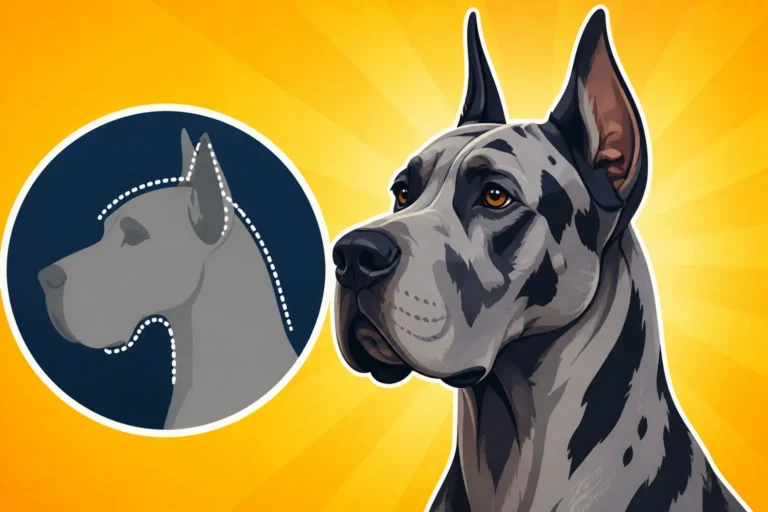
When you read the Great Dane breed standard, you'll immediately notice the emphasis on grandeur and proportion. It describes a dog of imposing size, often starting with minimum heights for males and females, ensuring that a Dane truly lives up to its "giant" reputation. We're talking about dogs that stand tall, with males often reaching The Thirty-Two Inch Male Great Dane at the shoulder, showcasing an impressive outline. The standard meticulously details the head, which should be long, rectangular, and aristocratic, with a distinct stop and powerful jaws. The eyes are usually dark, conveying intelligence and kindness.
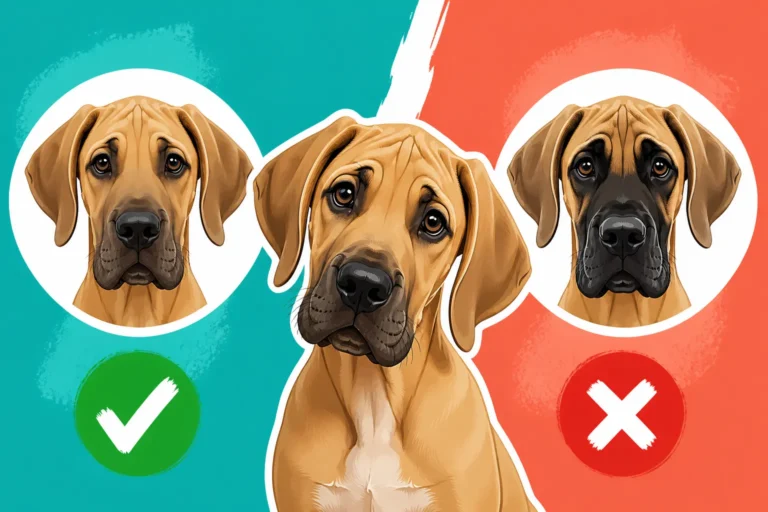
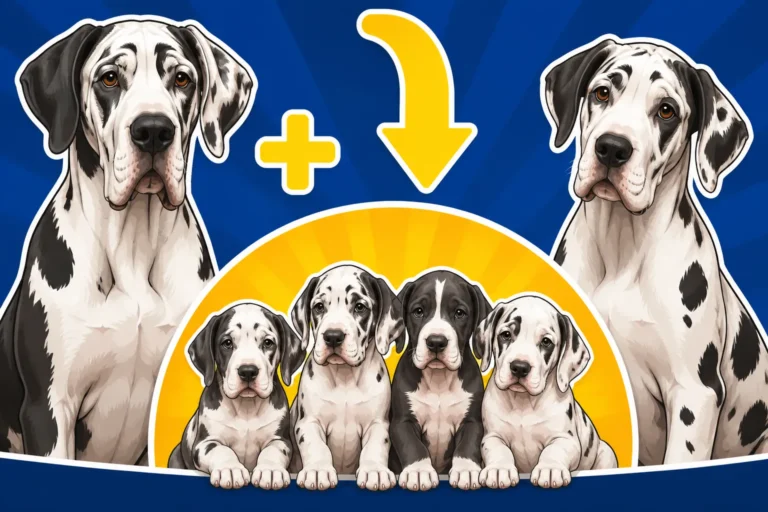
Then there's the coat – short, smooth, and dense – and the seven recognized colors, each with its own specific requirements, such as the black mask expected on a fawn Dane or the distinctive patches on a harlequin. The standard also delves into movement, describing a powerful, long, and easy stride, ensuring the dog can move with grace despite its size. These physical requirements are not arbitrary; they are the distillation of what makes a Great Dane instantly recognizable and truly magnificent. They speak to the breed's historical purpose and its enduring beauty.
The Heart of the Breed: Temperament as Defined by the Standard
While the physical description in the standard is extensive, perhaps the most critical element, especially for everyday owners, is the detailed account of the Great Dane's temperament. The standard is unequivocally clear: a Great Dane should be friendly and outgoing, never shy or aggressive. It describes a dog that is courageous, dependable, and dignified. This isn't just a suggestion; it's a cornerstone of the breed. Imagine trying to manage a 150-pound dog that was timid, fear-aggressive, or overly reactive – it would be a recipe for disaster.
The standard emphasizes the "gentle giant" nature, stressing that shyness is a serious fault, as is unwarranted aggression. This focus on a stable, approachable demeanor is essential for a breed that will interact with people of all ages, including children, and often other pets. Responsible breeders diligently select for these traits, ensuring that their puppies inherit the calm, loving disposition that the breed is famous for. When a Great Dane lives up to the standard's temperament description, they truly embody The Gentle Great Dane Temperament and Its Limits, making them wonderful, albeit large, members of the family.
The Impact of the Breed Standard on Great Dane Health
It’s a common misconception that breed standards are solely about looks, ignoring the vital aspect of a dog’s health. However, a thoughtfully constructed breed standard, particularly one maintained by a conscientious parent club like the GDCA, is intrinsically linked to promoting and preserving the health of the breed. While the standard itself doesn't list specific diseases, it describes a conformation that ideally supports overall vitality and reduces predispositions to certain structural ailments. When breeders adhere to these guidelines, they are not just creating beautiful dogs, but healthier ones too.
The standard helps responsible breeders make informed decisions that look beyond immediate visual appeal. It steers them away from exaggerations that could compromise a dog's health or function, emphasizing balance and moderate structure. For a giant breed like the Great Dane, where every pound and every angle puts stress on their system, adhering to these structural ideals is paramount for reducing the risk of common, often devastating, health issues.
Structurally Soundness and Longevity
The Great Dane standard places a strong emphasis on structural soundness, and for good reason. Given their immense size and rapid growth rate, Great Danes are prone to a range of orthopedic issues if their structure isn't correct. The standard dictates well-angulated shoulders and hips, strong bones, and firm feet, all designed to support their large frame efficiently. A dog with poor angulation, for instance, might place undue stress on its joints, leading to premature arthritis or conditions like hip and elbow dysplasia. These are serious concerns for any Great Dane owner, and a well-bred dog with correct conformation has a far better chance of enjoying a longer, more comfortable life free from debilitating pain.
Breeders who truly understand and respect the standard will prioritize these structural elements. They will look for parents who embody correct conformation, producing offspring with the best possible chance for lifelong mobility. While genetics play a huge role, the physical blueprint provided by the standard acts as a guide to minimize structural weaknesses. It's a key factor in addressing common concerns like Great Dane Hips, Elbows and Growing Joints and ensuring that these magnificent dogs can move with the power and grace intended by their heritage, rather than struggling under their own weight.
Beyond the Physical: Health Screenings and the Standard
While the written breed standard primarily describes physical and temperament traits, the club that champions it—the GDCA—goes much further in promoting overall health. The GDCA strongly advocates for, and often requires for breeder recognition, comprehensive health screenings for breeding Great Danes. These screenings address critical health concerns that aren't explicitly described in the visual standard but are vital for the breed's well-being. This includes testing for conditions like Dilated Cardiomyopathy (DCM), a devastating heart muscle disease prevalent in the breed, as well as thyroid issues, eye problems, and of course, hip and elbow evaluations.
Responsible breeders often share these health clearances publicly, demonstrating their commitment to producing healthy puppies. Many even participate in health databases that track results over generations. This proactive approach to health screening, driven by the GDCA's influence, directly contributes to reducing the incidence of hereditary diseases within the breed. It means that when you choose a puppy from a breeder affiliated with the GDCA, you're not just getting a dog that looks the part, but one whose lineage has been carefully screened for genetic predispositions. This provides immense peace of mind, especially when you consider conditions like DCM, where early detection and proactive breeding can literally save lives. That's why yearly screenings, like Screening a Great Dane's Heart Each Year, are so important.
Finding a Responsible Breeder Through the Standard
Navigating the world of Great Dane breeders can feel like a minefield. You want to make sure you're bringing home a healthy, well-adjusted puppy, but how do you know who to trust? This is where understanding the breed standard and the role of the GDCA becomes your superpower. A responsible breeder will not only be familiar with the standard but will actively strive to produce puppies that exemplify it, not just in looks, but in health and temperament too. They view the standard not as a strict set of rules, but as a guiding principle for bettering the breed.
The standard provides you with a clear checklist of what to expect, allowing you to ask targeted questions and evaluate potential breeders with confidence. It empowers you to look beyond flashy advertising or cute puppy pictures and assess the true quality and ethical practices of a breeding program. Don't be shy about using it as your compass in this important journey.
What a Reputable Breeder Looks For
A truly reputable Great Dane breeder lives and breathes the breed standard. They don't just glance at it; they study it, understand its nuances, and use it as the foundation for their entire breeding program. When they evaluate potential breeding pairs, they're not just looking for two pretty dogs; they're meticulously assessing how each dog measures up against the standard's ideals for conformation, health, and temperament. Their goal is to produce puppies that are as close to that ideal as possible, minimizing faults and maximizing desirable traits.
They will be transparent about their dogs' health clearances and pedigrees, explaining how their breeding choices align with the GDCA's recommendations and the overall standard. They'll be able to articulate why they chose a particular sire or dam, often pointing to specific traits that reflect the standard's description. When you visit, you should see parents who are confident, friendly, and physically sound, embodying the traits you’ve read about. This commitment goes beyond a single litter; it’s a lifelong dedication to the Great Dane. They’re not just selling puppies; they’re stewards of the breed, always prioritizing the long-term health and integrity of their lines. This commitment is why you ask for Reading a Great Dane Puppy's Health Papers before making a commitment.
Resources for Prospective Owners: Where to Start
If you're embarking on the exciting journey of finding a Great Dane, the best place to start your research and connect with reputable breeders is almost always through the official breed club. The Great Dane Club of America's website is an invaluable treasure trove of information. It's where you'll find the official AKC breed standard in its entirety, allowing you to read it for yourself and understand every detail. Beyond that, the GDCA website typically lists regional Great Dane clubs across the country. These local clubs are fantastic resources for meeting breeders, attending events, and getting advice from experienced Dane owners in your area.
Many reputable breeders are members of the GDCA and their local clubs, adhering to their codes of ethics and participating in health screening programs. Look for breeders who are open about their practices, willing to answer your questions, and eager to educate you about the breed. Don't shy away from asking about health clearances, temperament of the parents, and how their puppies are raised. Many online retailers, such as Chewy, also offer extensive educational resources on breed-specific care, feeding, and even recommended products that align with the needs of a Great Dane, which can be helpful once you bring your puppy home. Remember, taking your time and doing thorough research now will pay dividends in the years of joy you share with your wonderful Great Dane.
| Aspect of Standard | Description | Importance for Owner |
|---|---|---|
| Size/Height | Minimum height requirements (e.g., 30 inches for males, 28 for females at the shoulder). | Ensures the dog maintains the impressive, majestic presence characteristic of the breed, without being excessively tall or small. |
| Head | Long, rectangular, well-chiseled, with a distinct stop. Eyes dark and intelligent. | Contributes to the noble expression and breed type. Proper skull structure can relate to overall health and bite. |
| Coat & Color | Short, thick, smooth, and clean. Specific colors (Fawn, Brindle, Blue, Black, Harlequin, Mantle, Merle) with precise markings described. | Defines the acceptable appearance. Awareness of color genetics (especially Harlequin/Merle) is crucial for understanding potential health issues in some non-standard colors. |
| Temperament | Courageous, friendly, dependable, never timid or aggressive. | Crucial for a giant breed. Guarantees a stable, safe, and loving family companion. A shy or aggressive Dane is dangerous. |
| Movement | Long, easy, powerful stride, conveying power and grace. | Indicates structural soundness. A correct gait reduces strain on joints, promoting longevity and comfort. |
| Bone Structure | Strong, well-developed, but never coarse. | Supports the massive body weight. Good bone structure is vital for preventing orthopedic issues. |
| Overall Balance | Harmonious proportions throughout, creating a picture of elegance and power. | Ensures no single feature is exaggerated to the detriment of health or function. Essential for overall well-being. |
Disclaimer
This article is for general informational purposes only and does not constitute professional advice. Laws, prices and regulations vary by location and change over time. Consult a qualified professional for guidance on your specific situation.