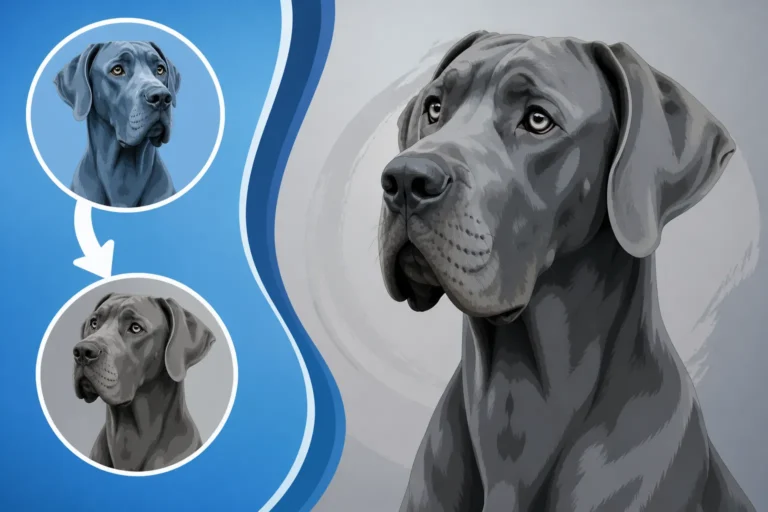
Whether Great Dane Ears Are Still Cropped
One of the first things people notice about a Great Dane, beyond their awe-inspiring size, is often their ears. Whether they stand proudly erect or fold gracefully by their cheeks, the appearance of a Great Dane's ears can spark a lot of conversation and, for new owners, a heap of questions. For generations, ear cropping was the norm, shaping the iconic "Apollo of Dogs" silhouette, but times are changing, and with them, perspectives on this deeply traditional practice. This guide is here to help you navigate the nuances, understand the history, and explore the realities of both cropped and natural ears, so you can make an informed decision for your magnificent companion.
The Historical Context of Great Dane Ear Cropping
For centuries, the image of a Great Dane has been inextricably linked to their noble, alert, and often cropped ears. It's a look that many still associate with the breed's regal bearing and formidable presence. But this practice didn't just appear out of nowhere; it has deep roots in the breed's working past.
Why Cropping Became a Tradition
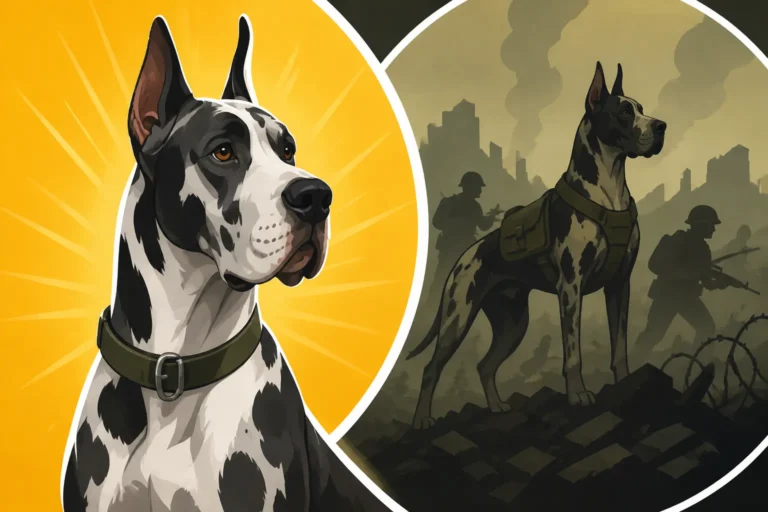
Imagine the sheer power and courage required for a Great Dane in its original role: a fierce hunter of wild boar and other large game. These were not pampered house pets; they were working dogs whose lives depended on their agility and resilience in dangerous situations. In these brutal encounters, floppy ears, while charming to us today, were a distinct liability. A boar's tusks could easily rip a natural ear, leading to painful injuries, infections, and even compromising the dog's ability to hear or fight effectively. Cropping the ears minimized this vulnerability, making the dog less prone to injury during a hunt. It was a practical decision, born from necessity, to protect the dogs in their demanding profession.
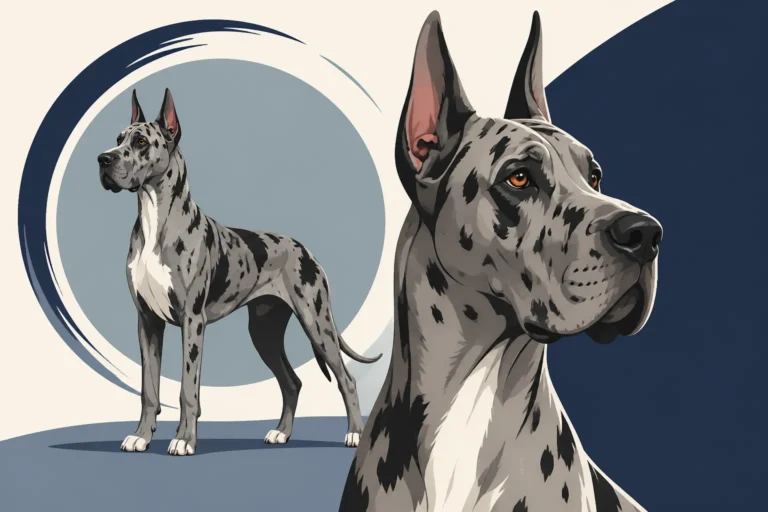
Beyond the functional aspect, the cropped ear eventually became a defining aesthetic characteristic. As the breed evolved from purely utilitarian hunters to more versatile companions and show dogs, the cropped ear became synonymous with the breed's powerful and elegant appearance. It emphasized the long, noble lines of the head and neck, contributing to the majestic look that helped cement The Great Dane's Reputation as the Apollo of Dogs. Over time, this look became so ingrained that many believed it was simply "how a Great Dane should look."
The Shift Towards Natural Ears
In recent decades, however, societal views on animal welfare and cosmetic procedures for pets have undergone a significant transformation. What was once seen as a practical or aesthetic norm is now often viewed critically, with many advocating for dogs to retain their natural features. This shift isn't unique to Great Danes but extends to other breeds traditionally cropped or docked.
Veterinary ethics have played a substantial role in this evolution. Many veterinary associations worldwide have declared ear cropping to be a non-therapeutic procedure, meaning it offers no medical benefit to the animal and, as such, is considered unethical in many medical communities. This ethical stance has led to concrete changes in legislation. Across much of Europe, for example, ear cropping is now explicitly banned, reflecting a broad cultural rejection of the practice. Countries like the United Kingdom, Australia, and many nations within the European Union have outlawed the procedure, often making it illegal for a veterinarian to perform it and, in some cases, even to import a cropped dog. This legal landscape means that for many Great Dane enthusiasts globally, natural ears are not just a preference but a legal requirement. Even in regions where it remains legal, such as parts of North America, there's growing pressure and public discussion challenging its continuation. The breed standard itself, which once explicitly described cropped ears, has had to adapt in various countries to acknowledge and accept natural ears, demonstrating how deeply this cultural and ethical shift has impacted even the most traditional aspects of dog breeding.
Understanding the Ear Cropping Procedure
If you're considering a cropped Great Dane, or simply curious about the process, it's crucial to understand what the procedure actually entails, both surgically and in terms of the intensive aftercare. It's far more than just a quick snip.
The Surgical Process
Ear cropping is a surgical procedure that involves the removal of a portion of the dog's external ear flap, or pinna, to achieve a specific shape. This is typically performed on puppies, usually between 8 and 12 weeks of age. The exact timing can depend on the vet and the puppy's individual development, but it's done early enough so that the cartilage is still soft and pliable, allowing for easier shaping during the posting process.
The surgery itself is performed by a veterinarian, always under general anesthesia. It's a precise procedure that requires significant skill and artistic eye to ensure the resulting ear shape is symmetrical and aesthetically pleasing, aligning with breed standards for those showing their dogs. There are different "styles" of crops – some are shorter and more practical, sometimes called a "pet crop," while others are longer and more refined, often referred to as a "show crop." The goal is to create an ear that, when healed and standing, complements the Great Dane's head structure. Given the size of a Great Dane puppy, the anesthesia itself requires careful monitoring and specialized protocols, as large breeds can have different metabolic responses and risks. Why Anesthesia Costs More for a Great Dane It's a significant veterinary undertaking, and the choice of an experienced, reputable veterinarian is paramount.
The Arduous Aftercare: Taping and Posting
The surgical part of ear cropping is only the beginning. For owners, the real commitment starts after the stitches are out, with a process known as "taping and posting." This is where the ear cartilage is trained to stand erect over a period of weeks or even months, until it holds its shape permanently.
After the initial healing, the ears are typically taped or "posted" using various materials like foam inserts, Ziploc bags, cotton balls, or even tampons, secured with medical tape. These posts act as splints, holding the ears in an upright position. The goal is to encourage the cartilage to stiffen in the desired standing position. This process is far from passive. Posts need to be changed regularly – typically every few days to a week – to clean the ears, check for irritation, and allow the skin to breathe. The length of time a puppy needs to be posted varies greatly, depending on the individual dog's ear leather, cartilage strength, and how diligent the owner is with the aftercare. It can range from three months to over a year. Throughout this period, owners must be vigilant about preventing infections, as the ears are vulnerable to irritation, chafing, and bacterial buildup under the tape. Imagine trying to keep a curious, rapidly growing Great Dane puppy from scratching or shaking its head, all while managing these delicate posts! Posting a Great Dane's Ears After Cropping It requires immense patience, dedication, and a certain level of skill from the owner, often with guidance from the veterinarian or an experienced breeder. Without proper, consistent posting, the ears may not stand correctly, resulting in an uneven or floppy crop, which can be disheartening after all the effort.
The Pros and Cons of Cropped Ears
Deciding whether to crop your Great Dane's ears is a deeply personal choice, often balancing tradition, aesthetics, and ethical considerations. There are passionate arguments on both sides, and it's important to understand them fully.
Arguments for Cropping (Aesthetic and Traditional)
For many Great Dane enthusiasts, particularly those deeply rooted in breed history or competitive showing, cropped ears are simply the look for a Dane. They argue that the erect ears complete the classic silhouette, imparting an undeniable sense of nobility, alertness, and powerful presence. When you see a perfectly cropped Great Dane, head held high, it truly embodies The Great Dane the Show Ring Is Looking For. This aesthetic appeal is a strong motivator for many, as it aligns with the image they've grown to love and expect from the breed.
Furthermore, proponents often point to tradition. For generations, Great Danes have had their ears cropped, and for many, it's an intrinsic part of the breed's heritage, a way to honor its history as a majestic guardian and hunter. Some breeders, especially those focused on maintaining historical breed type, feel a responsibility to preserve this traditional appearance. There's also a sometimes-cited belief that cropped ears reduce the incidence of ear infections. The theory is that by removing the floppy ear flap, airflow is improved, reducing moisture and warmth, which are breeding grounds for yeast and bacteria. While this claim persists, many veterinarians and studies have debunked it, finding no significant difference in ear infection rates between cropped and natural-eared dogs, provided both are given appropriate routine care. However, for those who believe it, it adds a perceived health benefit to the aesthetic and traditional arguments.
Arguments Against Cropping (Ethical and Practical)
On the other side of the debate are compelling arguments against ear cropping, primarily centered on animal welfare and ethical considerations. The most significant point of contention is that ear cropping is an elective, cosmetic surgery that causes pain and discomfort to the puppy for no medical benefit. Modern veterinary medicine increasingly views it as an unnecessary procedure that subjects a young animal to surgery, anesthesia risks, and a prolonged, often uncomfortable, recovery period. While pain medication is given, the recovery process, particularly the months of taping and posting, can be stressful for the puppy. This isn't a minor procedure; it's a significant intervention.
From a practical standpoint, the commitment involved in successful ear cropping is substantial. As discussed, the aftercare is arduous, demanding daily attention, cleaning, re-taping, and constant vigilance against infection or injury. This translates to a significant investment of time, effort, and money. The initial surgery cost, follow-up vet visits, and all the supplies for taping and cleaning can add up quickly. It's certainly a factor to consider when budgeting for your giant companion. Whether Pet Insurance Is Essential for a Great Dane Moreover, there's the legal landscape. As more and more countries ban the practice, owners of cropped Great Danes may face limitations on travel or showing in certain regions. Finally, public perception is a growing factor. While some admire the look, many people now view ear cropping as cruel or outdated, and owning a cropped Great Dane can sometimes lead to uncomfortable questions or even judgment from others who are unaware of the history or motivations behind the practice.
Embracing Natural Great Dane Ears
As the debate around ear cropping continues to evolve, more and more Great Dane owners are choosing to let their dogs keep their beautiful, natural ears. This decision is often celebrated for its ethical stance, but it also brings its own unique joys and responsibilities.
The Beauty and Character of Uncropped Ears
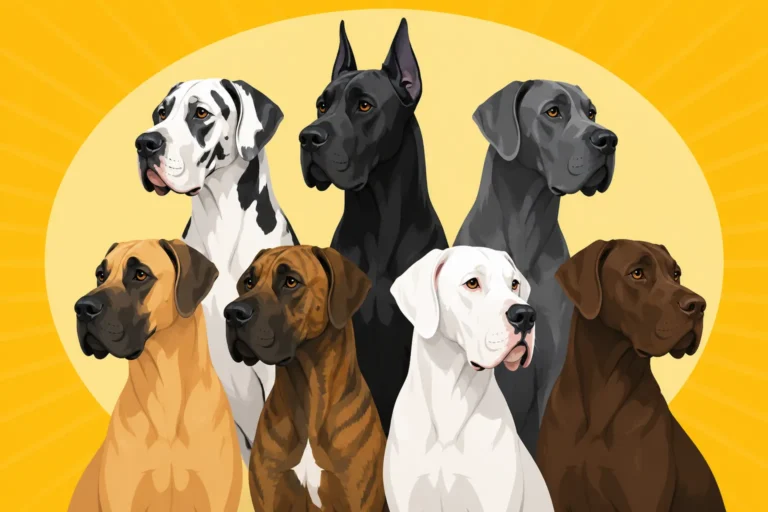
For those who have lived with them, the natural, "floppy" ears of a Great Dane are incredibly expressive and charming. They frame the face softly, giving the dog a gentle, approachable look that perfectly complements their "gentle giant" personality. These ears communicate emotion wonderfully, twitching with interest, flattening in submission, or perking slightly with curiosity. They add an undeniable character to the dog's face, allowing their full range of emotions to shine through.
Beyond the aesthetic, opting for natural ears means your puppy avoids the pain, stress, and prolonged aftercare associated with surgery and posting. This means a more comfortable puppyhood, free from medical interventions for purely cosmetic reasons. Increasingly, natural ears are accepted and even preferred in various show rings and by the general public. Many countries' breed standards have adapted to fully accommodate natural ears, removing any disadvantage for dogs competing in conformation. This growing acceptance means owners no longer have to feel like they are choosing between an ethical stance and participating in breed-specific activities. It simplifies things, allowing you to focus on training, socialization, and bonding with your new companion from day one without the added layer of intensive ear care.
Routine Care for Natural Ears
While natural ears don't require the post-surgical attention of cropped ears, they certainly aren't "no-maintenance." In fact, their droopy nature means they can sometimes trap moisture and reduce airflow, creating an environment that could be more conducive to certain types of ear issues if not properly cared for. The key is consistent, routine attention.
You'll need to make it a habit to check your Great Dane's ears regularly – at least once a week, or more often if they love to swim or play in muddy areas. Gently lift the ear flap and examine the visible parts of the ear canal. You're looking for any redness, swelling, unusual odors, or excessive discharge. A small amount of ear wax is normal, but heavy buildup or dark, crusty discharge can be signs of trouble. Cleaning natural ears is usually quite straightforward. Using a vet-approved ear cleaning solution (you can find excellent options on sites like Chewy that cater to large breed needs, ensuring you get enough for a Great Dane's ears!), gently clean the visible parts of the ear canal with a cotton ball or soft gauze. Never use cotton swabs deep inside the ear, as this can push debris further down or damage delicate structures. Ear Cleaning on a Cropped or Natural Great Dane Focus on wiping away dirt and excess wax from the folds and crevices. After cleaning, ensure the ear is as dry as possible to prevent moisture buildup. If your Dane loves to swim, a quick ear-drying routine after water exposure is crucial. Should you ever notice persistent redness, strong odors, excessive scratching, or head shaking, it’s always best to consult your veterinarian promptly, as these can be signs of an underlying infection that requires medical treatment.
Legality, Ethics, and Breeder Responsibilities
The decision to crop or not to crop a Great Dane's ears isn't just about personal preference; it's also deeply tied to legal frameworks, ethical considerations, and the responsibility of the breeders who bring these magnificent dogs into the world.
Where Cropping Is Legal (and Where It Isn't)
The legal status of ear cropping for dogs varies dramatically around the globe, and it's essential for any potential Great Dane owner to be aware of these differences. In many parts of the world, particularly across most of Europe, Australia, and the United Kingdom, ear cropping is explicitly banned. These bans are often rooted in animal welfare legislation that deems cosmetic surgery on animals unnecessary and unethical. For example, countries that are signatories to the European Convention for the Protection of Pet Animals have largely prohibited such procedures. This means that not only is it illegal for a veterinarian to perform the surgery in these regions, but in some cases, it can also be illegal to import dogs with cropped ears or to exhibit them in dog shows. This has a significant impact on breeders and owners who might wish to show their dogs internationally or travel with them.
Conversely, in some countries, most notably the United States and parts of Canada, ear cropping remains legal. It is permitted by major kennel clubs, and veterinarians are allowed to perform the procedure. However, even in these regions, there's a growing movement within the veterinary community and among animal welfare advocates to end the practice. Public opinion is increasingly swayed against it, leading to a complex and sometimes contentious environment for owners who choose to crop. If you are considering a cropped Great Dane, understanding the laws in your specific region, as well as any regions you plan to visit or move to, is absolutely critical.
Finding a Reputable Breeder
A reputable Great Dane breeder plays a pivotal role in shaping the health, temperament, and even the appearance of their puppies. When it comes to ear cropping, their practices and philosophy are a huge consideration. A truly responsible breeder will prioritize the health and well-being of their dogs above all else. This means they will conduct thorough health testing on their breeding stock, screening for conditions prevalent in the breed such as cardiac issues, hip and elbow dysplasia, and thyroid problems. The Health Testing a Great Dane Breeder Owes You They will be transparent about these health clearances, openly discussing them with prospective buyers and providing verifiable results. Whether a Great Dane Breeder Should Show Hip Scores
Regarding ear cropping, a reputable breeder will typically fall into one of a few categories:
- Breeders who do not crop: These breeders will sell their puppies with natural ears and may even include a clause in their contract stating that the ears are not to be cropped later. They are often strong advocates for natural ears and animal welfare.
- Breeders who offer cropping as an option: Some breeders, particularly in regions where cropping is legal and part of the breed standard, may offer cropping services through a trusted vet for an additional fee. They will educate buyers thoroughly on the procedure, risks, and the extensive aftercare required. They will not pressure buyers into cropping if they prefer natural ears.
- Breeders who only sell cropped puppies: This is less common now, but some breeders who are deeply committed to the traditional aesthetic may only offer cropped puppies. If you encounter this, ensure they are still prioritizing health testing and ethical breeding practices, and that the cropping is done by an experienced, reputable veterinary surgeon.
Regardless of their stance on cropping, a reputable breeder will always put the puppy's health and temperament first. They will be keen to educate you, answer all your questions, and ensure you are prepared for the immense responsibility of owning a Great Dane, with or without cropped ears. Avoid any breeder who pressures you into a decision, lacks transparency about health testing, or seems to cut corners on veterinary care.
Making the Decision for Your Great Dane
The question of whether or not to crop your Great Dane's ears is a significant one, touching upon deeply held beliefs, personal aesthetics, and practical considerations. There's no single "right" answer that applies to every individual, but by thoughtfully weighing the various factors, you can make the best choice for your particular situation and your beloved dog.
Weighing the Factors
When you're faced with this decision, it often feels like a balancing act. On one side, you might be drawn to the classic, powerful look of a cropped Great Dane, a reflection of the breed's historical image and perhaps the Danes you've admired over the years. This aesthetic preference is valid, especially if you plan to show your dog in an environment where cropped ears are still highly valued or even expected within the breed standard. For some, it's also about upholding a tradition they feel is important to the breed's identity.
On the other side, the ethical considerations loom large. Many people are increasingly uncomfortable with elective surgeries that cause pain to an animal for purely cosmetic reasons, especially when there are growing legal restrictions and public disapproval of the practice. There's also the very real, practical commitment of time, effort, and financial resources required for the extensive aftercare of cropped ears. Are you prepared for months of meticulous posting, cleaning, and vigilance to ensure the ears stand correctly and heal without complication? Consider your lifestyle, your ability to dedicate this time, and your budget for what can be a costly process. Future implications, such as traveling with your dog or potential scrutiny from others, are also worth considering. This isn't just about the initial surgery; it's about the entire journey with your Great Dane.
Prioritizing Your Dog's Well-being
Ultimately, the most crucial factor in this decision should always be the well-being of your Great Dane. A healthy, happy dog, regardless of ear style, is the most important outcome. Focus your energy on finding a puppy from a reputable breeder who prioritizes health, temperament, and early socialization. Ensure they screen for common Great Dane health issues and provide a loving, stimulating environment for their puppies. This foundational care will have a far greater impact on your dog's life and your relationship than the shape of their ears.
Whether you choose cropped or natural ears, commit to providing excellent care. For natural ears, this means regular cleaning and monitoring to prevent infections. For cropped ears, it means unwavering dedication to the often-demanding aftercare to ensure proper healing and standing, minimizing discomfort and complications. Remember that the Great Dane is known for its gentle nature and affectionate temperament, which are far more defining characteristics than any cosmetic choice. The Gentle Great Dane Temperament and Its Limits Your dog will love you unconditionally, whether their ears stand tall or flop sweetly. The bond you build, the training you impart, and the loving home you provide are what truly define their quality of life. The ears are simply a small part of the magnificent whole.
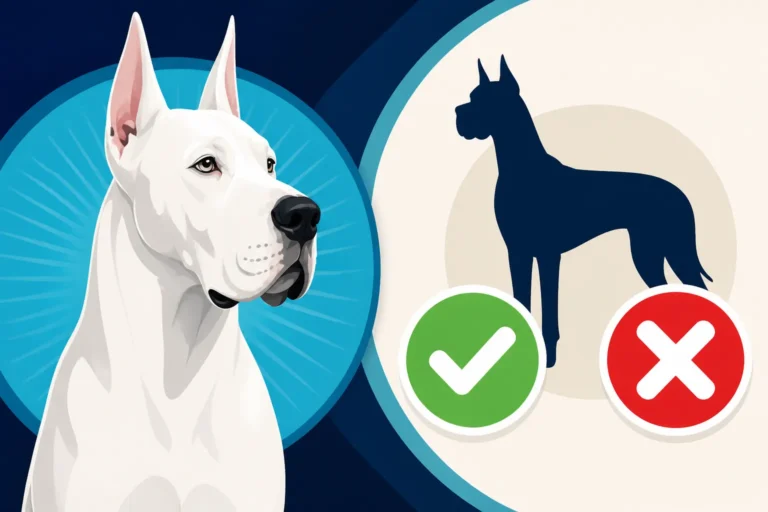
| Feature | Cropped Ears | Natural Ears |
|---|---|---|
| Appearance | Erect, alert, often associated with a traditional look | Soft, expressive, hangs naturally to the side of the head |
| Procedure Required? | Yes, surgical amputation | No, dog's ears remain as nature intended |
| Age of Procedure | Typically 8-12 weeks old | Not applicable |
| Aftercare Required | Intensive, months-long process of taping and posting | Routine cleaning and inspection only |
| Cost Implications | Significant veterinary fees for surgery and aftercare, plus supplies | Minimal, primarily for ear cleaning solution (e.g., from Chewy) |
| Potential Pain/Stress | Post-surgical pain, discomfort from posting, potential stress for puppy | None from appearance, only potential discomfort from unaddressed infections |
| Risk of Infection | Higher during the posting period if not managed meticulously | Possible if not cleaned regularly, especially with moisture trapped |
| Legality | Legal in some regions (e.g., US, parts of Canada), illegal in many others (e.g., UK, most of Europe, Australia) | Universally legal and accepted |
| Public Perception | Can be seen as traditional and elegant by some; viewed as cruel or unnecessary by others | Generally seen as natural, kind, and increasingly preferred |
| Breed Standard | Accepted by some breed standards; natural ears accepted or preferred by others | Accepted by most breed standards globally |
Disclaimer
This article is for general informational purposes only and does not constitute professional advice. Laws, prices and regulations vary by location and change over time. Consult a qualified professional for guidance on your specific situation.