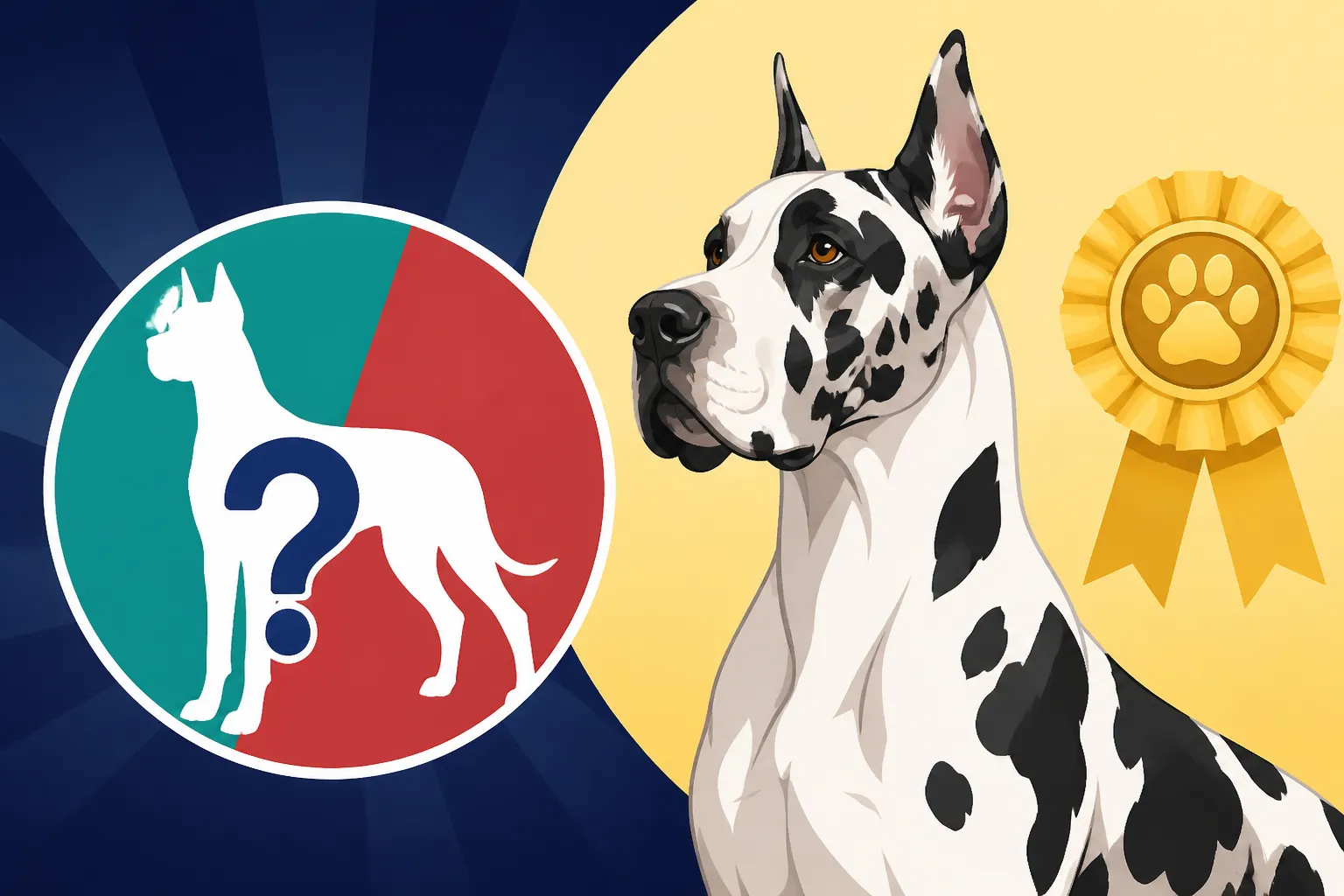
Whether a Piebald Great Dane Can Be Shown
It’s a truly exciting moment when you bring home a Great Dane puppy, full of potential and boundless charm. You spend hours admiring their unique markings, their long legs, and that incredible, gentle spirit. But if you have a Great Dane with a striking piebald pattern – large, irregular patches of color on a predominantly white coat – you might find yourself wondering if their distinct look means they can enter the competitive show ring. This guide is here to untangle the complexities of Great Dane breed standards and help you understand whether your beautiful piebald can indeed be shown, and what wonderful avenues are open to them regardless.
The Great Dane Breed Standard: A Matter of Color and Pattern
The world of dog shows, particularly conformation events, is built upon the meticulous adherence to breed standards. These standards are essentially blueprints that describe the ideal physical traits, temperament, and movement for each breed, ensuring consistency and preserving breed type. For Great Danes, color is a highly specific and often misunderstood aspect of this standard.
Defining the Accepted Great Dane Colors
When you look at the official Great Dane breed standard, whether from the American Kennel Club (AKC) or the Fédération Cynologique Internationale (FCI), you’ll find very precise descriptions of the acceptable colors. These are not just casual suggestions; they are strict guidelines that judges follow to evaluate a dog in the conformation ring. There are typically six primary recognized colors, often referred to as the "standard" colors: Fawn, Brindle, Blue, Black, Harlequin, and Mantle. Sometimes Merle is also included, depending on the specific registry and its recent updates.
Each of these colors has its own detailed description. For instance, a Fawn Dane should be a golden fawn color with a black mask, while a Brindle Dane will have a golden fawn base with strong black cross stripes. Blue Danes are a pure steel blue, and Black Danes are a glossy black. The Harlequin is perhaps the most visually complex, described as pure white with irregularly torn black patches. Mantle Danes are black with specific white markings, often resembling a blanket over the body. The Seven Great Dane Colors outlines these in detail. What's crucial to understand is that any deviation from these exact descriptions is considered a fault, and some deviations are even disqualifications. These standards are the bedrock of competitive showing, designed to preserve the historical look and genetic purity of the breed.
Understanding the Piebald Pattern
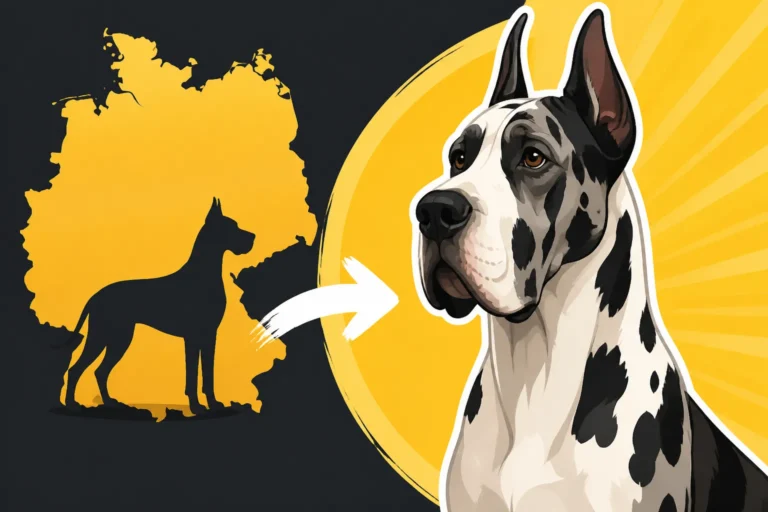
Now, let's talk about the piebald pattern, which is distinct from the accepted colors. A piebald Great Dane typically presents with a coat that is predominantly white, often with large, irregular, and sometimes sparsely distributed patches of color. Imagine a mostly white canvas with splashes of black, blue, or fawn dotted across it, often with significant areas of pure white that lack any markings. This can look incredibly striking and beautiful, making for a truly unique-looking dog.
Genetically, the piebald pattern usually results from an extreme expression of the white spotting gene, which limits the distribution of pigment-producing cells across the dog's body. It's important to differentiate this from a Harlequin. While both have white and colored patches, a Harlequin's white base should be pure white, and the black patches should be irregularly torn, distinct, and well-distributed. A piebald, by contrast, might have fewer, larger, and more irregular patches, or even appear almost entirely white with just a few small spots. The key difference isn't just "white with patches," but the nature, distribution, and definition of those patches. Many people confuse the two, or assume that any white-and-patched Dane is a Harlequin, but the breed standard is very particular about the Harlequin pattern. What a Correct Harlequin Great Dane Looks Like can help you visualize the distinction. The piebald pattern, while eye-catching, simply doesn't align with any of the precisely described and accepted color patterns in the Great Dane breed standard.
Why Piebald Great Danes Don't Qualify for Conformation
The question of whether a piebald Great Dane can be shown in conformation boils down to the stringent rules of breed standards. For show purposes, the answer is almost universally no. This isn't a judgment on the dog's health, temperament, or beauty, but rather a reflection of its coat pattern not fitting the established blueprint.
Strict Adherence to the Written Standard
Conformation shows are designed to evaluate breeding stock – dogs that most closely embody the ideal characteristics of their breed. Every single aspect, from ear set and jaw structure to topline and, yes, coat color and pattern, is scrutinized against a written standard. If a dog deviates significantly from this standard, it receives faults, and in some cases, outright disqualifications. For a piebald Great Dane, the specific pattern of white and color simply doesn't match any of the six (or seven) recognized show colors. It’s not a Harlequin, which has a very specific pattern of black patches on a pure white background. It's not a Mantle, with its distinct black blanket and white collar. It doesn't fit the description for Fawn, Brindle, Blue, or Black either.
A dog with a piebald coat would likely be faulted heavily, or even disqualified, because its color is considered "non-standard" or "mismarked" according to the breed description. Judges are trained professionals who know these standards inside and out. They are not looking for "pretty" in a general sense, but for conformity to the breed's ideal. This strictness is what maintains the integrity and predictability of dog breeds over generations. Without these clear boundaries, the definition of the breed itself could become diluted. What Puts a Great Dane Out of the Ring often comes down to these specific, detailed deviations.
Historical Context of Color Standards
The breed standards we have today are not arbitrary; they are the result of decades, sometimes centuries, of careful breeding and selection to produce dogs with specific traits for specific purposes. Historically, certain colors and patterns were either desired for their functionality or simply became associated with the breed as it developed. Other patterns, though naturally occurring, might have been deemed less desirable, potentially linked to other traits, or simply not part of the aesthetic vision for the breed. The Great Dane's standard has evolved over time, but generally, the core colors have remained fairly consistent.
Consider the history of the Merle Great Dane. For many years, Merle was not an accepted color in the AKC conformation ring and was a disqualification. Why Merle Great Danes Were Once Disqualified tells a fascinating story of how this changed. It took significant advocacy, research, and understanding of the genetics to eventually get Merle accepted. However, for piebald Danes, such a shift has not occurred, and there isn't significant movement within the major kennel clubs to amend the standard to include it. The "white" aspect of a Great Dane is often specifically addressed within the Harlequin and Mantle standards, and any white outside of those specific patterns is typically deemed incorrect. This isn't to say piebald Danes are inherently flawed, but simply that their appearance falls outside the historically defined and currently accepted boundaries for show competition.
Life Beyond the Conformation Ring for Piebald Danes
While the conformation show ring might not be an option for a piebald Great Dane, this absolutely does not diminish their value, their potential, or the immense joy they bring as companions. Many, many fantastic dogs never set paw in a show ring, and their lives are no less rich or fulfilling.
Exploring Alternative Dog Sports and Activities
If your heart was set on showing your Great Dane, don't despair! There's a whole world of dog sports and activities where your piebald Dane can not only participate but truly excel. These events often focus on a dog's natural abilities, intelligence, and trainability, rather than strict adherence to physical appearance.
Think about obedience trials, where a dog's responsiveness to commands is tested. Or Rally-O, which combines obedience with a fun, flowing course. Agility is incredibly popular, with dogs navigating obstacle courses with speed and precision, though for a giant breed like a Great Dane, it's often modified to protect their joints. Whether a Great Dane Can Do Agility explains the considerations. Even Lure Coursing, which taps into their natural prey drive, can be a blast. Therapy dog work is another wonderful path, leveraging the Great Dane's inherently gentle nature to bring comfort to others. These activities provide mental and physical stimulation, build a stronger bond between you and your dog, and offer a fantastic community of like-minded dog lovers. To get started, you'll need good training tools and treats – Chewy, for instance, offers a huge selection of durable toys, training treats, and equipment designed for large breeds to help you in these endeavors. A basic obedience class is often the best first step to any of these pursuits. Training a Great Dane Puppy Where to Go is a great resource for getting started on that journey.
The Joy of a Unique Companion
Ultimately, a dog's coat color or pattern is just one characteristic. What truly makes a Great Dane special is their incredible temperament. Known as "Apollo of Dogs" and "gentle giants," Great Danes are famous for their sweet, affectionate, and loyal dispositions. A piebald Great Dane possesses all these wonderful qualities, just like any Fawn, Brindle, or Harlequin Dane. Their unique look often makes them stand out and become conversation starters, allowing them to serve as wonderful ambassadors for the breed.
The bond you form with your dog is based on trust, love, and companionship, not on ribbons or titles. Many people actively seek out dogs with unique markings, drawn to their individuality. Responsible breeders prioritize health and temperament above all else, and a healthy, well-socialized piebald Dane is just as deserving of a loving home. When looking for a Great Dane, regardless of color, always ensure the breeder conducts proper health screenings and focuses on sound genetics. What a Great Dane Breeder Should Be Screening For provides critical information on health tests that are far more important than coat color when it comes to the long-term well-being of your companion. Embrace your piebald Dane for the magnificent individual they are; their love and loyalty are priceless.
Navigating the Nuances of Great Dane Genetics and Breeding
Understanding the specific genetic differences between coat patterns is key to appreciating why certain colors are accepted in the show ring and others are not. This knowledge also empowers owners and potential breeders to make informed decisions.
The Difference Between Piebald, Harlequin, and Merle
It's easy to get confused when dealing with Great Dane colors, especially those involving white and patches. Let's break down the primary distinctions between piebald, Harlequin, and Merle, as their genetic origins and show ring acceptance differ significantly.
| Color/Pattern | Description | Genetic Basis | Show Ring Acceptance (AKC/FCI) | Associated Health Concerns (if any) |
|---|---|---|---|---|
| Harlequin | Pure white base with irregularly torn black patches. Patches should not be gray or faded. | Harlequin gene (H/h) acting on a Merle base (Mm) | Accepted (Standard) | Primarily associated with the Merle gene, not Harlequin itself. |
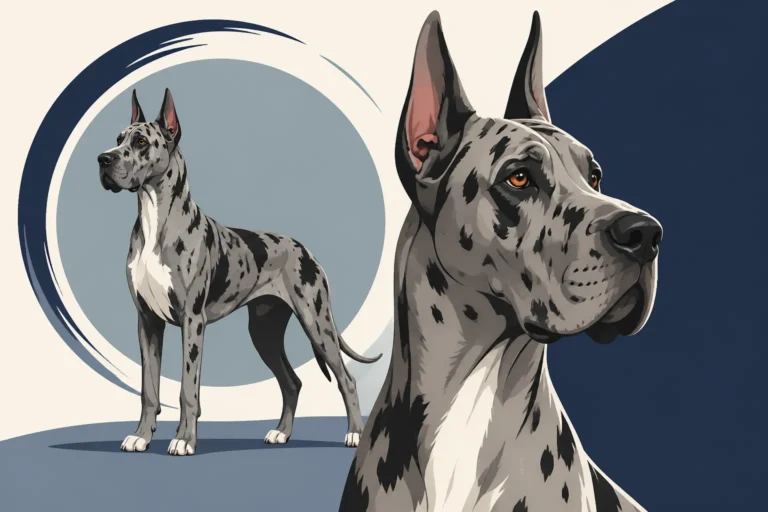
| Merle | Base color (e.g., black, fawn) diluted with irregular lighter patches, often gray, with darker spots. | Merle gene (Mm) | Accepted (since 2019, AKC) | Double Merle (MM) can lead to severe eye/ear defects. Why Two Merle Great Danes Should Not Be Bred |
| Piebald | Predominantly white with irregular, often large, sometimes sparse patches of color. Extensive white areas. | Extreme White Spotting gene (S allele) | Not Accepted (Disqualification/Mismark) | Generally healthy, but extreme white can sometimes be linked to deafness, though less common than with double merle. |
As you can see, while Harlequin and Merle are now accepted, the specific pattern and genetic underpinnings of piebald are distinct and not recognized within the conformation standard. The "white" in a Harlequin is considered the background for the specific black patches, whereas in a piebald, the extensive white is the pattern itself, lacking the specific characteristics of a Harlequin. The white associated with double merle (often appearing almost entirely white with limited color) is a different genetic mechanism entirely, and comes with significant health risks. Whether a White Great Dane Is a Recognized Color explores the complexities of white coloration in the breed further.
Responsible Breeding and Color
For breeders aiming for the conformation ring, understanding color genetics is paramount. Responsible breeders will meticulously plan their pairings to produce puppies that conform to the breed standard, prioritizing health and temperament above all else. This means avoiding combinations that might consistently produce non-standard colors or patterns like piebald if their primary goal is show-quality dogs.
However, even the most diligent breeders might occasionally produce a puppy with a non-standard color or pattern. Genetics are complex, and recessive genes can surprise you. When this happens, a responsible breeder will still ensure the puppy is healthy, well-socialized, and placed in a loving pet home. They will be transparent about the dog's color not meeting show standards and often adjust pricing accordingly. For pet owners, understanding that a piebald Great Dane isn't showable helps manage expectations and allows them to focus on all the other incredible aspects of owning such a magnificent dog. The emphasis should always be on breeding for sound structure, excellent health, and the gentle, loyal temperament that defines the Great Dane, regardless of whether their coat happens to fit the exact parameters of a show-ring ideal.
Disclaimer
This article is for general informational purposes only and does not constitute professional advice. Laws, prices and regulations vary by location and change over time. Consult a qualified professional for guidance on your specific situation.