Whether Great Dane Color Affects Health
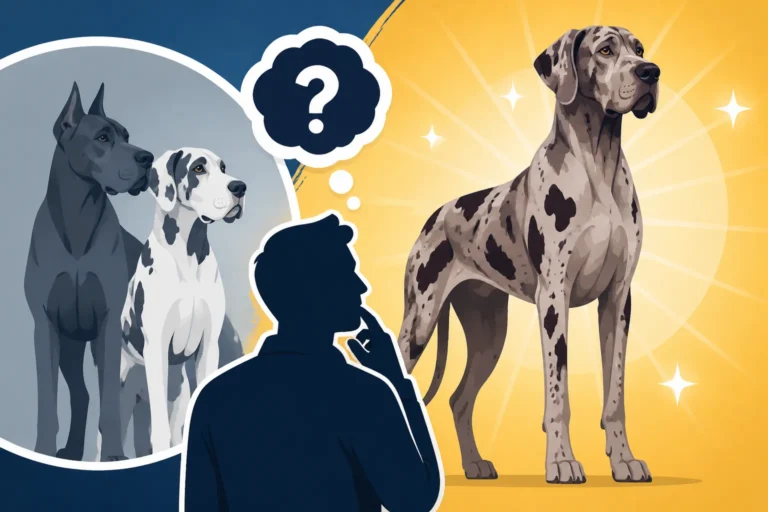
It's a common, completely understandable thought when you're looking at the vast array of Great Dane colors: "Does that stunning coat mean anything for their health?" You're not alone in wondering if a striking Harlequin or a deep Blue Dane might come with specific challenges compared to a classic Fawn. This guide is here to untangle the truth, dispelling myths and highlighting the very real, but specific, instances where a Great Dane's coat color can indeed be a window into underlying genetic health risks.
The Genetic Tapestry of Great Dane Colors and Health Implications
Great Danes come in a truly spectacular range of colors, each with its own charm and appeal. But the beauty of their coats is more than just skin deep; it's a fascinating interplay of genetics. Understanding these genetic underpinnings is crucial to discerning when a particular color is just a matter of aesthetics and when it might actually be a marker for potential health issues. For the vast majority of colors, the coat is simply a beautiful characteristic, much like hair color in humans.
Decoding Great Dane Coat Genetics
Dog coat color is determined by a complex set of genes, often referred to as loci, where different alleles (versions of a gene) interact. For Great Danes, several key genes are at play, dictating whether a dog will be fawn, brindle, black, blue, mantle, or harlequin. These genes control things like the presence of black pigment (eumelanin), red pigment (phaeomelanin), and how that pigment is distributed or diluted. Most of these genetic combinations simply result in different appearances without any associated health detriments. It's like choosing between vanilla and chocolate ice cream – delicious either way, and neither flavor inherently causes problems.
However, the world of genetics isn't always so straightforward. There are specific genes that, when inherited in certain combinations, can have far-reaching effects beyond just aesthetics. While many color genes are fairly benign, others are known to be linked to serious health conditions. This is where the careful and ethical breeding practices truly shine, or unfortunately, fall short, for the sake of a particular look.
When Color Signals a Warning: The Merle Gene
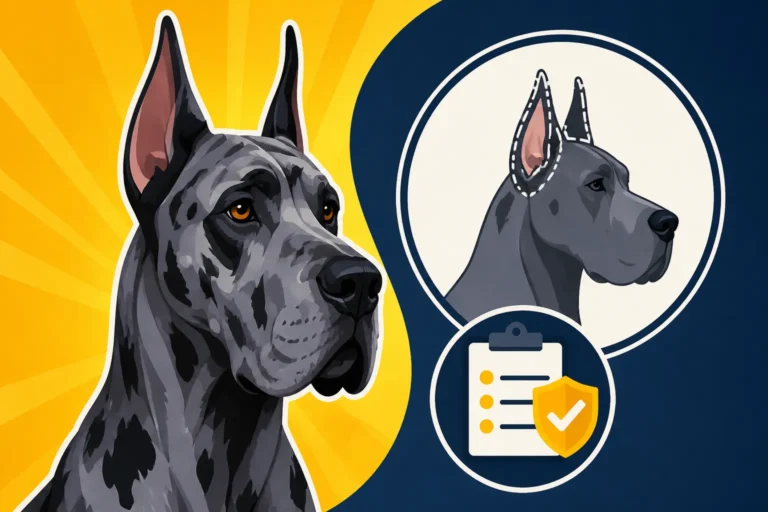
This is where things get really important for Great Dane owners and potential owners. The merle gene is a truly unique and potent piece of the genetic puzzle that affects Great Dane coats. It’s responsible for the striking marbled patches of color that we see in dogs like Harlequins and Merles themselves. Essentially, the merle gene acts as a diluter, randomly lightening areas of the dog's base coat color, creating those distinctive irregular patches of darker pigment on a lighter background.
A Great Dane carrying just one copy of the merle gene (often denoted as Mm) typically expresses as a merle or, when combined with another gene, a harlequin. A Harlequin, for instance, is genetically a merle dog with an additional "harlequin gene" that removes the dilute grey areas, leaving clear white patches with distinct black torn or mottled markings. These single-merle dogs can be perfectly healthy, but the gene itself is a warning flag that demands careful breeding practices. Breeders who understand Harlequin and Merle Great Dane Genetics know that this gene requires a very specific approach to prevent problems in subsequent generations.
The Double Merle Dilemma: White Danes and Severe Health Issues
The real alarm bells ring when a Great Dane inherits two copies of the merle gene (MM). This is known as "double merle," and it's almost always the result of breeding two merle dogs together. It's a practice that responsible breeders absolutely avoid because of the devastating health consequences for the puppies. When a dog inherits two copies of this gene, the dilution effect is amplified to an extreme, often resulting in an almost entirely white coat, sometimes with very faint patches of color.
These predominantly white double merle Great Danes are not just a different color; they are genetically compromised. They often suffer from a range of severe health problems directly linked to this genetic combination. This is a crucial distinction: it's not the "whiteness" itself that's the problem, but the specific genetic mechanism (double merle) that causes the extreme lack of pigment. The issues arising from double merle breeding are predictable and heartbreaking, highlighting why understanding the genetics is so vital for the welfare of the breed.
The Specific Health Risks of Merle and Double Merle Great Danes
When we talk about Great Dane colors and health, the spotlight inevitably falls on merle and especially double merle Danes. This isn't just about aesthetics; it's about significant, life-altering conditions that can drastically impact a dog's quality of life. Understanding these risks is essential for anyone considering a Great Dane, particularly if they are drawn to lighter or merle-patterned coats.
Deafness and Ocular Defects in Genetically Compromised Danes
The double merle gene's primary impact often manifests in sensory organs, particularly the eyes and ears. Puppies born from merle-to-merle breedings face a high risk of being deaf, either partially (unilaterally, in one ear) or completely (bilaterally, in both ears). The gene interferes with the development of pigment cells in the inner ear, which are crucial for normal hearing function. Imagine living in a silent world; that's the reality for many of these pups. If you've ever wondered Why a White Great Dane Is Often Deaf, this is the genetic culprit. Studies show How Common Deafness Is in a White Great Dane can be quite high, making it a serious consideration.
Beyond hearing, vision can also be severely affected. Double merle Great Danes frequently suffer from ocular defects that range from mild to complete blindness. These can include microphthalmia (abnormally small eyes), colobomas (missing pieces of eye tissue, often in the iris or retina), irregular pupil shapes, and cataracts. In the most severe cases, the eyes may be entirely underdeveloped or missing, a condition known as anophthalmia. Discovering Missing Eyes and Small Eyes in White Great Danes is a devastating reality for owners of these dogs, highlighting the profound ethical issues of breeding merle to merle. These are not minor cosmetic flaws; they are fundamental impairments that require immense dedication and care from their human families.
Ethical Breeding and the Avoidance of Double Merle
Given the severe and predictable health consequences, responsible Great Dane breeders steadfastly avoid breeding two merle dogs together. It's a fundamental principle of ethical breeding to prioritize health and welfare above all else, especially when specific genetic combinations are known to cause suffering. A reputable breeder will understand the genetics involved and will actively work to prevent the production of double merle puppies. This means that if a breeder offers "white" Great Dane puppies and can't explain their careful breeding practices, it should be an immediate red flag.
The practice of breeding merle to merle is widely condemned within the ethical breeding community because the risks are so high and the outcome so detrimental. Anyone genuinely caring for the future of the breed, and the individual lives of these magnificent dogs, will take every precaution. This is why you'll often hear experienced Great Dane enthusiasts emphasize Why Two Merle Great Danes Should Not Be Bred, and why understanding What a Double Merle Great Dane Is is crucial for any potential owner. This isn't about shaming, but about protecting future generations of Danes.
Living with a Special Needs Dane
While responsible breeding aims to prevent double merle puppies, sometimes they do happen, whether through accidental breeding, rescue situations, or the unfortunate actions of unethical breeders. For those who find themselves with a deaf or blind Great Dane, life presents unique challenges and rewards. These dogs can absolutely live fulfilling lives, but they require extra patience, specialized training, and a carefully adapted home environment.
Training a deaf Dane, for example, relies heavily on hand signals and visual cues. A blind Dane navigates its world through scent, sound, and touch, requiring consistency in furniture placement and a secure, predictable space. Products from retailers like Chewy, such as puzzle toys that rely on scent, or soft, comfortable bedding that helps a dog feel secure, can be invaluable. It takes a dedicated owner to manage their needs, from ensuring their safety around traffic to providing consistent communication. It's a commitment that transcends typical pet ownership, but for those willing to make it, the bond can be incredibly strong.
Standard Great Dane Colors: Generally Not Directly Linked to Unique Health Issues
Moving away from the specific genetic pitfalls of merle, let's explore the more common and generally accepted Great Dane colors. For the vast majority of these beautiful coats, the color itself is merely a visual characteristic, much like the shade of your hair or eyes, and does not carry inherent health risks. This distinction is vital for prospective owners to grasp – not every light-colored Dane is a double merle, and a dark coat doesn't guarantee perfect health.
The Range of Accepted Colors (Fawn, Brindle, Blue, Black, Mantle, Harlequin)
The Great Dane breed standard recognizes several distinct colors, each with its own specific appearance:
- Fawn: A golden yellow with a black mask, black eyebrows, and sometimes black ear tips. This is arguably one of the most iconic Great Dane looks.
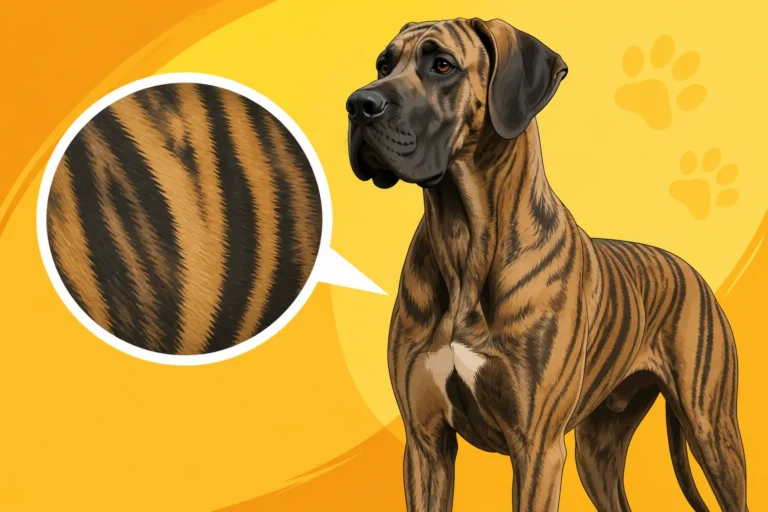
- Brindle: A fawn base with strong, even black stripes running parallel to the ribs, often described as a "tiger stripe" pattern.
- Blue: A pure steel-blue color, ranging from a lighter charcoal to a deep slate. These dogs should ideally have no fawn or black tinges.
- Black: A glossy, pure black coat, with no white markings except sometimes on the chest and toes.
- Mantle: Often called "Boston Terriers of the Dane world," these dogs are primarily black with specific white markings, including a white muzzle, white blaze, white chest, white forelegs, and a white tip on the tail.
- Harlequin: A striking pattern of pure white with well-distributed irregular black torn patches over the entire body. It's a modified merle pattern, as mentioned earlier, but ethically bred Harlequins (from a merle parent and a non-merle parent) typically don't carry the double merle risks. You can learn more about What Makes a Harlequin Great Dane Correct.
For these standard colors, the color gene itself is typically not directly linked to any specific health conditions that aren't already endemic to the Great Dane breed as a whole. A blue Dane isn't inherently more prone to bloat than a fawn Dane because of its color. The focus should always be on the dog's overall genetic health background, not just its coat.
Universal Great Dane Health Concerns
It's crucial to remember that Great Danes, as a giant breed, come with a predisposition to several serious health conditions, irrespective of their coat color. These are breed-specific issues that all Great Danes can face, and a beautiful, perfectly colored coat offers no immunity. These include:
- Bloat (Gastric Dilatation-Volvulus or GDV): A life-threatening condition where the stomach fills with gas and can twist, cutting off blood supply. It's an emergency that all Great Dane owners dread. Bloat in a Great Dane and the One in Three Odds are something every owner must be aware of.
- Dilated Cardiomyopathy (DCM): A serious heart muscle disease where the heart becomes enlarged and weakened, leading to heart failure. The Heart Muscle Disease Great Danes Are Prone To is a leading cause of death in the breed.
- Wobbler Syndrome (Cervical Spondylomyelopathy): A neurological condition affecting the neck and spinal cord, leading to an uncoordinated gait. It’s The Neck Condition That Trips a Great Dane Up.
- Cancer: Great Danes have a higher incidence of certain cancers, including osteosarcoma (bone cancer). For more details, see Bone Cancer in a Great Dane.
- Orthopedic Issues: Joint problems like hip and elbow dysplasia, common in large breeds, can also affect Danes.
These conditions are a product of the breed's genetics, size, and conformation, not its coat color (with the exception of the merle gene's impact on sensory organs). Therefore, focusing solely on color without considering these broader health challenges would be a significant oversight.
The Importance of Health Testing Beyond Coat Color
This brings us to the paramount importance of thorough health testing. When seeking a Great Dane, whether you're drawn to a Fawn or a Black, the color should be secondary to the breeder's commitment to health. A reputable breeder will perform specific health clearances on their breeding dogs, regardless of their coat color or pattern. These clearances are designed to reduce the risk of passing on genetic predispositions for conditions like DCM, hip dysplasia, elbow dysplasia, and thyroid disease.
For example, yearly cardiac evaluations by a board-certified veterinary cardiologist, often including an echocardiogram and Holter monitor, are vital for screening for DCM. Hip and elbow evaluations through organizations like the Orthopedic Foundation for Animals (OFA) are also standard. A responsible breeder will be transparent about these results and be able to provide documentation for both parent dogs. This is precisely The Health Testing a Great Dane Breeder Owes You when you are considering bringing a puppy into your home. Don't let a beautiful coat distract you from asking for proof of health screenings.
Responsible Breeding Practices: Your Best Bet for a Healthy Great Dane
Ultimately, if you're looking for a healthy Great Dane, your greatest ally isn't a specific coat color, but a reputable, ethical breeder. While color genetics play a role in certain health outcomes (namely with merle patterns), the vast majority of Great Dane health concerns transcend coat variations. A good breeder understands this and prioritizes the overall genetic health and temperament of their lines above all else.
What to Look for in a Reputable Breeder
Finding a good Great Dane breeder can feel like a daunting task, but it's the single most important decision you'll make when adding one of these giants to your family. A truly reputable breeder will not only breed for the correct The Great Dane the Show Ring Is Looking For but, more importantly, for health and temperament. Here’s what you should be looking for:
- Health Clearances: This is non-negotiable. Ask to see proof of health testing for both parents. This includes OFA (Orthopedic Foundation for Animals) certifications for hips, elbows, and potentially patellas, yearly cardiac clearances by a board-certified cardiologist (echocardiogram and Holter monitor results), and thyroid panels. These documents indicate that the parents have been screened for common inherited conditions.
- Transparency and Openness: A good breeder is an open book. They should welcome questions, be happy to talk about their breeding philosophy, and allow you to meet the puppy's mother (and ideally the father, if he's on-site). They'll also be transparent about any known health issues in their lines.
- Breed Club Affiliation: Many reputable breeders are members of national or local Great Dane clubs, which often have strict codes of ethics regarding breeding practices and health testing.
- Lifetime Support: A responsible breeder will be there for you and your Dane throughout its life, offering advice and support. They should also require that any dog they breed be returned to them if you can no longer care for it, rather than ending up in a shelter.
- Waitlists: Ethical breeders often have waiting lists, as they breed sparingly and thoughtfully. Be wary of anyone who always has puppies immediately available, as this can be a sign of a puppy mill or backyard breeder.
The Breeder's Ethical Obligation to Health Over Aesthetics
The temptation to breed for "rare" or unconventional colors can be strong, especially if there's a perceived demand. However, a truly ethical breeder will always place the health and welfare of their dogs above chasing a particular aesthetic or market trend. This is particularly relevant when discussing color genetics that can lead to health issues. They understand the potential for harm when breeding for specific traits without full knowledge of the genetic consequences.
They will actively avoid breeding two merle-patterned Danes together precisely because of the known risks of producing deaf and blind double merle offspring. Their goal is to produce healthy, well-adjusted puppies that embody the best of the Great Dane breed, not to create novelty colors that compromise health. This commitment to the breed's long-term well-being is what separates a responsible breeder from someone merely looking to sell puppies. It’s also why many responsible breeders will refer to themselves as preservation breeders, dedicated to improving the breed.
Your Role as a Prospective Owner
As a prospective Great Dane owner, you have a critical role to play in promoting ethical breeding and ensuring you bring home the healthiest possible companion. Don't be swayed solely by a dog's appearance, no matter how striking. Do your homework, ask tough questions, and be prepared to wait for the right puppy from the right breeder.
- Educate Yourself: Understand the breed's common health issues and the specific risks associated with certain color genetics. Knowing what to ask for in terms of health clearances is your best defense.
- Ask for Proof: Don't just take a breeder's word for it. Request to see official copies of health certifications and be prepared to verify them.
- Observe the Environment: Visit the breeder's home (if possible) to see the living conditions of the parent dogs and puppies. Are they clean, well-socialized, and healthy?
- Be Patient: A healthy, well-bred Great Dane is worth waiting for. A reputable breeder might have a waiting list, but that wait is a small price to pay for years of companionship with a healthy dog.
- Consider Adoption: If you're open to an adult dog, Great Dane rescues are wonderful organizations that can connect you with Danes needing homes. They often have comprehensive health information on their dogs.
Choosing a Great Dane is a monumental decision. By focusing on responsible breeding practices and prioritizing health over perceived "rare" colors, you're not just ensuring a healthier life for your future companion, but also contributing to the overall well-being and integrity of this magnificent breed.
| Great Dane Color/Pattern | Associated Health Concerns (Directly from color) | Typical Breeding Practice |
|---|---|---|
| Fawn, Brindle, Blue, Black, Mantle | Generally none. | Ethical breeding focuses on overall health clearances. |
| Harlequin | Generally none, if ethically bred (Merle x Non-Merle). | Merle parent bred to non-Merle, often Mantle or Black. |
| Merle (single copy) | Minimal direct health impact from color itself, but carries the gene for double merle risk. | Only bred to non-Merle (Fawn, Brindle, Black) to avoid double merle offspring. |
| Double Merle (primarily white) | High risk of deafness (uni/bilateral), severe ocular defects (microphthalmia, blindness). | Avoided by all responsible breeders (Merle x Merle breeding is unethical). |
Disclaimer
This article is for general informational purposes only and does not constitute professional advice. Laws, prices and regulations vary by location and change over time. Consult a qualified professional for guidance on your specific situation.