Whether a Saint Bernard Is Heavier Than a Great Dane
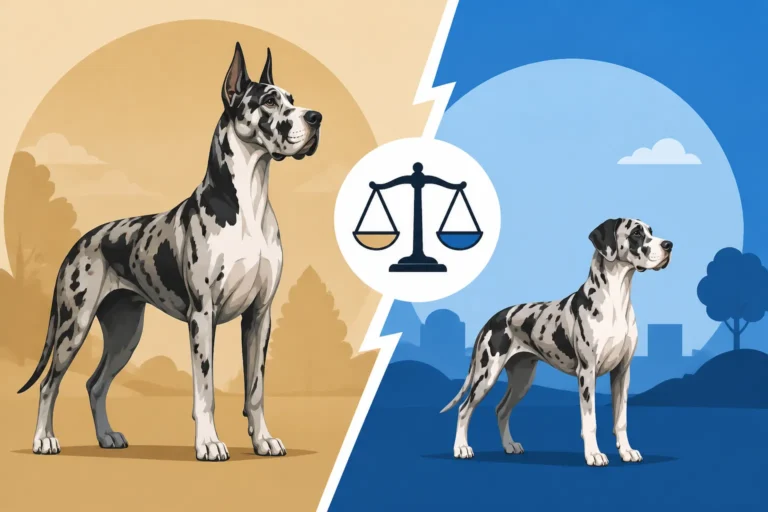
It’s a common sight: two enormous dogs walking side-by-side, and you can’t help but wonder which one truly tips the scales. When you see a majestic Great Dane and a fluffy, impressive Saint Bernard, the question often pops into mind: is one definitively heavier than the other? Many people assume the Great Dane, with its incredible height, must be the heaviest breed around, but that's not always the case. This guide will dive deep into the typical weights and builds of both these magnificent giants, helping you understand their differences and what really makes them unique.
Understanding the Great Dane's Stature
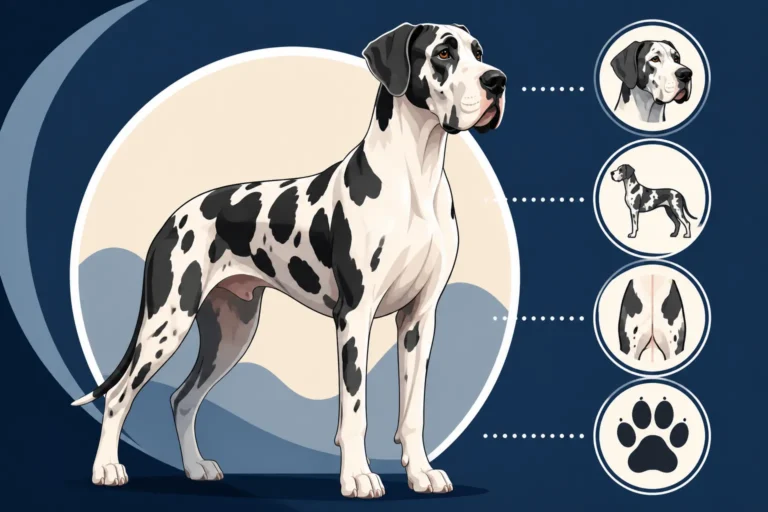
The Great Dane, often hailed as the "Apollo of Dogs," is renowned for its imposing height and elegant, muscular build. They are truly magnificent creatures, standing tall and proud, often capturing attention simply by walking into a room. While their height is often unparalleled in the canine world, their overall mass is a different story when compared to some other giant breeds.
Despite their grand appearance, Great Danes are built for speed and agility, not necessarily brute bulk. Their frame is lean and athletic, designed for the historical purpose of hunting large game like wild boar. This means they are tall and powerful, but with a more refined musculature that allows for quick, flowing movement. Thinking of them purely by their towering presence might lead one to overestimate their weight compared to their broader, heavier cousins.
When we talk about Great Danes, we're talking about dogs that consistently stand as some of the tallest in the world. However, this impressive verticality doesn't always translate into the heaviest dog on the block. It’s important to appreciate their unique physical characteristics for what they are – a blend of immense size and graceful power.
Typical Great Dane Weight Ranges
A male Great Dane typically weighs in at a substantial 120 to 175 pounds, sometimes even more. Females are generally a bit lighter, ranging from 100 to 130 pounds. These are, of course, averages, and you'll find healthy Danes on either side of these figures. The key is their lean body condition. A well-conditioned Great Dane should show a tuck-up at their waist and you should be able to feel their ribs without seeing them prominently. For more on their size, consider The Thirty-Two Inch Male Great Dane.
It's common for new Great Dane owners to worry about their dog being "too skinny" because they are used to seeing blockier breeds. However, for a Great Dane, a lean physique is actually optimal for their health and longevity. Excess weight can put immense strain on their joints, which are already prone to issues given their rapid growth and sheer size. Keeping a Great Dane at a healthy weight is one of the best things you can do for them.
Maintaining a lean body mass requires careful attention to diet and exercise. Great Danes need a specifically formulated large-breed puppy food during their crucial growth phases and a high-quality adult formula once they mature. Overfeeding, especially with calorie-dense foods, can lead to rapid weight gain that their skeletal structure isn't designed to handle. You'll find more insights on managing their food intake in Feeding an Adult Great Dane Six to Ten Cups.
Introducing the Saint Bernard's Immense Presence
Now, let's turn our attention to the magnificent Saint Bernard. When you picture a Saint Bernard, you likely envision a dog of incredible substance, with a broad head, powerful body, and a comforting, almost bear-like appearance. These dogs were bred for rescue work in the treacherous Swiss Alps, and their physical build perfectly reflects that demanding heritage. They needed to be robust, strong, and capable of enduring harsh conditions, which naturally led to a very dense and heavy frame.
Unlike the Great Dane's more athletic and refined silhouette, the Saint Bernard possesses a much heavier bone structure and a significantly broader chest and overall body mass. Their deep chests and powerful legs are built for navigating deep snow and rugged terrain, requiring immense strength and endurance. This functional build has translated into a dog that is, pound for pound, often much heavier than a Great Dane, even if they sometimes don't reach the same towering heights.
The Saint Bernard's thick coat, whether short-haired or long-haired, also adds to their imposing visual bulk. This dense fur provides insulation against the cold and contributes to their overall massive appearance, making them look even larger than they are. Their gentle eyes and calm demeanor often belie the sheer power and weight they carry, making them truly gentle giants in every sense of the word.
Typical Saint Bernard Weight Ranges
Male Saint Bernards are typically larger and heavier than male Great Danes, often weighing between 140 to 180 pounds, with many individuals exceeding 200 pounds quite easily. Females usually fall into the 120 to 140-pound range, but again, can be much heavier. It's not uncommon to see a healthy, well-muscled male Saint Bernard pushing towards 220 pounds, sometimes even more, making them undeniably one of the heaviest dog breeds on the planet.
This significant weight difference comes down to their fundamental build. Saint Bernards carry more bone and muscle mass relative to their height. Their structure is one of immense power and endurance, designed to move through deep snow and carry supplies or even rescue individuals. This need for sheer power translates directly into their impressive weight.
When considering a Saint Bernard, it's crucial to understand the implications of their substantial weight for everything from daily care to long-term health. Everything from their food portions to the type of bedding they need to support their joints will be influenced by their size. Just like Great Danes, keeping a Saint Bernard at a healthy, lean weight for their breed is paramount to preventing undue stress on their large joints.
The Direct Comparison: Who is Heavier?
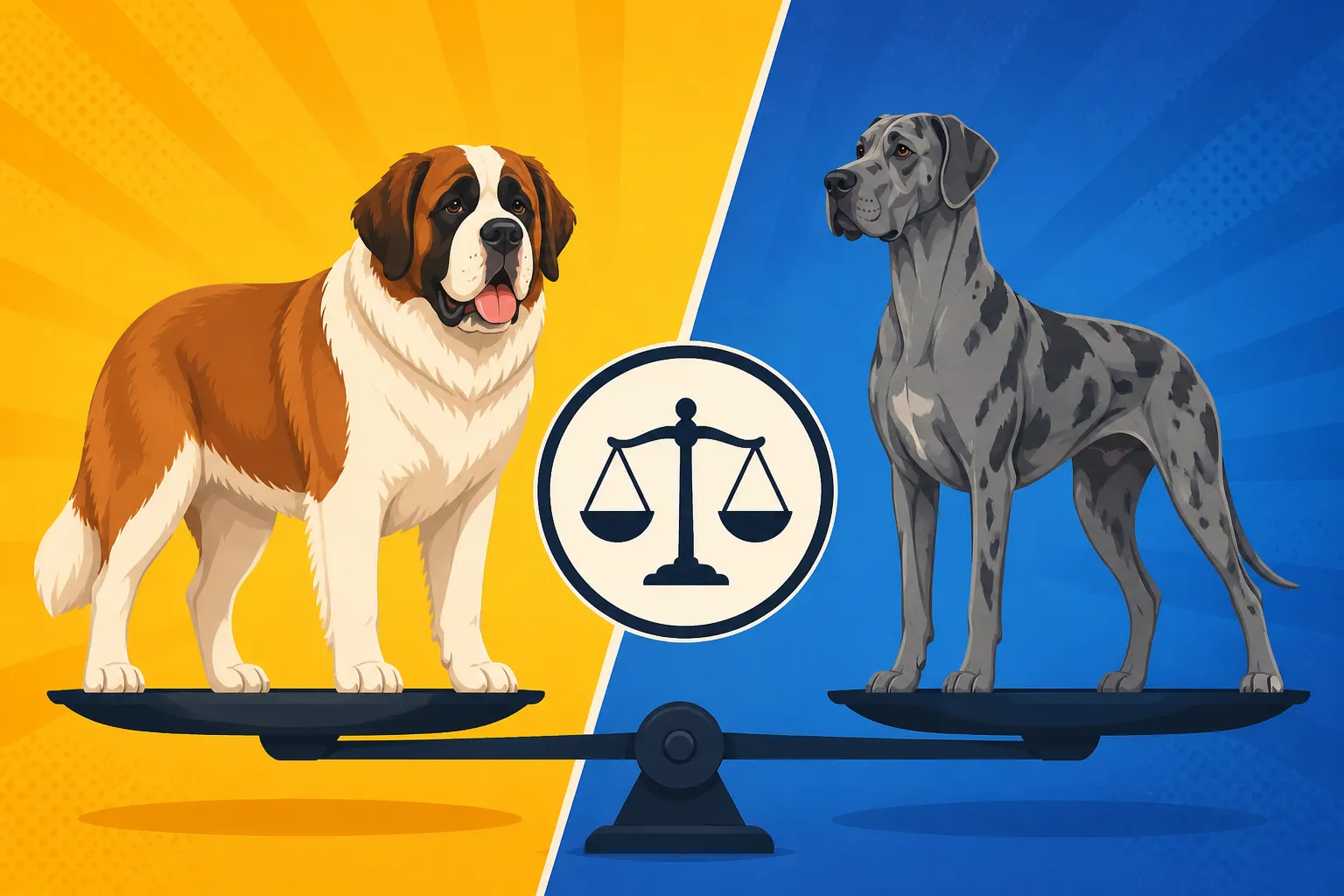
When we put the Great Dane and the Saint Bernard side by side, the answer to "who is heavier?" becomes clearer. While the Great Dane often wins in terms of sheer height, stretching upwards with its elegant frame, the Saint Bernard typically takes the prize for overall mass and weight. Think of it like a tall, lean basketball player versus a powerfully built, broader football lineman; both are incredibly impressive athletes, but they have different builds for different purposes.
The Great Dane's weight, impressive as it is, is distributed over a taller and somewhat less dense frame. They are built for a more agile, ground-covering trot. In contrast, the Saint Bernard carries a greater density of bone and muscle, giving them a more robust, substantial feel even if they are a few inches shorter at the shoulder than the tallest Danes. Their powerful, thick-set bodies were designed for heavy-duty work in harsh environments, which necessitated a heavier overall mass. For a broader look at how Great Danes compare, check out Great Danes Against the Other Giant Breeds.
This distinction is important not just for trivia but for understanding the specific needs of each breed. A heavier dog naturally exerts more force on its joints, requires more substantial infrastructure (like beds and crates), and consumes larger quantities of food. The difference in their build is a direct reflection of their history and the tasks they were bred to perform.
| Breed | Typical Male Height (at shoulder) | Typical Male Weight (pounds) | Typical Female Height (at shoulder) | Typical Female Weight (pounds) | General Build |
|---|---|---|---|---|---|
| Great Dane | 30-34 inches | 120-175 lbs (often more) | 28-32 inches | 100-130 lbs | Tall, lean, athletic |
| Saint Bernard | 28-30 inches | 140-180 lbs (often 200+) | 26-28 inches | 120-140 lbs | Stocky, broad, heavily boned |
As you can see from the table, while the Great Dane tends to have a greater average height, the Saint Bernard generally has a higher average weight, with a greater potential to exceed 200 pounds for males.
Factors Influencing Weight in Giant Breeds
It's not just genetics that determine how much a Great Dane or Saint Bernard weighs. While breed standards give us a baseline, individual dogs can vary quite a bit. Understanding these influencing factors is crucial for responsible ownership, ensuring your giant companion lives its healthiest, happiest life. Just because a dog is a large breed doesn't mean "bigger is always better" when it comes to weight.
The sheer size of these dogs means that managing their weight is a lifelong commitment. A few extra pounds on a smaller breed might be negligible, but on a 150-pound Great Dane or a 200-pound Saint Bernard, those extra pounds add up quickly and can put incredible strain on their developing bones and mature joints. This is a common frustration for owners who want to indulge their beloved pets but know the health consequences.
When choosing a puppy, especially, the growth rate and eventual size can be a significant factor. Responsible breeders will guide you through expectations for their lines. However, once you bring your giant puppy home, you become the primary caretaker responsible for shaping their development through diet, exercise, and preventative care.
Genetics and Lineage
Just like people, individual dogs within a breed can have different genetic predispositions. Some lines of Great Danes might be naturally finer-boned and leaner, while others might have a more robust, heavier build. The same goes for Saint Bernards; some might be closer to the lower end of the weight spectrum, while others are naturally more massive. Knowing the lineage of your dog can give you clues about their potential adult size and weight.
A reputable breeder will be able to share information about the size and build of their breeding stock, and often previous generations. They’ve spent years understanding their dogs' genetics and how those traits manifest. This information isn't just about winning ribbons in the show ring; it's about predicting health and confirming your dog will meet the expectations for its breed.
Understanding your dog's genetic potential also helps set realistic expectations. Trying to force a naturally leaner Great Dane to carry more weight because you think it "should" be heavier, or conversely, attempting to drastically slim down a naturally broad Saint Bernard, can lead to health issues or unnecessary stress for the dog. Aim for a healthy weight for their individual genetic blueprint.
Diet and Nutrition
The food your giant breed eats plays an enormous role in its growth and adult weight. For Great Dane puppies, feeding a large-breed specific puppy food is absolutely critical to promote slow, controlled growth. Regular puppy foods are often too high in calories and calcium, leading to rapid growth that can overwhelm developing joints and bones. This can cause significant orthopedic problems down the line. We dive into this more in Bone Development Problems in a Great Dane Puppy.
As adults, both Great Danes and Saint Bernards require large quantities of high-quality food. However, "large quantities" doesn't mean unlimited food. Calorie needs vary based on age, activity level, and metabolism. It's so easy to overfeed these big eaters! Monitoring their body condition by feeling their ribs and observing their waistline is far more reliable than just following the bag's recommendations, which are often just a starting point. The Calorie Load a Great Dane Actually Needs can help clarify this. Many owners use reputable brands like Chewy for their large breed formulas, which offer specific nutrition tailored to their needs.
Regularly weighing your dog, if possible, or at least having the vet do it at check-ups, can help you track their weight trend. Adjusting food intake based on activity and condition is an ongoing process. It's far easier to prevent excessive weight gain than to try and take it off a massive dog, which can be challenging and put stress on their already hardworking joints.
Exercise Levels
Consistent, appropriate exercise is another major factor in maintaining a healthy weight and muscular condition for both Great Danes and Saint Bernards. A sedentary lifestyle, combined with a diet appropriate for a more active dog, will inevitably lead to weight gain. However, it's not just about getting them moving; it's about getting them moving correctly for their breed and age.
Great Danes, particularly as puppies, need controlled exercise to protect their fast-growing joints. Long, strenuous jogs or excessive jumping should be avoided until they are fully mature, typically around 18-24 months. Adult Danes, while often happy to lounge, do benefit from regular walks and playtime to maintain muscle tone and cardiovascular health. For tips on managing their weight safely, consider Keeping a Great Dane Lean for Its Joints.
Saint Bernards, despite their robust build, also need consistent, moderate exercise. While they can endure colder climates and rugged terrain, they aren't necessarily built for sustained high-impact activities. Regular walks, playtime in a secure yard, and perhaps some swimming (if they enjoy it and it's safe) are excellent ways to keep them fit without over-stressing their heavy joints. The goal is to build strong muscle to support their frame, not to turn them into marathon runners.
Health Conditions
Underlying health issues can also impact a giant breed's weight. Conditions like hypothyroidism can lead to unexplained weight gain and lethargy, even with a consistent diet. Heart conditions, which Great Danes are particularly prone to, might affect their activity levels and metabolism. Pain from arthritis or hip and elbow dysplasia can make exercise uncomfortable, leading to a more sedentary lifestyle and subsequent weight gain. Many of these health concerns are tragically common, as explored in Why a Great Dane Only Lives Seven to Ten Years.
Regular veterinary check-ups are essential for detecting these issues early. Your vet can perform blood tests to check thyroid function, screen for cardiac issues, and assess joint health. Addressing these conditions promptly can help manage weight and improve your dog's overall quality of life. Owners of giant breeds often find themselves working closely with their vets to manage complex health needs as their dogs age.
It's also worth noting that some medications can affect weight or appetite. If your Great Dane or Saint Bernard is on long-term medication, discuss any potential weight-related side effects with your veterinarian. Being proactive about their health is key, and understanding potential health pitfalls allows you to mitigate risks and react quickly when something seems off.
Beyond Weight: Other Physical Distinctions
While weight is a significant differentiator, it's not the only way these two magnificent breeds stand apart. Both Great Danes and Saint Bernards are incredible in their own right, but they offer very different experiences for their owners in terms of physical interaction, maintenance, and even the way they simply move through the world. Appreciating these nuances helps us understand why each breed developed its distinct characteristics.
It's easy to get caught up in the numbers, like how many pounds a dog weighs or how many inches tall it stands. However, the true beauty of these giant breeds lies in their overall presentation, their gait, their coat, and even their facial expressions. These are subtle differences that, when combined, create two very distinct types of "giant dog."
Understanding these differences is more than just academic; it informs daily care, grooming needs, and even what kind of home environment might suit each breed best. From the way they shed to how they handle temperature extremes, their physical traits dictate much of their care.
Coat and Grooming Needs
The most obvious visual difference, beyond their build, is often their coat. Great Danes have a short, smooth, dense coat that lies close to their body. While it's short, don't be fooled—they still shed! They tend to shed moderately year-round, with heavier shedding periods seasonally. Their grooming needs are relatively low-maintenance, requiring regular brushing with a rubber curry brush or grooming mitt to remove loose hair and keep their coat shiny. Many owners use a good deshedding tool or grooming gloves readily available on Chewy.
Saint Bernards, on the other hand, come in both short-haired (smooth coat) and long-haired varieties. Both types have a dense double coat. The long-haired variety, with its flowing mane and feathery tail, requires significantly more grooming to prevent mats and tangles. Both shed profusely, especially seasonally, and daily brushing is often recommended to manage the loose hair and keep their skin healthy. Their thick coats also mean they need regular checks for debris, ticks, and burrs, particularly if they spend time outdoors.
The difference in their coats also impacts how they handle temperature. Great Danes, with their short coats, are more susceptible to cold weather and may need protective gear in winter. Saint Bernards, with their thick double coats, are built for cold and can easily overheat in warm climates. Understanding these needs is vital for their comfort and health.
Facial Features and Expressions
Beyond body shape and coat, their faces tell a story. The Great Dane has a long, noble head with a well-defined stop and a powerful, deep muzzle. Their eyes are typically dark and almond-shaped, conveying an intelligent and alert expression. Their ears, whether cropped (historically common) or natural, contribute to their stately appearance. Their jowls, while present, are generally less pronounced than those of a Saint Bernard, leading to less drooling overall.
The Saint Bernard's head is massive and imposing, with a broad skull and a pronounced stop. Their muzzle is wide and powerful, and their expressive, often deeply set eyes convey a gentle, benevolent, yet sometimes melancholic expression. They have distinct wrinkles on their forehead and a loose skin around their mouth and jowls, which is characteristic of the breed. This loose skin and jowly appearance means Saint Bernards are well-known for their significant drooling, particularly after drinking or during excitement, a detail that anyone considering the breed must be prepared for!
These facial characteristics are integral to their breed standards and lend to their iconic looks. The Great Dane's The Great Dane Head the Standard Wants emphasizes its elegant lines, while the Saint Bernard's speaks to its formidable strength and kindly disposition. Both are beautiful, but in very different ways, each reflecting their ancestral purpose and temperament.
Movement and Gait
The way these two giants move is another clear distinction. A Great Dane's gait is powerful, effortless, and ground-covering. They move with a long, reaching stride, giving the impression of fluid motion. Their athletic build allows for bursts of speed and a graceful trot. When a Great Dane moves, you see efficiency and power, a result of generations bred for hunting swiftly and silently.
A Saint Bernard's movement, while powerful, is more deliberate and ponderous. Their heavy bone structure and broad body mean they move with a lumbering, yet sure-footed gait. They are built for endurance and strength over rugged terrain, not for speed. Their strength is in their steadfastness and ability to push through challenging conditions. They are capable of moving substantial weights and enduring long periods of difficult travel, which is a testament to their incredible physical fortitude.
Watching them move can be quite a lesson in biomechanics. The Great Dane's almost feline grace despite its size is captivating, while the Saint Bernard's steady, powerful progress inspires a sense of unwavering determination. Both are perfectly adapted to their original roles, and these movement patterns define a part of their identity.
Disclaimer
This article is for general informational purposes only and does not constitute professional advice. Laws, prices and regulations vary by location and change over time. Consult a qualified professional for guidance on your specific situation.