Treating a Great Dane Hygroma Before It Opens
It’s a situation many Great Dane owners dread: you’re petting your sweet giant, feeling for any bumps or changes, and there it is – a soft, squishy swelling on their elbow, or sometimes even a hock. This can be a sign of a hygroma forming, a common but potentially serious issue for our big dogs. Catching it early, before it breaks open, is absolutely crucial, and this guide is here to walk you through exactly how to do that, and what steps you can take to manage and hopefully resolve it.
Understanding What a Hygroma Is in a Great Dane
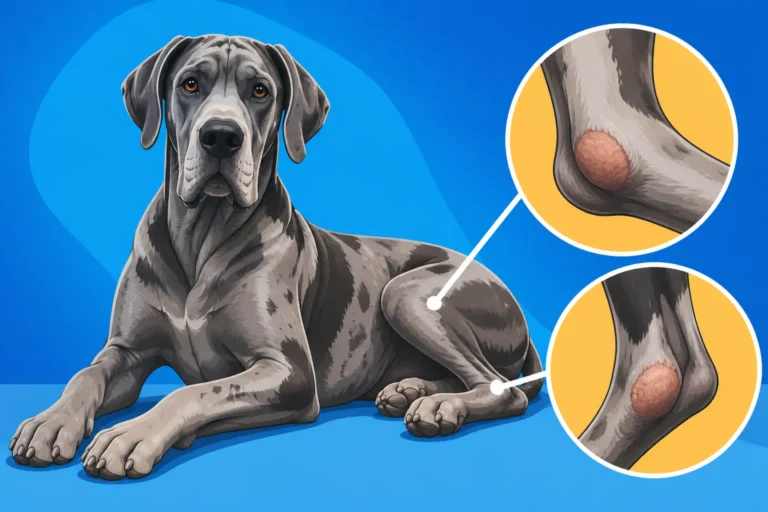
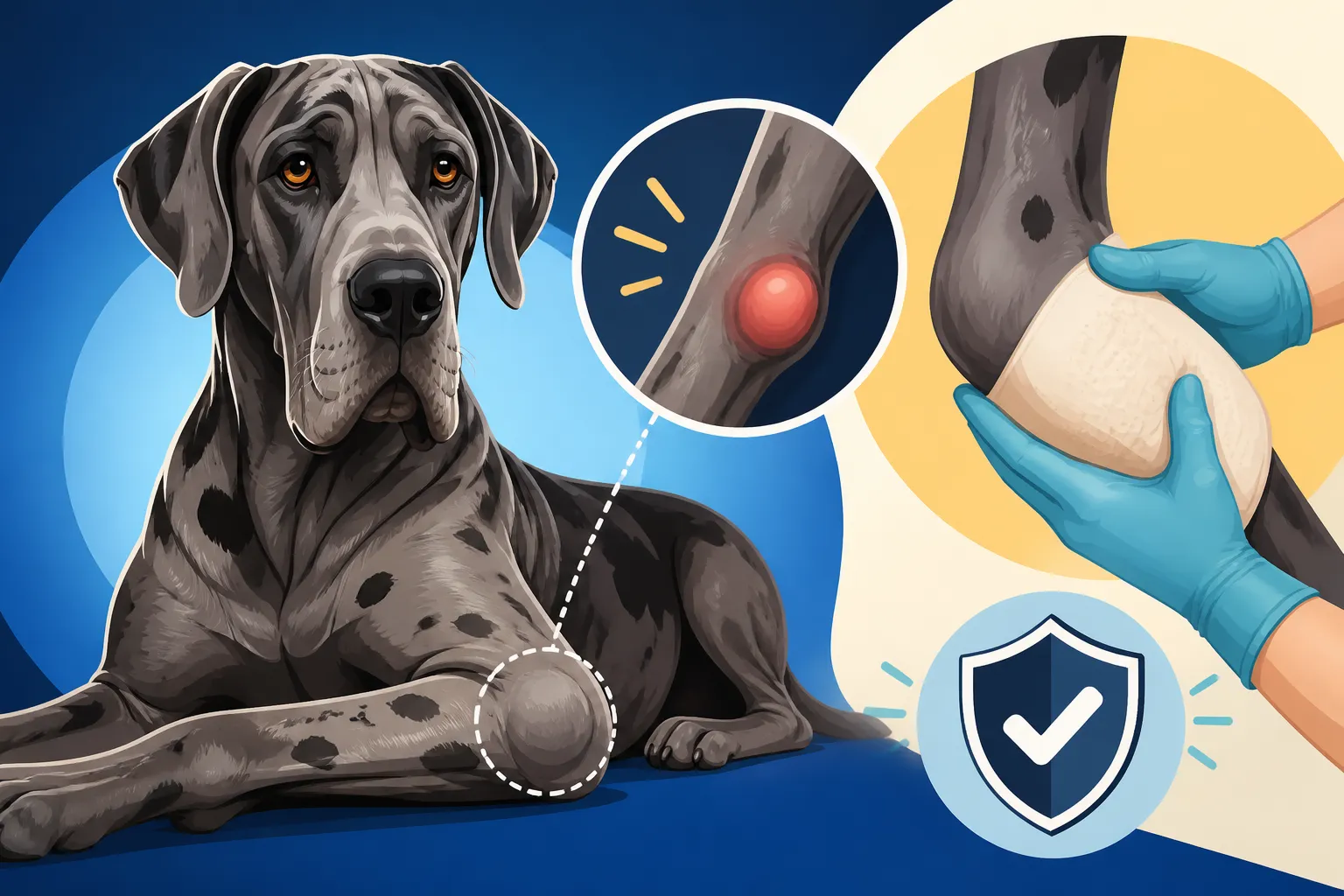
When you first feel that squishy spot, your mind probably races, wondering what on earth it could be. For Great Danes, a hygroma is often the culprit, and it’s essentially a fluid-filled sac that forms under the skin, usually over bony prominences like the elbow joint. It's the body's way of trying to protect itself, but sometimes that protection can become a problem in itself.
The Mechanics of Hygroma Formation
Imagine your Great Dane, all 150 pounds of majestic dog, deciding to plop down on a hard floor. Not a gentle descent, but a full-body drop. This repeated impact, day in and day out, on hard surfaces like concrete, tile, or even thin carpet over concrete, is the primary cause of hygromas. The constant pressure and friction irritate the tissue over the bony elbow, leading to inflammation. To counteract this trauma, the body starts producing fluid, creating a protective cushion. It’s an interesting defense mechanism, but for a Great Dane, their sheer weight and the force with which they often flop down can make these cushions grow quite large and problematic. It's a testament to their love of comfort, even if they choose the least comfortable spots to demonstrate it. You might find yourself wondering why a Great Dane's Elbows Swell so readily.
This fluid-filled sac isn't usually painful in its early stages because it's just a cushion. However, the larger it gets, the more potential it has for causing issues. Because Great Danes are so large and heavy, the sheer force of their impact on hard surfaces is amplified compared to smaller breeds, making them particularly susceptible. Their long legs also mean their elbows hit the ground first and with significant force when they lie down. This constant, repetitive micro-trauma is the silent enemy we often don't even realize is happening until we feel that tell-tale lump.
Identifying Early Signs and Symptoms
The key to effective treatment is early detection. A nascent hygroma typically starts as a soft, movable, painless swelling. It might feel like a water balloon under the skin, and your dog probably won't even notice it's there. You'll usually find these on the outer part of the elbow, but they can also occur on the hocks (ankles). This is why those daily pats and checks are so important – running your hands over your dog's legs and joints can reveal these changes before they become more serious.
Initially, the skin over the swelling will look normal, and your dog won’t show any signs of discomfort or lameness. It’s not red, hot, or painful to the touch. This makes it easy to overlook, especially if your Great Dane has a thick coat, though most Danes have relatively short hair where these are more obvious. As it progresses, it might become firmer, and the skin over it could start to thicken or lose hair due to the increased pressure and friction. It’s important to distinguish this from other lumps and bumps your dog might get, like a fatty tumor (lipoma) or even an abscess. Unlike a lipoma, a hygroma is usually more consistently soft and fluid-filled, and unlike an abscess, it typically isn't hot or painful in its early, uncomplicated stage. If you feel any A Soft Swelling on a Great Dane's Elbow, it's always worth a vet visit to confirm.
The Risks of an Untreated Hygroma
While an intact hygroma might seem harmless, essentially a benign fluid-filled cushion, it's a ticking time bomb. Ignoring it or hoping it will disappear on its own is a gamble with your Great Dane's health and comfort. The consequences of letting a hygroma progress can be severe, leading to significant pain, infection, and expensive, complicated medical interventions.
Progression to Open Wounds and Infection
This is the scariest part. That soft, protective cushion is under constant stress from repeated impact. Over time, the skin overlying the hygroma can thin out, stretch, and eventually break open. Once the skin barrier is compromised, it’s an open invitation for bacteria to enter the fluid-filled sac. This quickly leads to a secondary infection, turning a relatively minor issue into a major medical emergency. An infected hygroma often manifests as a hot, red, painful, and foul-smelling wound that constantly oozes pus and blood.
Healing an open, infected hygroma on a joint like the elbow is incredibly challenging. The area is constantly flexing and stretching with every movement, making it difficult for the wound to close and heal properly. Plus, the pressure and continued trauma mean that even if it starts to heal, it can easily break open again. The infection can spread beyond the hygroma itself, leading to serious conditions like cellulitis (a widespread skin infection) or even osteomyelitis, a bone infection. These conditions require aggressive and prolonged treatment, often involving potent antibiotics, surgical debridement, and extensive wound care, which can be both emotionally draining and financially crippling.
Pain and Mobility Issues
Even before an infection sets in, a large, untreated hygroma can become quite uncomfortable for your Great Dane. The sheer size and tension of the fluid sac can cause a dull ache, making it painful for your dog to lie down comfortably. They might start to shift their weight, adopt awkward sleeping positions, or become reluctant to use the affected leg, leading to changes in their gait and overall mobility. Imagine trying to get comfortable with a softball-sized, sensitive lump on your elbow – it's not pleasant.
This discomfort can significantly impact your dog's quality of life. They might become less active, unwilling to play, or even struggle with simple movements like getting up from a lying position. The chronic inflammation can also contribute to long-term joint issues, potentially exacerbating or even initiating conditions like arthritis, making life even harder for an older Great Dane. This can lead to a vicious cycle where discomfort causes them to sit or lie in ways that further aggravate the hygroma, leading to more pain and reduced mobility.
Proactive Treatment Strategies for Intact Hygromas
The absolute best way to "treat" an intact hygroma is to stop its progression and allow the body to reabsorb the fluid. This is primarily achieved through preventing further trauma to the affected area. Think of it like taking the pressure off a bruise so it can heal. For our giant companions, this means a multi-pronged approach focusing heavily on their environment and immediate protection.
The Critical Role of Proper Bedding
This is, hands down, the most important step you can take. If your Great Dane is spending time on hard surfaces, you must change that immediately. Investing in high-quality, deeply cushioned bedding is not a luxury; it's a necessity for preventing and treating hygromas. We're not talking about a thin pillow here. Great Danes need serious support and padding to cushion those bony elbows.
Look for orthopedic dog beds made with dense, supportive memory foam or thick, high-density foam. The bed should be thick enough that your Great Dane’s weight doesn’t compress it entirely, allowing their elbows to "float" comfortably above the hard floor. Brands like Big Barker and Molly Mutt are popular choices, known for their durable, supportive beds that can stand up to a Great Dane's size and weight. Consider placing multiple beds around the house in all their favorite lounging spots. If your Great Dane loves to lay on a specific spot on the tile floor, cover that spot with a thick rug and a dog bed. It takes consistency, but it's worth it. You might want to check out some specific recommendations in our guide on Bedding That Prevents Great Dane Hygromas.
Here's a quick comparison of bedding types:
| Bedding Type | Pros | Cons | Ideal For |
|---|---|---|---|
| Orthopedic Memory Foam | Excellent pressure relief, conforms to body, durable. | Can be expensive, some dogs find them warm. | Great Danes with existing or forming hygromas, seniors. |
| Thick Poly-fill (Fiberfill) | Softer, often more affordable, good for general comfort. | Compresses easily over time, less effective for heavy dogs. | Puppies, lighter dogs, supplementing orthopedic beds. |
| Elevated/Cot Style | Keeps dogs off hard floors, good airflow, easy to clean. | Less direct cushioning on joints, some dogs don't like them. | Outdoor use, good ventilation, supplementing indoor bedding. |
| Waterproof Beds | Easy to clean accidents, good for outdoor use. | Can be less breathable, might need extra padding for comfort. | Dogs prone to accidents, outdoor living. |
Protective Sleeves and Wraps
For hygromas that are still intact and not yet infected, protective sleeves or wraps can be a game-changer. These are designed to provide a soft barrier between the hygroma and the hard surfaces your Great Dane might encounter. Think of them as elbow pads for your dog. They usually consist of a breathable fabric sleeve with a padded insert that goes directly over the hygroma.
You can find specialized elbow sleeves made for dogs, or sometimes even modify human elbow pads, though dog-specific ones are generally better designed to stay in place and accommodate their anatomy. It's crucial that the sleeve fits properly – not too tight that it restricts circulation or causes chafing, but snug enough that it doesn't slip off. Brands like Walkin' Pets or Removable Pads for Dogs offer solutions that can be quite effective. These are best used in conjunction with good bedding, providing extra protection when your dog moves around or has a momentary lapse of judgment on a hard floor. Always monitor the skin underneath the sleeve for any irritation or moisture buildup, as this could lead to other skin issues.
Environmental Modifications
Beyond bedding, take a good look at your home environment. Are there any high-traffic areas where your Great Dane frequently lies down that are primarily hard surfaces? Consider adding rugs, carpets, or even puzzle mats in these spots. A simple bath mat in front of the kitchen sink or a runner in a hallway can make a huge difference. If you have tile floors, it's particularly important to soften those spots. Our article on Whether a Great Dane Should Lie on Tile goes into more detail on this often-overlooked environmental factor.
Outdoors, if your Great Dane spends time on concrete patios or rocky ground, try to create soft, designated lounging areas. A raised dog cot with a soft topper or even a patch of sand or artificial turf can provide a much-needed reprieve for their joints. The goal is to eliminate as many opportunities for hard impact as possible. This might mean adjusting your dog's routines or even training them to choose softer spots to rest. It takes a conscious effort, but preventing further damage to the hygroma is paramount.
Medical Interventions for Developing Hygromas
While environmental changes and protective gear are the first line of defense for intact hygromas, sometimes a little extra help from your vet is needed, especially if the hygroma is quite large or showing signs of inflammation. However, it's important to approach medical interventions for intact hygromas with caution, as some common treatments for other lumps can actually worsen a hygroma before it breaks open.
Anti-Inflammatory Medications
If the hygroma is red, warm, or your Great Dane is showing signs of discomfort (even if it's not yet open), your veterinarian might prescribe anti-inflammatory medications. Non-steroidal anti-inflammatory drugs (NSAIDs) like carprofen (Rimadyl) or meloxicam (Metacam) can help reduce inflammation, swelling, and pain, allowing the body a better chance to resorb the fluid. These are not a cure, but they can alleviate symptoms and support the healing process when combined with strict environmental management.
In some rare cases, and only under strict veterinary guidance, corticosteroids might be considered to rapidly reduce severe inflammation. However, steroids have their own set of side effects and are usually a short-term solution for specific situations, not a long-term treatment. It's always a discussion with your vet about the risks versus benefits, especially given the various health considerations for Great Danes. These medications aim to create a more favorable environment for the hygroma to shrink naturally, but they cannot address the root cause of the trauma.
Aspiration and Drainage (with Caution)
You might wonder if your vet can just drain the fluid out of the hygroma. While this is technically possible, it’s generally not recommended for intact hygromas. Here's why: inserting a needle into the hygroma to aspirate the fluid creates a tiny pathway for bacteria to enter. Even with sterile technique, there's always a risk of introducing infection, which, as we discussed, can turn a simple hygroma into a nightmare. Moreover, hygromas are notorious for refilling quickly after drainage because the underlying cause (repeated trauma) hasn't been addressed.
So, while draining might offer temporary relief from the swelling, it often makes the problem worse in the long run by significantly increasing the risk of infection and recurrence. Most vets will only consider aspiration if they suspect a different type of fluid collection or if the hygroma is already infected and needs to be cultured for appropriate antibiotic selection. It’s a procedure best avoided if the hygroma is still closed and uninfected.
Surgery as a Last Resort (for specific cases)
Surgery for an intact, uninfected hygroma is exceedingly rare and considered a last resort. The reason is similar to aspiration: surgery involves opening the sac, which carries a high risk of infection and complications in an area constantly subjected to pressure and movement. Removing the hygroma surgically can also lead to a large, difficult-to-heal wound that may break down post-operatively.
However, in very specific circumstances, such as an extremely large, calcified hygroma that is causing significant pain and mobility issues despite all other efforts, or one that is clearly destined to rupture, a veterinary surgeon might discuss surgical excision. This would typically involve removing the entire fluid-filled sac and often placing a drain to manage fluid accumulation during healing. Post-operative care is intensive, requiring strict confinement, pain management, and meticulous wound care, along with continued vigilance against pressure. It’s a complex decision that would only be made after exhausting all other conservative options and weighing the substantial risks.
Ongoing Management and Prevention of Recurrence
Successfully treating an intact hygroma isn't just about getting it to shrink; it's about making sure it doesn't come back. Great Danes, being creatures of habit and often prone to dramatic floor-flops, require ongoing vigilance and lifestyle adjustments to keep their elbows healthy and protected.
Regular Monitoring and Vet Check-ups
Even after a hygroma appears to have resolved or significantly shrunk, it's vital to maintain a routine of checking your Great Dane’s elbows (and hocks) regularly. A quick, gentle feel over these bony areas during your daily cuddle session can alert you to any returning softness or swelling. Catching a recurrence early means you can quickly re-implement preventative measures before it becomes a problem again.
Your veterinarian should also be part of this ongoing monitoring. During your Great Dane’s regular check-ups, bring up any concerns you have, even if the hygroma seems small or stable. They can assess the area, confirm the hygroma's status, and advise on any adjustments to your management plan. These check-ups are also crucial for catching any subtle changes that you might miss, or to explore if there are any underlying factors contributing to the issue, such as joint pain that's causing them to lie down awkwardly. Regular vet visits are key to your dog's overall health, especially for a giant breed.
Maintaining a Healthy Weight
This might seem obvious, but it's incredibly important. A Great Dane carrying extra weight puts even more pressure on all their joints, including their elbows, when they lie down. Every extra pound contributes to the force of impact, exacerbating the trauma that leads to hygromas. Keeping your Great Dane at a lean, healthy weight can significantly reduce the stress on their elbows and other joints, making it easier for them to avoid not just hygromas, but also conditions like arthritis.
Talk to your vet about what a healthy body condition score looks like for your individual Great Dane. Generally, you should be able to easily feel their ribs without seeing them prominently, and they should have a discernible waist when viewed from above. Adjust their diet and exercise regime as needed to achieve and maintain this ideal weight. It's a proactive step that pays dividends across their entire lifespan, helping to prevent a host of musculoskeletal issues. We talk a lot more about this in our article on Keeping a Great Dane Lean for Its Joints.
Addressing Underlying Behaviors
Sometimes, a Great Dane’s specific behaviors contribute to hygroma formation. Do they often "flop" onto the floor with a dramatic thud instead of lying down gently? Do they slide around on hard surfaces before collapsing? Observing these habits can help you pinpoint areas where intervention is needed. Positive reinforcement training can encourage gentler settling behaviors. For instance, rewarding them with praise or a treat when they lie down softly on a designated bed can encourage them to choose the cushioned spot more often.
If your Great Dane engages in rough play or zooms around the house, sometimes skidding to a stop on hard floors, this can also contribute to friction and trauma. While you don't want to stop them from being a dog, try to redirect overly boisterous indoor play to softer surfaces or outside in a grassy area. Providing appropriate chew toys and mental stimulation can also help to channel their energy constructively, reducing the likelihood of destructive or overly energetic behaviors that might lead to joint trauma.
The Financial Reality of Hygroma Management
Let's be real: owning a Great Dane is not a cheap endeavor, and health issues like hygromas, even when caught early, come with their own set of costs. Thinking ahead about the financial implications can save a lot of stress down the line.
Cost of Preventive Measures
The good news is that preventing a hygroma from breaking open is generally far less expensive than treating an infected one. However, "less expensive" doesn't mean "free." High-quality orthopedic beds, which are a non-negotiable for Great Danes, can range from $100 to $500 or more, depending on size, brand, and materials. And remember, you might need a few of them! Protective elbow sleeves or wraps can cost $30-$80 each, and if they wear out, they need replacing. Regular vet check-ups, while part of general care, might involve specific discussions or minor examinations related to the hygroma that add to the bill.
If your vet prescribes anti-inflammatory medications, those can add another $30-$100 per month, depending on the drug and your Great Dane’s weight. While these costs might seem high upfront, compare them to the potential thousands of dollars an infected hygroma could cost in emergency visits, surgery, long-term antibiotics, wound care, and potentially specialized rehabilitation. An ounce of prevention truly is worth a pound of cure when it comes to hygromas.
Understanding Insurance Coverage
This is where pet insurance can be a true lifeline for Great Dane owners. Conditions like hygromas are exactly the kind of unexpected, costly issues that pet insurance is designed to help with. If your Great Dane develops a hygroma that requires extensive medical intervention – particularly if it becomes infected and needs surgery or long-term care – having a good pet insurance policy can drastically reduce your out-of-pocket expenses.
However, a crucial point to remember is that pet insurance typically does not cover pre-existing conditions. This means you need to have a policy in place before your Great Dane develops a hygroma. If you notice a small hygroma and then try to get insurance, it will likely be considered a pre-existing condition and excluded from coverage. That’s why we always recommend considering Enrolling a Great Dane Before Anything Happens rather than waiting for an issue to arise. Providers like Healthy Paws are popular among Great Dane owners for their comprehensive coverage options that can help with these types of orthopedic and injury-related costs. Getting Premiums Quoted on a Great Dane from Healthy Paws or similar providers can give you an idea of the investment, but it's an investment in peace of mind. While Healthy Paws aims to cover a wide range of accidents and illnesses, always check the specific policy details and waiting periods to ensure you understand what's covered for your giant companion.
Disclaimer
This guide offers general information and recommendations for treating and preventing hygromas in Great Danes. It is not a substitute for professional veterinary advice. Always consult with your veterinarian for an accurate diagnosis and a personalized treatment plan for your dog's specific health needs.