Whether Any Great Dane Reaches Twelve
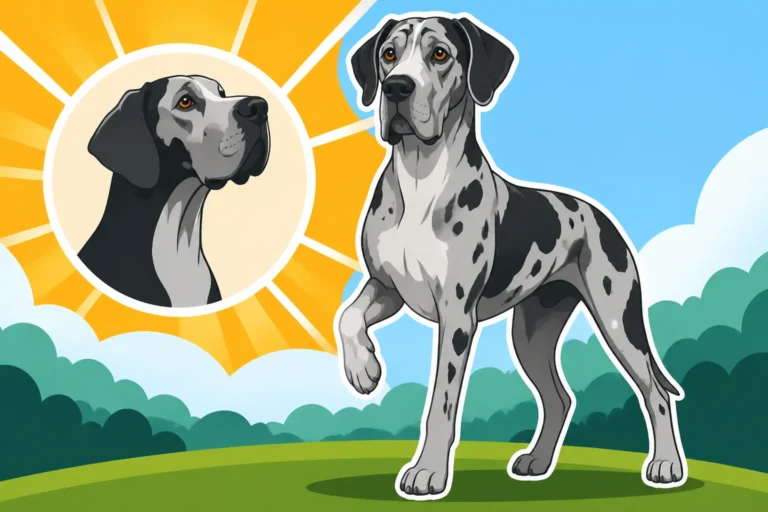
It's a question that tugs at the heartstrings of every Great Dane owner, and honestly, it's one of the toughest realities of loving these magnificent dogs: "Will my Great Dane live a long life?" The typical lifespan of a Great Dane is notoriously short, often only gracing us with their presence for 7 to 10 years. This guide will dive deep into the factors influencing a Great Dane's longevity, explore the rare instances of Danes reaching their twelfth birthday, and discuss the proactive steps you can take to give your gentle giant the best chance at a full, healthy life.
Understanding the Typical Great Dane Lifespan
The stark reality is that the joy of owning a Great Dane often comes with the heartache of a shorter lifespan compared to many other breeds. It’s a bitter pill to swallow when you realize that your giant puppy will reach its golden years far sooner than you might expect.
The Reality of Great Dane Longevity
When you bring a Great Dane puppy home, full of clumsy enthusiasm and boundless love, it’s hard to imagine that your time with them will be so fleeting. Most Great Danes live between seven and ten years, which feels incredibly short when you consider how much they become a part of your family. This isn't just a number; it's a profound emotional reality for owners. We see them grow from gangly pups into majestic, couch-loving companions, and then, seemingly overnight, they start to show the signs of aging. It's truly heartbreaking to watch them slow down and face the health challenges that often accompany their later years. Understanding that this is their typical journey helps us cherish every single moment, but it doesn't make the eventual goodbye any easier. For a deeper look at this, you might want to read our article on Why a Great Dane Only Lives Seven to Ten Years.
Factors Contributing to a Shorter Lifespan
The "why" behind their shorter lives is complex, rooted in their rapid growth and sheer size. Giant breeds like Great Danes age much faster than smaller dogs. Their bodies are under immense stress from the moment they're puppies, growing at an astonishing rate that puts a strain on their skeletal, cardiovascular, and other systems. This accelerated aging process contributes to a higher incidence of age-related diseases at a younger chronological age. Their metabolism works harder, cell turnover is faster, and the wear and tear on their bodies accumulates quickly. It's not just one thing; it's a combination of genetics, the sheer scale of their physiology, and unfortunately, their predisposition to certain severe health conditions that all contribute to their abbreviated time with us.
The Rare Great Dane Who Lives to Twelve and Beyond
While it's not the norm, stories of Great Danes reaching the ripe old age of twelve, or even thirteen, do exist. These are truly exceptional cases, and they offer a glimmer of hope that, with the right circumstances, some of these wonderful dogs can beat the odds.
Genetic Fortunes and Responsible Breeding
A significant factor in whether a Great Dane might achieve a longer-than-average life often begins long before they even come home to you – it's in their genetics. Responsible breeders are the unsung heroes here. They meticulously health-test their breeding stock, looking for any predisposition to common Great Dane ailments like Dilated Cardiomyopathy (DCM) or hip and elbow dysplasia. They understand that a healthy lineage doesn't guarantee a long life, but it significantly stacks the deck in your favor. When a breeder can show you generations of long-lived, healthy Danes, it suggests a genetic resilience that is invaluable. These breeders prioritize temperament and health over flashy colors or fleeting trends. Asking a breeder about The Health Testing a Great Dane Breeder Owes You is crucial for any prospective owner. Without this foundation, even the best care might struggle against deeply ingrained genetic weaknesses.
Optimal Care and Environment
Beyond genetics, the day-to-day care and environment a Great Dane lives in play an enormous role in their longevity. A dog's lifestyle profoundly impacts its health, and for a giant breed, this impact is amplified.
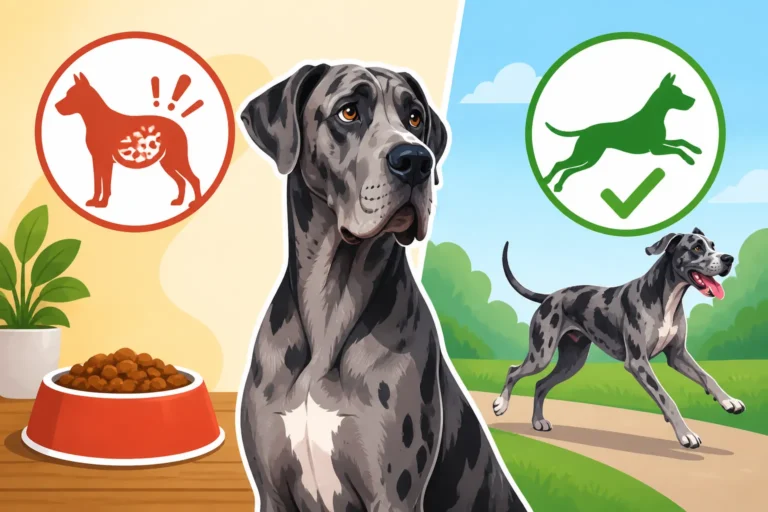
- Nutrition: Feeding a Great Dane isn't just about volume; it's about the right balance. For puppies, it means a large-breed specific formula designed for slow growth, preventing conditions like Hypertrophic Osteodystrophy (HOD). For adults, it means high-quality food in appropriate portions to maintain a lean body condition. Obesity puts tremendous strain on their joints and organs, exacerbating health issues. We've talked extensively about Feeding a Great Dane Puppy Slowly on Purpose to support healthy development.
- Appropriate Exercise: While Great Danes are big, they aren't marathon runners, especially not when growing. Over-exercising a puppy can lead to joint problems later in life. As adults, they need regular, moderate exercise – walks, gentle playtime – rather than intense, high-impact activities. This helps maintain muscle mass and joint health without causing undue stress.
- Regular Veterinary Care: This is non-negotiable. Routine check-ups, prompt attention to any changes in behavior or health, and preventative care are vital. This includes vaccinations, parasite control, and screening tests specific to Great Danes, such as annual cardiac exams for DCM or hip and elbow evaluations. Early detection of issues can mean more effective treatment and better outcomes.
- Mental Stimulation and Low Stress: A happy, well-adjusted Great Dane is a healthier Great Dane. Mental enrichment through training, puzzle toys, and social interaction helps reduce stress, which can indirectly impact physical health. A loving, stable home environment contributes significantly to their overall well-being.
- Living Conditions: Providing soft bedding to prevent pressure sores, ensuring a safe, spacious home environment, and being mindful of their joint health by limiting excessive stair climbing can all make a difference. These seemingly small details contribute to their comfort and physical preservation over time.
It's the sum of these parts – excellent genetics, a carefully managed diet, appropriate exercise, proactive veterinary care, and a supportive home – that sometimes allows a Great Dane to defy the odds and enjoy a significantly longer life.
Health Challenges That Great Danes Face
The truth is, even with the best intentions and care, Great Danes are susceptible to a range of severe health conditions that can drastically shorten their lives. These aren't just minor ailments; they are often life-threatening and require immediate, sometimes costly, veterinary intervention.
The Shadow of Bloat and Cardiac Disease
No discussion about Great Dane health is complete without addressing the twin specters of bloat and heart disease. These are, tragically, some of the most common reasons we lose our beloved giants too soon.
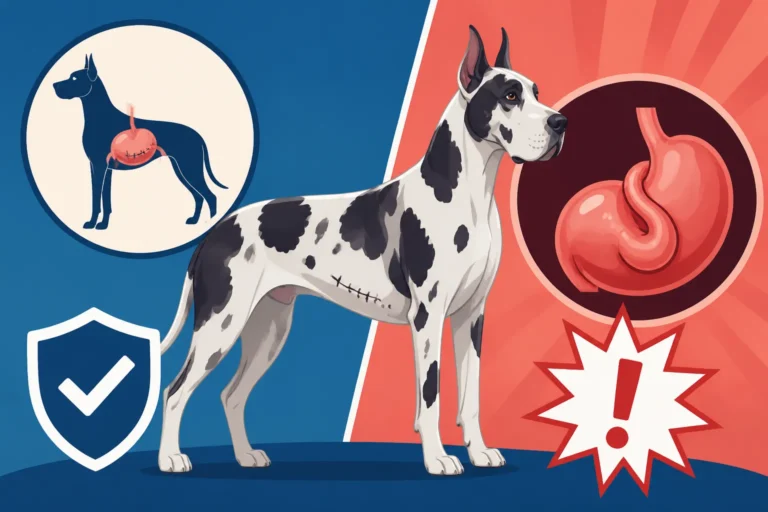
Gastric Dilatation-Volvulus (GDV), or Bloat: This condition is every Great Dane owner's nightmare. It happens when the stomach fills with gas and twists upon itself, cutting off blood supply. It's incredibly painful, progresses rapidly, and is fatal if not treated immediately. Great Danes have a deep, narrow chest which is thought to predispose them to this condition. The lifetime risk of bloat in a Great Dane is shockingly high, with some studies suggesting up to a one in three chance. Symptoms can include retching without producing anything, pacing, a distended abdomen, and obvious discomfort. If you suspect bloat, it's an absolute emergency – minutes matter. Getting to an emergency vet quickly is paramount. For more detailed information on this critical condition, including Bloat in a Great Dane and the One in Three Odds and The Lifetime Bloat Risk in a Great Dane, it's vital to educate yourself. Prevention, often through a prophylactic gastropexy surgery, is often recommended by vets because the odds are so high.
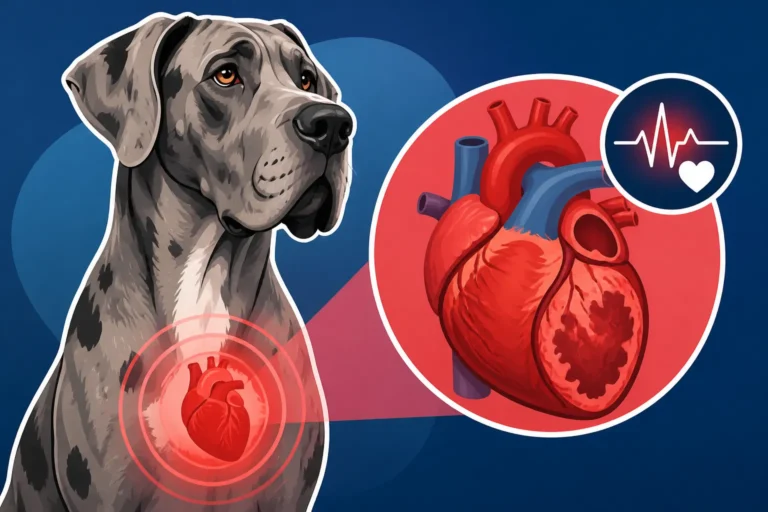
Dilated Cardiomyopathy (DCM): This heartbreaking heart condition is prevalent in Great Danes. DCM causes the heart muscle to become thin and weak, making it unable to pump blood effectively throughout the body. Early signs can be subtle, like a cough or reduced exercise tolerance, but it progressively worsens, leading to fluid buildup in the lungs (congestive heart failure) and potentially sudden death. Sadly, many Danes are diagnosed late in the disease progression. Regular cardiac screening, including echocardiograms, is essential for early detection. Our article on The Heart Muscle Disease Great Danes Are Prone To offers more insight into this serious condition. While there are medications that can manage DCM symptoms and improve quality of life, there is no cure, and it inevitably shortens their lifespan. These two conditions alone are responsible for a significant number of Great Dane deaths and highlight the importance of being vigilant and proactive about their health.
Cancer and Orthopedic Issues
Beyond bloat and DCM, Great Danes are also prone to certain cancers and debilitating orthopedic problems that can severely impact their quality of life and longevity.
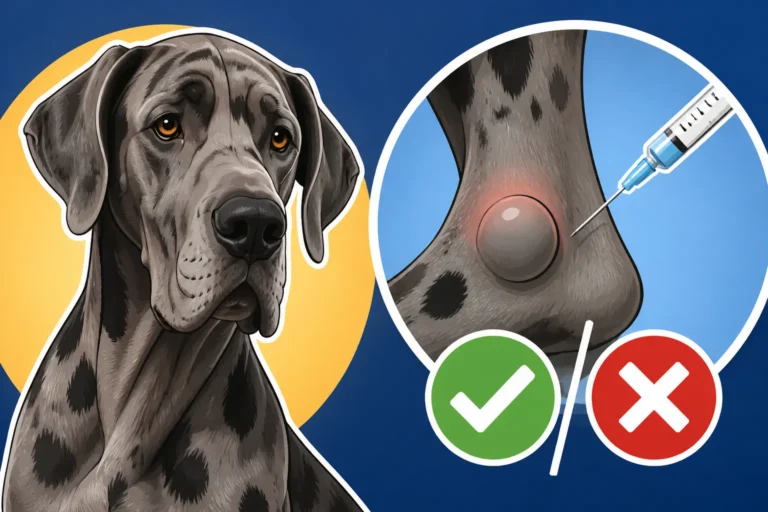
Cancer: Unfortunately, giant breeds, including Great Danes, have a higher incidence of certain cancers, often striking at a younger age than in smaller breeds. Osteosarcoma, an aggressive bone cancer, is particularly common and devastating. It often manifests as lameness or swelling in a leg and can progress very quickly. Other cancers, such as lymphoma or mast cell tumors, can also affect Great Danes. Early detection is key, but the aggressive nature of many of these cancers often means a poor prognosis. You can learn more about this specific challenge in our article, Bone Cancer in a Great Dane. Dealing with a cancer diagnosis in a Great Dane is emotionally taxing and financially draining, often involving difficult decisions about quality of life versus aggressive treatment.
Orthopedic Issues: Given their massive size and rapid growth, Great Danes are susceptible to a variety of orthopedic problems. Hip and elbow dysplasia are common genetic conditions where the joints don't form correctly, leading to arthritis, pain, and lameness. While proper nutrition during puppyhood (avoiding excessive growth) and maintaining a lean body weight can help, genetics play a significant role. Conditions like Wobbler Syndrome, a neurological issue affecting the neck and spinal cord, can also cause severe mobility problems, leading to a clumsy gait and even paralysis. Although not always fatal, these conditions severely impact a Dane's comfort and mobility, often requiring ongoing management, medication, or costly surgeries. Ensuring your breeder provides Great Dane Hip and Elbow Screening is a good starting point to mitigate these risks. These orthopedic challenges require careful management throughout their lives to ensure they can move comfortably, and they can certainly influence their overall well-being and longevity.
Proactive Steps for Maximizing Your Great Dane's Health
While we can't guarantee a specific lifespan, as responsible Great Dane owners, there's a great deal we can do to positively influence their health and give them the best possible chance at a long, comfortable life. It's about being informed, vigilant, and dedicated.
Nutrition and Exercise Tailored for a Giant Breed
The building blocks of a healthy life for a Great Dane truly start with what they eat and how they move. It’s not a one-size-fits-all approach, especially for a breed of this magnitude.
Nutrition: For Great Dane puppies, feeding is critical. They need a high-quality large-breed puppy food formulated to promote slow and steady growth, not rapid bulk. Look for foods with controlled calcium and phosphorus levels, usually lower than regular puppy foods, to prevent bone and joint development issues. Over-supplementing with calcium or feeding adult food too early can be detrimental. Once they reach adulthood, typically around 18-24 months, transition them to a high-quality adult large-breed formula. Portion control is paramount; a lean Great Dane is a healthier Great Dane. You should be able to easily feel their ribs but not see them prominently. Dividing their daily food into two or three smaller meals can also help reduce the risk of bloat, which is a constant concern for us Dane owners.
Exercise: As much as we love to see them romp and play, Great Danes are not built for endurance running, especially during their growth phases. Puppy exercise should be gentle and supervised, focusing on short walks and free play in a secure yard. Avoid forced, repetitive exercise like long runs or vigorous fetching sessions on hard surfaces until their growth plates have closed, usually around 18-24 months. Over-exercising a growing Dane can lead to severe and irreversible joint damage. For adult Danes, regular, moderate exercise is key: daily walks, perhaps 30-60 minutes, along with some mental stimulation and short play sessions. This helps maintain muscle mass, supports joint health, and keeps them mentally engaged without putting undue stress on their large frames. Remember, a Great Dane is a "gentle giant" for a reason – they're more about graceful strides than high-impact acrobatics.
Regular Veterinary Care and Early Detection
Think of your veterinarian as your Great Dane's health co-pilot. Their expertise is invaluable in navigating the unique health landscape of giant breeds, and proactive care is truly the best defense.
Routine Check-ups: These aren't just for vaccinations anymore. Annual (or even twice-yearly for seniors) vet visits allow your vet to monitor weight, check for subtle changes in heart or lung sounds, feel for lumps, and discuss any behavioral or physical changes you've observed. These regular appointments are your first line of defense in catching potential problems early, often when they are more manageable.
Screening and Early Detection: This is where specialized care for Great Danes shines.
- Cardiac Screening: Given the prevalence of DCM, annual cardiac evaluations, including an echocardiogram and sometimes a Holter monitor (a wearable ECG device), are highly recommended, especially for Danes over two years old. Catching DCM in its early stages means treatment can begin sooner, potentially extending their quality of life.
- Bloat Prevention: Discuss a prophylactic gastropexy with your vet. This surgical procedure, often performed during spaying or neutering, tacks the stomach to the abdominal wall, preventing it from twisting. While it doesn't prevent bloat (the stomach filling with gas), it drastically reduces the risk of the fatal twist. This preventative measure can literally be a lifesaver. You can learn more about How a Great Dane Gastropexy Is Done and its benefits.
- Orthopedic Monitoring: Your vet will assess your Dane’s gait and joint health during check-ups. If lameness or stiffness is noted, X-rays may be recommended to check for hip and elbow dysplasia or other orthopedic issues.
- Bloodwork: Regular blood tests can monitor organ function, especially as your Great Dane ages, detecting issues with kidneys, liver, or thyroid early on.
It's also worth looking into pet insurance, especially with a breed prone to such significant health issues. Companies like Healthy Paws can provide financial peace of mind against the potentially exorbitant costs of emergency bloat surgery, long-term cardiac medication, or cancer treatments. Planning ahead for these possibilities means you can focus on your dog's care without added financial stress. Being prepared and proactive with your Great Dane's health care is perhaps the greatest gift you can give them.
| Health Challenge | Typical Impact on Lifespan | Proactive Measures |
|---|---|---|
| Bloat (GDV) | Rapidly fatal without intervention | Prophylactic gastropexy, multiple small meals, slow feeder |
| Dilated Cardiomyopathy (DCM) | Significant reduction in lifespan | Annual cardiac screening (echo, Holter), medication for management |
| Cancer (Osteosarcoma) | Significant reduction in lifespan | Early detection (monitoring lameness), aggressive treatment |
| Hip/Elbow Dysplasia | Reduced quality of life, mobility | Responsible breeding, controlled puppy growth, lean weight |
| Wobbler Syndrome | Reduced quality of life, mobility | Careful observation, specialized collars/harnesses, management |
Disclaimer
The information provided in this article is for general informational purposes only and is not a substitute for professional veterinary advice. Always consult with a qualified veterinarian regarding any medical concerns or before making any decisions about your Great Dane's health or treatment. Individual results may vary.