Why a Great Dane’s Chest Shape Invites a Twist
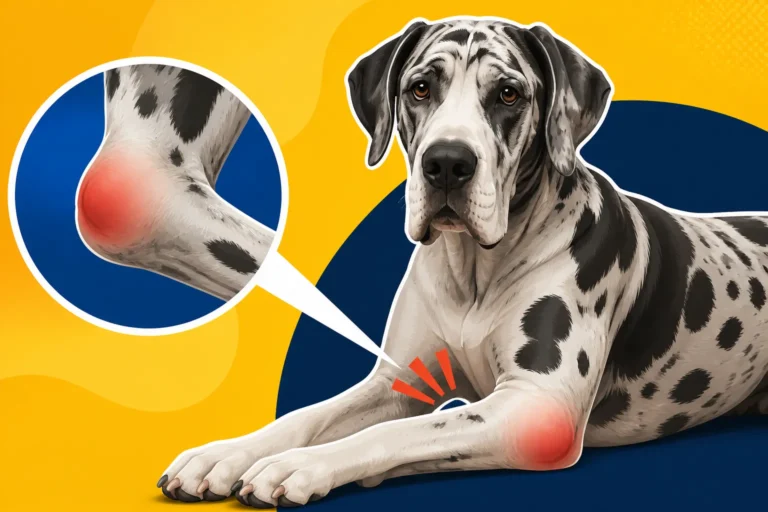
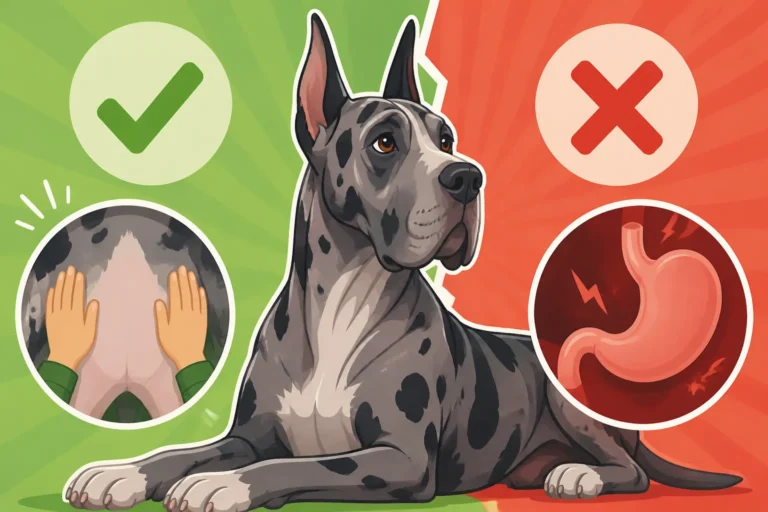
One of the most terrifying emergencies any Great Dane owner can face is bloat, or Gastric Dilatation-Volvulus (GDV). It's a sudden, life-threatening condition where your dog's stomach fills with gas, fluid, or food and then twists upon itself, cutting off blood supply and trapping everything inside. It comes on fast, often with little warning, and can quickly become fatal. For Great Danes, this isn't just a random occurrence; it's a looming threat deeply intertwined with their magnificent, unique physique. This guide is here to walk you through exactly why your Great Dane's distinctive chest shape, a hallmark of the breed, unfortunately makes them particularly susceptible to this devastating twist, and what you can do about it.
Understanding the Great Dane's Deep Chest Anatomy
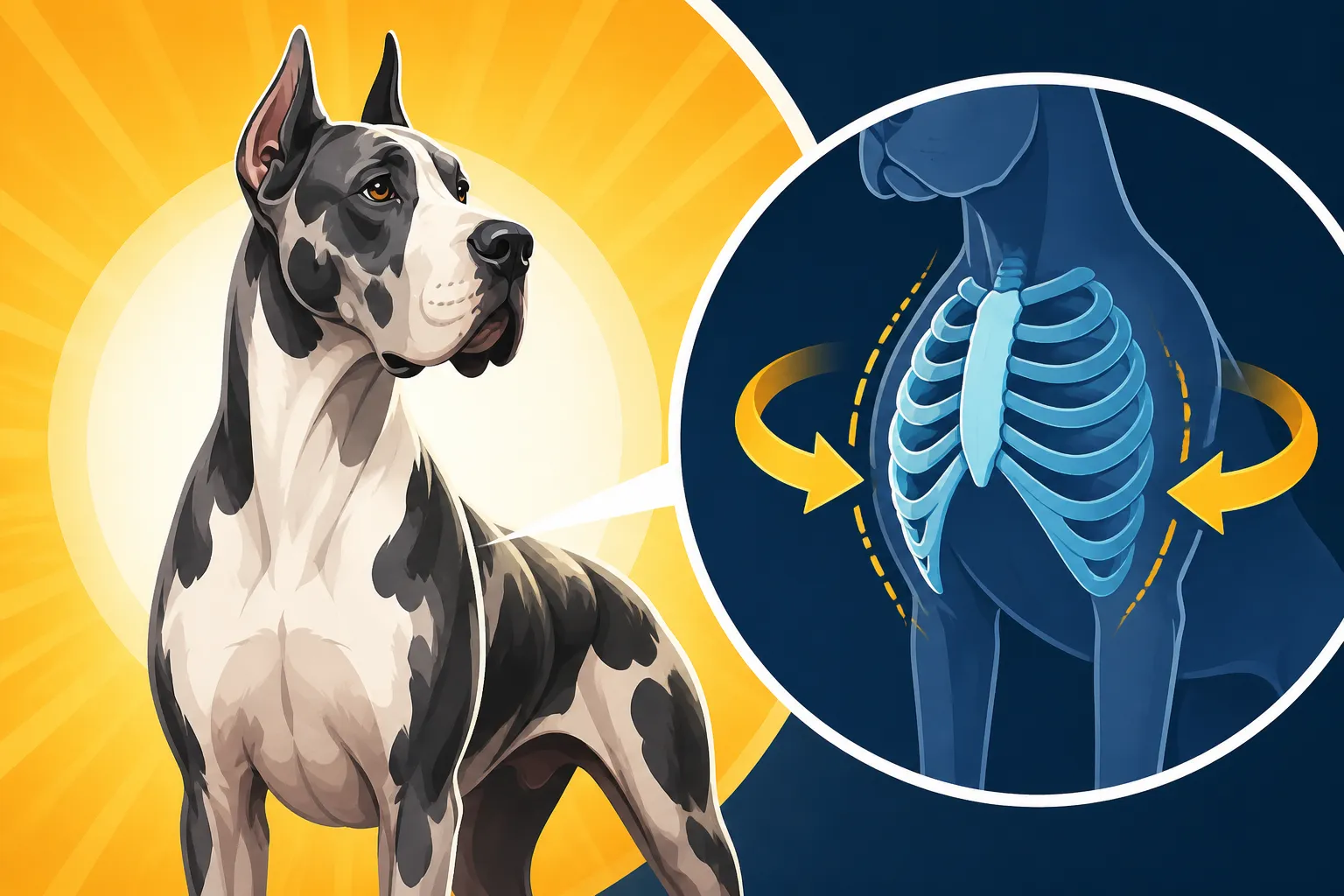
To truly grasp why bloat is such a concern for our giant companions, we need to take a closer look at their internal architecture. Great Danes are built for power and speed, with a strikingly deep chest that is both a defining characteristic of the breed and, sadly, a significant predisposing factor for GDV.
The Thoracic Cavity and Gastric Ligaments
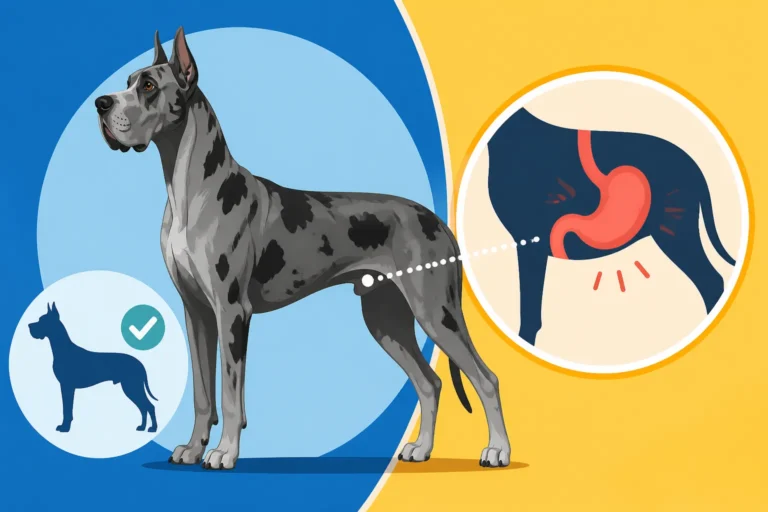
Imagine your Great Dane's impressive, barrel-like chest. This isn't just for show; it houses their heart and lungs, providing ample space. But beneath this thoracic cavity, where the chest meets the abdomen, lies the stomach. In Great Danes, that deep chest typically means a longer, narrower abdominal cavity where the stomach sits. Unlike many other breeds with more compact, rounder bodies, a Great Dane's stomach has a lot more room to move around.
Think of it like this: in a shallow-chested dog, the stomach is nestled snugly, with limited space to pivot. But in a Great Dane, it's like a hammock suspended between two points in a large, open tent. The gastric ligaments, which are supposed to anchor the stomach to the body wall, are often longer and less taut in these deep-chested breeds. This means they offer less structural support, allowing the stomach to hang relatively freely. When that stomach starts to distend with gas, it suddenly has a lot more volume and momentum, turning that "hammock" into a potential swinging pendulum.
The Role of the Esophagus and Pylorus
The stomach is essentially a muscular sac with two main openings: the esophagus, which brings food and water down from the mouth, and the pylorus, which allows digested food to exit into the small intestine. In a healthy dog, these openings function perfectly, allowing for digestion and the release of gas through burping or passage into the intestines.
However, in a Great Dane, the free-floating nature of their stomach within that deep, expansive abdominal space becomes a critical vulnerability. When the stomach begins to fill with gas — from swallowing air while eating too fast, certain types of fermentation, or other digestive processes — it can expand rapidly. This expansion, combined with the lack of firm ligamentous attachments and the inherent mobility of the stomach, allows it to rotate. When it twists, both the esophageal opening (where food comes in) and the pyloric opening (where food goes out) become pinched shut.
This is the grim reality of a GDV episode: no gas can escape, no fluids can pass, and the stomach rapidly becomes a pressurized balloon. This mechanical obstruction is why your Great Dane might try to vomit and fail, one of the classic signs that something is terribly wrong.
How the "Deep Chest" Contributes to Gastric Dilatation-Volvulus GDV
The deep chest isn't just a physical trait; it's a foundational element in the tragic mechanics of GDV in Great Danes. It creates an internal environment where a common digestive upset can rapidly escalate into a life-threatening emergency.
The "Swinging Pendulum" Effect
Once a Great Dane's stomach starts to distend with gas or fluid, its sheer size, combined with the generous space of the deep chest, allows it to become unstable. Imagine a water balloon swinging inside a large closet versus one swinging in a small, packed cupboard. The balloon in the large closet has far more room to move, to gain momentum, and ultimately, to twist.
For our Danes, this can happen surprisingly quickly. Activities that involve vigorous movement or even a simple roll on the floor after a meal can create the necessary impetus. The distended stomach, no longer securely anchored, can literally "swing" or pivot on its axis. This torsion can be anywhere from 90 to 360 degrees or more. It's a horrifying cascade of events that turns their majestic build against them. Owners often report their dog was just running around or playing normally, and then suddenly, the signs of bloat appeared.
Obstruction and Rapid Progression
The twist, or volvulus, is the catastrophic event. When the stomach rotates, it pinches off the blood vessels supplying the stomach wall, leading to tissue death (necrosis). More immediately, it seals off both the entry (esophagus) and exit (pylorus) points of the stomach. This means any gas or fluid already present, or subsequently produced by fermentation, becomes trapped. The stomach continues to swell, exerting immense pressure on surrounding organs, including the diaphragm, making it difficult for the dog to breathe. It also compresses major blood vessels, impairing blood flow back to the heart, which can quickly lead to shock.
The progression from initial distention to full-blown, life-threatening GDV can be incredibly rapid. You might see a Great Dane trying to vomit and failing, pacing restlessly, or exhibiting clear discomfort. The visible swelling of the abdomen might not even be immediately apparent in the early stages, especially in dogs with heavier coats. This is why knowing How Many Minutes a Bloating Great Dane Has once signs appear is critical. This isn't a condition where you can "wait and see"; it demands immediate emergency veterinary attention. Every second truly counts, and delaying can have fatal consequences.
Recognizing the Risk Factors Beyond Just Chest Shape
While the deep chest is undeniably a primary anatomical predisposing factor for bloat in Great Danes, it's certainly not the only piece of the puzzle. Understanding the full spectrum of risk factors can empower owners to take a more holistic approach to prevention.
Other Physical and Genetic Predispositions
Genetics play a huge, undeniable role in a Great Dane's susceptibility to bloat. It's often seen to run in families, meaning if a parent or sibling of your Dane experienced bloat, your dog's risk is significantly higher. This is one of the many reasons why diligent breeders provide comprehensive health clearances for their breeding stock, though bloat is complex and not always predictable.
Beyond genetics and chest conformation, other physical traits and circumstances can also increase risk. Male Great Danes are statistically more prone to bloat than females. Older Great Danes, typically those over the age of five, also face an elevated risk. Interestingly, a Great Dane's temperament can even be a factor; anxious, fearful, or highly stressed dogs appear to have a higher incidence of bloat. This could be due to stress-related digestive issues or increased air swallowing. It's a grim reality that bloat, alongside conditions like DCM, is a major cause of concern for owners, with many wondering Whether Cancer or Bloat Takes More Great Danes as both are prevalent in the breed.
Feeding and Activity Habits That Compound Risk
Our daily routines with our Danes, while seemingly innocuous, can unfortunately add to the risk of bloat when combined with their predisposed anatomy.
- Fast Eating: A Great Dane that gulps down its food in mere minutes is swallowing a lot of air right along with it. This trapped air is a primary culprit in stomach distention, setting the stage for a twist.
- Single, Large Meals: Feeding one massive meal a day, especially after a long period of fasting, increases the volume of food and gas in the stomach all at once. It's far better to break the daily ration into two or even three smaller meals. This simple change can significantly impact Meal Habits That Cut a Great Dane's Twist Risk.
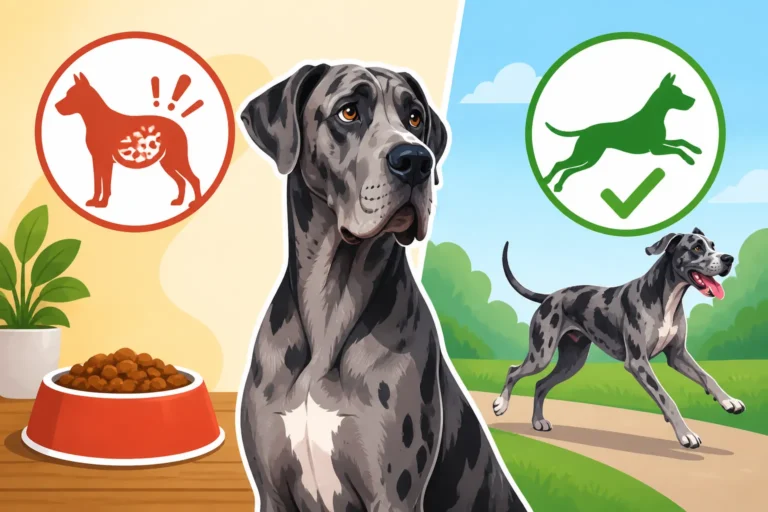
- Exercise Around Meal Times: Vigorous activity—running, jumping, intense play—shortly before or, more critically, right after eating can cause the stomach to slosh and swing within that deep chest. This movement, when the stomach is already full and potentially gassy, is a major trigger for the dreaded twist. The conventional wisdom is to wait at least an hour before and two hours after a meal before engaging in strenuous activity. This directly addresses the concern of Whether Exercise After Meals Bloats a Great Dane.
- Raised Bowls: This is a surprisingly controversial topic. For years, conventional wisdom suggested raised bowls were beneficial for large breeds, preventing neck strain. However, some studies have indicated that raised bowls may actually increase the risk of bloat in Great Danes by making it easier for them to gulp air while eating. This has led to a lot of debate, and you might find detailed discussions on The Raised Bowl Argument for Great Danes. While the jury might still be out for some, many vets now recommend feeding on the floor to err on the side of caution.
- Stress: As mentioned earlier, stress and anxiety in a Great Dane can contribute to bloat. Changes in routine, travel, boarding, or even intense emotional events can disrupt normal digestive function and lead to increased air swallowing. It's worth considering Whether Stress Sets Off a Great Dane Bloat and taking steps to minimize anxiety for your sensitive giants.
Mitigating the Risk: What Owners Can Do
While the Great Dane's chest shape is a given, understanding this predisposition means we can take proactive steps to significantly reduce the risk of bloat. It's about being informed, vigilant, and taking concrete actions.
Proactive Surgical Prevention: Gastropexy
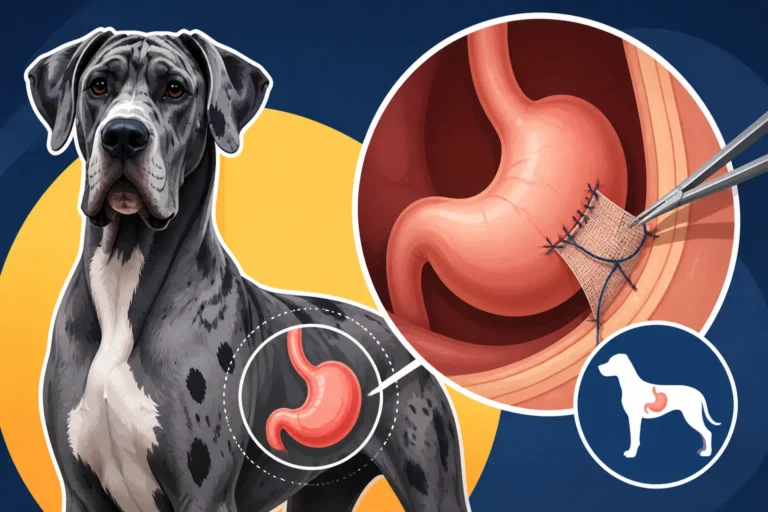
For many Great Dane owners, the idea of living with the constant threat of bloat is simply too much. This is where a prophylactic gastropexy comes into play, and it's considered the gold standard for prevention. A gastropexy is a surgical procedure where a portion of the stomach wall is permanently attached to the abdominal wall. Think of it like tacking down that swinging hammock; it prevents the stomach from twisting (volvulus) if it ever dilates (bloats with gas or fluid).
It's crucial to understand that a gastropexy does not prevent the stomach from filling with gas (dilatation). Your Great Dane can still "bloat" in the sense of having a gassy, distended stomach. However, the critical difference is that the stomach cannot twist, which is the truly life-threatening aspect of GDV. By preventing the twist, a gastropexy dramatically reduces the risk of death from bloat.
Many owners choose to have this surgery performed at the same time as spaying or neutering, often when the dog is between six months and two years old. This timing can reduce the number of anesthetic events for your dog. The cost of a preventive gastropexy can vary widely, and it's definitely something to budget for, as detailed in discussions around The Price of a Preventive Great Dane Gastropexy. The recovery from a laparoscopic gastropexy is generally smooth, but a more invasive open procedure will naturally require more downtime, as explored in resources about Recovery After Great Dane Bloat Surgery. It's a conversation worth having with your vet to decide When to Book a Great Dane Gastropexy for your individual dog.
In terms of financial planning, having pet insurance like Healthy Paws can be incredibly helpful. While preventive procedures like a gastropexy might not always be covered if considered elective, many insurance policies will cover a portion of the costs associated with an emergency bloat surgery, should it ever occur without a prior gastropexy, or if there are complications from a gastropexy. It's vital to read your policy carefully and understand what is and isn't covered for your giant breed.
Daily Management Strategies
Beyond surgery, thoughtful daily routines are your second line of defense against bloat. These aren't foolproof, but they significantly lower the overall risk:
- Smaller, More Frequent Meals: Instead of one large meal, feed your Great Dane two or three smaller meals throughout the day. This reduces the volume of food in the stomach at any one time, lessening the chance of excessive gas buildup. It's a simple change that embodies the advice found in Splitting a Great Dane's Meals in Two.
- Slow Feeder Bowls: If your Great Dane inhales their food, a slow feeder bowl is a game-changer. These bowls have ridges or obstacles that force your dog to eat around them, drastically slowing down their consumption and reducing the amount of air they swallow. You can find many options for Slowing Down a Great Dane That Bolts Food that are perfectly sized for their massive muzzles.
- The "Rest Before and After Eating" Rule: This is non-negotiable. Ensure your Great Dane has a calm, quiet period for at least an hour before and two hours after each meal. This means no intense play, running, or stressful situations during these critical windows.
- Monitor Water Intake: While fresh water should always be available, try to prevent your Dane from guzzling massive amounts of water immediately after eating a large meal or after strenuous exercise. Small, frequent drinks are better than huge gulps.
- Recognize the Signs: Even with all precautions, vigilance is key. Know the early symptoms of bloat: restlessness, pacing, unproductive retching (trying to vomit but nothing comes up), drooling, abdominal discomfort, and a distended belly (though this can be hard to spot early). If you see any of these signs, especially the unproductive retching, do not wait. Head to an emergency vet immediately. Learning The Signs of a Great Dane Stomach Twisting could save your dog's life.
- Consult Your Vet: Regularly discuss bloat prevention with your veterinarian. They can offer tailored advice based on your dog's age, health, and individual risk factors.
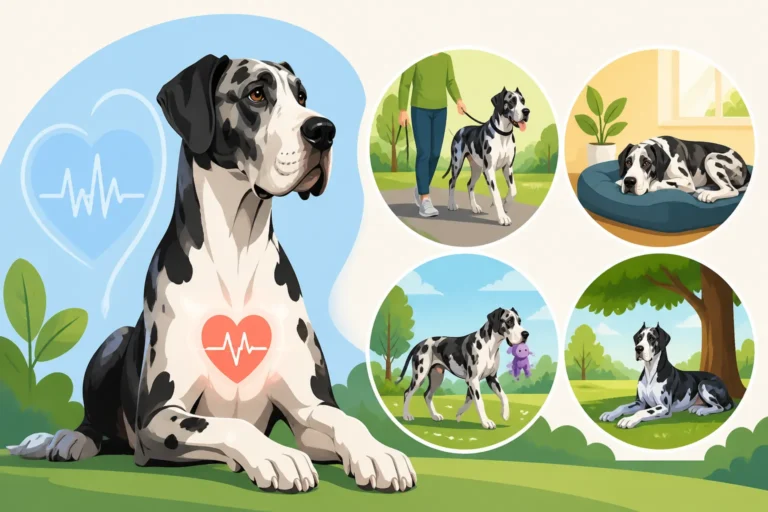
By combining proactive surgical measures with diligent daily management, you can provide your Great Dane with the best possible protection against the devastating threat of bloat. It's a commitment, but one that's well worth it for these incredible dogs.
Risk Factors and Prevention Strategies for Great Dane Bloat
| Category | Risk Factors | Prevention Strategies |
|---|---|---|
| Anatomical | Deep, narrow chest | Prophylactic Gastropexy (surgical tacking of the stomach) – highly recommended. |
| Genetic | Family history of GDV (parents, siblings), being male, older age (over 5 years) | Choose breeders who screen for health history; consider gastropexy early. |
| Behavioral | Anxious or fearful temperament, rapid eating, post-meal stress or vigorous exercise | Use slow feeder bowls, avoid strenuous activity 1 hour before/2 hours after meals, minimize stress, provide a calm feeding environment. |
| Dietary/Feeding | Single large meals, elevated food bowls (controversial, some studies suggest increased risk), excessive water gulping | Feed 2-3 smaller meals per day, consider feeding on the floor rather than raised bowls, limit large gulps of water after meals/exercise. |
| Symptoms | Unproductive retching, restlessness, pacing, drooling, distended abdomen, discomfort, labored breathing | Immediate emergency veterinary intervention is crucial; do not wait if bloat is suspected. Early recognition of signs is paramount. |
Disclaimer
The information provided in this article is for general informational purposes only and is not intended as a substitute for professional veterinary advice, diagnosis, or treatment. Always seek the advice of your veterinarian or other qualified animal health provider with any questions you may have regarding a medical condition or treatment for your Great Dane. Never disregard professional veterinary advice or delay in seeking it because of something you have read in this article.