What Surgeons Do to a Twisted Great Dane Stomach
The moment you realize your beloved Great Dane is showing signs of bloat – that panicked pacing, the dry heaving, the sudden distension of their belly – it’s an absolutely terrifying experience. Every second feels like an hour, and your mind races with questions about what's happening and what the veterinary team will actually do to save your giant companion. This guide will walk you through the critical surgical steps involved when a Great Dane's stomach twists, offering clarity and empathy during what is undeniably a life-or-death situation.
Understanding the Emergency: Gastric Dilatation-Volvulus (GDV)
Gastric Dilatation-Volvulus, or GDV, is a nightmare scenario for any Great Dane owner. It’s not just a "belly ache" or indigestion; it's a rapidly progressing, life-threatening condition where the stomach fills with gas and then twists on itself. This twist cuts off blood supply to the stomach and can compress major veins, leading to shock and organ damage. It’s a medical emergency that demands immediate, decisive action.
Why Great Danes Are So Susceptible
It often feels incredibly unfair that Great Danes, with their sweet dispositions and loving nature, are so prone to such a devastating condition. The truth lies largely in their unique anatomy. Great Danes possess a deep, narrow chest conformation, which provides more room for their stomach to swing and flip when it fills with gas. Think of it like a pendulum in a tall, empty space – there's ample room for movement. Other contributing factors include genetics, eating habits, stress, and even aspects of their diet, though the exact triggers aren't always clear-cut.
The ligaments that hold the stomach in place in other breeds aren't always as robust or as restrictive in a Great Dane, making it easier for the organ to rotate. This susceptibility is a heavy burden for owners to carry, knowing that despite all precautions, it can strike without much warning. It's why many owners consider proactive measures, but for now, understanding Why a Great Dane's Chest Shape Invites a Twist is crucial for recognizing the risk.
Recognizing the Urgent Signs
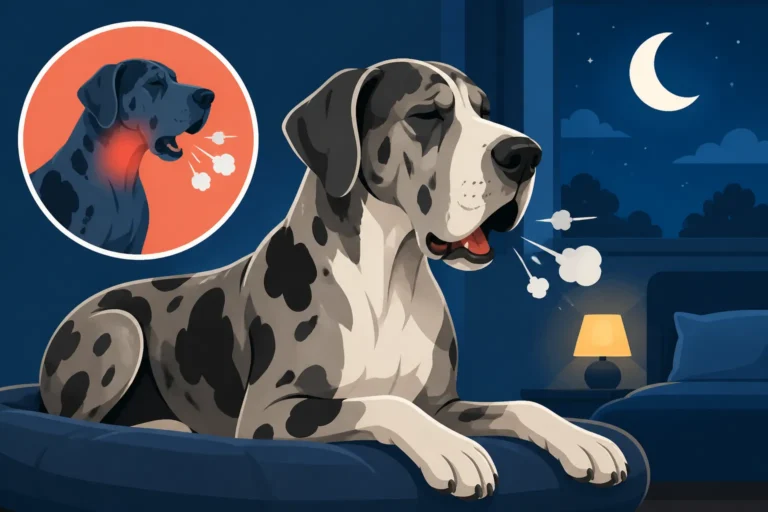
Time is the single most critical factor when GDV strikes. Recognizing the signs early can be the difference between life and death. You might notice your Dane becoming restless, pacing incessantly, or seeming uncomfortable. A classic sign is unsuccessful attempts to vomit, often referred to as "dry heaving." Your dog will try to throw up, but nothing comes out, or perhaps only foamy saliva. This is a huge red flag.
Another key indicator is a distended or bloated abdomen, especially on the left side, which may feel taut like a drum. Your dog might also display signs of pain, such as whining, panting heavily, or refusing to lie down. As the condition progresses, they can become weak, collapse, or show signs of shock, with pale gums and a rapid heart rate. If you see A Great Dane Trying to Vomit and Failing or A Great Dane Pacing With a Swollen Belly combined with a swollen belly, don't hesitate – get to an emergency vet immediately. Every minute truly counts; vets often say you have mere hours, sometimes less, before irreversible damage occurs. This urgency often leaves owners reeling, knowing that How Many Minutes a Bloating Great Dane Has is incredibly limited.
The Immediate Actions at the Veterinary Clinic
When you arrive at the emergency veterinary clinic with a suspected GDV case, the atmosphere is intense, but the team is highly focused. Their first priority is always to stabilize your Great Dane and address the immediate life-threatening aspects of the condition before even considering surgery. This initial phase is crucial for improving surgical outcomes.
Stabilizing Your Great Dane
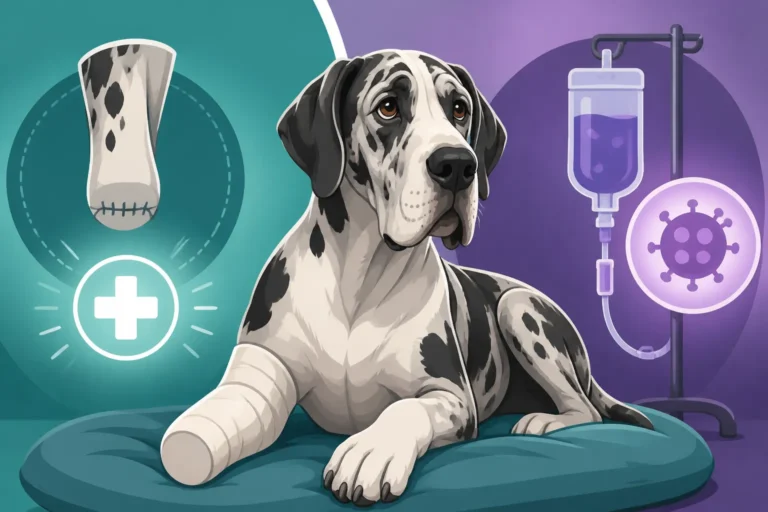
The veterinary team will spring into action the moment your Great Dane comes through the door. The immediate goals are to combat shock, alleviate pain, and decompress the stomach. Your dog will quickly be placed on intravenous (IV) fluids to support blood pressure and counteract shock. Pain medication is administered to make them more comfortable and reduce stress, which can worsen their condition.
One of the most critical initial steps is gastric decompression. This involves attempting to relieve the gas trapped in the stomach. The vet might try to pass a long tube down your Dane's esophagus into the stomach (orogastric intubation) to release the gas and sometimes even flush out stomach contents. If this isn't possible due to the twist, they may perform a procedure called trocarization. This involves carefully inserting a large needle or catheter directly into the stomach through the abdominal wall to release the gas. While these steps are vital for stabilization, it's crucial to understand that they don't fix the twist; they merely buy time until surgery can be performed. The speed at which you arrive at the clinic is paramount, so if you suspect bloat, you need to be Driving a Bloating Great Dane to the Emergency Vet without delay.
Diagnostic Confirmation and Pre-Surgical Prep
Once your Great Dane is somewhat stabilized, the veterinary team will confirm the diagnosis of GDV and prepare for surgery. This usually involves taking X-rays of the abdomen. The X-ray will show a characteristic "double bubble" or "Smurf hat" appearance of the stomach, which definitively confirms that the stomach has twisted.
Alongside imaging, blood work will be drawn. This helps the vets assess your dog's overall health, check for electrolyte imbalances, evaluate organ function (especially kidney and liver), and look for signs of infection or internal bleeding. These tests provide critical information that guides the anesthesia protocol and surgical plan. Given the size of Great Danes and the critical nature of GDV, anesthesia is always a concern. The team will carefully select anesthetics and monitor your dog very closely during the entire procedure to mitigate Anesthesia Risk in a Great Dane. It’s a flurry of activity, but each step is a calculated move to give your beloved Dane the best possible chance.
The Surgical Procedure: Detwisting and Tacking
Once your Great Dane is stable and diagnostics confirm GDV, the surgical team moves quickly to the operating room. This is where the magic happens – or rather, the meticulous and highly skilled work that literally untwists fate.
Untwisting the Stomach
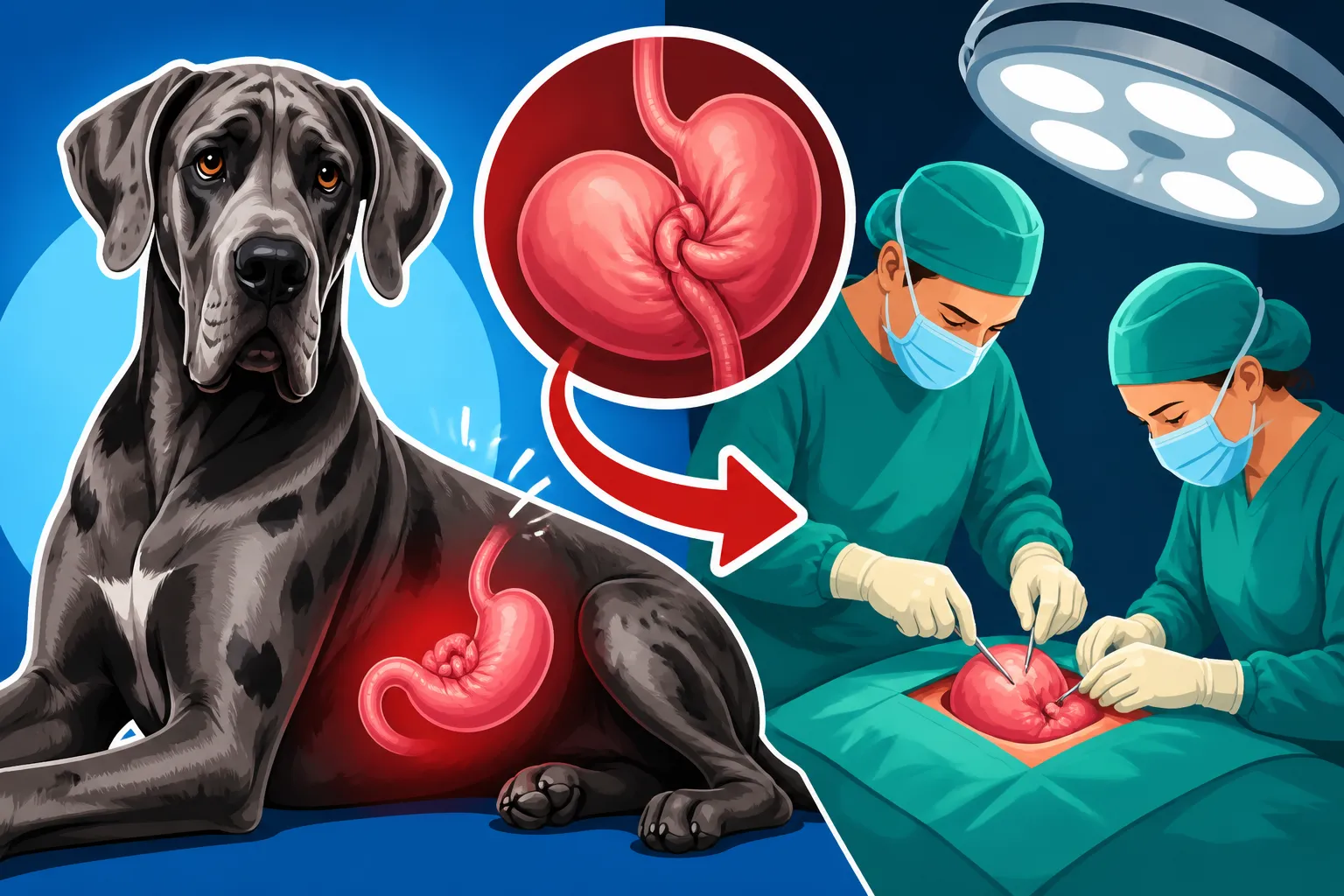
The first step in surgery is a ventral midline laparotomy, which simply means the surgeon makes an incision down the center of your Great Dane's abdomen to access the abdominal cavity. Upon opening, they will immediately see the distended, twisted stomach. It's often alarmingly large and discolored, sometimes dark red or even bluish-black, indicating a lack of blood flow.
The surgeon's primary task is to carefully and methodically untwist the stomach back to its normal anatomical position. This often involves gently manipulating the stomach, sometimes releasing more gas or fluid if decompression wasn't fully achieved before surgery. As the stomach untwists, blood flow can be restored, and the color often improves. However, the surgeon must thoroughly examine the stomach wall and, if involved, the spleen for any areas of necrosis (tissue death). If a portion of the stomach wall is irrevocably damaged, that section might need to be removed – a more complex and risky procedure. The spleen is also frequently involved in GDV, as it's attached to the stomach. If it's severely damaged or twisted beyond repair, a splenectomy (removal of the spleen) may be necessary, adding another layer to an already complicated surgery.
Performing the Gastropexy
Once the stomach is back in its correct position, the most crucial part of the surgery for long-term prevention begins: the gastropexy. A gastropexy is a procedure where the stomach is permanently attached to the abdominal wall. This isn't a simple stitch; it's a creation of a permanent adhesion that prevents the stomach from twisting again.
The most common technique performed during an emergency GDV surgery is an incisional gastropexy. The surgeon makes a small incision in the outer muscular layer of the stomach wall and a corresponding incision in the inner lining of the abdominal wall (the right side, typically). These two incisions are then stitched together, creating a strong, fibrous connection as they heal. This anchors the stomach securely, drastically reducing the risk of future volvulus (twisting). While it doesn't prevent the stomach from dilating (filling with gas), it makes the dangerous twist almost impossible. This is why many Great Dane owners consider prophylactic gastropexy even before bloat occurs. Many pet insurance providers, like Healthy Paws, recognize the critical nature of this procedure, often covering a significant portion of the costs for emergency GDV treatment, which includes the gastropexy. Understanding Why Recurrence Drops After a Dane Gastropexy is key to appreciating the value of this step. The initial emergency can cost thousands, and having coverage can alleviate some financial burden during an incredibly stressful time, making you wonder Whether Tacking a Great Dane Stomach Pays Off in the long run.
Addressing Spleen and Other Complications
As mentioned, the spleen can be significantly affected by a GDV. If the twisting has severely compromised its blood supply, or if it has thrombosed (developed blood clots), it may need to be removed. While dogs can live perfectly healthy lives without a spleen, it adds to the surgical time and potential for complications.
Beyond the stomach and spleen, the surgical team also monitors for other systemic complications. GDV often leads to cardiac arrhythmias (irregular heartbeats) due to toxins released from damaged tissues and the shock state. These are often managed with medication during and after surgery. Peritonitis, an infection of the abdominal lining, can occur if there was any leakage from the stomach, which further complicates recovery. The surgeons are not just fixing the twist; they're also managing a cascade of potential secondary issues that arise from this devastating condition.
Post-Operative Care and Prognosis
The surgery itself is a massive hurdle, but the journey isn't over when your Great Dane leaves the operating room. The post-operative period is equally critical for a successful recovery and requires intensive monitoring and care.
Immediate Recovery and Monitoring
After surgery, your Great Dane will be moved to an intensive care unit for several days. This is where the dedicated veterinary team will continuously monitor their vital signs, including heart rate, blood pressure, and breathing. Pain management is paramount, and your dog will receive a steady regimen of pain medications to ensure comfort. IV fluids will continue to be administered to maintain hydration and support organ function.
One of the biggest concerns post-op is cardiac arrhythmias. The heart often takes a beating during a GDV episode, and irregular heartbeats can manifest or worsen after surgery. These are closely monitored with ECGs and treated as needed. The surgical incision site is also carefully checked for any signs of infection or dehiscence (opening). Typically, a Great Dane will remain hospitalized for 2-5 days, depending on the severity of their condition and how quickly they recover. The cost for this extended hospital stay can be substantial, and this is another area where a comprehensive pet insurance policy, such as those offered by Healthy Paws, can be an absolute lifesaver. Knowing the details of Recovery After Great Dane Bloat Surgery helps you prepare for what to expect during this crucial time.
Long-Term Management and Prevention
Even with a successful gastropexy, managing your Great Dane's diet and activity is vital for long-term health. While the gastropexy dramatically reduces the risk of the stomach twisting again (recurrence rates drop from over 50% to less than 5%), it does not prevent bloat (gastric dilation) itself. This means the stomach can still fill with gas, though it won't rotate.
Veterinarians generally recommend several preventative measures:
- Smaller, More Frequent Meals: Instead of one or two large meals, feed your Great Dane 2-3 smaller meals throughout the day. This reduces the amount of food and gas in the stomach at any one time.
- Slow Down Eating: Use slow-feeder bowls or puzzle feeders to prevent your Dane from gulping down their food too quickly, which can lead to swallowing excessive air.
- Limit Exercise Around Meals: Avoid vigorous exercise or play for at least one hour before and two hours after meals. This gives the stomach time to digest without excessive movement. Understanding Meal Habits That Cut a Great Dane's Twist Risk is a key part of this.
- Provide Constant Access to Fresh Water: Encourage hydration, but monitor excessive gulping right after meals.
It’s important to remember that while the gastropexy significantly lowers the risk, Whether a Tacked Great Dane Can Still Bloat (dilate with gas) is still possible. Therefore, remaining vigilant about any signs of discomfort or abdominal distension is always wise, even after surgery. Investing in preventative care and being prepared for the unexpected is part and parcel of owning a magnificent Great Dane, and financial planning, perhaps with pet insurance like Healthy Paws, can ease the burden of what can be astronomical costs if GDV strikes.
| Procedure Aspect | Emergency GDV Surgery (with Gastropexy) | Prophylactic Gastropexy (Elective) |
|---|---|---|
| Timing | Immediate, life-saving emergency | Scheduled, non-emergency procedure |
| Patient Status | Often in shock, critical, unstable | Healthy, stable, usually younger adult |
| Goal | Detwist stomach, treat complications, prevent recurrence | Prevent future GDV, reduce emergency risk |
| Complications Risk | High due to systemic effects of GDV | Lower, as patient is healthy at time of surgery |
| Surgical Incision | Often larger abdominal incision (laparotomy) | Can be smaller, often laparoscopic (minimally invasive) |
| Spleen Involvement | Possible splenectomy due to damage | Rarely involved, healthy spleen |
| Recovery Period | Intensive care, longer hospital stay (2-5 days) | Shorter hospital stay (1-2 days), less intensive care |
| Cost | Significantly higher due to emergency, critical care | Lower, as it's a planned, less complex procedure |
| Insurance Coverage | Generally covered by pet insurance for accidents/illness | May be covered under wellness plans or separate rider |
Disclaimer
This article is intended for informational purposes only and does not constitute medical advice. If you suspect your Great Dane is experiencing bloat or any other medical emergency, seek immediate veterinary attention. Always consult with a qualified veterinarian for diagnosis and treatment of any health condition.