Whether Exercise After Meals Bloats a Great Dane
It’s a fear every Great Dane owner knows all too well: the dreaded bloat. We spend hours poring over every tiny detail of their care, from what they eat to how they breathe, desperate to protect our giant companions. One of the most common pieces of advice, passed down through generations of Dane owners and internet forums alike, is to absolutely never let your Great Dane exercise after eating. But how much truth is there to this long-held caution? This guide will dive deep into the real relationship between post-meal activity and bloat risk, helping you separate fact from fiction and establish a truly safe routine for your beloved Dane.
Understanding Bloat in Great Danes and Why We Worry So Much
Bloat, or more accurately, gastric dilatation-volvulus (GDV), is a terrifying and often fatal condition that strikes Great Danes with alarming frequency. The sheer speed at which it can progress, transforming a happy, healthy dog into a critical emergency, is enough to keep any devoted owner on edge. We worry because the stakes are incredibly high.
What Exactly is GDV Bloat?
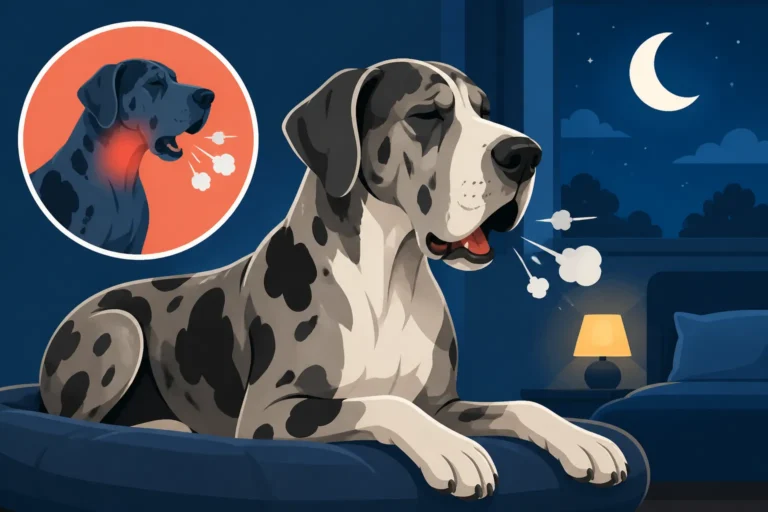
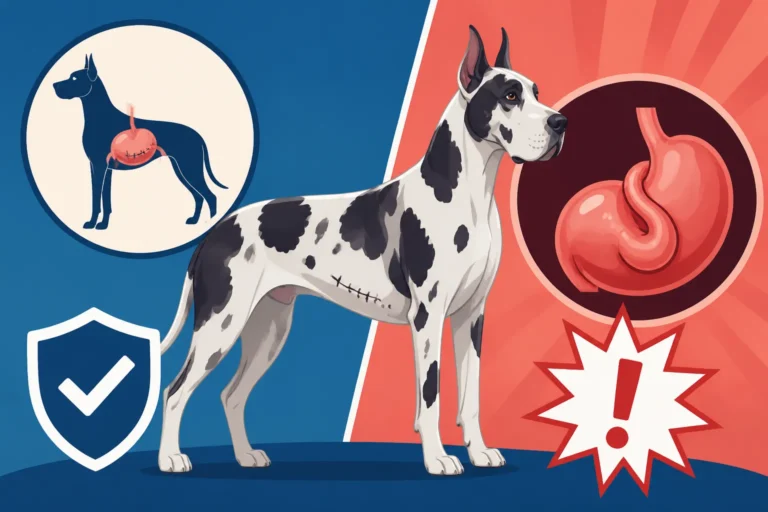
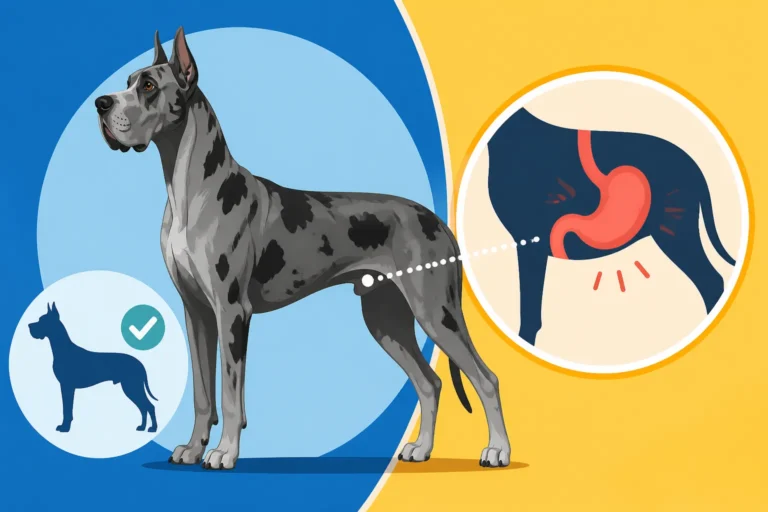
Gastric dilatation-volvulus isn't just a tummy ache; it's a catastrophic medical emergency. It starts when a dog's stomach fills with gas and fluid, expanding like a balloon – that's the "dilatation" part. This alone is incredibly painful and puts pressure on surrounding organs, including the lungs, making it hard for your dog to breathe. The real danger, however, comes with the "volvulus," where the distended stomach then twists on its axis. When this happens, both the entrance and exit of the stomach are cut off, trapping gas and fluid, and critically, cutting off blood supply to the stomach tissue itself. This twisting also impacts major blood vessels, leading to shock.
The speed of onset and progression is what makes GDV so terrifying. What might seem like mild discomfort can escalate into a life-threatening situation within minutes or a few short hours. The lack of blood flow means stomach tissue quickly begins to die, and toxins are released into the bloodstream, leading to systemic shock and organ failure. Understanding these mechanics helps us appreciate why any potential trigger, including exercise after meals, causes so much anxiety among Great Dane owners. If you ever suspect it, you need to know What to Do the Minute a Great Dane Bloats
The Great Dane's Unique Anatomy and Bloat Risk
Great Danes are, unfortunately, poster children for GDV. Their unique physical characteristics predispose them to this condition more than almost any other breed. The most significant factor is their deep, narrow chest conformation. Imagine a long, cylindrical stomach hanging precariously in a large, cavernous space – it has more room to swing and twist when it becomes distended.
Other factors often cited include laxity of the gastrosplenic ligament, which is the tissue that connects the stomach to the spleen. In some Danes, this ligament may be weaker or more stretched, allowing the stomach greater mobility and making it easier for it to rotate. While we adore their majestic build, this very feature places them at a significantly higher risk of experiencing this devastating condition. The Lifetime Bloat Risk in a Great Dane.
Common Triggers We're Told to Avoid
Over the years, a list of common triggers for bloat has emerged, many of which are based on anecdotal evidence or logical assumptions rather than robust scientific proof. These frequently cited culprits include:
- Eating too quickly: This is believed to lead to gulping air along with food.
- Eating one large meal a day: Compared to multiple smaller meals, a larger volume of food at once might overfill the stomach.
- Stress: High-stress situations, some believe, can impact digestion and increase risk.
- Elevated feeding bowls: This one is hotly debated, with some arguing it can increase air intake.
- Genetics: A family history of bloat is a well-established risk factor.
- Temperament: Anxious or fearful Danes are sometimes thought to be at higher risk.
- Exercise before or after meals: This is the big one we're tackling today, with the idea being that physical activity could cause a gas-filled stomach to jostle and twist.
It's a lot to keep track of, and it’s easy to get overwhelmed trying to prevent every single potential trigger. This is why it’s so important to understand which of these concerns are backed by solid evidence and which are more urban legend.
Untangling the Link Between Exercise, Meals, and Bloat Risk
For decades, the warning against exercising a Great Dane after a meal has been gospel in the breed community. It makes intuitive sense: a full stomach, jostled around, could surely twist. But is this common belief truly supported by scientific research, or is it a protective measure born more out of caution than conclusive evidence?
The Science (or Lack Thereof) Behind the Link
When you dig into the scientific literature on GDV, you might be surprised to find that the direct link between "exercise after meals" and bloat is not as strongly established as many people believe. While veterinarians and researchers agree that strenuous activity immediately before or after eating is probably not a great idea, pinpointing it as a primary cause of GDV has been challenging.
Studies investigating risk factors for GDV have identified many elements, but vigorous exercise post-feeding often isn't at the top of the list, or the findings are inconsistent. Many researchers suggest it's not a single factor like exercise, but rather a combination of predisposing factors and environmental triggers that contribute to a GDV episode. For example, a study might find a correlation, but it's difficult to isolate "exercise" from other contributing factors like the dog's anxious temperament, rapid eating habits, or genetic predisposition. The precise mechanism by which exercise directly causes the stomach to twist is also not fully understood, leading many to conclude that it likely acts as one minor piece of a much larger, complex puzzle of risk factors.
What Does the Research Point To?
While the exercise link might be murkier than once thought, the scientific community has identified several more robust risk factors that Great Dane owners should definitely pay attention to:
- Breed Predisposition: As discussed, Great Danes are high-risk. This is non-negotiable.
- Genetics and Family History: This is perhaps the strongest predictor. If a Great Dane's parents or siblings have bloated, their risk is significantly higher. This underscores the importance of The Health Testing a Great Dane Breeder Owes You.
- Age: Older Great Danes tend to be at a higher risk, especially those over 5-7 years old.
- Temperament: Studies suggest that fearful, anxious, or aggressive Great Danes may have a higher incidence of bloat. This could be due to stress-related physiological responses impacting digestion.
- Eating Habits: Fast eaters who gulp down their food, often swallowing a lot of air in the process, are generally considered to be at increased risk. The actual composition of the diet, such as the particle size of kibble or the inclusion of certain ingredients, has also been debated, but evidence remains inconclusive.
- Meal Frequency: Feeding one large meal a day compared to two or three smaller meals is often cited as a risk factor, though again, the evidence can be mixed.
- Presence of a Spleen Anomaly: Some studies have shown a correlation between splenic conditions (like splenic torsion) and GDV.
So, while "don't exercise after meals" is a common piece of advice, it’s important to understand it within the broader context of these more strongly evidenced risk factors. It's likely one of many factors that could play a role, but rarely the sole cause.
Why the Caution Still Persists
Despite the lack of rock-solid scientific proof directly linking moderate post-meal exercise to bloat, the advice to avoid it continues to be widely given. Why?
Firstly, the consequences of bloat are so severe that any potential risk factor, no matter how small or unproven, becomes something owners are advised to avoid. It’s a "better safe than sorry" approach, and frankly, who can blame anyone for taking every precaution possible when their beloved Great Dane's life is on the line? The fear of losing a dog to GDV is immense, and clinging to any perceived preventative measure offers a sense of control.
Secondly, our understanding of bloat is still evolving. Veterinary medicine is constantly learning, and what we consider a strong risk factor today might be refined tomorrow. Anecdotal reports, where owners observe their dog bloat after a particular activity, also contribute to these persistent beliefs. While these aren't scientific proof, they carry weight in the community, especially when dealing with such a devastating condition. It’s a case where the common wisdom, even if not fully scientifically validated, errs on the side of extreme caution – and for a Great Dane owner, that often feels like the right approach.
Practical Strategies for Safe Mealtime and Activity
Given the devastating nature of bloat, adopting smart habits around your Great Dane's feeding and exercise is non-negotiable, even if the direct scientific link between post-meal exercise and bloat isn't as strong as once thought. It's all about minimizing overall risk and ensuring your Dane thrives.
Creating a Calm Mealtime Environment
Mealtime should be a peaceful, predictable experience for your Great Dane, not a race. Reducing stress and encouraging slower eating can help prevent gulping air, which is a known concern.
- Quiet Location: Feed your Dane in a low-traffic, quiet area of your home where they won't be disturbed by other pets, children, or sudden noises.
- Separate Feeding: If you have multiple dogs, feed them in separate rooms or at a distance to prevent resource guarding or competitive eating, which can lead to faster consumption.
- Slow Feeder Bowls: These bowls have ridges or obstacles that force your dog to eat around them, significantly slowing down their intake and reducing air gulping. There are many designs available, and finding one large enough for a Dane might take a little searching.
- Puzzle Feeders: Beyond just slow bowls, interactive puzzle feeders can make mealtime a mental exercise, further prolonging the eating process and making it more engaging.
- Avoid High-Stress Situations: Don't feed your Dane immediately after a stressful event (like a vet visit or a long car ride) or right before one. Allow them to decompress first.
By making mealtime a relaxed affair, you're addressing a crucial component of bloat prevention: reducing swallowed air and the physical stress on the digestive system.
The Timing Sweet Spot: When to Exercise
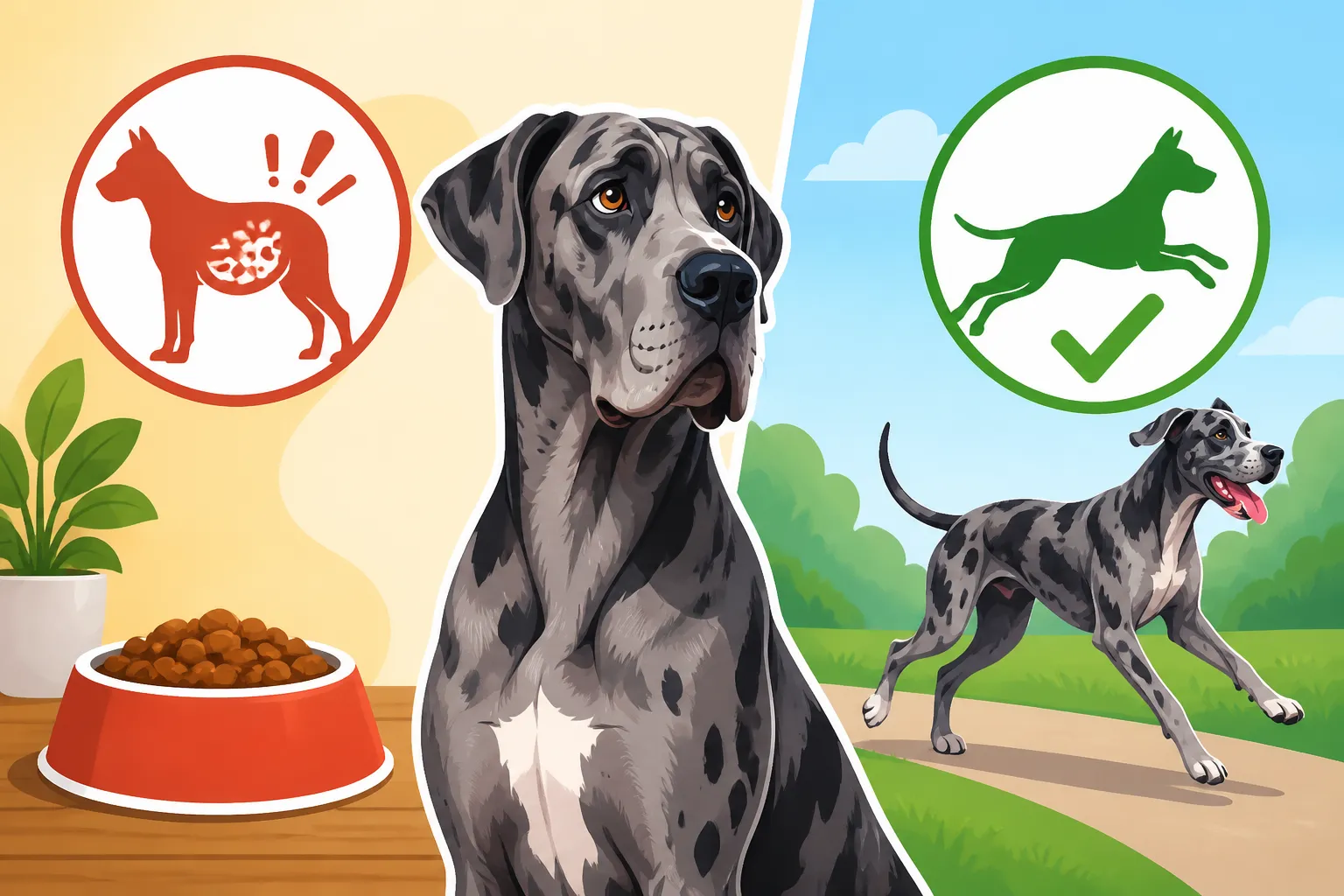
While the strict "no exercise after meals" rule might be somewhat relaxed based on current research, it's still prudent to observe sensible timing. The goal is to avoid significant physical exertion when the stomach is full and potentially distended.
- Before Meals: The safest approach for any substantial exercise is before your Great Dane eats. A brisk walk, a play session, or a trip to the park can happen an hour or more before their meal. This allows them to burn off energy and work up an appetite without the risk of jostling a full stomach.
- Well After Meals: If you must exercise after a meal, wait at least 1 to 2 hours – and ideally 3 hours or more – for a full-grown Great Dane. This gives their stomach ample time to digest food and empty into the intestines. The larger the meal, the longer the waiting period should be. A good rule of thumb is to wait until your dog has had time to rest and their digestion has clearly begun.
- Listen to Your Dog: Every Great Dane is an individual. Some might have a more sensitive stomach or digest slower than others. Pay attention to your dog's cues. If they seem sluggish or uncomfortable after a meal, extend the rest period.
Remember, this timing isn't just about bloat; it also helps prevent digestive upset, cramps, or regurgitation that can occur with activity on a full stomach.
Appropriate Post-Meal Activity
"Exercise" covers a broad spectrum. A gentle potter around the garden is vastly different from a sprint across the park. After a meal, especially during that critical 1-3 hour window, the emphasis should be on minimal, low-impact activity.
- Gentle Potty Break: A short walk to the backyard for a potty break is usually fine. This isn't strenuous exercise; it's simply a necessary biological function. Keep it brief and don't encourage sniffing or pulling.
- Relaxed Strolling (After a Good Wait): Once the recommended waiting period has passed (e.g., 2-3 hours), a calm, leashed walk at a relaxed pace is generally acceptable. Avoid hills, running, or any activity that involves jumping or sudden movements.
- No Roughhousing or Zoomies: Absolutely no vigorous play, running, jumping, or "zoomies" after eating. These sudden, uncontrolled movements are exactly what you want to avoid when the stomach might still be full and potentially susceptible to twisting.
- Mental Stimulation: If your Dane is restless but can't physically exert themselves, offer mental stimulation instead. A Kong filled with a safe treat, a snuffle mat, or a gentle training session focusing on basic commands can keep their mind engaged without stressing their stomach.
The key here is moderation and mindfulness. Err on the side of caution, especially with a breed as susceptible to GDV as the Great Dane.
Proactive Measures Beyond Mealtime Management
While managing mealtime and exercise is important, preventing bloat in a Great Dane requires a multi-faceted approach. There are several other significant steps you can take to dramatically reduce your beloved companion's risk of this life-threatening condition.
The Role of a Gastropexy
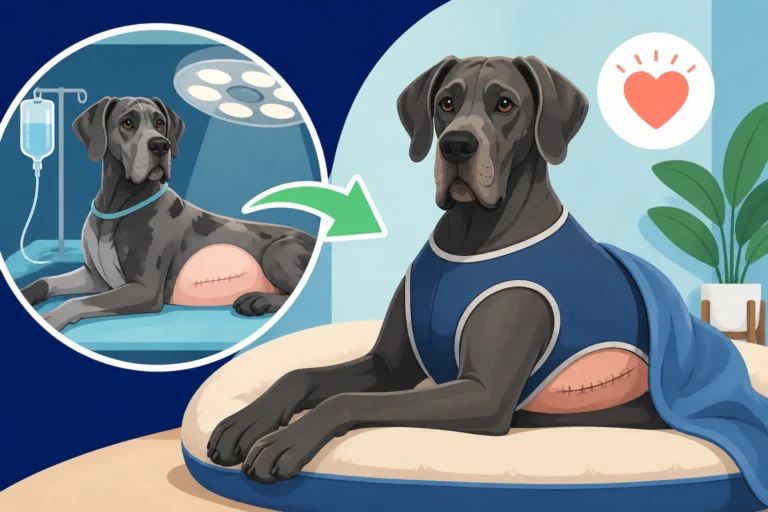
If there's one single proactive measure that has been proven to save lives and significantly reduce the risk of future GDV episodes, it's a prophylactic gastropexy. This surgical procedure permanently attaches the stomach to the abdominal wall, preventing it from twisting. While it doesn't prevent the stomach from dilating (filling with gas), it makes the "volvulus" component, the twist that causes the most immediate danger, highly unlikely.
- How it Works: During a gastropexy, a section of the stomach wall is sutured to the inner lining of the abdominal wall. This anchors the stomach securely in place.
- When to Consider It: Many Great Dane owners opt for a gastropexy when their dog is young, often at the same time as spaying or neutering, to minimize the number of anesthetic events. When to Book a Great Dane Gastropexy. This preventative surgery is usually performed before the dog enters its highest risk years, typically between 1 and 4 years of age, but it can be done at any age.
- Benefits: It vastly reduces the chance of fatal gastric torsion, offering immense peace of mind. While the dog could still bloat with gas (dilatation), they won't suffer the devastating twist that cuts off blood supply.
- Cost vs. Risk: The upfront cost of a gastropexy can seem substantial, but it pales in comparison to the emergency surgery required to correct a full-blown GDV, which can easily run into thousands of dollars. Pet insurance providers like Healthy Paws often cover preventative surgeries like this, or at least help with the costs if a bloat emergency does happen. Whether Tacking Ends Great Dane Bloat Risk.
A prophylactic gastropexy is widely recommended by veterinarians for at-risk breeds like Great Danes and is considered the gold standard for prevention.
Dietary Considerations to Reduce Risk
Beyond when and how your Great Dane eats, what they eat also plays a role in bloat prevention. While no diet completely eliminates risk, certain choices can help.
- Food Type: Some studies suggest that dry kibble that lists oils or fats among its first four ingredients might be associated with a slightly higher risk, though this is not definitive. Look for high-quality, large-breed specific formulas, especially for puppies, to ensure proper growth rates. For puppies, it's crucial to select food specifically formulated for large and giant breeds to support Bone Development Problems in a Great Dane Puppy.
- Moistening Kibble: Adding water to dry kibble can encourage slower eating and potentially reduce the amount of air swallowed. It also aids hydration.
- Avoid Fermentable Ingredients: Some owners prefer to avoid foods high in fermentable ingredients (like soy products), believing they can contribute to gas production, although scientific evidence here is also limited.
- Smaller, More Frequent Meals: Instead of one large meal, splitting your Dane's daily ration into two or three smaller meals throughout the day can reduce the volume of food in the stomach at any one time, lessening pressure and potential for distension. Meal Habits That Cut a Great Dane's Twist Risk.
- Bowl Placement: The debate around raised bowls continues. Some older studies suggested they might increase bloat risk by encouraging faster eating and air gulping, while newer ones are less conclusive. Many owners use them for comfort, especially for older or arthritic Danes. If you use a raised bowl, ensure your dog is eating slowly and not gulping.
Consulting with your veterinarian about the best dietary approach for your individual Great Dane is always the wisest course of action.
Stress Management and General Well-being
Anxiety and stress can have a profound impact on a dog's physical health, including their digestive system. Some research indicates a correlation between anxious temperaments and an increased risk of bloat.
- Consistent Routine: Dogs thrive on routine. Predictable feeding times, walk schedules, and daily interactions can help reduce overall anxiety.
- Safe Space: Ensure your Great Dane has a quiet, comfortable space where they can retreat and feel secure, away from household commotion.
- Positive Reinforcement Training: A well-trained and confident dog is generally a less anxious dog. Positive reinforcement helps build trust and reduces stress associated with learning. For Great Danes, Why Great Dane Training Cannot Wait.
- Appropriate Socialization: Early and ongoing positive socialization experiences can help your Dane become more confident and less fearful in new situations or around strangers and other dogs. Socializing a Great Dane Puppy Early.
- Addressing Anxiety: If your Great Dane exhibits significant anxiety (e.g., separation anxiety, noise phobia), consult with your vet or a certified professional dog trainer/behaviorist. They can help implement behavior modification techniques or suggest other interventions.
By addressing your Great Dane's overall well-being and managing stress, you're contributing to a healthier digestive system and potentially reducing their susceptibility to bloat. Remember that managing your dog's health can come with unexpected costs, so having pet insurance, such as from Healthy Paws, can be incredibly helpful for both preventative care and emergencies.
| Activity Type | Time Relative to Meal | Bloat Risk (General) | Notes |
|---|---|---|---|
| Vigorous Exercise | 1 hour before meal | Low | Best practice for high-energy activities. |
| Vigorous Exercise | 30 mins after meal | High | Avoid entirely; high risk of jostling a full stomach. |
| Light Walk/Potty | 30 mins after meal | Low-Moderate | Keep brief and calm; avoid excitement. |
| Light Walk/Potty | 2-3 hours after meal | Low | Generally safe once digestion has significantly progressed. |
| Mental Games | Any time | Very Low | Excellent for stimulation without physical stress. |
| Rest/Sleep | Immediately after meal | Very Low | Ideal activity for 1-2 hours post-meal; promotes digestion. |
Disclaimer
The information provided in this article is for general educational purposes only and is not a substitute for professional veterinary advice. Always consult with a qualified veterinarian regarding any health concerns or before making any decisions about your Great Dane's care, diet, or treatment.