Holter Monitoring for a Great Dane Heart
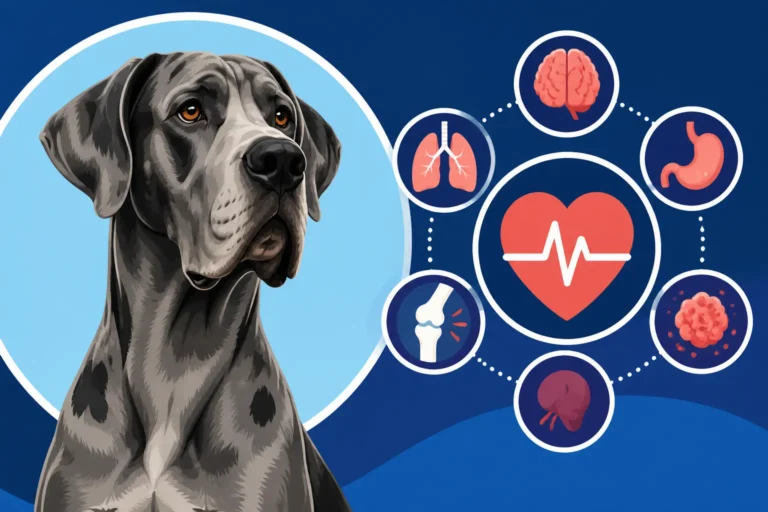
It’s a heartbreaking reality for Great Dane owners: these majestic giants, despite their formidable size, are often prone to serious health issues, particularly concerning their hearts. The idea that your beloved Dane could be silently battling a life-threatening cardiac condition without showing obvious signs is a terrifying thought, and it’s a frustration many of us face. This guide is here to shed light on Holter monitoring, a vital diagnostic tool that can uncover these hidden dangers, giving you the power of early detection and proactive care for your gentle giant.
Understanding Great Dane Heart Health Challenges
Living with a Great Dane means being acutely aware of their unique health vulnerabilities. While they bring immense joy and love into our homes, their genetics predispose them to certain conditions that smaller breeds might not face as severely or as early in life. Heart disease is, unfortunately, at the top of that list, and it’s something every Great Dane owner needs to understand deeply.
The Silent Threat of Dilated Cardiomyopathy DCM
Among the various heart conditions that can affect Great Danes, Dilated Cardiomyopathy, or DCM, is perhaps the most devastating and, tragically, common. DCM causes the heart muscle to become thin and weak, making it less efficient at pumping blood throughout the body. Initially, your Dane might show no outward symptoms at all. They might still be playing, eating, and interacting with you as usual, making it incredibly difficult to spot. This is the insidious nature of DCM; it often progresses in silence until it reaches an advanced stage, where symptoms like lethargy, coughing, or even collapse become apparent. By then, the heart has already sustained significant damage, limiting treatment options and often leading to a much shorter prognosis. This is why early detection is absolutely critical for managing The Heart Muscle Disease Great Danes Are Prone To.
Why Regular Vet Checks Aren't Always Enough
You might be diligently taking your Great Dane for their annual check-ups, and that’s fantastic. Your veterinarian is doing their best to assess your dog’s overall health, listening to their heart, checking their weight, and performing routine blood work. However, detecting subtle heart abnormalities, especially in the early stages of DCM, can be incredibly challenging during a standard office visit. A vet might hear a murmur or an irregular rhythm, which is a good indicator to pursue further diagnostics, but many Danes with early DCM or an intermittent arrhythmia might have perfectly normal heart sounds on a quick listen. These fleeting irregularities, which could be critical clues, are often missed simply because they don't occur during the brief period your vet is auscultating. This is where specialized tools come into play, offering a more comprehensive and continuous look at your Dane’s cardiac activity.
What Exactly is Holter Monitoring?
When your regular vet check raises a flag, or even when you just want to be proactive about your Great Dane's heart health, your veterinarian might recommend a Holter monitor. This isn't some invasive procedure; it's a relatively simple, non-surgical way to gather extensive information about your dog's heart rhythm over an extended period. Think of it as a wearable ECG that goes everywhere your Dane goes.
How a Holter Monitor Works for Your Great Dane
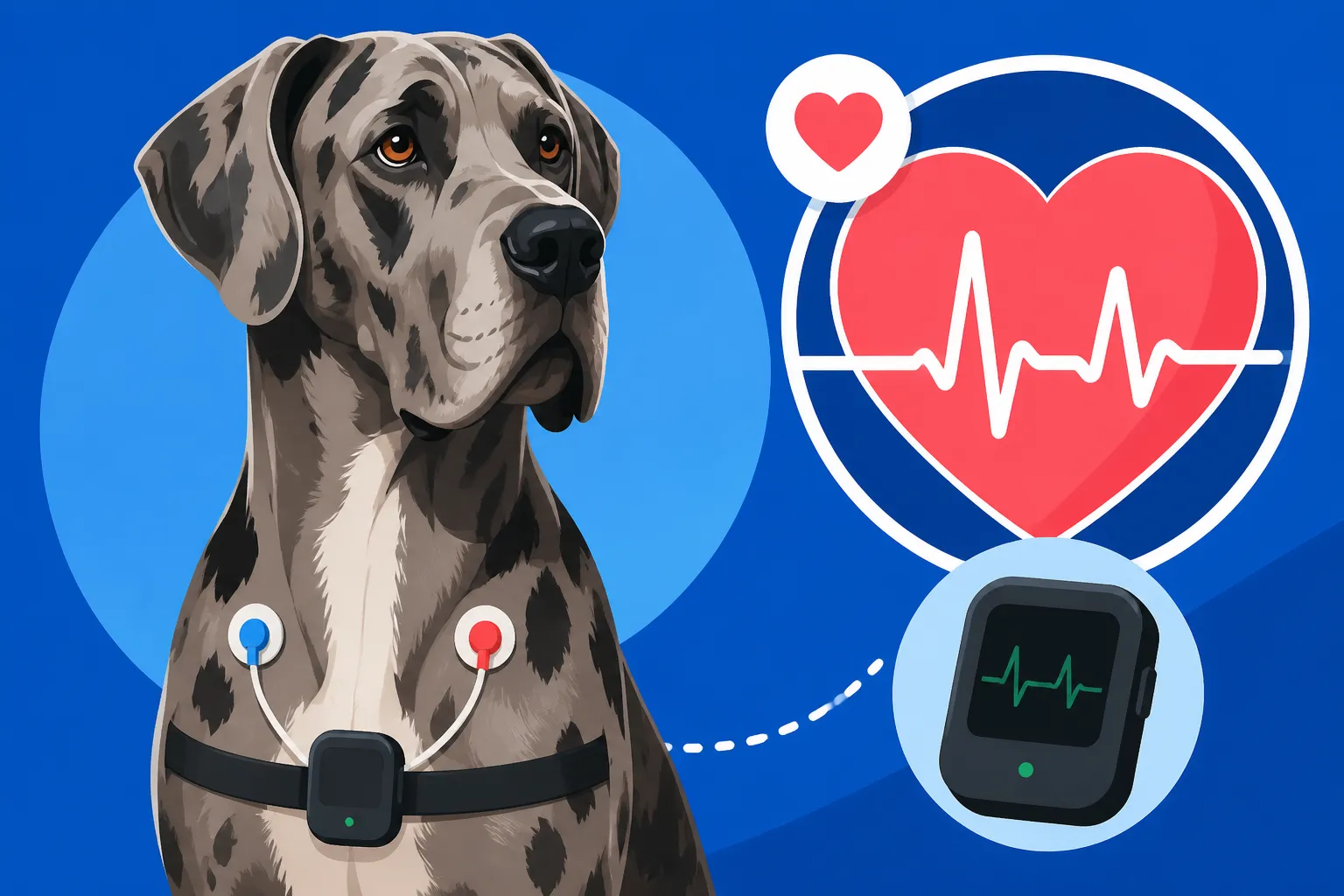
A Holter monitor is essentially a portable, battery-operated electrocardiogram (ECG) device. For your Great Dane, the process typically involves shaving a few small patches of fur on their chest to ensure good contact for the electrodes. These electrodes are then attached to your Dane's skin and connected by wires to the small recording device, which is often secured in a vest or a pouch that fits snugly around their torso. The idea is for the device to be as unobtrusive as possible, allowing your Great Dane to carry on with their normal daily activities – eating, sleeping, playing, and even short walks. The monitor continuously records every single heartbeat, rhythm, and electrical impulse for a specified period, usually 24 to 48 hours. This continuous data capture is what makes it so invaluable compared to a brief ECG performed in the clinic, which only provides a snapshot in time.
The Information a Holter Monitor Captures
The sheer volume of data a Holter monitor collects is truly remarkable. Over 24 to 48 hours, it will record tens of thousands of heartbeats, providing a comprehensive picture that a regular in-clinic ECG simply cannot. What exactly does all this data tell your veterinary cardiologist?
- Arrhythmias: It identifies any abnormal heart rhythms, known as arrhythmias. These can range from benign extra beats to more serious, life-threatening ventricular arrhythmias that are highly indicative of DCM in Great Danes. The monitor can detect if these arrhythmias are frequent, sustained, or intermittent.
- Heart Rate Variability: It tracks fluctuations in heart rate throughout the day and night, including periods of activity and rest. This can reveal patterns that might indicate underlying issues.
- Response to Activity: It shows how the heart responds to different levels of activity and stress, which can be crucial for understanding cardiac function. For instance, does your Dane’s heart struggle more during play or after a meal?
- Efficacy of Medication: If your Great Dane is already on heart medication, the Holter can evaluate how well that medication is controlling arrhythmias and improving heart function over an extended period. This is especially useful for optimizing Medication for a Great Dane With DCM.
The data is later downloaded and analyzed by a specialist, who can identify patterns and specific events that might indicate a problem. It’s like having a detailed diary of your Dane’s heart activity, providing insights that are impossible to get otherwise.
When and Why Your Great Dane Needs Holter Monitoring
So, you understand what a Holter monitor is, but when is it actually necessary for your Great Dane? It's not a routine check for every dog, but for our Danes, given their predisposition to certain conditions, it becomes a much more critical tool at specific junctures in their lives or when certain signs emerge.
Early Detection for Asymptomatic Danes
This is perhaps the most important reason for Holter monitoring in Great Danes. As we discussed, DCM can lurk silently for a long time. Many dedicated Great Dane breeders and proactive owners will opt for regular Holter screening, even in seemingly healthy dogs, starting from around two or three years of age. This allows for the earliest possible detection of arrhythmias that could be a precursor to or an early sign of DCM. Catching these issues before your Dane shows any outward symptoms means you can often initiate treatment sooner, potentially slowing the progression of the disease and improving their quality of life and longevity. It's a proactive step that can make all the difference, becoming a vital part of Screening a Great Dane's Heart Each Year. If you've ever worried about a Great Dane That Collapses and Recovers, a Holter could provide answers long before it gets to that point.
Monitoring Treatment Effectiveness
If your Great Dane has already been diagnosed with a cardiac condition, such as DCM or an arrhythmia, and is on medication, Holter monitoring becomes an invaluable tool for your veterinary cardiologist. The goal of medication is to control the arrhythmias and support heart function, but how do you know if the dosage or type of medication is truly effective over a 24-hour cycle? A Holter monitor provides that answer. By deploying the monitor at regular intervals after starting or adjusting medication, your vet can objectively assess whether the treatment is successfully reducing the frequency and severity of the arrhythmias. This data helps them fine-tune the treatment plan, ensuring your Dane is getting the optimal care to manage their condition.
Pre-breeding Screening and Risk Assessment
For Great Dane breeders, Holter monitoring is a crucial part of responsible breeding practices. Reputable breeders understand the genetic component of DCM and will screen their breeding stock to minimize the risk of passing on these conditions to future generations. A Holter monitor, often combined with an echocardiogram (an ultrasound of the heart), provides a comprehensive cardiac health profile for potential breeding dogs. This helps breeders make informed decisions about pairings, ensuring they are not breeding dogs with significant cardiac abnormalities that could impact the health of their puppies. This commitment to thorough The Health Testing a Great Dane Breeder Owes You is a hallmark of an ethical program and significantly contributes to the overall health of the breed. It can help avoid perpetuating genetic predispositions to conditions like DCM, which can lead to a shorter Great Dane lifespan.
The Holter Monitoring Process: What to Expect
Once you and your vet decide that Holter monitoring is the right step for your Great Dane, it’s helpful to know what the process entails. It’s generally straightforward, but preparing yourself and your Dane can make the experience smoother for everyone.
Preparing Your Great Dane for the Monitor
The preparation for Holter monitoring is usually minimal and stress-free for your dog. Your vet will typically ask you to bring your Great Dane in for a brief appointment. During this visit, they will gently shave a few small areas on your Dane’s chest. This isn't a deep shave, just enough to ensure the electrodes have good skin contact, which is vital for accurate readings. The skin might also be gently prepped to remove any oils or debris.
Next, the electrodes are carefully placed on these shaved areas and secured with a medical adhesive or tape. These electrodes are connected by thin wires to the Holter recording device. The device itself is quite small, often no bigger than a small smartphone, and is usually tucked into a specially designed vest or harness that your Dane wears for the duration of the monitoring period. The vet or technician will ensure the vest is snug but comfortable, allowing for full range of motion without the device becoming dislodged or causing irritation. It’s important that the equipment stays secure to prevent artifact (electrical interference) from compromising the readings. Sometimes, a "onesie" or dog shirt might be recommended over the vest to provide an extra layer of protection against the monitor getting bumped or wet.
Living with the Holter Monitor for 24-48 Hours
The goal during Holter monitoring is for your Great Dane to live as normal a life as possible. This means no special restrictions on their activity, within reason. You’ll take them for their usual walks, let them play in the yard, feed them their regular meals, and allow them to sleep in their favorite spots. The more "normal" their routine, the more accurate the data will be, reflecting their heart’s activity during typical daily stressors and periods of rest.
You will likely be given a diary or log sheet to keep track of your Dane’s activities. This is crucial! Note down when they ate, exercised, rested, got excited, or if you noticed any unusual behavior like coughing, panting more than usual, or seeming lethargic. This log helps the cardiologist correlate specific events or activities with any changes in heart rhythm captured by the monitor. For example, if the monitor shows a cluster of abnormal beats at 2 PM, and your log says your Dane just had an energetic play session, it provides valuable context. You’ll also need to keep the monitor dry, so no swimming or baths during this period. After the designated 24 or 48 hours, you’ll return to the vet to have the monitor removed, and the data will then be sent off for analysis.
Interpreting the Results with Your Vet
Once the monitoring period is complete and the device is returned, the recorded data is downloaded and sent to a veterinary cardiologist for expert analysis. This isn't something your general practitioner typically does, as interpreting complex ECG data requires specialized training. The cardiologist will review every single heartbeat, looking for abnormalities in rhythm, frequency of irregular beats, and patterns that might indicate underlying conditions like DCM.
After their thorough analysis, the cardiologist will send a detailed report back to your primary veterinarian. Your vet will then schedule a follow-up appointment with you to discuss the findings. They will explain what the report means for your Great Dane's health, whether any arrhythmias were detected, their severity, and what the next steps should be. This might include further diagnostics like an echocardiogram to get a visual of the heart's structure and function, or it could lead directly to a treatment plan. Understanding What a Cardiologist Measures in a Great Dane Heart is key to making informed decisions with your vet. This collaborative approach ensures your Dane receives the most accurate diagnosis and the most appropriate, individualized care plan.
Cost Considerations and Insurance for Holter Monitoring
Let’s be real, owning a Great Dane, with their specific health needs, often comes with significant financial considerations. Holter monitoring, while invaluable, is another one of those veterinary expenses that can make you pause. However, understanding the costs and how pet insurance might help can make the decision a little less daunting.
Breaking Down the Costs Involved
The cost of Holter monitoring for a Great Dane can vary significantly depending on your geographic location, the veterinary clinic, and whether the service is performed in-house or through a specialist cardiology clinic. Generally, you can expect the cost to range from a few hundred dollars to upwards of $700-$1000. This fee typically covers:
- The initial veterinary visit for monitor placement and preparation (shaving, electrode attachment, vest fitting).
- The rental of the Holter monitor device for the 24-48 hour period.
- The expert interpretation of the data by a board-certified veterinary cardiologist.
- A follow-up consultation with your primary vet to discuss the results and next steps.
It's always a good idea to get a detailed estimate from your veterinary clinic beforehand so you know exactly what to expect. While it might seem like a substantial upfront cost, considering the potential to catch a life-threatening condition like DCM early, many owners view it as a worthwhile investment in their Great Dane's health and longevity. It’s part of the broader discussion around What a Great Dane Cardiac Workup Costs.
Here’s a general idea of potential costs:
| Service Component | Estimated Cost Range (USD) |
|---|---|
| Vet visit for monitor placement | $50 – $150 |
| Holter monitor rental (24-48 hrs) | $200 – $400 |
| Cardiologist interpretation fee | $150 – $350 |
| Follow-up vet consultation | $50 – $100 |
| Total Estimated Cost | $450 – $1000 |
Note: These are estimates and actual costs may vary. It's crucial to consult your specific veterinary clinic for precise pricing.
Pet Insurance and Cardiac Care Coverage
This is where having pet insurance can truly be a lifesaver for Great Dane owners. Many comprehensive pet insurance plans, like those offered by providers such as Healthy Paws, will cover the costs associated with diagnostic procedures like Holter monitoring, especially when it's deemed medically necessary by a veterinarian. This means if your vet recommends Holter monitoring due to suspicious symptoms, an abnormal heart sound, or even as part of routine screening for a high-risk breed, your insurance policy could reimburse a significant portion of the expense after your deductible is met.
It’s crucial to thoroughly review your pet insurance policy documents to understand your specific coverage for cardiac conditions, diagnostics, and specialist consultations. Some plans might have waiting periods before certain conditions are covered, or they might exclude pre-existing conditions if your Great Dane already has a known heart issue before you enroll. Always clarify with your insurance provider, such as Healthy Paws, what your plan covers for diagnostic cardiac workups. Proactive enrollment, ideally when your Great Dane is still a puppy, ensures that potential conditions aren't considered pre-existing. This kind of financial safety net can alleviate a lot of stress, making it easier to provide your beloved Great Dane with the specialized care they need without crippling your finances. For many, investing in a good plan with Healthy Paws is considered essential, especially when facing the typical health challenges of the breed. It helps with planning for costs beyond just The Night a Great Dane Bloats and What It Costs.
Disclaimer
The information provided in this article is for educational purposes only and is not intended to be a substitute for professional veterinary advice, diagnosis, or treatment. Always seek the advice of your veterinarian or other qualified animal health provider with any questions you may have regarding a medical condition.