Atrial Fibrillation in a Great Dane
It’s truly alarming when your magnificent Great Dane starts showing signs that their heart isn't quite right. That irregular rhythm, the sudden fatigue, the overall sense that something is off – it’s enough to send any dedicated Dane owner into a panic. Atrial fibrillation (AFib) is one of those heart conditions that can creep up, causing worry and demanding attention. This comprehensive guide will walk you through what AFib means for your gentle giant, how to spot the signs, and what steps you can take with your vet to manage it effectively.
Understanding Atrial Fibrillation in Great Danes
Hearing your vet say "atrial fibrillation" can feel like a punch to the gut. It's a serious condition, and for Great Danes, who are already prone to certain heart issues, it often comes with a heightened sense of concern. But understanding what's happening inside your dog's chest is the first step toward managing it.
What Exactly Is Atrial Fibrillation?
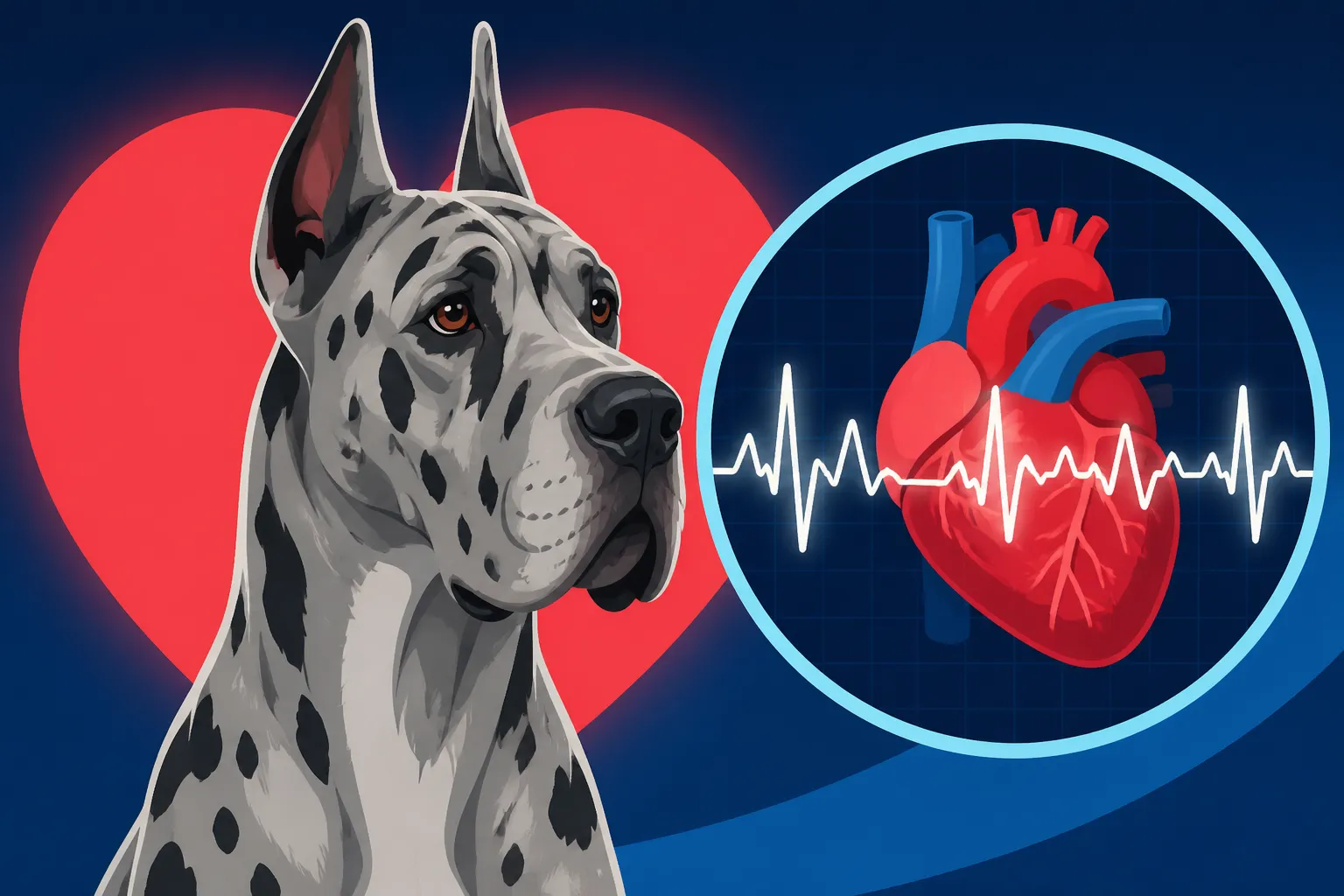
Imagine your dog's heart as a beautifully orchestrated drum solo. Normally, a tiny natural pacemaker, called the sinoatrial (SA) node, sets the rhythm, sending out electrical signals that cause the atria (the upper chambers of the heart) to contract, followed by the ventricles (the lower chambers) in a synchronized beat. This precise timing ensures blood is pumped efficiently throughout the body.
With atrial fibrillation, that drum solo goes wildly off-key. Instead of one organized signal from the SA node, hundreds of chaotic electrical impulses fire rapidly and irregularly through the atria. The atria don't contract effectively; they just quiver or "fibrillate." While the ventricles still try to pump blood, they receive these rapid, disorganized signals, leading to a very fast and irregular heartbeat. Think of it like a conductor trying to keep an orchestra together when half the musicians are playing their own tune at top speed. This inefficient pumping means the body isn't getting as much oxygen-rich blood as it needs, which can lead to a host of problems.
Why Great Danes Are Particularly Susceptible
Unfortunately, Great Danes, like several other large and giant breeds, have a genetic predisposition to certain heart conditions. The most common underlying cause for AFib in Great Danes is dilated cardiomyopathy (DCM), a devastating condition where the heart muscle becomes thin and weak, and the chambers enlarge. You can learn more about The Heart Muscle Disease Great Danes Are Prone To to understand this link better.
When a Great Dane's heart muscle weakens and enlarges, especially the atria, it creates the perfect environment for those chaotic electrical signals to take hold. The stretched-out tissue and compromised electrical pathways make it easier for the heart's electrical system to go haywire. While AFib can occur on its own (idiopathic AFib), in Great Danes, it’s most frequently seen as a complication of DCM. This is one of the reasons why regular heart screenings are so incredibly important for our breed. Given that the Why a Great Dane Only Lives Seven to Ten Years is already shorter than we’d like, heart health becomes paramount.
Recognizing the Signs and Symptoms
One of the biggest challenges with heart conditions, including atrial fibrillation, is that our dogs can be incredibly stoic. They often hide discomfort until a condition is quite advanced, making it crucial for us to be observant and attuned to subtle changes in their behavior and energy levels.
Subtle Early Indicators
Before AFib becomes a crisis, there are often subtle signs that experienced Great Dane owners might pick up on. These can be easily dismissed as "just getting older" or "a bit tired," but it's important to pay attention. You might notice your Dane isn't as enthusiastic about their daily walk. Perhaps they used to bound through the park, but now they seem to lag behind, taking more breaks. This reduced exercise tolerance is a key early warning. If you’re seeing A Great Dane That Cannot Finish a Walk, it’s definitely time for a vet visit.
Other indicators might include a general decrease in energy or an increase in resting periods. They might not be as eager to play or greet you at the door with their usual gusto. Some owners report a subtle change in appetite or occasional coughing, especially after periods of activity or excitement. Because these signs can be so vague, keeping a close eye on your Dane's baseline behavior is incredibly important. Any persistent change warrants a call to your veterinarian.
More Pronounced Clinical Signs
As atrial fibrillation progresses and the heart becomes less efficient at pumping blood, the symptoms become much more noticeable and concerning. At this stage, your Dane might exhibit:
- Rapid, Irregular Pulse: This is the hallmark of AFib. If you can feel your Dane’s pulse (typically on the inner thigh), it will feel very fast and completely erratic, like a skipping stone on water.
- Increased Respiratory Rate and Panting: Even at rest, you might notice your Dane breathing harder or panting more than usual, as their body struggles to get enough oxygen.
- Coughing: A persistent cough, especially one that sounds wet or productive, can indicate fluid buildup in the lungs due to the heart’s inability to pump efficiently. This is often associated with congestive heart failure.
- Weakness and Lethargy: They might struggle to stand up, seem uncoordinated, or be extremely tired after minimal effort.
- Collapse or Fainting (Syncope): In severe cases, the heart simply can’t keep up with the body’s demands, leading to a sudden loss of consciousness. Witnessing A Great Dane That Collapses and Recovers is terrifying and an immediate veterinary emergency.
- Pale Gums: Reduced blood flow can cause your dog’s gums to appear pale or even bluish.
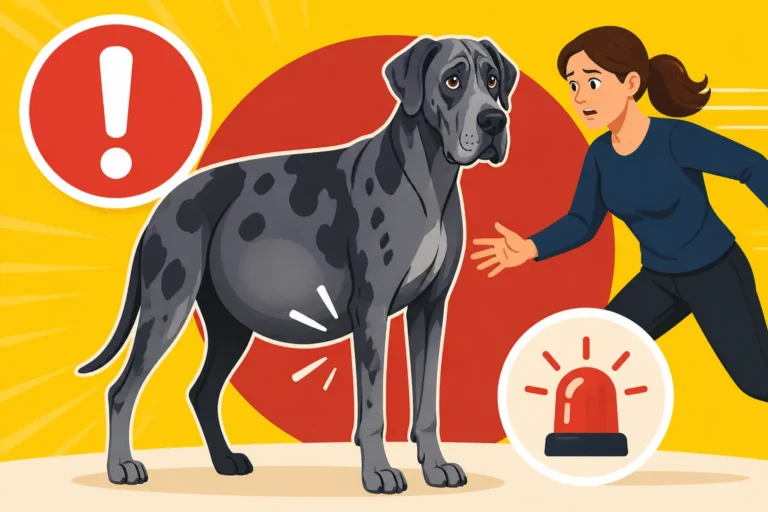
If you observe any of these more severe signs, do not wait. Your Great Dane needs immediate veterinary attention. Time can be critical when dealing with serious cardiac events.
Diagnosing Atrial Fibrillation in Your Dane
When you bring your Great Dane to the vet with concerns about their heart, your veterinarian will embark on a systematic diagnostic process to pinpoint the issue. This isn't just a simple check-up; it's a deep dive into their cardiovascular health.
The Initial Vet Visit and Physical Exam
Your vet will start with a thorough physical examination. This is where their trained hands and ears become invaluable. They'll listen to your Dane's heart using a stethoscope, trying to identify any murmurs, muffled sounds, or, most tellingly, an irregular rhythm. With AFib, the heartbeat will sound chaotic and fast, often described as a "washing machine" rhythm.
They'll also palpate your dog's pulse, usually in the femoral artery in the inner thigh. A normal pulse should be strong and regular. With AFib, the pulse will feel very fast and inconsistent, matching the erratic sounds heard through the stethoscope. They might also check your Dane's mucous membranes (gums) for color and capillary refill time, looking for signs of poor circulation. This initial exam provides crucial clues that will guide the next steps in diagnosis.
Advanced Diagnostics
If the physical exam points towards a heart issue, particularly an arrhythmia like AFib, your vet will likely recommend more advanced diagnostic tests to confirm the diagnosis, assess the severity, and look for underlying causes.
- Electrocardiogram (ECG/EKG): This is the gold standard for diagnosing arrhythmias. Small electrodes are placed on your Dane's skin, which detect and record the electrical activity of the heart. For AFib, the ECG will show a characteristic chaotic, irregular rhythm with absent P waves (which represent atrial contraction). This test confirms the presence of AFib.
- Holter Monitor: Since AFib can sometimes be intermittent or more pronounced during certain activities or stress, a single ECG in the clinic might not capture the full picture. A Holter monitor is a portable ECG device that your Dane wears for 24-48 hours, continuously recording their heart's electrical activity as they go about their normal routine. This provides invaluable data on the frequency and severity of the arrhythmia over time. If your vet suspects a fluctuating issue, asking about Holter Monitoring for a Great Dane Heart is a great idea.
- Echocardiogram (Echo): This is an ultrasound of the heart and is absolutely critical, especially for Great Danes. It allows the veterinarian (often a veterinary cardiologist) to visualize the heart's structure and function in real-time. An echo can detect underlying conditions like dilated cardiomyopathy (DCM), which, as we discussed, is frequently associated with AFib in this breed. It measures chamber size, wall thickness, and how efficiently the blood is flowing. This tells your vet not just that your Dane has AFib, but why and how much it's impacting the heart's overall health. Learning What a Cardiologist Measures in a Great Dane Heart can help you understand the details your vet is looking for.
- Blood Pressure Measurement: High blood pressure can contribute to heart disease, so this will often be checked.
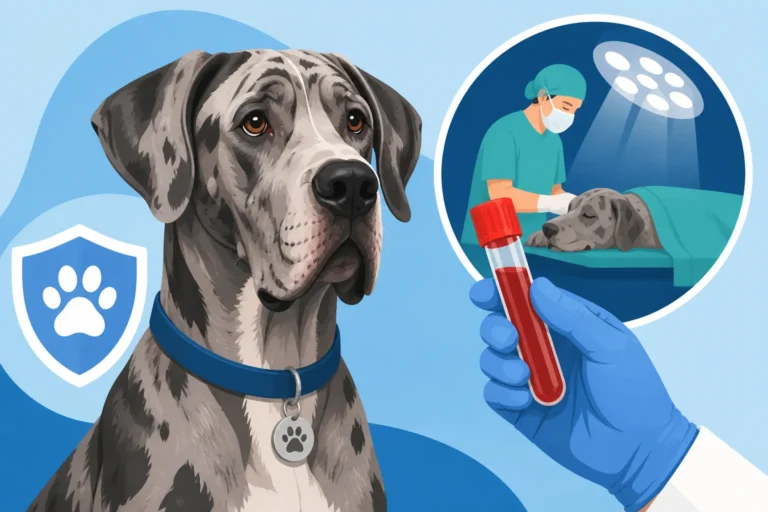
- Blood Work: Routine blood tests can help assess overall health, kidney function (important if medications are needed), and rule out other systemic illnesses that might impact the heart.
These advanced diagnostics provide a comprehensive picture, allowing your veterinary team to formulate the most effective treatment plan tailored to your Great Dane's specific needs.
Managing Atrial Fibrillation and Treatment Options
Once atrial fibrillation is diagnosed in your Great Dane, the focus shifts to management. The goal isn't always to cure AFib, but to control it, improve heart function, and enhance your dog's quality of life. It’s a long game, and it requires a strong partnership with your veterinary team.
Goals of Treatment
When it comes to treating AFib in dogs, particularly in Great Danes where it's often linked to DCM, there are two primary goals: rate control and rhythm control.
- Rate Control: This is the most common and often most achievable goal. The idea here isn't to stop the AFib entirely, but to slow down the dangerously fast heart rate that results from the chaotic electrical signals. By bringing the heart rate into a more manageable range, the ventricles have more time to fill with blood between beats, leading to more efficient pumping. This helps reduce symptoms like weakness, lethargy, and exercise intolerance, and decreases the risk of congestive heart failure. For most Great Danes with AFib, especially those with underlying structural heart disease, rate control is the primary strategy.
- Rhythm Control: This involves trying to convert the heart back to a normal, regular rhythm (called sinus rhythm). While ideal, achieving and maintaining rhythm control in dogs with AFib, especially giant breeds with enlarged hearts, is challenging and often short-lived. It's usually only considered in specific cases, such as very recent onset AFib without significant underlying heart disease, which is rare in Great Danes. Even if achieved, recurrence is common.
Your veterinary cardiologist will discuss which approach is best suited for your Dane, taking into account the cause of the AFib, its duration, and your dog's overall health.
Medication Protocols
Medication is the cornerstone of AFib management in Great Danes. These drugs aim to slow the heart rate and improve its efficiency. The specific medications and dosages will be carefully chosen by your vet, often in consultation with a veterinary cardiologist.
- Digoxin: This medication helps slow the heart rate by affecting the electrical signals traveling from the atria to the ventricles. It also has a mild positive inotropic effect, meaning it can slightly increase the strength of heart muscle contraction.
- Diltiazem: A calcium channel blocker, diltiazem is highly effective at slowing the heart rate by blocking specific electrical pathways in the heart. It's often used in combination with other medications.
- Beta-Blockers (e.g., Atenolol, Sotalol): These drugs also help to slow the heart rate and reduce its workload. Sotalol has the added benefit of having some anti-arrhythmic properties, which can sometimes help in rhythm control, though it's primarily used for rate control in AFib.
- Pimobendan: If your Dane's AFib is secondary to dilated cardiomyopathy (DCM), Pimobendan is almost always prescribed. This medication is a positive inotrope and a vasodilator, meaning it helps the heart pump more strongly and efficiently, and also widens blood vessels to reduce the heart's workload. It's a critical drug for improving the quality of life and extending the lifespan of dogs with DCM. You can find more details about Medication for a Great Dane With DCM.
The precise dosing of these medications is absolutely crucial for Great Danes, given their massive size and unique metabolism. Regular follow-up appointments and blood tests are essential to ensure the drugs are working effectively and not causing adverse side effects, and that your Dane is getting the correct amount for their weight. This is where having comprehensive pet insurance, such as from Healthy Paws, can be a huge relief, covering the ongoing costs of these vital medications and specialist visits. Whether Pet Insurance Is Essential for a Great Dane is a question many owners face, and for conditions like AFib, the answer is a resounding yes.
When Advanced Interventions Are Considered
While medication is the mainstay, in rare and specific cases, advanced interventions might be discussed, particularly if medical management isn't sufficient or if rhythm control is deemed achievable.
- Electrical Cardioversion: This procedure involves delivering a controlled electrical shock to the heart to reset its rhythm. While commonly used in human medicine for AFib, it's less frequently performed and less successful in dogs, especially those with underlying structural heart disease. The chaotic signals tend to return quickly. It's a specialized procedure requiring general anesthesia and a veterinary cardiologist.
- Radiofrequency Catheter Ablation: This highly specialized procedure involves using a catheter to deliver radiofrequency energy to destroy the small areas of heart tissue that are generating the chaotic electrical signals. This is a very advanced and expensive procedure, rarely performed in veterinary medicine for AFib, and typically reserved for very specific, intractable cases, usually without significant underlying structural heart disease. For most Great Danes with AFib secondary to DCM, these interventions are not practical or recommended.
The journey with AFib is primarily about consistent, tailored medical management and close monitoring.
Living with a Great Dane with AFib: Long-Term Care
Receiving an AFib diagnosis for your Great Dane is undoubtedly life-altering, but it doesn't mean the end of a good life for your beloved companion. It means adjusting, learning, and committing to diligent long-term care to maximize their comfort and well-being.
Monitoring at Home
As an owner, you become an indispensable part of your Great Dane’s care team. Consistent at-home monitoring is crucial for managing AFib effectively. Here’s what you’ll need to keep an eye on:
- Pulse Rate: Learn to take your Dane's pulse, usually by placing two fingers on the femoral artery inside their upper thigh. Count the beats for 15 seconds and multiply by four to get beats per minute. Your vet will give you a target range. Remember, it will be irregular, but you're looking for the overall rate.
- Resting Respiratory Rate: Count your Dane's breaths per minute when they are calm and asleep. A normal resting rate is typically between 15-30 breaths per minute. An elevated rate can be a sign of fluid buildup in the lungs, indicating worsening heart failure.
- Activity Levels: Pay close attention to changes in their energy, enthusiasm for walks, and overall stamina. Any sudden decrease in exercise tolerance or increased lethargy should be noted.
- Appetite and Water Intake: Report any significant changes to your vet.
- Coughing: Note the frequency, time of day (especially at night), and character of any cough.
- Consistent Medication Administration: This is paramount. Missing doses or giving incorrect amounts can have serious consequences. Use pill organizers and set reminders.
Keeping a detailed log of these observations can be incredibly helpful for your vet during follow-up appointments. It allows them to track trends and make necessary adjustments to the treatment plan.
Lifestyle Adjustments and Quality of Life
While your Dane might not be able to run marathons anymore, thoughtful lifestyle adjustments can significantly improve their quality of life.
- Moderate Exercise: Strenuous exercise, intense play, or overheating should be avoided. Instead, focus on short, gentle walks on a leash. The goal is consistent, low-impact activity rather than bursts of high energy. Avoid anything that causes excessive panting or fatigue.
- Weight Management: Keeping your Great Dane at a healthy, lean body weight is critical. Excess weight puts additional strain on the heart, making its job even harder. Work with your vet to ensure their diet supports a healthy weight without compromising nutritional needs.
- Stress Reduction: Try to minimize stressful situations or sudden excitement, as these can increase heart rate and put extra strain on the cardiovascular system. A calm, consistent routine is best.
- Comfortable Environment: Ensure they have comfortable, supportive bedding to prevent pressure sores, especially if their mobility decreases.
- Regular Vet Check-ups: These are non-negotiable. Your vet will want to see your Dane regularly to monitor their heart function, adjust medications, and catch any potential complications early. These visits may include repeat ECGs and echocardiograms to assess How a Great Dane Heart Enlarges or responds to treatment. Screening a Great Dane's Heart Each Year is vital.
It’s also important to consider the financial implications of long-term care for AFib. The cost of medications, specialized vet visits, and ongoing diagnostics can add up quickly. This is where having pet insurance like Healthy Paws can truly make a difference, helping to cover a significant portion of these expenses and allowing you to make treatment decisions based on what's best for your Dane, not just your wallet.
Prognosis and What to Expect
The prognosis for Great Danes with atrial fibrillation largely depends on the underlying cause. If it's linked to severe dilated cardiomyopathy (DCM), the outlook can be more guarded. However, with consistent and appropriate medical management, many Great Danes with AFib can still enjoy a good quality of life for months to even a few years.
It’s important to have realistic expectations and open conversations with your veterinary cardiologist about the progression of the disease. They can provide insights into specific markers, such as the left atrial size or the overall heart function, which contribute to the long-term outlook. Knowing The Five Weeks After Great Dane Heart Failure Starts can be a tough reality, but understanding your dog's journey is crucial for making informed decisions. The goal of treatment is always to maintain the best possible quality of life, even if a full cure isn't possible.
Ultimately, living with a Great Dane with AFib means embracing their needs, advocating for their health, and cherishing every moment. With dedicated care and a strong veterinary partnership, you can ensure your beloved giant continues to feel loved and as comfortable as possible. It's a journey, and you're not alone.
| Symptom Severity | Early Indicators | Advanced Clinical Signs |
|---|---|---|
| Mild | Subtle decrease in exercise tolerance, slight lethargy | Reduced appetite, occasional mild cough |
| Moderate | Increased resting, lagging on walks, intermittent panting | More frequent coughing, noticeable weakness, faster heart rate |
| Severe | Persistent rapid, irregular pulse, constant panting | Difficulty breathing, collapse/fainting, pale gums |
Disclaimer
Please remember that this article is intended for informational purposes only and is not a substitute for professional veterinary advice. If you suspect your Great Dane has atrial fibrillation or any other health condition, please consult with your veterinarian immediately. They can provide an accurate diagnosis and develop a personalized treatment plan for your dog.