Steroids and Crate Rest for a Wobbler Dane
Hearing that your beloved Great Dane has been diagnosed with Wobbler Syndrome can feel like the floor has dropped out from under you. It’s a scary, complex condition, and navigating the treatment options, especially non-surgical ones like steroids and strict crate rest, can be incredibly daunting. This guide is here to walk you through exactly what those treatments entail, why they’re used, and how you can best support your giant companion through this challenging time.
Understanding Wobbler Syndrome in Great Danes
Wobbler Syndrome, or cervical spondylomyelopathy (CSM) as vets call it, is a condition that sadly affects many large and giant breed dogs, and Great Danes are definitely on that list. It's not just a fancy name; it describes a very real problem that impacts your dog's spinal cord in their neck.
What Exactly is Wobbler Syndrome?
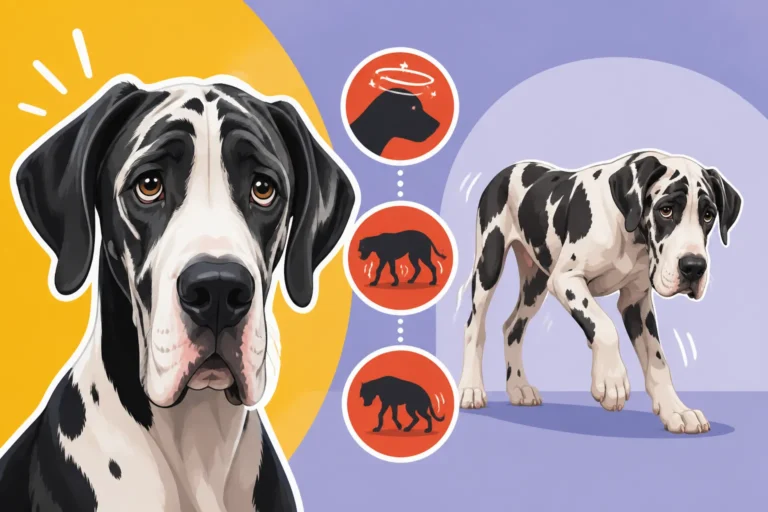
At its heart, Wobbler Syndrome is caused by compression of the spinal cord and/or nerve roots in the neck region. Imagine the spinal cord as a superhighway carrying messages between the brain and the rest of the body. When something in the neck (like abnormal vertebrae, thickened ligaments, or a slipped disc) presses on this highway, those messages get garbled, leading to the characteristic wobbly gait and neurological symptoms we see. For a Great Dane, their rapid growth and sheer size can contribute to these structural abnormalities. You might notice your Dane has The First Wobbler Signs in a Great Dane like dragging their back paws, scuffing their nails, or just seeming generally uncoordinated. They might appear as A Great Dane That Stumbles on Its Back Legs. It’s not just a clumsy phase; it’s a sign that something serious is happening in their neck. This compression can lead to pain, weakness, and ataxia, which is a medical term for loss of full control of bodily movements.
When Non-Surgical Treatment is Considered
Deciding on the best course of action for a Great Dane with Wobbler Syndrome often comes down to the severity of their symptoms and the specific cause of the compression. Non-surgical management, which often includes steroids and crate rest, is typically reserved for Danes with mild to moderate signs. If your Dane is showing only slight unsteadiness, occasional tripping, or mild neck pain, and can still get around relatively well, then conservative management might be the first line of defense. It's a way to try and reduce inflammation and protect the spinal cord without the invasiveness and risks associated with surgery. However, if your Dane is in severe pain, can barely walk, or is rapidly declining, your vet might lean towards surgical options more quickly. Factors like your dog's age, other health conditions, and even your family's ability to commit to strict rest and follow-up care all play a part in this crucial decision. It’s a discussion you’ll have extensively with your veterinary neurologist or primary vet, often after getting some clear Imaging a Great Dane Neck for Wobblers.
The Role of Steroids in Wobbler Management
When a Great Dane is diagnosed with Wobbler Syndrome and conservative treatment is chosen, corticosteroids, often just called "steroids," are frequently prescribed. These aren't the kind of steroids that bodybuilders use; they're powerful anti-inflammatory medications.
How Corticosteroids Work for Spinal Compression
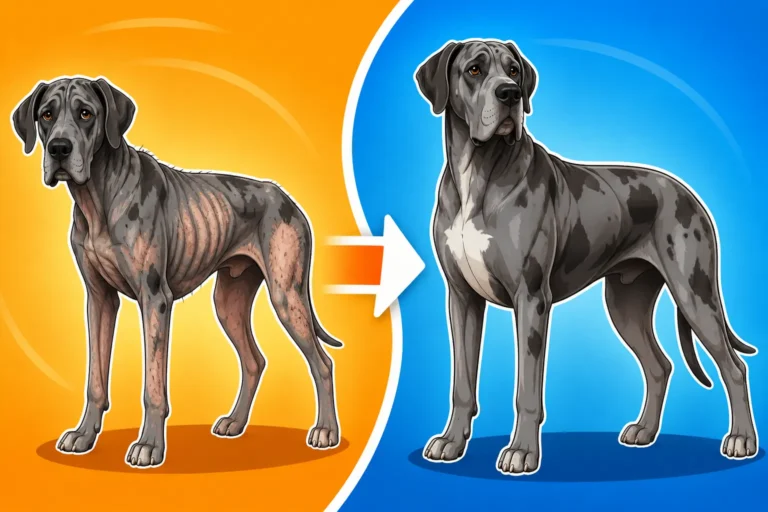
The primary goal of using corticosteroids like prednisone or dexamethasone is to reduce the inflammation and swelling around your Great Dane's spinal cord. When the spinal cord is compressed, it inevitably leads to inflammation, which can exacerbate the neurological signs and pain. By knocking down this inflammation, steroids help to decrease the pressure on the nerves, which can alleviate pain and improve your Dane's coordination. Think of it like this: if you have a swollen ankle, reducing the swelling helps reduce the pain and allows you to move it more freely. The same principle applies here, but on a much more delicate and critical structure—the spinal cord. Your vet will prescribe a very specific dose, often starting higher and then gradually tapering down to the lowest effective dose to manage symptoms while minimizing side effects. This careful dosing is critical, especially for a dog the size of a Great Dane.
Potential Side Effects and Management
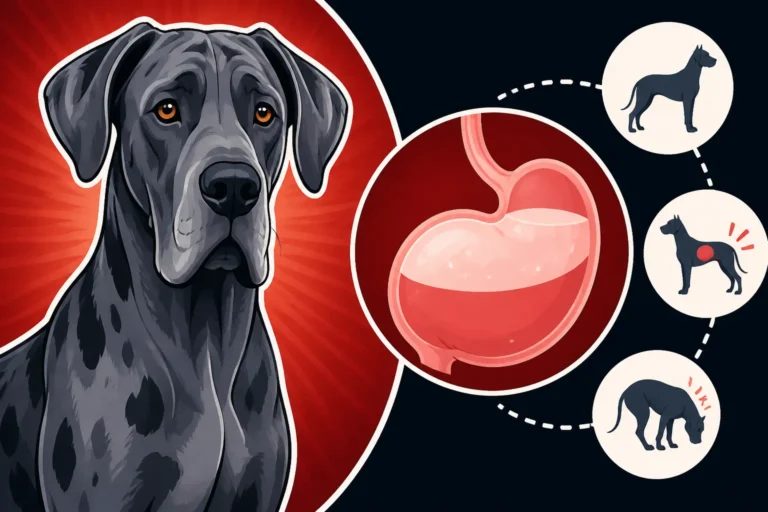
While incredibly effective, steroids do come with a list of potential side effects, and it's essential for Great Dane owners to be aware of them. In the short term, you'll likely notice your Dane drinking a lot more water, needing to pee more frequently, and having an increased appetite. These are usually manageable, but be prepared for more potty breaks, especially overnight! Longer-term use can lead to more serious issues. These can include muscle wasting, particularly in the hindquarters, which can be tough on a Dane already struggling with mobility. You might also see changes in their skin and coat, such as thinning hair or dry, flaky skin. Gastrointestinal upset, including ulcers, is also a concern, which is why steroids are sometimes given with antacids or specific GI protectants. In some cases, prolonged steroid use can even increase the risk of developing diabetes.
It’s a balancing act, trying to get the anti-inflammatory benefits without causing undue harm. This is why strict veterinary supervision is paramount. Your vet will likely want to do regular check-ups and blood work to monitor for these side effects, especially if your Dane is on steroids for an extended period. Don't ever adjust the dose without consulting your vet, as abrupt changes can also cause problems. Managing these side effects often involves dietary adjustments, ensuring constant access to fresh water, and scheduling frequent potty breaks.
Implementing Crate Rest for Healing and Safety
Steroids are only one piece of the puzzle in conservative management of Wobbler Syndrome. The other, equally critical component, is strict rest. For a giant, active dog like a Great Dane, this can be one of the hardest parts of the treatment plan, both for them and for you.
Why Strict Crate Rest is Crucial
The term "crate rest" sometimes sounds less serious than it truly is, especially for a condition involving spinal cord damage. For a Great Dane with Wobbler Syndrome, it means strict restriction of movement. The goal is to prevent any further injury or aggravation to the delicate spinal cord while it has a chance to heal and for the inflammation, which the steroids are addressing, to subside. Any sudden movements, jumps, twists, or falls can undo weeks of progress or even worsen the compression, potentially leading to irreversible damage.
Imagine trying to heal a broken bone without a cast; it's nearly impossible. While it's not a broken bone, the principle of immobilization is similar. Your Dane needs to avoid running, jumping, playing rough, going up or down stairs, or even making quick turns. This level of restriction gives the inflamed tissues around the spinal cord the best possible chance to calm down. It means limited, controlled leash walks only for potty breaks, and absolutely no unsupervised time where they can get into mischief. This might sound heartbreaking for a dog that loves to roam and interact, but it's genuinely for their own good and a critical part of their recovery.
Practical Tips for Successful Crate Rest
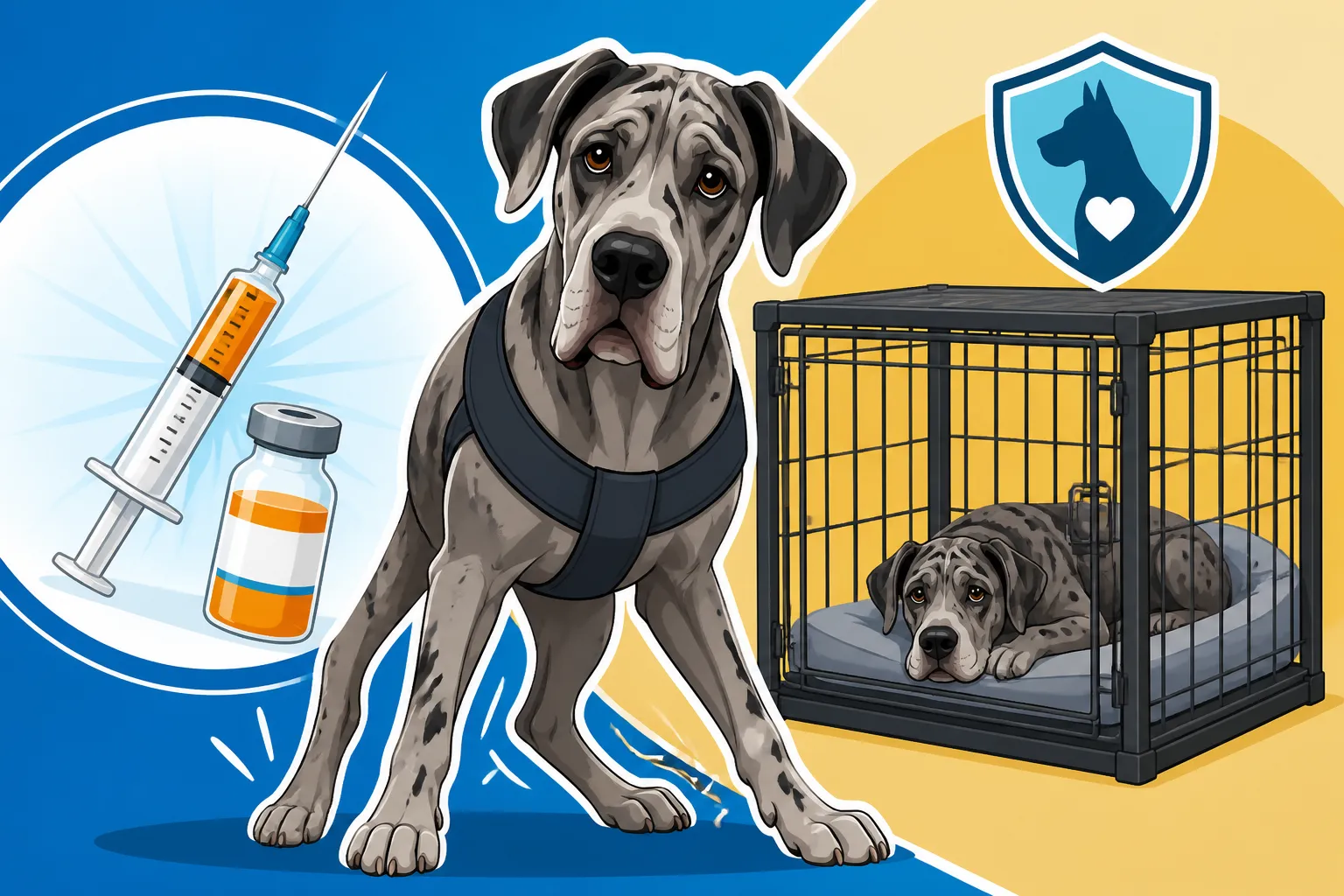
Successfully implementing crate rest for a Great Dane requires thoughtful planning and a lot of patience. First, you'll need an appropriately sized crate – and for a Great Dane, that means a truly massive one where they can stand up, turn around, and lie down comfortably without feeling cramped. A wire crate or a large, robust plastic kennel is usually best. Make sure it's located in a central, calm area of your home so your Dane doesn't feel isolated but also isn't overstimulated by constant activity.
To make the crate a comfortable and appealing sanctuary, furnish it with soft, supportive bedding. Orthopedic beds are a godsend for Danes, especially those with joint or spinal issues. You'll want to avoid anything that encourages them to try and dig or chew excessively. Enrichment within the crate is key to preventing boredom and frustration. Puzzle toys stuffed with their meals, durable chew toys (but nothing that could cause them to thrash their head or neck aggressively), and KONGs filled with frozen treats can keep them mentally engaged.
Potty breaks must be strictly supervised and on a leash. No off-leash excursions in the yard, even for a quick pee. Use a harness instead of a collar to avoid any pressure on their neck. Consider Swapping a Great Dane's Collar for a Harness not just during recovery, but as a general practice for Danes with neck sensitivities. If your Dane is very unstable, a sling can be invaluable for Supporting a Great Dane's Back End With a Sling, helping you guide them outside and prevent falls.
Once the initial period of strict rest is over, usually several weeks, your vet will guide you on a very gradual reintroduction to activity. This isn't a "flip a switch" moment. It's a slow, carefully monitored process to ensure their progress is maintained and they don't suffer a setback. Remember, consistency is paramount during this entire process.
Combining Treatments and Long-Term Outlook
Managing Wobbler Syndrome with conservative methods is a marathon, not a sprint. It often involves a combination of therapies and a long-term commitment to monitoring and care.
Integrating Other Supportive Therapies
Beyond steroids and crate rest, there are often other supportive therapies that can significantly benefit a Great Dane with Wobbler Syndrome. Pain management is crucial, as reducing discomfort can improve mobility and overall quality of life. This might involve non-steroidal anti-inflammatory drugs (NSAIDs) prescribed by your vet, or other pain medications like gabapentin, often used in conjunction with steroids.
Physical therapy, once the acute inflammation has subsided and under veterinary guidance, can be incredibly beneficial. Gentle exercises, range of motion movements, and even hydrotherapy (water treadmill) can help rebuild muscle strength, improve proprioception (awareness of body position), and enhance overall stability without putting excessive strain on the spine. Acupuncture is another complementary therapy that many owners explore, with some reporting positive results in managing pain and neurological symptoms.
Dietary considerations also play a role. Ensuring your Great Dane maintains a healthy, lean weight is crucial to minimize stress on their joints and spine. Specific joint supplements containing glucosamine, chondroitin, and omega-3 fatty acids might also be recommended to support cartilage health, although their direct impact on spinal cord compression varies. Every little bit of support can help in the long run, and your vet can advise on the best supplements and dietary choices for your individual Dane.
Monitoring Progress and Knowing When to Adjust
The journey with Wobbler Syndrome is all about vigilance and adaptation. Regular check-ups with your veterinarian or veterinary neurologist are non-negotiable. These appointments will involve neurological assessments to track your Dane's progress, identify any improvements, or, critically, spot any signs of worsening symptoms. Your vet will be looking for changes in their gait, reflexes, and overall comfort level.
It's vital for you, as the primary caregiver, to be attuned to your Dane's daily demeanor. Are they showing increased stumbling, pain, or weakness? Are they more reluctant to move or struggling with basic functions? These can be indicators that the conservative management might not be sufficient or that the condition is progressing. While the goal is always to avoid surgery if possible, it's important to know that conservative management doesn't cure Wobbler Syndrome; it manages the symptoms. The underlying structural issues often remain.
| Feature | Steroids + Crate Rest (Conservative Management) | Surgery (e.g., Ventral Slot, Dorsal Laminectomy) |
|---|---|---|
| Goal | Reduce inflammation, pain, improve comfort; manage symptoms | Decompress spinal cord, stabilize vertebrae; aim for long-term functional improvement |
| Invasiveness | Non-invasive (oral medication, restricted activity) | Highly invasive (major spinal surgery) |
| Cost | Generally lower (medications, vet visits, crate) | Significantly higher (surgeon fees, anesthesia, hospitalization, rehabilitation) |
| Recovery Time | Weeks of strict rest, followed by gradual reintroduction to activity (can be ongoing) | Weeks of strict post-operative rest, followed by months of rehabilitation |
| Risks | Steroid side effects (short/long-term), potential for symptom recurrence/worsening | Anesthesia risks, surgical complications (infection, nerve damage), implant failure |
| Suitability | Mild to moderate symptoms, single compression sites, older dogs, certain owner preferences | Moderate to severe symptoms, multiple compression sites, younger dogs, failure of conservative |
| Effectiveness | Can provide significant relief, but often doesn't resolve underlying cause | Higher potential for definitive improvement, but not guaranteed; recurrence possible |
If your Dane's condition isn't improving, or if symptoms worsen despite diligent conservative care, your vet might reopen the conversation about surgical intervention. Options like a ventral slot or dorsal laminectomy aim to directly decompress the spinal cord and stabilize the cervical vertebrae. While surgery comes with its own set of risks and costs, it might offer a better long-term prognosis for Danes with severe or progressive disease. This is a tough decision, and you'll need to weigh the potential benefits against the financial strain. Many owners find themselves looking into options like Healthy Paws pet insurance to help mitigate the substantial Great Dane Vet Costs Year by Year, especially when faced with major procedures or chronic conditions like Wobbler Syndrome. Understanding all your options is key to making the best choice for your beloved companion.
Disclaimer
The information provided in this article is for general informational purposes only and is not a substitute for professional veterinary advice. Always consult with a qualified veterinarian or veterinary specialist for any health concerns or before making any decisions related to your pet's medical care.