When a Great Dane Hygroma Becomes Infected
There’s almost nothing more disheartening than noticing a new lump or bump on your beloved Great Dane, especially when it’s on their elbow, a common spot for issues. While many of us are familiar with the benign, fluid-filled sacs known as hygromas, the real anxiety hits when that soft swelling starts to look angry, red, and frankly, quite painful. This guide is here to walk you through exactly how to tell if a Great Dane hygroma has become infected, what those alarming signs mean, and what critical steps you need to take to get your big pal back to comfort and health.
Understanding Great Dane Hygromas in the First Place
Before we dive into the nitty-gritty of infection, it’s really helpful to understand what a hygroma is and why our Great Danes are just so prone to them. It’s not just a random occurrence; there’s a definite reason behind these pesky elbow lumps.
What is a Hygroma and Why Do Danes Get Them?
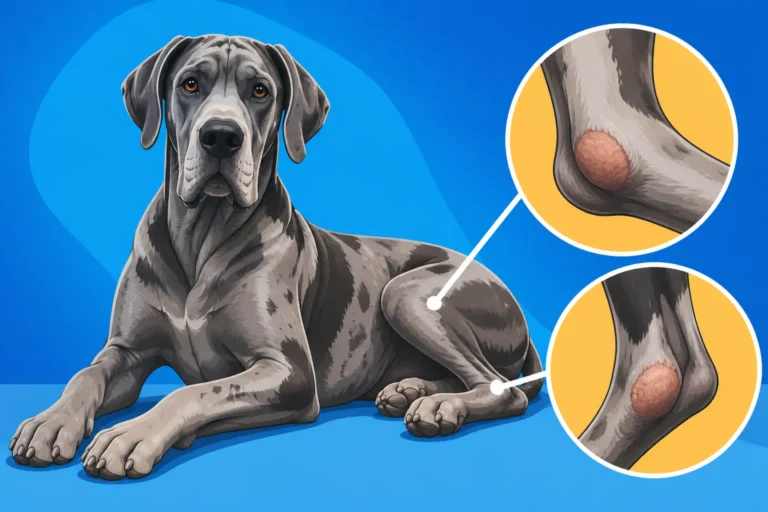
Imagine a fluid-filled cushion that forms under the skin, usually over a bony prominence like an elbow. That’s essentially what a hygroma is. It’s not a tumor, and it’s not inherently cancerous, which is often a huge relief to hear when you first spot one. Instead, it's a reaction to repeated trauma. Think about how often your Great Dane just flops down. They don’t gently lower themselves; they tend to drop with all their considerable weight, often onto hard surfaces like concrete, tile, or hardwood floors.
This constant, repetitive impact on the bony part of their elbow causes the body to create a protective bursa, which then fills with serous fluid. It’s the body’s way of saying, "Hey, we need some extra padding here!" Unfortunately, this "padding" often becomes a prominent, soft swelling. While they can appear on other pressure points like hocks or hips, the elbows are by far the most common culprits. This predisposition is one of the reasons that discussions around Elbow Hygromas on a Great Dane are so frequent in the community. Their sheer size and weight, combined with their sometimes less-than-graceful settling habits, make them prime candidates for developing these swellings.
Recognizing the Early Signs of a Hygroma
A non-infected hygroma usually starts as a small, soft, movable lump directly over the elbow joint. It feels like a little water balloon under the skin, often painless to the touch. Your Dane might not even notice it, and you might only discover it during a routine cuddle session or grooming. It typically doesn't cause any limping or discomfort, which is why it can sometimes go unnoticed for a bit, slowly growing in size.
The skin over a healthy hygroma generally looks normal – no redness, no heat, no broken patches. It’s simply a bulge. Many Great Dane owners become familiar with A Soft Swelling on a Great Dane's Elbow as just another "Dane quirk." The key here is that while it might look a bit odd, it doesn't bother your dog, and the surrounding tissue appears healthy. The goal, of course, is to manage it at this stage and prevent it from ever progressing into something more serious.
The Telltale Signs an Elbow Hygroma Is Infected
This is where the alarm bells should start ringing. When a previously benign hygroma takes a turn for the worse, the signs are often quite distinct and demand your immediate attention. Don't dismiss these symptoms; an infected hygroma can quickly become a much more significant problem for your giant companion.
Visual Cues of Infection
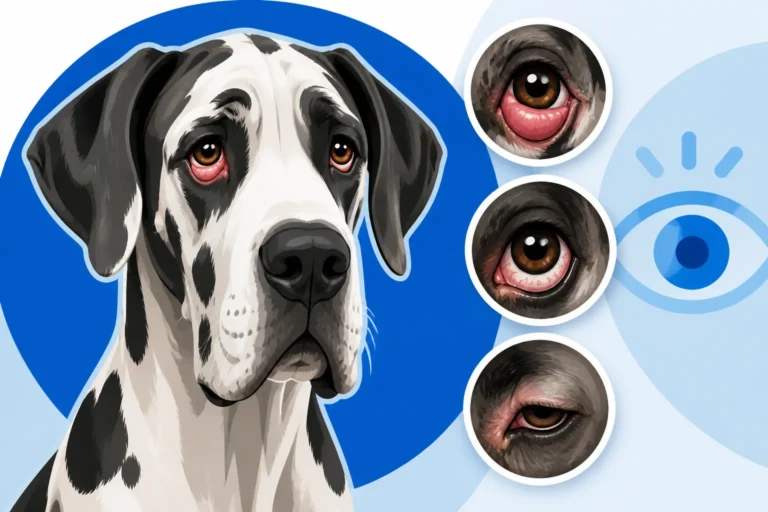
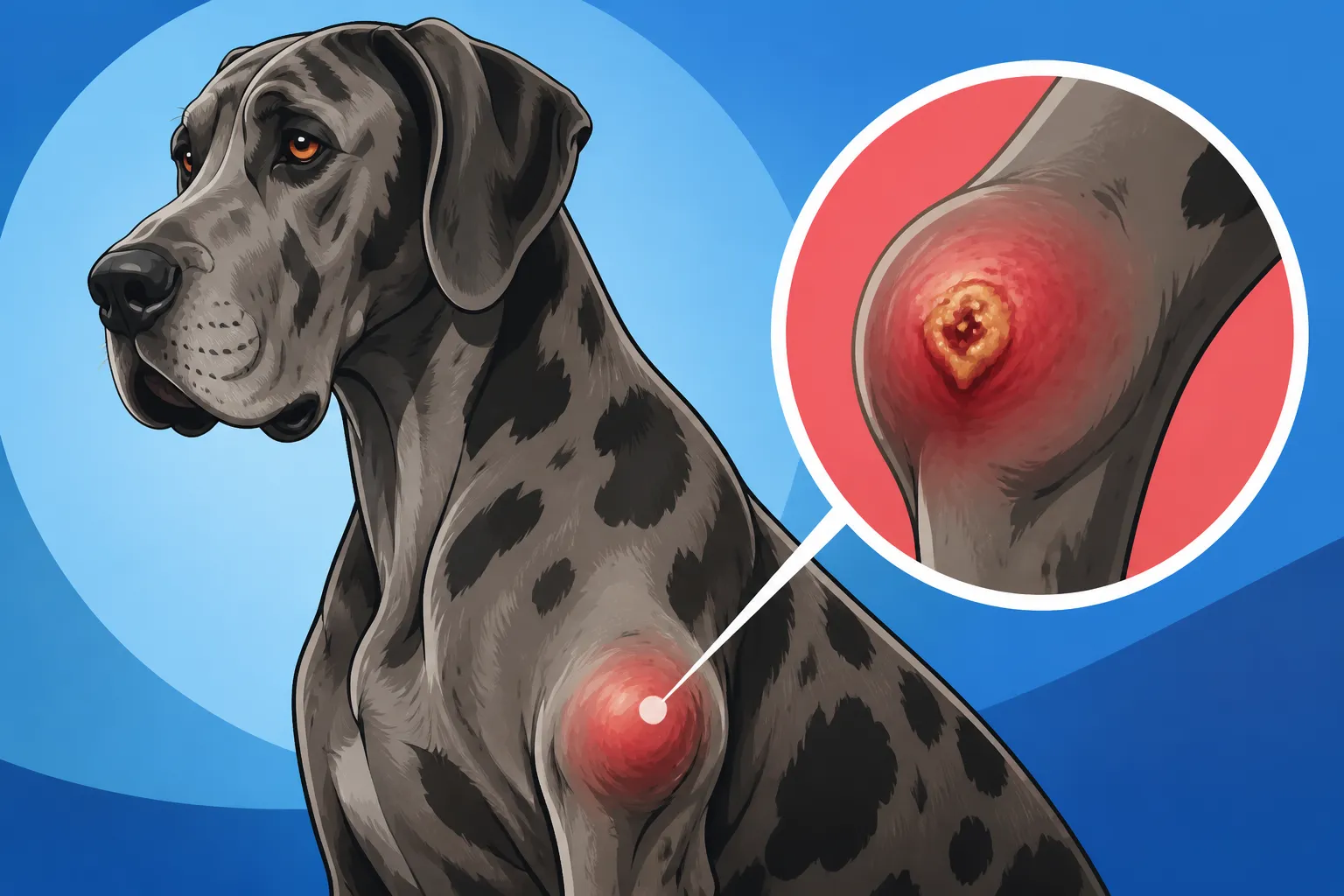
The visual signs of an infected hygroma are usually pretty obvious. The skin over and around the hygroma will often become red and inflamed. You might see a noticeable increase in the size of the swelling, and it won't feel soft and squishy anymore; instead, it will be firm, hot to the touch, and quite painful.
Perhaps the most definitive sign of infection is when the skin breaks open. This can manifest as a small weeping sore, an open wound, or even a draining tract that oozes pus or blood. The discharge might be clear initially, but often becomes thick, yellow, green, or brown, and can have an unpleasant odor. Sometimes, the area will appear scabbed over, but under the scab, the infection is still brewing or actively draining. This broken skin is a direct pathway for bacteria to enter, turning a simple fluid pocket into a full-blown infection. It's crucial to understand that even if it looks like it's "healing" on the surface, the underlying infection might be worsening.
Behavioral Changes and Discomfort
Beyond what you can see, your Great Dane’s behavior will often be a huge indicator that something is wrong. A healthy hygroma typically doesn't cause pain, but an infected one is a different story. You might notice your Dane:
- Limping or favoring the affected leg: They might hesitate to put weight on it, especially when getting up or lying down.
- Reluctance to lie down on hard surfaces: They will actively seek out softer spots, or even refuse to lie down altogether, preferring to stand or sit awkwardly.
- Licking or chewing at the site: This is a clear sign of discomfort and irritation. The more they lick, the worse the irritation and potential for further bacterial introduction.
- Lethargy or loss of appetite: Like any infection, systemic signs can appear. Your normally enthusiastic Dane might seem tired, withdrawn, or not interested in their food.
- Fever: Their body temperature might be elevated as their immune system fights the infection. You might notice them panting more, even when at rest.
- General malaise: They just won't be themselves. Their playful spark might be dimmed, and they might seem generally unhappy or unwell.
These behavioral changes are your dog’s way of communicating distress, and they should never be ignored. Catching these signs early can make a significant difference in the treatment outcome.
When to Seek Immediate Veterinary Attention
If you suspect even for a moment that your Great Dane’s hygroma is infected, you need to contact your veterinarian immediately. This isn’t something that will resolve on its own, and delaying treatment can lead to much more serious complications. An open, infected wound on a joint can pave the way for deeper infections, potentially affecting bone or even leading to systemic sepsis, which is life-threatening.
Even if you’ve been managing a non-infected hygroma at home by following advice on Treating a Great Dane Hygroma Before It Opens, the game changes entirely once infection sets in. Don't wait for your regular vet appointment if the symptoms are acute. Call your vet, describe the situation, and be prepared to bring your Dane in right away, potentially to an emergency animal hospital if it's after hours. Swift action is paramount to prevent the infection from spreading and causing irreparable damage.
What Happens When a Great Dane Hygroma Gets Infected
Once an infection takes hold, it can progress rapidly, and the stakes become much higher. Understanding the potential dangers and the typical veterinary approach can help you prepare for what’s ahead.
The Dangers of Untreated Infection
Ignoring an infected hygroma is incredibly risky. The skin is no longer an intact barrier, and bacteria have a direct route into the deeper tissues. This can quickly lead to:
- Cellulitis: A widespread bacterial infection of the skin and subcutaneous tissue. The area will become even more swollen, red, and painful, and the infection can spread further up the limb.
- Abscess Formation: Pockets of pus can form within the hygroma or surrounding tissues, causing intense pain and continued inflammation. These often require drainage by a vet.
- Osteomyelitis: This is arguably the most serious complication. If the infection reaches the bone, it can lead to a debilitating and difficult-to-treat bone infection. Given that hygromas are directly over bony prominences, this risk is unfortunately quite real. This is similar to the serious prognosis seen in Bone Infections After a Great Dane Fracture, highlighting the need for aggressive treatment.
- Sepsis: In severe cases, bacteria can enter the bloodstream, leading to a systemic infection (sepsis). This is a life-threatening condition that requires immediate and intensive veterinary care, often involving hospitalization, IV antibiotics, and supportive therapies. The massive size of a Great Dane makes any systemic infection even more challenging to manage.
The costs associated with treating these severe complications can be substantial, underscoring the value of pet insurance from providers like Healthy Paws.
Veterinary Diagnosis and Treatment Approaches
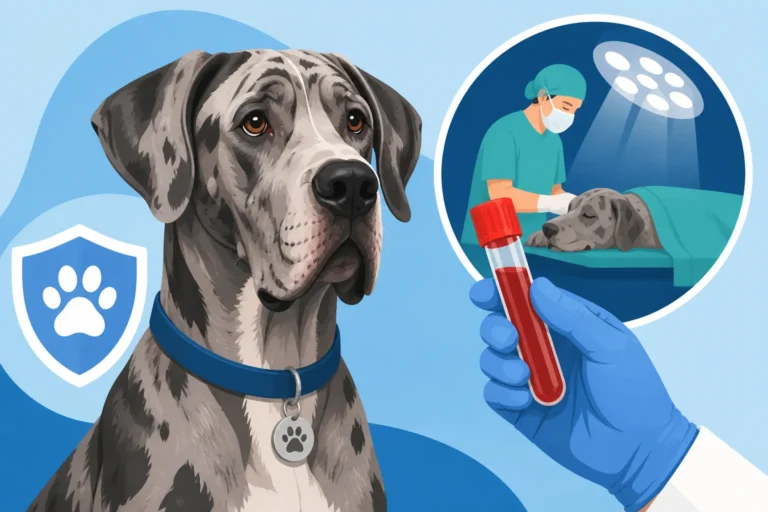
When you bring your Great Dane to the vet with a suspected infected hygroma, they will perform a thorough physical examination, paying close attention to the affected area. They'll assess the size, temperature, consistency, and any discharge from the hygroma.
Diagnosis typically involves:
- Aspiration: The vet might use a needle to draw a sample of the fluid or pus from the hygroma. This fluid can be sent to a lab for culture and sensitivity testing, which identifies the specific bacteria causing the infection and determines which antibiotics will be most effective.
- Bloodwork: To check for signs of systemic infection (like an elevated white blood cell count) and to assess your dog's overall health.
- Imaging: X-rays might be taken to check if the infection has spread to the bone.
Treatment generally involves a multi-pronged approach:
- Antibiotics: This is the cornerstone of treatment. Based on the culture results, your vet will prescribe an appropriate antibiotic, often for an extended course (several weeks). It's crucial to give all medication as directed, even if your dog seems to be improving.
- Anti-inflammatory Medication: Pain relievers and anti-inflammatory drugs (like NSAIDs) will be prescribed to reduce pain and swelling, making your Dane more comfortable.
- Wound Care: If the hygroma has ruptured or is draining, the area will need to be cleaned regularly. Your vet might show you how to do this at home, which can involve flushing the wound and applying topical treatments. Sometimes, bandages are necessary to keep the area clean and protected.
- Surgical Intervention (if necessary): In some cases, especially if the hygroma is very large, has significant dead tissue, or has developed an abscess, surgery might be required. This could involve draining the abscess, debriding (removing) infected or dead tissue, and in some situations, even marsupialization (surgically opening the hygroma and suturing the edges of the skin to the lining to create a permanent open pouch that can drain). However, surgery on an infected hygroma can be more complicated and often carries a higher risk of complications than preventive procedures like a gastropexy. Any time surgery is considered, discussing Anesthesia Risk in a Great Dane with your vet is important, as larger breeds can have unique considerations.
Recovery can be a lengthy process, often requiring careful wound management and strict adherence to medication schedules. Regular follow-up appointments with your vet will be necessary to monitor the healing progress and ensure the infection is fully cleared.
Long-Term Management and Prevention
Even after an infected hygroma is successfully treated, the underlying issue – repeated pressure on the joint – still exists. Therefore, long-term management and prevention are key to preventing recurrence and promoting overall joint health.
The absolute best thing you can do is reassess your Dane's sleeping and resting areas. If they are consistently lying on hard floors, it's time for an upgrade. Orthopedic beds, thick memory foam, or even multiple layers of soft blankets can make a huge difference. Investing in Bedding That Prevents Great Dane Hygromas is not just a comfort measure; it's a vital health strategy. Regularly check their elbows for any signs of new irritation or swelling. Maintaining a healthy weight also reduces the pressure on their joints. This helps explain Why a Great Dane's Elbows Swell in the first place, emphasizing that it's a mechanical issue at its core.
Preventing Infection and Promoting Healing
The best offense is a good defense, and this holds true for hygromas. By taking proactive steps, you can significantly reduce the risk of your Great Dane developing a hygroma in the first place, and more importantly, prevent a non-infected one from becoming a serious health concern.
Choosing the Right Bedding to Protect Your Dane's Elbows
This cannot be stressed enough: soft surfaces are paramount. Your giant companion needs truly supportive and thick cushioning to protect their pressure points. Those thin, flimsy dog beds just won't cut it for a Great Dane. When their considerable weight is pressing down, those bony elbows need significant shock absorption.
Look for orthopedic dog beds made with high-density foam, memory foam, or even a combination. The key is that it shouldn't flatten completely under their weight. Brands like Big Barker, often recommended by Healthy Paws, are designed specifically for giant breeds and offer excellent support. Alternatively, you can create a cushioned area using several layers of comforters, duvets, or even old mattresses. The goal is to provide enough give so that when your Dane flops down, their elbow doesn't impact a hard surface. Think about how much relief you feel when you lie on a soft bed after a long day – your Great Dane deserves that same level of comfort to protect their joints. Understanding articles like Hard Floors and a Great Dane's Elbows really drives home the importance of this choice. It’s an investment in their long-term health and comfort.
Keeping the Area Clean and Monitored
Even if your Great Dane has a non-infected hygroma, regular monitoring and cleanliness are essential. Make it a habit to gently feel your Dane’s elbows during grooming or petting sessions. Look for any changes in size, texture, or the appearance of the overlying skin.
If the skin is intact, simply keeping the area clean and dry with a mild, dog-safe cleanser can help prevent skin irritation that might predispose it to breakdown. If your Dane licks the area, a barrier cream or a loose-fitting elbow sleeve might be recommended by your vet. These sleeves, such as those from Walkin' Pets or similar brands, offer a physical barrier and some additional cushioning. However, if any skin breakdown occurs, even a small scratch, it's time to elevate your vigilance and consider a vet visit. Preventing further skin problems is crucial, as addressed in discussions around Skin Problems Where a Great Dane Lies Down. Early intervention for any minor issue can prevent it from escalating into an infection.
The Role of Nutritional Support and Weight Management
Maintaining a healthy weight for your Great Dane is also a significant factor in preventing and managing hygromas. Excess weight puts additional pressure on all joints, including the elbows. A heavier dog will exert more force every time they lie down, increasing the trauma to the elbow and exacerbating existing hygromas.
Work with your veterinarian to ensure your Great Dane is on an appropriate diet for their age, activity level, and body condition. A lean body condition is generally healthier for giant breeds and helps reduce the strain on their joints. This is a common theme across Great Dane health, like the importance of Choosing Foam Thick Enough for a Great Dane for joint comfort. While direct supplements for hygromas aren't typically a primary treatment, good joint-supporting supplements (like glucosamine and chondroitin) can be beneficial for overall joint health, which indirectly aids in their ability to cope with pressure points. Regular exercise, appropriate for their age and physical condition, also contributes to a healthy weight and strong muscle tone, which further supports the skeletal structure.
Hygroma Signs: Healthy vs. Infected
Here's a quick comparison to help you distinguish between a typical, non-problematic hygroma and one that has become infected and requires urgent care.
| Feature | Healthy Hygroma | Infected Hygroma |
|---|---|---|
| Appearance | Soft, movable, fluid-filled lump; skin intact and normal | Swollen, firm, hot; red/inflamed skin; possibly broken/draining |
| Pain Level | Generally painless to the touch | Painful, tender to touch; causes discomfort |
| Temperature | Normal skin temperature | Warm or hot to the touch |
| Discharge | None | Pus, blood, or clear/yellowish fluid draining |
| Smell | None | Foul odor present |
| Behavior | No change in mobility or lying habits | Limping, reluctance to lie down, licking/chewing, lethargy |
| Urgency | Monitor and manage with soft bedding | Immediate veterinary attention required |
Remember, when in doubt, it’s always best to consult your veterinarian. They can provide an accurate diagnosis and guide you through the appropriate treatment plan for your beloved Great Dane.
Disclaimer
The information provided in this article is for educational purposes only and is not intended to be a substitute for professional veterinary advice, diagnosis, or treatment. Always seek the advice of your veterinarian or other qualified animal health provider with any questions you may have regarding a medical condition. Never disregard professional veterinary advice or delay in seeking it because of something you have read here.