Mobility Aids for a Failing Great Dane
It's heartbreaking to watch our beloved Great Danes slow down, struggle with stairs, or even just get up from a comfortable nap. As they age, or as certain health conditions progress, their once effortless grace can give way to wobbles, stiffness, and pain, leaving us desperately searching for ways to ease their discomfort and maintain their quality of life. This guide is dedicated to exploring the wide array of mobility aids and practical strategies available to support a failing Great Dane, helping you navigate these challenging times with empathy and preparedness.
Understanding Mobility Challenges in Senior Great Danes
Watching your majestic Great Dane, once a picture of strength and agility, begin to falter can be incredibly difficult. Their large size, while magnificent, unfortunately predisposes them to a unique set of mobility challenges as they age. It’s crucial for us as their caregivers to understand these potential hurdles so we can intervene early and provide the best support. After all, our gentle giants deserve comfort in their golden years.
Common Causes of Mobility Loss in Great Danes
Several health conditions can contribute to a Great Dane's loss of mobility, often occurring individually or in combination. Knowing what to look for can help you work with your vet to get a diagnosis and start a management plan. One of the most prevalent issues is arthritis in a six-year-old Great Dane or older. This degenerative joint disease is incredibly common in large breeds, affecting hips, elbows, and even the spine. The cartilage that cushions their joints slowly wears away, leading to bone-on-bone friction, inflammation, and chronic pain. Imagine trying to move with sandpaper in your knees; that’s a bit like what they experience.
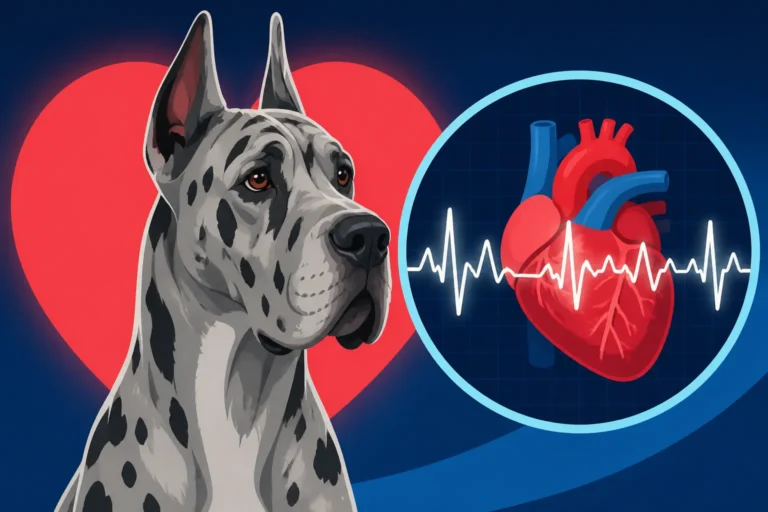
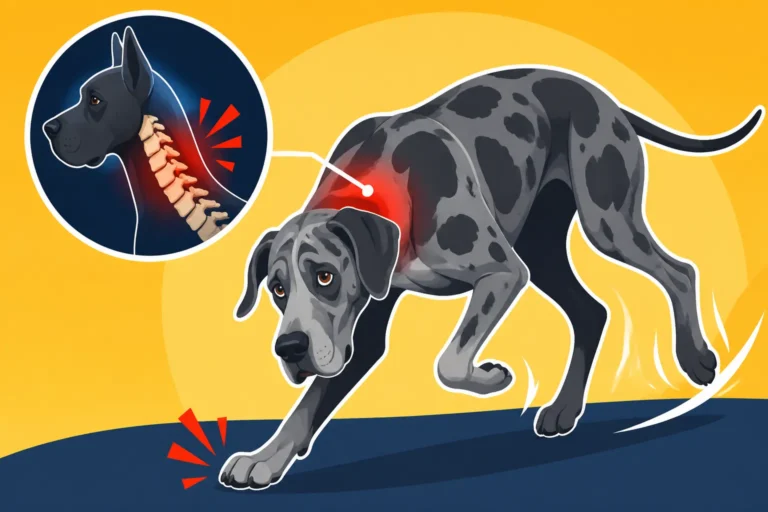
Beyond general arthritis, specific conditions like Wobbler's Syndrome, or cervical spondylomyelopathy, are unfortunately common in our breed. This neurological condition, where compression of the spinal cord in the neck causes a wobbly gait and weakness, especially in the hind limbs, can severely impact a Dane's ability to walk. You might notice your dog A Great Dane that stumbles on its back legs or scuffs their back nails. Then there's Dilated Cardiomyopathy (DCM), a heart muscle disease Great Danes are prone to. While primarily affecting the heart, advanced DCM can lead to weakness, fatigue, and an inability to perform even moderate exercise, indirectly impacting mobility. Even Bone Cancer in a Great Dane, particularly osteosarcoma, can cause severe lameness, pain, and eventually necessitate difficult decisions regarding their quality of life. These conditions are not just minor aches; they are serious issues that require careful attention and management.
Recognizing the Early Signs of Decline
Catching mobility issues early can make a world of difference in your Great Dane's comfort and your ability to manage their care. It’s not always a sudden collapse; often, it starts with subtle changes that can be easy to dismiss as "just getting old." You might notice a slight hesitation before jumping into the car or going up a single step. Perhaps they're a little slower to rise after resting, or they shift their weight more deliberately. Their once enthusiastic greeting might be replaced by a wagging tail from a lying position, simply because standing up is too much effort.
Keep an eye out for changes in their gait – maybe a little stiffness in the mornings, a slight limp that comes and goes, or a reluctance to put full weight on a particular leg. Are they pacing more at night, unable to find a comfortable position? Is their appetite changing, or are they less interested in walks they once loved? All these can be indicators of pain or discomfort. It's also important to monitor their mental state, as chronic pain can lead to anxiety, irritability, or withdrawal. Don't hesitate to consult your veterinarian if you observe any of these signs, as early intervention can significantly improve their comfort and potentially slow the progression of some conditions. This proactive approach is part of Caring for a Great Dane Past Six and ensuring their final years are as good as they can be.
Essential Mobility Aids for Daily Living
Once you've identified that your Great Dane needs a little extra help, the good news is there's a wealth of innovative mobility aids designed to make their lives, and yours, a whole lot easier. These tools aren't just about prolonging life; they're about preserving dignity, comfort, and the ability to participate in daily activities that bring them joy. Choosing the right aids can be a game-changer, helping them navigate their world more safely and comfortably.
Support Harnesses and Slings
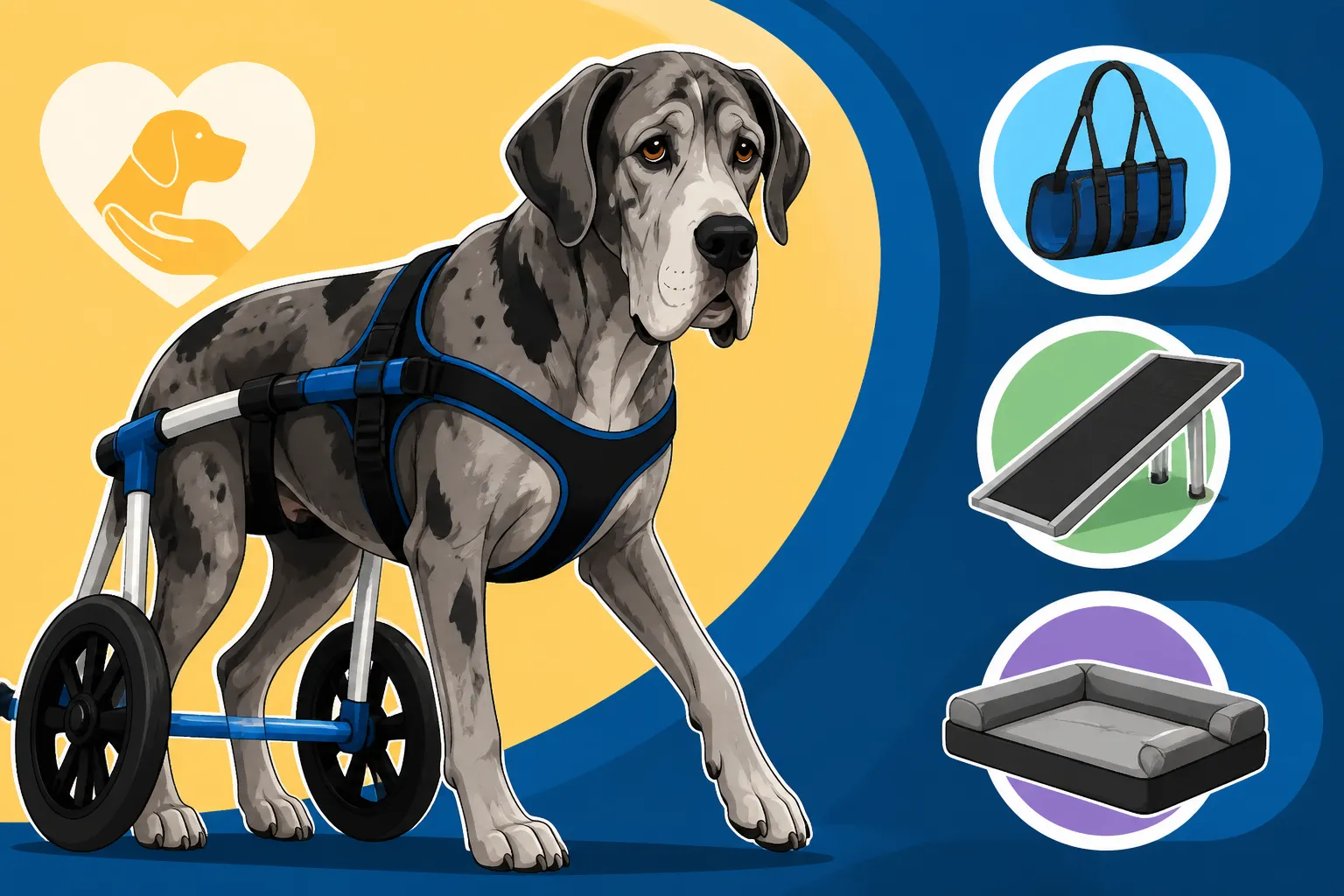
When a Great Dane starts to lose strength in their hindquarters or struggles to bear weight, a good support harness or sling can be an absolute lifesaver. These aren't your everyday walking harnesses; they're specifically designed to provide lift and stability.
- Rear Support Slings: These are typically simple pieces of fabric with handles, designed to wrap under your Dane's belly, just in front of their back legs. They allow you to gently lift and support their hind end as they walk, go up stairs, or get in and out of the car. They're excellent for temporary weakness, post-surgery recovery, or for Danes with mild to moderate hip or back issues. Brands like GingerLead or Help 'Em Up offer durable, well-designed options. The key is to find one that's wide enough to distribute pressure comfortably without digging into their soft tissue.
- Full Body Harnesses: For Danes with more widespread weakness, or those who need support for both front and back, a full-body harness offers comprehensive assistance. These harnesses often feature multiple attachment points and padded straps that distribute weight evenly. The Help 'Em Up Harness is a fantastic example, providing handles over both the front and rear, allowing you to lift your dog safely and with proper balance. This type of harness is invaluable for Supporting a Great Dane's Back End With a Sling while also offering front-end stability, making it easier for them to stand, walk, and even relieve themselves without excessive strain. Remember, proper fitting is paramount to prevent chafing or discomfort, so take accurate measurements of your Dane before purchasing.
Orthopedic Beds and Mats
A good bed isn't just a luxury for a Great Dane; it's a critical piece of medical equipment, especially for those with mobility issues. Lying on hard surfaces can exacerbate joint pain, lead to pressure sores, and make it incredibly difficult for a stiff Dane to get up.
- High-Quality Orthopedic Beds: The best orthopedic beds use high-density, therapeutic memory foam that conforms to your Dane's body, distributing their weight evenly and relieving pressure points. This support is crucial for protecting their joints and preventing calluses and hygromas, especially on their elbows. Look for beds with covers that are easily removable and washable, as accidents can happen. Companies like Big Barker are specifically known for creating beds designed for giant breeds, with impressive warranties backing their foam quality. The goal is a bed so supportive, your Dane sinks just enough to be cushioned, but not so much that they struggle to stand. This is key to Bedding That Prevents Great Dane Hygromas.
- Supportive Mats: Beyond their primary sleeping area, consider placing supportive mats in other high-traffic spots where your Dane frequently rests, like by the front door or in the kitchen. These smaller, portable mats can offer cushioning in areas where a full bed isn't practical, ensuring that even short rests are comfortable. They can also provide a bit of traction on slippery floors, which we’ll discuss more in a moment. Look for options with non-slip bottoms to prevent accidental slips.
Ramps and Steps
The everyday elevations we take for granted – a car trunk, a couch, a few porch steps – can become insurmountable obstacles for a Great Dane with limited mobility. Ramps and steps are indispensable tools for helping them maintain access to their favorite spots and activities without risking injury.
- Ramps for Vehicle Access: Getting a large, ailing Great Dane into a car can be a Herculean task, both for you and for them. A sturdy ramp is essential. Look for ramps designed for large breeds, with a non-slip surface and a gentle incline. Bi-fold or tri-fold ramps are often a good choice for portability and storage. Brands like PetSafe or WeatherTech offer various ramp styles. Teaching your Dane to use a ramp takes patience and positive reinforcement, but it’s an investment that pays dividends in safety and ease. This is vital advice for Ramps for Getting a Great Dane Into a Car.
- Indoor Ramps and Steps: For beloved sofas, beds, or even small indoor steps, ramps or wide, shallow steps can provide safe access. Again, look for non-slip surfaces and a stable design that won't tip under your Dane's weight. For outdoor steps, particularly those leading into the house, a permanent or semi-permanent ramp can prevent slips and falls, especially in wet or icy conditions. Ensure any ramp or steps are wide enough for your Dane to feel secure, without feeling cramped.
Navigating Your Home with a Mobility-Challenged Dane
Adapting your home environment is just as important as the mobility aids themselves. Our homes, often designed for humans, can present a minefield of challenges for a large dog with compromised mobility. A few thoughtful adjustments can significantly reduce stress and prevent accidents, allowing your Dane to move more confidently and safely through their familiar surroundings.
Floor and Traction Solutions
Slippery floors are a major hazard for Great Danes, even healthy ones, but they become downright dangerous for those struggling with balance or weakness. Hardwood, tile, and laminate floors offer little to no grip, leading to splayed legs, painful falls, and increased anxiety.
- Strategically Placed Rugs and Runners: The simplest and most effective solution is to cover slippery areas with rugs and runners. Opt for non-slip rugs with rubber backing that won't slide around. Place them in pathways, around furniture, and especially leading to their food and water bowls. Imagine their main routes through the house and make sure these are well-covered. The goal is to create a continuous, grippy path that minimizes the need for them to walk on slick surfaces.
- Paw Grips and Socks: For some Danes, especially those whose weakness is more pronounced in their feet, non-slip paw pads or dog socks can offer extra traction. PawZ Dog Boots are disposable rubber boots that provide excellent grip, while various brands offer reusable, reinforced dog socks with rubberized soles. Ensure they fit snugly but comfortably to avoid hindering circulation or causing blisters. This can be especially helpful for dogs with Scuffed Back Nails on a Great Dane, which often indicates a dragging gait.
Feeding and Hydration Accessibility
Even basic needs like eating and drinking can become challenging for a Dane with mobility issues. Bending down low can strain their neck and spine, and if they're wobbly, they might struggle to maintain balance while eating.
- Raised Food and Water Bowls: Elevated feeders are incredibly beneficial for Great Danes, reducing strain on their neck and joints. For a dog with mobility problems, this becomes even more critical. Look for sturdy, heavy-duty stands that won't tip over easily, with bowls at a comfortable height – usually around their chest level. Some argue about The Raised Bowl Argument for Great Danes in relation to bloat, but for a dog with confirmed mobility issues, the benefits of reducing neck and back strain often outweigh this concern, especially if other bloat prevention strategies are in place.
- Non-Slip Mats Under Bowls: Regardless of whether you use raised bowls, always place a non-slip mat underneath. This prevents the bowls from sliding around as your Dane eats, reducing the risk of them stumbling or chasing a moving bowl. It also helps contain any spills or slobber, making cleanup easier. Consider placing water bowls in multiple accessible locations around the house to encourage hydration without extensive travel.
Car Travel and Outdoor Adventures
Just because your Great Dane is struggling with mobility doesn't mean their world has to shrink. With the right adaptations, you can still enjoy outings and gentle walks, which are vital for their mental and physical well-being.
- Vehicle Adaptations: Beyond ramps, consider how your Dane travels in the car. If they're no longer able to jump into the back of an SUV, using a sling or harness in conjunction with a ramp is key. A comfortable, supportive bed or mat in the cargo area can provide cushioning during the ride. For dogs with severe weakness, a large dog stroller or wagon, while perhaps looking unusual, can provide a safe way to transport them for short distances, allowing them to still experience the sights and smells of the outdoors without the physical exertion.
- Adapting Walks: Instead of long, strenuous walks, shift to shorter, more frequent strolls at a gentle pace. Allow your Dane to dictate the speed and duration. A supportive harness can provide a "handle" if they stumble. Explore new, flat, soft-surfaced areas like parks with grass trails instead of uneven pavement. The goal isn't vigorous exercise, but enrichment and the joy of being outdoors with you. These adapted outings can significantly improve their mental well-being and help manage conditions. Even How Much a Great Dane With a Weak Heart Can Do can be made more enjoyable with thoughtful planning.
Complementary Therapies and Management Strategies
Mobility aids are fantastic tools, but they work best when integrated into a holistic care plan that addresses pain, builds strength, and maintains your Great Dane's overall well-being. Thinking beyond just physical support can significantly improve their comfort and quality of life as they face these challenges.
Physical Therapy and Rehabilitation
Just like humans, dogs can benefit immensely from physical therapy. A certified canine rehabilitation therapist can assess your Dane's specific needs and develop a tailored program.
- Hydrotherapy: This is often a game-changer for large dogs with joint pain or weakness. Walking or swimming in warm water reduces the impact on their joints while providing resistance to build muscle strength. The buoyancy of water allows them to move more freely than on land, often experiencing less pain. Many specialized centers offer underwater treadmills and swimming pools designed specifically for dogs. It's a fantastic way to keep them active without exacerbating their condition.
- Therapeutic Exercises and Massage: A rehab therapist can teach you specific exercises you can do at home to help strengthen muscles, improve balance, and increase range of motion. These might include gentle stretches, passive range of motion exercises, or specific balance work. Therapeutic massage, either performed by a professional or taught to you, can also help relax stiff muscles, improve circulation, and provide comfort. Consistency is key with these therapies, turning them into a regular part of your Dane's routine.
Pain Management and Supplements
Managing pain is paramount for a Great Dane with mobility issues. Chronic pain not only reduces their physical ability but can also severely impact their mental state and overall quality of life.
- Veterinary-Prescribed Medications: Your veterinarian is your best resource for effective pain management. This often involves non-steroidal anti-inflammatory drugs (NSAIDs) like Carprofen or Galliprant, which reduce inflammation and pain. For more severe pain, other medications like Gabapentin or Amantadine might be added. It's crucial to follow your vet's instructions precisely and never administer human medications without their guidance. Regular check-ups are essential to monitor for side effects and adjust dosages as needed. Pain Relief for a Great Dane With Bone Cancer is a critical aspect that must be handled by a vet.
- Joint Supplements: Many Great Dane owners find success with joint supplements containing glucosamine, chondroitin, and MSM. These ingredients are believed to help support cartilage health and reduce inflammation. Omega-3 fatty acids (fish oil) are also excellent natural anti-inflammatories. However, it's vital to choose high-quality supplements and ensure the dosage is appropriate for a giant breed. There's a lot of discussion around Whether Joint Supplements Reach a Great Dane's Dose, so discuss options with your vet to ensure you're getting effective products. When considering the long-term costs of managing these conditions, having pet insurance like Healthy Paws can provide significant peace of mind, helping you afford the best medications and therapies without financial strain. They understand the unique needs and common ailments of large breeds, which can be a huge relief.
Maintaining Mental Stimulation
Physical limitations don't mean mental stagnation. Keeping your Great Dane's mind active is just as important as supporting their body. Boredom and frustration can lead to behavioral issues and a decline in overall well-being.
- Puzzle Toys and Enrichment: Use puzzle feeders that make your Dane "work" for their food, or hide treats around the house for them to sniff out (if they can move safely). Interactive toys that require problem-solving can keep them engaged. Even simple chew toys can provide comfort and mental focus.
- Gentle Interaction and Training: Continue with gentle training sessions, reinforcing basic commands like "sit," "stay," and "down" if they can perform them comfortably. Use positive reinforcement and keep sessions short and fun. Spend quality time cuddling, grooming, or just talking to them. Their bond with you is their greatest comfort. Even if their physical abilities are diminishing, their capacity for love and connection remains. Knowing that you’re doing everything possible, supported by resources like pet insurance from Healthy Paws for those unexpected costs, makes these precious moments even more meaningful. When you're facing big decisions about Nursing a Great Dane Through Its Last Weeks, these small acts of love and mental engagement become profoundly important.
Remember that providing comprehensive care for a Great Dane with declining mobility can be emotionally and financially challenging. Having a robust pet insurance plan, such as one from Healthy Paws, can make a world of difference. It allows you to focus on getting your beloved Dane the best possible treatment, from specialized harnesses to ongoing physical therapy and advanced pain medications, without the added stress of overwhelming vet bills. Investing in their health coverage early means you're prepared for whatever their later years may bring.
| Mobility Aid Category | Purpose | Key Features to Look For | Typical Use Case |
|---|---|---|---|
| Support Harnesses | Providing lift and balance for walking and standing. | Padded straps, adjustable, sturdy handles, weight distribution. | Hind end weakness, post-op recovery, generalized debility, assistance with stairs. |
| Orthopedic Beds | Pressure relief, joint support, ease of rising. | High-density memory foam, washable cover, non-slip base. | Any Dane with arthritis, joint pain, or difficulty getting up; essential for large, heavy breeds. |
| Ramps | Safe access to elevated surfaces. | Non-slip surface, gentle incline, sufficient width, portability. | Getting into cars, onto furniture, navigating porch steps; preventing jumps and falls. |
| Traction Mats | Preventing slips and falls on hard floors. | Non-slip backing, durable, easy to clean. | High-traffic areas, around food/water bowls, transition zones between carpets and hard floors. |
| Paw Grips/Socks | Enhancing grip directly on paws. | Durable, non-slip material on soles, comfortable fit. | Dogs with splayed paws, knuckling, or general instability on slick surfaces. |
| Raised Bowls | Reducing neck/back strain during eating/drinking. | Sturdy stand, appropriate height, non-slip bowls. | Danes with neck pain, arthritis, or difficulty bending; can aid digestion. |
Disclaimer
The information provided in this article is for general informational purposes only and is not a substitute for professional veterinary advice. Always consult with a qualified veterinarian regarding your Great Dane's specific medical conditions, diagnosis, and treatment plan. Never disregard professional veterinary advice or delay seeking it because of something you have read here.