Osteosarcoma Treatment Costs for a Great Dane
The moment you hear the words "osteosarcoma" and "Great Dane" in the same sentence, your heart sinks. It's a devastating diagnosis for any dog owner, but with our giant companions, the sheer scale of the problem—and the potential costs—can feel incredibly overwhelming. This guide is here to walk you through the financial realities of treating bone cancer in a Great Dane, helping you understand what to expect and how to prepare for the difficult decisions ahead.
Understanding Osteosarcoma in Great Danes and Initial Diagnostics
Getting a diagnosis of cancer for your beloved Great Dane is truly heartbreaking. Osteosarcoma, an aggressive bone cancer, is unfortunately more common in large and giant breeds like our Danes. It often strikes when they're middle-aged or senior, typically between 7 and 10 years old, though it can appear earlier. The first sign is usually lameness or swelling in a limb, which can easily be mistaken for a simple sprain or arthritis, making the actual diagnosis even more shocking.
The Devastating Diagnosis and Prognosis
When your veterinarian delivers the news that it's likely Bone Cancer in a Great Dane, it's a gut punch. This type of cancer is known for being incredibly painful and aggressively spreading to other parts of the body, particularly the lungs. Without treatment, the prognosis is often grim, with many Danes succumbing to the disease or pain within a few short months. The primary goal of any treatment plan is to alleviate pain and, hopefully, extend their quality of life, even if a full cure isn't always possible. This understanding helps shape the difficult choices ahead regarding cost versus potential outcome.
Initial Diagnostic Costs: Getting the Full Picture
Before any treatment can begin, your vet needs to confirm the diagnosis and determine if the cancer has spread. This isn't just one simple test; it's a series of diagnostic steps, each with its own cost implications.
First, your vet will likely start with X-rays of the affected limb. These can often reveal characteristic bone lesions, but they don't give a definitive answer. A set of radiographs might run you anywhere from $150 to $400, depending on the number of views and your clinic's pricing. If the X-rays are highly suspicious, the next critical step is a bone biopsy. This involves taking a small sample of the bone for pathological examination, confirming the presence of cancerous cells. A biopsy can be performed under sedation or general anesthesia, pushing the cost into the $500 to $1,500 range, sometimes more if specialized imaging or a surgeon is involved.
Beyond confirming the bone cancer, it's vital to "stage" the disease. This means checking if it has spread, or metastasized, to other areas. Chest X-rays are standard to look for lung metastasis, usually costing $100-$300. However, a CT scan of the chest is far more sensitive at detecting small metastatic lesions, and while it provides invaluable information, it also comes with a much higher price tag, often $1,000 to $3,000 or more. Bloodwork, including a complete blood count and chemistry panel, will also be run to assess your Dane's overall health and organ function before any major treatments. Expect these basic blood tests to cost $100-$300. All these initial diagnostic steps can quickly add up, easily reaching several thousand dollars before any actual treatment even begins.
Surgical Intervention and Amputation Costs
For many Great Danes diagnosed with osteosarcoma, particularly when the tumor is localized to a limb and hasn't obviously spread, surgical removal of the affected limb – amputation – is often recommended. This is a tough conversation to have, as it's a drastic measure, but it's frequently the best way to immediately alleviate excruciating pain and improve their quality of life significantly.
The Tough Decision: Amputation for Pain Relief
Deciding on amputation is one of the most emotionally challenging choices a Great Dane owner can face. You envision your magnificent dog, full of power and grace, suddenly on three legs. However, vets often emphasize that most dogs, including large breeds, adapt remarkably well to living on three legs. For osteosarcoma, amputation is not just about removing the tumor; it's primarily about eliminating the intense pain caused by the diseased bone. A Great Dane living pain-free, even with a missing limb, often has a much better quality of life than one constantly battling severe discomfort. This procedure, often coupled with chemotherapy, can significantly extend both the quality and length of your Dane's life. Many owners are surprised to find that What Three Legs Buy a Great Dane With Bone Cancer is often a return to joyful activity, not a decline.
Breaking Down Amputation Surgery Expenses
The cost of amputation surgery for a Great Dane is substantial, primarily due to their large size, which impacts everything from anesthesia dosage to staffing requirements. Here’s a breakdown of what typically contributes to the bill:
- Pre-surgical bloodwork and diagnostics: As mentioned earlier, updated blood tests are crucial to ensure your Dane is healthy enough for anesthesia and surgery.
- Anesthesia: Great Danes require higher doses of anesthetic drugs, and monitoring them throughout surgery is more complex. This pushes up the cost significantly compared to smaller breeds. Expect the anesthesia portion alone to be several hundred dollars.
- The Surgery Itself: The actual amputation is a major surgical procedure. For a giant breed, this often involves two surgeons and extended operating time. This will be the largest component of the bill, typically ranging from $2,000 to $5,000, depending on the specific limb, the complexity, and your geographic location.
- Post-operative care: This includes pain management, antibiotics, wound care, and an overnight stay or even several days in the veterinary hospital. Given a Dane’s size, they require more dedicated space and nursing attention, adding to the cost.
- Pain medication to go home: You'll need a supply of strong pain relievers for the initial recovery period. Pain Relief for a Great Dane With Bone Cancer is paramount for comfort and healing.
When all these factors are combined, the total cost for amputation surgery for a Great Dane can easily range from $3,000 to $7,000 or more. It's a significant investment, but one that directly impacts their immediate comfort and long-term prognosis.
Life on Three Legs: Aftercare and Mobility Aids
Recovery doesn't end when your Great Dane comes home from surgery. There's an important period of aftercare and adjustment, which also comes with its own costs. Initially, you'll need to focus on wound healing and managing pain, which means follow-up vet visits and continued medication.
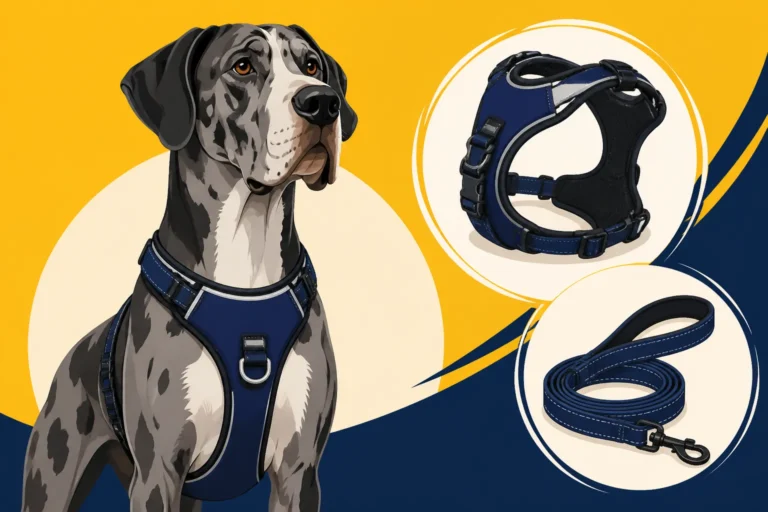
Beyond that, you might find that certain items make life on three legs much easier for your big pal. This can include specialized mobility aids, such as supportive harnesses that help you steady them, especially on stairs or slippery floors. Products from stores like Chewy offer a wide range of options for these. You might also consider ramps for getting into cars or up onto furniture if they were accustomed to that. Orthopedic beds become even more crucial to support their remaining joints and prevent pressure sores, particularly on the elbows and hips. If your Dane typically used a standard bed, it might be worth investing in one specifically designed for giant breeds that offers superior cushioning and support. Orthopedic Beds a Great Dane Needs can make a huge difference in comfort.
Physical therapy can also be incredibly beneficial, helping your Dane build strength in their remaining limbs and learn to balance effectively. A course of rehabilitation sessions can add hundreds or even thousands of dollars to the overall cost, but it can dramatically improve their mobility and confidence. All told, budgeting for post-operative care, rehabilitation, and essential Mobility Aids for a Failing Great Dane can add another $500 to $2,000+ to your overall expenses, depending on the extent of therapy and equipment needed.
Chemotherapy and Radiation Therapy Expenses
While amputation removes the primary tumor and provides immediate pain relief, osteosarcoma is an aggressive cancer that often micro-metastasizes (spreads tiny, undetectable cancer cells) even before the primary tumor is found. This is where chemotherapy or radiation therapy comes into play, aiming to target these unseen cells or manage localized pain.
Chemotherapy Protocols and Their Costs
Chemotherapy for Great Danes with osteosarcoma is typically used after amputation to delay or prevent the spread of the disease to the lungs or other organs. It's rarely curative on its own but can significantly extend the disease-free interval and overall survival time. The most common chemotherapy drug used for osteosarcoma is Carboplatin, often given intravenously in 4-6 sessions, spaced a few weeks apart.
The cost of chemotherapy depends on the drug, the number of sessions, and your Great Dane's massive body weight, as dosages are calculated by weight. Each chemotherapy session can cost anywhere from $300 to $800 or more, including the drug itself, administration fees, and pre-treatment blood tests to ensure your Dane’s body can handle the medication. A full course of 4-6 treatments could therefore run you $1,200 to $4,800 or higher. This doesn't include additional anti-nausea medications or other supportive care that might be needed if side effects occur, although Great Danes generally tolerate chemotherapy quite well. Amputation and Chemotherapy for a Great Dane is often the best combination approach for extending lifespan and quality.
Radiation as a Palliative Option
Radiation therapy is another option, primarily used for palliative care—meaning to reduce pain and improve comfort rather than to cure the cancer. It's often considered when amputation isn't an option due to the tumor's location (e.g., in the jaw or spine), or if the owner chooses not to pursue amputation. Radiation can be very effective at shrinking the tumor locally and providing significant pain relief, sometimes for several months.
However, radiation therapy is a specialized treatment, requiring specific equipment and expertise found only at veterinary oncology centers or university hospitals. The costs are substantial due to the precision required, multiple treatment sessions, and the need for sedation or anesthesia for each session.
A consultation with a veterinary oncologist for radiation planning can cost $200-$500. The actual treatment involves a series of sessions, often 3-5, though it can vary. Each session can cost $500 to $1,500. Therefore, a full course of palliative radiation therapy might range from $2,500 to $7,500 or more, including the initial planning, CT scans for targeting, and the treatments themselves. It's a significant expense, but for some Danes, it provides much-needed relief and can improve their quality of life when other options are limited.
Supportive Care, Pain Management, and Quality of Life
Beyond the major surgeries and therapies, a significant portion of the cost of managing osteosarcoma in a Great Dane goes into ongoing supportive care and maintaining their comfort and quality of life. This is a journey, and your role as a caregiver is vital, often requiring continuous adjustments to their routine and medical regimen.
Ongoing Pain Management: Medications and Alternatives
Osteosarcoma is a painful disease, and effective pain management is paramount, regardless of the primary treatment path chosen. Even after amputation, there can be phantom limb pain or new aches and pains in the remaining limbs as they compensate. The cost of long-term pain medication for a Great Dane is not insignificant. They require larger doses, meaning prescriptions run out faster and cost more per refill.
Common medications include:
- Non-steroidal anti-inflammatory drugs (NSAIDs): Like Carprofen or Galliprant, these might cost $50-$150 per month.
- Gabapentin: Often used in conjunction with NSAIDs, this can add another $40-$100 per month.
- Amantadine: This drug targets chronic pain and can be $30-$80 monthly.
- Tramadol or stronger opioids: For more severe pain, these are generally more expensive and might range from $50-$150 per month.
These costs can easily add up to $100-$400+ per month for ongoing pain relief. Beyond traditional medications, some owners explore alternative therapies like acupuncture, chiropractic care, or specialized supplements. While not always covered by insurance, these can offer additional comfort but will add to your monthly expenses, typically $50-$200 per session or bottle. It's a continuous balancing act to ensure Pain Relief for a Great Dane With Bone Cancer is effective and consistent.
Veterinary Consultations and Monitoring
Even if your Great Dane has undergone surgery and chemotherapy, regular veterinary check-ups are essential. These aren't just routine visits; they are critical for monitoring for signs of metastasis, assessing pain levels, adjusting medications, and generally ensuring your dog's well-being.
Expect follow-up appointments with your primary vet or oncologist every 1-3 months. Each visit will involve an examination fee ($60-$150) and potentially additional diagnostics. For example, your vet will likely recommend regular chest X-rays (every 2-3 months) to monitor for lung metastasis, costing another $100-$300 per session. Blood tests might be needed to check organ function, especially if they are on long-term medications, adding $100-$250 per test. Over a year, these ongoing monitoring costs can easily accumulate to $1,000 to $3,000 or more. It's a necessary part of managing a chronic disease like cancer in a giant breed.
Nutritional Support and Comfort Measures
Keeping a Great Dane comfortable and well-nourished during cancer treatment is crucial. Their appetite can fluctuate, and maintaining their weight and energy levels becomes a priority. You might find yourself investing in specialized diets or appetite stimulants.
Brands like Ollie, which offer fresh, human-grade dog food, can be a great option for picky eaters or those needing nutrient-dense meals, though these come at a premium due to Great Dane portion sizes. Regular kibble from Chewy or similar retailers also offers prescription diets designed for cancer patients, which can be beneficial. Expect to spend an additional $50-$150 per month on special foods or supplements.
Beyond food, ensuring their environment is comfortable is key. This could mean more frequent bedding changes, elevated food and water bowls to ease strain, or even cooling mats in warmer climates, as Danes can overheat easily. All these small comforts contribute to their overall well-being and, while individually not huge expenses, they certainly add up when you're Caring for a Great Dane Past Six or dealing with a serious illness.
The Financial Reality: Total Costs and Payment Options
The journey of treating osteosarcoma in a Great Dane is not just emotionally taxing; it's also a significant financial undertaking. Owners often feel blindsided by the sheer scale of the veterinary bills. Having a clear picture of potential total costs and available payment options can help you navigate these difficult waters.
Estimating the Full Financial Burden
Let's be blunt: the cost of treating osteosarcoma in a Great Dane can be astronomical. It's truly a testament to The Short Expensive Life of a Great Dane. The total cost will vary widely depending on the chosen treatment path, how quickly the cancer progresses, and where you live.
Here’s a general estimation of potential costs:
| Treatment Component | Estimated Cost Range for a Great Dane | Notes |
|---|---|---|
| Initial Diagnostics | $1,000 – $4,000+ | X-rays, biopsy, bloodwork, chest X-rays/CT scan |
| Amputation Surgery | $3,000 – $7,000+ | Includes anesthesia, surgery, hospital stay, pain meds (varies by clinic & complexity) |
| Post-Amputation Aftercare | $500 – $2,000+ | Rehabilitation, mobility aids, follow-up vet visits |
| Chemotherapy (4-6 sessions) | $1,200 – $4,800+ | Carboplatin, administration, monitoring, anti-nausea meds |
| Palliative Radiation | $2,500 – $7,500+ | Consultation, planning, 3-5 sessions (alternative or adjunct to surgery) |
| Ongoing Pain Management | $100 – $400+ per month | Long-term medications (NSAIDs, Gabapentin, etc.) |
| Monitoring (X-rays, bloods) | $1,000 – $3,000+ per year | Regular chest X-rays, blood panels to check for metastasis and overall health |
| Specialized Nutrition/Comfort | $50 – $150+ per month | Prescription diets, appetite stimulants, additional bedding/comfort items |
| Total (Amputation + Chemo) | $6,800 – $19,800+ | This is a broad estimate for a comprehensive approach, not including prolonged palliative care. |
As you can see, the expenses can quickly climb into the five figures. It's a stark reminder that How Great Dane Costs Climb After Five is very real, especially with serious health issues.
Navigating Payment: Insurance, Financing, and Assistance
Facing these numbers can feel incredibly daunting. However, there are several avenues you can explore to help manage the financial burden:
- Pet Insurance: This is often the most significant help for unforeseen major illnesses. If you enrolled your Great Dane in pet insurance early, before the diagnosis, a good policy can cover 70-90% of eligible costs after your deductible. Companies like Healthy Paws are well-known, and while Premiums Quoted on a Great Dane can be higher due to breed-specific risks like bloat and heart conditions, they can be a lifesaver in situations like osteosarcoma. Always review your policy carefully to understand what's covered and what isn't, especially concerning pre-existing conditions. Understanding Insuring a Great Dane Against Bloat and Heart Bills is vital, and often these same policies cover cancer too.
- Veterinary Payment Plans or Financing: Many veterinary hospitals offer payment plans directly, or work with third-party financing companies like CareCredit. These options allow you to break down large bills into more manageable monthly payments, often with deferred or low-interest rates.
- Emergency Funds: Ideally, every Great Dane owner should have an emergency fund set aside specifically for unexpected vet bills. This could be a separate savings account you contribute to regularly.
- Great Dane Rescues and Breed-Specific Assistance: Some breed-specific rescue organizations or foundations may offer financial aid for owners whose Danes are facing serious health issues. It's worth researching if there are any such programs in your area.
- Crowdfunding: Online platforms like GoFundMe can sometimes provide support from a wider community, though results vary.
Don't be afraid to openly discuss payment options with your veterinary team. They are often compassionate and can help you explore solutions to ensure your beloved Dane receives the care they need.
Making the Difficult Choices and Prioritizing Your Dane
Amidst all the medical terms and financial figures, it's crucial to remember the heart of the matter: your Great Dane. Making decisions about treatment, especially for aggressive diseases like osteosarcoma, involves a delicate balance of medical possibilities, financial realities, and above all, your dog's well-being and quality of life.
Quality of Life Over Quantity
This is perhaps the most important consideration. While we want every extra moment with our Great Danes, it's essential to prioritize their comfort and happiness. A few extra months of life filled with pain or severe discomfort is rarely worth it. Your veterinary oncologist will help you assess your Dane's Quality of Life regularly, looking at factors like pain levels, appetite, mobility, interest in their environment, and ability to enjoy their favorite activities.
It’s easy to get caught up in the desire to “fight” for every last day, but sometimes the most loving decision is to ensure their remaining time is as joyful and pain-free as possible, even if that means choosing palliative care over aggressive, potentially debilitating treatments. Whether to Treat or Let a Great Dane Go is a profoundly personal decision, and there is no right or wrong answer, only what feels best for you and your beloved companion.
The Emotional and Ethical Considerations
The emotional toll of a cancer diagnosis and the subsequent decisions can be immense. You're not just facing a financial strain; you're grappling with grief, guilt, hope, and despair all at once. It's okay to feel overwhelmed and to grieve for the future you imagined with your Great Dane.
Discussing your feelings with your family, trusted friends, and your veterinary team can provide much-needed support. Your vet can help you understand the ethical considerations of treatment, ensuring that any choices made are truly in your Dane's best interest. Remember that whatever path you choose, it comes from a place of love and a desire to do right by your gentle giant. Even if the journey is shorter than hoped, the love shared lasts forever.
Disclaimer
The information provided in this article is intended for general informational purposes only and does not constitute veterinary advice. Always consult with a qualified veterinary professional for diagnosis and treatment recommendations specific to your Great Dane's health needs. Treatment costs can vary significantly based on location, veterinary practice, and the individual circumstances of your pet's condition.