Adopting a Great Dane at Five Years Old
Deciding to welcome a Great Dane into your home is a huge step, and for many, the thought of navigating the energetic, sometimes destructive, puppy and adolescent stages can be daunting. You might be dreaming of that gentle giant companionship without all the early chaos. This guide is all about exploring the wonderful and often misunderstood world of adopting a Great Dane at five years old, covering the unique joys, challenges, and practical considerations involved in bringing an adult Dane into your life.
The Unique Appeal of Adopting a Five-Year-Old Great Dane
There’s a certain magic to opening your home to a dog who’s already lived a bit of life. When you look at a five-year-old Great Dane, you're not just seeing a dog; you're seeing a history, a personality that's already largely formed, and a potential for a deep, settled companionship that puppies just can't offer yet. This age strikes a wonderful balance, often giving you the best of both worlds: a dog past the most demanding puppy phase but still with plenty of love and life left to share.
Understanding Their Prime Years
For many dog breeds, five years old might just be hitting their stride. For a Great Dane, it marks a transition. While not yet considered truly "senior" in the most traditional sense—that often comes closer to six or seven years for these giants—a five-year-old Dane is definitely mature. They've typically outgrown the frantic energy of their younger years, those periods where their boundless enthusiasm could knock over a small child or clear a coffee table with a wag of their powerful tail. They're often calmer, more predictable, and more inclined to a comfortable routine.
It's important to remember that a Great Dane only lives seven to ten years on average. This means a five-year-old Great Dane has likely already spent half, or even more, of their typical lifespan. This isn't a drawback, but rather a different kind of opportunity. You're not just adopting a dog; you're offering a loving, stable home for their prime mature years and into their golden years. These can be some of the most rewarding times, as their bond with you deepens, and their personality truly shines through without the distractions of puppy antics or adolescent rebellion. Knowing The Great Dane Years That Count as Senior can help you set realistic expectations for their energy levels and potential health needs moving forward.
The Benefits of an Older Dane
One of the most compelling reasons to adopt a five-year-old Great Dane is the incredible gift of predictability. With a puppy, you're essentially rolling the dice on their adult personality. Will they be calm or energetic? Easy to train or stubborn? A social butterfly or a bit reserved? With an older Dane, these questions are largely answered. Their temperament is usually well-established. Rescue organizations or previous owners can often provide detailed insights into their personality, quirks, and preferences. You'll know if they're good with children, other dogs, or cats, and if they have any particular fears or anxieties. This insight is invaluable for ensuring a good match with your family and lifestyle.
Beyond personality, many five-year-old Danes come with a solid foundation of training. They are typically house-trained, understand basic commands like sit, stay, and come, and have often learned appropriate leash manners. Imagine bypassing the sleepless nights of puppy potty training or the exasperation of a giant breed puppy leaping up on every guest. While they might still need some adjustment to your specific rules and routines, the groundwork is usually there. This means you can focus more on bonding and less on fundamental training, allowing for a smoother, more enjoyable transition for everyone involved. This also means you're investing in a known quantity, a dog whose needs and personality are already largely defined, which can be a huge relief for first-time Great Dane owners or those with busy households.
What to Expect When Bringing Home a Senior Dane
Bringing a five-year-old Great Dane into your home is a tremendously rewarding experience, but it also comes with its own set of considerations. These gentle giants, while mature and often calm, have specific needs that differ from a puppy or a younger adult. Being prepared for these aspects will make the transition smoother for both you and your new family member.
Health Considerations for a Five-Year-Old
At five years old, a Great Dane is entering a phase where age-related health issues can start to emerge. This isn't to say they will definitively have problems, but it's crucial to be aware and proactive. Common concerns in Great Danes, which might begin to manifest or become more prevalent around this age, include joint issues like arthritis, particularly in their hips and elbows due to their massive size and rapid growth as puppies. Great Dane Hips, Elbows and Growing Joints is a key topic for any Great Dane owner, especially with an older dog. Degenerative myelopathy or Wobbler Syndrome can also be a concern in older Danes, affecting their spinal cord and coordination.
Heart conditions, particularly dilated cardiomyopathy (DCM), are another serious consideration for the breed. While DCM can strike at any age, symptoms might become more noticeable as a Dane gets older. Regular veterinary check-ups, potentially including cardiac screenings, become increasingly important. Always inquire about the dog's full health history, if available, from the rescue or previous owner. A thorough vet examination, including bloodwork and potentially X-rays, is highly recommended shortly after adoption to establish a baseline and identify any latent issues. Being prepared for The Heart Muscle Disease Great Danes Are Prone To is vital, as early detection can sometimes prolong their quality of life.
Adjusting to a New Home
Even a well-adjusted, five-year-old Great Dane will need time to settle into a new environment. They've likely come from a shelter, a foster home, or perhaps even a previous family, and each change is a significant event for them. Expect a "decompression" period, where they might be shy, withdrawn, or even a little anxious. Some Danes might hide, while others might stick to you like glue. This isn't a reflection of you or your home; it's simply their way of processing the change.
Consistency and patience are your best friends during this time. Establish a predictable routine for feeding, walks, and potty breaks. Provide them with a safe, quiet space of their own, like a large crate or a dedicated bed in a low-traffic area. High-quality, orthopedic beds are crucial for older Danes to support their joints; products from brands like Big Barker or The Dog’s Bed, often found on Chewy, offer excellent support. Avoid overwhelming them with too many new people or experiences in the first few weeks. Let them approach you on their terms, and celebrate every small step of progress. Settling a Rescue Great Dane Into a House provides further guidance on this crucial initial phase. Remember, building trust takes time, but the bond you'll form with an older adopted Dane is incredibly strong and deeply rewarding.
Financial Realities of a Five-Year-Old Great Dane Adoption
Let's be real, owning a Great Dane, regardless of age, is a financial commitment. They're big dogs, and big dogs come with bigger bills. While the initial adoption fee for a five-year-old Great Dane might seem like a bargain compared to the cost of a puppy from a breeder, it's crucial to look at the bigger financial picture. The ongoing costs, particularly for healthcare as they age, can be substantial.
Adoption Fees vs. Puppy Costs
The upfront cost of adopting a five-year-old Great Dane from a reputable rescue organization is typically significantly lower than purchasing a puppy from a breeder. You might find adoption fees ranging from $200 to $600, which usually includes spay/neuter, initial vaccinations, and sometimes microchipping. This is a far cry from the $1,500 to $3,000 (or more) you might pay for a Great Dane puppy from a breeder with proper health clearances.
However, it's important not to let the lower adoption fee give you a false sense of security regarding the overall cost of ownership. While you save on the initial purchase, the long-term financial commitment for an older Dane often balances out, if not exceeds, the cost of a puppy when you factor in potential age-related health issues. The key takeaway here is that the initial saving is a wonderful benefit, but it's just the tip of the iceberg when planning your budget for a giant breed.
Ongoing Vet and Care Expenses
This is where the financial planning for an older Great Dane truly comes into play. A five-year-old Great Dane is no longer a spry youngster, and their massive size puts strain on their bodies. Expect annual vet check-ups to become more comprehensive, potentially including routine blood panels to monitor organ function, especially for their kidneys and liver, as well as more frequent discussions about joint health. Medications for arthritis or other age-related conditions, such as supplements like glucosamine and chondroitin, or prescription pain relief, can add up quickly.
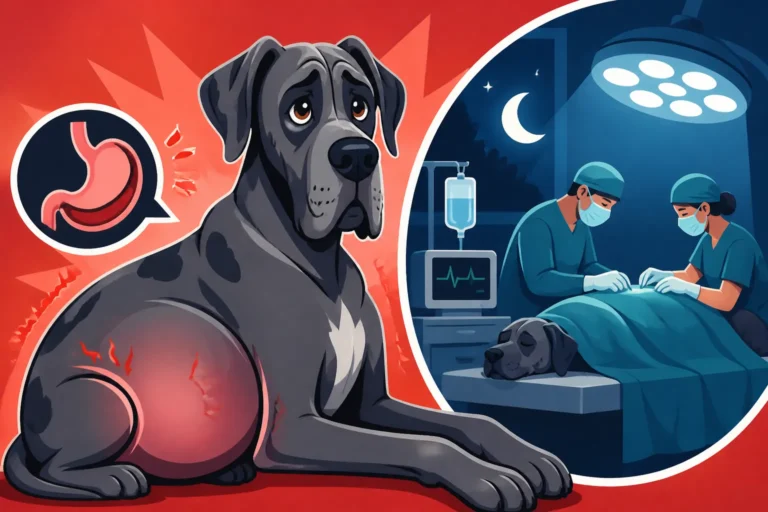
Consider the potential for unexpected emergencies. Great Danes are famously susceptible to bloat (Gastric Dilatation-Volvulus), a life-threatening condition where their stomach twists. While a five-year-old might already be spayed/neutered and potentially have had a preventive gastropexy, the risk of Bloat in a Great Dane and the One in Three Odds remains a serious concern if they haven't had the surgery. Emergency bloat surgery can easily run into thousands of dollars.
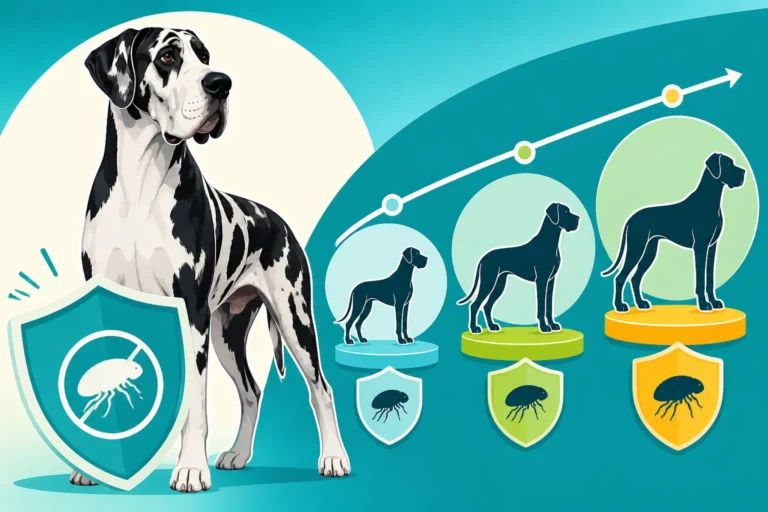
This is precisely why pet insurance is not just a good idea, but almost a necessity for a Great Dane, especially an older one. Companies like Healthy Paws offer various plans that can help mitigate the financial shock of a major illness or accident. Research plans carefully, understanding what's covered for older dogs and what pre-existing conditions might be excluded. You'll want to ensure you're covered for potential issues like joint disease, heart conditions, or cancer. The premiums will be higher than for a puppy, but they can be a lifesaver in an emergency. Beyond vet bills, remember the daily costs: giant breed food (whether kibble from Chewy or a fresh food option like Ollie, which can be expensive at Great Dane volumes), larger doses of flea and heartworm prevention, and durable toys are all substantial expenses. Understanding The Vet Spending a Great Dane Needs Anyway is critical.
Here's a quick comparison of potential costs:
| Cost Category | Great Dane Puppy (0-1 year) | 5-Year-Old Great Dane (Adoption) |
|---|---|---|
| Initial Acquisition | $1,500 – $3,000+ (Breeder) | $200 – $600 (Adoption Fee) |
| Spay/Neuter | Included in breeder price, or $200-$500 | Often included in adoption fee |
| Initial Vet Visits & Vaccinations | $300 – $700 (multiple visits) | $100 – $300 (initial exam, boosters) |
| Puppy Classes | $150 – $300 | $0 – $150 (for refreshers if needed) |
| Food (monthly) | $80 – $150 (large breed puppy food) | $100 – $200 (large breed adult food) |
| Pet Insurance (monthly) | $50 – $80 | $80 – $150+ |
| Supplements (joints) | $0 – $30 (preventive) | $30 – $80+ (therapeutic) |
| Annual Exams/Bloodwork | $150 – $300 | $250 – $500+ (more comprehensive) |
| Emergency Fund | $2,000 – $5,000 recommended | $5,000 – $10,000 recommended |
Note: These are estimates and can vary widely based on location, individual vet practices, and the specific needs of the dog.
Making the Transition Smooth for Everyone
Bringing a five-year-old Great Dane into your home is a beautiful commitment, and preparing adequately can make all the difference in their successful integration into your family. It's about creating an environment of safety, understanding, and routine, allowing them to truly blossom in their new chapter.
Preparing Your Home and Family
Before your new Great Dane arrives, take some time to "Dane-proof" your home, considering their size and potential habits. Even a mature Dane can be curious. Secure cabinets, put away fragile items, and ensure any medications or toxic substances are well out of reach. Remember, a five-year-old Great Dane can easily reach kitchen counters, so assess your counter-surfing vulnerability.
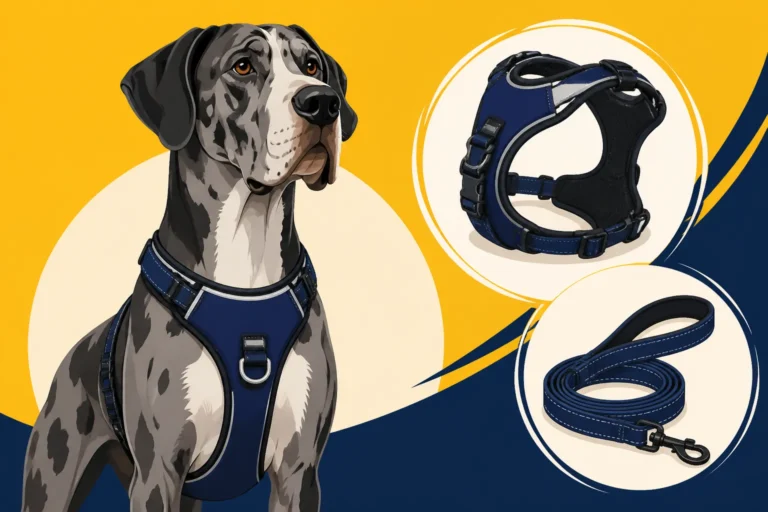
Invest in the right equipment. A giant-sized, supportive dog bed is non-negotiable for an older Great Dane’s joints. Look for orthopedic beds with dense foam that won’t flatten easily, as this will be critical for their comfort and health. As mentioned, brands like Big Barker or K9 Ballistics often carry beds that can withstand a Dane's weight and provide adequate support. You’ll also need large, sturdy food and water bowls, possibly elevated if your vet recommends it. Heavy-duty leashes and harnesses are essential for their walks. Consider installing baby gates that are tall and strong enough to contain a Great Dane, especially if you need to limit their access to certain areas of the house during the initial adjustment period. Orthopedic Beds a Great Dane Needs delves into more detail about crucial bedding choices.
Equally important is preparing your family. Discuss with everyone, especially children, how to interact respectfully and gently with the new Dane. Emphasize quiet greetings, giving the dog space, and avoiding startling them. Great Danes are generally gentle, but their size alone means accidental bumps can occur. Consistency in rules and routines from all family members will help the dog understand expectations quickly.
Patience and Consistency Are Key
The most powerful tools you have when integrating an older adopted Great Dane are patience and consistency. They have just undergone a massive life change, and they need time to decompress, learn your routines, and understand that this new place is their safe, forever home. Some Danes will adjust quickly, while others may take weeks or even months to fully settle in and show their true personality.
Stick to a consistent schedule for feeding, potty breaks, and walks. This predictability provides comfort and security. Use positive reinforcement for desired behaviors; gentle praise, treats, and affection work wonders. Avoid harsh corrections, which can erode trust, especially in a dog that may have experienced previous instability. If they have an accident indoors, clean it up without fuss and reinforce successful potty breaks outside.
If your adopted Dane comes with any behavioral quirks or anxieties, understand that these are often learned responses to past environments. With consistent, positive training and a stable home, many of these issues can be managed or even resolved. Don't be afraid to seek guidance from a professional, force-free dog trainer if you encounter challenges you feel unprepared for. They can offer tailored strategies and support to help your Dane thrive. Remember, Retraining a Great Dane From Rescue is absolutely possible and often highly rewarding. Every day is a step forward, and the bond you build with a rescued five-year-old Great Dane, who has finally found their true home, is one of the most special connections you'll ever experience.
Disclaimer
Please remember that the information provided in this article is for general informational purposes only and is not a substitute for professional veterinary advice. Always consult with a qualified veterinarian for any health concerns or before making any decisions about your pet's care, diet, or treatment.