What Ten Cups a Day Costs a Great Dane Owner
One of the biggest eye-openers for new Great Dane owners is just how much food these magnificent creatures consume. You might hear "ten cups a day" and think it's an exaggeration, but for many adult Danes, it's a daily reality that quickly adds up. This guide will help you understand the true financial impact of feeding your giant companion at this volume and offer strategies for managing these substantial costs without compromising your dog's health.
The Sheer Volume of a Great Dane's Appetite
Great Danes are not just large; they are truly giant, and their bodies demand a significant amount of fuel to maintain their impressive stature and energy levels. This isn't just about keeping them from feeling hungry; it's about providing the proper nutrition for their unique physiology.
Why Great Danes Need So Much Food
It’s easy to look at a Great Dane and understand they need a lot of food simply because they’re big. But it’s more nuanced than just their sheer mass. These dogs have a relatively fast metabolism for their size, especially during their active adult years. They are lean, muscular animals, and maintaining that muscle mass requires substantial caloric intake. While their lifespan may be shorter than many smaller breeds, often hovering around The Seven to Ten Year Great Dane Lifespan, every year they are with us is packed with energy and growth.
Consider a typical adult Great Dane, perhaps a male weighing 140 to 180 pounds. Their digestive system needs to process a large quantity of food to extract enough calories and nutrients to support such a large frame. This isn't just a casual snack; it's a serious commitment to fueling their daily existence. Whether they're romping in the yard, leaning into you on the couch, or just maintaining their body temperature, their system is constantly working hard. It's why understanding The Calorie Load a Great Dane Actually Needs is so important.
The Different Types of Food and Their Price Points
Not all "ten cups" are created equal when it comes to cost. The type of food you choose for your Great Dane will dramatically impact your monthly budget. From budget-friendly kibble to premium fresh-cooked meals, the price per cup can vary by several magnitudes.
Dry kibble is often the most economical choice. Within this category, you have a spectrum: from generic brands to high-quality, large-breed specific formulas. The higher-quality kibbles usually contain better ingredients, more digestible proteins, and often include joint-supporting supplements which can be vital for a large breed. Many owners find value in ordering these in bulk from online retailers like Chewy, which often offers discounts and auto-ship options, making consistent feeding easier.
Then there are wet foods, fresh-cooked options like those from Ollie, or even raw diets. These typically have higher moisture content and can be incredibly palatable for picky eaters, but they come with a significantly steeper price tag per serving. When you multiply that by ten cups a day, the cost can become truly staggering. Owners considering these options need to do a careful cost-benefit analysis, especially given the volume required. While some believe fresh food offers superior nutrition, the logistics and cost of sourcing and preparing Whether Any Fresh Food Company Serves a Great Dane at Great Dane volumes can be daunting.
Breaking Down the Monthly and Yearly Costs
When you commit to feeding a Great Dane ten cups a day, the numbers can quickly add up from a daily expense to a significant chunk of your annual budget. It's not just about the bag price; it's about the consistent, unyielding demand for volume.
The Math of Ten Cups a Day
Let's do some simple math. If your Great Dane eats ten cups of food a day, that's 70 cups a week, or roughly 300 cups a month (assuming a 30-day month). Over a year, that's a whopping 3,650 cups of food!
Now, consider the typical density of dog food. A standard measuring cup often holds around 3.5 to 4 ounces of dry kibble. Let's use 3.75 ounces as an average.
- 10 cups/day * 3.75 oz/cup = 37.5 ounces of food per day.
- 37.5 ounces/day * 365 days/year = 13,687.5 ounces per year.
- Since there are 16 ounces in a pound, that's approximately 855 pounds of food per year!
Imagine buying 855 pounds of anything in a year. The price per pound, even if it seems small, will dictate your overall expenditure. If a pound of kibble costs you $1.50 (which is on the lower to mid-range for decent quality large breed food), you're looking at over $1,280 just for kibble annually. If you opt for a premium kibble at, say, $3.00 a pound, that figure jumps to over $2,500. This is why Monthly Food Spending on a Great Dane becomes such a significant line item in your budget.
Beyond Just Kibble: Treats, Supplements, and Special Diets
The ten cups a day typically refers to their primary meal, but dogs, especially Great Danes, don't live on kibble alone. Factor in the cost of treats. Training a Great Dane, especially a puppy, requires a lot of positive reinforcement, and that means a lot of treats. Given their size, they often need larger, more substantial treats, which inevitably cost more. You'll quickly find that Treat Costs for a Great Dane are far from negligible.
Many Great Danes also benefit from supplements, especially as they age or if they have specific health considerations. Joint supplements, fish oil, or specialized digestive aids can add another layer to your monthly expenses. Some dog foods, particularly those formulated for large breeds, will include some joint support, but often, additional supplementation is recommended by veterinarians. You might be surprised at the volume of supplements required to reach an effective dose for such a large dog.
If your Great Dane develops an allergy or a health condition, they might require a prescription diet or a limited ingredient formula. These specialized foods are almost always more expensive than standard kibble, often by a considerable margin. This is an unforeseen cost that can significantly impact your budget.
Here's a simplified look at how food type impacts monthly costs (based on our 855 pounds/year calculation):
| Food Type | Estimated Cost per Pound (Hypothetical) | Monthly Cost (Approx. 71.25 lbs/month) | Yearly Cost (Approx. 855 lbs/year) |
|---|---|---|---|
| Value Dry Kibble | $1.00 – $1.50 | $70 – $105 | $850 – $1,280 |
| Mid-Range Dry Kibble | $1.50 – $2.50 | $105 – $175 | $1,280 – $2,140 |
| Premium Dry Kibble | $2.50 – $4.00 | $175 – $285 | $2,140 – $3,420 |
| Fresh/Raw (Higher End) | $5.00+ | $350+ | $4,200+ |
Note: These are illustrative costs. Actual prices will vary widely based on brand, ingredients, region, and retailer.
Strategies for Managing the Food Budget
Living with a Great Dane means accepting substantial expenses, but there are smart ways to approach their feeding budget to get the best value without compromising their health and well-being. It's about being strategic and informed.
Buying in Bulk and Using Subscription Services
One of the most effective ways to reduce your per-pound cost for Great Dane food is to buy in the largest bags possible. Smaller bags carry a premium, and with a dog eating ten cups a day, those small bags simply won't last. Look for 30, 40, or even 50-pound bags. Retailers like Chewy often carry these larger sizes, and many offer attractive discounts for auto-ship subscriptions. Setting up a recurring order not only saves you money but also ensures you never run out, which can be a real logistical challenge with a giant breed.
Additionally, some fresh food companies, like Ollie, offer subscription models that can sometimes provide a small cost saving over individual purchases, though their price point will always be higher than kibble. When considering Whether Buying Food in Bulk Helps a Great Dane Owner, the answer is almost always a resounding yes. Just ensure you have appropriate, airtight storage containers to keep the large quantities of food fresh and free from pests.
The Trade-Off Between Cost and Quality
It can be tempting to reach for the cheapest bag of kibble on the shelf when you see how much your Great Dane eats. However, this can be a false economy. Lower-quality foods often contain more fillers and less digestible ingredients, meaning your dog might need to eat even more cups to get adequate nutrition. Not only does this negate some of the cost savings, but it can also lead to more waste in the yard.
More importantly, a diet lacking in essential nutrients or containing ingredients that cause sensitivities can lead to health problems down the line. Poor coat quality, skin issues, digestive upset, or even contributing to more serious conditions can result in costly vet visits. For a breed prone to joint issues and certain heart conditions, providing high-quality nutrition, possibly with additional Joint Support Built Into Great Dane Food, is an investment in their long-term health. While it might seem like Whether Cheaper Kibble Saves a Great Dane Owner Money is a no-brainer, in reality, it often isn't when you factor in potential health complications.
Long-Term Financial Planning for Your Giant
Feeding a Great Dane isn't just a monthly grocery bill; it's a long-term commitment that intertwines with their overall health and well-being. Thinking proactively about these costs can save you stress and money in the future.
The Hidden Costs
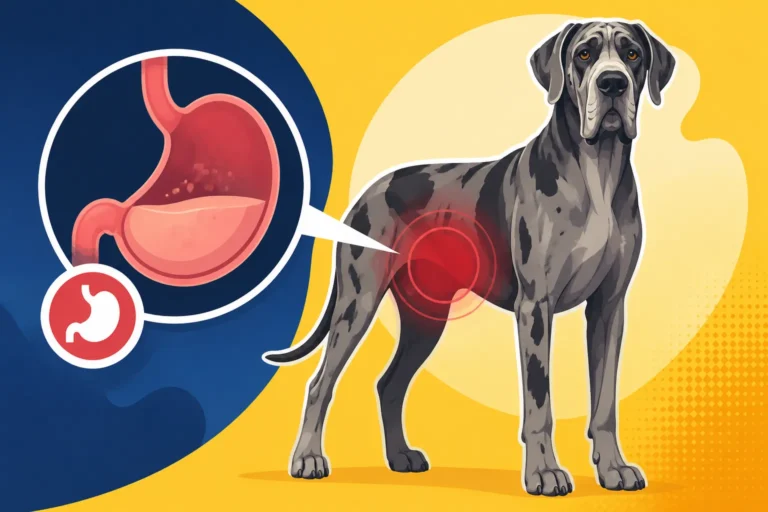
While we've focused on food, it's crucial to remember that feeding is just one aspect of Great Dane ownership. A healthy diet contributes to a healthy dog, which can help mitigate other expenses. However, even with the best diet, Great Danes are prone to certain health issues that can result in substantial vet bills. Things like bloat (gastric dilatation-volvulus), heart conditions, and orthopedic problems are unfortunately common.
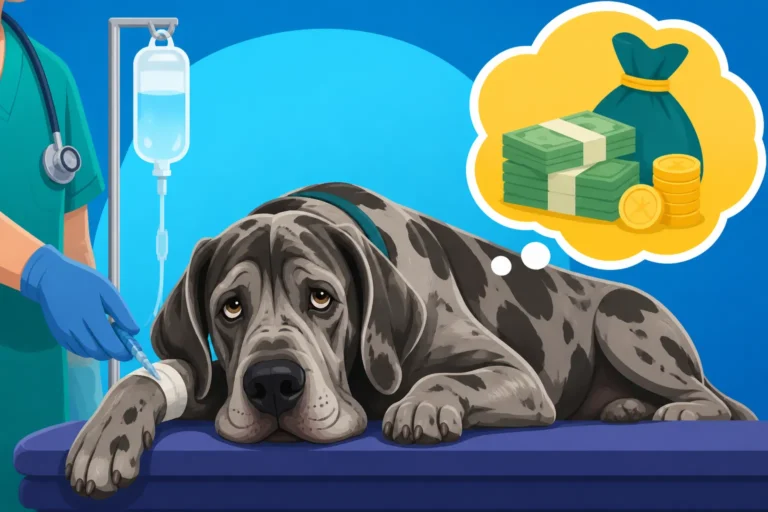
Emergency vet visits for something like a twisted stomach can quickly run into thousands of dollars, making comprehensive pet insurance a wise investment. Companies like Healthy Paws offer policies that can help cover these unexpected and enormous costs. Understanding the true scope of Insuring a Great Dane Against Bloat and Heart Bills is critical for financial peace of mind. A dog that is constantly experiencing digestive upset due to a poor diet could lead to recurring vet visits, diagnostic tests, and medications that, over time, far outweigh any savings made on cheaper food.
Keeping Them Lean: An Investment in Longevity
Perhaps one of the most cost-effective strategies for a Great Dane owner is to keep their dog at a healthy, lean weight. Overfeeding, even by a small amount, can quickly lead to excess weight, which puts tremendous strain on their large joints. This increased strain can exacerbate conditions like hip or elbow dysplasia and accelerate the onset of arthritis, leading to expensive treatments, pain management, and potentially shortening their comfortable lifespan.
Learning to assess your Great Dane's body condition by feeling their ribs and understanding Reading Ribs on a Great Dane is paramount. Feeding the correct "ten cups" (or whatever their individual requirement is) to maintain a lean physique is crucial. It’s a proactive step in managing their health that can reduce future veterinary costs associated with obesity-related ailments. A healthy weight can also impact their overall energy levels and quality of life, extending the active years you get to share with your beloved giant. It truly pays to understand Keeping a Great Dane Lean for Its Joints.
Remember, while the ten cups a day might seem like a lot, it's a testament to the grand scale of these magnificent dogs. By being informed and strategic, you can provide them with the nutrition they need to thrive without breaking the bank.
Disclaimer
This article is for general informational purposes only and does not constitute professional advice. Laws, prices and regulations vary by location and change over time. Consult a qualified professional for guidance on your specific situation.