Whether Pet Insurance Is Essential for a Great Dane
When you welcome a magnificent Great Dane into your life, you're signing up for a lot of love, a lot of slobber, and, let's be honest, potentially a lot of vet bills. The sheer size and genetic predispositions of these gentle giants mean that medical emergencies and chronic conditions can hit hard and fast, leaving owners scrambling to cover astronomical costs. This guide is here to help you navigate the big question: whether pet insurance is truly essential for a Great Dane, examining the unique financial challenges you might face and how insurance can offer a much-needed safety net.
The Unique Health Challenges and Costs of Great Danes
Owning a Great Dane is a commitment unlike many other breeds, especially when it comes to their health. Their impressive size, rapid growth, and specific genetic predispositions mean they're unfortunately prone to a range of serious health issues that often come with a hefty price tag. It's not just about routine care; it's about anticipating the significant, often life-threatening, conditions that can arise.
Common and Costly Great Dane Health Concerns
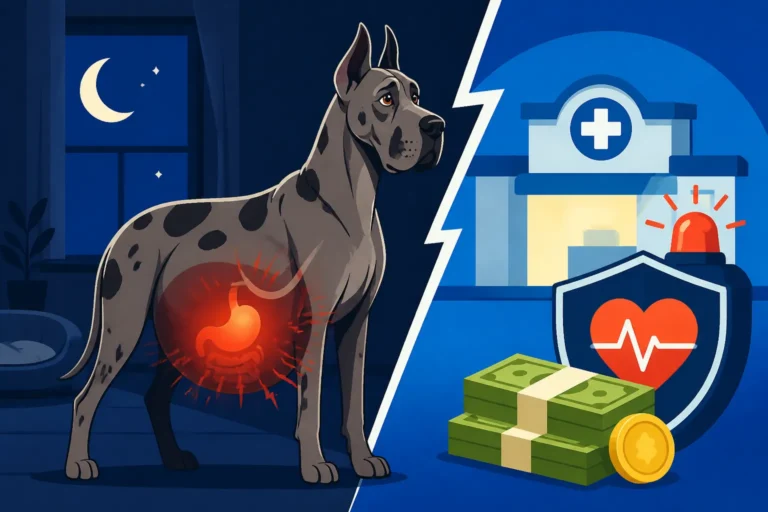
Great Danes, for all their majesty, have a shorter lifespan than many smaller breeds, often living only between seven to ten years. A significant factor in this is their susceptibility to certain severe health conditions. One of the most infamous and terrifying is bloat, or gastric dilatation-volvulus (GDV). This is a life-threatening condition where the stomach fills with gas and can twist, cutting off blood supply. It's an emergency that requires immediate, expensive surgery, and without it, a Great Dane can die within hours. Many Great Dane owners live in constant fear of this, knowing that The Lifetime Bloat Risk in a Great Dane is significant.
Beyond bloat, Great Danes are also prone to certain heart conditions, most notably Dilated Cardiomyopathy (DCM). This is a progressive disease where the heart muscle weakens and becomes enlarged, leading to congestive heart failure. Diagnosing and managing DCM involves regular cardiology visits, echocardiograms, and daily medication, which can become a substantial, ongoing expense. Similarly, bone cancer, or osteosarcoma, is tragically common in giant breeds. It's an aggressive cancer that often requires amputation and chemotherapy, a treatment path that can be emotionally and financially devastating. Then there are orthopedic issues like Wobbler Syndrome, a neurological condition affecting the neck and spinal cord, which can require complex imaging and surgery. Each of these conditions, from Bloat in a Great Dane and the One in Three Odds to Bone Cancer in a Great Dane, represents not just a health crisis for your beloved pet but a potential financial crisis for you.
The Sheer Size Factor in Medical Costs
It’s not just the type of ailment, but the scale of treatment that drives up costs for a Great Dane. Every medication, every dose of anesthesia, every suture—it's all calculated by weight. A Great Dane weighing 150 pounds requires significantly more medication, larger doses of sedatives, and more specialized equipment than a 20-pound terrier. This means that even routine procedures, let alone emergencies, can quickly escalate in price. For instance, the cost of antibiotics for a simple infection or pain relief after a minor injury will be exponentially higher for a Great Dane because of the sheer volume of medication needed to be effective for their large body mass.
Consider surgery: a longer incision, more surgical supplies, and extended anesthesia time due to their size all contribute to a higher bill. Even something as simple as an X-ray might require multiple plates to capture the full anatomy of a Great Dane's limb or torso, further adding to the expense. Why Every Great Dane Bill Is Bigger becomes immediately apparent once you start looking at the line items on a vet invoice. This fundamental difference in scale is often overlooked by new Great Dane owners until they face their first significant vet bill.
Navigating Pet Insurance for Your Giant Companion
Given the potential for high veterinary costs, pet insurance often enters the conversation for Great Dane owners. But what exactly does it cover, and are there specific challenges when insuring such a large breed? Understanding the nuances can help you decide if it's the right choice for your family and your Dane.
What Pet Insurance Typically Covers
Pet insurance policies generally fall into a few categories: accident-only, accident and illness, and wellness plans. An accident-only plan is the most basic, covering unexpected injuries like broken bones, lacerations, or foreign object ingestion. For a Great Dane, this could be crucial if they suffer an injury during play or a sudden, dramatic event. Accident and illness plans are more comprehensive, covering accidents as well as illnesses such as cancer, heart conditions, diabetes, and infections. This is often where Great Dane owners find the most value, as it addresses the major health issues like bloat, DCM, and Wobbler Syndrome.
Many providers, like Healthy Paws, focus on accident and illness coverage, which is often what giant breed owners need most given the potential for catastrophic medical events. Some companies also offer add-on wellness plans, which help cover routine care like annual exams, vaccinations, and parasite prevention. While these can be useful for budgeting, the real financial protection for a Great Dane often comes from robust accident and illness coverage, particularly for those emergencies that can rack up bills well into the thousands. It's vital to read the fine print to understand what's excluded, such as pre-existing conditions, which is why enrolling a puppy early is often recommended.
The Challenges of Insuring a Great Dane
Insuring a Great Dane isn't always as straightforward as insuring a smaller dog. Their predisposition to certain conditions means that premiums can be higher, and some insurers might have specific exclusions or waiting periods. For instance, bloat is a well-known risk for Great Danes, and while most comprehensive policies will cover it, some might have longer waiting periods for orthopedic conditions or even certain genetic diseases. Insuring a Great Dane Before the Bloat Years is a common strategy to ensure coverage is in place before a crisis hits.
Another factor is breed-specific conditions. While responsible breeders conduct health testing for conditions like DCM and hip dysplasia, a history of these conditions in a dog's lineage can sometimes influence policy terms or premiums, though ethical insurers typically base policies on the individual dog's health at enrollment. Companies like Chewy, offering various pet insurance options, allow you to compare policies, but always pay close attention to the details concerning large breeds. The cost of premiums can vary significantly based on your location, your dog's age, and the specific coverage you choose. It's not uncommon for Great Dane owners to face higher monthly costs than owners of smaller, less predisposed breeds, simply because the statistical likelihood of high-cost claims is greater.
Different Types of Plans and Their Suitability
When considering pet insurance, it's helpful to look at the different structures available and how they might fit your Great Dane's needs. There are generally plans with annual deductibles, where you pay a set amount out-of-pocket each year before reimbursement kicks in, and those with per-incident deductibles. For a Great Dane, a plan with a low annual deductible can be beneficial if they experience multiple health issues in a year, as you only meet that deductible once. Conversely, a per-incident deductible might be better if you anticipate only one major, costly event in a year.
Reimbursement percentages also vary, typically from 70% to 90%. A higher reimbursement rate means less out-of-pocket for you after the deductible is met. Given the potential for bills like The Night a Great Dane Bloats and What It Costs, aiming for a higher reimbursement percentage, if affordable, can provide substantial relief. Annual limits also play a crucial role; some plans have unlimited payouts, while others have caps. For a Great Dane, with conditions like cancer or DCM potentially requiring tens of thousands in treatment over their lifetime, an unlimited or very high annual limit is often a wise choice. Some providers, including those found through services like Ollie, might offer customizable plans, allowing you to tailor the deductible, reimbursement rate, and annual limit to balance cost and coverage.
Weighing the Costs: Insurance vs. Self-Insuring
The decision to get pet insurance often boils down to a financial gamble: pay regular premiums now, or save that money and hope you have enough for a crisis later. For Great Dane owners, this gamble feels particularly high-stakes, given the breed's health profile.
Calculating Potential Out-of-Pocket Expenses
Let's get real about the numbers. The potential veterinary expenses for a Great Dane are not for the faint of heart. A bloat surgery, for example, can easily run into the thousands, and if complications arise or an emergency clinic is needed, that number climbs significantly. The Price of a Preventive Great Dane Gastropexy, which surgically tacks the stomach to prevent twisting, is a wise investment, but even that initial cost is substantial. If your Dane develops DCM, the ongoing costs of medication and specialist visits can amount to hundreds per month, year after year. The cost of a Great Dane cardiac workup alone can be several hundred dollars just for diagnosis.
To truly self-insure, you'd need a dedicated savings account with a significant sum, perhaps $10,000 to $20,000, readily available for emergencies. This isn't just for one major event; it's for the possibility of multiple issues over their lifetime. A young Great Dane might face orthopedic issues like Growth Disorders in a Great Dane Puppy, followed by bloat in their middle years, and then cancer or heart disease as they age. Trying to cover these expenses as they arise, without a safety net, can put immense strain on your personal finances, sometimes forcing heartbreaking decisions if funds run dry.
Here's a simplified look at potential costs for common Great Dane health issues, emphasizing that these are estimates and can vary wildly:
| Condition | Typical Diagnostic Costs (Est.) | Typical Treatment Costs (Est.) | Potential Total (Est.) | Notes |
|---|---|---|---|---|
| Bloat (GDV) | $500 – $1,500 | $3,000 – $8,000+ | $3,500 – $9,500+ | Emergency surgery, post-op care; higher for specialists. |
| Dilated Cardiomyopathy | $500 – $1,500 (Echocardiogram) | $100 – $500+/month (meds) | Ongoing; thousands over life | Lifetime management, regular vet/cardiology visits. |
| Bone Cancer (Osteosarcoma) | $500 – $2,000 (X-rays, biopsy) | $4,000 – $15,000+ (Amputation, Chemo) | $4,500 – $17,000+ | Treatment varies, palliative care also costly. |
| Wobbler Syndrome | $1,500 – $4,000+ (MRI/CT) | $5,000 – $10,000+ (Surgery) | $6,500 – $14,000+ | Neurologist consults, medication, rehab often needed. |
| Hip/Elbow Dysplasia | $500 – $1,500 (X-rays) | $3,000 – $7,000+ (Surgery/Rehab) | $3,500 – $8,500+ | Can affect one or both joints; ongoing pain management. |
This table makes it starkly clear that even a single major event can quickly deplete emergency funds, let alone multiple conditions over a Great Dane's life.
The Peace of Mind Factor
Beyond the purely financial aspect, there's the invaluable peace of mind that pet insurance offers. Knowing that a significant portion of a massive vet bill will be covered can remove a tremendous amount of stress during an already traumatic time. Imagine your Great Dane suddenly showing signs of bloat— A Great Dane Pacing With a Swollen Belly, trying to vomit and failing. Your first and only thought needs to be getting them to the emergency vet as fast as possible, not whether you can afford the procedure.
With insurance, you can focus on making the best medical decisions for your dog, rather than being limited by your immediate financial capacity. This is especially true for emergency situations, where every minute counts. Having a policy in place means you don't have to choose between your dog's life and your financial stability. For many Great Dane owners, the monthly premium becomes a small price to pay for the assurance that they can provide gold-standard care when their giant companion needs it most, without the crushing burden of debt or the guilt of being unable to afford life-saving treatment. It's about being able to say "yes" to necessary procedures without a second thought to the invoice.
Making an Informed Decision for Your Great Dane
Deciding on pet insurance for your Great Dane is a personal choice, but it's one that should be made with a full understanding of the breed's specific needs and the financial realities of their care. It's not just about a "yes" or "no," but about finding the right fit for your situation.
Factors to Consider Before Buying
Before you jump into a policy, take some time to assess a few key factors. First, consider your Great Dane's age. It's almost always best to enroll a puppy early, as insurance won't cover pre-existing conditions. If you adopt an older Great Dane, any conditions diagnosed prior to enrollment will likely be excluded. Second, evaluate your own financial comfort level. Do you have a robust emergency fund specifically earmarked for your dog's care, perhaps Building a Fund Before a Great Dane Needs It? If not, insurance might be a more critical consideration.
Think about the specific risks your Great Dane faces. Does their pedigree show a history of DCM or Wobbler Syndrome? While insurance won't cover pre-existing conditions, understanding family history can help you select a policy with robust coverage for other common issues. Also, research different providers. Look at reviews, their reputation for handling large breed claims, and customizable options. For example, some pet insurance providers might have specific options or recommendations for giant breeds, or be more transparent about their policies regarding conditions common to Great Danes. Don't forget to factor in your location, as veterinary costs and insurance premiums can vary significantly from one region to another.
Alternative Strategies for Managing Vet Costs
Even if you opt for pet insurance, or if you decide it's not the right path for you, having alternative strategies for managing veterinary costs is crucial for Great Dane owners. One of the most common and effective methods is creating a dedicated savings account. Regularly setting aside money, even a small amount each month, can accumulate a significant sum over time. This "pet emergency fund" can cover deductibles, co-pays, or even the full cost of minor issues.
Another strategy is to speak openly with your veterinarian about costs and treatment options. Many vets are willing to discuss payment plans or explore less expensive, yet still effective, treatment alternatives. CareCredit is a popular option, offering deferred interest payment plans for veterinary expenses, which can be a lifeline during a major emergency. For routine care and some medications, consider reputable online pharmacies or large pet supply retailers like Chewy, which sometimes offer competitive pricing on ongoing prescriptions. Finally, focusing on preventive care is paramount. Regular check-ups, appropriate nutrition (like understanding Feeding a Great Dane Puppy Slowly on Purpose), and maintaining a healthy weight can all contribute to fewer, less severe health issues down the line, potentially reducing your overall veterinary spending, whether you have insurance or not.
Disclaimer
This article is for general informational purposes only and does not constitute professional advice. Laws, prices and regulations vary by location and change over time. Consult a qualified professional for guidance on your specific situation.