Bloat as a Pre-Existing Great Dane Condition
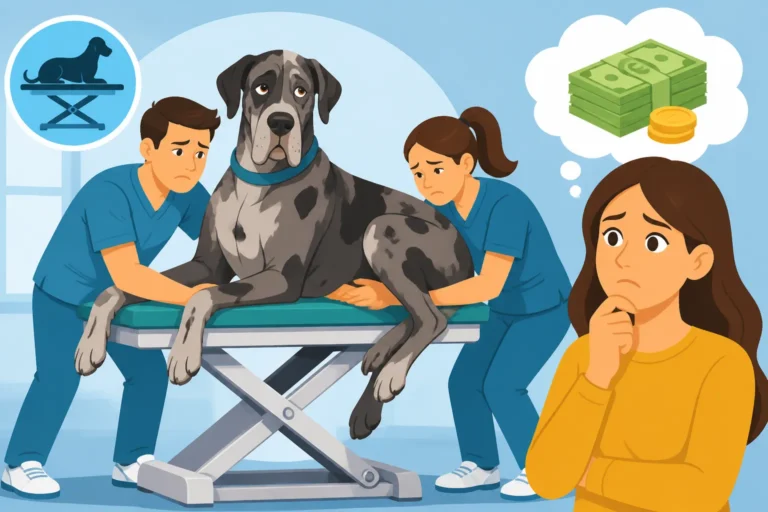
Few things strike fear into a Great Dane owner's heart like the word "bloat," and the worry that pet insurance might just shrug it off as a "pre-existing condition" adds insult to injury. It's a frustrating, often confusing aspect of pet ownership, and today we're going to break down exactly what "pre-existing condition" means in the context of Great Dane bloat, and how you can best prepare for the financial realities of this critical health risk.
What Exactly Is a Pre-Existing Condition in Pet Insurance?
When you delve into the world of pet insurance, the term "pre-existing condition" is one you'll hear often, and it's almost always the cause of the most significant confusion and disappointment for pet parents. Simply put, a pre-existing condition is any illness, injury, or symptom that your pet showed signs of, or was diagnosed with, before your insurance policy began or during its initial waiting period. It's not always as straightforward as it sounds, especially with a condition as insidious as Great Dane bloat.
The Insurer's Perspective on Prior Symptoms
Insurance companies operate on the principle of covering unexpected future events, not issues that have already started. From their vantage point, if your Great Dane exhibited any symptoms or received a diagnosis related to a condition before your policy's effective date or during the mandatory waiting period, that condition will likely be deemed "pre-existing." This means they won't cover treatment for it. The crucial part here is "symptoms." Your vet doesn't have to have made a formal diagnosis of Gastric Dilatation-Volvulus (GDV) – the medical term for bloat – for it to be considered pre-existing.
If your Great Dane visited the vet for seemingly minor stomach upset, excessive drooling, restlessness, or any other vague signs that could later be linked to bloat, those notes in their medical history could be enough for an insurer to label a future bloat episode as pre-existing. This is why a thorough review of your pet's entire medical history is standard practice for insurance providers when a claim is submitted. Even discussions about bloat prevention, if noted, might be scrutinized.
Waiting Periods and What They Mean for Your Dane
Every pet insurance policy comes with waiting periods – specific durations you must wait after enrolling before certain coverages kick in. These periods vary by insurer and by the type of condition. Typically, there's a shorter waiting period for accidents (often just a few days) and a longer one for illnesses (usually 14-30 days, sometimes more for orthopedic issues).
If your Great Dane develops symptoms of bloat, or worse, experiences a full-blown bloat episode during this waiting period, it will almost certainly be considered a pre-existing condition. This is a common and heartbreaking scenario for many Great Dane owners, who enroll their beloved companions, only to face a crisis before their coverage is fully active. It underlines the critical importance of understanding these terms before you need to use your policy.
Why Great Dane Bloat Is So Often Labeled Pre-Existing
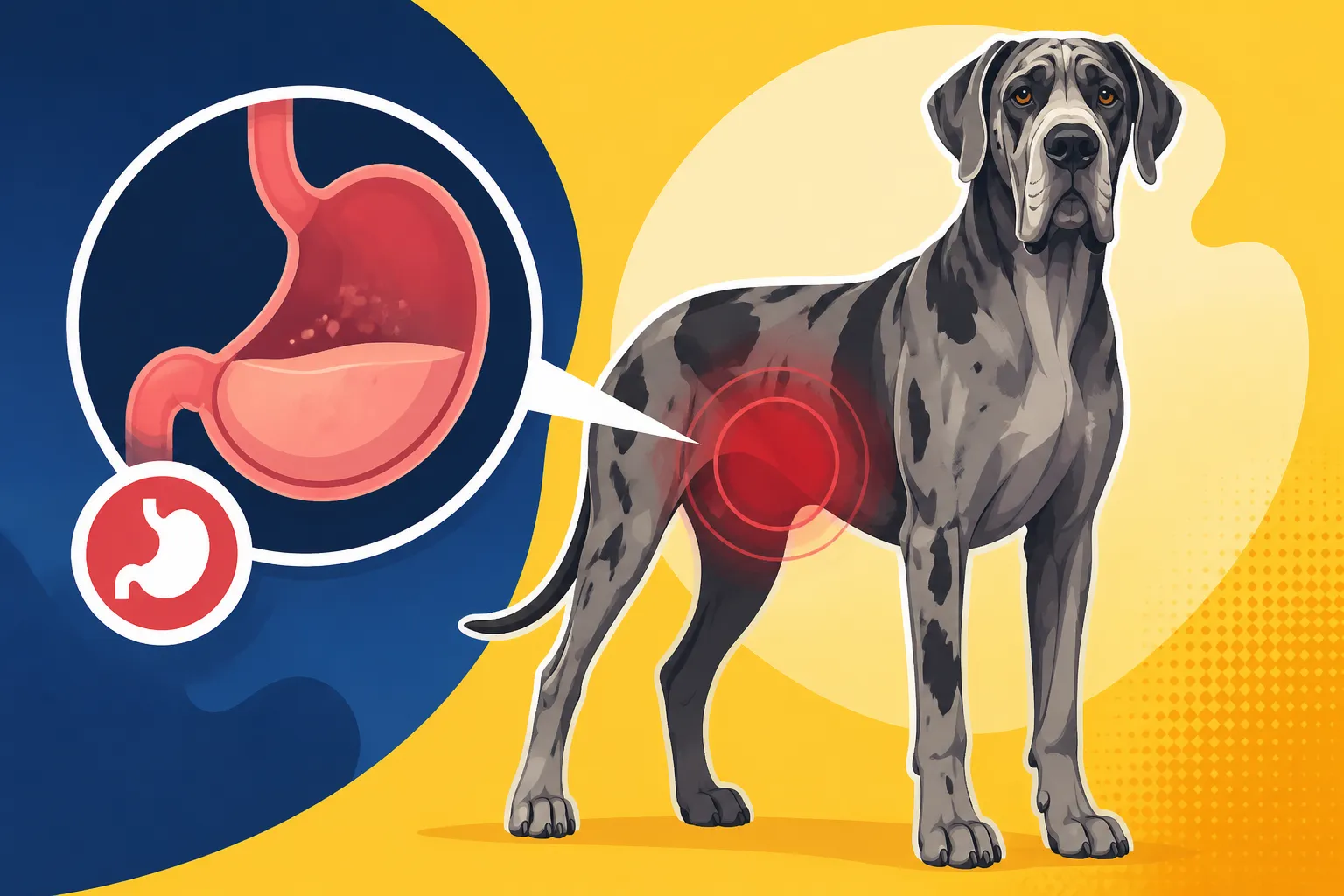
Great Dane bloat, or Gastric Dilatation-Volvulus (GDV), is a sudden and life-threatening condition where the stomach fills with gas and twists. While the onset appears sudden, the reality for insurance purposes can be much more nuanced, making it a common target for pre-existing condition exclusions.
The Sudden Onset, But Not Always Unforeseen
The terrifying thing about GDV is how quickly it can strike. One moment your Dane might be fine, the next they're pacing, retching, and visibly distressed. You might rush them to the emergency vet, thinking this came completely out of nowhere. However, for insurance companies, "out of nowhere" often isn't enough. They look for any preceding indicators in the veterinary record.
Given that Great Danes have such a high predisposition to bloat – with many sources citing a The Lifetime Bloat Risk in a Great Dane – any prior veterinary visit where a concern, even a general one, was raised about digestive health, gassiness, or general discomfort could be flagged. Even if it was just a routine check-up where the vet palpated the abdomen and made a brief note, it can become part of the narrative. This makes the condition particularly tricky for insurance coverage, as proactive discussions with your vet about bloat risk, while excellent for your dog's health, could inadvertently create a paper trail.
Medical Records Are Your Insurance's Crystal Ball
Your Great Dane's complete medical history is the primary tool an insurance company uses to determine if a condition is pre-existing. Every vet visit, every symptom reported, every medication prescribed is documented. If your Dane had even a single instance of vomiting, diarrhea, reduced appetite, or restlessness that led to a vet visit before your policy was active or during the waiting period, and those symptoms could be remotely associated with gastrointestinal issues, a subsequent bloat claim might be denied.
Imagine your Great Dane had an episode of unexplained pacing and drooling a month before your policy started. You took them to the vet, they seemed fine after an examination, and no specific diagnosis was made. Later, your Dane suffers from full-blown bloat. The insurance company might look back at that earlier visit, see the notes about pacing and drooling – which are The Signs of a Great Dane Stomach Twisting – and argue that the symptoms of the condition had already presented. This scenario is incredibly frustrating for owners who genuinely believed their pet was healthy at enrollment. Even A Great Dane Pacing With a Swollen Belly a few weeks prior, without a diagnosis, could be enough.
Navigating the Insurance Landscape: What to Know Before You Buy
Understanding the intricacies of pet insurance is paramount for Great Dane owners. Given the breed's susceptibility to conditions like bloat and certain heart conditions, selecting the right policy and understanding its limitations is not just smart, it's essential for peace of mind and your financial well-being.
The Importance of Early Enrollment
The single most impactful action you can take to avoid bloat being labeled as a pre-existing condition is to enroll your Great Dane in pet insurance as early as possible, ideally as a puppy. When a puppy has no documented medical history of any symptoms related to bloat, and you enroll them before any issues arise and complete the waiting periods, the likelihood of bloat being covered dramatically increases.
Waiting until your Dane is older or has already had a few vet visits for minor digestive upsets can put you in a tough spot. Many experienced Great Dane owners will tell you that Insuring a Great Dane Before the Bloat Years is crucial. Don't wait until you see symptoms or your vet raises a concern; act proactively. This early enrollment also offers comprehensive coverage for other common Great Dane ailments, reducing overall financial stress. Frankly, Whether Pet Insurance Is Essential for a Great Dane isn't really a question, it's a necessity.
Reading the Fine Print: Waiting Periods and Exclusions
Not all pet insurance policies are created equal, and the devil is truly in the details. Before committing to any plan, thoroughly read the policy documents, paying close attention to:
- General Waiting Periods: As mentioned, these vary for accidents and illnesses. Be aware of how long you need to wait before any illness claims can be made.
- Specific Condition Waiting Periods: Some insurers impose longer waiting periods for certain conditions, especially orthopedic issues like hip or elbow dysplasia, which are also prevalent in Great Danes. While bloat may fall under the general illness waiting period, it's vital to confirm.
- Definition of Pre-Existing Conditions: Understand how the insurer defines this term. Does it refer only to diagnosed conditions, or does it include symptoms that were observed but not formally diagnosed? Is there a "look-back" period (e.g., they won't consider anything from more than 12 months ago)?
- Bilateral Conditions: Some conditions affecting both sides of the body (e.g., cruciate ligament tears, certain eye conditions) might be considered pre-existing on the second side if the first side was affected before coverage. While not directly related to bloat, it’s an example of how nuanced these policies can be.
Reputable providers like Healthy Paws are generally transparent about their policies regarding pre-existing conditions and waiting periods. It's always a good idea to speak directly with an agent to clarify any uncertainties, ensuring you understand exactly what is and isn't covered.
Understanding Gastric Dilatation-Volvulus GDV Specifics
Given the breed's heightened risk, some pet insurance providers might have specific clauses or even longer waiting periods for GDV in giant breeds. It's rare, but some may also exclude the prophylactic surgery for bloat, called a gastropexy, as a standard covered procedure unless it's bundled with another surgery or explicitly included in a wellness rider.
It is absolutely critical to confirm with your chosen insurer how they handle GDV for Great Danes. Ask direct questions: "If my Great Dane suffers from bloat after all waiting periods are met, will it be covered?" "Are there any specific exclusions for GDV in giant breeds?" Getting these answers in writing, if possible, can provide significant peace of mind.
Strategies for Managing Great Dane Bloat Costs Beyond Insurance
Even with the best insurance, or if you find yourself without coverage for bloat, there are proactive steps you can take to manage the financial burden and mitigate risk. Bloat is an emergency that demands immediate, costly intervention, so preparation is key.
Preventive Measures as Your First Line of Defense
While insurance helps with the aftermath, preventing bloat should always be your top priority. Proactive measures can significantly reduce the risk of your Great Dane experiencing this life-threatening condition, thereby reducing the chance of astronomical vet bills.
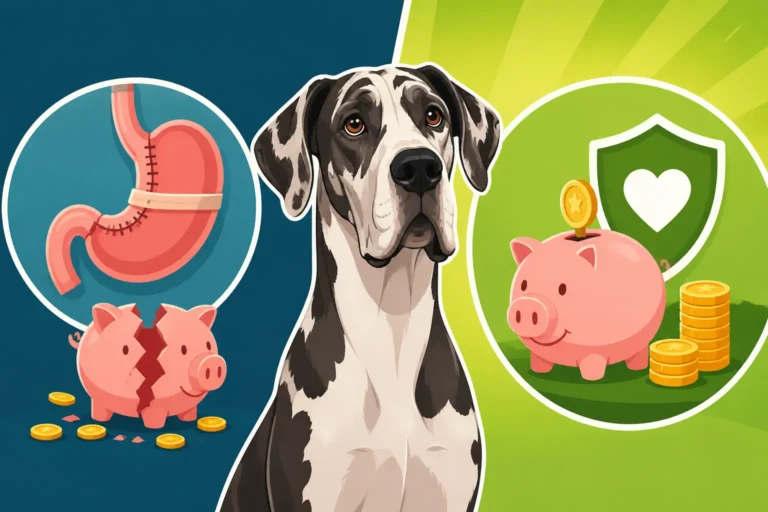
One of the most effective preventive measures is a prophylactic gastropexy, a surgical procedure where the stomach is tacked to the abdominal wall to prevent it from twisting. This doesn't prevent the stomach from dilating (bloating with gas) but makes the life-threatening volvulus (twisting) much less likely. Many owners opt to have this done when their Great Dane is spayed or neutered. Understanding When to Book a Great Dane Gastropexy can be a game-changer. While the upfront cost of a gastropexy can be substantial – you can research The Price of a Preventive Great Dane Gastropexy – it is often far less than the cost of emergency bloat surgery, especially if multiple nights of critical care are required.
Beyond surgery, dietary management plays a crucial role. Feeding multiple smaller meals throughout the day instead of one large meal, avoiding strenuous exercise an hour before and after eating, and using a slow-feeder bowl can all help. You can find a variety of slow-feeder bowls and high-quality kibble designed for large breeds through retailers like Chewy. For those exploring fresh food options, services like Ollie provide tailored meal plans, though always discuss significant dietary changes with your vet, especially regarding bloat prevention and Meal Habits That Cut a Great Dane's Twist Risk.
Building an Emergency Fund
Even with insurance, deductibles and co-pays mean you'll always have some out-of-pocket expenses. If bloat is deemed pre-existing, or if you opt not to have insurance, an emergency fund becomes your financial safety net. Great Danes are prone to several expensive conditions, and having cash readily available is crucial.
Start setting aside money specifically for pet emergencies, even if it's a small amount each month. Over time, this fund can grow into a substantial buffer against unexpected veterinary costs. Think of it as your personal pet insurance policy. It's about Building a Fund Before a Great Dane Needs It, because when a crisis like bloat hits, you'll be focused on your dog's health, not scrambling for funds. The potential costs for The Night a Great Dane Bloats and What It Costs can easily run into thousands, so being prepared is essential.
Comparison of Bloat Scenarios and Insurance Coverage
To illustrate how coverage might apply, here's a table comparing different scenarios related to Great Dane bloat and pet insurance.
| Scenario | Great Dane Age / Health History | Insurance Enrollment Timing | Likelihood of Bloat Coverage | Notes |
|---|---|---|---|---|
| Ideal Scenario | Healthy 12-week-old puppy, no prior vet visits | Before 16 weeks (very early) | High | Enrolling a young, healthy puppy maximizes the chances of coverage for future illnesses, including bloat, once waiting periods are fulfilled. |
| Minor Symptom Prior | 1-year-old, had a vet visit for mild GI upset 3 months ago | 2 weeks before bloat | Low to Medium (depending on insurer & records) | Insurer might deem GI upset as a precursor/symptom of a pre-existing condition, especially if vet notes are vague or suggestive of underlying issues. |
| Within Waiting Period | 2-year-old, healthy, no prior issues | 5 days before bloat | Very Low | Bloat occurring during the policy's illness waiting period will almost certainly be considered pre-existing and therefore not covered. |
| Post-Gastropexy | 3-year-old, had prophylactic gastropexy 1 year ago | Insured before gastropexy | High (for bloat if it still happens) | Gastropexy reduces twisting risk. If bloat occurs (dilation without twist), general illness coverage applies as long as no prior symptoms of bloat (dilation) were noted before enrollment. |
| Previous Bloat Episode | 4-year-old, recovered from bloat without gastropexy 6 months ago | Enrolled 3 months ago (after bloat) | Very Low (likely permanent exclusion for bloat) | A previous bloat episode (GDV) is definitively a pre-existing condition. Future episodes, even if different, will almost certainly not be covered. |
| Adult with Unknown History (Rescue) | 5-year-old rescue, limited medical records | After adoption (first vet visit) | Low to Medium (depends on initial vet exam & policy terms) | Insurers will scrutinize the initial vet exam for any subtle signs. If the vet finds anything suggestive, it could be deemed pre-existing. This is where Retraining a Great Dane From Rescue also entails a thorough health check. |
Other Financial Avenues
Even if insurance doesn't cover your Great Dane's bloat episode, there are other ways to seek financial assistance. Many veterinary practices offer payment plans, or you can explore third-party financing options designed specifically for veterinary care. Non-profit organizations and breed-specific rescues sometimes offer grants or aid programs for emergency situations, especially for breeds prone to specific conditions. Don't be afraid to ask your veterinary team about these options during a crisis, as they often have resources and connections you might not be aware of. After all, the goal is always to get your beloved Dane the critical care they need and ensure their Recovery After Great Dane Bloat Surgery.
Disclaimer
This article is for general informational purposes only and does not constitute professional advice. Laws, prices and regulations vary by location and change over time. Consult a qualified professional for guidance on your specific situation.