Pain Medication Costs for a Great Dane
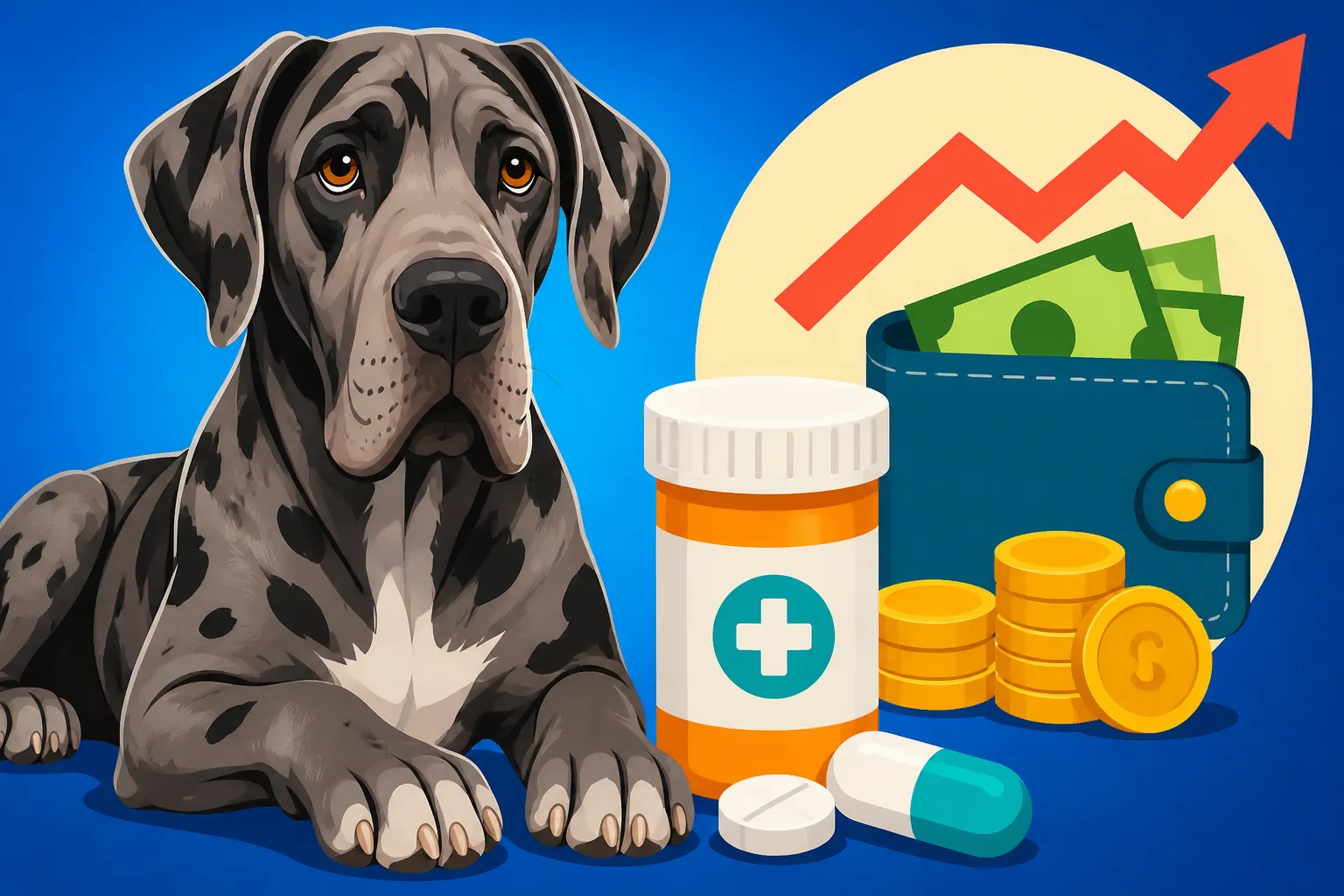
Witnessing your beloved Great Dane in pain is one of the most heart-wrenching experiences a dog owner can face. Their stoic nature can sometimes mask discomfort until it's quite advanced, leaving you scrambling to find solutions while worrying about their comfort and, let's be honest, the escalating veterinary bills. This guide aims to shed light on the various pain medication options available for Great Danes, what factors influence their cost, and how you can prepare for these significant expenses, ensuring your gentle giant lives as comfortably as possible.
Understanding the Sources of Pain in Great Danes
Great Danes, despite their imposing size and majestic presence, are prone to a range of health issues that can cause significant pain throughout their lives. Their rapid growth, sheer mass, and genetic predispositions unfortunately mean that many will experience chronic or acute pain at some point. It's a harsh reality that many of us face, and it often feels unfair given how much these dogs give us.
Common Pain-Causing Conditions in Great Danes
When you have a dog as large as a Great Dane, their size becomes both their most striking feature and, often, their Achilles' heel when it comes to health. We often think of joint issues as an "old dog" problem, but for Danes, these can start much earlier.
Orthopedic Issues and Arthritis
Joint problems are a huge concern for Great Danes. Conditions like hip and elbow dysplasia are unfortunately common, where the joints don't form correctly, leading to painful grinding and eventual arthritis. Even if they don't have severe dysplasia, the sheer weight carried by their joints means that wear and tear can set in faster than in smaller breeds. Imagine carrying an extra person on your back every day; that's essentially the stress a Great Dane's joints endure. This often leads to a diagnosis of Arthritis in a Six-Year-Old Great Dane, which for a Dane, can feel like middle age. The inflammation and pain from these conditions can range from a subtle limp to severe immobility, drastically affecting their quality of life.
Bone Cancer and Other Musculoskeletal Pains
Osteosarcoma, a particularly aggressive form of bone cancer, is another devastating reality for many Great Dane owners. It typically affects the long bones of the limbs and is incredibly painful. The onset can be sudden, or it can present as a persistent lameness that doesn't resolve. Beyond cancer, other less common but still painful musculoskeletal issues can arise, such as torn ligaments (like a cruciate injury) or disc problems in the spine, particularly in their neck. Understanding Bone Cancer in a Great Dane is crucial for early detection, which can impact management options and, ultimately, their comfort.
Neurological Pain and Wobbler Syndrome
The unique structure of a Great Dane's neck also puts them at risk for cervical spondylomyelopathy, more commonly known as Wobbler Syndrome. This condition involves compression of the spinal cord in the neck, leading to instability, pain, and neurological deficits. It can cause a wobbly gait, weakness, and significant neck pain. Watching your strong, coordinated dog struggle with balance or cry out when they move their head is truly heartbreaking. Early diagnosis and management are vital to improving their comfort and mobility, but the pain component is a constant challenge. For more on this, you might look into The Neck Condition That Trips a Great Dane Up.
Acute vs. Chronic Pain Management
Pain in Great Danes isn't a one-size-fits-all problem; it can be acute (sudden and short-lived, like after an injury or surgery) or chronic (long-lasting, often associated with progressive conditions like arthritis or cancer). The approach to pain medication, and thus its cost, varies significantly depending on whether you're treating an immediate crisis or a lifelong condition. Acute pain might require short-term, intensive medication, potentially including strong opioid pain relievers. Chronic pain, however, necessitates a careful balance of long-term medications, often involving a combination of drugs to keep them comfortable with minimal side effects over months or even years. This often means different types of drugs, different dosages, and a sustained financial commitment.
Types of Pain Medication and Their Costs for Great Danes
The size of a Great Dane means everything is bigger – bigger food bowls, bigger beds, and unfortunately, bigger medication doses. This directly impacts the cost. What might be a standard dose for a Labrador is often just a starting point for a Great Dane, leading to higher consumption of medication over time.
Non-Steroidal Anti-Inflammatory Drugs NSAIDs
NSAIDs are often the first line of defense against pain and inflammation, especially for orthopedic issues. Drugs like carprofen, meloxicam, firocoxib, and deracoxib are commonly prescribed. They work by reducing inflammation, which in turn reduces pain. For a Great Dane, the amount needed per dose is substantial, meaning you'll go through bottles of pills much faster than someone with a smaller dog.
Dosage and Frequency Challenges
Because of their weight, a Great Dane's dose of NSAIDs can be several times that of a medium-sized dog. This isn't just about the number of pills, but the concentration of the medication. You might be buying the largest available size of medication, and still find yourself refilling prescriptions frequently. For chronic conditions like arthritis, this becomes a regular, ongoing expense. It's not uncommon for a Great Dane to require daily NSAIDs for the remainder of their lives once arthritis sets in, making this a significant line item in your budget for Monthly Medications Dosed at Great Dane Weight.
Potential Side Effects and Monitoring
While effective, NSAIDs aren't without risks, especially when used long-term. They can affect the liver, kidneys, and gastrointestinal tract. This means that regular blood work is often recommended by your vet to monitor organ function, adding another layer of cost to the pain management strategy. These monitoring tests are crucial; no one wants to alleviate joint pain only to cause kidney issues.
Adjunctive Pain Medications
Sometimes, NSAIDs alone aren't enough, or a vet might want to reduce the NSAID dose to mitigate side effects. This is where adjunctive pain medications come in, often used in combination with NSAIDs or as standalone treatments for specific types of pain.
Gabapentin and Amantadine
Gabapentin is frequently used to help manage neuropathic pain (nerve pain) and can also have a sedative effect, which can be beneficial for dogs struggling with pain-related anxiety or difficulty resting. Amantadine is another medication that works on a different pain pathway and is often added to a pain management protocol for chronic, severe pain, especially in conditions like Wobbler Syndrome or advanced arthritis. Like NSAIDs, these medications are dosed by weight, meaning a Great Dane will require a significant amount, driving up the cost. You might find yourself giving multiple large capsules multiple times a day.
Tramadol and Other Opioids
For more severe or acute pain, particularly post-surgery or for conditions like bone cancer, stronger pain relievers such as tramadol or other prescribed opioids might be necessary. These are generally not for long-term chronic management due to potential side effects and addiction concerns, but they can be invaluable for breaking the cycle of severe pain and providing relief during critical periods. Their cost can be considerable, especially when factoring in the sheer volume needed for a Great Dane. When dealing with something as severe as Pain Relief for a Great Dane With Bone Cancer, these options become essential, regardless of the price.
Joint Supplements and Nutraceuticals
While not strictly "medications," joint supplements play a vital role in managing chronic pain, particularly for conditions like arthritis and dysplasia. Ingredients like glucosamine, chondroitin, MSM, and omega-3 fatty acids are thought to support joint health, reduce inflammation, and potentially slow the progression of cartilage degradation.
The Challenge of Dosing for a Giant
The efficacy of these supplements often depends on consistent, appropriate dosing. For a Great Dane, achieving a therapeutic dose requires a substantial amount, whether it's powders, chews, or liquids. Many popular supplements are formulated for smaller to medium-sized dogs, meaning a Great Dane might need several times the recommended "max" dose on the label, making them quite expensive. It’s important to discuss the appropriate dosage with your vet, as under-dosing might render them ineffective, while over-dosing could lead to other issues. You might find yourself ordering large tubs of supplements from retailers like Chewy to keep up with the demand.
Quality and Ingredient Sourcing
The market is flooded with joint supplements, and quality can vary wildly. It's crucial to choose reputable brands that have undergone third-party testing to ensure purity and potency. While some veterinary-specific brands might seem more expensive upfront, their higher concentration and proven efficacy can sometimes be more cost-effective in the long run than buying cheaper, less effective options that require even larger doses for a Great Dane.
Other Supportive Therapies
Pain management isn't just about pills. Other therapies can complement medication and often reduce the reliance on higher drug dosages, contributing to overall well-being and potentially affecting the overall cost of pain management.
Physical Therapy and Acupuncture
For Great Danes with orthopedic or neurological pain, physical therapy can be incredibly beneficial. This might include hydrotherapy, therapeutic exercises, laser therapy, or massage. Acupuncture is another option that some owners find helpful for chronic pain. While these services have their own costs per session, they can improve mobility, strengthen muscles, and reduce pain, potentially allowing for lower medication doses over time. These therapies are often long-term commitments, but the improvements in quality of life are often immeasurable.
Orthopedic Beds and Mobility Aids
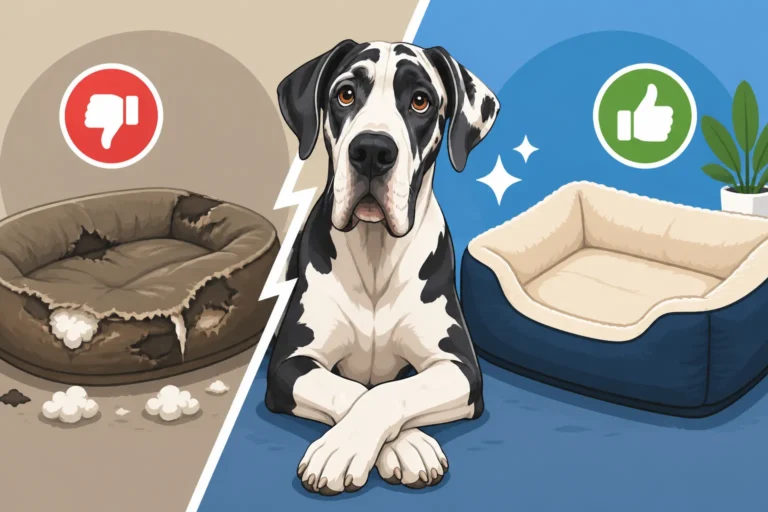
Creating a comfortable environment is also a critical part of pain management. A good quality, orthopedic bed can provide crucial support for a Great Dane's large, often sore, joints, preventing pressure sores and allowing for better rest. Ramps or steps can help them get into cars or onto furniture without putting undue strain on their bodies. While these are upfront costs, they are an investment in your dog's long-term comfort and mobility. You can find many options designed for giant breeds through retailers like Chewy.
Managing the Financial Strain of Great Dane Pain Management
The reality is that pain medication and supportive care for a Great Dane can add up to a significant financial burden. Many owners find themselves unprepared for the ongoing costs, especially as their dogs age or develop chronic conditions. It's a valid frustration to feel like you're constantly weighing your dog's comfort against your wallet.
The Role of Pet Insurance
Pet insurance can be an absolute lifesaver when dealing with ongoing medical conditions and expensive medications for a Great Dane. Many policies cover a percentage of veterinary costs for accidents and illnesses, which includes diagnostics, specialist visits, surgeries, and, crucially, prescription medications.
Understanding Coverage and Premiums
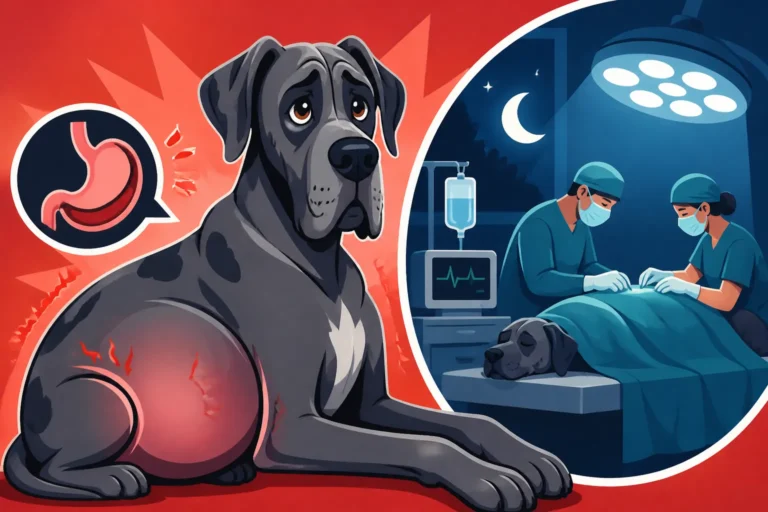
When considering pet insurance, it's vital to read the fine print. Look for policies that have good coverage for chronic conditions and specialist care. Companies like Healthy Paws are known for their comprehensive coverage, which can be invaluable when you're facing years of medication for conditions like arthritis or the sudden, high costs of an emergency like The Overnight Bill When a Great Dane Bloats. Premiums for Great Danes can be higher due to their predispositions to certain conditions, and annual limits or deductibles will also play a role in your out-of-pocket expenses. Enrolling your Great Dane when they are young and healthy is usually the best strategy to avoid pre-existing condition exclusions. For more information, you might want to consider Whether Pet Insurance Is Essential for a Great Dane.
What Insurance May Not Cover
It's important to understand that most pet insurance policies do not cover pre-existing conditions. If your Great Dane is diagnosed with arthritis or Wobbler Syndrome before you enroll them, medication for that specific condition might not be covered. This is why early enrollment is so frequently recommended. Also, many wellness plans, which are separate from illness/accident policies, might cover some routine preventive care but often do not cover the high costs of ongoing prescription pain medication.
Budgeting for Long-Term Care
Even with insurance, you'll still have out-of-pocket expenses, and for those without insurance, the full burden falls on you. Creating a realistic budget for your Great Dane's care, especially as they enter their senior years, is critical.
Setting Aside a "Dane Fund"
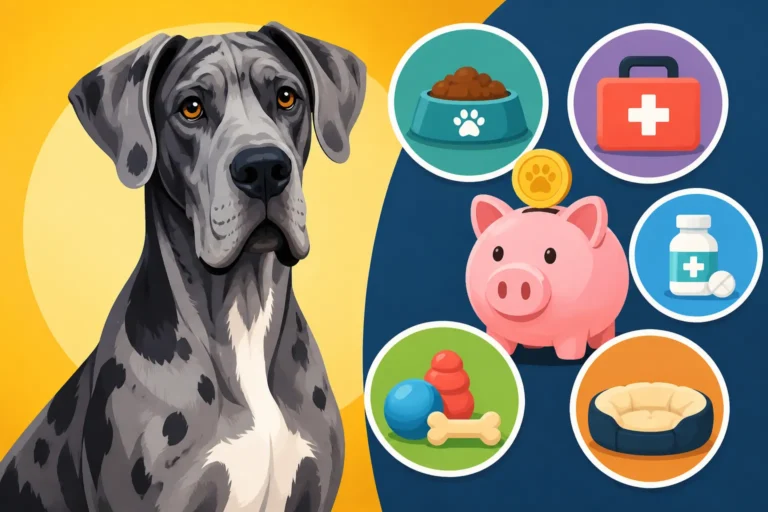
Many experienced Great Dane owners advocate for setting aside a dedicated "Dane Fund" for unexpected and expected veterinary expenses. This could be a separate savings account where you contribute regularly. When you consider Great Dane Vet Costs Year by Year and realize how quickly they climb as a Dane ages, having a buffer can make a huge difference in your ability to provide necessary care without panic. This fund can cover medication co-pays, deductibles, or non-covered treatments like specialized therapies.
Prescription Savings and Generic Options
Always ask your veterinarian about generic alternatives for medications. Generic drugs contain the same active ingredients and are often significantly less expensive than their brand-name counterparts. Additionally, ask if a larger prescription size offers a better unit price. Sometimes, purchasing a three-month supply can be more cost-effective than monthly refills. You might also explore online pet pharmacies or large retailers like Chewy for prescription fulfillment, as their prices can sometimes be more competitive than those at your local vet, especially for common medications. Your vet can often send the prescription directly to your chosen pharmacy.
The Impact of Lifestyle on Overall Health
While not directly a cost-saving measure for medication, a focus on your Great Dane's overall health can indirectly impact the severity of their conditions and potentially the amount of pain medication needed. A well-managed lifestyle can contribute to less pain and a better quality of life.
Nutrition and Weight Management
Keeping your Great Dane at a healthy weight is paramount for joint health. Every extra pound puts more strain on their already stressed joints, exacerbating conditions like arthritis. A balanced, high-quality diet that supports giant breed health can make a difference. Some owners explore specialized diets, including those from companies like Ollie, which offer fresh, tailored meal plans that can sometimes incorporate ingredients beneficial for inflammation. Discussing your Great Dane's diet with your vet can help ensure they're receiving optimal nutrition to support their joints and overall well-being. Keeping them lean, as discussed in Keeping a Great Dane Lean for Its Joints, is one of the best preventive measures you can take.
Controlled Exercise
Appropriate, controlled exercise helps maintain muscle mass, which supports joints. However, over-exercising a Great Dane, especially when young, can contribute to joint problems. Regular, moderate walks are generally better than intense, sporadic activity. For an older Dane with arthritis, shorter, more frequent walks might be more beneficial than one long outing. Knowing How Much a Growing Great Dane Should Walk can prevent issues down the line.
Important Considerations Beyond the Bill
While the financial aspect of pain medication for a Great Dane is undeniably significant, it's crucial to remember the broader picture: your dog's comfort, quality of life, and the emotional toll on you as an owner. These are priceless.
Monitoring for Side Effects and Efficacy
Administering pain medication isn't a "set it and forget it" situation, especially for a giant breed where doses are high. You need to be a diligent observer of your Great Dane's behavior. Is the medication working? Are they showing signs of discomfort returning before the next dose? More importantly, are there any adverse side effects? Changes in appetite, vomiting, diarrhea, lethargy, or increased thirst could all indicate a problem with the medication. Your vet will advise on specific signs to watch for, and regular check-ins and blood work are part of responsible pain management. If your Great Dane is on medication for a heart condition, such as Medication for a Great Dane With DCM, you'll need to be especially vigilant for drug interactions or compounding side effects.
Quality of Life Assessments
For Great Danes with chronic, progressive conditions, the discussion around quality of life becomes incredibly important. There may come a point where pain medication, even in combination with other therapies, no longer provides adequate comfort, or the side effects begin to outweigh the benefits. This is a conversation you'll have with your veterinarian, often using tools like quality of life scales to objectively assess factors like pain, mobility, appetite, hygiene, and happiness. It's a deeply personal and difficult decision, but focusing on your Great Dane's comfort and dignity above all else is the ultimate goal. Understanding Knowing When a Great Dane Is Done is one of the hardest parts of owning one of these magnificent dogs.
The Emotional Impact on Owners
Caring for a Great Dane in pain, especially one with a chronic or terminal condition, takes an enormous emotional toll. You might feel guilt, helplessness, frustration, and profound sadness. It's okay to acknowledge these feelings. Lean on your support system, whether it's family, friends, your veterinary team, or online communities of Great Dane owners who understand the unique challenges. Providing comfort to your giant companion, even if it means significant financial and emotional sacrifice, is a testament to the incredible bond you share. This journey, while often difficult, is also a profound expression of love.
| Medication Type/Therapy | Primary Use | General Cost Implication for Great Danes | Key Considerations |
|---|---|---|---|
| NSAIDs | Joint pain, inflammation (arthritis) | Higher due to weight-based dosing; ongoing | Liver/kidney monitoring, GI upset risk |
| Gabapentin/Amantadine | Neuropathic pain, chronic pain adjunct | Higher due to weight-based dosing; ongoing | Sedation, dizziness (gabapentin) |
| Opioids (e.g., Tramadol) | Severe acute pain, cancer pain | Higher for short-term; potentially significant if long-term | Sedation, constipation, potential for dependence |
| Joint Supplements | Joint health support, mild arthritis | Moderate to high due to volume needed for therapeutic dose; ongoing | Quality varies, discuss efficacy with vet |
| Physical Therapy | Mobility, muscle strength, pain reduction | Cost per session; often multiple sessions needed | Requires commitment, improves mobility & reduces medication reliance |
| Orthopedic Beds | Joint support, pressure point relief | Significant upfront cost; long-term benefit | Improves comfort, quality of sleep, reduces stiffness |
Disclaimer
This article is for general informational purposes only and does not constitute professional advice. Laws, prices and regulations vary by location and change over time. Consult a qualified professional for guidance on your specific situation.