Sedation Costs on a Great Dane
As Great Dane owners, we often face a particular reality: everything costs more when it's Dane-sized. This truth hits particularly hard when it comes to veterinary care, and sedation is no exception. It's frustrating to know your beloved giant might need sedation for something routine, only to find the bill is significantly higher than for a smaller dog. This guide will help you understand precisely why sedating a Great Dane comes with its own unique cost structure, what factors influence these expenses, and what you can do to manage them, so you're not caught off guard.
Why Sedation is Often Necessary for Great Danes
It might seem counterintuitive for a dog breed known as "gentle giants" to require sedation for procedures, but their sheer size and strength can quickly turn a simple vet visit into a monumental challenge. Even the most well-behaved Dane can become anxious or uncooperative, and when you're dealing with a dog that can weigh well over a hundred pounds, safety for both the dog and the veterinary staff becomes paramount.
Routine Procedures Made Challenging by Size
Think about routine tasks that might be a breeze with a Chihuahua or even a Labrador. Now, imagine trying to perform those same tasks on a wriggly, anxious Great Dane who outweighs you and most of the vet technicians combined. For instance, a simple nail trim can become a major ordeal if your Dane decides they're not having it. Their powerful legs and natural tendency to lean can make it incredibly difficult to get a good angle without risking injury. This is where a little bit of light sedation can make all the difference, ensuring the procedure can be completed safely and without undue stress on your dog. Many owners find that even just getting a Great Dane to lie still for a thorough ear cleaning or an uncomfortable dental exam can be a battle.
Consider a hypothetical scenario: your Great Dane, who is normally the sweetest, most laid-back dog at home, suddenly becomes a trembling, uncooperative hulk at the vet's office. Perhaps they need a deep ear cleaning due to an infection, or a few sutures for a minor laceration they got while playing. What would be a quick, straightforward procedure for a smaller dog becomes a wrestling match for a Dane. This isn't a reflection of bad training; it's simply a testament to their imposing physical presence. For tasks like these, veterinarians will often recommend sedation to ensure the dog's comfort and to allow them to perform their work effectively and safely. You'll understand why getting your Dane used to handling is so important for tasks like Trimming Nails on a Great Dane That Outweighs You.
Anxiety and Stress-Related Sedation
Beyond the physical challenges, Great Danes, like any dog, can experience significant anxiety or fear in certain situations. The vet's office, with its strange smells, unfamiliar people, and sometimes painful procedures, can be a major stressor. For a giant breed, this stress isn't just unpleasant; it can be dangerous. A severely anxious Dane can injure itself, or others, trying to escape or react defensively. In these cases, sedation isn't just about making the procedure easier; it's about safeguarding your dog's mental and physical well-being.
Sometimes, the vet might suggest pre-visit sedatives you can administer at home before even stepping foot in the clinic. These milder sedatives aim to take the edge off the anxiety, allowing for a calmer experience. Other times, if the anxiety is severe or the procedure more involved, in-clinic sedation might be necessary. It's a compassionate choice to reduce their fear and make a potentially traumatic experience more manageable. If you find your gentle giant is really struggling with anxiety, it's worth exploring ways of Building Confidence in a Nervous Great Dane with a professional trainer or behaviorist.
Diagnostic Procedures and Minor Surgeries
From diagnostic imaging to minor surgical interventions, many medical needs for a Great Dane necessitate absolute stillness. An X-ray, for example, requires the dog to hold specific positions perfectly still to get clear images, especially when examining large joints for conditions like Great Dane Hip and Elbow Screening. Imagine trying to get a wiggling 150-pound dog to lie still for an X-ray series of their hips! It's often impossible without some form of sedation. Ultrasounds, wound cleaning, biopsy collection, or even a simple dental cleaning where your dog needs to be completely still for an extended period, all benefit from or explicitly require sedation.
For procedures such as treating minor injuries or performing a small tumor removal, sedation ensures that the veterinarian can work meticulously and safely. Without it, the dog might move unexpectedly, making precision difficult and potentially compromising the outcome. Even something as common as Keeping a Great Dane's Very Large Mouth Clean can lead to the need for sedation if tartar buildup becomes severe and requires professional cleaning. The safety and effectiveness of these procedures are greatly enhanced when a Great Dane is properly sedated.
Why Sedating a Great Dane Costs More
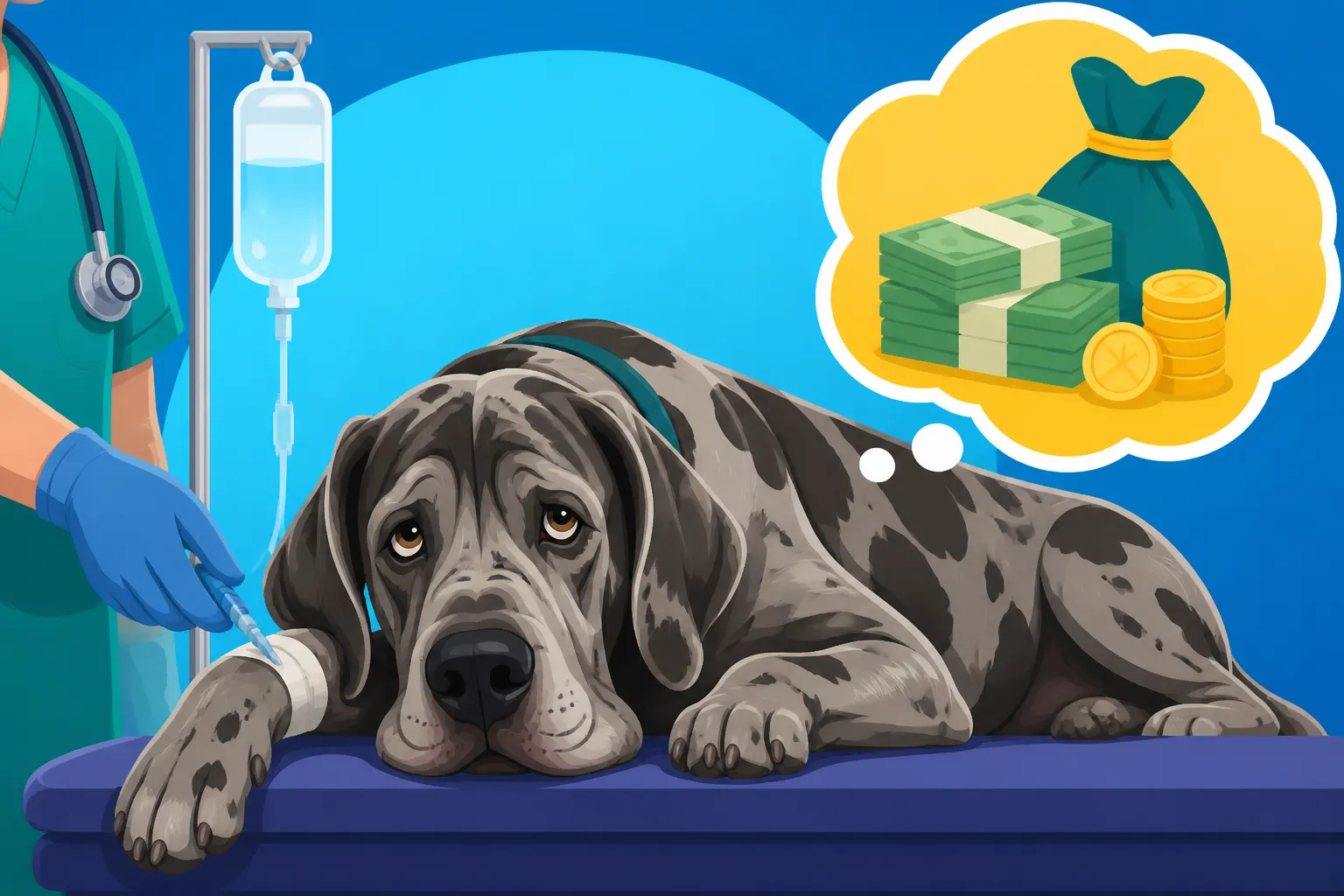
It's a common sticker shock moment for new Great Dane owners: the vet bill for a simple sedation is surprisingly high. While the reasons might not be immediately obvious, they are entirely logical when you consider the unique physiology and requirements of a truly giant breed.
Weight-Based Dosing and Drug Volume
The most direct and significant reason for higher sedation costs in Great Danes is simple: they're enormous. Veterinary medications, including sedatives and anesthetics, are almost always dosed based on the patient's body weight. This means a Great Dane, weighing in at 120-180 pounds or even more, requires a far greater volume of drugs than a small terrier or even a standard Labrador.
Think of it like this: if a Chihuahua needs 1 unit of a drug and a Golden Retriever needs 10 units, a Great Dane might need 20 or 30 units. Each vial of medication contains a fixed amount, and naturally, using multiple vials or larger concentrations of drugs translates directly into a higher material cost. This isn't just for the initial sedative; it includes any pain medications, reversal agents, or other pharmaceuticals administered during the procedure. The sheer volume of Monthly Medications Dosed at Great Dane Weight can be a significant cost factor in many aspects of their care.
Specialized Equipment and Staff Expertise
Sedating a Great Dane isn't just about increasing drug dosage; it also involves specialized equipment and a higher level of logistical support. For example, intubation tubes for a Great Dane are much larger than those for smaller dogs, and larger specialized breathing circuits might be required for anesthesia. Monitoring equipment, while often adjustable, needs to be robust enough to handle the larger vital signs of a giant breed.
More critically, moving and positioning a sedated or anesthetized Great Dane requires significant physical effort and careful coordination. It often takes two or more veterinary staff members just to lift and position a Great Dane safely on an operating table or for diagnostic imaging. This increased demand on staff time and resources, along with the need for equipment that can accommodate their size, naturally contributes to a higher overall cost. It's truly a different ballgame, which is why you'll often see a specific upcharge for Why Great Dane Anesthesia Is Billed Higher compared to other breeds.
Extended Monitoring and Recovery Time
Just as it takes more medication to sedate a Great Dane, it often takes longer for those medications to wear off completely and for the dog to recover fully. Their larger body mass, slower metabolism in some cases, and the sheer amount of drugs administered mean a more extended recovery period. During this time, your Great Dane needs continuous, vigilant monitoring by veterinary staff.
This extended monitoring ensures their vital signs remain stable, they are comfortable, and they wake up safely and without complications. It means more dedicated staff time, potentially tying up a recovery suite or kennel space for longer. For instance, a small dog might be ready to go home an hour or two after a minor sedation, whereas a Great Dane might need several hours of close observation to ensure they are fully alert and stable enough to be safely discharged. This longer duration of care, even for recovery, adds to the total bill.
Factors Influencing the Total Cost of Great Dane Sedation
While the foundational reasons for higher costs—size and medication volume—are universal for Great Danes, several other variables can significantly influence the final bill for sedation. Understanding these can help you anticipate and potentially manage the expenses.
Type and Depth of Sedation Needed
Not all sedation is created equal, and the depth required for a procedure plays a huge role in the cost. A "light sedation" to make a quick nail trim manageable is a very different protocol than "general anesthesia" needed for a surgical procedure.
- Light Sedation: This often involves milder sedatives that simply relax the dog without rendering them unconscious. It's usually quicker, requires less intensive monitoring, and therefore, is typically less expensive. It's perfect for minor procedures where cooperation is the main hurdle.
- Moderate Sedation: This provides a deeper level of relaxation and pain control, often used for more uncomfortable diagnostic tests or minor wound care. It involves a more complex drug cocktail and requires closer monitoring.
- General Anesthesia: This is the most profound level, where the dog is completely unconscious and pain-free. It's essential for surgery and invasive diagnostic procedures. This level requires intubation, gas anesthesia, advanced monitoring equipment (ECG, blood pressure, oxygen saturation), and dedicated personnel to oversee the anesthesia throughout the procedure. Naturally, this is the most costly form of sedation due to the drugs, equipment, and highly skilled staff involved.
The specific drugs chosen by the veterinarian also factor into the cost. Some newer or more specialized anesthetic agents might have a higher price tag per dose but offer benefits like faster recovery or better safety profiles for certain patients.
Location and Clinic Type
Where you live and the type of veterinary clinic you visit will also impact sedation costs. Veterinary pricing, like many services, varies geographically. A clinic in a major metropolitan area with high overheads (rent, staff salaries) will generally have higher prices than a clinic in a rural or less expensive region.
Furthermore, the type of facility plays a role:
- General Practice Vet: Your regular family vet will likely have the most competitive rates for routine sedation procedures.
- Veterinary Specialty Hospital: These facilities offer advanced diagnostics and complex surgical procedures, often staffed by board-certified specialists. Their equipment and expertise are top-tier, and their pricing reflects that. If your Great Dane needs sedation for an MRI or a specialized orthopedic surgery, the cost will be significantly higher than a general practice.
- Emergency Veterinary Clinic: If your Great Dane needs sedation as part of an emergency, the costs will almost always be at a premium. Emergency services often include after-hours fees, immediate availability of staff, and specialized equipment that is always on standby.
Pre-Sedation Workup and Post-Sedation Care
The actual cost of the sedative drugs themselves is only one component of the total bill. A responsible veterinarian will always recommend a thorough pre-sedation workup, especially for a giant breed. This usually includes:
- Pre-Anesthetic Bloodwork: This is crucial for checking organ function, ensuring the liver and kidneys can properly metabolize the anesthetic drugs. It helps identify any underlying health issues that could increase Anesthesia Risk in a Great Dane or affect recovery. Knowing your Dane's baseline through Pre-Surgery Bloodwork on a Great Dane is non-negotiable for safety.
- IV Catheter and Fluids: An intravenous catheter is typically placed before sedation to provide immediate access for administering medications and to deliver IV fluids. These fluids help maintain blood pressure and support organ function during the procedure, aiding in a smoother recovery.
- Pain Management: For any procedure that might cause discomfort, appropriate pain medication will be administered before, during, and after sedation.
- Monitoring Devices: The use of advanced monitoring equipment (pulse oximetry, capnography, blood pressure cuffs) adds to the cost, but these are essential for ensuring your Great Dane's safety.
Post-sedation care can also add to the bill, including any necessary overnight stays for observation, additional pain medication, or specific instructions for home care. These are all vital components of a safe and successful sedation experience, and they contribute to the overall expense.
Here's a breakdown of common cost components you might see on a bill related to Great Dane sedation:
| Cost Component | Description | Impact on Great Dane Costs |
|---|---|---|
| Veterinarian's Fee | Time and expertise of the vet for examination, planning, and overseeing sedation. | Higher due to complexity and weight considerations. |
| Sedative/Anesthetic Drugs | The actual medications used. | Significantly higher due to larger dosages required. |
| Monitoring Fees | Use of ECG, blood pressure, pulse oximetry, capnography equipment, and staff monitoring. | Potentially higher due to longer monitoring needs. |
| Pre-Anesthetic Bloodwork | Lab tests to ensure organ health before sedation. | Standard, but can be higher if more extensive tests are needed. |
| IV Catheter & Fluids | Placement of catheter and administration of intravenous fluids. | Standard, but fluids might be more based on weight. |
| Pain Management | Administration of pain relief before, during, and after the procedure. | Dosing for a Great Dane will cost more per administration. |
| Recovery / Hospital Stay | Time spent in clinic for observation until fully recovered. | Longer recovery times can lead to higher hourly charges. |
| Staffing Costs | Additional personnel required to handle, lift, and assist with a giant breed. | Direct correlation to the number of staff involved. |
Dealing with Unexpected Complications
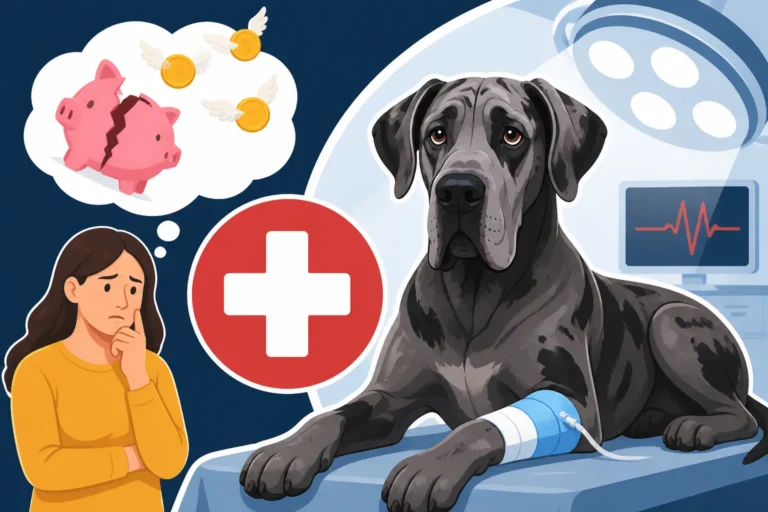
While veterinarians take every precaution, complications can sometimes arise, especially with giant breeds. Great Danes, for instance, have a unique physiology and can be prone to certain health issues, particularly as they age and enter The Great Dane Years That Count as Senior. An unexpected reaction to medication, an underlying undiagnosed condition becoming apparent, or a prolonged recovery can all lead to additional costs for further diagnostics, extended hospitalization, or specialized treatments.
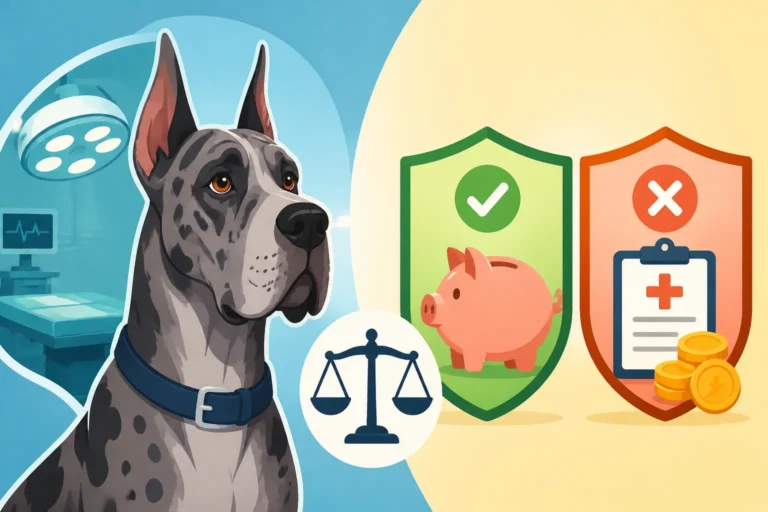
This is where having pet insurance can truly be a lifesaver. Providers like Healthy Paws offer coverage that can help offset the financial burden of unexpected veterinary emergencies or complications. While no one wants to imagine their dog facing an issue, being prepared for the unforeseen is a responsible part of Great Dane ownership.
Strategies to Manage Sedation Costs for Your Great Dane
The cost of sedating a Great Dane can be substantial, but there are proactive steps you can take to potentially reduce the need for it or to manage the expenses when it is necessary. Being a responsible and prepared owner can make a big difference.
Proactive Training and Desensitization
One of the best ways to reduce the need for sedation for routine procedures is through early and consistent training and desensitization. Start when your Great Dane is a puppy, getting them comfortable with being handled all over their body – their paws, ears, mouth, and tail. Make these experiences positive with lots of treats and praise.
- Handling Drills: Regularly practice touching their paws, inspecting their ears, and gently opening their mouths. This makes it less stressful for them when a vet needs to do it. You can learn more about this through resources like Teaching a Great Dane to Have Its Feet Handled.
- Muzzle Training: Even if your Dane is the sweetest dog, teaching them to comfortably wear a basket muzzle can be invaluable for vet visits. It's a safety tool, not a punishment, and a dog who accepts a muzzle calmly is often less stressed than one who struggles.
- Positive Vet Experiences: Ask your vet if you can drop by just for a treat and a friendly greeting, without any procedures. This helps them associate the clinic with positive interactions.
The more comfortable your Great Dane is with handling and the vet environment, the less likely they'll need sedation for routine exams, blood draws, or nail trims, saving you money and stress.
Preventive Care and Regular Check-ups
Catching health issues early is always cheaper than treating advanced conditions. Regular veterinary check-ups are paramount for a Great Dane. These visits allow your vet to monitor their overall health, identify any subtle changes, and address potential problems before they become severe and require extensive, often sedated, interventions.
For example, maintaining good dental hygiene at home can reduce the frequency of professional dental cleanings under anesthesia. Providing high-quality nutrition also contributes significantly to overall health. Many owners use reputable sources like Chewy for their Great Dane's daily food and treats, opting for brands known for their quality ingredients. Others might prefer fresh dog food options like Ollie, which can be tailored to your Great Dane's specific needs, further supporting their health from the inside out. Remember, the cost of Great Dane Vet Costs Year by Year can fluctuate dramatically based on how proactive you are with preventive care.
Regular check-ups also mean your vet has an up-to-date picture of your Dane's health, making any necessary sedation safer because they know your dog's medical history thoroughly.
Pet Insurance and Wellness Plans
Given the potential for high vet bills with a giant breed, especially concerning sedation for emergencies or complex health issues, pet insurance is a serious consideration. It can provide a crucial financial safety net.
- Emergency Coverage: Insurance plans, such as those offered by Healthy Paws, can cover a significant portion of unexpected costs, including emergency sedation and procedures. This means you can focus on your Great Dane's care rather than being paralyzed by financial fears. For a breed with a higher risk of conditions like bloat, having coverage for Whether Pet Insurance Is Essential for a Great Dane is almost non-negotiable.
- Wellness Plans: Some pet insurance providers or veterinary clinics offer wellness plans that cover routine preventative care, which might include aspects like annual bloodwork (crucial before sedation) or discounts on dental cleanings. While they typically don't cover full sedation for elective procedures, they can help with the pre-screening costs.
It's vital to research different plans, understand what they cover (and what they don't), and consider the deductibles and reimbursement percentages. Enrolling your Great Dane when they are young and healthy will often lead to better coverage options and lower premiums.
Discussing Options with Your Veterinarian
Finally, always have an open and honest conversation with your veterinarian about costs and options. Don't be afraid to ask for a detailed estimate before any procedure requiring sedation.
- Ask for Estimates: Before agreeing to sedation, request a breakdown of all expected costs. This allows you to understand what you're paying for and budget accordingly.
- Explore Alternatives: In some situations, there might be alternatives to deep sedation or general anesthesia for certain procedures. For instance, very minor skin biopsies might sometimes be performed with local anesthesia and restraint, depending on the dog's temperament and the location of the biopsy. Discuss if these are safe and viable options for your Great Dane.
- Preventative Measures: Ask your vet what steps you can take at home to reduce the need for future sedation, such as specific dental care routines or dietary recommendations.
Your veterinarian is your partner in your Great Dane's health. By communicating openly about financial concerns and exploring all available options, you can ensure your giant companion receives the best possible care without undue financial strain.
Disclaimer
This article is for general informational purposes only and does not constitute professional advice. Laws, prices and regulations vary by location and change over time. Consult a qualified professional for guidance on your specific situation.