Which Cars Actually Fit a Great Dane
You’ve just brought home your gorgeous Great Dane puppy, or perhaps you're planning for one, and suddenly the family sedan looks… tiny. The reality of transporting a dog the size of a small pony hits you, and you're left wondering: which cars can actually fit a Great Dane comfortably and safely? This guide is here to walk you through the real challenges and offer practical solutions for choosing the right vehicle for your beloved giant.
The Realities of Great Dane Transport: Why Standard Cars Just Won't Do
It’s one thing to imagine a dog in a car, quite another to consider a creature that can stand nearly three feet tall at the shoulder and stretch six feet from nose to tail. Many well-meaning car owners drastically underestimate the physical footprint a Great Dane occupies, leading to uncomfortable (and potentially unsafe) travel experiences for both dog and human.
The Sheer Scale: Height, Length, and Weight Considerations
Let's be blunt: a Great Dane isn't just a big dog; it's a giant dog. When you're dealing with a breed that can easily weigh 120-180 pounds, and stands taller than many small children on all fours, you quickly realize that standard passenger vehicles simply don't offer the necessary space. It’s not just about fitting them in, but about them being able to move, turn around, lie down fully extended, and even stand up to stretch their incredibly long legs. Imagine trying to sleep in a twin bed if you're seven feet tall – that's often what we ask our Danes to do in cars not designed for them.
Their height is often the biggest overlooked factor. Many SUVs, while appearing large, have sloped rear windows or low ceiling lines in the cargo area, meaning a tall Great Dane can't stand without crouching uncomfortably. Length is also critical; a Dane needs enough room to stretch out completely, which means a cargo area or back seat needs to accommodate a dog that could easily be six feet long. Trying to cram them into a space too small can lead to painful joint issues, especially for a breed prone to Great Dane Hips, Elbows and Growing Joints. Think about the length of their spine and limbs, and how vital it is for them to be able to shift positions without hitting their head or twisting awkwardly.
Safety First: Securing Your Giant in Motion
Beyond mere comfort, safety is paramount. An unrestrained Great Dane in a vehicle is not just a distraction; it's a massive, unguided projectile in the event of a sudden stop or collision. At 150 pounds, a dog hitting the back of a seat at even 30 mph generates forces that can be catastrophic for both the dog and human occupants. This isn't a fear-mongering tactic; it's a stark reality that every Great Dane owner must confront.
Securing your Dane means choosing between a crash-tested safety harness, a travel crate, or a sturdy kennel. If you opt for a crate, you quickly discover another challenge: finding Crates That Hold a Full-Grown Great Dane. These aren't your average wire crates from the pet store; they are often large, heavy-duty, and require significant space. The crate itself becomes a major factor in determining what kind of vehicle you'll need. Even with a harness, a dog this size needs enough floor space to brace itself, and prevent being thrown around. Think about how you’d strap in a heavy piece of luggage; your Dane needs similar consideration for their well-being and yours.
Essential Vehicle Features for the Great Dane Owner
Choosing a vehicle when you own a Great Dane isn't just about finding the biggest option. It's about specific features that enhance comfort, safety, and practicality for both you and your giant companion. It's a careful balance between interior volume, accessibility, and the ability to withstand the unique challenges a Dane presents.
Maximizing Interior Space: Cargo Dimensions and Layout
When you're looking at cars, forget the cubic feet numbers often advertised. What you need are the actual dimensions of the cargo area or rear passenger space. Grab a tape measure and a Great Dane owner's best friend – a rough outline of your dog's length when stretched out. Key measurements to consider are:
- Length: Can your Dane lie down fully stretched, head to tail, without having to curl up uncomfortably? This often means looking for a cargo area that's at least 4-5 feet long.
- Width: Is there enough room for them to turn around easily? A cramped space can lead to anxiety and makes cleaning harder.
- Height: Can your Dane stand up and stretch without hitting their head on the ceiling or the sloped rear window? This is where many SUVs fail. A vertical cargo opening is a huge plus.
- Load-in Height: Danes, especially as they get older or if they suffer from Arthritis in a Six-Year-Old Great Dane, will struggle to jump into a high cargo area. A lower load-in height, or a perfectly flat floor when seats are folded, is incredibly beneficial. Many owners rely on Ramps for Getting a Great Dane Into a Car for this very reason. A ramp takes up space, so factor that into your car's capacity.
Look for vehicles with minimal wheel well intrusions into the cargo space, and seats that fold completely flat, creating an uninterrupted, expansive floor. This creates a much more stable and comfortable environment for your Dane, whether they're in a crate or on a secured bed.
Practical Durability: Protecting Your Car's Interior
Let’s be honest: Great Danes are messy. They drool. They shed (a surprising amount for a short-haired dog). They track in mud, dirt, and whatever else they found outside. Their nails, even trimmed, can scratch delicate surfaces. So, the interior materials of your vehicle become a huge consideration.
Look for interiors with:
- Durable, easy-to-clean surfaces: Leather or vinyl seats are often easier to wipe down than cloth, though they can get hot or cold. Hard plastic cargo liners are a godsend. Avoid carpeting in the cargo area if possible, or invest in heavy-duty, waterproof liners that cover the entire floor and even the side walls. Many online retailers like Chewy offer excellent, robust cargo liners specifically designed for large breeds and their accompanying mess.
- Minimal crevices and unreachable corners: Dog hair gets everywhere, and the fewer places it has to collect, the easier cleanup will be.
- Protection against scratches: The sheer weight of a Great Dane leaning against a door panel or scrambling into the car can leave marks. Consider door protectors and sturdy barriers.
Investing in good quality seat covers and cargo area liners is non-negotiable for a Great Dane owner. These protectors shield your vehicle's upholstery and make post-adventure cleanup significantly less daunting.
Top Vehicle Types Recommended for Great Danes
When you start your car hunt, certain vehicle types consistently rise to the top as Great Dane-friendly options. Each has its pros and cons, but they all offer a better chance of accommodating your gentle giant than your average sedan or compact SUV.
Large SUVs and Wagons: The Go-To for Many
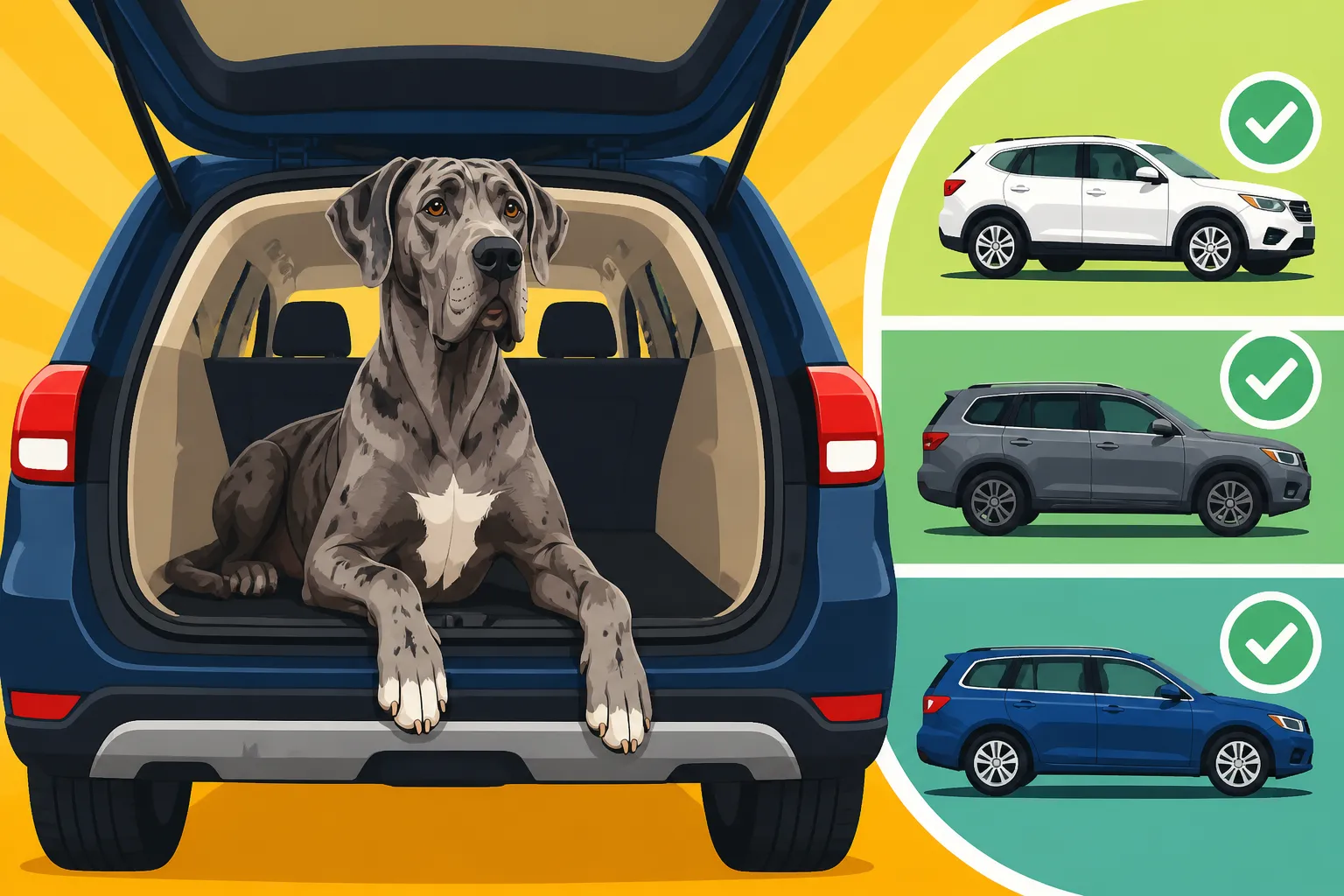
For many Great Dane owners, a large SUV is the immediate go-to. Models like the Chevrolet Suburban, Ford Expedition, GMC Yukon XL, or even the larger versions of the Toyota Sequoia are popular choices. Their commanding presence often translates to a spacious interior, and they typically offer a high seating position for better visibility for the driver.
Pros:
- High carrying capacity: These vehicles usually boast substantial cargo volume, especially with the third-row seats folded down or removed.
- All-weather capability: Many come with four-wheel drive or all-wheel drive, which is great for various terrains or bad weather conditions when you're driving a precious cargo.
- More comfortable ride for humans: They often have a smoother, more car-like ride compared to trucks.
Cons:
- Sloped rear windows: This can significantly reduce vertical head space for a tall Dane, forcing them to crouch. Always check the actual height clearance, not just the overall cubic footage.
- High load-in height: Depending on the model, the cargo floor can still be quite high, necessitating a ramp for your Dane.
- Fuel efficiency: Larger SUVs tend to be less fuel-efficient than smaller vehicles.
When evaluating these, pay close attention to the second-row seating arrangement. Some SUVs offer captain's chairs in the second row, creating a pass-through that might be ideal for a long crate or for allowing your Dane to stretch from the cargo area into the footwell of the second row, providing more linear space.
Minivans: The Unsung Heroes of Canine Commuting
Often overlooked for their "family car" image, minivans are, in my honest opinion, the absolute champions of Great Dane transport. They are incredibly practical, often offering more usable interior space than many large SUVs, and usually at a more accessible price point. Models like the Honda Odyssey, Chrysler Pacifica, or Toyota Sienna are prime examples.
Pros:
- Unrivaled interior volume and versatility: Minivans excel in this department. With seats removed or stowed into the floor (like Chrysler's Stow 'n Go system), you can create an enormous, flat, unobstructed cargo area. This means ample room for even the largest Great Dane, whether loose (but secured!) or in a large travel crate.
- Low load-in height: The low floor of a minivan makes it much easier for your Great Dane to step in and out, reducing strain on their joints. This is a huge benefit, especially as your Dane ages and might develop conditions that make jumping difficult.
- Wide, easily accessible sliding doors: These provide excellent access for both your dog and their gear.
- Vertical space: Unlike many SUVs, minivans typically have a more upright rear design, offering better head clearance.
Cons:
- Image: Some owners might shy away from the minivan aesthetic.
- Towing capacity/off-road: Generally, minivans aren't designed for heavy towing or serious off-roading, if those are priorities for you.
If you travel frequently with your Great Dane, or simply want to maximize their comfort, a minivan should absolutely be on your test-drive list. They truly offer a "Great Dane apartment" on wheels. Plus, the ease of access for food and water bowls, or even setting up a portable bed for extended trips, is unmatched. Keeping your Great Dane's feeding routine consistent, even on the go, is crucial. If you feed a fresh food diet, services like Ollie offer pre-portioned meals that can simplify packing and ensure your Dane gets their proper nutrition without hassle, even when camping or staying in a hotel.
Pickup Trucks with Secure Caps: A Niche, but Effective, Option
For some Great Dane owners, particularly those who live in rural areas or frequently transport their dogs to outdoor activities like hiking or scent work, a pickup truck with a properly secured and ventilated cap or shell can be an excellent choice.
Pros:
- Separate, spacious cargo area: The truck bed offers an enormous amount of space, often much longer and taller than even the largest SUV cargo areas.
- Durability: Truck beds are built to be tough and can be lined with spray-in or drop-in liners, making cleanup a breeze.
- Ventilation options: Many caps come with screened, opening windows, allowing for cross-ventilation.
Cons:
- Temperature control: This is the biggest drawback. The truck bed is exposed to extreme temperatures. It will be sweltering hot in summer and freezing cold in winter. You MUST ensure adequate ventilation and temperature control. Never leave your dog in a truck bed without proper airflow and protection from the elements.
- Security: Your dog is not in the passenger cabin with you, which means less immediate interaction and intervention if something goes wrong. A secure, crash-tested kennel is absolutely essential, bolted down if possible.
- Noise and road vibration: The ride quality in a truck bed can be harsher than inside the cabin, potentially causing discomfort for some dogs.
- Accessibility: Getting a large Dane in and out of a truck bed requires a sturdy ramp and careful handling.
This option demands extra vigilance and preparation to ensure your Great Dane's safety and comfort. It's not for every owner or every situation, but it can work well when done correctly.
Ensuring Comfort and Confidence for Car Travel
Once you've settled on a vehicle, the journey isn't over. Making car travel a positive, safe experience for your Great Dane involves the right gear and consistent training. No matter how big the car, an anxious or uncomfortable Dane will make every trip a challenge.
Gear Up: Must-Have Accessories for the Road
Having the right accessories can make all the difference in turning a potentially stressful car ride into a calm and enjoyable one.
- Safety Harness or Crate: As mentioned, this is non-negotiable. If using a harness, make sure it’s a crash-tested model designed for large breeds and secured to the vehicle's seatbelt system. If opting for a crate, ensure it’s appropriately sized and secured so it doesn’t shift during transit. You can consult guides on Whether a Great Dane Should Be Crated in a Vehicle for more specifics.
- Ramp: Essential for protecting your Dane's joints, especially as they age. Look for a sturdy, non-slip ramp that can support their weight. There are many options available at pet retailers, some even folding for easy storage.
- Water Bowl and Water Supply: Hydration is key, especially on longer trips. Collapsible bowls or spill-proof travel bowls are ideal.
- Comfortable Bedding/Mat: A good, supportive dog bed or thick mat will cushion their joints and make the ride more pleasant. This is particularly important for breeds susceptible to issues like Elbow Hygromas on a Great Dane.
- Cargo Liner/Seat Covers: Protect your car's interior from hair, drool, and dirt. Look for waterproof, durable options that are easy to clean. As mentioned, Chewy offers great choices here.
- First-Aid Kit: Always a good idea to have a basic pet first-aid kit on hand for any minor scrapes or emergencies. While pet insurance providers like Healthy Paws can't buy you a bigger car, they certainly offer peace of mind for the significant vet bills that can arise if an accident occurs during travel, or if your Great Dane experiences a sudden illness like The Lifetime Bloat Risk in a Great Dane while you're away from home.
- Slobber Rags: Great Danes drool, especially after drinking water. Keep a stash of old towels or designated rags handy to wipe jowls and clean up drips.
Making the Journey Joyful: Training for Happy Travels
Even with the perfect car and all the right gear, an untrained Great Dane can make car travel miserable. Positive reinforcement training is crucial for building a confident traveler.
- Start Early and Slowly: Begin with short, positive experiences. Let your puppy explore the car when it's stationary. Reward them for calm behavior.
- Positive Association: Use high-value treats and praise every time your Dane gets in or near the car. Make it a fun place to be.
- Ramp Training: Practice using the ramp repeatedly outside the car first, making it a game. Gradually move to the car, rewarding them for each step. Teaching a Great Dane to Get Into a Car can be a major hurdle.
- Short Trips: Start with very short drives around the block, gradually increasing the duration. End the trip with something positive, like a walk at a park or a favorite toy.
- Crate Training for Travel: If you plan to crate your Dane in the car, ensure they are comfortable and happy in their crate at home first. Never use the car crate as a punishment.
- Address Car Sickness: Some dogs get car sick. Talk to your vet about remedies if this is an issue. Make sure they travel on an empty stomach or with a very light meal if prone to motion sickness.
- Leash Manners: Even with a harness, a well-behaved Dane on a leash entering and exiting the car is important. Refer to tips on Great Dane Leash Manners at a Hundred and Fifty Pounds to ensure they're manageable outside the vehicle.
Remember, patience is key. Your Great Dane's comfort and safety are worth the extra effort in finding the right vehicle and training them to be a happy travel companion.
| Feature / Vehicle Type | Large SUV (e.g., Suburban) | Minivan (e.g., Odyssey) | Pickup Truck w/ Cap |
|---|---|---|---|
| Cargo Length | Good (4-5 ft) | Excellent (5-7+ ft) | Excellent (6-8+ ft) |
| Cargo Height | Moderate (sloped rear) | Excellent (upright) | Excellent (tall caps) |
| Load-in Height | High | Low | Varies (bed height) |
| Interior Durability | Varies (fabric to leather) | Varies (fabric to vinyl) | Excellent (lined bed) |
| Security/Containment | Good (harness/crate) | Good (harness/crate) | Requires bolted crate |
| Temperature Control | Excellent | Excellent | Challenging (needs cap vent) |
| Human Passenger Space | Good to Excellent | Excellent | Fair (cab only) |
Disclaimer
This article is for general informational purposes only and does not constitute professional advice. Laws, prices and regulations vary by location and change over time. Consult a qualified professional for guidance on your specific situation.