Stopping a Great Dane Jumping Up on People
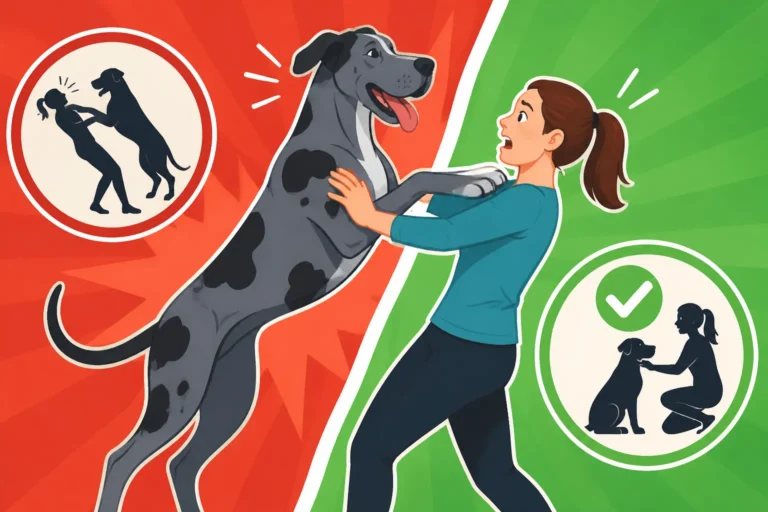
Oh, the joy and utter terror of a Great Dane greeting! We've all been there, standing firm, bracing ourselves, hoping that our beloved gentle giant remembers their manners this one time. It’s an incredibly common frustration, isn't it? That split second where your majestic Dane, with all the best intentions, launches their entire 150-plus pounds into your personal space, paws flailing, eager to say hello. It can be startling, painful, and honestly, a little embarrassing when it happens to guests or, heaven forbid, grandma. This comprehensive guide is here to walk you through understanding why your Great Dane jumps, the very real risks involved, and most importantly, how to implement consistent, effective strategies to teach them a much calmer, safer way to greet the world.
Understanding Why Your Great Dane Jumps
It’s easy to get frustrated when a massive dog jumps on you, but it’s crucial to remember that your Great Dane isn't doing it out of malice or disrespect. In their mind, they're probably just trying to say "hello" in the most enthusiastic way they know how. Understanding the root cause of the behavior is the first step toward changing it.
The Innocent Origins of Jumping Behavior
Think back to when your Great Dane was a tiny puppy, a clumsy little bundle of paws and ears. What did they do to get attention from their littermates or their mother? They’d often paw at them, maybe try to lick their face, or jostle for position. When they came into your home, this instinct persisted. A tiny puppy jumping up might seem endearing; they’re trying to reach your face, to get closer, to interact on your level. We often inadvertently reinforce this early on. A small pup jumps, we pick them up, give them a cuddle, or maybe just laugh. To the puppy, this is a huge win! They jumped, and they got exactly what they wanted: your undivided attention.
The problem, of course, is that a Great Dane doesn't stay tiny for long. What was cute and manageable at ten pounds becomes a significant, potentially dangerous issue at 80, 120, or even 170 pounds. Their intent remains the same – to greet, to connect, to express joy – but the delivery system has become, shall we say, a bit more impactful. They’re still just trying to "reach your face," but now their chest is at yours, and their paws are making contact with your shoulders. They haven’t grasped that their size makes this action entirely different from their puppyhood antics.
When Jumping Becomes a Learned Behavior
Behavior that is rewarded tends to be repeated, and this holds true for your Great Dane's jumping. Every time your Dane jumps up and gets any form of desired attention, the behavior is reinforced. It doesn't even have to be positive attention. If your Dane jumps and you yell "Off!" or push them away, they're still getting a reaction from you – eye contact, vocalization, physical touch. In their mind, even negative attention is often better than no attention at all. This creates a powerful cycle: "I want something (attention, a pet, a treat, to go outside), I jump, I get a response. Mission accomplished!"
Consider the varying responses a jumping Great Dane might encounter. One person might gently push them down, another might try to ignore them, and a third might absent-mindedly give a quick pat on the head while telling them to stop. Each of these reactions, even the seemingly mild ones, can inadvertently tell your Dane that jumping is an effective way to get what they want. They learn that the action of jumping often leads to interaction, making it a highly successful strategy in their daily life. Over time, this becomes deeply ingrained, and your Great Dane may begin to jump not just for greetings, but also when they're excited, impatient, or simply seeking any form of engagement.
The Accidental Reinforcement Trap
This is where many well-meaning owners get stuck. You're trying to train your Great Dane, but external factors or even your own unconscious habits might be sabotaging your efforts. Imagine a scenario: you've been diligently working on "four on the floor" greetings, and your Dane is making progress. Then a friend visits, finds your Great Dane’s enthusiastic jump "cute," and laughs, petting them while they’re still airborne. In that single moment, all your hard work can be undermined, as your Dane receives a massive reinforcement for the exact behavior you're trying to stop. It’s incredibly frustrating because you can’t control everyone’s behavior around your dog.
Another common trap is the "extinction burst." When you start consistently ignoring or redirecting jumping, your Great Dane might actually escalate the behavior temporarily. They'll try harder, jump higher, or be more persistent because their usual method of getting attention isn't working. This is a critical point where many owners give up, thinking the training isn't working, when in fact, it means the dog is realizing their old strategy is failing. If you give in during an extinction burst, you accidentally teach your Dane that if they just try harder, the jumping will eventually work. It's a tough phase, but pushing through it with unwavering consistency is key. Think about your family members too – are they all on board? Even one person giving in to the jumping can confuse your Dane and slow progress.
The Real Dangers of a Jumping Great Dane
While a Great Dane's jumping might stem from a place of affection, the reality is that it carries significant risks, not just for the people around them but for the dog themselves. It's not just about inconvenience; it's about safety and long-term well-being.
Physical Risks to Humans
Let’s be brutally honest: a Great Dane is a lot of dog. We’re talking about an animal that can easily outweigh an adult human. When a 150-pound (or more!) dog launches itself at someone, even playfully, the potential for serious injury is immense. Imagine an elderly relative, a small child, or even just someone a bit unsteady on their feet. A sudden impact from a Great Dane can easily lead to a fall, resulting in broken bones, sprains, concussions, or even more severe head injuries. Their large, powerful paws can scratch skin, bruise bodies, and tear clothing. I’ve heard countless stories of people getting knocked flat, or having glasses knocked off, or even ending up with a bloody nose, all from an overly enthusiastic "hello."
Beyond the direct impact, there are secondary risks. If someone falls backwards, they could hit their head on furniture, trip down stairs, or injure themselves trying to brace for impact. For young children, a Great Dane jumping up can be truly terrifying, leading to a lifelong fear of dogs, even if your Dane is otherwise gentle. And let’s not forget the simple nuisance of muddy paw prints on clean clothes or the potential for someone to be genuinely afraid of your dog, regardless of its temperament, simply due to its size and an uncontrolled greeting.
Risks to Your Great Dane's Health
It’s easy to focus on the human impact, but constant jumping can also be detrimental to your Great Dane's health, particularly their joints. Great Danes are a giant breed, known for their rapid growth. Their bones and joints mature over a longer period than smaller dogs, making them susceptible to growth-related orthopedic issues. Great Dane Hips, Elbows and Growing Joints are complex structures that need careful development. Repeatedly launching themselves into the air and landing with impact puts immense stress on these developing joints, increasing the risk of conditions like hip and elbow dysplasia, as well as general wear and tear that can lead to early onset arthritis.
Furthermore, a sudden, uncontrolled jump can lead to accidental injuries for your Dane. They could land awkwardly, twist a leg, pull a muscle, or even injure their spine, especially given their long, somewhat delicate build. A fall could result in a fracture, which for a dog of their size, can be a complicated and expensive recovery. We want our Danes to live long, healthy lives, and minimizing unnecessary strain on their bodies, especially during their crucial growth phases, is vital.
Social and Reputational Consequences
The "gentle giant" reputation that Great Danes often carry is a double-edged sword. When a Dane exhibits uncontrolled jumping, it quickly undermines this image. People who might otherwise adore dogs, or even specifically Great Danes, become wary, fearful, or even outright avoidant. You might find friends or family members making excuses not to visit, or asking you to crate your dog the entire time they are there, simply because they're afraid of being bowled over. This can lead to embarrassment for you and social isolation for your dog.
Beyond your immediate circle, the perception of your Great Dane in public can shift dramatically. A well-behaved Great Dane is an ambassador for the breed, admired and welcomed. A jumping Great Dane, however, creates a negative impression, fueling stereotypes about large dogs being uncontrollable or dangerous. This can impact your ability to take your dog to public places, find dog-friendly housing—Renters Insurance and Great Dane Weight Limits can sometimes be tricky for giant breeds—or even get quality care from pet sitters or boarders who might be intimidated. Ultimately, teaching your Dane not to jump isn't just about good manners; it's about ensuring their social acceptance and your peace of mind as a responsible owner.
Laying the Foundation: Early Training and Management
Stopping a Great Dane from jumping isn't a quick fix; it's a marathon, not a sprint, and it begins with a strong foundation built on early training and smart management. The earlier you start, the easier it will be to shape positive behaviors before the unwanted ones become deeply ingrained.
Starting Early: Puppy Foundations
The absolute best time to address jumping is when your Great Dane is still a manageable puppy. What might seem like a harmless, cute habit in a 20-pound pup will become a serious problem in a 120-pound adolescent. This is why it’s critical to start training before the problem becomes dangerous. Why Waiting Until a Great Dane Is Grown Is Too Late is a mistake many new owners make, assuming they can deal with it later. By "later," your Dane will have learned that jumping works, and unlearning a habit from a giant dog is much harder than teaching the correct one from the start.
Focus on fundamental obedience cues like "Sit," "Stay," "Down," and "Leave It." These aren't just tricks; they are essential commands that provide alternative, polite behaviors to jumping. If your puppy automatically sits when someone approaches, they can't jump. Make these commands fun and rewarding with high-value treats and praise. Moreover, early and proper socialization is vital. Socializing a Great Dane Puppy Early helps them learn how to greet people and other dogs appropriately, without resorting to overly physical displays of excitement. Expose them to a variety of calm people in different environments, always rewarding polite, four-on-the-floor greetings.
Managing the Environment for Success
While you’re actively training, environmental management is your secret weapon. It’s about setting your Great Dane up for success by preventing opportunities for them to practice the unwanted behavior. If they can’t jump, they can’t be rewarded for jumping. For example, when guests arrive, instead of letting your Dane barrel to the door, have them on a leash with you, or behind a baby gate. This gives you control over the initial, high-excitement greeting. You can calmly guide them into a sit or down position, rewarding them for maintaining all four paws on the floor.
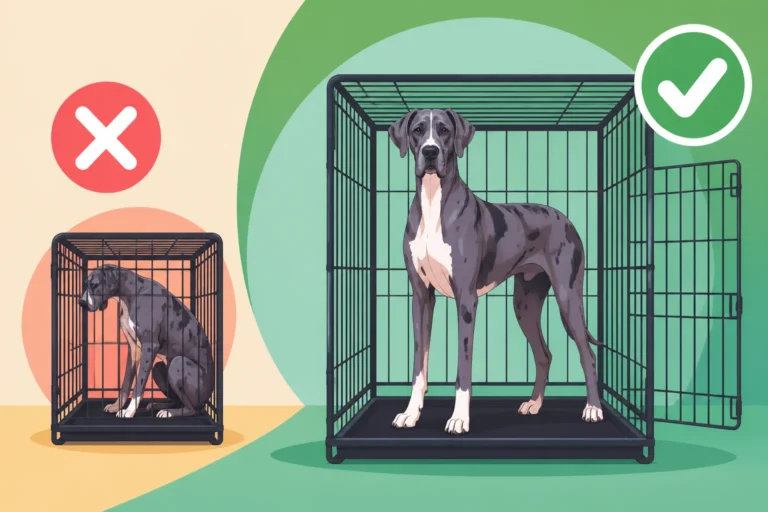
Utilize tools like baby gates or crates to create controlled environments. Crates and Gates Sized for a Great Dane are not just for house-training; they are invaluable for managing a giant breed’s interactions, especially during times of high stimulation. You might have a "place" command for your Dane to go to their bed when the doorbell rings, only releasing them once they are calm. Similarly, proactive management means keeping tempting items off counters (to prevent counter-surfing, which is a related jumping behavior – A Great Dane That Takes Dinner Off the Table) and ensuring their environment is structured to encourage desired behaviors. This proactive approach reduces the chances of your Dane practicing jumping and therefore reduces the chances of it being accidentally reinforced.
Essential Cues for Preventing Jumping
To effectively combat jumping, your Great Dane needs to understand specific alternative behaviors. The most critical cue is "Sit." If your Dane is sitting, they cannot simultaneously jump. Teach "Sit" until it's an automatic response, especially when people approach or when they get excited. Practice it hundreds of times a day in various situations.
Beyond "Sit," focus on what I call the "Four on the Floor" principle. This isn't a specific command but a rule: all four paws must be on the ground for them to receive any attention. This can be taught with the "Off" command, which specifically means to remove paws from a person or surface. Lure them off with a treat, say "Off," and then immediately reward with praise and the treat once all four paws are down. You can also work on "Watch Me" or "Look" to redirect their focus away from the exciting person and onto you, giving you a chance to then ask for a sit or a polite stand. Consistently rewarding calm, polite greetings – even if it’s just a wagging tail with all paws planted – will build a powerful foundation for respectful interactions.
Practical Strategies to Stop Jumping Up
Once you've laid the groundwork with basic obedience and environmental management, it's time to implement practical, consistent strategies to actively deter jumping and encourage polite greetings. This requires clear communication with your Great Dane and unwavering commitment from everyone in the household.
The "No Paws On!" Protocol
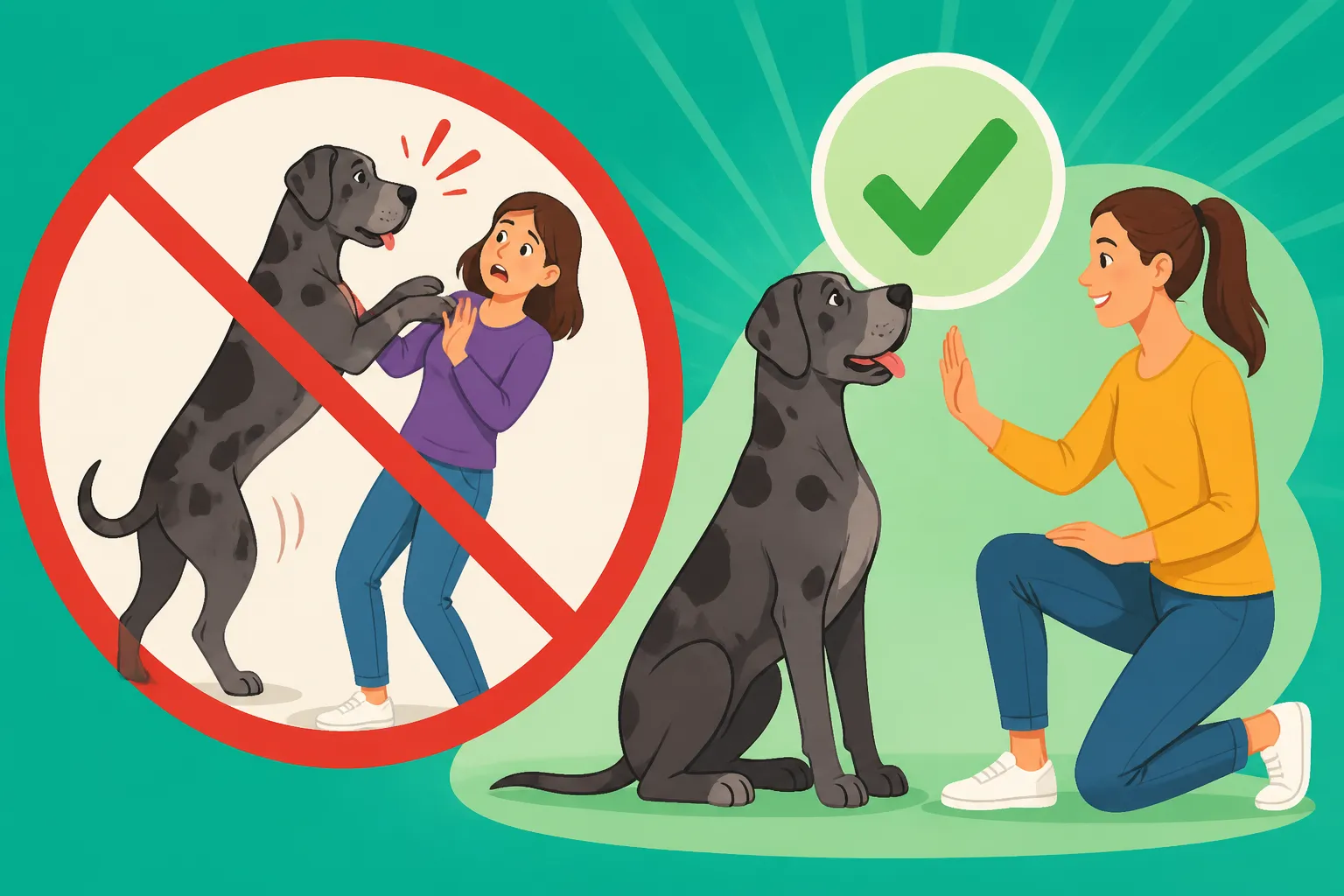
This is perhaps the most fundamental strategy for stopping jumping. The core idea is simple: any time your Great Dane's paws leave the floor to engage with a person, all attention is immediately withdrawn. This means no eye contact, no talking, no pushing, no touching. You become a "tree" – still, silent, and boring.
Here’s how it works:
- Anticipate the jump: Watch for signs of excitement, like leaning forward, tensing, or starting to lift a paw.
- Turn your back: The moment your Dane starts to jump or puts paws on you, immediately turn your back, cross your arms over your chest, and look away. Do not say a word, do not push them, do not make eye contact. You are effectively making yourself unavailable for interaction.
- Wait for "four on the floor": Remain turned away until all four of your Great Dane's paws are firmly on the ground. This might take a few seconds, or it might take longer if they're particularly persistent.
- Reward calmness: The instant all four paws are down, turn back, praise them calmly ("Good four on the floor!"), and offer a treat or a gentle pet below the chin, not on the head where it might encourage another jump.
- Repeat, repeat, repeat: This must be done every single time they jump, by every single person they interact with. Inconsistency will only confuse your Dane.
This protocol works by removing the reward (attention) for the unwanted behavior. Your Great Dane quickly learns that jumping achieves nothing, but keeping all four paws on the floor earns them praise and treats.
Teaching an Alternative Greeting
Instead of just telling your Great Dane what not to do, it's far more effective to teach them what to do instead. The most common and successful alternative greeting is a polite "Sit."
To teach this:
- Set up the scenario: Have someone (a family member first, then a calm friend) approach your Dane. Keep your Dane on a leash initially for control if needed.
- Lure the Sit: As the person approaches and your Dane starts to get excited, quickly use a treat to lure your Dane into a sit position. Hold the treat above their head, moving it back over their nose until their rear end hits the floor.
- Reward the Sit: The instant their bottom touches the floor, say "Yes!" or "Good Sit!" and give them the treat. Have the approaching person then give calm praise and a gentle pet while the dog is still sitting.
- Gradual engagement: Initially, the person might just walk past. Then they might stop and pet. Gradually increase the interaction, always ensuring your Dane maintains the sit. If they break the sit to jump, immediately revert to the "No Paws On!" protocol from the previous section.
- Use a consistent phrase: Encourage all family members and close friends to use a phrase like "Say hello nicely!" or "Greet politely!" when asking your Dane to sit for a greeting. This helps solidify the connection.
Practicing this repeatedly will make sitting the default greeting behavior, transforming an unruly leap into a graceful, polite interaction.
Handling Excitement and Over-Stimulation
Great Danes are emotional creatures, and often, jumping is a direct result of overwhelming excitement. The doorbell ringing, someone new walking in, or even you just picking up their leash can trigger an uncontrollable burst of energy. Learning to manage this over-stimulation is crucial.
- Identify Triggers: Pay attention to what sets your Dane off. Is it the sound of a car door, the sight of a new person, or the squeak of a favorite toy?
- Proactive Intervention: Before a trigger happens, put your management plan into action. If the doorbell usually sends your Dane into a frenzy, put them on a leash before the visitor arrives, or have them practice their "place" command in a designated spot.
- Desensitization and Counter-Conditioning: If your Dane gets over-excited by the doorbell, practice fake doorbell rings. Ring it, then immediately reward your Dane for not reacting wildly (even if they just look at you instead of jumping). Gradually increase the duration between the ring and the reward, eventually asking for a sit. This teaches them that the doorbell sound predicts a reward for calm behavior, not a reason to jump.
- Redirect Energy: For a dog that's bursting with energy, a quick game of fetch before a greeting might take the edge off their excitement. Providing appropriate outlets for their energy can make them more receptive to calm behavior.
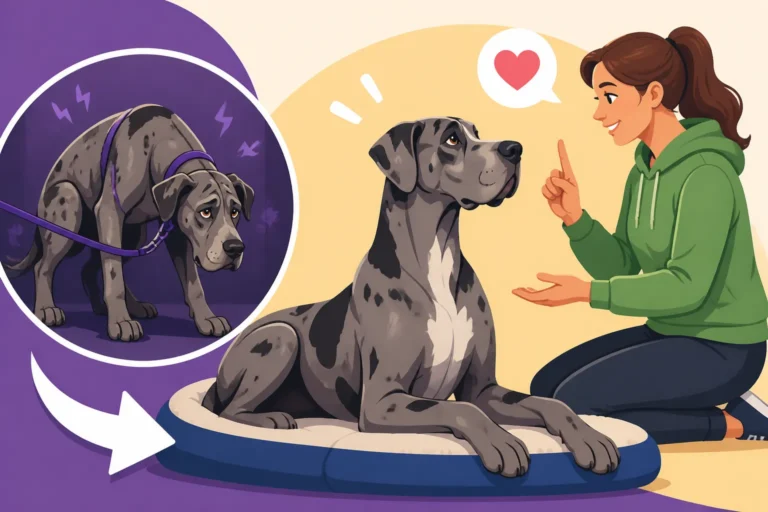
- Teach a "Settle" or "Relax" command: This involves rewarding your Dane for lying down calmly on their bed or mat, even amidst distractions. Games That Fit Inside a Room With a Great Dane can help teach this in a fun way, building their ability to relax on cue. When guests arrive, you can direct your Dane to their "settle" spot, giving them a high-value chew toy or stuffed Kong to keep them occupied and calm while the initial hubbub dies down.
Dealing with Specific Jumping Scenarios
Jumping doesn’t just happen in one uniform way. Your Great Dane might behave differently with family, strangers, or in various environments. Addressing these specific scenarios requires tailored approaches and consistent application of your training principles.
Guests at the Door
The front door is often ground zero for jumping incidents. The arrival of guests is a high-excitement event, and your Great Dane might feel compelled to join the welcoming committee with full force.
- Pre-plan your greeting strategy: Before anyone even knocks, decide exactly what you want your Great Dane to do. Will they be crated in another room? Will they be on a leash next to you, practicing "sit" or "down"? Or will they go to their "place" bed?
- Management is key: If your Dane struggles with door greetings, a baby gate across the entryway or placing them in their crate (with a high-value chew) until guests are settled can prevent the jumping entirely. Once the initial excitement has passed, you can then calmly bring your Dane out, on a leash, for a controlled greeting.
- Educate your guests: This is crucial! Politely ask your guests, before they interact with your dog, to ignore your Great Dane if they jump. Explain that you are working on training and that they should only acknowledge your dog when all four paws are on the floor. Ask them to turn their backs or fold their arms if the dog jumps, and only engage when the dog is sitting calmly. Most people are happy to help once they understand.
- Practice controlled release: Once your Dane is calm (four paws on the floor, sitting, or lying down) and your guests are settled, you can release them for a polite interaction. Continue to reinforce good manners with treats and praise, and have your guests do the same. If your Dane gets too excited and jumps, a quick "oops!" and a retreat to their crate or behind the gate can reset the situation.
Meeting People on Walks
Public walks present a whole new set of challenges. People are often drawn to Great Danes, wanting to pet them, and this can be a huge trigger for jumping. A Great Dane on a leash that lunges and jumps can easily pull you off your feet, a dangerous situation for both of you. A Great Dane That Pulls You Off Your Feet highlights just how powerful they are.
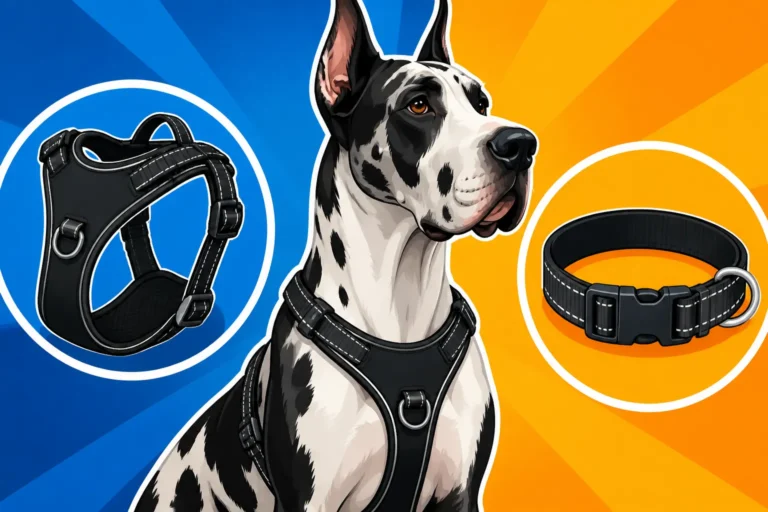
- Maintain control with proper equipment: Ensure you are using a sturdy leash and a front-clip harness. Harnesses and Collars That Control a Great Dane offer better leverage and discourage pulling, making it easier to manage a sudden lunge. Avoid retractable leashes, which offer no real control over a giant dog.
- Scan your environment: Be proactive. When you see someone approaching, before your Dane gets overly excited, ask for a "Sit" or "Heel" command. Reward generously for compliance.
- Advocate for your dog: If someone approaches asking to pet your Dane, kindly explain, "We're working on polite greetings. Could you please wait until he's sitting calmly?" If they still approach while your dog is jumping, turn your back to them and guide your dog away. It's your responsibility to set your dog up for success and protect others.
- Practice "watch me" and "leave it": Use these cues to redirect your Dane's attention to you when people pass. Reward heavily when they focus on you instead of the distraction. This is excellent for building impulse control.
Jumping on Family Members
It’s tempting to let your Great Dane get away with jumping on family members, especially if it’s "just a happy morning greeting" or "they just missed me." However, inconsistency is the biggest enemy of good training. If your Dane learns they can jump on Mom but not Aunt Carol, they will be confused and training will stall.
- Universal consistency: Every single person in the household must adhere to the "No Paws On!" protocol and the expectation of an alternative greeting (like a sit). This includes children. Teaching Children to Move Around a Great Dane is crucial for their safety and for maintaining training consistency.
- Address common triggers: Morning greetings, coming home from work or school, and even just walking into a room after being separate for a few minutes can be triggers. Anticipate these moments and proactively ask for a sit before the jump happens.
- Practice calm greetings: Instead of letting your Dane bowl you over when you walk in, stop at the door, wait for them to calm down, and only enter once they are sitting or standing politely. If they jump, step back outside, wait, and try again. This teaches them that calm behavior is the only way to get you to come in.
- Make "attention" contingent on politeness: If your Dane nudges you for attention and then jumps, ignore it. Wait for them to sit, then immediately give them the attention they craved. This teaches them that politeness is the key to getting what they want.
By applying these strategies consistently across all situations and involving everyone in your Dane's life, you can significantly reduce, and eventually eliminate, unwanted jumping behavior.
Tools and Aids to Assist Your Training
While training a Great Dane relies heavily on your consistency and understanding of behavior, there are some invaluable tools and aids that can make the process smoother, safer, and more effective. Think of them as helping hands in your journey toward a well-mannered giant.
Harnesses and Leashes for Control
For a Great Dane, a standard flat collar often isn't enough to provide adequate control, especially when they're excited and attempting to jump or pull. Their sheer size and strength mean you need equipment that gives you leverage without causing them discomfort or harm.
- Front-Clip Harnesses: These are a game-changer for many Great Dane owners. Unlike back-clip harnesses that can encourage pulling, a front-clip harness redirects your dog's momentum back towards you when they pull or lunge. This makes it much harder for them to get the leverage needed for a strong jump and easier for you to guide them. Brands available on platforms like Amazon offer a wide range of sizes that can accommodate even the largest Great Dane chests. Look for durable, padded options that won't chafe. Harnesses and Collars That Control a Great Dane delves into this further, emphasizing the importance of a good fit.
- Sturdy Leashes: A strong, comfortable leash is essential. Opt for a 6-foot, fixed-length leash made of durable nylon or leather. Avoid retractable leashes at all costs; they provide no control, can snap, and can cause serious rope burns or other injuries if your Dane suddenly lunges or jumps. A good leash allows you to safely manage your dog's movements and reinforce polite behavior during greetings or when passing distractions.
Gates and Containment Solutions
When you're trying to prevent jumping, sometimes the best strategy is to control the environment itself. Gates and appropriate containment can prevent your Great Dane from even having the opportunity to practice jumping, especially during high-excitement periods.
- Baby Gates: These aren't just for human babies! Extra-tall, sturdy baby gates are fantastic for Great Danes. Baby Gates a Great Dane Cannot Step Over are crucial. They can be used to block off entryways, create a "cool-down" zone for your Dane when guests arrive, or simply manage their access to certain parts of the house where jumping might be more tempting (like the kitchen, if they jump for food). They allow your Dane to still be part of the household but in a managed, non-jumping capacity.
- Crates: A crate, when used properly, is not a punishment but a safe, den-like space for your Great Dane. For managing jumping, it's invaluable. Before guests arrive, you can calmly direct your Dane to their crate with a high-value chew toy or stuffed Kong. This allows them to settle and remain calm, away from the over-stimulating initial greetings. Once guests are settled, you can then bring your Dane out, on a leash, for a controlled, polite interaction. Just make sure you choose a crate large enough for them to stand, turn around, and lie down comfortably. Choosing a Crate a Great Dane Can Stand In emphasizes the importance of proper sizing for a giant breed.
The Role of Training Programs and Professionals
You don't have to tackle this challenge alone. Sometimes, an outside perspective and expert guidance can make all the difference, especially with a breed as imposing as a Great Dane.
- Professional Dog Trainers: If you're struggling, or if your Dane's jumping is becoming dangerous, don't hesitate to seek help from a certified professional dog trainer. Look for trainers who use positive reinforcement methods and have experience with giant breeds. A good trainer can observe your interactions, identify subtle triggers you might be missing, and provide personalized strategies. They can also help you learn the mechanics of handling a large dog effectively. Finding a Trainer Comfortable With a Great Dane is key, as not all trainers are equipped for the unique challenges of a Dane.
- Online Training Programs: For those who prefer a self-paced approach or don't have access to local giant-breed trainers, online platforms can be incredibly helpful. Programs like those offered by BAXTER & Bella provide structured curricula, video tutorials, and often access to online communities or virtual coaching. These resources can guide you through each step of training, from basic obedience to more complex behavioral modifications, all from the comfort of your home. They can be a fantastic way to gain confidence and skills at your own pace.
By combining your consistent efforts with the right tools and, when necessary, professional guidance, you can effectively manage and stop your Great Dane's jumping behavior, paving the way for a more harmonious life together.
Patience, Consistency, and the Long Game
Training a Great Dane, especially when it comes to ingrained behaviors like jumping, isn’t about quick fixes or overnight transformations. It's a journey that demands immense patience, unwavering consistency, and a realistic understanding that you're playing the long game. But trust me, the reward of a well-mannered, polite giant companion is absolutely worth every single effort.
Why Great Dane Training Takes Time
First off, let’s acknowledge the elephant in the room – your Great Dane is big. Physically redirecting a 150-pound dog is a different ballgame than training a terrier. They have incredible strength and momentum, which means any old habits, especially those that involve using their body, take a lot of concerted effort to re-pattern. This isn't a reflection on your training skills; it's simply the reality of working with such a powerful animal.
Furthermore, Great Danes mature slower than smaller breeds. While they may reach their full height around 12-18 months, they often don’t fully “fill out” or mature mentally until 2 or even 3 years old. This means you'll likely go through an adolescent phase where they might "forget" some of their manners, test boundaries, and experience what feels like a regression in training. The Age a Great Dane Stops Listening is a common frustration during these adolescent months. This isn't defiance; it's normal canine development, and it means you need to be prepared to reinforce your training consistently, sometimes even "re-train" behaviors during these periods. Habits, especially those that have been inadvertently rewarded (even with just attention), are deeply ingrained and take time, repetition, and a complete change in association to break.
Family Consistency Is Key
I cannot stress this enough: consistency among all family members is the absolute cornerstone of successful Great Dane training. If you are diligently applying the "No Paws On!" protocol and teaching alternative greetings, but your partner or children occasionally allow your Dane to jump on them (even "just this once"), your efforts will be undermined. Your Great Dane doesn't understand nuanced rules like "I can jump on Dad when he's in his comfy clothes, but not when he's wearing his work uniform." They simply learn that jumping sometimes works, which encourages them to keep trying.
Imagine trying to teach a child not to run into the street, but one parent sometimes lets them. The child will be confused and safety will be compromised. The same principle applies here. Hold a family meeting. Ensure everyone understands the rules, the chosen alternative behaviors (like "Sit" for greetings), and the exact response to unwanted jumping. This includes instructing guests as well. One slip-up, one excited squeal, or one unintended pat while your Dane is jumping can set your training back significantly. It might feel like you're being strict or even a little robotic at first, but this unified front provides clarity for your Great Dane and speeds up the learning process.
Celebrating Small Victories and Staying Motivated
There will be days when you feel like you've made zero progress. Your Dane will jump, you'll feel frustrated, and you might wonder if it's even possible. On those days, it's vital to step back and celebrate the small victories. Did your Great Dane hesitate for a second before jumping? That's progress! Did they offer a sit on their own, even for just one guest? That's a huge win! Focus on improvement, not perfection.
Keep a training journal if it helps, noting down improvements, no matter how tiny. This visual record can be a powerful motivator during tough times. Remember why you're doing this: for the safety of others, for your peace of mind, and for your Great Dane to be a well-adjusted, welcomed member of society. The alternative — a giant dog that can't be trusted around visitors or in public — is not one you want. The transformation of an unruly jumper into a calm, polite greeter is incredibly rewarding. Your Great Dane will thrive with clear boundaries, and you'll gain immense confidence as their owner. So take a deep breath, keep those treats handy, and stay committed. Your gentle giant will thank you for it.
| Behavior | Human Response (When Jumping Occurs) | Desired Alternative Behavior | Human Response (When Desired Behavior Occurs) |
|---|---|---|---|
| Unwanted Jumping | Turn back, cross arms, no eye contact, no speaking, do not touch/push. Become a "tree." | Four Paws on the Floor (Sit/Stand Calmly) | Calm praise ("Good!"), high-value treat, gentle pet below chin. |
| Excited Lunging | Stop walking, turn away, wait for leash slack. | Loose-leash walking, "Heel," "Watch Me" | Continue walking, praise, occasional treat at your side. |
| Greeting Guests | Ignore dog completely if jumping; guests are instructed to do the same. | Sit or Down in designated "place" or beside owner | Verbal praise, treat, calm pets from guests when settled. |
Disclaimer
This article is for general informational purposes only and does not constitute professional advice. Laws, prices and regulations vary by location and change over time. Consult a qualified professional for guidance on your specific situation.