Great Danes With Children and Small Dogs
Bringing a massive Great Dane into a home already bustling with tiny humans or smaller furry companions can feel like introducing a playful elephant into a china shop. The truth is, while Great Danes are often celebrated as "gentle giants," their sheer size and boundless enthusiasm can pose unique challenges, creating anxieties about accidental bumps, knocks, or even serious injuries to the more vulnerable members of your household. This guide aims to thoroughly explore how to foster harmonious relationships between your magnificent Dane, your children, and your smaller pets, focusing on practical strategies for training, supervision, and environmental management to ensure everyone's safety and peace of mind.
Understanding the "Gentle Giant" Stereotype: Reality Check for Great Dane Owners
Ah, the "gentle giant" moniker. It's plastered on just about every Great Dane profile out there, and for good reason—most Danes are incredibly sweet-natured, affectionate, and surprisingly calm indoors. But let's be realistic: a dog that can stand taller than many adults on its hind legs, and weighs as much as a fully grown human, operates on a completely different scale than your average family pet. While their intentions are almost always pure, their physical presence alone demands careful consideration, especially when it comes to the littlest members of your household.
The Myth vs. Reality of Great Dane Temperament
The myth paints a picture of a perpetually serene, slow-moving creature that instinctively knows how to navigate around delicate beings. The reality is that a Great Dane is still a dog, prone to moments of puppy-like exuberance, bursts of energy, and an occasional lack of spatial awareness. Picture this: your 150-pound Great Dane, startled by the doorbell, bounds across the living room with the enthusiasm of a puppy, tail wagging like a metronome gone wild. In its path might be a toddler taking their first shaky steps or a tiny Chihuahua enjoying a nap. Even the most "gentle" Dane can inadvertently cause chaos or injury through sheer mass and happy-go-lucky movement.
This isn't to say your Dane isn't gentle; it's to underscore that "gentle" needs to be actively nurtured and managed, not passively expected. They possess an immense capacity for love and patience, but these traits must be reinforced through consistent training and careful supervision. Just like any large breed, a Great Dane needs to learn boundaries and appropriate behaviors, particularly around those who are much smaller and more fragile. Expecting them to naturally understand the delicate nature of a small child or a petite companion animal without guidance is setting everyone up for potential trouble.
Why Size Alone Isn't a Guarantee of Safety
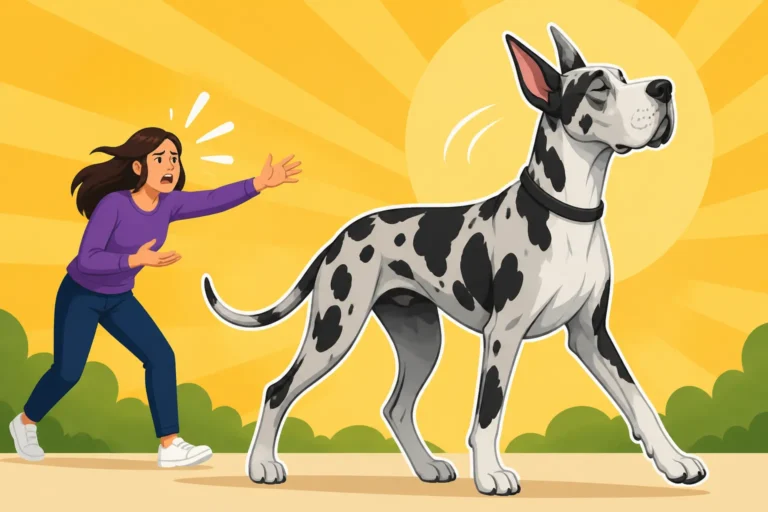
Their impressive size, ironically, can sometimes be a double-edged sword. While it might deter potential intruders, it also means that any accidental interaction carries significant force. A playful nudge from a Great Dane can send a small child sprawling. A happy tail wag can clear an entire coffee table of drinks, or, more concerningly, smack a child in the face at eye level. This isn't malice; it's physics.
Think about everyday scenarios:
- The enthusiastic greeting: A Great Dane loves its people. When you come home, or a friend visits, their joy can manifest as jumping, leaning, or pawing. While endearing to an adult, imagine that same greeting directed at a child. Stopping a Great Dane Jumping Up on People is not just about manners; it's about safety.
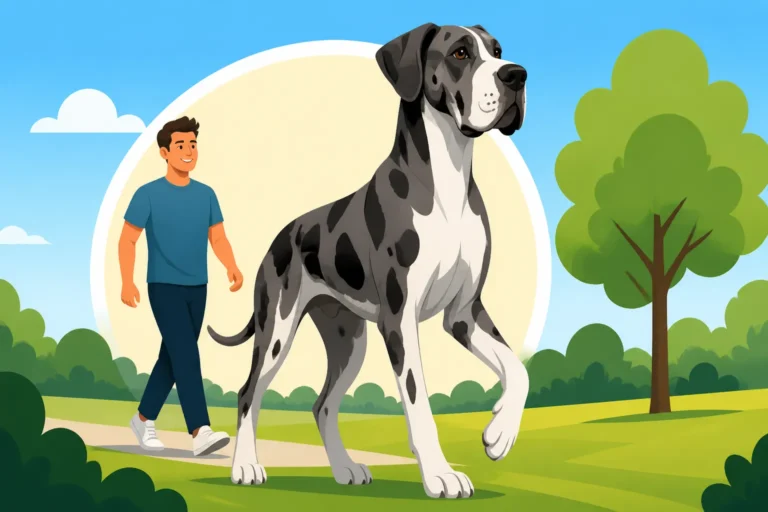
- The sudden stop: You're walking your Dane on a leash, and they spot a squirrel. A sudden lunge, even if corrected quickly, can be enough to pull a small child holding the leash off their feet, or drag a stroller. This highlights why Great Dane Leash Manners at a Hundred and Fifty Pounds are non-negotiable, particularly when children might be nearby.
- The curious sniff: A Great Dane might lean down to investigate a toy or a small pet on the floor. Without careful training, that curiosity could quickly become an accidental step or a clumsy head-butt. It's about teaching them spatial awareness and respect for personal space, especially for those who can't easily move out of the way.
It’s about proactive management. Your Great Dane isn't inherently dangerous, but their scale means every interaction, even innocent ones, needs to be considered and guided. This commitment to training and supervision is what truly makes them safe, not just their sweet disposition.
Great Danes and Children: A Special Bond, Special Considerations
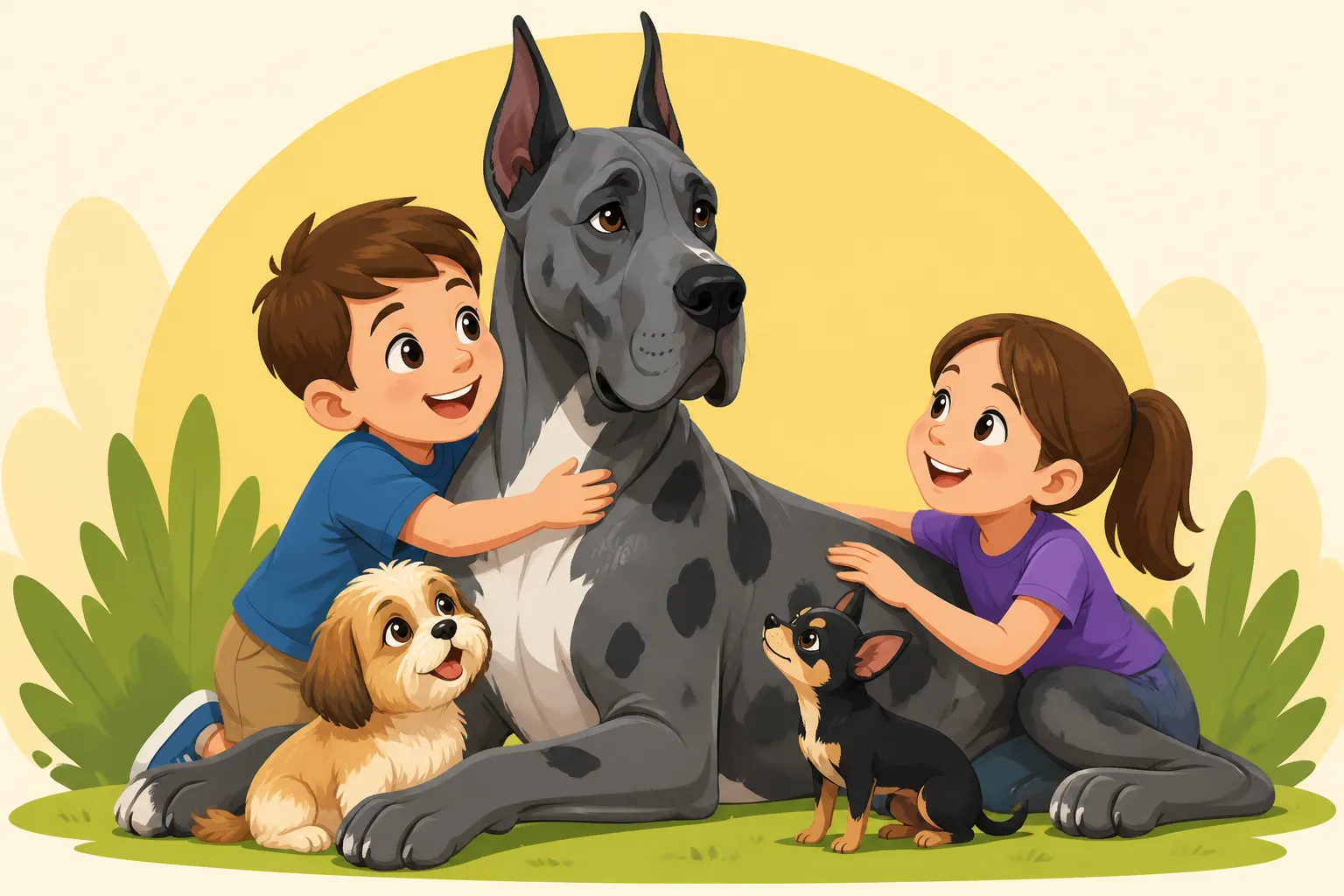
There's something truly magical about watching a Great Dane interact with children. Their patience, their gentle nudges, and their protective instincts can create a heartwarming bond. However, this bond thrives on mutual respect and understanding, carefully cultivated through proper introductions, ongoing training, and vigilant supervision. It's a journey that requires effort from both the dog and the human family members.
Preparing Your Great Dane for a Baby or Toddler
The arrival of a new baby or a rapidly growing toddler dramatically changes a household's dynamics. For your Great Dane, it means new smells, new sounds, new rules, and a tiny human who will eventually be crawling, grabbing, and making unpredictable movements. The key to success lies in preparation long before the baby arrives, or as soon as a toddler enters the picture.
Start by introducing baby-related sounds and smells early on. Play recordings of baby cries, coos, and squeals at low volumes, gradually increasing them. Let your Dane sniff baby lotions, powders, and blankets. If possible, set up baby furniture, like a crib or changing table, so your dog can get used to these new fixtures in their environment. The goal is to make these new experiences part of the normal household background, rather than sudden, startling changes.
It's also crucial to begin teaching new boundaries and manners well in advance. Practice "place" commands with a designated dog bed or mat, rewarding your Dane for calmly settling there while you simulate baby care activities. Work on The Manners a Great Dane Needs Before It Grows, focusing on not jumping up, polite greetings, and leaving dropped items alone. If your Dane has a habit of counter surfing, address this now, as a curious toddler might soon be leaving snacks within reach. Why a Great Dane Steals Food Off Counters needs to be managed for hygiene and safety. Consider enrolling in an online training program like those offered by BAXTER & Bella, which provide step-by-step guidance you can follow at your own pace from home, ideal for busy families preparing for a new arrival. This kind of program can really help solidify those crucial foundational behaviors.
Remember, your Dane is a part of the family, and changes will affect them. Try to maintain their routine as much as possible, including walks and playtime, even after the baby arrives. A well-exercised and mentally stimulated Dane is generally a calmer Dane.
Teaching Children How to Interact Respectfully with a Giant Dog
This is a two-way street. Just as your Great Dane needs to learn how to behave around children, children need to learn how to behave around a dog of this magnitude. It's about teaching respect, boundaries, and understanding dog body language from a very young age. This education is perhaps even more critical with a giant breed, where an innocent pull of an ear could escalate quickly due to the dog's sheer size, even if the dog has no intention to harm.
For toddlers and preschoolers, this means constant supervision and gentle guidance. Teach them "gentle hands" and "nice touches." Show them how to stroke the dog's back or side, avoiding sensitive areas like ears, tail, or face. Emphasize that the dog's bed is their safe space and they should not be disturbed while resting or eating. Never allow a child to ride the dog, pull its fur, or grab its tail, even if the Dane seems tolerant. What might be perceived as tolerance can quickly turn into irritation or a stress response for the dog.
As children grow older, educate them about reading dog body language. Teach them to recognize signs of stress in your Dane, such as yawning, lip-licking, turning away, or a stiff posture. Explain that if the dog walks away, it means they want space, and that space should be respected. Encourage children to ask for permission before approaching the dog and to always offer a hand for sniffing before petting. Role-playing these scenarios can be incredibly effective. Consider practicing "dog statue" where children freeze if the dog approaches them too quickly or seems overstimulated. This can prevent accidental knocks or startling the dog. Consistent reinforcement from parents about these rules is vital for building a safe and harmonious relationship. Teaching Children to Move Around a Great Dane is about preventing accidental bumps and fostering mutual respect.
Managing Accidental Injuries Due to Size and Enthusiasm
Despite the best training and intentions, accidents can happen, especially with a dog of such immense size. The key is to minimize the risk and be prepared. A Great Dane's wagging tail at full throttle can be like a whip, knocking over lamps, drinks, and even people. A sudden, enthusiastic lean or head turn can easily unbalance a small child.
One of the most common issues is accidental stepping. A Great Dane, especially when young and still figuring out its giant paws, can easily step on a child's foot or hand. This is rarely intentional aggression; it's usually poor spatial awareness or excitement. Teach your Dane "watch me" and "stay" commands to help them remain still in high-traffic areas or when a child is nearby. Always supervise interactions, keeping a physical barrier or leashed control if you cannot give your undivided attention.
For instances of accidental impact, such as a bump or a fall caused by your Dane, it’s important to react calmly. Check the child for injury immediately. Address the dog by calmly redirecting them or sending them to their "place" to settle. It's crucial not to create a negative association with the child, but rather to manage the dog's excited behavior. Consistent positive reinforcement for calm behavior around children is paramount. If you're concerned about a Great Dane's potential to step on a toddler or another small family member, remember that A Great Dane That Steps on a Toddler is usually an accident, not aggression, and can be prevented with diligent supervision and training. Always prioritize safety, knowing that even the most loving Dane can cause an inadvertent injury simply due to its magnificent stature.
Integrating a Great Dane with Small Dogs (and Other Pets)
Bringing a majestic Great Dane into a home with existing small dogs or other pets presents its own set of fascinating dynamics and potential challenges. The size difference alone can be intimidating, not just for the smaller animals, but sometimes for the Dane too! The goal is to create an environment where all residents feel safe, respected, and comfortable.
Introducing a Great Dane to Existing Small Dogs
The first impression is everything, so thoughtful introductions are crucial. Never simply unleash your giant Dane into a room with your tiny chihuahua and hope for the best. This can be overwhelming and terrifying for the smaller dog and potentially overstimulating for the Dane.
Start with controlled, leashed introductions in a neutral territory if possible, like a local park or a friend's fenced yard, before bringing them into the home. Keep both dogs on leashes, handled by separate, confident adults. Allow them to sniff each other from a distance, then gradually decrease the space as they show calm, positive body language. Look for relaxed tails, soft eyes, and loose body posture. Avoid any tense or aggressive interactions, immediately redirecting if either dog shows signs of fear, stiffness, or over-excitement. High-value treats can be used to create positive associations; for instance, when they see each other, offer a delicious treat.
Once they are calm and comfortable in neutral territory, move the introductions indoors, still with leashes. Allow supervised, short sessions, always ending on a positive note. Provide safe spaces for your smaller dog, like elevated beds or crates, where they can retreat if they feel overwhelmed. Ensure your Dane has their own space too, a large crate or bed where they can relax away from the hustle and bustle. Crates and Gates Sized for a Great Dane are excellent tools for managing initial introductions and ongoing household harmony. A Great Dane puppy's boundless energy can be particularly overwhelming for an older, smaller dog, so managing play is key.
Supervising Play Between a Great Dane and Smaller Canines
This is where the "gentle giant" truly needs to shine, and where human intervention is non-negotiable. While many Great Danes learn to play incredibly carefully with smaller dogs, the potential for accidental injury is always there. Whether a Great Dane Hurts a Small Dog by Accident is a very real concern. A misplaced paw during a wrestle, a too-enthusiastic bump, or an accidental bite could seriously injure a tiny companion.
Supervision is not just about being in the same room; it's about active monitoring. Look for signs of appropriate play: both dogs taking breaks, switching roles (one chases, then the other), and no signs of fear or aggression. If the play becomes too rough, or if the smaller dog shows signs of stress (tucked tail, trying to escape, yelping), intervene immediately. A calm, neutral interruption is usually best, such as calling them to different "place" mats or briefly separating them with a gate.
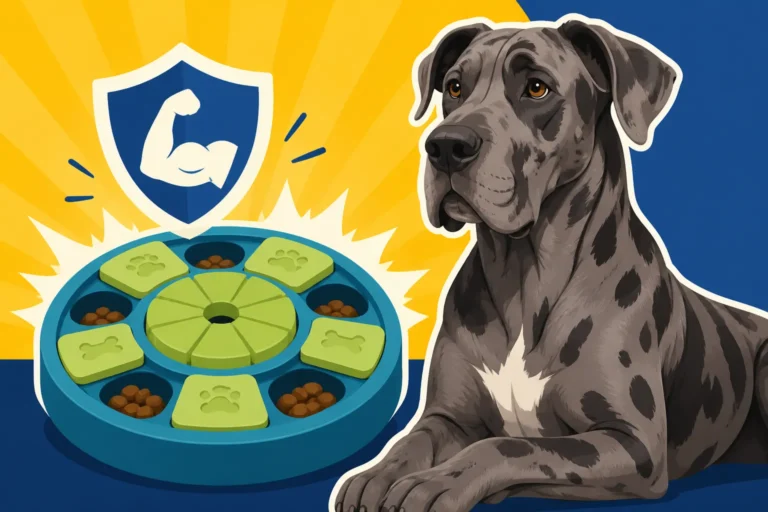
Puzzle toys or individual chew bones can also help redirect overly enthusiastic play into calmer, solo activities. For instance, giving your Great Dane a large, durable chew toy from a brand like KONG or Nylabone can provide mental and physical stimulation without involving the smaller dog. Providing safe spaces for the smaller dog is also critical. A cat tree, a baby gate separating parts of the house, or a doggy door to a secure, smaller area can give your little dog an escape route if they feel threatened or overwhelmed. This prevents them from feeling trapped and forced into interactions they don't want. The smaller dog should always have the option to disengage.
Considerations for Great Danes and Cats or Other Small Animals
Great Danes typically have a lower prey drive than many other breeds, which often makes them good candidates for living with cats and other small household pets like rabbits or guinea pigs. However, every dog is an individual, and some may have a stronger instinct to chase or "herd." The enormous size difference again means any chasing can quickly turn dangerous for the smaller animal.
Introductions to cats should be slow, controlled, and always supervised. Start with scent swapping, allowing them to smell each other's bedding. Then, move to visual introductions through a secure barrier, like a baby gate or crate. Reward calm behavior from both animals. Keep your Great Dane on a leash during initial face-to-face meetings, allowing the cat to approach on its own terms. Ensure the cat has clear escape routes (high shelves, cat trees) where the Dane cannot follow.
For smaller, caged pets like rabbits, guinea pigs, or even birds, the primary concern is the Dane's curiosity and potential for accidental harm. Never leave these animals unattended with your Great Dane, even if the Dane has shown no aggression. A playful paw swat at a cage or a curious sniff can startle a small animal, potentially causing them serious stress or injury if they try to escape. Secure cages are essential, placed out of reach or in a room inaccessible to the Dane. Remember, even if your Dane is a "gentle giant," a sudden playful swat could break a leg or cause severe fright in a small, delicate creature. It's better to be overly cautious than to regret an accident.
Training Essentials for a Multi-Species/Multi-Generational Household
Training isn't just a suggestion when you live with a Great Dane; it's a fundamental requirement, especially when children and smaller pets are part of the family. A well-trained Dane is a safe Dane, not just for themselves but for everyone around them. Their immense size means that even minor behavioral lapses can have significant consequences, making early and consistent training an absolute necessity.
Foundation Commands Critical for Safety
Basic obedience commands are the bedrock of a harmonious household. For a Great Dane, these aren't just parlor tricks; they are life skills that prevent accidents and ensure control.
- "Sit," "Stay," and "Down": These commands are vital for managing excitement. Imagine a Great Dane who loves to greet visitors by jumping. A solid "sit" or "down" command can keep all four paws on the floor, preventing accidental knocks to children or fearful reactions from small dogs. Practice these in various environments with increasing distractions.
- "Come" (Recall): A reliable recall is perhaps the most critical command, especially when your Dane is off-leash in a fenced area or needs to be quickly called away from an inappropriate interaction. If your Dane is barreling towards a child or a small pet too enthusiastically, a strong "come" can be a lifesaver.
- "Leave It": This command is invaluable. It teaches your Dane to ignore tempting items on the floor – be it a child's dropped toy, a piece of food that could be dangerous, or even a small pet trying to get away. It creates a pause, giving you time to intervene. Practice "leave it" with low-value items first, then gradually increase the value and distraction level. A strong "leave it" prevents a Great Dane from taking things off the counter, or from grabbing toys from children. Why a Great Dane Steals Food Off Counters can be addressed with this command, reinforced consistently.
- "Wait" and "Door Manners": A Great Dane barging through a doorway can easily knock over a child. Teaching "wait" at doors, before going outside, or before eating, reinforces impulse control. This is especially important for multi-dog households where smaller dogs might be slower to move.
Consistency is key. Everyone in the family, including older children, should use the same commands and reward system. Positive reinforcement methods, using high-value treats and praise, are generally most effective for Great Danes, who are sensitive souls.
Leash Manners and Impulse Control Around Smaller Beings
Walking a Great Dane is a serious endeavor. A 150-pound dog pulling on a leash can easily drag an adult, let alone a child. Great Dane Leash Manners at a Hundred and Fifty Pounds aren't just about comfort; they're about preventing dangerous situations. A Great Dane lunging at another dog, even a small one, or pulling towards a child on a bicycle can create a terrifying scenario.
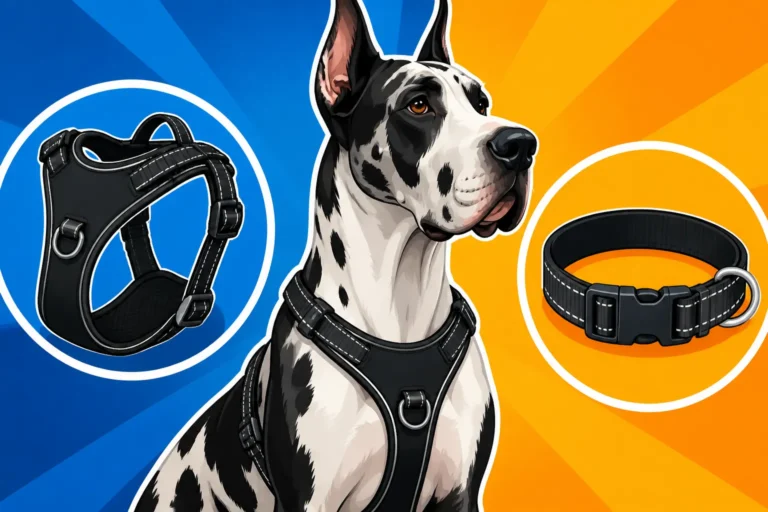
Invest in appropriate walking equipment that provides control without causing discomfort. Front-clip harnesses or head halters can be very effective for managing a pulling Dane, giving you more leverage. Avoid retractable leashes, which offer minimal control and can snap under sudden force. A sturdy, non-retractable leash of appropriate length (4-6 feet) is ideal.
Training loose-leash walking must start early and be reinforced constantly. Practice in quiet areas first, gradually introducing more distractions. Reward your Dane for walking calmly beside you, making eye contact, and ignoring environmental stimuli. When encountering children or smaller dogs on walks, maintain a loose leash, practice your "leave it" or "watch me" commands, and create distance if your Dane shows too much excitement or interest. It's about teaching them to remain calm and focused on you, rather than reacting to every passing stimulus. If you're struggling, consider professional training classes or an online course like those offered by BAXTER & Bella, which can guide you through the process of teaching polite leash walking and impulse control effectively.
Teaching "Place" and Boundary Training
"Place" training is a phenomenal tool for managing a Great Dane in a busy home. It teaches your dog to go to a designated spot (a bed, mat, or crate) and remain there until released. This is incredibly useful for situations where you need your Dane out of the way, calmly observing rather than participating:
- When children are playing with small toys on the floor.
- During meal times, preventing begging or accidental knocks.
- When guests arrive, preventing exuberant greetings.
- When small pets are free-roaming and you need to ensure separation.
Start by teaching your Dane to go to their "place" with a treat lure, gradually increasing the duration they stay there and the distance you are from them. Reward heavily for calm compliance.
Boundary training takes this a step further, teaching your Dane that certain areas are off-limits, or that they must stay behind an invisible line. This can be achieved with baby gates or by simply training them that they cannot enter the kitchen when you're cooking, or the children's play area without permission. Crates and Gates Sized for a Great Dane are excellent physical barriers for this purpose, especially in open-concept homes. Consistency and clear expectations are key. For instance, if you don't want your Dane in the kitchen, everyone must enforce that boundary every time, without exception. This provides predictability for your Dane and safety for everyone else. This careful management helps prevent incidents like a Great Dane inadvertently tripping a child in the kitchen or getting underfoot during a busy moment.
| Command | Purpose (Children) | Purpose (Small Dogs) | Training Tips |
|---|---|---|---|
| Sit/Down | Prevents jumping, polite greetings. | Encourages calm greetings, prevents over-excitement. | Practice in varied environments, use high-value treats. |
| Stay | Holds position, prevents accidental bumps. | Holds position, prevents chasing/over-arousal. | Gradually increase duration and distance, release with a clear cue. |
| Come | Emergency recall, prevents unwanted interactions. | Emergency recall, prevents unwanted interactions. | Make it fun, use a long line in safe areas, always reward. |
| Leave It | Prevents mouthing, taking toys/food from children. | Prevents chasing, snatching toys, eating small dog food. | Start with low-value items, gradually increase difficulty and distractions. |
| Place/Bed | Designated safe spot away from activity. | Designated safe spot, provides retreat for small dogs. | Lure to spot, reward for settling, extend duration, add distractions. |
| Wait | Door manners, prevents barging into space/people. | Door manners, prevents trampling small dogs. | Use at doors, before food bowls, during busy moments. |
| Gentle | Teaches soft mouth/paws around children/fragile items. | Teaches soft mouth/paws during play. | Reward gentle interactions, hand-feed treats softly, discourage rough play. |
Environmental Management and Safety Measures
Training your Great Dane is paramount, but it's only one piece of the puzzle. Just as important is creating a physical environment that is safe and conducive to harmonious living for every member of your multi-species, multi-generational household. This involves thoughtful planning, strategic setup, and continuous vigilance.
Creating Safe Spaces for Everyone
A well-managed home provides designated safe zones for all its inhabitants. For your Great Dane, this means a large, comfortable crate or a specific bed in a quiet corner where they can retreat and rest undisturbed. This "den" should be respected by children and other pets as the Dane's private space. A crate that's truly Crates and Gates Sized for a Great Dane is essential, giving them enough room to stand, turn around, and lie down comfortably.
For children, this might mean a gated-off play area where they can enjoy their toys without the risk of an accidental Great Dane stumble. Baby gates, tall and sturdy enough to deter a curious Dane, can be invaluable tools. These allow you to manage supervision without constantly having to hover. Think about setting up a "dog-free zone" for young children, especially during floor play.
Small dogs and cats also need their escape routes and safe havens. This could be a cat tree for felines, a doggy bed under a piece of furniture too low for the Dane to access, or even a room secured by a baby gate with a cat door (or a large enough gap for the small dog to slip through) that the Great Dane cannot enter. This allows smaller animals to feel secure and gives them the option to disengage from interactions when they choose. Remember, a Great Dane's sheer size can be intimidating, and giving smaller pets an undisputed sanctuary reduces stress for everyone.
Securing the Home Against Counter Surfing and Accidental Knocks
Great Danes are notoriously adept counter surfers. Their height means that what might be out of reach for a smaller dog is often eye-level for a Dane. Why a Great Dane Steals Food Off Counters becomes an even greater safety concern when considering children's snacks, medications, or small, easily swallowed toys.
The solution? Good old-fashioned tidiness and proactive management. Don't leave food, medications, or small choking hazards on counters or tables. Ever. What starts as a stolen cookie can quickly lead to a serious vet visit if they grab something toxic like chocolate or prescription pills. Develop a habit of immediately clearing surfaces after use. Use bins with secure, Great Dane-proof lids for trash and laundry, preventing them from rooting around.
Beyond counter surfing, consider the sheer force a Great Dane can exert. Lamps, unstable furniture, and even small children can be inadvertently knocked over by a swishing tail or a clumsy turn. Anchor tall bookshelves and dressers to walls. Choose sturdy, stable furniture. When children are around, remove any easily breakable or valuable items from low surfaces or within tail-wagging range. It’s about creating an environment where an accidental bump doesn't lead to a dangerous or costly outcome. Remember to teach your Great Dane not to lean on delicate items, and consider placing food and water bowls in a low-traffic area to prevent accidents.
Choosing Appropriate Toys and Play Styles
Not all dog toys are created equal, and this is especially true for a Great Dane, who can decimate lesser toys in minutes. For a household with small dogs and children, selecting the right toys and encouraging appropriate play styles is crucial.
For your Great Dane, invest in large, durable toys specifically designed for giant breeds and powerful chewers. Think heavy-duty rubber, large puzzle feeders, or robust ropes. Small, easily swallowed toys are a choking hazard for a Great Dane and can also be a source of conflict if a small dog tries to claim it. Avoid anything with small, detachable parts.
When it comes to play involving children or smaller pets, active supervision is essential. Tug-of-war might be fun, but a Great Dane's jaw strength is immense, and they could easily yank a child off their feet or accidentally injure a small dog. Fetch or hide-and-seek, where the Great Dane uses their size and speed in a less confrontational manner, might be more appropriate. Always ensure play is consensual for all parties; if a child or a smaller pet disengages, the play should stop.
For multi-dog play, consider toys that promote individual engagement rather than direct competition, or ensure separate playtimes. Giving each dog their own special chew or puzzle toy can reduce resource guarding tendencies. For instance, while your small dog chews on a dental stick, your Great Dane could be working on a treat-dispensing ball. This way, everyone gets their enrichment without direct conflict or accidental injury. Focus on calm, controlled interactions and reward cooperative play, stepping in to redirect or separate if play gets too rough or overstimulated.
Addressing Behavioral Challenges and When to Seek Help
Even with the best intentions and proactive management, behavioral challenges can arise. It's crucial for Great Dane owners to understand common issues, recognize the signs of trouble, and know when to seek professional help. Their size means that even minor behavioral quirks can become serious safety concerns if left unaddressed.
Recognizing Signs of Stress or Anxiety in Your Great Dane
Great Danes are sensitive dogs, and stress or anxiety can manifest in various ways, especially in a bustling household. Ignoring these signals can lead to escalation, potentially impacting their interactions with children and smaller pets.
Common signs of stress include:
- Body language: Lip-licking, yawning (when not tired), repetitive sniffing, turning away, cowering, tail tucked low or between legs, pinned ears, stiff posture, showing the whites of their eyes (whale eye).
- Behavioral changes: Increased panting, pacing, drooling (beyond normal Great Dane drool after drinking), trembling, destructive chewing, excessive barking, house soiling, clinginess, or sudden withdrawal.
- Subtle cues around children/pets: Repeatedly leaving the room when a child approaches, reluctance to engage in play, or growling/snapping (a serious warning sign that needs immediate intervention).
If you notice a consistent pattern of these behaviors, especially around children or other pets, it's a clear indication that your Dane is struggling. Perhaps the children's play is too boisterous, or the smaller dog is constantly trying to engage them when they want peace. A Great Dane that constantly feels overwhelmed might develop fear-based aggression or anxiety, which is a significant safety risk given their size. A Great Dane That Panics When Left is another form of anxiety that can lead to destructive behaviors impacting the home environment, which in turn can affect everyone. Pay close attention to these cues; early recognition is key to preventing escalation.
Dealing with Resource Guarding or Over-Arousal
Resource guarding, where a dog protects their food, toys, sleeping area, or even a person, can be particularly dangerous with a Great Dane due to their size and potential for damage. If your Dane growls or snaps when a child approaches their food bowl or a smaller dog tries to share a bed, this needs immediate, consistent, and careful intervention.
Similarly, over-arousal, where a Dane becomes excessively excited during play or greetings, can lead to accidental injuries. A Dane who jumps uncontrollably, mouths too hard, or runs roughshod through the house needs to learn better impulse control. This isn't usually aggressive, but their sheer force can be destructive.
For resource guarding, never punish your Dane for growling; a growl is a warning. Instead, work on desensitization and counter-conditioning. For example, when your Dane is eating, calmly approach, toss a high-value treat near their bowl, and walk away. This teaches them that your approach means good things happen, not that their food will be taken. Do this with their toys and beds too. Always teach children to leave a dog alone while eating or resting.
For over-arousal, focus on teaching calm behaviors. Implement "off-switches" like a "settle" or "place" command. When your Dane gets too excited, calmly separate them or redirect their energy to a calmer activity, like chewing a puzzle toy. Practice impulse control games, like waiting for a "release" cue before eating. If these issues persist or escalate, it's time for professional help.
When Professional Guidance Becomes Essential
There are times when even the most dedicated owner needs to bring in the big guns. If you're seeing persistent behavioral issues, especially those involving aggression (growling, snapping, lunging), fear, severe anxiety, or if you simply feel overwhelmed and unsure how to safely manage your giant breed, it's time to consult a professional.
Look for a certified professional dog trainer (CPDT-KA) or a certified dog behaviorist (CDBC) who has experience with giant breeds and multi-species/multi-human households. They can assess your specific situation, observe your Dane's behavior, and develop a tailored training plan that addresses the root cause of the issues, rather than just suppressing symptoms. They can also offer guidance on specific products or techniques. For instance, an online training resource like BAXTER & Bella can offer initial support and foundational training, but for complex behavioral problems, an in-person, experienced professional is invaluable.
Ignoring behavioral problems, hoping your Dane will "grow out of it," or using outdated, punitive training methods can worsen the situation and potentially lead to dangerous outcomes. Remember, a Great Dane is a powerful animal, and responsible ownership means ensuring they are not only well-loved but also well-behaved and safe members of society, particularly within their own family unit. Don't hesitate to seek help; it's an investment in your Dane's future and the safety and peace of mind of everyone in your home.
Disclaimer
This article is for general informational purposes only and does not constitute professional advice. Laws, prices and regulations vary by location and change over time. Consult a qualified professional for guidance on your specific situation.