A Great Dane That Cannot Be Left in the House
It’s a truly disheartening experience when you leave your beloved Great Dane at home, expecting them to nap peacefully on their giant orthopedic bed, only to return to a scene of destruction, frantic barking complaints from neighbors, or worse. The truth is, Great Danes, despite their imposing size, can be incredibly sensitive and prone to struggling when left alone, often developing severe separation anxiety. This guide will walk you through understanding why your gentle giant might be having such a hard time, how to recognize the tell-tale signs, and practical, empathetic strategies to help your Great Dane become a confident, calm companion even when you're not by their side.
Understanding Why Your Great Dane Hates Being Left Alone
Let's be honest, living with a Great Dane is less like owning a dog and more like having another full-sized, furry family member. These magnificent creatures thrive on companionship, and their very nature can make alone time incredibly difficult for them. It's not just about "being bad"; there are deep-seated reasons for their distress.
The Deep-Seated Need for Companionship
Great Danes were historically bred as companions and guardians, deeply integrated into the household. They aren't kennel dogs or outdoor dogs; they are very much house dogs. Their nickname, "Apollo of Dogs," speaks volumes about their noble, yet often sensitive, disposition. They bond intensely with their human families, often choosing one person as their primary attachment figure, though they love everyone. This strong bond means that separation, even for a few hours, can feel like an abandonment to them. Imagine being a creature with such immense loyalty and affection, and then suddenly finding yourself utterly alone in a quiet house. It's truly terrifying for some. They might pace, whine, or stand by the door, convinced you're never coming back, or that something terrible has happened. This isn't manipulation; it's genuine distress rooted in their genetic makeup and breed temperament.
Beyond their inherent need for closeness, their size can paradoxically make them feel more vulnerable when left alone. A small dog might hide under a sofa; a Great Dane stands out. They crave that reassuring human presence, and when it's gone, their world feels off-kilter. This emotional sensitivity is a hallmark of the breed, and understanding it is the first step toward helping them.
Early Experiences and Socialization Gaps
Sometimes, the foundation for alone-time struggles is laid long before you even realize it. A Great Dane puppy who was never gradually accustomed to short periods of solitude might struggle immensely as an adult. Think about puppies from breeders who keep them constantly with littermates and people until they go home. If that puppy then goes into a home where they are never left alone, even for five minutes, they learn that human presence is a constant, non-negotiable part of their existence. When that constancy is broken, even briefly, it can trigger panic.
Similarly, a rescue Great Dane might come with a history that makes alone time particularly traumatic. Perhaps they were surrendered because a previous owner couldn't handle their destructive tendencies when left alone, or they spent time in a shelter environment where they were always surrounded by other dogs and people, only to be suddenly thrust into a quiet, empty home. These past experiences, or lack thereof, can leave significant gaps in their ability to cope independently. Addressing these early socialization gaps by slowly introducing alone time, rather than plunging them into it, is crucial for building resilience.
Boredom, Under-stimulation, or Excess Energy
While true separation anxiety is a panic response, some Great Danes exhibit destructive behaviors simply because they are bored, under-stimulated, or have too much pent-up energy. These are highly intelligent dogs, and if they're not given appropriate outlets for their minds and bodies, they'll find their own "entertainment" – often at the expense of your furniture, shoes, or drywall. A Great Dane who hasn't had enough mental stimulation or physical exercise before being left alone is like a giant toddler with a whole house to explore and no toys that truly engage them.
Imagine a Great Dane who spends their morning playing gently in the yard, gets a quick walk, and then is expected to lie still for six hours. That's a huge ask for a dog, especially one that's still relatively young or hasn't had rigorous training. They need a balance of physical exertion, which for a growing Great Dane must be carefully monitored to protect their joints, and mental challenges. If they're not getting enough of either, destructive behavior isn't anxiety; it's simply a declaration of boredom and frustration. Recognizing the difference is key to choosing the right intervention.
Recognizing the Signs of Separation Anxiety in a Giant Breed
It's one thing for a Great Dane puppy to chew a shoe; it's another for a grown dog to rip apart a door frame when you're gone. The distinction often lies in the intensity and consistency of the behavior, especially its link to your departure and return. When a Great Dane experiences true separation anxiety, their actions are driven by genuine panic, not spite or boredom.
Destructive Chewing and Property Damage
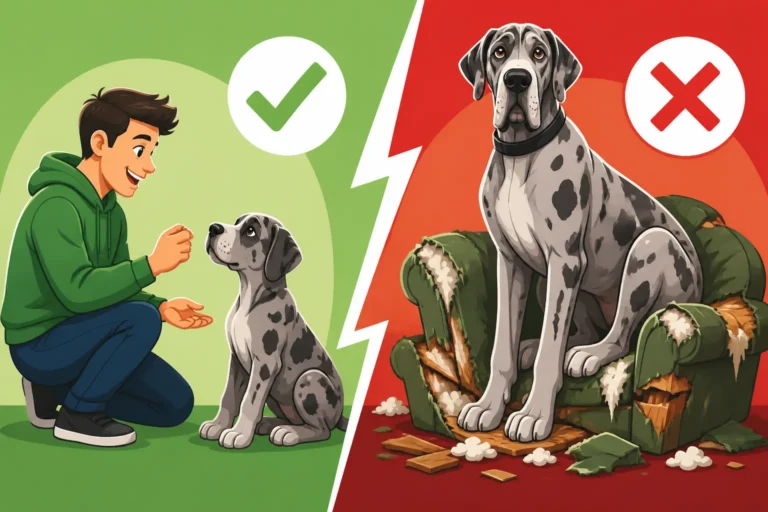
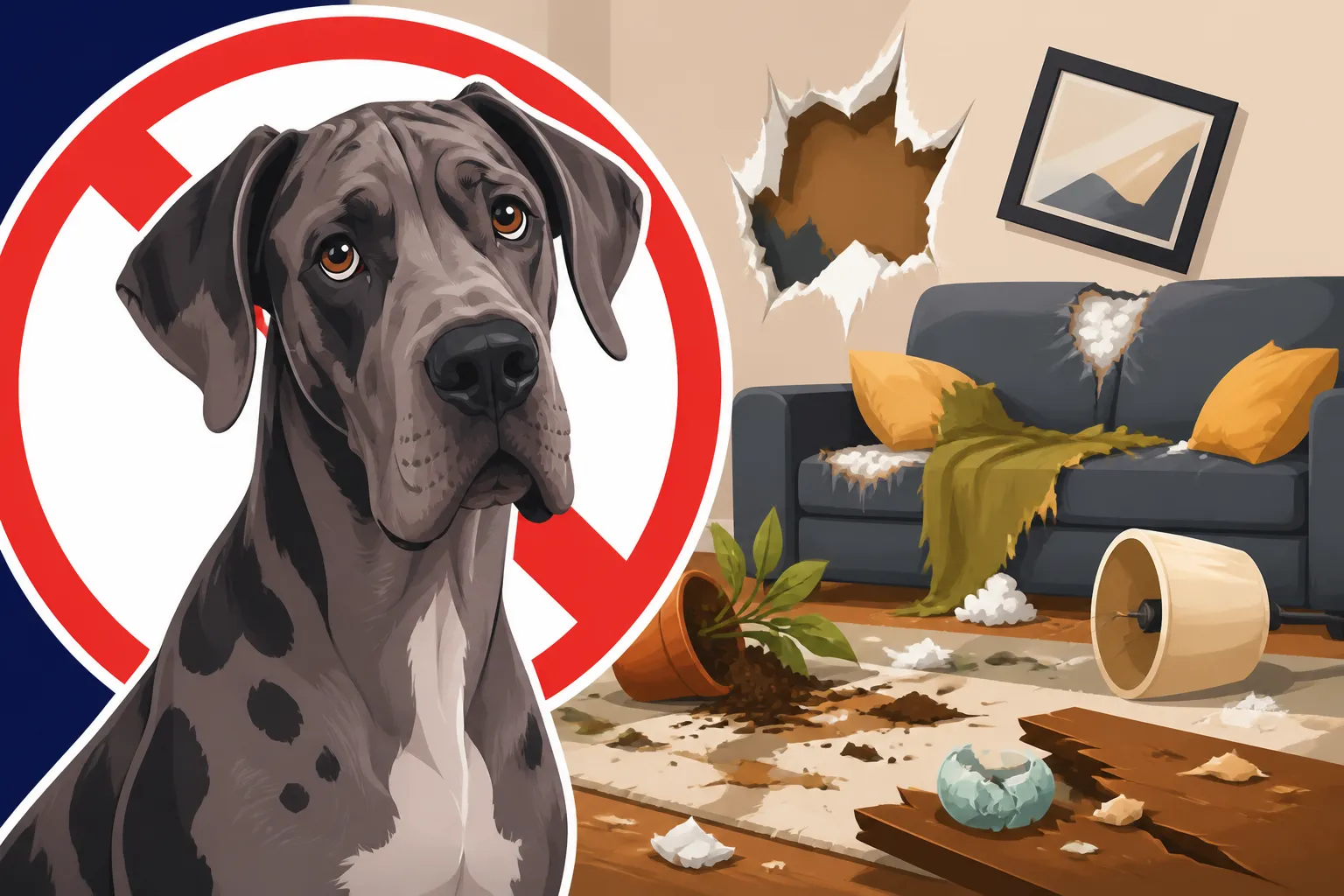
This is probably one of the most visible and frustrating signs for Great Dane owners. You walk in the door, and there it is: shredded couch cushions, gnawed table legs, claw marks on doors, or even holes in the wall. This isn't just "being naughty." For a Great Dane in the throes of separation anxiety, destructive chewing is a coping mechanism. The act of chewing can release endorphins, which helps to alleviate some of their intense stress and fear. They might also chew on items that smell strongly of you, like blankets or clothing, as a way to feel closer to you.
The key differentiator from simple boredom-chewing is that anxiety-driven destruction almost always occurs only when you are gone or are preparing to leave, and it often focuses on exit points (doors, windows) or items associated with you. A bored Great Dane might chew on a toy for a bit, then move to a shoe, then nap. An anxious Great Dane, however, is often relentless in their destruction, sometimes to the point of injuring themselves, such as breaking teeth or ingesting foreign objects that lead to emergency vet visits. This level of panic indicates a much deeper problem than just needing a new chew toy. The sheer scale of damage a Great Dane can inflict in a short amount of time is staggering, reinforcing the urgency of addressing this behavior. Damage a Great Dane Reaches That Smaller Dogs Cannot is a serious concern.
Inappropriate Urination and Defecation
Finding puddles or piles inside, especially if your Great Dane is otherwise perfectly house-trained, is another strong indicator of separation anxiety. This isn't a deliberate act of defiance; it's an involuntary physical manifestation of extreme stress and fear. When a dog is truly terrified, their bodily functions can simply let go. It's akin to a human having a panic attack where they might vomit or experience uncontrollable shaking. They lose control because their fight-or-flight response is fully engaged.
This behavior typically happens shortly after you leave and is not associated with medical issues like a urinary tract infection or bowel problems, nor is it due to simply needing to go outside because you left them too long. If your Great Dane holds it all day when you're home but has accidents the minute you're gone, it's a huge red flag. It's not about them "getting back at you" for leaving; it's about their inability to cope with the overwhelming emotional distress. Punishing them for this will only increase their anxiety, making the problem worse and damaging your bond.
Vocalizations That Alarm the Neighbors
A Great Dane's bark is formidable, and if they're using it non-stop when you're gone, your neighbors will certainly let you know. Excessive barking, howling, or whining that begins right as you leave and continues for extended periods is a classic sign of separation anxiety. Again, this isn't just about trying to get attention; it's often a distress call. They might be calling out for you, expressing their panic, or attempting to alert you to their perceived abandonment.
You might hear about it from a note on your door, a phone call, or even through a pet camera if you've installed one. These vocalizations are often sustained and frantic, not just an occasional "woof" at a passing squirrel. The sheer volume and persistence of a Great Dane's distressed vocalizations can be incredibly disruptive, leading to neighbor complaints and potential legal issues for homeowners or renters. A Great Dane That Howls in an Empty House is not just annoying, it's a symptom of deeper distress. Understanding that this noise comes from a place of fear can help shift your perspective from frustration to empathy, which is vital for finding solutions.
Excessive Drooling, Pacing, or Self-Harm
Beyond the more common signs, some Great Danes exhibit subtler, yet equally serious, indicators of separation anxiety. Excessive drooling, even when not actively drinking, can be a symptom of extreme anxiety. You might return to find puddles of drool or soaked bedding, which is often a physical response to overwhelming stress. Pacing, walking in circles, or continuously moving from one window to another, unable to settle, is another tell-tale sign of a dog struggling with intense agitation when left alone.
In severe cases, a Great Dane might even engage in self-harm. This can manifest as licking or chewing their paws or flanks to the point of creating hot spots or open sores, or even pulling out their own fur. This compulsive behavior serves as a desperate attempt to self-soothe when they are in an agonizing state of panic. These are not behaviors to be taken lightly; they indicate a dog in profound distress. It's heartbreaking to witness or discover, and it signals that immediate, dedicated intervention is required. A Great Dane That Panics When Left can display these kinds of severe symptoms, making it clear that it's more than just a behavioral quirk.
Proactive Steps: Preventing Alone-Time Problems from the Start
The best way to deal with separation anxiety is to prevent it from developing in the first place. For Great Dane puppies, early intervention and careful, intentional training can make all the difference. For adult dogs, these principles still apply, but might require more patience and consistency to re-train established habits.
Gradual Acclimation to Solitude for Puppies
When you bring home a Great Dane puppy, it's natural to want to shower them with constant attention. However, it's crucial to start teaching them that being alone is not scary, but a normal, predictable part of life. Begin with very short periods of separation, even just stepping into another room for a minute. Leave them with a high-value, safe chew toy or a puzzle feeder that will hold their attention. As soon as they calm down or engage with the toy, return before they become distressed. The goal is for them to associate your absence with something positive and brief.
Slowly increase the duration. Start with literally 30 seconds, then a minute, then five minutes, eventually working up to longer periods. This isn't a race; it's a marathon. You want to build a positive association with solitude, not create a panic. Never make a big fuss when you leave or return; this only elevates their emotional state. A calm, matter-of-fact departure and return helps normalize the process. Think of it like a child learning to sleep in their own bed; it's a gentle transition, not a sudden exile. This gradual process can make all the difference in preventing Building Up a Great Dane's Alone Time later on.
Creating a Safe and Positive "Alone Space"
Every Great Dane, especially one prone to anxiety, needs a designated safe space where they can feel secure when left alone. For many, this is a crate. A crate, when properly introduced, is not a punishment but a den – a cozy, private retreat. It should be large enough for your Great Dane to stand up, turn around, and lie down comfortably. Fill it with soft bedding, a beloved blanket, and safe, engaging chew toys. Never use the crate as a punishment, or your dog will develop negative associations with it.
If a crate isn't feasible or preferred, a dedicated room (like a laundry room or a sectioned-off living room) can serve a similar purpose. Ensure this space is thoroughly "Great Dane-proofed" – meaning anything they could destroy or hurt themselves on is removed or secured. The goal is to create an environment where they feel safe, cannot get into trouble, and are less likely to injure themselves or destroy property out of panic. Consider a spacious, heavy-duty crate from a brand like MidWest or Frisco, which can be found on Amazon, ensuring it's appropriately sized for a full-grown Great Dane. Choosing a Crate a Great Dane Can Stand In is critical for their comfort and safety.
Establishing a Predictable Routine
Dogs, and Great Danes in particular, thrive on routine. A predictable schedule for feeding, walks, play, and potty breaks helps them understand what to expect throughout their day. When alone time is a regular, consistent part of this routine, it becomes less alarming. For instance, if your Great Dane knows that after their morning walk and breakfast, you'll leave for an hour or two, and then return, they learn to anticipate and cope with that pattern.
Inconsistency, on the other hand, can fuel anxiety. If sometimes you leave for 30 minutes, sometimes for 8 hours, and sometimes not at all, your Great Dane never learns to predict your departures or returns. This unpredictability can heighten their anxiety, as they are constantly on edge, wondering when you'll go and for how long. A consistent routine provides a sense of control and security, reducing the unknown factors that contribute to stress. It tells them, "This is how our day goes, and you'll be fine," in a language they can understand.
Training Strategies to Build Confidence and Independence
Once you understand the 'why' and have preventative measures in place, specific training strategies can directly address your Great Dane's distress when left alone. These methods focus on gradually changing their emotional response to your departures.
Desensitization to Departure Cues
Great Danes are incredibly observant and quickly learn to associate certain actions with your imminent departure. Jingling keys, picking up your purse, putting on shoes, or even just walking toward the door can become powerful anxiety triggers. The key to desensitization is to break the association between these cues and your leaving.
Practice performing these departure cues repeatedly throughout the day without actually leaving. Pick up your keys, walk to the door, put them down, and then go sit on the couch. Put on your shoes, take them off. Open the door, close it. Do this randomly, many times a day, until your Great Dane barely reacts. The goal is to make these cues meaningless noise, rather than harbingers of abandonment. Once they are desensitized to the cues, your actual departure becomes less of an immediate panic trigger because the build-up of anxiety associated with your preparations has been significantly reduced. This step is often overlooked but can dramatically improve a Great Dane's ability to cope.
Structured Alone-Time Drills
This is where you gradually expose your Great Dane to your absence, in a controlled and positive way. Start with short durations, perhaps just seconds, and slowly increase the time.
- Preparation: Before you start, ensure your Great Dane has been exercised, had a potty break, and is offered a high-value, long-lasting treat or puzzle toy (like a Kong stuffed with peanut butter or a durable puzzle feeder found on Amazon). This occupies them and creates a positive association with your departure.
- The "Fake" Departure: Perform your departure cues calmly. Leave for a very short period – literally seconds. Step out the door, close it, and immediately come back in. Don't make a big fuss. If your dog remained calm, you've succeeded.
- Gradual Increase: Over many sessions, slowly increase the time you're gone. If your Great Dane starts to show signs of anxiety (whining, pacing, chewing), you've gone too far, too fast. The next session, reduce the time slightly to a point where they were successful, and then try to build up again more slowly.
- No Emotional Goodbyes or Hellos: When you leave, keep it low-key. When you return, ignore your Great Dane for the first few minutes until they are calm. Then, calmly greet them. This teaches them that your departures and returns are not a big deal.
This process requires immense patience and consistency. It might take weeks or even months to build up to longer durations. Remember, the goal is quality over speed. For a comprehensive program, consider online training platforms like BAXTER & Bella, which often provide structured lessons for everything from basic obedience to advanced behavior modification, including addressing alone-time issues. Building Up a Great Dane's Alone Time is a direct application of these drills.
The Role of Enrichment and Mental Stimulation
A tired dog is a good dog, but a mentally tired dog is an even better dog. Great Danes are intelligent and need mental challenges to prevent boredom, which can often be mistaken for or exacerbate separation anxiety. Before you leave, engage their brain!
- Puzzle Feeders: Instead of just putting food in a bowl, use puzzle feeders. These make your Great Dane work for their meal, engaging their problem-solving skills. Look for robust, Great Dane-proof puzzle toys that they can't easily destroy. Puzzle Feeders a Great Dane Cannot Crush are essential.
- Scent Games: Hide treats around the house for them to sniff out. This is a natural canine behavior and is very tiring mentally.
- Training Sessions: Even 10-15 minutes of short, fun training sessions (sit, stay, down, recall) before you leave can help tire their brain.
- Chew Toys: Provide appropriate, safe chew toys that are challenging and long-lasting. Ensure they are large enough not to be swallowed or become choking hazards for a Great Dane.
Mental stimulation helps to deplete excess energy and gives them a positive outlet for their natural drives. A Great Dane who has spent an hour "working" their brain before you leave is much more likely to settle down and rest than one who is simply bored and restless. This is a critical component for Wearing Out a Great Dane Without Wrecking Its Joints.
| Symptom/Behavior | Possible Cause | Primary Approach |
|---|---|---|
| Destructive Chewing | Separation Anxiety, Boredom | Desensitization, Enrichment, Safe Chews |
| Inappropriate Urination | Separation Anxiety | Gradual Acclimation, Vet Check, Stress Reduction |
| Excessive Barking/Howling | Separation Anxiety, Guarding | Desensitization, Routine, Professional Trainer |
| Pacing/Restlessness | Separation Anxiety, Under-exercised | Increased Exercise, Mental Stimulation, Calming Aids |
| Drooling/Self-Harm | Severe Separation Anxiety | Vet Consultation, Behaviorist, Medication |
Management Solutions for an Already Anxious Great Dane
For Great Danes who already suffer from established separation anxiety, training alone might not be enough. Management strategies are crucial to keep them safe and prevent the anxiety from spiraling.
Utilizing Crates and Containment Wisely
While some dogs with severe separation anxiety might injure themselves in a crate due to panic, for many Great Danes, a properly introduced crate can be a lifesaver. It provides a secure, den-like space where they feel safe and cannot engage in destructive behavior that could harm them or your home.
- Introduction is Key: If your Great Dane isn't crate-trained, introduce it slowly and positively. Feed meals in it, toss treats inside, and never force them in.
- Comfort: Ensure the crate is large enough for their massive size and has comfortable, washable bedding. You can find extra-large orthopedic beds and crate pads suitable for Great Danes on Amazon.
- Safety: For anxious dogs, choose a heavy-duty wire or airline-style crate that they cannot easily bend or break. Avoid crates with easily chewable plastic parts if your dog is a destructive chewer.
- Timing: Only use the crate for periods your dog can handle without panic. If they injure themselves or become frantic, the crate may not be the right solution, or they need more intensive help before being crated during alone time.
For some Great Danes, a crate might not be the answer, particularly if they exhibit extreme panic and injure themselves trying to escape. In such cases, consider a "dog-proofed" room. This means removing anything breakable, chewable, or potentially harmful, securing cabinets, and blocking off areas they shouldn't access. The goal is safety and containment, not punishment. Crate Training a Great Dane That Fills the Room offers more specific advice.
Professional Help: Trainers, Behaviorists, and Vets
If you've tried all the training techniques and your Great Dane's anxiety persists or worsens, it's time to call in the professionals.
- Certified Professional Dog Trainers (CPDT-KA): A good trainer can guide you through desensitization and counter-conditioning protocols. Look for trainers experienced with giant breeds and positive reinforcement methods. They can help you implement structured alone-time drills effectively. Trainer Rates for a Great Dane That Pulls can give you an idea of professional fees, though separation anxiety training might be more specialized.
- Veterinary Behaviorists (DACVB) or Certified Applied Animal Behaviorists (CAAB): These are specialists who can diagnose the underlying cause of anxiety and develop a comprehensive treatment plan, which may include medication. Severe separation anxiety often has a neurochemical component, and medication (like anti-anxiety drugs) can significantly lower your dog's anxiety threshold, making them more receptive to behavioral modification training. This isn't a "magic pill" but a tool to help the training be more effective.
- Your Regular Veterinarian: Your vet can rule out any medical conditions that might be contributing to behavioral changes and can provide initial guidance or referrals to specialists. They can also discuss appropriate calming supplements or short-term medications to help manage acute distress.
Don't feel ashamed or defeated if you need professional help. Separation anxiety is a complex disorder, and tackling it with expert guidance is often the most effective and humane approach. Whether a Great Dane Manages a Full Work Day often depends on having a robust support system and professional guidance.
Technology and Tools for Monitoring and Intervention
Modern technology offers some invaluable tools for managing and understanding your Great Dane's alone-time struggles.
- Pet Cameras: A Wi-Fi pet camera allows you to monitor your Great Dane remotely. You can see their behavior, identify triggers, and gauge the intensity of their anxiety. Many cameras also offer two-way audio, allowing you to speak to your dog (though for severe anxiety, your voice might actually heighten their distress if they can't see you). Some models even dispense treats, which can be a useful positive reinforcement tool for calm behavior.
- Smart Home Devices: Integrating smart plugs with calming music or scent diffusers can create a more soothing environment before you leave.
- Calming Aids: Pheromone diffusers (like Adaptil), thunder shirts, or calming supplements (always consult your vet first) can sometimes help reduce mild anxiety. These are aids, not cures, but can provide some comfort during the training process.
- Interactive Toys: Automated treat dispensers or ball launchers can provide short bursts of entertainment, though they should not be relied upon as the sole solution for mental stimulation.
These tools provide insight and a degree of remote comfort, helping you understand your Great Dane's experience when you're not physically present. They can also provide valuable data for your vet or behaviorist.
Beyond Training: Lifestyle Adjustments for the Great Dane Owner
Living with a Great Dane who struggles with alone time isn't just about training them; it's also about adjusting your own lifestyle to support their needs and well-being. This can be a significant commitment, but it's part of the bond you share.
Exercise and Mental Engagement Before Alone Time
We touched on this briefly, but it bears repeating: a Great Dane who is physically and mentally exhausted before you leave is far more likely to settle down and sleep. This doesn't mean a quick trot around the block. For an adult Great Dane, it means a substantial walk, a vigorous play session in a securely fenced yard, or a long game of fetch (always mindful of their joints and avoiding over-exertion, especially in puppies and older Danes).
- Morning Routine: Dedicate significant time in the morning to exercise. A 30-60 minute walk, ideally with some sniffing opportunities or a chance to interact calmly with other dogs, can make a huge difference.
- Brain Games: Follow physical exercise with a short burst of mental activity. Even 10-15 minutes of trick training, obedience practice, or using a puzzle feeder can tire their brain as much as a walk.
- Timing: Plan your departures after they've had their physical and mental outlet, and after a good potty break. This maximizes the chances they will simply curl up and nap.
Remember that Exercise Limits While a Great Dane Is Still Growing are crucial; don't overdo the physical exercise with a young Dane, but focus more on mental stimulation. For an older Great Dane, a gentle walk and plenty of sniff time can still be very tiring.
Considering Daycare or Pet Sitters
For owners with demanding schedules or Great Danes with severe separation anxiety that is proving difficult to overcome, alternative care options might be necessary.
- Doggy Daycare: A reputable doggy daycare can provide supervision, socialization, and exercise throughout the day. It's a great option for Great Danes who are social with other dogs and enjoy being out of the house. Look for facilities with large, supervised play areas and staff experienced with giant breeds. Not all daycares are equipped for the size and specific needs of a Great Dane. Daycares With Space for a Great Dane are not always easy to find.
- Professional Pet Sitters/Walkers: If daycare isn't suitable, a professional pet sitter or dog walker can break up your Great Dane's alone time. They can visit your home to provide a potty break, a walk, play time, and some human companionship. This can be especially beneficial if your dog prefers the comfort of their own home but needs periodic check-ins.
- Trusted Friends/Family: If you have a trusted network, they might be able to help by checking in on your Great Dane or even having them over for a few hours.
These options provide valuable relief for your Great Dane and peace of mind for you, ensuring they aren't left alone for excessively long periods while you're working through their anxiety. While there's a cost involved, it's an investment in your dog's well-being and your own sanity. Boarding a Great Dane is another option if you're away for longer periods.
Addressing Owner Guilt and Frustration
It's natural to feel a rollercoaster of emotions when your Great Dane struggles with alone time. There's often intense guilt ("Am I doing enough? Is this my fault?") coupled with profound frustration ("Why can't they just be okay? Why do they keep destroying things?"). It's important to acknowledge these feelings without letting them paralyze you or lead to resentment towards your dog.
- Be Kind to Yourself: You're doing your best. Great Danes are high-needs dogs in many ways, and separation anxiety is a tough challenge. It's not a reflection of your worth as an owner.
- Focus on Progress, Not Perfection: Celebrate small wins. If your Great Dane was calm for 10 minutes, that's a huge victory. Don't get discouraged if there's a setback; it's part of the process.
- Seek Support: Talk to other Great Dane owners or join online communities. Sharing experiences can be incredibly validating and provide new perspectives and encouragement.
- Remember the Bond: Despite the challenges, remember the incredible love and companionship your Great Dane brings into your life. Their intense need for you, while challenging, also speaks to the depth of their affection.
This journey requires patience, dedication, and a whole lot of love. By understanding their needs, implementing consistent training, and making necessary lifestyle adjustments, you can help your Great Dane transform from an anxious companion into a confident, calm, and happy member of your family, whether you're home or not.
Disclaimer
This article is for general informational purposes only and does not constitute professional advice. Laws, prices and regulations vary by location and change over time. Consult a qualified professional for guidance on your specific situation.