Getting a Great Dane to Walk on a Loose Leash
Walking a Great Dane should be a joyful experience, not a wrestling match. Many Great Dane owners find themselves dragged down the street, feeling helpless as their giant companion pulls with all their might, making simple strolls stressful and even dangerous. This comprehensive guide will help you understand why your Great Dane pulls on the leash and provide actionable, empathetic strategies to achieve that coveted loose-leash walk, turning frustration into harmony.
The Unique Challenges of Leash Training a Great Dane
It's easy to look at a Great Dane puppy, all gangly legs and sweet eyes, and think, "Oh, they'll grow into their manners." The reality, however, is that their immense size and strength grow much faster than their impulse control. What might be an adorable tug from a tiny puppy becomes a serious hazard when that puppy is a hundred pounds heavier and still growing. This isn't just about convenience; it's about safety for both you and your beloved dog.
When Size Becomes a Serious Safety Issue
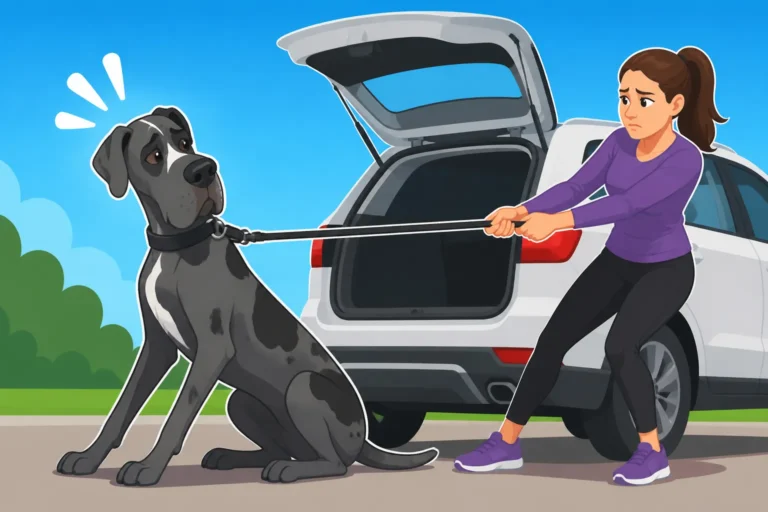
Imagine trying to hold back a small pony with a single leash – that's often the feeling of walking an untrained adult Great Dane. A full-grown male Great Dane can easily weigh over 150 pounds, with some reaching closer to 200 pounds. Even a momentary surge of excitement or curiosity, like spotting a squirrel or another dog, can generate enough force to yank you off your feet, causing serious injuries like sprains, fractures, or worse. I've known friends who ended up with rotator cuff injuries or even broken wrists because their otherwise lovely Dane decided to chase a rabbit. It’s not about malice on the dog’s part; it’s simply pure, unadulterated canine enthusiasm meeting immense physical power. For the Great Dane, too, constant pulling puts undue stress on their neck and throat, especially if they are wearing a traditional collar.
Misconceptions About the "Gentle Giant"
The nickname "Gentle Giant" is well-earned when a Great Dane is lounging on the sofa, offering a comforting lean, or gently interacting with children indoors. They are often incredibly sweet, calm, and devoted companions within the home. However, this domestic tranquility often leads new owners to assume this calm demeanor will automatically translate to outdoor walks. This is a common and often painful misconception.
Out in the world, the Great Dane's natural curiosity, prey drive, and often sensitive nature can override their gentle indoor persona. The sights, sounds, and smells of a bustling park or even a quiet street can be incredibly stimulating. Many Danes, especially adolescents, become easily overstimulated, forgetting all their indoor manners the moment they step outside. They aren't trying to be naughty; they're simply responding to their environment with the full force of their massive bodies. This is exactly why it's crucial to understand Why Waiting Until a Great Dane Is Grown Is Too Late for training. Their immense size demands early and consistent training, long before they can literally pull you down the street.
Essential Equipment for Leash Training Success
Before you even step out the door, having the right gear can make a monumental difference in your leash training journey. For a dog as powerful as a Great Dane, relying solely on a flat collar is a recipe for disaster and potential injury. The goal is to find tools that give you effective control and communicate clearly to your dog, without causing pain or discomfort.
Choosing the Right Collar or Harness
When it comes to Great Danes, a simple flat collar is typically only suitable for holding identification tags. It offers very little control over a pulling dog and can actually cause damage to their sensitive trachea if they lunge. Instead, you'll want to explore options that provide better leverage and distribute pressure more evenly.
- Front-Clip Harnesses: These harnesses clip at the front of the dog's chest, rather than on their back. When your Great Dane pulls, the leash redirects them gently to the side, turning their body rather than allowing them to pull forward with full force. This makes it much harder for them to gain traction and pull effectively. Brands offer various designs, and you can often find a good selection of durable, properly sized front-clip harnesses on platforms like Amazon. Look for harnesses with good padding and adjustable straps to ensure a snug, comfortable fit that won't chafe your Dane's skin.
- Head Halters (Haltis or Gentle Leaders): A head halter works much like a bridle on a horse, giving you control over the dog's head, and where the head goes, the body often follows. For many Great Dane owners, this is a game-changer, offering an incredible amount of control with minimal physical effort. While some dogs initially resist them, associating the head halter with positive experiences (treats, walks) can help them adjust quickly. It's important to introduce these gently and ensure a proper fit to avoid any discomfort or rubbing around their muzzle.
- Back-Clip Harnesses: While comfortable for the dog, a back-clip harness can actually encourage pulling in a strong breed like a Great Dane, as it allows them to lean into the harness and use their full body weight. They can be great for dogs who already walk politely on a leash or for car safety, but generally aren't the primary tool for teaching loose-leash walking in a puller.
Avoid using choke chains or prong collars, especially on a Great Dane. Not only can they cause severe physical harm, including tracheal damage and spinal injuries, but they also rely on pain and fear, which can damage your bond with your dog and lead to anxiety or aggression. There are much kinder and more effective ways to train. You'll find a more in-depth discussion on Harnesses and Collars That Control a Great Dane that can help you pick the right fit.
The Importance of a Sturdy Leash
Once you've got the right collar or harness, don't skimp on the leash. For a Great Dane, you need something robust.
- Material and Length: A 6-foot leash made of strong nylon or thick leather is ideal. These materials are durable, comfortable to hold, and less likely to snap under pressure. Avoid thin, flimsy leashes, and definitely steer clear of retractable leashes. Retractables give your dog too much freedom to roam and pull, teach them that pulling gets them further, and offer almost no control in an emergency. The sudden jolt when the leash runs out can also cause neck injury or even break the line. For more on what's appropriate, take a look at Leashes Rated for a Great Dane.
- Handle Comfort: Since you'll be holding onto this leash for significant periods, look for a handle that's comfortable in your hand. Padded handles can prevent chafing and discomfort, especially if your Dane is still learning and there's some intermittent pulling.
- Hardware Quality: The clasp that attaches to your dog's collar or harness should be heavy-duty and secure. A cheap, flimsy clasp can bend or break, leading to a runaway Great Dane – a scary scenario for any owner.
Table: Leash Training Equipment for Great Danes
| Equipment Type | Pros for Great Danes | Cons for Great Danes | Best Use Case |
|---|---|---|---|
| Flat Collar | Good for ID tags, basic restraint | No control for pulling, can cause tracheal damage | Identification, in-home use, dogs that don't pull |
| Front-Clip Harness | Redirects pulling force, easy to use, generally comfortable | Can get tangled if not fitted correctly, requires dog to adjust | Primary training tool for pulling, general walks |
| Head Halter | Excellent control, minimal physical effort from owner, quick results | Some dogs dislike it initially, requires careful introduction | Maximum control for strong pullers, reactive dogs |
| Back-Clip Harness | Comfortable for the dog, good for car safety | Can encourage pulling, offers less control over body | Dogs already walking well, car safety, light exercise |
| Standard 6ft Leash | Good communication, durable, safe | Requires consistent training, can be bulky | Essential for all training and walks |
| Retractable Leash | (None for training) | Teaches pulling, causes sudden jerks, little control, dangerous | (Avoid for Great Danes) |
Foundational Training Principles for Loose Leash Walking
Leash training isn't just about snapping on a harness and hoping for the best. It's built on a foundation of understanding, patience, and consistent communication. For a Great Dane, whose sheer size can feel intimidating, these principles are even more critical. Think of it less as "training" and more as "teaching your giant friend how to navigate the human world politely."
Starting Young: The Non-Negotiable Puppy Stage
One of the biggest mistakes Great Dane owners make is waiting until their puppy is big and strong to start leash training. By then, those cute little tugs have turned into formidable pulls. The moment you bring your Great Dane puppy home, even before they've completed all their vaccinations and can venture outside, you should start introducing them to the leash and collar indoors.
Begin with very short, positive sessions. Let your puppy wear a lightweight collar for a few minutes at a time, distracting them with treats or play. Once they're comfortable with the collar, attach a lightweight leash and let them drag it around the house under supervision. This helps them get used to the feeling without any pressure. Then, hold the leash and simply walk around with them in a quiet area of your home, rewarding them for walking alongside you without pulling. Keep it fun and light. This early exposure is vital for their development and can prevent many future headaches. It sets the stage for all The Cues a Great Dane Needs Before Six Months to learn, including good leash manners.
Positive Reinforcement: Making Walks a Treat
Great Danes, like most dogs, respond incredibly well to positive reinforcement. This means rewarding desired behaviors, rather than punishing unwanted ones. For loose-leash walking, your goal is to make the experience of walking nicely far more rewarding than the act of pulling.
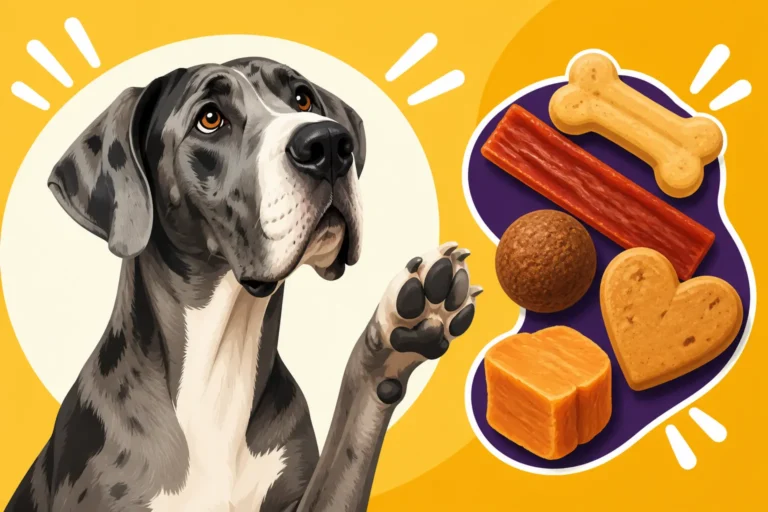
- High-Value Treats: Forget boring kibble. When you're outdoors and competing with exciting smells and sights, you need treats that are irresistible. Think small pieces of cooked chicken, cheese, or specialized training treats your Dane absolutely adores.
- Timing is Everything: The reward needs to happen the instant your Great Dane walks with a loose leash. If the leash is slack, even for a second, mark that moment with a verbal cue like "Yes!" or a clicker, then immediately deliver a treat. This helps your dog connect the action (loose leash) with the reward.
- Praise and Affection: Don't underestimate the power of your voice and gentle physical praise. A cheerful "Good walk!" or a scratch behind the ears can be just as reinforcing as a treat for many Danes.
- The "Lure and Reward" Technique: Hold a treat near your dog's nose to keep them in the desired "heel" position. Take a few steps, and if they stay by your side with a loose leash, reward them. Gradually fade the lure, so they rely on your verbal cues and the feel of the loose leash. This approach builds a positive association with walking beside you, rather than seeing the leash as a battle. Check out Whether a Clicker Works on a Great Dane and Treats a Great Dane Will Work For for more on effective rewards.
Consistency is Key for Giants
Consistency isn't just a good idea; it's absolutely non-negotiable when training a Great Dane. These intelligent dogs thrive on routine and clear expectations. If one family member allows pulling, while another tries to enforce loose-leash walking, your Dane will quickly become confused and likely revert to the behavior that sometimes works.
- Everyone on Board: Ensure every single person who walks your Great Dane uses the same commands, the same techniques, and the same expectations for loose-leash walking. Schedule a brief family meeting to go over the training plan.
- Every Walk, Every Time: There are no "off days" for loose-leash training. Even if you're just stepping out to the mailbox, practice good leash manners. If you allow pulling "just this once," you've reinforced the behavior.
- Patience and Persistence: Training a giant breed takes time and patience. There will be days when you feel like you're making no progress, or even going backward. Don't get discouraged! Celebrate the small victories, like a few steps with a loose leash, and remember that every consistent effort builds towards long-term success. Your Great Dane is learning a new way to interact with the world, and it's a big world for a big dog!
Step-by-Step Guide to Loose Leash Walking
Now that you have the right equipment and understand the foundational principles, let's break down the practical steps to teaching your Great Dane to walk politely on a leash. Remember, patience is your best friend here. This isn't a race; it's a journey to enjoyable walks for both of you.
Mastering the "Watch Me" and "Heel" Commands
Before you can expect your Great Dane to walk nicely beside you, you need their attention. A dog that is focused on you is less likely to be distracted by every squirrel or person passing by.
- "Watch Me": Start this indoors in a quiet environment. Hold a high-value treat near your nose. When your Great Dane looks at your eyes, say "Watch Me!" and immediately give them the treat. Practice this in short bursts throughout the day. Gradually increase the duration they need to hold eye contact before getting the treat. Once mastered indoors, slowly introduce it to more distracting environments. This command is your secret weapon for regaining focus outdoors.
- Introducing "Heel": Once your Dane understands "Watch Me," you can introduce "Heel."
- Start in a quiet, confined space like a hallway.
- Have your Great Dane on your left side (or whichever side you prefer), with the leash slack.
- Hold a treat in your left hand, by your thigh, at your Dane's nose level.
- Say "Heel!" and take one step forward. As your Dane moves with you, keeping their nose near the treat and the leash slack, immediately say "Yes!" and reward them with the treat from your left hand.
- Practice taking just one or two steps, rewarding consistently. Gradually increase the number of steps.
- If your Dane pulls ahead or lags behind, stop immediately. Re-position them, say "Heel!" again, and restart.
- The goal is for "Heel" to mean "walk nicely beside me with a loose leash." For a detailed breakdown of this, see Teaching a Great Dane to Heel Beside You.
The "Stop and Go" Technique
This technique is incredibly effective for teaching your Great Dane that pulling makes the walk stop, while a loose leash makes it continue. It's simple, but requires absolute consistency.
- Start Walking: Begin your walk in a relatively low-distraction area, with your Great Dane on their harness or head halter.
- Feel the Tension: The instant you feel any tension on the leash, immediately stop walking. Don't say anything, don't yank the leash back – just become a tree.
- Wait for Slack: Stand perfectly still. Wait for your Great Dane to realize the pulling isn't working and to relax the leash. This might involve them turning around, sitting, or just taking a step back towards you. The moment the leash goes slack, even for a second, mark it (with "Yes!" or a clicker), and immediately start walking again, rewarding them once you've taken a few steps with a loose leash.
- Repeat, Repeat, Repeat: You will likely stop a lot at first. This is normal. The key is to be consistent. Your Great Dane will quickly learn that pulling achieves nothing but stopping, and a slack leash means progress and rewards. This technique works wonders because it teaches them cause and effect in a way they understand.
Navigating Distractions: Real-World Scenarios
Once your Great Dane is doing well with "Watch Me," "Heel," and the "Stop and Go" technique in quiet areas, it's time to introduce distractions gradually. The real world is full of them, and your Dane needs to learn how to maintain focus even when exciting things are happening.
- Controlled Exposure: Start by practicing in slightly more distracting environments. Maybe a quieter park, or a street with a few people, but not peak hours.
- Increase Distance: If your Great Dane gets overly excited or reactive towards certain triggers (like other dogs, children, or squirrels), increase your distance from the trigger. Find a distance where they can still notice the distraction but remain calm enough to respond to your cues. This is often referred to as working "below threshold."
- "Leave It" Command: This is invaluable. Teach your Dane to "Leave It" on cue. Start with low-value items indoors, then gradually increase the value and the distraction level. When they can ignore a dropped treat in the kitchen, you can start asking them to "Leave It" for a leaf blowing by, then a distant dog.
- Reward Calmness: Always reward your Great Dane generously when they acknowledge a distraction but choose to stay focused on you or walk past calmly with a loose leash. This reinforces the desired behavior.
- Dealing with Lunging: If your Great Dane is prone to lunging at other dogs or people, the "Stop and Go" technique combined with "Watch Me" is crucial. As soon as you spot a potential trigger, get their attention with "Watch Me." If they continue to focus on you, reward heavily. If they start to pull or lunge, immediately stop, turn and walk in the opposite direction, or step behind a car or bush to break their line of sight. This teaches them that reactivity makes the fun (walking forward) stop. Dealing with A Great Dane That Lunges at Other Dogs requires a dedicated approach, but these steps are a solid start.
Addressing Common Leash Pulling Issues
Even with the best intentions and consistent training, Great Danes can present unique challenges on the leash. Their sheer size and their sensitive nature mean that what works for a smaller dog might not be enough. Let's tackle some common issues head-on.
The Excitable Great Dane
Ah, the "zoomies" on a leash! Many Great Danes get so overwhelmingly excited about going for a walk, seeing a friend, or smelling something amazing that they lose all ability to think. This isn't defiance; it's often an inability to regulate their arousal levels.
- Pre-Walk Exercise: Before you even attach the leash for your "training walk," try to burn off some of that initial energy. A vigorous play session in a securely fenced yard, a game of fetch (if age and joints permit – remember How Much a Growing Great Dane Should Walk is important), or even a few minutes of indoor mental games can help take the edge off. A tired Dane is a trainable Dane.
- Controlled Departures: The moment you pick up the leash, your Dane might start bouncing off the walls. Don't reward this! Wait for them to settle, even for a second, before proceeding. If they start jumping or getting wild, drop the leash (safely, if indoors) and walk away. Only return when they are calm. This teaches them that calm behavior gets them what they want (the walk).
- Desensitization to Triggers: If specific sights or sounds make your Dane overly excited, practice desensitization. For example, if the sight of other dogs makes them pull furiously, start by observing other dogs from a distance where your Dane is just aware but not reacting. Reward calm observation. Gradually decrease the distance over many sessions, always rewarding calm behavior.
- Consistent Routine: A predictable routine can help an excitable Dane. Knowing when walks happen and what to expect can reduce anxiety and anticipation.
The Reactive Great Dane
A reactive Great Dane is one that barks, growls, lunges, or pulls intensely at specific triggers, like other dogs, strangers, or even bicycles. This is often driven by fear, frustration, or overstimulation, not aggression, though it can certainly look and feel intimidating.
- Identify Triggers and Threshold: First, figure out exactly what sets your Dane off. Is it all dogs, or just certain types? Is it people on bikes, or just certain types of people? Also, determine their "threshold" – the point at which they can no longer cope. Your training needs to happen below this threshold. If they're already lunging, you're too close.
- Manage the Environment: Until you've made significant progress, manage your walks to avoid triggers as much as possible. Walk at off-peak hours, choose quieter routes, or drive to secluded trails. This prevents practice of the unwanted behavior.
- Counter-Conditioning and Desensitization: This is your primary strategy. When you see a trigger in the distance (below their threshold), immediately start feeding your Dane high-value treats, continuously, until the trigger is gone. The goal is to change their emotional response from "scary/exciting" to "that thing means treats!" They see a dog, they get chicken. Dog disappears, treats stop. Over time, their brain re-associates the trigger with positive things.
- Seek Professional Help: If your Great Dane's reactivity is severe, or you feel overwhelmed, please don't hesitate to consult a certified professional dog trainer or a veterinary behaviorist. They can provide tailored guidance and hands-on support. Organizations like BAXTER & Bella offer online training resources and classes that can be invaluable for navigating reactivity. You definitely want someone experienced with giant breeds. This is where Finding a Trainer Comfortable With a Great Dane comes into play – their expertise with larger dogs is crucial. You might also want to look into A Great Dane That Sounds Off at Every Dog for specific strategies.
What to Do When You're Outnumbered (by the dog's strength)
It's a very real feeling to be physically outmatched by your Great Dane. This is precisely why relying on force is never the answer. Your training should focus on technique and communication, not a battle of wills or strength.
- Reinforce Equipment Choices: If you're consistently being pulled, re-evaluate your equipment. Is your front-clip harness fitted correctly? Is a head halter a better option for your strength level? These tools are designed to give you mechanical advantage, making it easier to manage a large dog.
- Short, Frequent Sessions: Don't try to go for an hour-long walk if your Dane is still pulling. Instead, do multiple short walks (5-10 minutes) focused purely on loose-leash practice. End on a positive note before your Dane gets too tired or overwhelmed.
- Practice in Low-Distraction Areas First: Really solidify those loose-leash skills in your backyard or a quiet street before tackling busy parks. Building a strong foundation where success is likely will build both your confidence and your Dane's understanding.
- Focus on Consistency: Remember, every time your Great Dane pulls and gets to go where they want, that behavior is reinforced. Every time you stop, they learn that pulling doesn't work. It's a simple equation, but it requires unwavering consistency from you.
- Professional Guidance: If you're feeling truly overwhelmed or physically unsafe, a qualified professional trainer is your best resource. They can observe your specific situation, offer hands-on coaching, and help you develop a customized plan. They can also assist with Trainer Rates for a Great Dane That Pulls, helping you understand the investment needed for proper training.
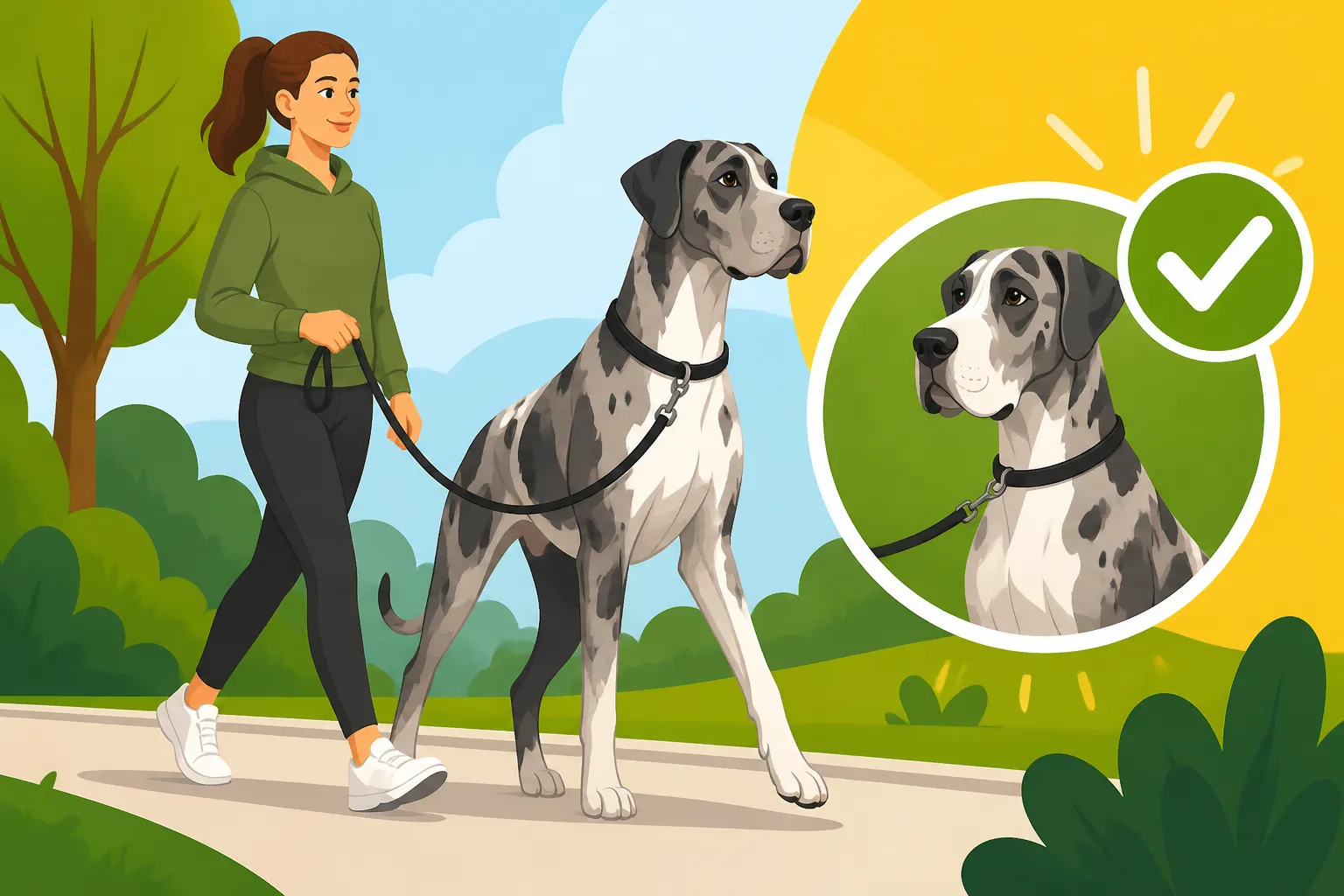
By understanding the challenges, using the right tools, and applying consistent, positive training methods, you can transform your Great Dane's walks from a chore into a truly enjoyable bonding experience. It takes time, yes, but the reward of strolling calmly with your magnificent companion is priceless.
Disclaimer
This article is for general informational purposes only and does not constitute professional advice. Laws, prices and regulations vary by location and change over time. Consult a qualified professional for guidance on your specific situation.