A Great Dane’s Tolerance for an Empty House
It's a common dilemma for Great Dane owners: can these magnificent, often clingy, gentle giants truly tolerate being left alone in an empty house for any significant period? The sheer size of a Dane means any anxiety or boredom can quickly escalate from minor nuisance to significant destruction, leaving many owners feeling trapped or perpetually worried. This guide aims to thoroughly explore a Great Dane's capacity for alone time, offering practical strategies to foster independence and manage separation-related challenges, ensuring both you and your beloved Dane can have peace of mind.
Understanding Separation Anxiety in Great Danes
Great Danes are renowned for their affectionate nature and tendency to bond very closely with their human families. This "velcro dog" trait, while endearing, can also make them particularly susceptible to separation anxiety or generalized distress when left alone. It's not just a matter of a little whining; for a Dane, true separation anxiety can manifest in truly heartbreaking and destructive ways.
The Velcro Dog Phenomenon and Its Roots
The term "velcro dog" perfectly describes many Great Danes. They want to be where you are, always. This deep attachment isn't just a quirk; it's often rooted in their genetic predisposition for companionship and protection. Historically, they were bred to work closely with humans, and that strong bond has carried through to the modern family pet. When that bond is suddenly broken, even temporarily, it can trigger primal feelings of insecurity and fear. It’s not about being a "bad" dog; it’s about genuine emotional distress.
Imagine a Great Dane, perhaps a young one, who has spent every waking moment of its life surrounded by its littermates and then, after coming home, its new human family. Suddenly, the house goes quiet, the car keys jingle, and the door closes. For an animal that relies heavily on its pack for security and comfort, this can be genuinely frightening. It's not a spiteful act when they chew the leg off your antique table; it's often a desperate attempt to self-soothe or to try and escape the perceived abandonment. Understanding this underlying emotional component is the first step toward effective management.
Common Signs of Distress When Left Alone
Recognizing the signs of distress is crucial. Many owners return home to chaos and assume their dog was just being naughty, but true separation anxiety presents a distinct pattern. One of the most common signs is destructive chewing, often focused on exit points like doors or windows, or on items that smell strongly of their owner, like furniture or clothing. You might find claw marks on the door frame or puddles where they've chewed through the drywall.
Another tell-tale sign is excessive vocalization – barking, howling, or incessant whining that often starts shortly after you leave and continues until your return. Your neighbors might be the first to alert you to this. Inappropriate urination or defecation, even in a fully house-trained dog, is also a classic symptom. This isn't defiance; it’s an involuntary stress response. Some Danes might pace relentlessly, pant excessively, or even try to escape their confinement, potentially injuring themselves in the process. It's a spectrum, and even subtle signs of restlessness or quiet sadness should not be ignored.
Preparing a Great Dane Puppy for Alone Time
The foundation for a Great Dane's tolerance for an empty house is laid during puppyhood. These early months are critical for teaching them that being alone isn't a scary event but a normal, predictable part of life. Trying to teach an adult Dane who has never learned independence is far more challenging than instilling it from the start.
The Importance of Early Socialization and Independence Training
From the moment you bring your Great Dane puppy home, you should be thinking about their ability to cope with being alone. Early socialization, exposing them to a variety of sights, sounds, people, and environments in a positive way, builds confidence. A confident puppy is less likely to panic when its primary source of comfort (you!) is out of sight. This isn't just about meeting other dogs; it’s about experiencing the world as a safe and predictable place.
Beyond general socialization, specific independence training is vital. This means regularly practicing short periods of alone time from the very beginning. Start with moments when you're just in another room, out of sight. Gradually extend these periods. The goal is to make your absence a non-event. Remember, a Great Dane puppy grows incredibly fast, and what might be manageable nipping at 20 pounds becomes a significant safety concern at 80 pounds, so getting the training right early is paramount. Why Waiting Until a Great Dane Is Grown Is Too Late is a useful resource for understanding this urgency.
Crate Training as a Foundation for Alone Time
Crate training is arguably one of the most effective tools for teaching a Great Dane to be comfortable alone. A properly introduced crate becomes a safe, den-like space where your puppy feels secure. It's not a punishment; it's their private room. For a giant breed, choosing a crate that is large enough to allow them to stand up, turn around, and lie down comfortably is essential. This often means investing in one of the largest available crates on the market from a brand like MidWest or Frisco.
Start with very short periods, with the crate door open, luring them in with treats and toys. Feed meals in the crate. Slowly, close the door for a few seconds, then minutes, always returning before they become distressed. Build up gradually to longer periods, always making sure they have a comfy bed, water, and appropriate chew toys. A stuffed Kong or a long-lasting chew can create positive associations with the crate. Once your Great Dane sees its crate as a safe haven, it makes the transition to being alone in the house much smoother. They have a predictable, secure space to retreat to, rather than feeling adrift in a large, empty house. Choosing a Crate a Great Dane Can Stand In offers more guidance on selecting the right size.
Strategies for Managing Alone Time in Adult Great Danes
Even if you didn't have the foresight to implement rigorous alone-time training as a puppy, it's never too late to work with an adult Great Dane. However, the approach might need to be more intensive, especially if separation anxiety is already established. Patience, consistency, and a realistic understanding of your dog's emotional state are key.
Gradual Desensitization and Counter-Conditioning
For an adult Great Dane who struggles with being alone, gradual desensitization and counter-conditioning are the cornerstones of successful training. Desensitization means slowly exposing them to the cues of your departure (picking up keys, putting on shoes, walking towards the door) without actually leaving, so these cues lose their power to trigger anxiety. Start by just touching your keys, then put them back down. Repeat this many times a day.
Counter-conditioning involves changing your dog's emotional response to your absence from negative to positive. This is done by associating your departure with something wonderful and distracting. A high-value, long-lasting chew toy or a puzzle feeder filled with their favorite treats can be given just as you leave. The goal is for them to focus on the treat, not on your departure. Start with leaving for only a minute, then two, then five, always returning before they show signs of distress. If they get anxious, you've gone too far, too fast, and need to dial back your leaving time. This process can take weeks or even months but is crucial for building genuine confidence.
Environmental Enrichment and Safe Spaces
An empty house can be boring, and boredom often leads to destructive behavior, especially in a large, intelligent breed like a Great Dane. Providing ample environmental enrichment is vital. This includes a variety of sturdy chew toys (sized appropriately to prevent choking, which is a real concern for Danes), puzzle feeders that make them work for their food, and perhaps even a radio or TV left on to create background noise that mimics human presence. You might find a good selection of durable toys on Amazon that can withstand a Dane's chewing power.
Creating a truly safe and comfortable space is also important. This could be their crate, if they are well-crated, or a specific dog-proofed room with their bed, water, and toys. Ensure this space is free of potential hazards or items they might destroy. For a Great Dane, "dog-proofed" means everything that can be chewed, knocked over, or jumped on needs to be secured or removed. Consider a high-quality orthopedic bed, even if it's an investment, to protect their joints during their alone time. Bedding That Prevents Great Dane Hygromas and Orthopedic Beds a Great Dane Needs are excellent resources on this topic.
Tools and Resources to Aid Alone Time Training
Navigating alone time challenges with a Great Dane can feel overwhelming, but thankfully, there are many tools and resources available to support both you and your dog. From physical aids to professional guidance, integrating these can significantly improve your success rate.
Interactive Toys and Puzzle Feeders
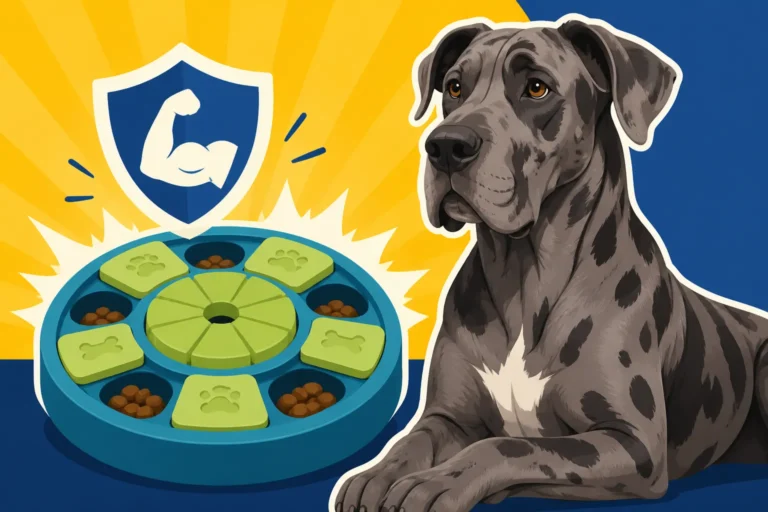
Interactive toys and puzzle feeders are your secret weapon against boredom-induced destruction and can help redirect anxiety. For a Great Dane, you need toys that are not only mentally stimulating but also incredibly durable. Think large, hard rubber toys that can be stuffed with peanut butter or treats, or puzzle balls that slowly dispense kibble as your dog plays with them. These toys keep their minds engaged and can turn being alone into a rewarding experience rather than a stressful one.
Consider rotating toys to keep things fresh and interesting. Don't leave all the toys out all the time; bring out special "alone time" toys only when you leave. This adds an element of novelty and makes them more exciting. Some Danes do incredibly well with snuffle mats to forage for their breakfast, while others prefer more robust chew toys. Experiment to see what truly captures your Dane's attention and keeps them happily occupied for extended periods.
Monitoring Devices and Professional Help
One of the biggest anxieties for owners is not knowing what their Great Dane is doing when they're gone. Pet cameras with two-way audio can be a game-changer. These devices allow you to check in on your dog, observe their behavior, and even talk to them or dispense treats remotely. Seeing that your Dane is calmly napping can bring immense relief, while observing signs of distress can help you tailor your training more effectively. You can find many reliable pet cameras on Amazon.
If your Great Dane's separation anxiety is severe, or if you're struggling to make progress on your own, don't hesitate to seek professional help. A certified professional dog trainer or a veterinary behaviorist can assess your dog's specific situation, rule out any underlying medical conditions, and develop a tailored behavior modification plan. They might also recommend anxiety-reducing medications in conjunction with behavior training for more severe cases. A program like BAXTER & Bella, which offers online puppy training and lifetime support, could also provide valuable resources and expert guidance as you navigate these challenges.
Here's a quick comparison of some common alone-time solutions:
| Solution Type | Benefits | Drawbacks | Best For |
|---|---|---|---|
| Crate Training | Provides a safe den, aids house training | Requires proper introduction, not suitable if already distressed, must be large enough | Puppies, dogs needing a secure space |
| Gradual Departure | Builds confidence slowly, low stress | Time-consuming, requires consistency, hard to implement if severe anxiety present | Mild to moderate anxiety, preventative training |
| Puzzle Toys | Mental stimulation, boredom relief, positive association | Can be destroyed quickly if not durable, not a cure for severe anxiety | Boredom, mild stress, supplemental enrichment |
| Pet Camera | Monitors behavior, reduces owner anxiety | Doesn't directly address dog's anxiety, can be an added cost | Owners who want to observe and understand behavior |
| Professional Trainer | Expert guidance, tailored plans, faster progress | Financial investment, requires commitment from owner | Severe separation anxiety, complex behavioral issues |
Setting Up Your Home for a Great Dane's Alone Time
Beyond direct training, the physical environment of your home plays a huge role in how well your Great Dane copes with being alone. Their enormous size means that even minor household items can become hazards or targets for destruction if not properly secured.
Dog-Proofing Your Living Space
Think like a Great Dane. If it's within reach, it's fair game. This means anything on counters, shelves, or even low tables needs to be moved or secured. Electrical cords should be covered or inaccessible. Trash cans need to be heavy, secure, or behind a locked cabinet. Remember, a Great Dane can easily reach kitchen counters, so put away food, medications, and anything potentially toxic. A Great Dane That Opens Doors and Bins highlights this challenge perfectly.
Consider what areas of your home are safest for your Dane to be in when you're away. Some owners opt to gate off specific rooms, using heavy-duty baby gates that a Dane can't easily jump or push through. Ensure these gates are tall and sturdy. Remove any sentimental or expensive items from areas your Dane has access to. A Great Dane in full anxiety mode can cause significant damage in a surprisingly short amount of time, so prevention is definitely better than cure here.
Establishing a Consistent Routine
Dogs thrive on routine, and Great Danes are no exception. A predictable schedule for feeding, potty breaks, exercise, and playtime can significantly reduce anxiety related to your absence. If your Dane knows that after their morning walk and breakfast, you usually leave for a specific period, but then always return for a mid-day break or afternoon walk, they learn to anticipate and trust this pattern.
Before you leave, ensure your Great Dane has had adequate exercise and a chance to relieve themselves. A good, long walk or a vigorous play session can help burn off excess energy and promote a calm, sleepy state. This doesn't mean exhausting them, but rather ensuring they're mentally and physically satisfied. A full belly and an empty bladder before you walk out the door can make a world of difference in their ability to settle down. The Feeding Routine That Lowers Great Dane Bloat Risk is a good read, as meal timing can influence when you leave them alone.
When to Seek Professional Guidance
It's important to differentiate between mild anxiety or boredom and clinical separation anxiety, which can be debilitating for your Great Dane and incredibly stressful for you. Knowing when to call in the professionals is key to ensuring your dog gets the help they truly need.
Recognizing Severe Separation Anxiety
Severe separation anxiety goes beyond a little whining or a chewed shoe. It involves intense panic and distress upon your departure, often escalating to self-harm, destruction of property, attempts to escape (sometimes resulting in broken teeth or torn nails), and persistent vocalization. If your dog is consistently engaging in these behaviors, even after you've tried basic training and environmental enrichment, it's a strong indicator that professional intervention is needed.
The emotional toll on a severely anxious Great Dane is immense, and it can significantly impact their quality of life. Owners often feel frustrated, guilty, and overwhelmed, sometimes even considering rehoming, which is heartbreaking for everyone involved. Don't let it get to this point without seeking expert help. A veterinary behaviorist, who is a veterinarian with specialized training in animal behavior, can provide a comprehensive diagnosis and treatment plan, which may include medication in conjunction with behavior modification.
Working with a Certified Professional Dog Trainer or Behaviorist
Finding the right professional is crucial. Look for a certified professional dog trainer (CPDT-KA) or a certified applied animal behaviorist (CAAB) who has experience working with giant breeds and separation anxiety specifically. These professionals use positive reinforcement methods and understand the nuances of canine behavior. They can help you identify triggers, implement appropriate desensitization and counter-conditioning protocols, and guide you through the process step-by-step.
A good trainer will work with you, teaching you the skills to help your Great Dane. They might recommend specific tools or techniques, such as using calming pheromones, supplements, or even suggesting a consultation with your veterinarian about anti-anxiety medication if appropriate. Remember, there's no magic bullet, and addressing separation anxiety is a journey that requires commitment and patience, but with the right support, your Great Dane can learn to be more comfortable and confident when home alone. Finding a Trainer Comfortable With a Great Dane offers tips on selecting the right expert for your giant companion.
Disclaimer
This article is for general informational purposes only and does not constitute professional advice. Laws, prices and regulations vary by location and change over time. Consult a qualified professional for guidance on your specific situation.