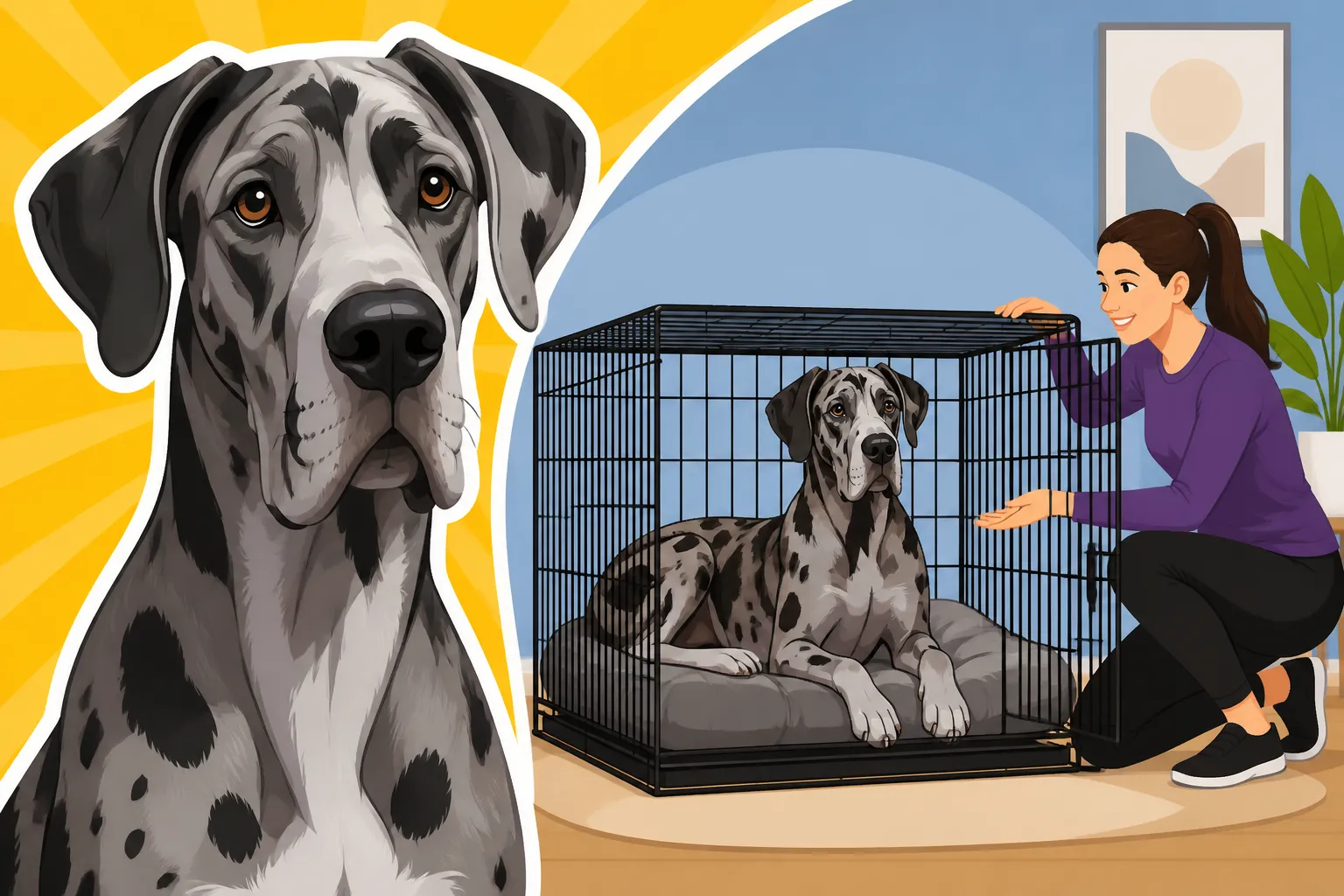
Crate Training a Great Dane That Fills the Room
Crate training a Great Dane can feel like trying to contain a small pony in your living room, especially when they’re still growing but already taking up a significant amount of space. It’s a challenge many giant breed owners face, wondering if a crate truly can accommodate such a majestic creature without feeling like a punishment. This comprehensive guide will walk you through the nuances of successful crate training for your Great Dane, addressing their unique size and needs to ensure it's a positive, lifelong experience for both of you.
Why Crate Training a Giant Breed is Non-Negotiable
Let's be real: when you bring home a Great Dane puppy, they start small, but that growth spurt is no joke. Before you know it, you have a dog that literally fills the room. While their gentle nature often shines through, their sheer size can unintentionally lead to chaos if not properly managed. This is where a crate becomes more than just a training tool; it becomes an indispensable part of living harmoniously with your giant companion.
Safety and Security for Your Mammoth Pup
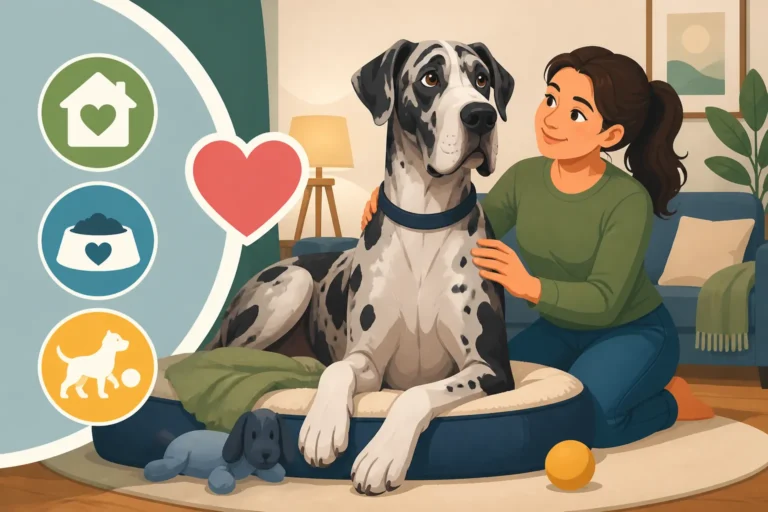
One of the biggest misconceptions about crates is that they're akin to a jail cell. For a Great Dane, nothing could be further from the truth. A properly introduced crate provides a safe, secure den, a personal sanctuary where they can retreat when overwhelmed, tired, or just need some quiet time away from the hustle and bustle of family life. Think about it: a small dog can easily curl up under a chair or behind a curtain, finding a secluded spot. A Great Dane? Not so much. Their size makes true "hiding" impossible within most homes, so a designated space is crucial.
Beyond mental well-being, a crate offers invaluable physical safety. Puppies explore with their mouths, and a Great Dane puppy has a big mouth that can reach an alarming number of household hazards. Electrical cords, cleaning supplies, small objects that could become choking hazards – these are all fair game for an unsupervised pup. A crate ensures that when you can't actively supervise your Dane, they are safe from accidental ingestion or injury. It also prevents them from practicing undesirable behaviors, like chewing on furniture or raiding the pantry, which, once learned, are incredibly difficult to break in a dog of this size. It's not about punishment; it's about prevention and peace of mind for both of you.
Managing the "Gentle Giant" Indoors
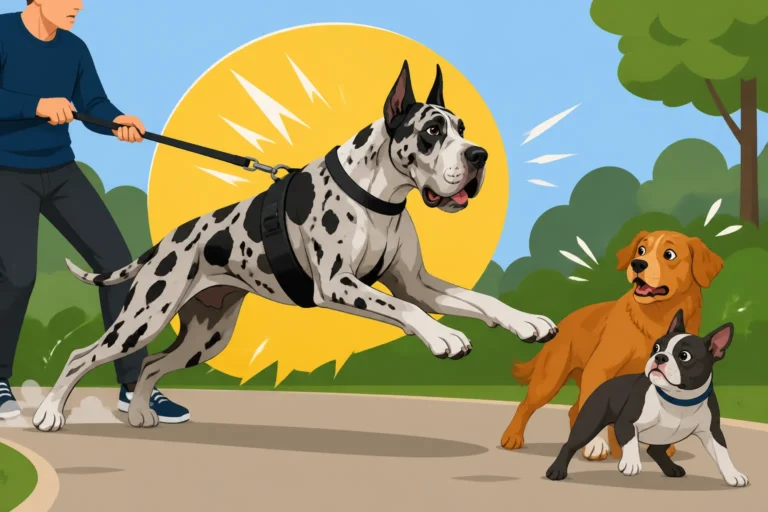
While Great Danes are renowned for their gentle, laid-back temperaments, their sheer mass means that even an accidental bump or an enthusiastic tail wag can cause significant disruption, or even injury, especially to small children or elderly family members. Imagine a happy, un-crated Dane zooming through the house, knocking over a lamp with their tail or accidentally body-checking a toddler. It's not malicious, but the consequences can be serious.
A crate provides a controlled environment, a place where your Dane can settle safely while guests are over, during meal preparation when you don't want a long nose "counter surfing," or simply when you need a moment of calm. This helps prevent the development of bad habits like jumping on people, which is cute when they're 30 pounds but becomes dangerous at 150 pounds. Establishing a reliable "crate time" also helps teach them how to be calm and content when you're not directly interacting with them, fostering independence and self-control. This skill is vital for a giant breed, who will always take up significant space and needs to understand boundaries. It's about teaching them appropriate indoor manners from a young age, so that as they mature, they remain the beloved, well-behaved giant you always dreamed of. For more on ensuring good manners early, check out The Cues a Great Dane Needs Before Six Months.
Choosing the Right Crate When "Standard" Doesn't Cut It
This is where many Great Dane owners hit their first real snag. You walk into a pet store, see the "large" and "extra-large" crates, and quickly realize they look like dollhouses next to your growing pup. Finding a crate that genuinely accommodates a full-grown Great Dane is not a quick grab-and-go purchase; it requires careful consideration of size, material, and placement.
Sizing Up: What "Fills the Room" Really Means
When we talk about a Great Dane filling the room, we're not exaggerating. These dogs can stand over 30 inches tall at the shoulder and weigh upwards of 150-180 pounds, sometimes even more. A standard "extra-large" crate often measures around 48 inches long. For a Dane, that's barely enough room to stretch out as a puppy, let alone an adult.
A correctly sized crate for a Great Dane needs to be large enough for them to stand up without hitting their head, turn around comfortably without having to crouch, and lie down fully stretched out on their side. For most adult Great Danes, this means a crate that is at least 54 inches long, often even 60 or 72 inches. Yes, these are enormous. They will take up a significant portion of your room. Don't be tempted to buy a smaller one "just for now" because you'll quickly outgrow it, and then you're stuck buying another giant crate. Many owners wish they'd considered Crates That Hold a Full-Grown Great Dane from the start. You might find yourself looking at crates marketed for multiple large dogs or even custom-built options. Measure your dog from nose to tail when lying down, and from the top of their head to the floor when standing, then add several inches to those measurements to ensure adequate space. Remember, this is their personal den, not a tight squeeze.
Material Matters: Durability for a Dane
Given the immense strength and size of a Great Dane, the material of their crate is paramount. A flimsy wire crate that might suffice for a smaller, calmer dog simply won't cut it. A determined Great Dane, especially one experiencing separation anxiety or going through a "teenager" phase, can easily bend wire, chew through plastic, or even escape.
Here’s a breakdown of common materials and why some are better suited for your giant:
- Standard Wire Crates: While readily available and often more affordable, many standard wire crates are not built to withstand the force of a full-grown Great Dane. The gauge of the wire is often too thin, leading to bent bars and potential escape routes. However, some manufacturers produce heavy-duty wire crates with thicker gauge wire and more secure latching mechanisms that can work. Always check the specifications carefully.
- Heavy-Duty Metal Crates (Impact Crates): These are often the gold standard for giant breeds or escape artists. Made from thicker steel or aluminum, they are incredibly durable, often featuring reinforced doors and secure, dog-proof latches. They are significantly more expensive and heavier than standard wire crates but offer superior security and longevity. Brands that specialize in working dog equipment often offer these. You can find options on platforms like Amazon, but always read reviews specific to giant breeds.
- Plastic Crates (Airline Style): These are great for travel and often provide a cozier, den-like feel. However, finding one large enough for an adult Great Dane can be incredibly challenging, and they might not offer enough ventilation for indoor use unless they have ample openings. A determined chewer can also work through plastic.
- Soft-Sided Crates: Absolutely not suitable for a Great Dane, especially during the training phase. These are for already crate-trained, calm dogs and offer no containment for a strong, energetic Dane.
Invest in the most durable crate you can afford. It's a significant upfront cost, but replacing multiple flimsy crates or dealing with an escaped, destructive Dane will quickly outweigh the initial saving. Also, consider the locking mechanisms – simple slide bolts can sometimes be outsmarted by clever paws. Look for multiple, secure latches.
Location, Location, Location: Where to Put the Palace
Once you’ve wrestled that behemoth crate through your doorway, deciding where to put it is the next logistical puzzle. Because the crate is your Dane's safe space, its location directly impacts their comfort and willingness to use it.
Firstly, choose a spot that is central to family activity but not in a high-traffic zone where they’ll constantly be disturbed. Danes thrive on being part of the family, so isolating their crate in a remote room can lead to anxiety and resistance. A corner of the living room, a family room, or a spacious kitchen where people often gather is ideal. This allows them to feel connected without being constantly jostled.
Secondly, consider the environment. Ensure the spot is free from drafts but also has good airflow, especially crucial for a large dog who can overheat. Avoid direct sunlight or placement next to noisy appliances like washing machines. The goal is to create a calm, inviting atmosphere. If you have hard floors, place a non-slip mat or rug underneath the crate to prevent it from sliding and to protect your floors.
Finally, remember the crate is their bed. Treat it as such. Don't use it for punishment, and ensure it's always clean and comfortable with appropriate bedding. This spot should be their personal retreat, a place they want to go, not a place they're banished to. Keeping their crate in a consistent location helps establish routine and predictability, which giant breeds often appreciate.
| Crate Type | Pros | Cons | Best For |
|---|---|---|---|
| Standard Wire | Good visibility, foldable for storage, affordable | Often too flimsy for strong Danes, less den-like | Very calm, already crate-trained Great Danes; temporary solutions |
| Heavy-Duty Wire/Metal | Very durable, secure, good ventilation | Expensive, heavy, less portable, takes up significant space | Most Great Danes, especially puppies or escape artists |
| Hard Plastic (Airline) | Den-like feel, good for travel | Difficult to find large enough, less ventilation, chewable plastic | Smaller Great Danes, specific travel needs |
| Furniture-Style Crates | Aesthetically pleasing, blends with decor | Often not large enough, can be pricey, variable durability | Smallest Great Danes, adult Danes with perfect crate manners |
The Step-by-Step of Crate Training a Growing Dane
The process of crate training a Great Dane isn't fundamentally different from training any other dog, but the scale of the dog means you need extra patience, consistency, and the right equipment. Rushing the process with a dog that will soon outweigh you is a recipe for disaster.
Making the Crate a Happy Place, Not a Prison
The absolute foundation of successful crate training is creating a positive association. Your Great Dane should view their crate as a cozy den, a safe haven, a place where good things happen. Never, ever use the crate for punishment. If they associate it with being naughty, you'll face an uphill battle.
Start by making the crate inviting. Place comfortable bedding inside – something soft but durable that can withstand potential chewing. Many Great Dane owners find orthopedic beds from brands available on Amazon or specialty pet stores helpful, as they cushion those growing joints. Throw in some delicious, high-value treats and a favorite toy. Leave the door open initially and let your Great Dane explore it at their own pace. Don't push them in; let curiosity be their guide.
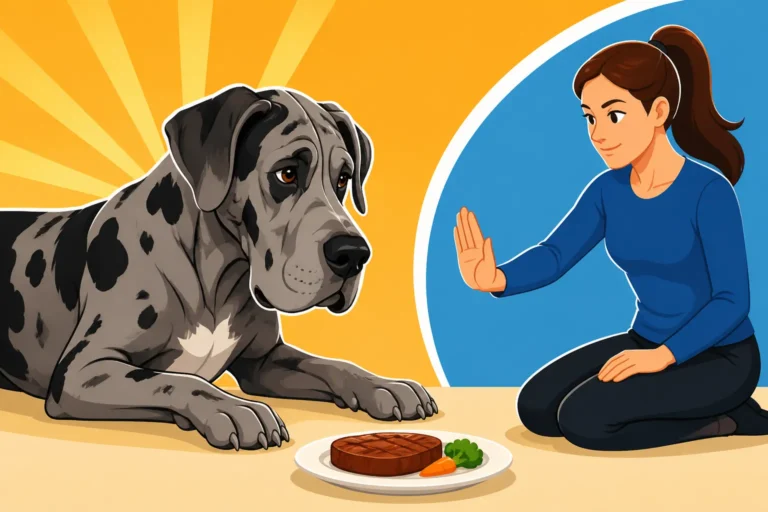
You can also feed your Great Dane their meals inside the crate. Place the food bowl at the back of the crate, gradually moving it further in as they become more comfortable. Close the door while they eat, opening it again immediately after they finish. This builds a strong positive link: crate equals delicious food! Regular positive reinforcement, like praising them calmly when they enter or settle, is key. Use a happy, soothing tone, never one that sounds like a command. Whether a Great Dane Needs a Crate at All delves deeper into the purpose and benefits of this space.
Gradual Acclimation: Patience is Key for Giants
This isn't a race. Great Danes, especially as puppies, thrive on routine and gentle guidance. Pushing them too fast will create fear and resistance.
Here's a step-by-step approach to gradual acclimation:
- Introduce the Crate: As mentioned, let them explore. Scatter treats inside. Don't close the door yet.
- Short Stays with the Door Open: Once they're comfortable going in and out, start encouraging them to stay for short periods. Use a consistent cue like "crate time!" or "bed!" and reward them generously when they enter.
- Close the Door Briefly: When they are happily settled with a chew toy or eating a meal, gently close the door for a few seconds. Stay right there. Open it before they show any signs of distress. Gradually increase the time the door is closed, always rewarding calm behavior.
- Short Absences: Once they're comfortable with the door closed for a few minutes while you're in the room, start leaving the room for very short periods (e.g., step out of sight for 30 seconds, then return). Extend this time slowly, always returning before they start to whine or panic. The BAXTER & Bella online puppy school offers excellent guidance on this kind of progressive training, providing resources that can be adapted for giant breeds.
- Longer Stays: Work up to longer periods, such as an hour, then two. Always ensure they have a full bladder and bowel before crating them for extended times. Consistency is crucial. Make sure every experience is positive.
If your Dane whines or barks, do not let them out immediately. Waiting until they have a brief pause in crying before opening the door teaches them that quiet earns release, not noise. However, if they are in full panic mode, banging against the crate or showing intense distress, that's different. In such cases, you might have progressed too quickly, and you need to backtrack to a step where they were comfortable.
Handling Potty Breaks and Alone Time
Great Dane puppies have notoriously small bladders for their size. Combine that with their rapid growth, and you've got a puppy who needs frequent potty breaks. Integrating crate training with potty training is essential.
Potty Breaks: A general rule of thumb is that a puppy can hold it for roughly one hour per month of age, plus one. So, a four-month-old Dane puppy might manage five hours, but you should still err on the side of caution.
- Establish a Routine: Take your puppy out immediately before crating and immediately after letting them out.
- Supervised Potty Time: Always take them to the same designated potty spot and praise them lavishly when they go.
- Nighttime: During the night, you may need to set an alarm for a middle-of-the-night potty break, especially for young puppies. As they get older, they'll be able to hold it longer. A Great Dane puppy that whines in their crate at night might genuinely need to go out, so it's important to learn to distinguish this from protest barking.
Alone Time: Building up alone time in the crate is critical, especially since Great Danes can be prone to separation anxiety if not properly socialized and accustomed to solitude.
- Gradual Increase: As discussed above, extend the time you leave them alone very gradually. This might mean starting with just a few minutes while you're in another room, then an hour while you run a quick errand.
- Mental Stimulation: Always provide a long-lasting chew or a puzzle toy stuffed with treats when you crate your Dane for alone time. This helps distract them, provides mental enrichment, and reinforces the positive association with the crate.
- Quiet Departures and Arrivals: Make your departures and arrivals low-key. Don't make a big fuss when you leave or return. This helps prevent your Dane from associating your presence with intense excitement and your absence with despair.
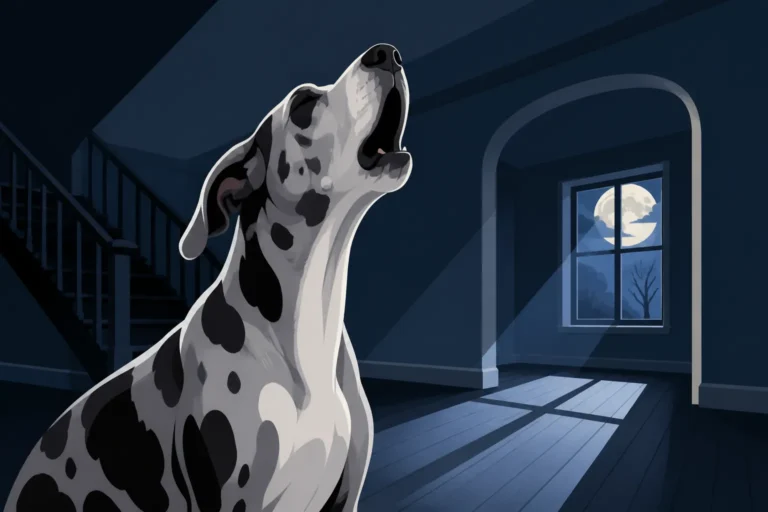
- Observation: If possible, observe your Dane via a pet camera when you first start leaving them alone. This can provide valuable insights into how they truly cope when you're gone. If they show signs of intense distress, you might need to consult a professional trainer or veterinary behaviorist. Proper management of alone time is crucial, as A Great Dane That Howls in an Empty House is a common problem.
Overcoming Common Crate Training Challenges with a Great Dane
Even with the best intentions and methods, you’ll likely encounter some bumps in the road. Great Danes are intelligent and sometimes stubborn, and their size can amplify common training challenges. Don't get discouraged; these are normal obstacles.
The Crying Game: When Your Dane Protests Loudly
One of the most heart-wrenching sounds is a Great Dane puppy crying in their crate. It pulls at your heartstrings, making you want to rush over and reassure them. But it's important to distinguish between protest whining/barking and genuine distress.
- Protest: This usually sounds like a frustrated whine or bark, often escalating if you engage with it. Your Dane might be testing boundaries, hoping you'll give in and let them out. In these cases, it's crucial to ignore the noise as long as you're certain they don't need to go potty and are otherwise safe. Wait for a brief moment of silence before letting them out, reinforcing that quiet earns attention. If you consistently let them out when they cry, you're teaching them that crying is the way to get what they want.
- Panic/Distress: This is different. It's often accompanied by frantic pawing, shaking, excessive drooling, destructive chewing, or trying desperately to escape. This indicates true anxiety or fear, and it means you've moved too quickly in your training. You need to backtrack to a step where they were comfortable and rebuild trust with even shorter, more positive sessions. Never punish a dog for panicking in their crate; it will only worsen the fear.
Ensure all their needs are met before crating: potty break, exercise, water, and a comfortable temperature. A tired puppy is a good crated puppy! A long walk or a vigorous play session before crate time can help them settle more easily. Consider white noise or a covered crate to help create a calmer environment. For more guidance on managing alone time, refer to Building Up a Great Dane's Alone Time.
Chewing and Destruction Inside the Crate
A Great Dane's mouth is a formidable tool, and as puppies, they use it to explore everything. Inside the crate, this can mean chewing on the crate itself, bedding, or anything else within reach.
- Provide Appropriate Chews: This is your first line of defense. Always, always provide safe, durable chew toys that are appropriate for a giant breed. Think Nylabones, Kongs (stuffed with frozen treats to last longer), or other hard rubber toys designed for power chewers. Rotate toys to keep things interesting. Avoid anything that can be easily shredded or swallowed.
- Durable Bedding: Standard soft blankets might quickly become shredded confetti. Look for chew-resistant or durable canvas beds designed for large, strong dogs. Alternatively, some owners opt for a thick mat or a raised, chew-proof cot inside the crate, or simply use several layers of old towels that can be easily washed or replaced. Keep an eye on any tags or zippers that could become tempting targets.
- Address Boredom/Anxiety: Destructive chewing can be a symptom of boredom or separation anxiety. Ensure your Great Dane is getting enough physical exercise and mental stimulation outside the crate. A tired dog is less likely to engage in destructive behaviors. If you suspect anxiety, consider consulting a professional.
Remember, anything that goes into the crate with your Dane should be dog-safe and unable to cause injury or be ingested. This is particularly important for preventing a Great Dane from consuming something that could lead to an emergency vet visit.
When a Great Dane Won't Go In: Breaking Resistance
Some Great Danes are naturally wary of enclosed spaces, or they might have had a negative experience with a crate before coming to you. If your Dane actively resists entering the crate, forcing them will only exacerbate the problem.
- Lure, Don't Push: Use high-value treats to lure your Dane into the crate. Toss a treat just inside the door, then further back. If they won't even put their nose in, start by placing treats near the crate, then just inside the threshold. Gradually build up to them walking all the way in.
- "Crate Games": Make entering and exiting the crate a fun game. Toss a treat in, let them get it, then release them with a happy "free!" command. Repeat many times. This builds a positive association and makes the crate a place they choose to enter.
- Remove the Door: If the crate door is intimidating, you can temporarily remove it (if your crate design allows) to make it feel less like a trap. Once they are comfortable entering and exiting freely, reintroduce the door.
- Consistency with Positive Reinforcement: Every time they willingly enter the crate, even for a second, praise them and give them a treat. Don't underestimate the power of positive reinforcement, especially with a breed as sensitive and intelligent as the Great Dane.
- Consult a Professional: If you've tried everything and your Great Dane still has a strong aversion to the crate, it's wise to consult a certified professional dog trainer or veterinary behaviorist. They can assess the specific situation and provide tailored strategies to address fear or anxiety, especially with a large dog where these behaviors can be challenging to manage.
Patience is your biggest asset here. Remember, you're teaching a large, powerful animal to willingly enter a confined space. It takes time, trust, and a whole lot of positive reinforcement.
Advanced Crate Use and Long-Term Considerations
Crate training isn't just for puppies. For a Great Dane, it can be a valuable tool throughout their life, offering benefits that extend beyond basic house training and preventing destructive chewing. Thinking long-term about your Dane's needs and how the crate fits into their life will ensure continued success.
Crate Training Beyond Puppyhood: Maintaining Good Habits
Many people view crate training as a temporary phase, abandoning the crate once their dog is past puppyhood. However, maintaining crate manners can be incredibly beneficial for your Great Dane throughout their lifespan.
- Continued Den-Like Comfort: As Great Danes age, they may develop joint issues like those discussed in Arthritis in a Six-Year-Old Great Dane. A familiar, comfortable crate can remain their safe retreat, a place where they can rest undisturbed, particularly if they have a plush, orthopedic bed. It’s their personal space to decompress.
- Management During Specific Situations: Even a perfectly well-behaved adult Great Dane might need to be crated occasionally. This could be for:
- Vet visits or recovery from surgery: If your Dane needs to be contained for medical reasons, being comfortable in a crate makes the experience far less stressful for them (and you). Imagine trying to manage a large, un-crated Dane on restricted activity after surgery without prior crate training.
- Travel: Whether it's a road trip or an airline flight (though flying a Great Dane comes with its own set of challenges), a crate is often required for safety and containment.
- Guest Management: When you have visitors who might be uncomfortable with a giant dog, or if your Dane gets over-excited around new people, a crate offers a polite way to manage their presence without isolating them completely.
- Home Repairs or Maintenance: Sometimes you just need your dog safely out of the way for a few hours while work is being done in the house.
To maintain good crate habits, occasionally ask your adult Dane to "crate up" for short periods, even if it's just for 30 minutes while you're home. Reward them for settling calmly. This keeps the skill fresh and reinforces the positive association, making it less of a shock if they suddenly need to be crated for an unexpected reason.
Alternatives When a Crate Just Isn't Working
While crate training is highly recommended for Great Danes, there are rare instances where, despite best efforts, a dog simply cannot tolerate a crate due to extreme anxiety, past trauma, or genuine claustrophobia. In such cases, forcing the issue can do more harm than good, exacerbating stress and potentially leading to behavioral problems.
If a crate truly isn't working, consider these alternatives:
- Exercise Pens (X-Pens): Large, heavy-duty exercise pens can create a safe, contained area, essentially a larger version of a crate without a solid top. Ensure the pen is tall enough and sturdy enough to prevent your Great Dane from jumping over or pushing through it. Some Great Danes might find an X-pen less intimidating than a traditional crate because it offers more space and an open feel. You can link multiple panels together to create a substantial area. This is a common solution for owners exploring Pens and Gates Instead of a Great Dane Crate.
- Designated "Safe Room": This involves dog-proofing an entire room in your house. Choose a room with minimal hazards, remove anything valuable or chewable, and ensure windows and doors are secure. This gives your Great Dane more freedom to move around while still being contained. However, it requires extensive dog-proofing and may not be feasible for all homes or situations (e.g., if the dog is destructive when left alone).
- Professional Guidance: If you're struggling with crate training or exploring alternatives, always seek help from a certified professional dog trainer or a veterinary behaviorist. They can help identify the root cause of your Dane's resistance and offer personalized strategies or management plans. They can also provide insights into specific anxiety behaviors, as Great Danes, while generally mellow, can still exhibit signs of stress like A Great Dane That Is Anxious Rather Than Gentle.
The goal is always safety, comfort, and peace of mind for your Great Dane. If a traditional crate isn't meeting those needs, then exploring well-managed alternatives is the responsible path forward. The main thing is to have a plan for when you can't actively supervise your giant companion.
Disclaimer
This article is for general informational purposes only and does not constitute professional advice. Laws, prices and regulations vary by location and change over time. Consult a qualified professional for guidance on your specific situation.