Whether a Great Dane Can Reach a Kitchen Island
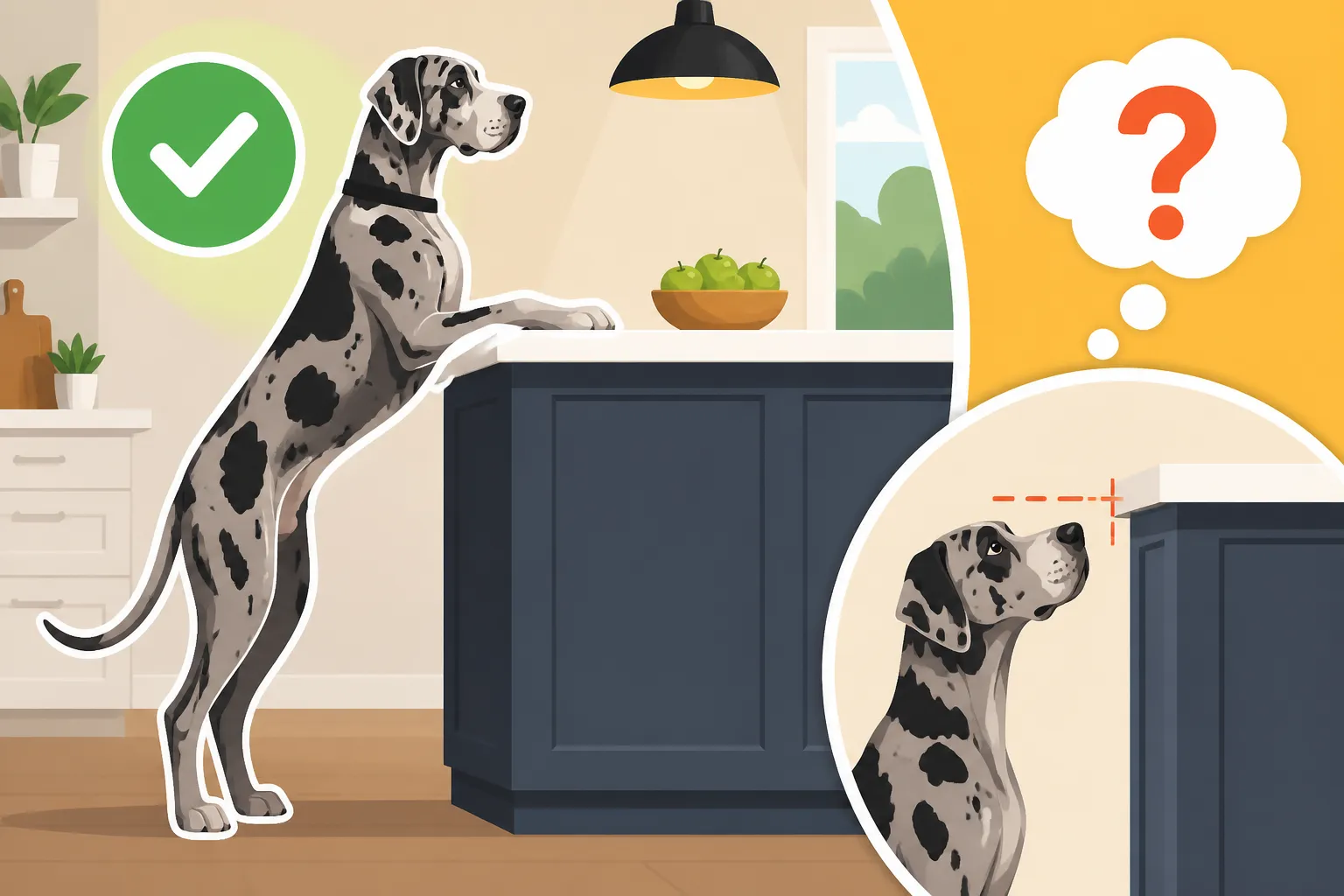
It's a common, often hilarious, but sometimes truly frustrating scenario for Great Dane owners: you turn your back for a second, and suddenly that gourmet sandwich or carefully arranged plate of appetizers on your kitchen island has vanished, or at least been significantly "sampled." You might wonder if your gentle giant is secretly part-giraffe, or if they've developed a sudden knack for levitation. The truth is, while they may be noble and majestic, Great Danes are also master counter-surfers, and that kitchen island is absolutely within their impressive reach. This guide will dive deep into how they manage this feat, why they're so compelled to do it, and, most importantly, what you can actually do to keep your food (and your Dane!) safe.
The Anatomy of a Counter-Surfing Giant
Many first-time Great Dane owners, and even seasoned ones, are constantly amazed by the sheer scale of these dogs. They look at their towering canine companion and then glance at their kitchen island, often assuming it's a safe zone. But trust me, that assumption is a recipe for a missing meal.
How Tall is Too Tall? Not for a Great Dane!
Let's talk about the raw numbers. Most standard kitchen counters and islands stand around 34 to 36 inches high. If you have a bar-height island, it might be closer to 40-42 inches. Now, consider your Great Dane. An adult male can easily stand 30-32 inches at the shoulder, sometimes even more. A female will be a little shorter, typically 28-30 inches.
Think about that for a moment. When your Dane is simply standing on all four paws, their head, with its long, inquisitive nose, is already practically eye-level with a standard kitchen counter. They don't need to jump or even stretch much to get a good sniff, or even a casual lick, of anything resting near the edge. But the real magic happens when they decide to put their front paws up. When a Great Dane "stands up" or leans against a surface, their full height, including their neck and head, can easily extend to 60-70 inches or more. That's a staggering five to six feet of pure Dane, giving them effortless access to even the tallest kitchen island. Suddenly, that "out of reach" platter of cookies or the sizzling roast cooling on the far side of the island is well within their grasp. They don't even have to be graceful about it; a simple lean and a sweep of the paw can send items tumbling down for easier access.
The Reach and Agility You Underestimate
It’s not just about height; it’s about their surprising dexterity. Great Danes are often described as "gentle giants," and while their temperament is usually incredibly sweet, don’t mistake "gentle" for "clumsy" or "uncoordinated" when food is involved. These dogs possess incredible reach and a surprising amount of agility for their size.
They can use their long neck and powerful shoulders to launch their head and nose over the counter edge. Many have perfected the "snatch and grab" technique, where they quickly grab an item and retreat before you even register what happened. Others are more subtle, using a paw to gently (or not so gently) sweep an item closer to the edge, or even directly onto the floor, where it becomes fair game. You might think placing something a foot or two back from the edge of the island is enough, but a determined Dane can often lean, stretch, and use a paw like a hook to drag items closer. I’ve seen Danes nudge a cutting board with their nose until it slides off the edge, then calmly pick up whatever was on it once it's on the floor. It's a calculated move, not a clumsy accident, born from observation and past success.
Here's a quick comparison of average heights to put it into perspective:
| Feature | Approximate Height (inches/cm) | Great Dane Access Level |
|---|---|---|
| Standard Kitchen Counter | 34-36 inches (86-91 cm) | Head easily reaches, paws can rest |
| Standard Bar-Height Island | 40-42 inches (102-107 cm) | Still very accessible, a stretch |
| Average Male Great Dane (shoulder) | 30-32 inches (76-81 cm) | N/A (this is standing height) |
| Average Female Great Dane (shoulder) | 28-30 inches (71-76 cm) | N/A (this is standing height) |
| Great Dane (paws on counter, head stretched) | 60-70+ inches (152-178+ cm) | Effortless reach over any counter |
Why Your Great Dane Becomes a Kitchen Commando
It's easy to get frustrated or even angry when your Dane pulls a disappearing act with your dinner. But understanding why they do it can help you approach the problem with more patience and effective strategies. It's rarely out of malice; it's almost always rooted in instinct, opportunity, and learning.
The Irresistible Lure of Food
Let's be honest: food is a huge motivator for dogs, and Great Danes are no exception. They have an incredible sense of smell, much more powerful than ours. That delicious aroma of roasted chicken or freshly baked bread isn't just a faint scent to them; it's a vibrant, intoxicating signal screaming "EAT ME NOW!"
Every time your Dane successfully snags a crumb, a dropped piece of food, or, heaven forbid, an entire plate from the counter, that behavior is powerfully reinforced. They learn that the kitchen island (or counter, or table) is a place where high-value rewards can be found. It becomes a game of chance where the payoff is incredibly high. Even if they only succeed once in a while, that single success is often enough to keep them trying. Imagine if you won a small lottery prize every now and then just by walking past the lottery counter – you'd probably keep walking past it, right? It's the same principle for your Great Dane. They remember the thrill of the score and will try again, often with more determination each time. This is especially true given Monthly Food Spending on a Great Dane can be significant, so any "extra" food is a bonus!
Curiosity, Boredom, and Attention-Seeking
While food is the number one driver, it’s not the only reason your Great Dane might be exploring the higher planes of your kitchen. These are intelligent, inquisitive dogs who use their mouths and noses to explore their world. If something smells interesting, they're going to investigate.
Boredom can also play a huge role. If your Dane isn't getting enough physical exercise or mental stimulation, they might create their own "games," and exploring forbidden zones is a pretty exciting one. Left alone in a quiet house, a curious Dane might decide to see what's up there, just for the mental engagement of figuring it out. This is why ensuring your Dane has appropriate outlets for their energy, like regular walks and puzzle toys, is so important. Sometimes, counter-surfing can even be an attention-seeking behavior. You might not realize it, but even a loud "NO!" or rushing over to shoo them away is a form of attention. If they're feeling neglected or just want some interaction, negative attention can still be reinforcing. They learn that reaching for the counter gets a reaction from you, and sometimes, any reaction is better than none.
Fortifying Your Kitchen Against the Gentle Giant
Preventing counter-surfing requires a multi-faceted approach involving management, consistent training, and sometimes, environmental adjustments. There's no magic bullet, but a combination of strategies can significantly reduce the problem.
Management: The First Line of Defense
When it comes to Great Danes, management is absolutely paramount. Their size means that even a minor lapse can lead to major consequences, from ruined meals to potential health hazards.
The golden rule of counter-surfing prevention is: if it's not there, they can't take it. This sounds simple, but it requires diligent effort from everyone in the household. Get into the habit of clearing your kitchen island and counters immediately after use. Don't leave dirty dishes with food scraps "to soak" or a half-eaten snack plate unattended, even for a moment. Push everything, even non-food items, well to the back or put them away in cabinets. Wipe down counters thoroughly to remove any tempting crumbs or spills. Think of it as baby-proofing, but for a very large, four-legged toddler. Baby-Proofing a Kitchen From a Great Dane is more than just securing cabinets; it's about making the environment inhospitable to culinary raids.
When you can't actively supervise your Dane, the best solution is to restrict their access to the kitchen entirely. Tall, sturdy baby gates are your friends here. Look for extra-tall models that your Great Dane can't easily step over or lean on and knock down. We've used various brands found on Amazon over the years that specialize in extra-wide or extra-tall pressure-mounted gates. A heavy-duty exercise pen can also work to create a secure, dog-free zone around the kitchen entrance. For longer periods, especially when you leave the house, crate training can be invaluable. A properly sized crate is a safe, den-like space for your Dane and prevents them from getting into trouble (and food) while you're away. Make sure you have Choosing a Crate a Great Dane Can Stand In so they are comfortable.
Training: Teaching "Leave It" and "Off"
While management controls the environment, training empowers your Dane to make the right choices, even when temptations are present. This takes time, patience, and consistency.
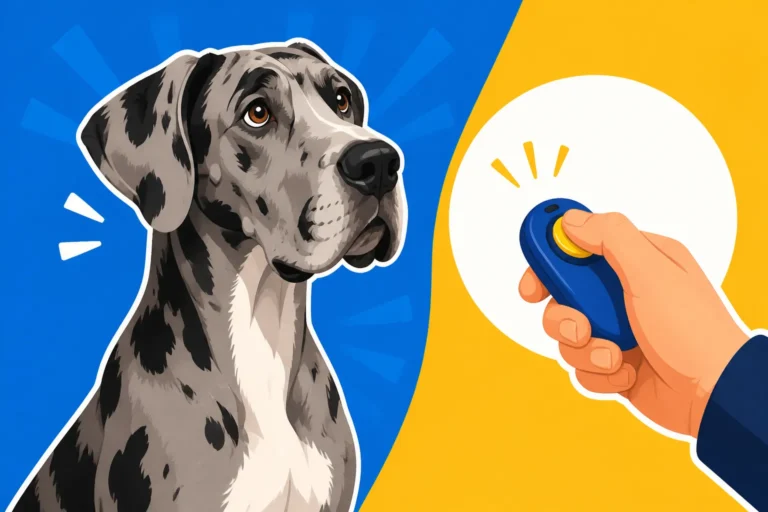
Positive reinforcement is the only way to go with Great Danes. They are sensitive souls and respond much better to rewards for good behavior than to harsh corrections. Yelling or physical punishment will only make them fearful or sneakier, and Why Physical Corrections Fail on a Great Dane is a lesson you'll learn quickly.
Two crucial commands for counter-surfing are "Leave It" and "Off."
- "Leave It": Start by practicing "Leave It" in a low-distraction environment. Place a low-value treat on the floor, cover it with your hand, and say "Leave It." When your Dane looks away from the treat, immediately reward them with a different, higher-value treat from your other hand. Gradually increase the difficulty: uncovered treats, then treats on the floor while you walk by, then on a low table, and eventually on the counter. The goal is for them to understand that ignoring the tempting item (leaving it) leads to an even better reward from you. This command is not just for the kitchen; it's a critical life skill for a Great Dane, helping them to ignore dangerous items both inside and outside the house.
- "Off": This command teaches your Dane to remove their paws or body from a surface. When your Dane puts their paws on the counter (or jumps up on you), calmly say "Off" and lure them down with a treat held low. As soon as all four paws are on the floor, reward them. Repeat this consistently. The key is to reward them for having all four paws on the floor, not for jumping up in the first place.
Consistency is key. Every family member needs to use the same commands and follow the same rules. If one person lets the Dane sniff the counter or occasionally gives them a scrap from the island, it undermines everyone else's efforts. Consider enrolling in a positive reinforcement training program. Resources like BAXTER & Bella offer online puppy and dog training programs that can provide structured lessons for teaching these vital commands and managing a giant breed's unique challenges. They can help you teach your Great Dane Teaching a Great Dane to Leave Food Alone effectively. Remember, The Manners a Great Dane Needs Before It Grows are far easier to teach a puppy than to retrain a massive adult.
Environmental Adjustments & Deterrents
Sometimes, despite your best efforts, a persistent Great Dane needs a little extra discouragement. These methods aren't replacements for training but can act as temporary deterrents.
- "Booby Traps": Non-harmful deterrents can sometimes make the counter less appealing. Stacking empty soda cans near the edge, so they tumble noisily if nudged, can startle a Dane and make them think twice. Some people use double-sided sticky tape along the counter edge; dogs dislike the sticky sensation on their paws or nose.
- Visual Cues: Aluminum foil draped over the counter edge or baking sheets placed precariously can create a visual barrier and an unexpected noise if touched, but these are often quickly figured out by smart Danes.
- Food Storage: Invest in dog-proof containers for food storage. Many regular canisters or bread bins are easily opened or knocked over by a determined Great Dane. Look for those with latches or heavier bases. Amazon offers a wide variety of these.
- Redirection: Provide plenty of appropriate chew toys and puzzle feeders, especially when you're busy in the kitchen or about to leave. If your Dane is happily engaged with a Kong stuffed with peanut butter or a durable chew toy, they're less likely to be searching for forbidden snacks. This also helps with Damage a Great Dane Reaches That Smaller Dogs Cannot if they choose to chew something inappropriate.
When They Succeed: Damage Control and Next Steps
No matter how diligent you are, there will likely come a day when your Great Dane outsmarts you. Perhaps you left the gate unlatched, or a friend accidentally left their plate unattended. When it happens, your response is critical.
Immediate Response and Safety
First and foremost, stay calm. It's easier said than done when you find a half-eaten pizza or an entire loaf of bread gone, but yelling or panicking after the fact won't help and can make your Dane fearful of you. They won't connect your anger to the act of counter-surfing; they'll only remember your scary reaction.
The most critical step is to assess what they ingested. Did they eat something harmless like plain bread, or something potentially toxic? Common kitchen hazards include chocolate, grapes/raisins, onions, garlic, macadamia nuts, avocado (the pit and skin), and foods sweetened with xylitol (often found in sugar-free gum, candies, and some peanut butters). Even fatty foods, like bacon grease or excessive amounts of cheese, can trigger pancreatitis or, more critically for a Great Dane, contribute to bloat. The Lifetime Bloat Risk in a Great Dane is a constant concern.
If there's any doubt about toxicity or the quantity of food, call your veterinarian immediately. Don't wait for symptoms to appear. The sooner you act, the better the prognosis. Be prepared to tell them exactly what your Dane ate, how much, and roughly when.
Reinforcing Prevention and Consistency
A successful counter-surf is a clear indicator that your prevention strategy has a weak point. It’s not about punishing your dog; it's about reviewing and tightening your security measures.
- Identify the Lapse: Was a gate left open? Was food left unattended for too long? Did a child accidentally leave a snack within reach? Pinpoint where the breakdown occurred.
- Re-evaluate Management: Do you need a taller gate? Stronger cabinet locks? More consistent crating during certain times?
- Increase Training: Go back to basics with "Leave It" and "Off." Practice more frequently and in increasingly distracting environments.
- Involve Everyone: Remind all family members, guests, and even children about the rules. A single slip-up can undo weeks of consistent effort. Everyone in the household must be on the same page.
Remember that Why Waiting Until a Great Dane Is Grown Is Too Late applies to all training. The earlier you address these behaviors and establish boundaries, the easier it will be to manage your adult Dane.
The Long Game: Patience and Understanding
Living with a Great Dane means understanding that their size brings unique challenges and responsibilities. Counter-surfing is one of them. They are incredibly intelligent, and they learn quickly – both good habits and bad ones. It’s an ongoing process of management, training, and setting them up for success.
Patience is truly a virtue here. You are dealing with a magnificent creature driven by instinct and opportunity. Rather than viewing their attempts to raid the counter as defiance, try to see it as a natural canine behavior that needs redirection and clear boundaries. Provide appropriate outlets for their energy and mental stimulation, like regular walks and training sessions. A tired, well-exercised, and mentally stimulated Dane is generally a well-behaved Dane. If they're getting enough physical activity (appropriate for their age and joint health) and mental puzzles, they'll be less inclined to seek out forbidden fun.
The satisfaction of seeing your Great Dane calmly ignore a tempting treat on the counter, or respond instantly to your "Leave It" command, is incredibly rewarding. It’s a testament to your hard work and the bond you share, proving that even the biggest, most food-motivated gentle giant can learn amazing self-control.
Disclaimer
This article is for general informational purposes only and does not constitute professional advice. Laws, prices and regulations vary by location and change over time. Consult a qualified professional for guidance on your specific situation.