Whether a Great Dane Actually Uses a Big Yard
It’s a common scenario: you dream of bringing home a magnificent Great Dane, picturing them majestically roaming acres of green grass, assuming that a dog so large must need an equally large yard to be happy. Many hopeful owners are often left wondering, with a mix of anticipation and perhaps a touch of anxiety, whether their available outdoor space—or lack thereof—is truly sufficient for such a grand companion. This guide aims to clear up these misconceptions and delve into what really contributes to a Great Dane's well-being, regardless of your yard size.
The Common Misconception: Why a Big Yard Isn't a Great Dane's Be-All and End-All
When people think of giant dog breeds, the image of them galloping across vast expanses of land often comes to mind. It's a romantic notion, and for some breeds, it might hold a kernel of truth. However, for a Great Dane, relying solely on a large backyard for their exercise and enrichment can actually lead to an under-stimulated, bored, and potentially destructive dog. The sheer size of a Great Dane often leads to the mistaken belief that they are bundles of boundless energy needing endless space, but their energy profile is often quite different from, say, a Border Collie or a high-drive retriever.
The "Gentle Giant" Paradox and Energy Levels
Great Danes earned the moniker "Gentle Giant" for a reason. While they are undoubtedly powerful and can move with surprising speed when they want to, they are also notorious couch potatoes. A young Great Dane puppy certainly has bursts of playful energy, often referred to as "zoomies," where they'll tear around the house or yard for a few minutes. But these bursts are typically short-lived, followed by long periods of napping and quiet observation. As they mature, especially beyond their adolescent phase, many Great Danes settle into a remarkably sedate lifestyle indoors.
Think about it: a 150-pound dog doesn't exactly sprint laps for hours. Their joint health, particularly while they are growing, is a major concern, and excessive, uncontrolled exercise can put undue strain on their developing bones and cartilage. This is why discussions around Exercise Limits While a Great Dane Is Still Growing are so crucial. Simply having a large yard doesn't mean your Dane will self-regulate and get the right kind of exercise. They might take a few lazy strolls, sniff around a bit, and then find the nearest patch of sun for a nap. Without intentional activity, that big yard becomes nothing more than a giant outdoor kennel, offering little in the way of true stimulation.
Boredom: The Hidden Danger of an Unused Space
A large, empty yard, without human interaction or engaging activities, can quickly become a source of profound boredom for a Great Dane. These dogs are deeply people-oriented and thrive on companionship and being part of the family's daily life. Left alone in a big yard for hours on end, they can become lonely, anxious, and destructive. Imagine being a highly intelligent, sensitive creature with nothing to do but stare at the same fence line all day. It’s hardly stimulating!
This boredom can manifest in undesirable behaviors such as excessive barking, digging craters in your prize-winning flowerbeds, or even attempting to escape. A Great Dane with an entire acre to itself but no one to interact with is far less happy and well-adjusted than a Great Dane in a smaller apartment that receives regular walks, training, and playtime with its owner. The size of the yard itself is secondary to the quality and consistency of engagement you provide. They need to feel connected, and that connection rarely comes from an unsupervised, vast outdoor space.
What a Great Dane Truly Craves: Structured Activity and Mental Engagement
Instead of a sprawling estate, what a Great Dane truly thrives on is a routine that incorporates structured physical activity and, perhaps even more importantly, consistent mental engagement. Their historical role as boar hounds required bursts of intense speed and strength, but also intelligence and a close working relationship with their handlers. This heritage means they are built for purpose-driven activity rather than endless, undirected wandering.
The Indispensable Daily Walk (or Two!)
There's no substitute for a good, brisk walk on a leash. For a Great Dane, one or two daily walks are absolutely essential, regardless of your yard size. These aren't just about physical exercise; they are about mental stimulation. The change of scenery, the new smells, the sounds of the neighborhood – all of these awaken your Dane's senses and provide a rich tapestry of experiences that a familiar backyard simply cannot offer. A 20-30 minute brisk walk, twice a day for an adult Dane, is often far more beneficial than hours spent lounging in a yard.
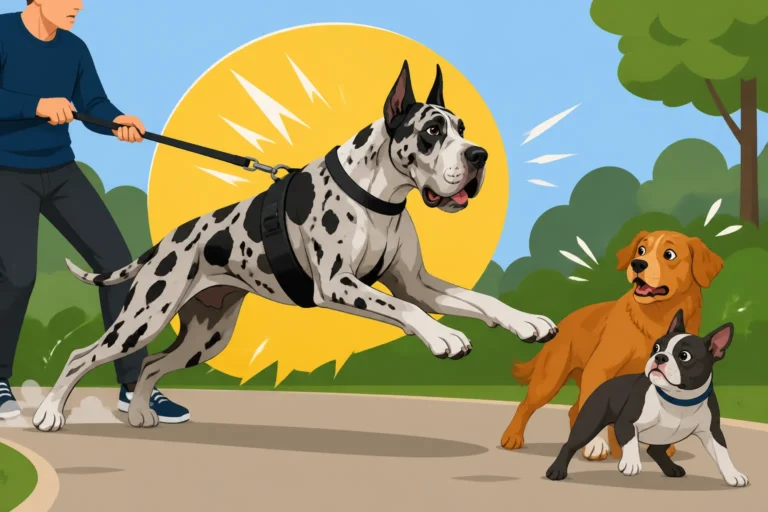
Walking teaches them leash manners, allows for controlled exposure to new sights and sounds, and strengthens their bond with you. It's an opportunity for them to explore the world on your terms, reinforcing your leadership and their role in your family unit. If you're struggling with a giant pulling on the leash, investing in a good quality harness and perhaps some training from BAXTER & Bella can make these walks enjoyable for both of you. Remember to consider Whether a Great Dane Puppy Should Jog as controlled growth and joint health are paramount for this breed.
Harnessing Playtime for Physical and Mental Well-being
Playtime doesn't have to mean running miles. Short, engaging play sessions are vital. Tug-of-war with a sturdy rope toy, fetch with a large, durable ball, or even hide-and-seek indoors can provide excellent physical and mental workouts. Puzzle toys, especially for those times when you can't actively engage, can keep their minds busy and prevent boredom. Imagine a Great Dane lying on a soft bed, working diligently on a puzzle toy purchased from Amazon – that's a mentally stimulated and happy Dane.
These types of interactive games not only burn off some energy but also reinforce positive behaviors and critical thinking skills. They learn problem-solving, develop impulse control, and strengthen their connection with you. For example, practicing commands like "sit," "stay," and "come" during a game of fetch adds a layer of mental challenge. This focused, interactive play is far superior to simply opening the back door and hoping they entertain themselves.
The Vital Role of Socialization Beyond Your Property
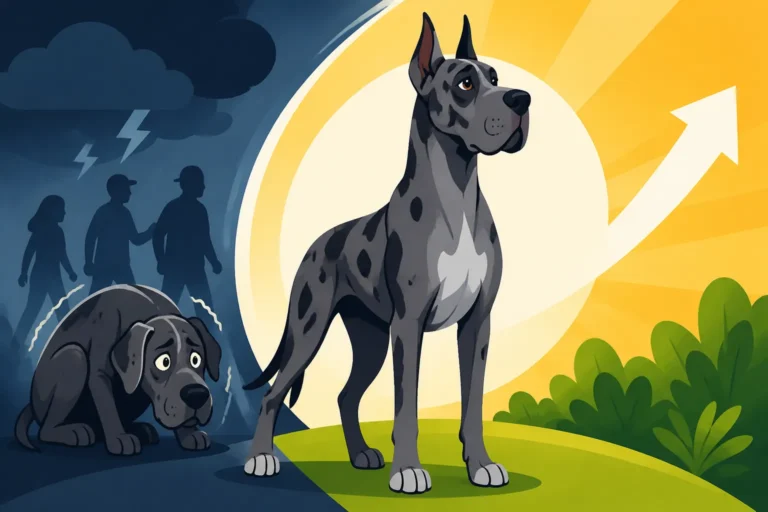
A Great Dane, despite its size, needs to be a well-socialized member of the community. A large yard, by its very nature, isolates a dog from the wider world. Without consistent exposure to different people, other dogs, and varied environments, a Great Dane can become fearful, reactive, or overly protective. This is particularly true for a breed whose imposing size can be intimidating to others. Socializing a Great Dane Puppy Early is not just good manners; it's a safety imperative for such a large breed.
Taking your Dane to dog-friendly parks (where appropriate for their temperament and your control), pet stores, or even just for walks in bustling areas provides invaluable real-world experience. These outings teach them how to navigate a variety of social situations calmly and confidently. They learn that not every stranger is a threat and that other dogs can be friends. A dog that is comfortable and well-adjusted in public is a joy to take places, whereas an undersocialized giant can become a liability.
Maximizing Any Space: How to Create an Enriching Environment for Your Dane
So, if a big yard isn't the magic bullet, how can you ensure your Great Dane is happy and well-exercised in whatever space you have? It's all about intentional design and engagement, turning any area into an opportunity for physical and mental stimulation. Whether you have a small city garden or a more expansive rural property, the principles remain the same: provide purpose and interaction.
Transforming Your Yard into an Interactive Haven
If you do have a yard, regardless of its size, think of it as an extension of your indoor living space, not just a place to relieve themselves. You can turn it into an engaging area with a bit of creativity:
- Scent Games: Hide treats or favorite toys around the yard and encourage your Dane to sniff them out. This uses their natural scenting abilities and provides immense mental stimulation.
- Agility for Giants (Gentle Version): Set up low hurdles (think broomsticks over bricks) or a tunnel (you can find collapsible ones online) for them to navigate. Keep it low-impact and fun, focusing on problem-solving rather than speed, especially for a Growing Pains in a Great Dane at Eight Months.
- "Digging Zones": If your Dane loves to dig, designate a specific area (like a sandbox or a corner filled with loose soil) where it's okay for them to indulge this natural instinct. Bury some toys or treats there to encourage its use.
- Cool-Down Stations: In warmer climates, a kiddie pool filled with a few inches of water can be a fantastic way for them to cool off and play. Always ensure there's ample shade.
A big yard is great for a game of fetch or a quick romp, but it needs your participation to be truly enriching. Don't just open the door and walk away; go out there with them!
Essential Indoor Activities for Your Giant Companion
Many Great Danes are perfectly content to be indoor dogs, often preferring the company of their humans to the solitary grandeur of a large yard. This means you need to be prepared to offer plenty of stimulation indoors.
- Training Sessions: Even basic obedience commands like "sit," "stay," "down," and "come" can be practiced multiple times a day in short, fun sessions. Introduce new tricks or reinforce old ones. This is mentally tiring for a dog. Consider online courses, like those from BAXTER & Bella, which offer structured training you can do right in your living room.
- Interactive Toys: Puzzle feeders, KONG toys stuffed with treats, or durable chew toys can keep them occupied and mentally engaged. Make sure any toys are appropriately sized for a Great Dane to prevent choking hazards. You can find a huge selection of Toys Big Enough Not to Choke a Great Dane on Amazon.
- Crate Time for Rest: A properly introduced crate isn't just for potty training; it's a safe, den-like space where your Great Dane can relax and have downtime without being overwhelmed. Just ensure you have Crates That Hold a Full-Grown Great Dane. This can be particularly useful for managing their energy, encouraging calm behavior, and ensuring they get adequate rest.
- "Indoor Olympics": Set up a simple obstacle course in your living room using pillows, blankets, or even your legs for them to weave through. Again, focus on gentle movement and fun, not strenuous exercise. A well-placed orthopedic bed can then become a welcome retreat after a busy indoor play session.
Safety First: Securing Your Outdoor Area
If you do have a yard that your Great Dane will be using, safety is paramount. Their sheer size means they can get into more trouble, or even escape, more easily than smaller breeds if the yard isn't properly secured.
- Robust Fencing: A Great Dane can easily clear a standard four-foot fence. You need fencing that is at least six feet high, strong, and deeply set to prevent digging underneath. Weak spots in the fence or gates that aren't securely latched are an open invitation for adventure.
- Supervision: Never leave your Great Dane unsupervised in the yard for extended periods. Things can happen quickly – they could find something dangerous to chew, encounter an unknown animal, or become a target for theft. Active supervision is always the best policy.
- Shelter and Water: Ensure there is always access to fresh water and adequate shade, especially on hot days. Great Danes can overheat quickly due to their large body mass. Conversely, they can also get cold in winter due to their short coats, so consider Whether a Thin-Coated Great Dane Gets Cold.
- Hazard Removal: Regularly check your yard for any potential hazards like toxic plants, exposed electrical wires, sharp objects, or chemicals. Remember, what a smaller dog can't reach, a Great Dane can.
The Power of Training: Guiding Your Dane's Energy and Behavior
Ultimately, the best way to ensure your Great Dane is happy and well-adjusted, irrespective of your yard size, is through consistent, positive-reinforcement training. Training isn't just about teaching commands; it's about building a language between you and your dog, establishing expectations, and channeling their natural energy and intelligence into constructive behaviors. Without this foundation, even the biggest yard won't prevent problems.
Early Training for a Well-Adjusted Gentle Giant
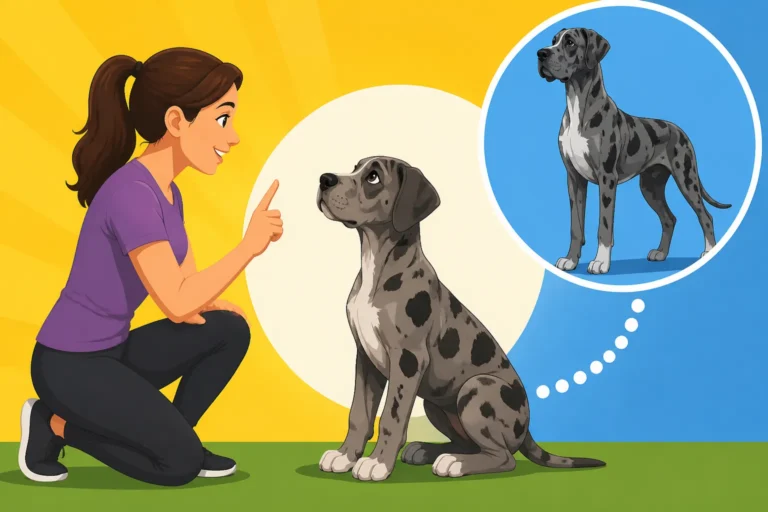
Starting training early is non-negotiable for a Great Dane. A cute, clumsy puppy quickly grows into a powerful, imposing adult. What's adorable at 30 pounds is dangerous at 150. Basic commands like "sit," "stay," "come," and "leave it" must be ingrained from a young age. This is why resources like the comprehensive online puppy programs from BAXTER & Bella are invaluable for new Great Dane owners, providing structured lessons you can follow from home.
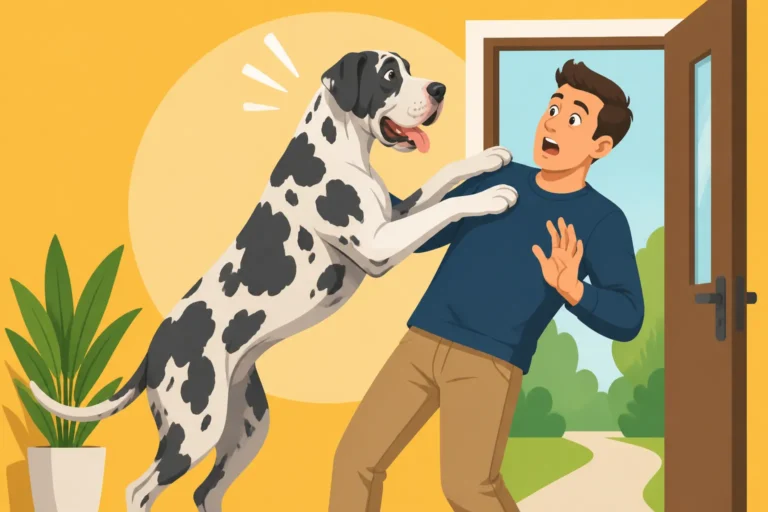
Beyond basic commands, focus on teaching self-control and good manners. A Great Dane needs to learn not to jump on people, not to counter-surf (they will reach!), and to walk politely on a leash. Without these foundational skills, managing a giant breed can become overwhelming, and you might find yourself reluctant to take them out, thus further limiting their experiences. Why Waiting Until a Great Dane Is Grown Is Too Late is a critical lesson for new owners.
Continuing Education: Keeping Minds Engaged
Training isn't a one-and-done event; it's a lifelong journey, especially for an intelligent breed like the Great Dane. Continuing education keeps their minds sharp and strengthens your bond. Consider advanced obedience classes, scent work, or even therapy dog training. These activities provide purpose and challenge, which are deeply satisfying for a dog.
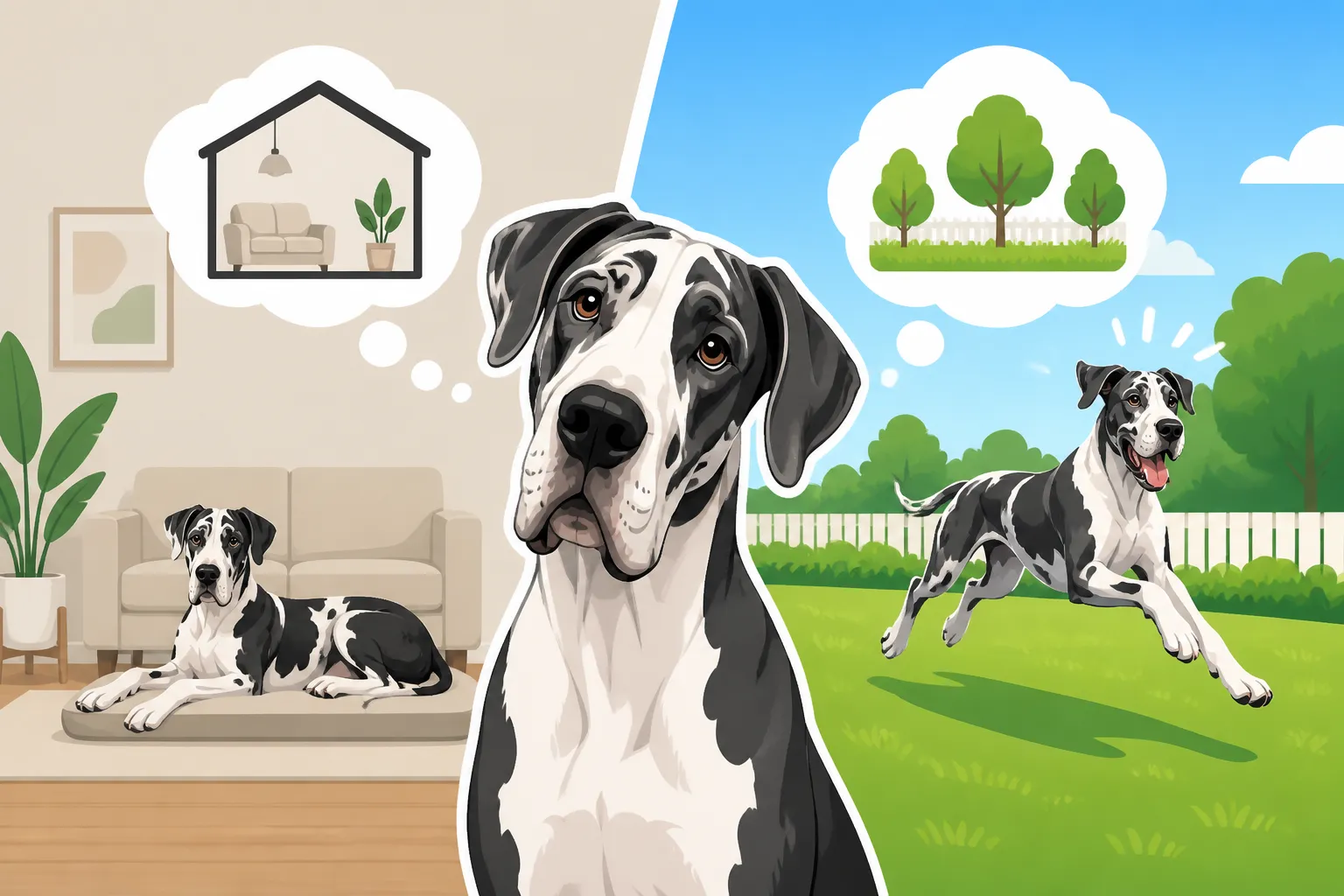
A mentally stimulated Great Dane is generally a calmer, happier dog at home. If their minds are engaged during structured activities, they are far more likely to settle contentedly when it's time to relax. A Great Dane that understands commands and is mentally tired from a training session will lie peacefully on its bed, enjoying the company, rather than pacing restlessly in a large yard, looking for something to do. The goal is to nurture a well-rounded companion, not just a big dog with a big space.
Yard Activity vs. Structured Engagement
Here's a quick comparison to illustrate why a big yard alone isn't enough:
| Activity Type | Description | Benefits for Great Dane | Drawbacks/Limitations |
|---|---|---|---|
| Passive Yard Time | Dog let out into a large yard unsupervised. | Free access for potty breaks. Some self-directed sniffing. | Prone to boredom, destructive behaviors, loneliness, lack of mental stimulation, potential for escape. |
| Structured Walks | Daily leash walks in varied environments with owner. | Physical exercise, mental stimulation (new sights/smells), socialization, leash manners training, bond strengthening. | Requires owner's time and effort. |
| Interactive Play | Fetch, tug, puzzle toys, indoor games with owner/family. | Physical exercise, mental challenge, impulse control, bond strengthening, appropriate outlet for energy. | Requires owner's time and effort. Toys need to be durable and size-appropriate. |
| Training Sessions | Formal or informal obedience, trick training, scent work. | Mental stimulation, builds communication, reinforces good manners, confidence building, strengthens bond. | Requires consistent effort and patience from the owner. |
| Social Outings | Visits to dog-friendly places, controlled interactions with other dogs and people. | Crucial for temperament development, prevents reactivity/fear, builds confidence. | Requires owner's time, supervision, and ability to manage a large dog in public. |
Disclaimer
This article is for general informational purposes only and does not constitute professional advice. Laws, prices and regulations vary by location and change over time. Consult a qualified professional for guidance on your specific situation.