A Great Dane That Is Anxious Rather Than Gentle
It's a common image, isn't it? The Great Dane, a magnificent "Apollo of Dogs," a gentle giant known for its calm demeanor and loving nature. We picture them gracefully lounging, a picture of serene contentment. So, when your Great Dane paces relentlessly, shies away from visitors, or trembles at a loud noise, it can be incredibly unsettling and frankly, heartbreaking. This guide is for every owner who expected a gentle soul but found themselves with a Great Dane struggling with anxiety, offering insights into recognizing, understanding, and compassionately managing their worries.
The Disconnect: When Your "Gentle Giant" Isn't So Gentle
There’s a pervasive myth that Great Danes are inherently stoic and completely unflappable. While many certainly embody the calm, collected persona we adore, it's a huge disservice to the breed and individual dogs to assume every Dane will be naturally confident and serene. Just like people, dogs have their own unique personalities and predispositions, and some are simply wired for more sensitivity. It’s important to remember that anxiety isn't a flaw in their character, but a complex emotional state that needs understanding and support.
The Myth vs. The Reality of Great Dane Temperament
When you first consider bringing a Great Dane into your home, you're often bombarded with images and stories of their gentle, easygoing nature. Breeders often highlight their suitability as family dogs, their patience with children, and their general affability. And for many Danes, this is absolutely true. They can be incredibly tolerant, affectionate, and surprisingly calm indoors, despite their imposing size. This positive image is a huge part of their appeal, and it sets a powerful expectation for new owners.
However, the reality is that the term "gentle giant" doesn't mean "unflappable robot." Every Great Dane is an individual, and while many are indeed gentle, some can be quite sensitive, reserved, or even prone to anxiety. This sensitivity might manifest as shyness around new people or in novel environments, or it could be a deeper, more pervasive anxiety that impacts their daily life. It’s a bit like expecting every human to be an extrovert just because they're generally considered friendly. The genetic background, early experiences, and ongoing environment all play a crucial role in shaping a Dane's temperament.
Why an Anxious Great Dane Can Be So Challenging
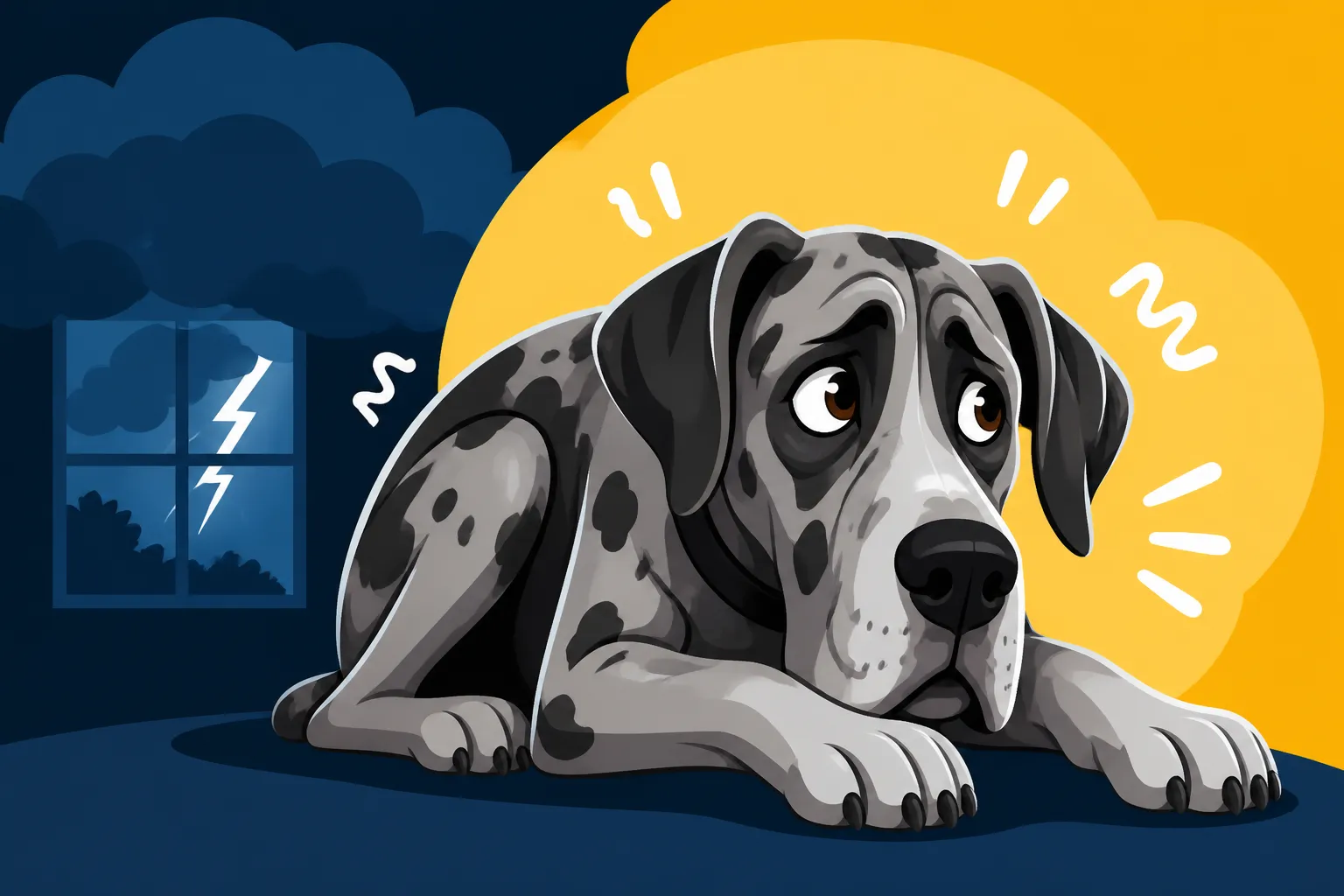
Living with an anxious Great Dane presents unique challenges precisely because of their sheer size. A nervous Chihuahua might tremble in a corner, but a 150-pound Great Dane exhibiting anxiety can inadvertently cause significant disruption or even danger. Imagine a Dane panicking at a sudden thunderstorm, trying to squeeze into a tiny space, or body-slamming into furniture in a desperate attempt to escape perceived threats. This isn't malicious behavior; it's pure, unadulterated fear driving their actions.
The physical implications are real. Anxious pacing can wear down floors, a sudden jump can knock over a child or an elderly person, and desperate attempts to escape can damage doors or crates. It can also make routine care incredibly difficult. A vet visit or a grooming session becomes a battleground of fear, requiring extra precautions and often medication. Owners might find themselves socially isolated, hesitant to invite guests over or take their dog to public places, because managing their giant, anxious companion feels like an insurmountable task. The emotional toll on the owner, feeling helpless and frustrated, can be just as significant as the dog's distress.
Spotting the Subtle (and Not-So-Subtle) Signs of Anxiety in a Dane
Sometimes anxiety in a Great Dane isn't immediately obvious, especially if you're expecting big, dramatic displays. Danes, like many dogs, can show their stress in subtle ways, or their anxiety might be dismissed as "just being a Dane." Learning to read their body language is crucial, as early recognition allows for earlier intervention. We're looking beyond simple shyness here, delving into the consistent patterns of behavior and physical cues that signal an underlying struggle.
Behavioral Clues: More Than Just Shyness
Anxiety in a Great Dane often manifests through a range of behavioral cues that go beyond typical shyness. While a shy Dane might simply avoid interaction, an anxious Dane often displays signs of internal distress. You might notice excessive panting, even when it's not hot or after exercise, or an unusual amount of drooling that isn't just their normal Great Dane slobber after a drink. Pacing, particularly if it seems aimless and persistent, can be a major red flag, indicating an inability to settle down. Some anxious Danes will try to hide in small spaces, like under a coffee table they barely fit beneath, or press themselves against you for constant reassurance. Trembling, a tucked tail, or an exaggerated lip lick or yawn (often out of context, not after waking up or eating) are all classic stress signals.
Beyond these more direct signs, anxiety can also fuel destructive behaviors. A dog left alone who chews on furniture, scratches at doors, or soils the house might not be "acting out" but rather experiencing severe separation anxiety. They're not being vindictive; they're genuinely distressed and channeling that fear into destructive outlets. For instance, an owner who comes home to find their Dane has chewed through a door frame might assume the dog is just bored, when in reality, the dog spent hours in a panic attack, trying to escape its perceived confinement. This is why understanding these behavioral clues is so vital: it changes our response from punishment to compassionate intervention. If your Dane seems to shut down when scolded, it might be a sign of deeper anxiety, highlighting why A Great Dane That Shuts Down When Scolded needs a different approach.
Physical Manifestations and Health Impacts
Anxiety isn't just in their head; it can take a very real physical toll on your Great Dane's body. Chronic stress can manifest as digestive upset, leading to loose stools, diarrhea, or even frequent vomiting. You might notice changes in their appetite – either refusing to eat when stressed or, conversely, eating far too quickly as a coping mechanism. Skin problems, such as hot spots, persistent itching, or dull coat quality, can also be exacerbated by anxiety. Some Danes might engage in repetitive behaviors like constant paw licking, which can lead to skin irritation or even infection, all stemming from an underlying anxious state.
Imagine a Great Dane who gets so stressed by a trip to the vet that they develop diarrhea afterward, or whose usually healthy coat starts to show bald patches from incessant chewing on their legs. These aren't just isolated incidents; they're calls for help from a body under stress. Even routine procedures, like nail trims, can become almost impossible if the dog's anxiety is severe, making it clear that building confidence in these situations is critical. Over time, chronic anxiety can even suppress their immune system, making them more susceptible to other illnesses. It's a holistic issue, where the dog's mental state directly impacts their physical well-being.
| Behavior Trait | Typically Gentle Dane | Anxious Dane |
|---|---|---|
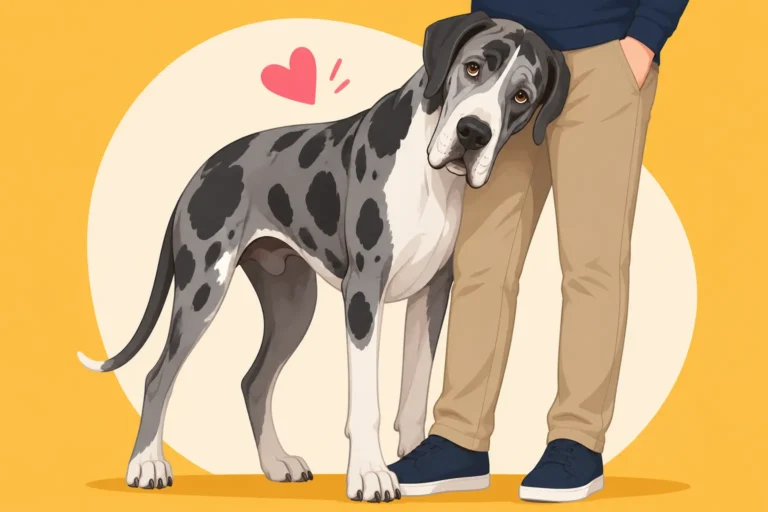
| Greeting Strangers | Approaches calmly, offers a sniff, may lean gently. | Retreats, barks nervously, trembles, avoids eye contact. |
| Response to Noise | May acknowledge, but quickly settles back down. | Startles, paces, pants excessively, seeks hiding spots. |
| Alone Time | Rests, chews a toy, waits calmly for owner's return. | Paces, barks/howls persistently, destructive behaviors. |
| Body Posture | Relaxed, tail wagging loosely, soft eyes. | Tense muscles, low/tucked tail, wide eyes, furrowed brow. |
| Appetite | Eats meals with enthusiasm and consistency. | Fluctuates, skips meals when stressed, eats rapidly. |
| Interaction | Engages playfully, seeks affection, confident. | Avoids touch, freezes, becomes clingy, or acts distracted. |
Unpacking the Roots of Great Dane Anxiety
Understanding why your Great Dane might be anxious is the first step toward helping them. It's rarely a single cause but rather a complex interplay of factors, from their inherited traits to the experiences they've had, or haven't had, in their lifetime. Blaming yourself or the dog isn't productive; instead, focus on gathering information to inform your support strategy.
Genetic Predispositions and Early Experiences
Just like humans, dogs can inherit certain personality traits, including a propensity for anxiety. If a Great Dane's parents or grandparents were nervous, fearful, or lacked confidence, there's a higher chance those traits might be passed down to their offspring. This isn't always the case, but good breeders actively screen for temperament, seeking out stable, confident lines. Unfortunately, not all breeders prioritize this, or sometimes even with the best intentions, a sensitive puppy can emerge. This highlights the importance of asking about the parents' temperaments when considering a puppy and understanding The Health Testing a Great Dane Breeder Owes You – which should include temperament assessments.
Beyond genetics, early experiences (or the lack thereof) play a monumental role. The critical socialization window for puppies, typically between 3 and 16 weeks, is where they learn about the world and form their perceptions of safety and danger. A Great Dane puppy that misses out on positive exposure to various sights, sounds, people, and other friendly dogs during this time can develop fears that blossom into full-blown anxiety as they grow. Imagine a massive puppy who wasn't introduced to vacuum cleaners, car rides, or different types of people; suddenly, these common elements become terrifying novelties. This is why Socializing a Great Dane Puppy Early is so critical, and why many problems stem from inadequate early exposure, emphasizing Why the First Four Months Decide a Great Dane.
Environmental Triggers and Life Changes
Even a genetically sound and well-socialized Great Dane can develop anxiety due to environmental triggers or significant life changes. Loud, sudden noises like thunderstorms, fireworks, or even construction work can be incredibly frightening for sensitive Danes. Think about how jarring these sounds are for us; amplify that for a dog with far more acute hearing. New people, especially those who approach too quickly or are boisterous, can trigger fear. Similarly, novel places, unfamiliar routines, or even just being left alone can induce significant stress. This is particularly common with separation anxiety, where a Great Dane can become frantic when their primary caregiver leaves, often manifesting as A Great Dane That Howls in an Empty House.
Beyond acute triggers, major life changes can be profoundly unsettling. Moving to a new home, the loss of a family member (human or pet), the addition of a new baby or pet, or even a change in your work schedule can disrupt a Great Dane's sense of security and predictability. These dogs thrive on routine and stability, and any significant shift can throw them off balance. For example, a Dane accustomed to constant companionship might struggle immensely if their owner suddenly starts working long hours, demonstrating the need for strategies like Building Up a Great Dane's Alone Time gradually. Their large size makes them acutely aware of their surroundings, and any perceived threat or instability can quickly escalate into anxious behaviors.
Practical Steps to Cultivate Calm in Your Anxious Great Dane
Helping an anxious Great Dane requires a multi-faceted approach, combining training, environmental adjustments, and sometimes, professional support. It's a journey that demands patience, consistency, and a deep well of empathy. The goal isn't to "cure" them overnight, but to equip them with coping mechanisms and build their confidence, turning their world into a safer, more predictable place.
Building a Foundation of Confidence Through Training
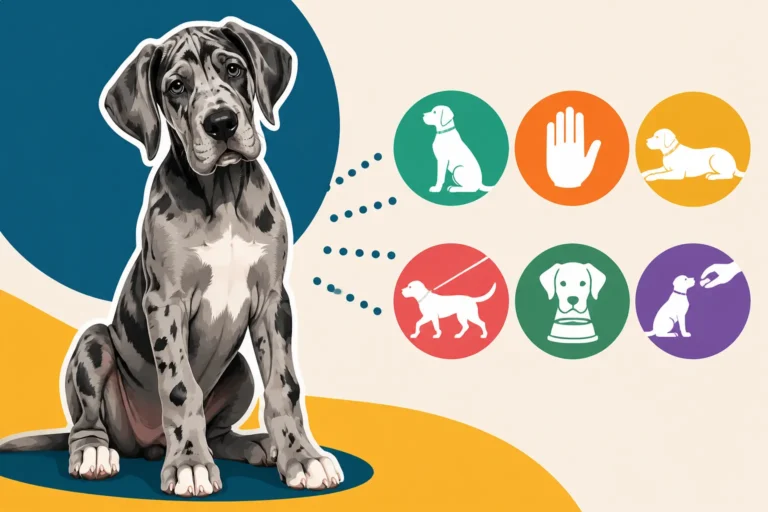
Positive reinforcement training is the cornerstone of building confidence in an anxious Great Dane. Harsh corrections or punishment will only exacerbate their fear and erode their trust in you. Instead, focus on rewarding calm behavior and guiding them gently through new experiences. Basic obedience cues like "sit," "stay," "down," and "come" provide structure and predictability, which can be incredibly comforting for an anxious dog. These cues also give your Dane a "job" to do, redirecting their focus and empowering them with a sense of control. For instance, asking an anxious Dane to "sit" and rewarding them with a high-value treat when a new person enters the room can help them associate visitors with positive outcomes, rather than fear.
Counter-conditioning and desensitization are powerful tools here. This involves gradually exposing your Dane to their triggers at a low intensity, pairing the exposure with something positive (like their favorite treat or a game). For example, if they're afraid of the vacuum cleaner, start by having it in a different room while you give them treats. Slowly, over many sessions, bring it closer, turn it on briefly, always pairing it with positive reinforcement, staying below their fear threshold. This can be a slow process, but it's incredibly effective at changing their emotional response. Online resources, like those offered by BAXTER & Bella, can provide structured courses and support for tackling specific anxiety issues, guiding you through these steps with expert advice. Don't be afraid to seek out a trainer who understands giant breeds; finding a specialist who is Finding a Trainer Comfortable With a Great Dane is paramount. Additionally, products like a Thundershirt, often available on Amazon, can provide a comforting, swaddling pressure that some anxious dogs find incredibly soothing during stressful events like thunderstorms.
Creating a Secure and Predictable Environment
An anxious Great Dane thrives on routine and a sense of safety within their home. Providing a designated "safe space" where they can retreat when feeling overwhelmed is non-negotiable. This could be a large, comfortable crate (sized appropriately, considering Choosing a Crate a Great Dane Can Stand In), an orthopedic dog bed in a quiet corner, or even a specific room in the house. Equip this space with soft bedding, calming music or white noise, and perhaps a favorite chew toy. This isn't a place for punishment, but a sanctuary they can choose to use.
Consistency in their daily schedule, from meal times to walks and bedtime, helps reduce uncertainty, which is a major contributor to anxiety. Gradual introductions to new people, places, or objects are also key. Instead of overwhelming them, allow them to observe from a distance, approach on their own terms, and reward calm curiosity. Ensure they get adequate, but not excessive, exercise, as physical activity can help burn off nervous energy without over-stimulating their developing joints. For example, a leisurely walk around the neighborhood is often better than a high-intensity dog park visit for an anxious Dane. Enrichment toys, easily found on Amazon, that make them think and work for their food can also provide mental stimulation, redirecting anxious energy into productive tasks. Keeping Whether Great Danes Are Really Calm Indoors in mind, a structured environment helps maintain that calm.
When to Seek Professional Guidance
While many mild cases of Great Dane anxiety can be managed with consistent effort at home, there are times when professional intervention is not just helpful but essential. The first step should always be a thorough veterinary check-up. Anxiety symptoms can sometimes mask underlying medical conditions, such as thyroid imbalances or chronic pain, that need to be addressed. Your veterinarian can rule out physical causes and discuss initial management strategies. If the anxiety is severe, persistent, or causing significant distress to your dog or disruption to your household, it's time to consult with a certified professional dog trainer specializing in fear and anxiety, or ideally, a veterinary behaviorist.
A veterinary behaviorist has a deep understanding of both animal behavior and veterinary medicine, allowing them to assess complex cases and develop comprehensive treatment plans. These plans often combine behavior modification techniques with medication, if necessary, to help take the edge off the anxiety enough for the training to be effective. This isn't a quick fix, but a structured approach to helping your Great Dane find peace. They can guide you through advanced counter-conditioning, desensitization protocols, and offer tailored advice that considers your Dane's specific triggers and personality. Remember, seeking professional help isn't a sign of failure; it's a responsible and loving choice to give your beloved giant the best chance at a calm, happy life.
Disclaimer
This article is for general informational purposes only and does not constitute professional advice. Laws, prices and regulations vary by location and change over time. Consult a qualified professional for guidance on your specific situation.