Whether a Great Dane Ever Shows Aggression
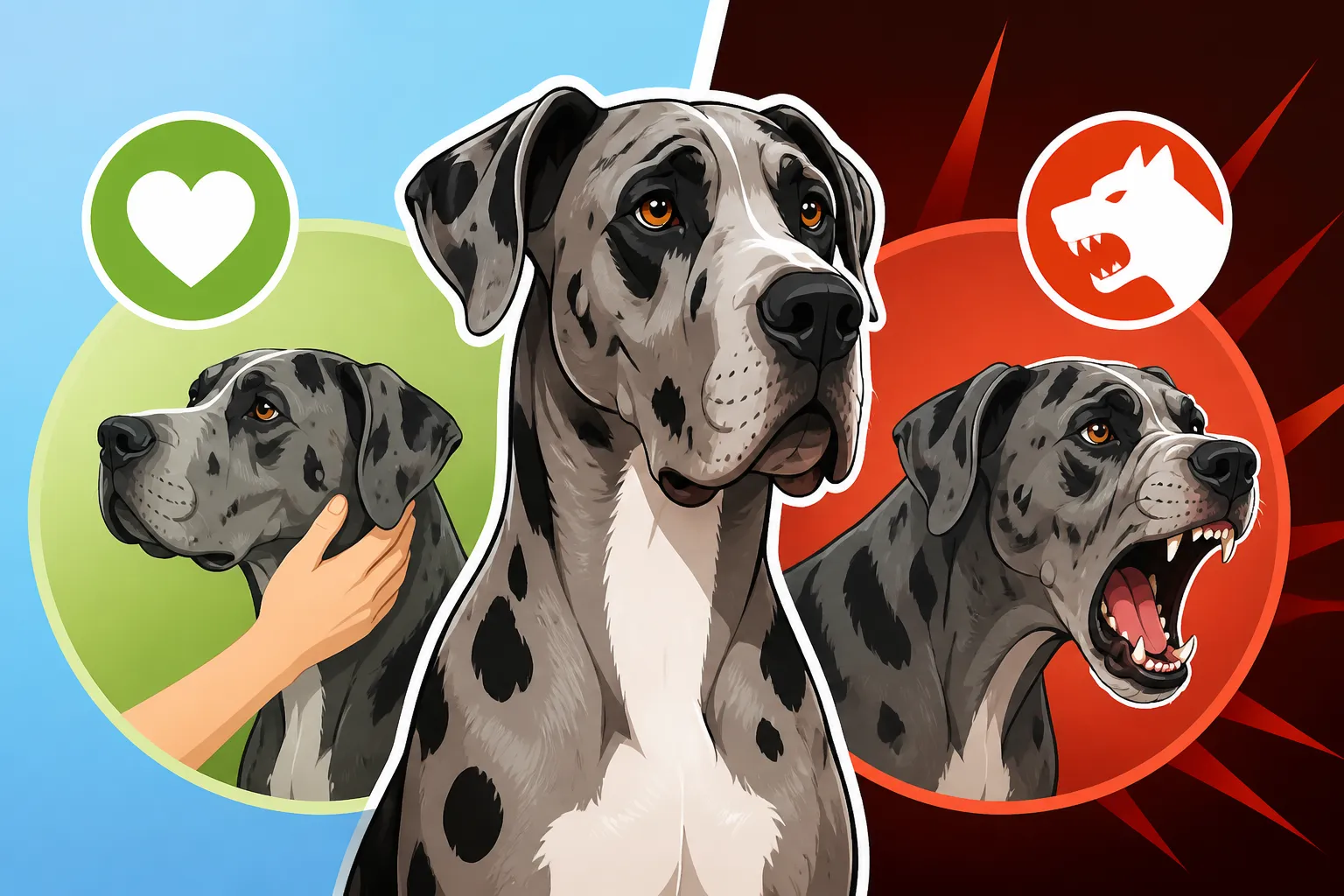
It's a common misconception that because Great Danes are lovingly dubbed "gentle giants," they are incapable of aggression. We often project this image of a placid, noble companion onto them, only to be utterly shocked, and sometimes heartbroken, if our own Dane exhibits growling, snapping, or lunging behavior. This guide will delve into the nuances of Great Dane temperament, exploring why aggression can manifest in even the most beloved of these colossal canines, and how you, as a responsible owner, can recognize, prevent, and manage such concerning behaviors.
Understanding the Great Dane Temperament: The "Gentle Giant" Ideal
The phrase "gentle giant" is practically synonymous with the Great Dane, and for very good reason. These dogs are truly magnificent, often displaying a calm demeanor, immense patience, and an almost comical unawareness of their own gargantuan size. They are famous for wanting to be lap dogs, for leaning into their people, and for generally being very biddable and affectionate members of the family.
The Foundation of Their Reputation
Historically, Great Danes were bred for hunting formidable wild boar, requiring courage and strength. However, the modern Great Dane has been selectively bred over generations for companionship, emphasizing a stable, amiable temperament. This careful breeding has fostered a dog that is typically good-natured, tolerant, and eager to please its human family. They often form deep bonds, thriving on human interaction and craving to be an integral part of daily life. Their calm presence can be incredibly soothing, and many owners describe them as having an almost regal dignity combined with a goofy, playful streak. It's this combination that makes them such beloved family pets and why their reputation as a "gentle giant" is so widely held and largely accurate.
For many Great Dane owners, their dog's gentle nature is the very essence of their appeal. You can spend hours watching them interact with children, often displaying an almost saint-like patience, or observe them quietly occupying a corner of a room, content just to be near their people. Their generally low-key indoor energy, once past puppyhood, also contributes to this image. This inherent gentleness is a beautiful trait, but it's important not to confuse it with an absolute guarantee against any negative behavior. It's a predisposition, not an infallible shield against all circumstances that might lead to aggression.
When the Gentle Giant Persona Cracks
However, even with the best genetics and the most loving upbringing, any dog, regardless of breed, has the potential to exhibit aggression. The sheer size and power of a Great Dane mean that even a minor display of aggression can have serious consequences. A nip from a Chihuahua is vastly different from a bite from a Great Dane. When a "gentle giant" shows aggression, it can be particularly alarming because it goes against everything we expect and hope for in the breed. This isn't about blaming the dog, but understanding that dogs are complex creatures, and various factors can contribute to behavioral shifts, even in those predisposed to gentleness.
Aggression in a Great Dane doesn't always look like a snarling, lunging attack that you might see depicted in movies. It can start subtly: a stiffening of the body, a low growl, whale eye (where the whites of their eyes are visible), a quick snap in the air, or even just avoiding eye contact and retreating. These are all forms of communication, and if ignored, they can escalate. The frustration for owners often stems from this disconnect – how can my gentle, sweet Dane be doing this? It's crucial to acknowledge that while rare for the breed, it's not impossible, and understanding the root cause is the first step toward effective management. No dog is born aggressive; rather, circumstances, experiences, and underlying issues often drive these behaviors.
Common Triggers and Forms of Aggression in Great Danes
Aggression is rarely random; it's almost always a response to a perceived threat or an underlying issue. For a Great Dane, due to their impressive size, any form of aggression must be taken extremely seriously. Identifying the specific trigger and the type of aggression is crucial for effective intervention.
Fear-Based Aggression
One of the most common forms of aggression in dogs, including Great Danes, is rooted in fear. A fearful dog might try to escape a situation it perceives as threatening, but if escape isn't possible, it may resort to aggression as a defensive mechanism. Imagine a scenario where a Great Dane, not properly socialized as a puppy, is suddenly confronted by a boisterous stranger reaching out to pet its head without permission. The Dane might feel cornered, unable to retreat, and in its panic, it could growl, snap, or even bite to make the perceived threat go away.
This type of aggression isn't about dominance; it's about survival. A large, fearful dog is incredibly dangerous because its defensive reactions can be devastating. Owners might unknowingly reinforce this fear by comforting the dog after an aggressive display, which the dog interprets as validation of its fearful response. It’s a vicious cycle that requires careful handling and often professional intervention to build confidence rather than reinforce fear. Addressing the underlying anxiety and teaching the dog appropriate coping mechanisms is paramount. You might find it helpful to read Building Confidence in a Nervous Great Dane to understand how to approach this.
Resource Guarding
Resource guarding occurs when a dog becomes defensive over items it values, such as food, toys, sleeping spots, or even people. While some breeds are more prone to it, any dog can develop this behavior. For a Great Dane, resource guarding can be particularly concerning because their sheer size means they can easily injure someone attempting to take a valued item. Picture a Great Dane growling fiercely when someone approaches its food bowl while it’s eating, or snapping if a child tries to take its favorite toy away.
This behavior often stems from an innate instinct to protect valuable assets, but in a domestic setting, it can become problematic. It’s not necessarily a sign of a bad dog, but rather a misinterpretation of social rules. Training is essential to teach the dog that approaching hands or people are not threats to their resources, and that giving up an item can lead to an even better reward. Teaching a reliable "drop it" or "leave it" command is critical for safety. This is where consistent training, perhaps even with resources from BAXTER & Bella, can make a huge difference. You'll definitely want to explore Teaching a Great Dane to Leave Food Alone to set appropriate boundaries.
Frustration or Barrier Aggression
Frustration aggression often manifests when a dog is prevented from reaching a desired object, person, or other dog. This can be seen in "barrier aggression," where a dog acts aggressively when behind a fence, on a leash, or in a crate, but might be perfectly friendly when the barrier is removed. Think of a Great Dane barking and lunging frantically at another dog from behind a fence, but if the fence wasn’t there, it might just want to play. The barrier amplifies their frustration because it prevents them from acting on their impulses, whether those impulses are friendly or otherwise.
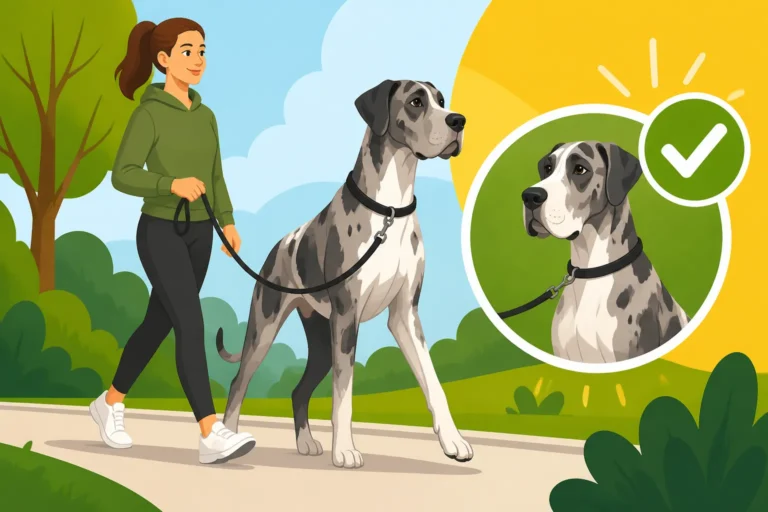
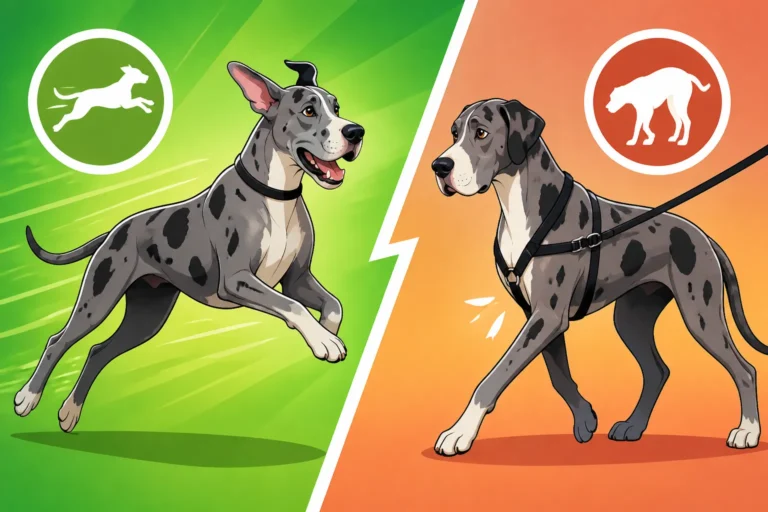
Similarly, a Great Dane on a leash might display aggression towards other dogs or people because the leash restricts its natural instinct to approach, sniff, or flee, leading to pent-up frustration. This can be incredibly challenging for owners, especially given the strength required to manage a lunging Great Dane. It’s not uncommon for owners to be pulled off their feet. This type of aggression requires specific training to teach the dog to calmly observe without reacting, often involving desensitization and counter-conditioning. Understanding how to manage A Great Dane That Lunges at Other Dogs on leash is critical for public safety and your own peace of mind.
Pain-Induced Aggression
Sudden changes in a Great Dane's behavior, particularly the onset of growling or snapping, should always prompt a veterinary visit. Pain, whether acute from an injury or chronic from conditions like arthritis or hip dysplasia, can make even the gentlest dog lash out defensively. Imagine trying to pet your Dane in a spot that causes it intense discomfort; its immediate, instinctual reaction might be a warning growl or a snap to make you stop. They aren't being "mean"; they are communicating their distress the only way they know how when their pain threshold is met.
Hidden medical conditions, such as thyroid imbalances, neurological issues like The Neck Condition That Trips a Great Dane Up, or even dental pain, can significantly impact a dog's temperament. What appears to be aggression might simply be a dog trying to cope with its physical discomfort. A thorough physical examination and diagnostic tests are crucial to rule out any underlying health problems before addressing the behavior as purely psychological. Always consult your veterinarian if you notice a sudden shift in your Great Dane's demeanor, especially if it involves uncharacteristic aggression. It’s important to consider Whether a Great Dane Feels Pain Differently as part of your overall understanding of their health. Also, The Thyroid Test a Slow Great Dane Needs is another important check, as hormonal imbalances can cause significant behavioral shifts.
Proactive Prevention and Management Strategies
The key to preventing aggression in a Great Dane, or any dog, lies in proactive, consistent training and socialization from a very young age. Because of their size, what might be a minor behavioral quirk in a smaller dog can become a major safety hazard with a Great Dane. Investing time and effort early on is paramount.
Early Socialization and Training are Non-Negotiable
A Great Dane puppy needs exposure to a wide variety of sights, sounds, people, and other well-behaved dogs during its critical socialization period (roughly 3-16 weeks). This isn't just about walks in the park; it's about controlled, positive experiences that build confidence and teach the puppy how to appropriately interact with the world around it. Lack of proper socialization is a huge risk factor for fear-based aggression later in life. Imagine a Great Dane puppy that has only ever seen its immediate family and backyard; sudden exposure to a busy city street or a playful group of children could be terrifying and provoke a defensive reaction.
Beyond socialization, consistent training is the bedrock of a well-behaved Great Dane. Commands like "sit," "stay," "come," and "leave it" aren't just parlor tricks; they are crucial safety cues. From the moment they arrive home, a Great Dane puppy needs to learn boundaries and expectations. Due to their rapid growth, The Manners a Great Dane Needs Before It Grows cannot be overstated. Waiting until your Great Dane is 100+ pounds to start training is setting yourself up for a struggle. Consider professional puppy classes or online programs like BAXTER & Bella, which offer structured guidance. The more positive experiences and clear communication you establish early on, the less likely your Great Dane will resort to aggression out of confusion or fear. Getting started with Socializing a Great Dane Puppy Early will lay the foundation for a confident, well-adjusted adult.
Consistent Leadership and Clear Boundaries
Dogs thrive on routine and clear expectations. As Great Dane owners, it's our job to provide calm, consistent leadership. This doesn't mean being harsh or dominant; it means being fair, predictable, and firm in establishing boundaries. A Great Dane needs to understand what is acceptable behavior and what is not, every single time. If one day jumping on guests is tolerated, but the next it's punished, the dog becomes confused and anxious, which can sometimes lead to frustration or defensive behaviors.
For example, if your Great Dane is prone to resource guarding its toys, consistently practicing "trade" games where you offer a high-value treat for a toy, and then immediately return the toy, teaches them that your approach isn't a threat but an opportunity. This builds trust and reduces the need for aggressive defense. Always reinforce positive behavior and redirect unwanted actions gently but firmly. Consistency is the magic ingredient. Every member of the household needs to be on the same page with rules and commands to avoid sending mixed signals that can undermine the dog's confidence and potentially lead to behavioral problems.
Environmental Management and Safety
Sometimes, prevention isn't just about training; it's about managing the environment to prevent aggressive incidents from occurring. This is especially true for Great Danes, where their size magnifies any potential risk. If your Great Dane is prone to jumping on visitors, installing baby gates that are tall enough to contain them when guests arrive can prevent accidental knocks or fearful reactions. For resource guarders, feeding them in a separate, quiet area where they won't feel threatened can avoid confrontations. You may want to check out Baby-Proofing a Kitchen From a Great Dane for ideas on securing your home.
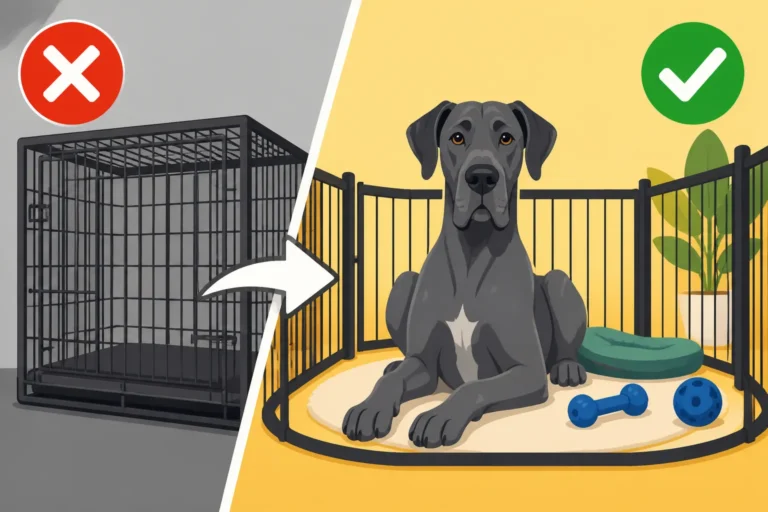
Choosing the right equipment is also part of environmental management. Investing in durable, appropriate-sized toys from retailers like Amazon that can withstand a Great Dane's powerful jaws can prevent destructive chewing that stems from boredom or frustration. Similarly, selecting a sturdy crate that comfortably accommodates their large size, like those discussed in Crates That Hold a Full-Grown Great Dane, can provide a safe haven and aid in training. Managing their exercise, ensuring they get enough appropriate physical activity without overtaxing their growing joints, also contributes to a balanced temperament. A tired Dane is often a well-behaved Dane, less likely to act out from pent-up energy.
Seeking Professional Help When Aggression Arises
If your Great Dane is showing signs of aggression, it is absolutely crucial to seek professional help without delay. Due to their size, ignoring or mishandling aggression can lead to dangerous situations for family members, visitors, and other animals.
Recognizing the Signs and Not Delaying Action
The subtle signs of aggression often precede more overt displays. These can include a hard stare, stiff body posture, lip licking (when not eating), yawning (when not tired), head turning away, growling, a quick snap in the air, or even avoidance. Many owners unknowingly miss these early warning signals, thinking their dog is "just playing" or "being grumpy." With a Great Dane, their large size means even a "warning" can cause injury. For instance, a warning growl followed by a quick snap that misses is a serious incident that should be addressed immediately, not dismissed.
Never punish a growl. A growl is a dog's way of saying, "I'm uncomfortable; please stop." If you punish the growl, you teach the dog that giving a warning is unacceptable, which means they might skip the warning next time and go straight to a bite. Instead, acknowledge the growl as communication and try to identify what triggered it, then remove the trigger or the dog from the situation. Delaying action can lead to the behavior becoming more ingrained and difficult to modify, and ultimately, far more dangerous.
Consulting a Qualified Professional
When dealing with aggression in a Great Dane, it is imperative to consult with a qualified professional. This isn't a task for an inexperienced trainer or a DIY approach from YouTube videos. Look for certified professional dog trainers (CPDT-KA), certified dog behavior consultants (CDBC), or veterinary behaviorists (DACVB). These professionals have specialized knowledge in canine behavior and, crucially, experience with large breeds like Great Danes. They understand that a force-based or punishment-heavy approach can often exacerbate fear and aggression in sensitive breeds.
A good behaviorist will conduct a thorough assessment of your dog, your household, and the specific triggers for the aggression. They will then develop a tailored behavior modification plan using positive reinforcement and science-based methods. This plan might involve desensitization (gradually exposing the dog to the trigger at a low intensity) and counter-conditioning (changing the dog's emotional response to the trigger from negative to positive). The goal is to address the underlying emotion driving the aggression, not just suppress the outward symptoms. It can be challenging to find someone truly equipped to handle a dog of this magnitude, but prioritizing Finding a Trainer Comfortable With a Great Dane is non-negotiable for safety and success.
Medical Evaluation as a First Step
Before any behavior modification plan begins, a comprehensive veterinary examination is absolutely essential. As discussed earlier, pain or underlying medical conditions can be significant contributors to aggressive behavior. A dog that is suffering might become irritable, defensive, and lash out due to discomfort. For instance, a Great Dane with undiagnosed joint pain might snap when touched unexpectedly or become agitated by boisterous play. Similarly, conditions like hypothyroidism can cause lethargy, irritability, and sometimes aggression.
Your veterinarian might recommend blood work, X-rays, or other diagnostic tests to rule out physical causes. Only once all medical issues have been addressed or ruled out can behavioral strategies be truly effective. Working in conjunction with your vet, a professional behaviorist can ensure that your Great Dane receives the most comprehensive care possible, addressing both physical and behavioral health. This integrated approach offers the best chance for a positive outcome and a return to the "gentle giant" you know and love.
| Type of Aggression | Common Triggers | Early Signs | Management/Prevention Strategies |
|---|---|---|---|
| Fear-Based | Unfamiliar people, places, noises, objects; perceived threats. | Retreating, shaking, lip licking, yawning, growling, snapping. | Early, positive socialization; gradual, controlled exposure; building confidence; desensitization and counter-conditioning; avoiding punishment; seeking professional behavioral guidance. |
| Resource Guarding | Food, toys, bones, specific resting spots, valued people. | Stiffening, freezing, hard stare, growling, snarling, snapping, biting. | "Trade" games (exchange item for high-value treat); teaching "leave it" and "drop it" commands; feeding in a quiet, separate area; avoiding confrontation over guarded items; professional training. |
| Frustration/Barrier | Being restrained (leash, fence, crate) from reaching desired stimulus. | Barking, lunging, whining, frantic pacing, aggressive displays when contained. | Leash training with positive reinforcement; controlled introductions; desensitization to triggers while on leash/behind barrier; consistent management of environment; ensuring adequate exercise. |
| Pain-Induced | Being touched in a sore area; chronic pain; underlying illness. | Sudden growling, snapping, flinching, reluctance to be touched; changes in appetite or energy. | Immediate veterinary examination to rule out medical causes; pain management if needed; gentle handling; respecting the dog's boundaries; regular health check-ups. |
Disclaimer
This article is for general informational purposes only and does not constitute professional advice. Laws, prices and regulations vary by location and change over time. Consult a qualified professional for guidance on your specific situation.