Building Confidence in a Nervous Great Dane
Living with a Great Dane who is prone to nervousness can feel incredibly daunting. Their sheer size, combined with a sensitive disposition, means that a worried Dane isn't just a little shy; they can be an overwhelming presence, often retreating or acting out in ways that are difficult to manage. This guide aims to help you understand the root causes of anxiety in your giant companion and provide actionable strategies to build their confidence, turning those anxious moments into opportunities for growth and trust.
Understanding Your Nervous Great Dane
It's easy to dismiss a big dog's shyness as a personality quirk, but a truly nervous Great Dane is experiencing real stress and fear. Understanding what that looks like and why it happens is the first step toward helping them feel more secure in their world. You might be surprised to learn how many subtle cues your Dane is giving you.
Recognizing the Signs of Anxiety in a Giant Breed
A nervous Great Dane won't always cower in a corner, though some certainly will. Their anxiety can manifest in a variety of ways, some of which might even be mistaken for bad manners. Because of their size, even mild anxiety can lead to significant challenges for owners.
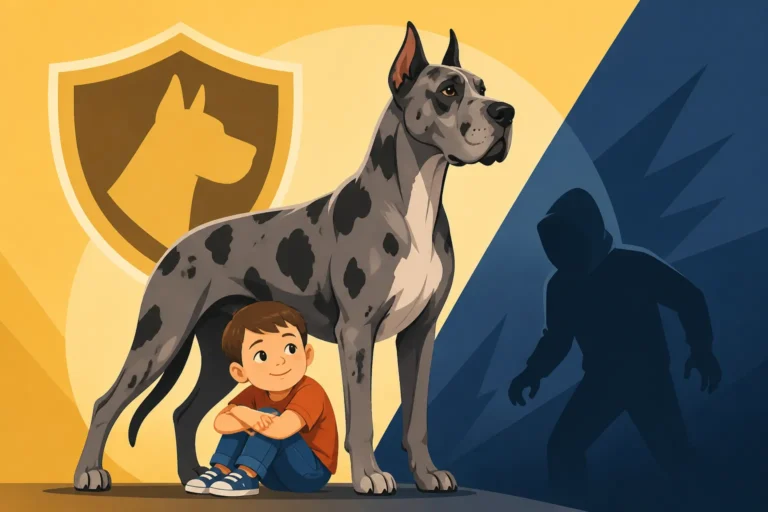
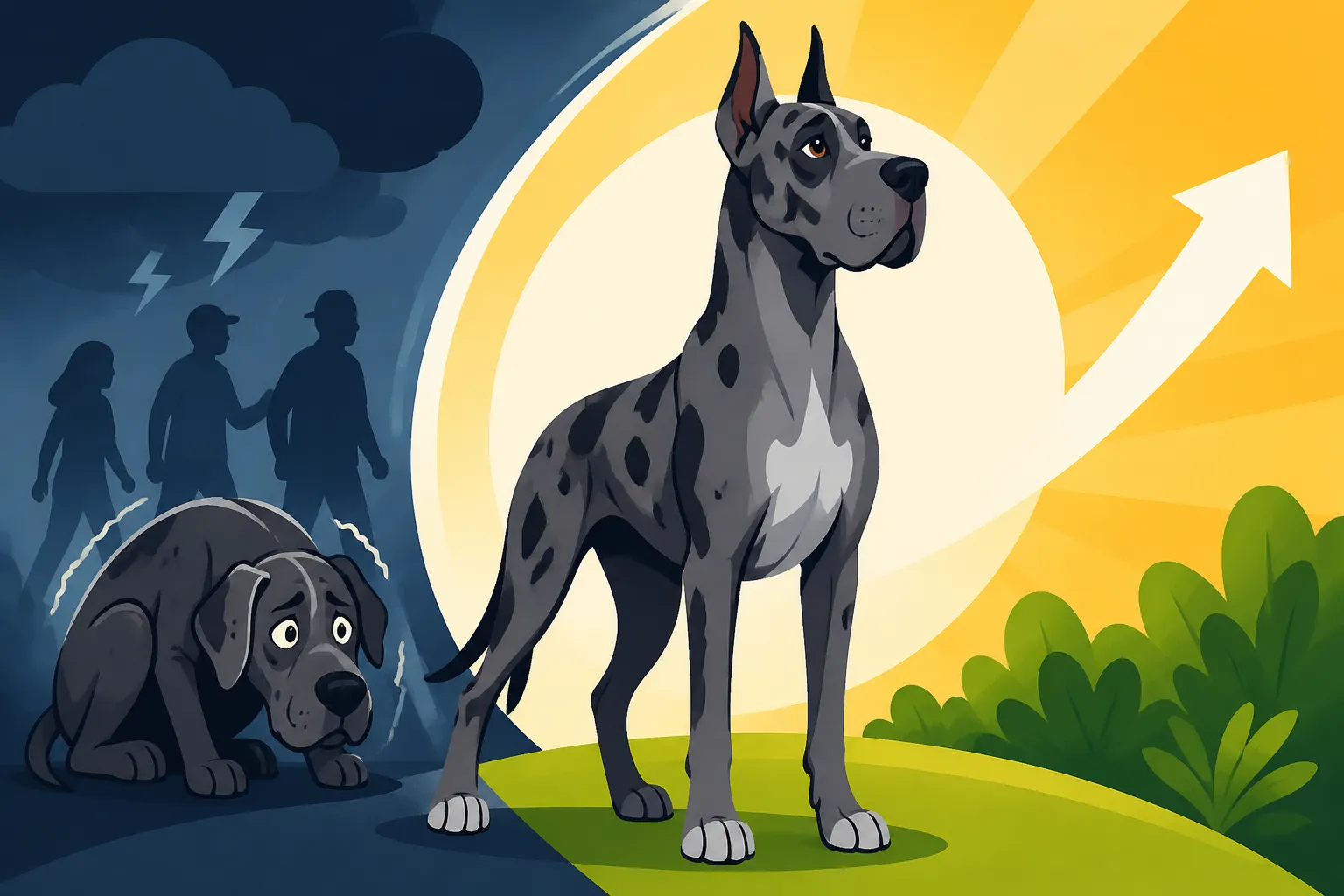
For example, a Great Dane might display avoidance behaviors, like turning their head away, trying to hide behind you A Great Dane That Hides Behind Its Owner, or simply refusing to engage with a new person or object. When meeting strangers, they might stiffen, tuck their tail, or even attempt to retreat, despite their imposing stature. Sometimes, nervousness can be expressed as excessive barking or lunging, especially if they feel trapped or are trying to create distance from something scary. It's not uncommon for anxious Danes to have house training regressions, even if they were perfectly clean before, or to engage in destructive chewing when left alone because of separation anxiety. You might also see more subtle signs like lip-licking, yawning when not tired, panting without exertion, or excessive shedding. A worried Dane might also lean on you excessively, not just for affection, but as a way to seek reassurance and feel protected. It's a way for them to say, "I'm scared, protect me!"
Common Triggers and Underlying Causes
The reasons a Great Dane develops nervousness can be complex, often a mix of genetics, early experiences, and environmental factors. Some Danes are simply born with a more sensitive temperament; it's just part of who they are, much like some people are naturally more introverted. Poor early socialization is a huge factor. A puppy who isn't exposed to a wide variety of sights, sounds, people, and other friendly dogs during their critical developmental period (roughly 3 to 16 weeks) can grow up to be fearful of anything new. Imagine a massive dog who's never seen a mailman or heard a vacuum cleaner – those everyday occurrences can be terrifying. For more on early exposure, check out Socializing a Great Dane Puppy Early.
Traumatic experiences can also leave lasting scars. A single negative encounter with another dog, a loud noise, or a harsh correction can set back a sensitive Dane's confidence significantly. Living in an unpredictable environment, where routines are erratic or they don't feel safe, also contributes. Even things we might not consider traumatic, like being handled roughly as a puppy or going through a "fear period" without adequate support, can contribute to a Great Dane that is anxious rather than gentle. Furthermore, underlying health issues can manifest as behavioral changes. Pain or discomfort can make a dog more irritable or less tolerant of situations they would normally handle well. It’s always worth discussing any sudden changes in behavior with your vet to rule out medical causes.
Building a Foundation of Security and Predictability
Just like people, dogs thrive on predictability and feeling safe in their own space. For a nervous Great Dane, this foundation isn't just helpful; it's absolutely essential. Without it, any training efforts will be built on shaky ground.
Creating a Safe Haven at Home
Your home should be your Great Dane's sanctuary, a place where they feel completely secure and can decompress from the stresses of the outside world. This means providing them with their own designated "safe space" – a crate, a specific bed in a quiet room, or a corner that is exclusively theirs. This space should be comfortable, perhaps with an orthopedic bed designed for giants, and filled with comforting items like their favorite blanket or a chew toy. This isn't a punishment zone; it's their personal retreat. You can make it extra enticing with a long-lasting chew or a puzzle toy.
It’s also crucial to control their environment to minimize triggers. If your Great Dane barks frantically at every passerby through the window, consider using frosted film or simply drawing the blinds during peak activity times. If certain noises bother them, play calming music or use a white noise machine to muffle external sounds. For a Dane who struggles with alone time, a secure, comfortable crate can be a lifesaver, and learning to build up their time alone gradually is key Building Up a Great Dane's Alone Time. The goal is to reduce their baseline stress level so they have more emotional capacity to learn and cope with new situations.
Establishing a Consistent Routine
Dogs are creatures of habit, and Great Danes, especially those prone to anxiety, benefit immensely from a predictable daily routine. Knowing what to expect throughout the day can significantly reduce their stress. This means consistent feeding times, regular potty breaks, and scheduled exercise sessions. If walks are unpredictable, for instance, your Dane might become anxious when you reach for the leash, anticipating a potentially scary encounter.
Imagine your Dane's day: wake up, potty, breakfast, short supervised playtime, nap, potty, training session, chew time, potty, dinner, evening quiet time, final potty, bed. While life happens and schedules can shift, striving for consistency in core activities provides a mental framework that tells your Dane, "Everything is okay; I know what's next." This sense of order helps them feel more in control and less overwhelmed by uncertainty. It also helps manage their energy levels, ensuring they're not overtired or overstimulated, which can exacerbate nervousness.
The Importance of Appropriate Tools and Equipment
For a large, nervous dog, the right equipment isn't just about control; it's about comfort and safety for both of you. A flat collar is often insufficient for a powerful Great Dane who might lunge or back out when scared. A well-fitting, comfortable harness that clips in the front can give you more leverage without putting pressure on their sensitive neck. Look for harnesses designed for giant breeds that distribute pressure evenly across the chest. Brands available on platforms like Amazon often offer a range of sizes that can accommodate the unique dimensions of a Great Dane.
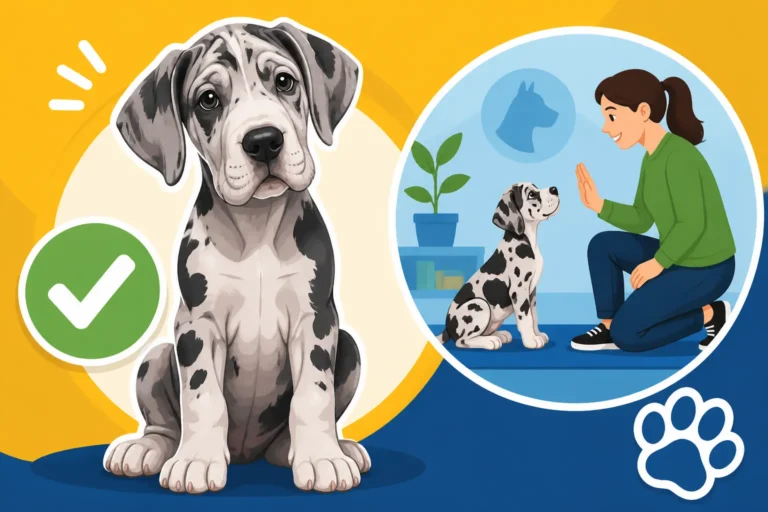
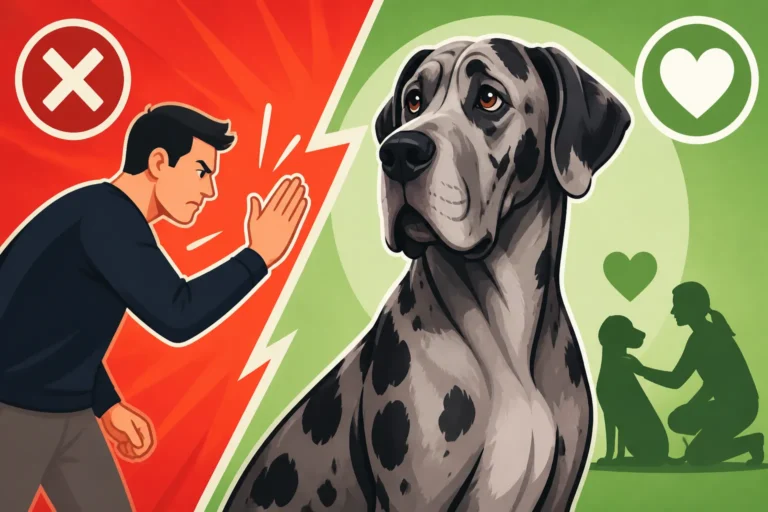
Avoid harsh training tools like choke chains or prong collars, especially with a nervous dog. These can actually increase fear and aggression, further damaging their confidence and your bond. Instead, focus on positive reinforcement tools like high-value treats and a clicker. A long line can also be incredibly useful for practicing recall and allowing your Dane to explore safely in a larger area without being completely off-leash. For dogs who are particularly sensitive to touch, even a gentle hand can sometimes be misinterpreted, so getting them used to handling from a young age is crucial Getting a Great Dane Puppy Used to Handling.
Gentle Exposure and Positive Reinforcement Techniques
Once you've established a secure home environment, you can begin the delicate process of helping your Great Dane cope with the things that make them nervous. This isn't about forcing them to face their fears; it's about gradual, positive experiences.
Desensitization: Slowly Introducing New Experiences
Desensitization means slowly and systematically exposing your Great Dane to their triggers at a level so low they don't react with fear. The key here is gradual. If your Dane is terrified of other dogs, you don't start by walking into a dog park. You start by observing other dogs from a safe distance – perhaps across a very wide street, or from inside your car. The goal is for them to notice the trigger without showing any signs of stress.
For example, if the mailman is a major trigger, start by simply having them see the mail truck from inside the house, through a window. Once they can do that calmly, maybe open the window a crack. Then, if they can handle that, try stepping onto your porch with them on a leash, still far from the street. The distance or intensity is always adjusted so they remain calm and below their "fear threshold." If they start to show any signs of stress, you've gone too far, too fast. Retreat to a level where they were comfortable and try again. This process requires immense patience, but it’s incredibly effective because it rewires their brain's association with the trigger.
Counter-Conditioning: Changing Emotional Responses
Desensitization goes hand-in-hand with counter-conditioning. While desensitization reduces the intensity of the trigger, counter-conditioning changes your Dane's emotional response to it. Instead of associating the mailman with fear, you want them to associate the mailman with something wonderful, like delicious treats.
Using the mailman example again: the moment your Dane sees the mail truck (from that safe, far distance where they aren't reacting), immediately start feeding them high-value treats, one after another. The treats stop as soon as the truck is out of sight. You are literally pairing the scary thing with something fantastic. Over time, their brain starts to think, "Mail truck equals yummy treats!" This isn't bribing; it's changing their underlying emotional state. This technique works for nearly any trigger, whether it's loud noises, specific people, or even vet visits Whether a Great Dane Even Fits on a Vet Table. Consistency is crucial. You want to create so many positive associations that the fear response is gradually replaced by a neutral or even happy expectation. Many online training programs, such as those offered by BAXTER & Bella, include modules on these specific techniques, guiding you through the process with professional insight.
Play and Enrichment to Boost Confidence
Beyond direct training, integrating regular play and mental enrichment into your Great Dane's day is a fantastic way to build their overall confidence. Play helps them burn off nervous energy in a positive way and strengthens your bond. Tug-of-war, fetch, or even just chasing a flirt pole in the yard can be incredibly beneficial. Focus on games where they "win" and feel successful, which boosts their self-esteem.
Mental enrichment through puzzle toys, snuffle mats, or scent games can also be incredibly powerful. These activities engage their brain, provide a sense of accomplishment, and can be wonderfully distracting from internal anxieties. A Great Dane that learns how to figure out a puzzle to get a treat feels smart and capable. This kind of work is tiring in a good way, promoting calm and contentment. It’s also a safe way to help them expend energy without forcing them into potentially stressful physical exercise, which is especially important during their growing years Exercise Limits While a Great Dane Is Still Growing.
When to Seek Professional Guidance
While self-help strategies are valuable, there are times when the complexity or severity of a Great Dane's nervousness calls for expert intervention. Don't feel like a failure if you need to call in the pros; it's a sign of a responsible owner committed to their dog's well-being.
Consulting a Qualified Dog Trainer or Behaviorist
For significant anxiety or aggression rooted in fear, a certified professional dog trainer or a veterinary behaviorist is your best resource. A good trainer can observe your Great Dane's specific behaviors, identify triggers you might have missed, and design a personalized training plan. They can also teach you how to properly implement desensitization and counter-conditioning techniques, ensuring you're doing them safely and effectively. It can be incredibly helpful to have someone experienced specifically with giant breeds, as their size adds a unique dimension to managing fear responses. Finding a trainer comfortable with a Great Dane is essential, as their methods need to be appropriate for a dog of this size and sensitivity Finding a Trainer Comfortable With a Great Dane.
A veterinary behaviorist, who is a veterinarian with specialized training in animal behavior, can offer an even deeper level of expertise. They can assess if there's a medical component to the anxiety and, if appropriate, prescribe medication to help manage severe fear, allowing behavioral modification to be more effective. Medication is rarely a standalone solution but can be a crucial tool in conjunction with behavior therapy, especially for dogs suffering from panic attacks or extreme phobias. They can help address specific issues like A Great Dane That Is Anxious Rather Than Gentle.
Addressing Medical Factors with Your Veterinarian
As mentioned earlier, behavioral changes can sometimes be a symptom of an underlying medical condition. A Great Dane who suddenly becomes anxious or fearful when they were previously outgoing might be experiencing pain, discomfort, or a neurological issue. Conditions like thyroid imbalances The Thyroid Test a Slow Great Dane Needs or even subtle cardiac issues Early Heart Signs in a Great Dane can impact a dog's overall demeanor and stress levels.
Your regular veterinarian should be your first point of contact if your Great Dane's nervousness is new, sudden, or rapidly worsening. They can perform a thorough physical examination, recommend blood work, and conduct other diagnostic tests to rule out any physical causes. Addressing any medical issues can often significantly reduce or even eliminate anxiety, making it easier for you to work on behavioral aspects. Even if no medical cause is found, your vet can provide referrals to trusted behavior specialists and offer initial advice on managing stress. Taking a proactive approach to their physical health is a foundational part of building a confident, happy Great Dane.
| Strategy Category | Key Action | Benefit for Nervous Dane | Tools/Considerations |
|---|---|---|---|
| Environmental Control | Create a designated safe space/crate | Reduces baseline stress, provides retreat | Comfortable bedding, quiet location, white noise, window film |
| Routine & Predictability | Establish consistent daily schedules | Builds security, reduces uncertainty | Consistent feeding, potty, exercise, and rest times |
| Equipment & Comfort | Use well-fitting, positive training tools | Prevents fear from negative associations, ensures safety | Front-clip harness, long line, high-value treats, clicker |
| Desensitization | Gradual, low-level exposure to triggers | Reduces intensity of fear response | Observation from afar, slow approach, controlled environments |
| Counter-Conditioning | Pair triggers with positive rewards | Changes emotional association from fear to positive | High-value treats, favorite toys, positive reinforcement |
| Enrichment & Play | Offer mental and physical stimulation | Builds confidence, expends nervous energy | Puzzle toys, snuffle mats, scent games, appropriate play sessions |
| Professional Help | Consult certified trainers/behaviorists | Expert guidance, personalized plans, medication if needed | Trainer referrals, veterinary behaviorist consultation, medical check-ups |
Remember, building confidence in a nervous Great Dane is a marathon, not a sprint. Celebrate small victories, be patient, and always approach your gentle giant with empathy and understanding. Your dedication can transform their world.
Disclaimer
This article is for general informational purposes only and does not constitute professional advice. Laws, prices and regulations vary by location and change over time. Consult a qualified professional for guidance on your specific situation.